
Ba Dinh District
Hanoi International School
low confidence· 4/6 cats · 1.2 avg sourcesSince 1996, a full IB continuum from age four to eighteen anchors day-school life in Hanoi's diplomatic quarter.
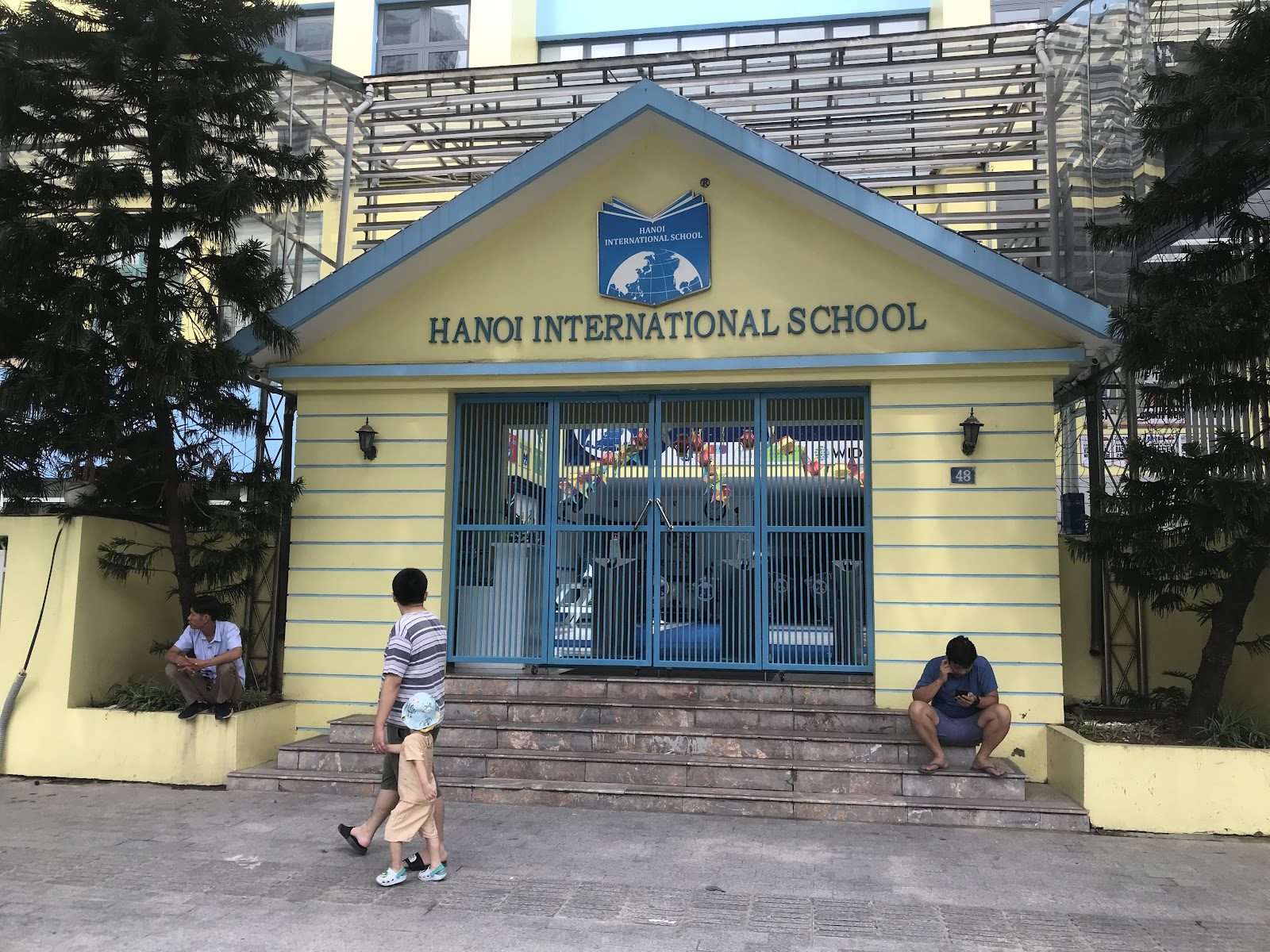
Photo © Dân Ngô via Google Maps
Type
Day
Ages
3–18
Curriculum
IB
Qualifications
IB Diploma · IB MYP · IB PYP
Ratio
—
The Verdict
Editor's commitment
Right for
Families in Hanoi wanting a day school in English from age 3-18, with the full IB continuum and CIS accreditation.
Wrong for
Anyone wanting boarding, a religious ethos, or a non-IB route; Hanoi International School is a non-religious day school founded in 1996.
Watch out for
The school advertises IB DP results 2026 but publishes no aggregate figures here; verify outcomes, especially for a 1996-founded IB World School.
Ranking breakdown
Hanoi International School · #983 of 1591
Composite score 63.4. 8 weighted criteria.
By criterion
Academic Outcomes
Weight 20%
#1002
of 1529 scored
University Placement
Weight 16%
#911
of 1529 scored
Prestige & Heritage
Weight 12%
#750
of 1529 scored
Alumni Network
Weight 12%
#854
of 1529 scored
Facilities
Weight 12%
#1120
of 1529 scored
Transparency & Communications
Weight 8%
#554
of 1529 scored
Peer & Industry Review
Weight 10%
#637
of 1529 scored
Admissions Selectivity & Demand
Weight 8%
#1232
of 1529 scored
Peer & Industry Review
How Hanoi International School is regarded in the sector
48
Credible · low confidence
Hanoi International School is best known in the sector for its longevity rather than for any sustained editorial spotlight, with the Good Schools Guide's Hanoi overview singling it out as one of the city's only two "long-standing names" alongside UNIS Hanoi, noting that the international school scene is young, apart from a few long-standing names like UNIS Hanoi (1988) and Hanoi International School (1996). Neither WhichSchoolAdvisor nor SchoolsCompared has published a dedicated verdict on the school, and the Good Schools Guide's own profile page carries only fee and accreditation fields rather than a written review. What third-party colour exists comes chiefly from parent-review aggregators and expat forums, which consistently praise its close-knit, family-school atmosphere over facilities or academic prestige. This leaves HIS a credible, CIS- and IB-accredited fixture of Hanoi's expat education scene, but one with a local reputation that has not translated into meaningful specialist-press or peer-benchmarking visibility.
Editors' overview
Hanoi International School occupies a clear niche in Hanoi: a long-established, non-religious day school in Ba Đình with the full IB continuum under one roof. Founded in 1996, it serves ages 3–18 and teaches in English, which gives it rare continuity from the early years through the Diploma Programme. For families who want a single academic framework rather than a patchwork of curricula, that matters. So does location. Ba Đình is Hanoi’s diplomatic quarter and one of the city’s original urban districts, which places the school in the orbit of embassy, NGO and internationally mobile families. The draw here is not spectacle. It is continuity, international fluency and a school structure that does not force a curriculum reset at age eleven or sixteen.
What sets HIS apart is not scale or prestige theatre; it is coherence. The school is an IB World School and holds CIS accreditation, which gives parents two solid external reference points. The public case the school makes rests on broad education, inclusion, the arts and athletics alongside academics. That reads as a school that wants balanced students, not only high scorers. Parents should still note what the school does not publish in the excerpts here: no aggregate IB Diploma results, no university destinations, no sixth-form profile by subject, and no fee detail. That opacity limits any hard comparison with stronger-reporting competitors. Even so, a full-IB day school founded in 1996 has market weight in Hanoi, and for parents who value a settled framework over branding noise, HIS earns a place on a shortlist.
The best-fit student is one who thrives in a caring community but still wants academic stretch, especially across inquiry-led learning and the broad habits the IB rewards: writing, discussion, reflection, organisation and independent thought. This suits internationally minded children, students moving between countries, and families who do not want their child to switch systems midstream. It also suits pupils who want serious participation in arts and sport without treating either as decorative extras. A child who needs relentless exam drilling or a highly selective, overtly competitive culture may find the tone too nurturing and too balanced for their taste.
In market terms, HIS is a steady, full-sequence IB school with a diplomatic-quarter address and a mature institutional footprint. That is its advantage. It offers stability, breadth and a complete educational through-line in English from the early years to graduation. Parents choosing between Hanoi’s international schools should shortlist HIS if they want an established day school with the full IB pathway, a visibly inclusive ethos, and a student body that values engagement across academics, arts and athletics rather than a narrow race for status.
Academic Performance
HIS advertises an “IB DP Results 2026” item on its news feed, but the school does not publish aggregate Diploma data in the excerpts here. That matters. Without a cohort average, pass rate, subject breakdown or higher-level distribution, parents cannot place academic performance against Hanoi competitors that release hard numbers and year-on-year trends. Nor does the school disclose university destinations in the public extracts here, which removes another common proxy for sixth-form strength. For an all-through school selling continuity and breadth, that gap is a real weakness in external accountability.
What the public case does show is a school that treats academic success as part of a wider programme rather than as a results-first machine. The emphasis falls on whole-person education, arts, athletics and inclusion, not on selective admissions, score inflation or top-decile bragging. That does not indict standards; it means the school asks families to trust its academic quality without giving them the comparative data that more performance-conscious parents will demand. Relative to peers, HIS sits in the group of established international schools with a serious framework and opaque outcomes. Until it publishes headline Diploma figures and destination data, it remains harder to judge than the best-reporting schools in the market.
Facilities
The school’s public emphasis falls on arts and athletics, which tells you where the visible facility investment sits. Parents can infer dedicated spaces for performance, visual art and indoor sport rather than a campus built around one flagship feature. That matters in this segment of the market. Many mid-sized international schools in older urban districts work within tighter footprints than greenfield rivals on the edge of town, and HIS fits that pattern. The trade-off is familiar: less land, less spectacle, fewer headline amenities, but a more compact daily experience. For families who value convenience and a school day that does not sprawl across a vast site, that can be a practical advantage. For families shopping for Olympic-scale sports provision, a black-box theatre complex or showpiece facilities, HIS does not make that case in public.
Against Hanoi peers, the facilities profile reads as functional rather than lavish. The school gives real prominence to the arts as part of student identity and to athletics as a parallel strand to academics, which carries more weight than schools that treat both as brochure filler. Still, the published information is thin where it matters most. We have not seen a campus plan, specialist-lab detail, auditorium specification, pool, pitch inventory or maker-space provision. That lack of disclosure leaves HIS at a disadvantage against competitors that publish floor-by-floor specifics and photography that lets parents judge scale for themselves. The bottom line: expect competent, balanced provision for everyday school life, not a facilities arms race.
Hanoi International School occupies a clear niche in Hanoi: a long-established, non-religious day school in Ba Đình with the full IB continuum under one roof
Prestige
Hanoi International School carries solid local standing rather than elite cachet. Its prestige rests on durability, coherence and address: an established international school in the capital’s diplomatic district with one academic model running from the early years to graduation. For internationally mobile families, that has real value. So does the age span of 4 to 18 on the school’s own homepage, which signals continuity that newer or narrower schools cannot match. The school’s tone is measured, community-first and adult, not aspirational theatre. Parents looking for a school that trades on old-boy networks, celebrity alumni or high-volume public triumphalism will not find that here.
That is why the prestige rating sits in the middle-to-upper tier rather than at the top. HIS has the institutional markers that confer credibility, but it does not publish the kind of outcome data that converts credibility into hard-edged academic prestige. No aggregate Diploma results are in the public domain here; no university destination pattern is published; no selective aura is built into the school’s public case. In practical terms, HIS offers earned respect more than market glamour. Within Hanoi, that makes it a serious option for families who prize stability, inclusion and a diplomatic-quarter location. For parents chasing status signalling or a results-dominant brand, stronger contenders exist.
Hanoi International School carries solid local standing rather than elite cachet
Communications
The school communicates in a straightforward, school-noticeboard style. The homepage carries a live news feed, an events calendar with date-specific entries, and clear navigation into academic phases, arts and athletics. That gives parents the basics: what is happening, when it is happening, and which part of school life it sits in. The calendar function matters more than glossy messaging. A listed Open House on 27 Aug and national holiday closures on 31 Aug, 1 Sep and 2 Sep show a school using its public channels for practical scheduling, not just brand maintenance. The tone is plain, orderly and serviceable. It does not waste time on jargon or leadership grandstanding.
Effective communication, though, is not only about posting events. It is about disclosing the information parents use to judge a school. On that test, HIS is too guarded. The site flags an IB results story, yet the public extracts do not give cohort-wide outcomes, destination lists or the kind of senior-school data that serious parents expect. That weakens trust. A school can run a tidy calendar and still communicate selectively. The strongest communicators combine day-to-day clarity with institutional transparency; HIS manages the first and falls short on the second. The result is competent operational communication paired with thin strategic disclosure. For existing parents, that may suffice. For prospective families making hard comparisons, it does not.
Uniqueness
What makes HIS distinctive is not novelty. It is the refusal to force children through a sequence of institutional resets. In a market where many families stitch together one school for the early years, another for secondary and a third for examination classes, HIS offers a single educational track from 4 to 18. That gives students a rare continuity of expectations, relationships and school culture. The gain is practical as much as pastoral: less disruption at key transition points, fewer abrupt changes in teaching style, and more time for teachers to understand a child’s strengths, habits and blind spots over the long term. For internationally mobile families, that kind of settled through-line has real force.
The other point of difference sits in tone. HIS does not sell itself as a pressure-cooker or a prestige machine. It puts equal public weight on arts, athletics and an inclusive community, which marks it out as a school for families who want balanced development rather than a narrow exam factory. That brings clear benefits for students who thrive when school life has more than one lane: academic study, performance, sport, leadership and social confidence all carry value here. The trade-off is plain. Children who want a hard-charging, openly competitive environment may find the culture too restrained. Students who value breadth, stability and a calmer social climate will find the school’s distinct advantage there.
The emphasis falls on whole-person education, arts, athletics and inclusion, not on selective admissions, score inflation or top-decile bragging
Student Profile
The best fit is a child who likes school to have more than one lane. HIS suits students who can move between classroom discussion, creative work, team sport and community life without treating any of them as optional extras. The public emphasis on inclusion, care and whole-person development points to a social environment that rewards emotional steadiness, good self-management and a willingness to participate rather than posture. This is a strong match for internationally mobile families and for children who settle best in a community with a wide age range under one roof. It also works for pupils who benefit from adults knowing them well over time, rather than being processed through a series of institutional handovers from 4 to 18.
The weaker fit is just as clear. A teenager who wants a hard-edged pecking order, constant public comparison and an openly competitive sixth-form atmosphere will find the culture too gentle and too community-minded. Students who need external pressure to work, or who thrive only when a school wears its results obsession on its sleeve, have stronger options elsewhere. HIS fits the child who is globally minded, organised enough to handle breadth, and comfortable in a school where relationships and contribution carry real weight. It is not built for swagger. It is built for students who value continuity, balance and a calmer social rhythm.
Parents can infer dedicated spaces for performance, visual art and indoor sport rather than a campus built around one flagship feature
Co-curricular strengths
Arts & sport, on a separate axis
Overall 8.64/10
Scored 0-10 from the school's own published evidence. This axis is editorial-only — it does not feed the main WTS ranking.
Sports
8.8/10
Drama
8.8/10
Dance
8/10
Music
8.8/10
Visual Arts
8.8/10
Editor first-pass · editor-reviewable · 7/30/2026
Strengths
- +Offers the International Baccalaureate curriculum, giving students a globally recognised qualification pathway.
- +Located in Hanoi, providing access to Vietnam's capital and its expatriate community without requiring boarding.
- +Operates as a day school, which typically keeps costs lower than boarding alternatives in the region.
- +IB framework encourages breadth across sciences, humanities, languages and the arts rather than early specialisation.
Considerations
- −Editorial ranking (1023) and candidate tier indicate limited independent verification of academic outcomes, alumni destinations, or inspection reports at time of writing.
- −As a single-campus day school, it lacks the scale, facilities, and long track record of Hanoi's more established international schools.
- −Publicly available data on IB diploma results, class sizes, and fee structure is not consistently disclosed, making it harder for relocating families to benchmark before enrolling.
- −Being IB-only across the continuum may not suit families anticipating a return to A-level or a national curriculum system.
Availability
Primary entry gate & tests
Academic Record
Gallery
Photo © Dân Ngô via Google Maps
Photo © Luu Chan Hung via Google Maps
Photo © Mars Hartdegen via Google Maps
Photo © Nhật Văn via Google Maps
Photo © Anna Naan via Google Maps
Parent reviews
Have you sent your child here?
Voice reviews carry the strongest trust badge — we transcribe them for you to tidy up before they go live. Prefer to type? A written review is fine too.
Add your voice
In 60 seconds, tell other parents: what's the best thing about Hanoi International School, and what surprised you when your child joined?
We ask for a Google sign-in so every review has a real face behind it — no anonymous drive-by attacks on schools, and no faked positive reviews. Your email is never shown publicly.
Send this profile to a friend
International parents rely on word-of-mouth. Share this review with someone weighing the same decision.
Schools with places
Similar schools to Hanoi International School with places available now.
Availability first, then country, area, curriculum, price, co-curricular
Consider also
Also worth looking at alongside Hanoi International School.

Colegio Menor San Francisco de Quito
Quito · Ecuador
A university-linked liberal arts school in Cumbaya, built on the founding creed of Goodness, Beauty and Truth
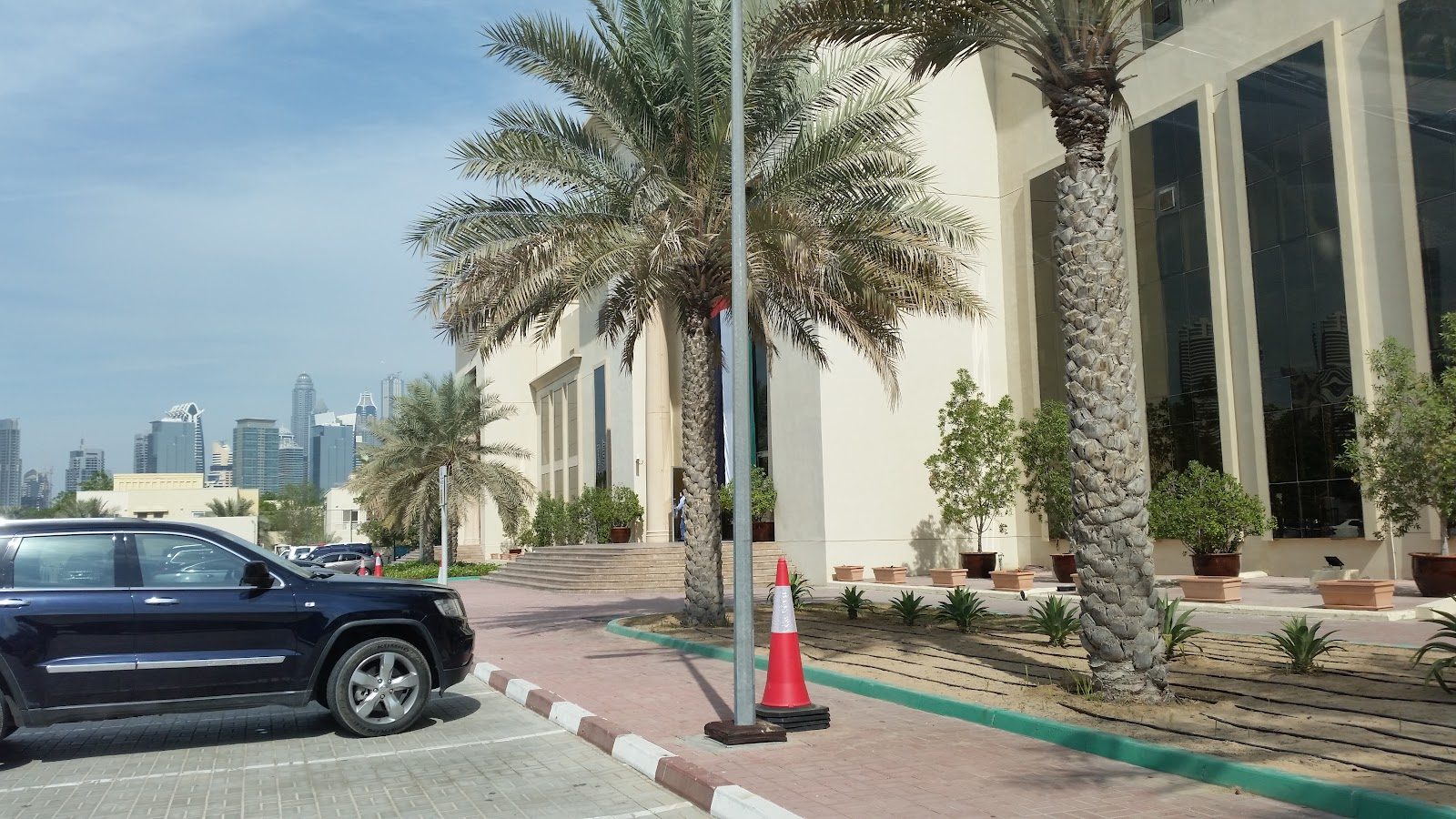
Emirates International School – Meadows
Dubai · United Arab Emirates
Emirates Hills' pioneer IB campus, where inspectors rate innovation and social responsibility skills Outstanding across every phase.
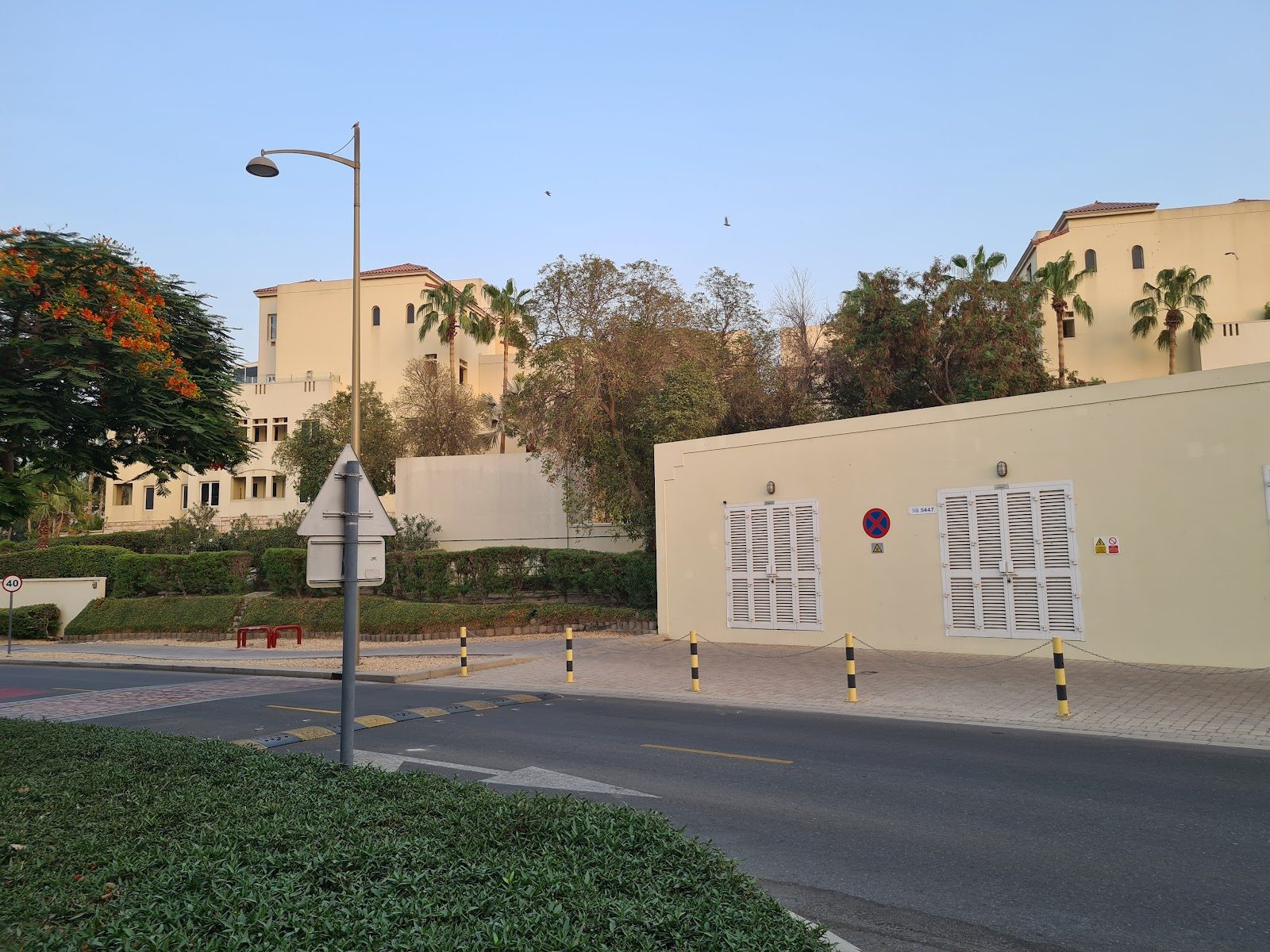
Universal American School
Dubai · United Arab Emirates
A not-for-profit Festival City campus where Grade 11 students choose between the IB Diploma and an AP-enriched US track

Leysin American School
Leysin · Switzerland
On a ski-in, ski-out Alpine campus above Lake Geneva, slope time is timetabled into the American-IB week itself.
Same country and curriculum — closest matches within ±10 points either way