
Rio de Janeiro
Colégio Santo Inácio
In Botafogo, a heritage-listed Jesuit campus keeps a 1567 bell and baroque relics at the heart of its courtyard
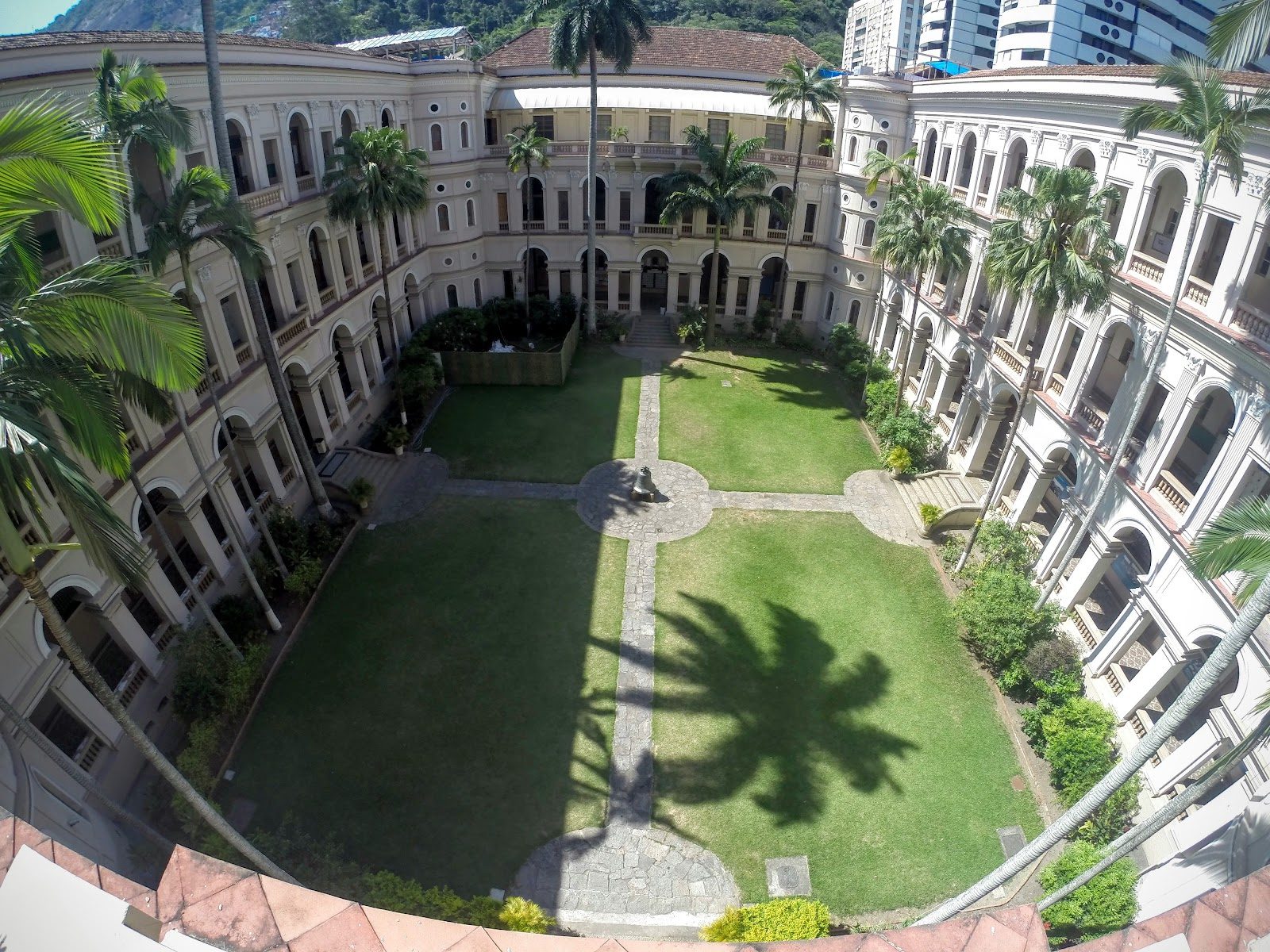
Photo © William Lacerda via Google Maps
Type
Day
Ages
6–18
Curriculum
Brazilian
Qualifications
ENEM · Brazilian national curriculum
Ratio
—
The Verdict
Editor's commitment
Right for
Rio families who want a day school in Botafogo, founded in 1903, with Catholic Jesuit formation from ages 6 to 18.
Wrong for
Parents seeking boarding, a secular culture, or a non-Brazilian curriculum; Colégio Santo Inácio is day-only, Jesuit and school-declared Brazilian.
Watch out for
Public information is thin: the website excerpt points to Maringá, while this listing is Rio de Janeiro; academic results and accreditations are not published here.
Ranking breakdown
Colégio Santo Inácio · #934 of 1591
Composite score 63.3. 8 weighted criteria.
By criterion
Academic Outcomes
Weight 20%
#1085
of 1529 scored
University Placement
Weight 16%
#965
of 1529 scored
Prestige & Heritage
Weight 12%
#296
of 1571 scored
Alumni Network
Weight 12%
#721
of 1530 scored
Facilities
Weight 12%
#857
of 1533 scored
Transparency & Communications
Weight 8%
#1243
of 1532 scored
Peer & Industry Review
Weight 10%
#998
of 1548 scored
Admissions Selectivity & Demand
Weight 8%
#547
of 1529 scored
Peer & Industry Review
How Colégio Santo Inácio is regarded in the sector
65
Respected · medium confidence
Colegio Santo Inacio is consistently grouped with Rio's most traditional Catholic day schools - Santo Agostinho, Sao Bento and Andrews - in local parent and education-press comparisons, valued for its 19th-century Jesuit lineage and rigorous academic discipline rather than modern amenities. As a member of the Rede Jesuita de Educacao e Solidariedade, it is referenced within the wider Jesuit school network in Brazil and Latin America as a flagship urban unit, giving it standing among peer Ignatian institutions beyond Rio. Brazilian outlets such as Guia do Estudante periodically cite its students' strong ENEM performance and university placement into UFRJ, PUC-Rio and federal medical and engineering programs, reinforcing its reputation among admissions staff as a reliable feeder school. It receives less international press coverage than Sao Paulo's bilingual or IB-accredited schools, so its profile in global rankings and English-language education media (Good Schools Guide, WhichSchoolAdvisor) is thin; its reputation is largely domestic, resting on alumni networks, Jesuit institutional credibility, and consistent local exam results rather than international benchmarking.
- Vinicius de Moraes — Poet, Literature
- Carlos Lacerda — Politician/Journalist, Politics
- Roberto Campos — Economist/Diplomat, Public Policy
Editors' overview
Colégio Santo Inácio occupies a distinctive niche in Rio: a Jesuit day school in Botafogo with roots going back to 1903, teaching ages 6–18 in Portuguese and English, and doing so on a campus where Catholic history is not decorative backdrop but daily fact. The heritage-listed setting, the old bell from 1567, and the baroque religious objects in the courtyard give the school a strong sense of continuity that few Rio schools can match. For parents who want education tied to institutional memory, ritual and seriousness, and a recognisable moral framework, that matters. This is not a generic bilingual school with a cross on the wall; it is a Jesuit school with a real historic centre of gravity.
Its market position rests on that combination of tradition, urban location and educational range. As a Brazilian-curriculum day school, it serves families who want a local academic route rather than an imported international programme, but who still value English in the teaching mix. The school’s public-facing calendar also points to a structured, high-participation culture: Easter celebrations, Mass for Saint Ignatius of Loyola, parent week, mock exams, university entrance approvals and profession-focused events. That reads as a school that keeps pupils busy, supervised and moving through a defined sequence. Parents drawn to clear expectations, adult oversight and a lived Catholic ethos will find a coherent offer here. Parents hunting for progressive looseness, a secular atmosphere or a broad menu of international pathways will not.
Why shortlist it? Because Colégio Santo Inácio offers something harder to manufacture than new facilities or branding: identity with substance. The school stands out for families who want their child educated in a setting that treats formation, community life and academic progression as one project. The right student for this school is disciplined, comfortable with routine, and receptive to a values-led environment where ceremonies, religious observance and collective life carry weight. A child who thrives in ordered routines, shared symbols and a school culture with deep roots will fit well. A student who wants maximum informality or a culturally neutral campus will not.
Academic Performance
Academic performance is the area where Colégio Santo Inácio leaves parents with too little to judge. The school publicises university entrance approvals, mock exams and profession-themed programming, which signals a culture oriented towards progression and assessment. That is useful, but it is not the same as publishing hard outcomes. We have not seen aggregate Enem data, vestibular score distributions, approval rates across cohorts, subject-level results or comparative attainment against other leading private schools in Rio. For a school with a serious, high-control public identity, that gap matters. Families can infer exam preparation from the prominence given to simulados and vestibular approvals; they cannot verify how strong the results are across the full senior cohort.
Relative to peers, that places the school in an opaque middle ground. The strongest academically competitive schools in this market put headline data into the public domain, even when selectively framed. Colégio Santo Inácio does not do that here. The result is a profile built more on institutional culture than on published performance evidence. That will satisfy parents who prize formation, discipline and a values-led school life above league-table scrutiny. It will not satisfy parents who want clean benchmarking before committing. On academics, the school projects exam-conscious seriousness; it does not publish enough to prove top-tier external results.
Facilities
Facilities here divide into two categories: the symbolic core and the ordinary teaching-and-activity infrastructure around it. The school’s standout physical asset is not a glossy sports complex or a laboratory block in the mould of newer premium campuses. It is the heritage setting itself: a courtyard anchored by religious artefacts and an old bell from 1567, which gives the site a rare ceremonial weight and a sense of institutional continuity that many rivals cannot match. For families who value atmosphere, ritual and a campus with real historical texture, that matters. It also sets a limit. Heritage campuses carry charm, but they do not automatically deliver the breadth, scale or technical specialisation now common in newer upper-tier private schools.
Beyond that historic centre, the public picture is thin. The school’s own channels foreground events, ceremonies, student routines and exam-related milestones; they do not publish much detail on science labs, arts spaces, libraries, indoor sport, specialist technology or standout performance venues. That silence matters when benchmarking against peers in Rio, where stronger competitors spell out their facilities clearly and use them as proof of educational range. Colégio Santo Inácio reads as a school where formation outranks spectacle and where campus identity counts for more than hardware. Parents seeking high-spec, showcase facilities will want harder detail. Parents content with a more traditional, controlled environment may find the physical offer sufficient, but it is not presented with the same clarity as the best-resourced peers.
Because Colégio Santo Inácio offers something harder to manufacture than new facilities or branding: identity with substance
Prestige
Colégio Santo Inácio carries real local prestige, but it is a specific kind of prestige. It does not rest on published academic data, global branding or an imported programme. It rests on old institutional authority, Jesuit identity and the social weight that attaches to an established Catholic school with a recognisable place in the city’s private-school landscape. For many families, that still counts for a great deal. The school’s public life reinforces that standing: religious observances, parent-facing events, mock exams, profession-focused activities and university entrance announcements all point to a school that prizes order, visibility and collective culture. That produces reputational solidity rather than glamour.
That is why the school rates as respectably prestigious rather than elite in the most competitive, data-driven sense. In Rio, prestige splits into different categories: some schools command status through brute academic results, some through wealth and exclusivity, some through international pathways, and some through history and institutional seriousness. Colégio Santo Inácio sits in the last group. The chapel-centred heritage, the 1567 bell and the baroque religious artefacts give it a ceremonial gravitas that newer schools cannot copy. For Catholic families, and for parents who value discipline and continuity, that carries genuine cachet. For families who define prestige through transparent top-flight outcomes or cosmopolitan polish, the school’s status is more bounded and less commanding.
Academic performance is the area where Colégio Santo Inácio leaves parents with too little to judge
Communications
Parent communication is functional, regular and tightly tied to school operations. The public-facing site works as a rolling noticeboard: calendar entries, student access links, event dates, religious observances, mock-exam milestones and university-approval announcements all sit close to the surface. That tells parents two useful things. First, the school expects families to follow a structured rhythm rather than wait for bespoke hand-holding. Second, it communicates through routine institutional channels, not through polished storytelling. The “Aluno Online” portal points to a practical digital spine for day-to-day use, and the volume of dated notices across different phases signals steady administrative upkeep. This is not elegant communication, but it is active.
Its weakness is depth and clarity. The school publishes plenty of event traffic, yet far less that helps a parent judge performance, teaching priorities or the substance behind the calendar. Communication here is high on logistics, thinner on disclosure. Parents will know when Easter is being marked, when certificates are handed out, and when parent-focused activities are scheduled. They get less help on harder questions: academic outcomes across the cohort, facility detail, or richer explanation of how the school measures success. That makes the communications model orderly but narrow. For families who want reminders, schedules and visible community life, it works. For families who expect transparent reporting and sharper institutional self-explanation, it falls short.
Uniqueness
What sets Colégio Santo Inácio apart is not a fashionable educational angle but a dense institutional identity. Many schools borrow the language of values; this one has a daily life organised around them. The public calendar is revealing: Mass for Saint Ignatius of Loyola sits alongside Easter observances, parent week, profession-focused events, mock exams and university approvals. That creates a school experience with clear moral framing and little ambiguity about what matters. Students do not move through an anonymous private school routine. They grow up inside a community that links study, worship, family participation and public milestones. For the right child, that brings structure with purpose: strong habits, comfort with ceremony, and a sharper sense that school life carries obligations as well as opportunities.
The other distinctive feature is the school’s historic core. Very few schools can place a bell from 1567 and baroque religious objects at the centre of the campus without resorting to gimmickry. Here, those objects give the place ceremonial weight and a seriousness that newer campuses cannot imitate. That has educational value beyond aesthetics. Students learn in an environment where memory, continuity and authority are made visible every day, not reduced to branding. The gain is a rooted, cohesive culture. The trade-off is just as clear: children who want a loose, secular or highly individualised school experience will find the atmosphere restrictive rather than formative.
Colégio Santo Inácio reads as a school where formation outranks spectacle and where campus identity counts for more than hardware
Student Profile
The best fit here is a child who accepts authority without constant negotiation and does not need school to feel casual. Daily life runs through organised events, religious observance, parent-facing rituals and exam-preparation markers. That suits students who are routine-friendly, community-minded and comfortable being known inside a structured collective. A pupil who gains confidence from timetables, ceremonies and clear behavioural boundaries will settle more easily than one who wants broad personal latitude. The school also asks for a family that buys into shared expectations, not just classroom teaching. The rhythm of Mass, parent week, simulated exams and public recognition points to a culture where participation carries weight.
This is not the place for a child who resists institutional culture on principle or wants a looser, more individualistic adolescence. Students who thrive here will tolerate formality, respect adult direction and handle a school environment where values are explicit rather than private. There is also an academic temperament in the mix: not experimental or self-invented, but goal-directed, steady and able to work towards external milestones such as vestibular preparation. In practical terms, the right student is diligent, socially adaptable and untroubled by collective routines. The wrong one is allergic to ceremony, sceptical of faith-based schooling, or determined to test every boundary. For the right family, that clarity is a strength. For the wrong family, it is constraining from day one.
Colégio Santo Inácio carries real local prestige, but it is a specific kind of prestige
Co-curricular strengths
Arts & sport, on a separate axis
Overall 7.86/10
Scored 0-10 from the school's own published evidence. This axis is editorial-only — it does not feed the main WTS ranking.
Sports
7.8/10
Drama
8/10
Dance
7.8/10
Music
8/10
Visual Arts
7.7/10
Strengths
- +Founded in 1903 by the Jesuits, making it one of Rio de Janeiro's oldest and most established private schools, with a main building listed as a protected heritage structure since 1990.
- +Posted an average ENEM score of 702.52 in 2025, placing it among the higher-scoring schools in Rio's South Zone alongside Colegio Santo Agostinho and Escola Parque.
- +Became coeducational in the early 1970s after decades as an all-boys institution, and now enrolls a large student body of roughly 4,000-4,500 pupils.
- +Offers an unusually wide span of provision under one roof, from early years through to technical/professional courses and an evening programme for adult students.
- +Retains a functioning Jesuit identity within the wider international Society of Jesus network, giving the school a distinct pedagogical and pastoral character beyond exam results.
Considerations
- −Fees rank among the highest in the country: a 2022 Forbes Brasil survey placed it as the 4th most expensive school in Rio and 23rd most expensive nationally, at roughly R$4,000 a month.
- −The school has faced legal scrutiny over allegations of failing to act on student harassment complaints, a governance issue families should weigh alongside its academic reputation.
- −Its very large enrolment (well over 4,000 students) means class sizes and pastoral attention are unlikely to match those of smaller, boutique private schools in Rio.
- −Instruction is entirely in Portuguese under the Brazilian national curriculum with an explicit Catholic-Jesuit religious formation, offering no international curriculum track for families seeking one.
Availability
Primary entry gate & tests
Entrance Exam
Gallery
Photo © Felipe Silva via Google Maps
Photo © Paulo Gusmão PSG via Google Maps
Photo © djalma junior via Google Maps
Photo © Pércio Augusto Mardini Farias via Google Maps
Photo © Pércio Augusto Mardini Farias via Google Maps
Photo © JEFERSON LEANDRO via Google Maps
Photo © Bruno Ferraz via Google Maps
Parent reviews
Have you sent your child here?
Voice reviews carry the strongest trust badge — we transcribe them for you to tidy up before they go live. Prefer to type? A written review is fine too.
Add your voice
In 60 seconds, tell other parents: what's the best thing about Colégio Santo Inácio, and what surprised you when your child joined?
We ask for a Google sign-in so every review has a real face behind it — no anonymous drive-by attacks on schools, and no faked positive reviews. Your email is never shown publicly.
Send this profile to a friend
International parents rely on word-of-mouth. Share this review with someone weighing the same decision.
Schools with places
Similar schools to Colégio Santo Inácio with places available now.
Availability first, then country, area, curriculum, price, co-curricular
Consider also
Also worth looking at alongside Colégio Santo Inácio.
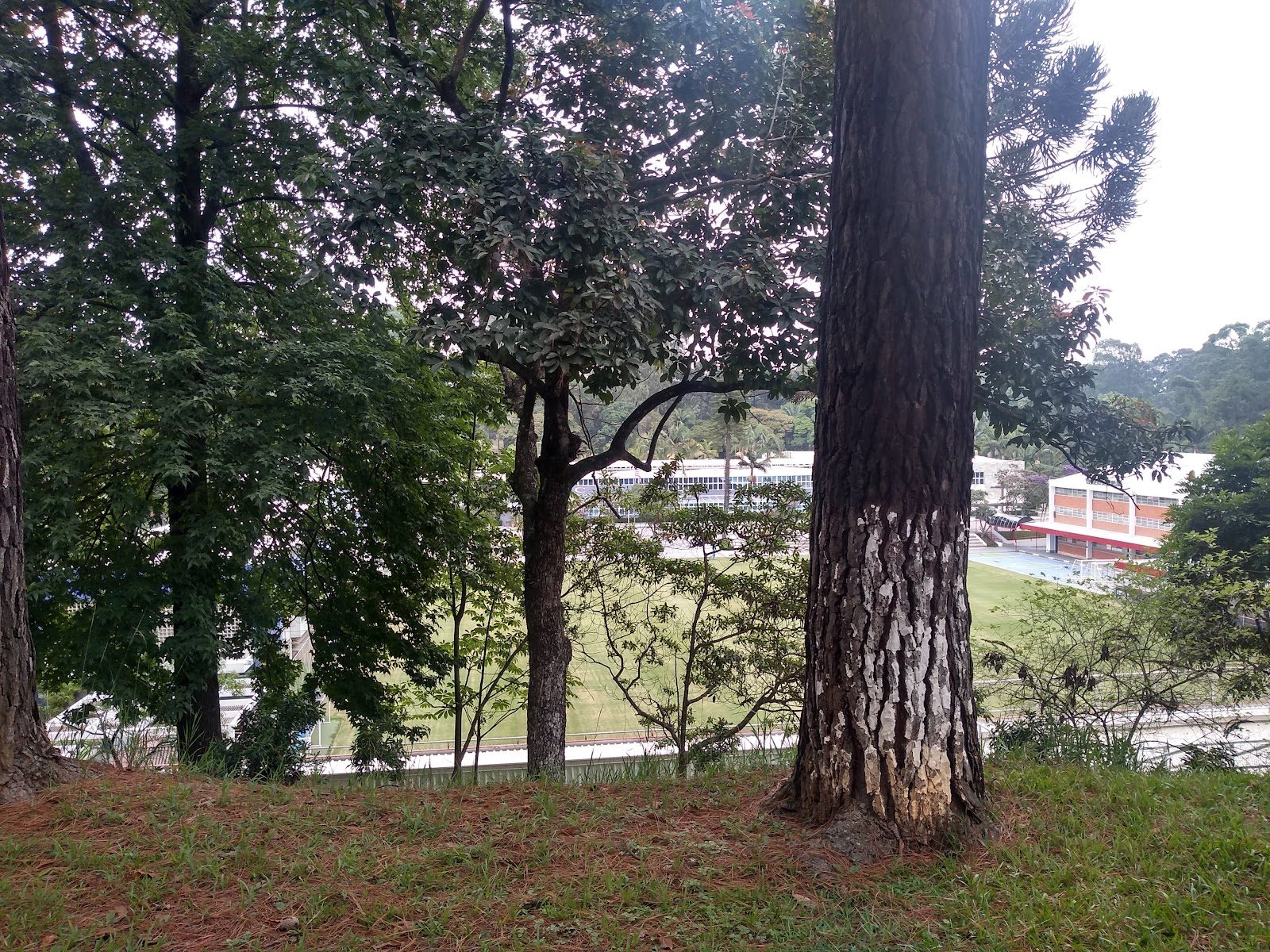
Chapel School
São Paulo · Brazil
Founded in 1947 by Oblate priests for American Catholic families, this Sao Paulo day school runs American, Brazilian and IB diplomas side by side.

Graded - The American School of São Paulo
São Paulo · Brazil
Born in 1920 as a corporate venture of Citibank, Ford and GE, this Morumbi campus still sends seniors off with three diplomas at once.
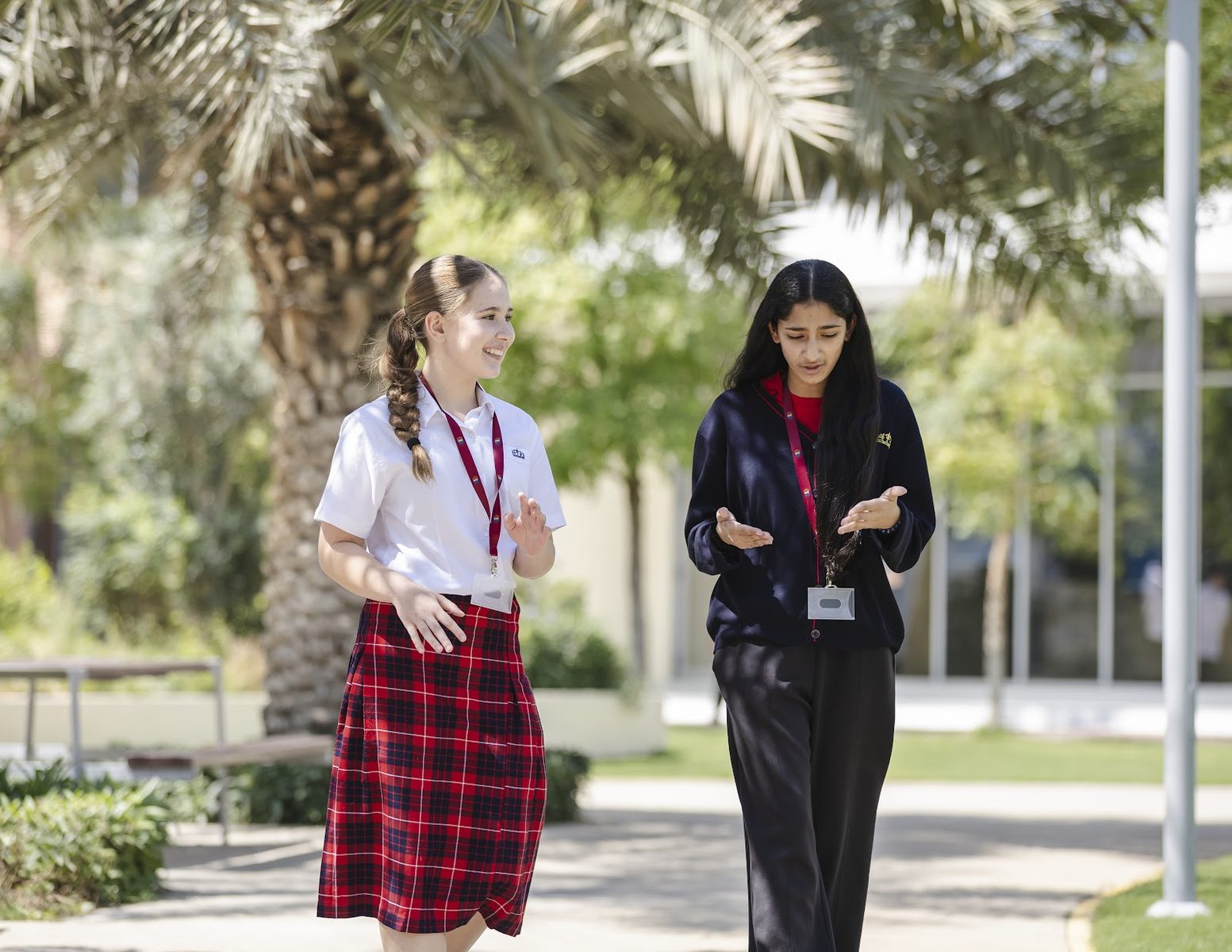
Kings' School Nad Al Sheba
Dubai · United Arab Emirates
In Nad Al Sheba, a British-curriculum campus where Emirati pupils form the majority and garden classrooms anchor outdoor learning.
Universal American School
Dubai · United Arab Emirates
A not-for-profit Festival City campus where Grade 11 students choose between the IB Diploma and an AP-enriched US track
Same country and curriculum — closest matches within ±10 points either way