
Beirut Governorate
American Community School Beirut
high confidence· 5/6 cats · 2.76 avg sourcesFounded in 1905 by AUB faculty, this Corniche campus blends IB and American diplomas around Harkness-style seminar tables.
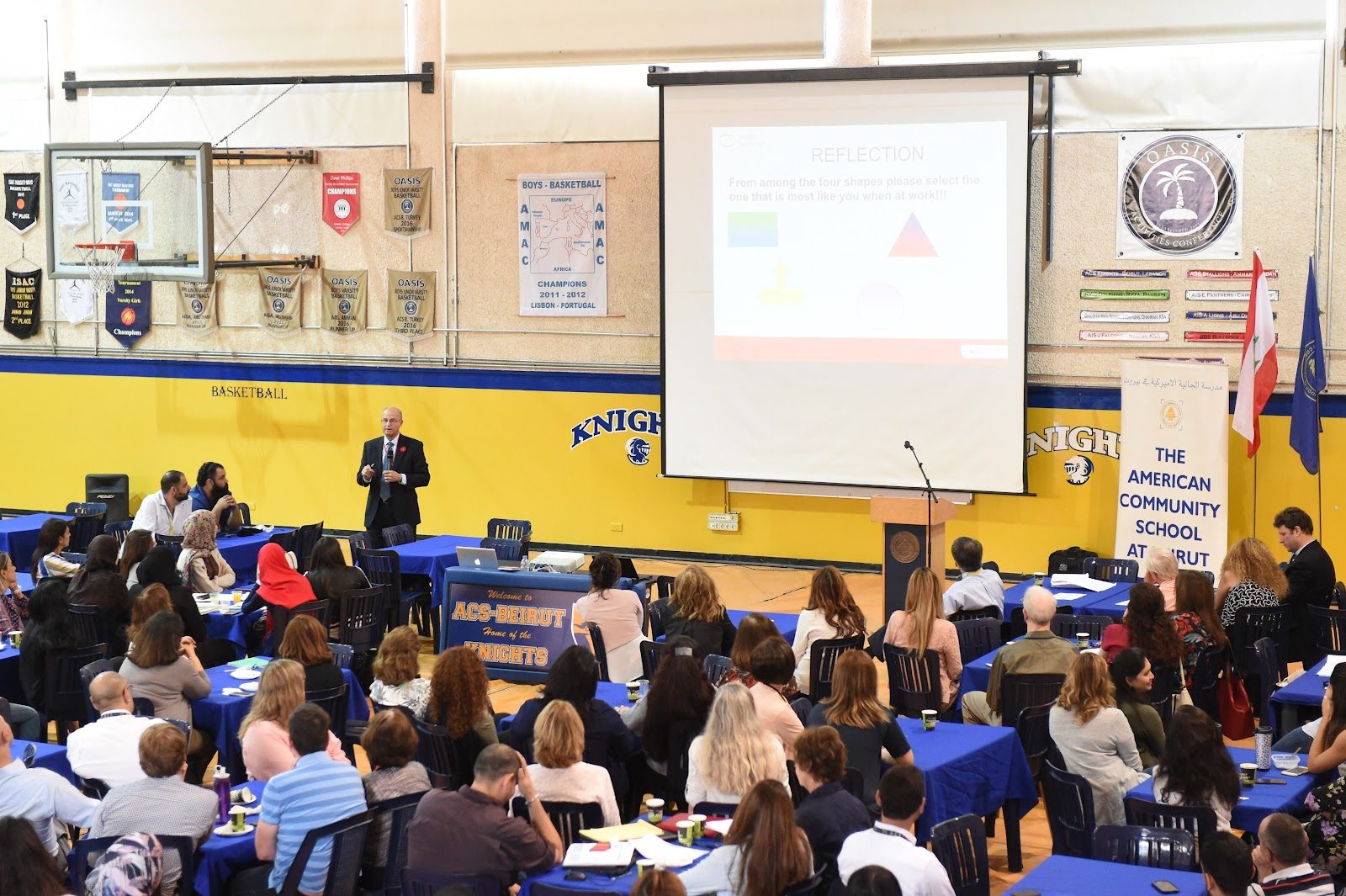
Photo © American Community School Beirut via Google Maps
Type
Day
Ages
3–18
Curriculum
American · IB
Ratio
—
The Verdict
Editor's commitment
Right for
Families who want a 1905 Beirut school tied to AUB, with American and IB pathways and English-Arabic teaching from age 3 to 18.
Wrong for
Parents chasing boarding, a religious ethos or bargain pricing: this is day-only, non-religious and averages $18,000 a year.
Watch out for
Academic signalling is split: the school declares American and IB, Wikipedia adds Lebanese Baccalaureate, and recent destinations listed here are modest.
Ranking breakdown
American Community School Beirut · #625 of 1591
Composite score 67.5. 8 weighted criteria.
By criterion
Academic Outcomes
Weight 20%
#746
of 1529 scored
University Placement
Weight 16%
#736
of 1529 scored
Prestige & Heritage
Weight 12%
#689
of 1571 scored
Alumni Network
Weight 12%
#432
of 1530 scored
Facilities
Weight 12%
#732
of 1533 scored
Transparency & Communications
Weight 8%
#779
of 1532 scored
Peer & Industry Review
Weight 10%
#793
of 1548 scored
Admissions Selectivity & Demand
Weight 8%
#547
of 1529 scored
Score history
American Community School Beirut · 2026
Movement across 2024–2026. Peer average overlaid.
Overall — 2024–2026
67.5/ 100
▲ +23.4 vs 2025
year on year
Peer & Industry Review
How American Community School Beirut is regarded in the sector
68
Respected · medium confidence
American Community School Beirut (founded 1905) is consistently listed among the top international/American schools in Beirut on expat-parent resources such as ExpatArrivals and InterNations school guides, and is frequently referenced alongside ACS-type peers (International College, Brummana High School) in 'best schools in Lebanon' discussions on expat forums. It lacks coverage in Tatler or Good Schools Guide, and specialist education press mentions are sparse, suggesting a solid regional reputation rather than top-tier international acclaim.
Evidence sources
Editors' overview
The draw here is not a glossy campus story but a piece of Beirut’s academic history: American Community School Beirut was founded in 1905 by faculty connected to the American University of Beirut, and that AUB proximity still gives the school a distinct intellectual cast. This is a day school on the Corniche for ages 3 to 18, non-religious, coeducational and open to students of all nationalities. The academic structure matters. ACS Beirut does not run a single-lane programme: it offers an American curriculum, the IB and, from the primary source, the Lebanese Baccalaureate alongside its own college preparatory route. For families who want flexibility inside one institution, that is a serious advantage.
The school’s market position is clear. At an average annual day fee of $18,000, it sits in the upper international segment for Beirut without entering the stratosphere occupied by some flagship schools in larger Gulf markets. Its CIS accreditation gives parents one external quality marker, though the school does not publish the kind of public exam data that would let outsiders measure academic output in detail. What it does show is a school with credible university progression and a genuinely international profile: recent destinations listed here include the University of Melbourne, the University of Adelaide and KU Leuven. That is a modest destinations sample, not a chest-thumping one, but it points to students applying beyond Lebanon and beyond the US.
What is special about ACS Beirut is the blend of old-guard Beirut pedigree and curricular breadth. A school founded in 1905 and traditionally attached to AUB carries a deep-rooted place in the city’s educational life. The age range of 3–18 gives it full-ladder continuity, and instruction in English and Arabic suits families who want strong access to anglophone higher education without cutting students off from the local context. The school also has a documented alumni footprint, with 8 notable alumni catalogued in Wikidata, including four actors and directors. That does not prove quality on its own, but it does reinforce the sense that ACS Beirut has been part of the city’s professional and cultural bloodstream for a long time.
The best fit is a student who likes discussion, breadth and a school with an adult intellectual tone rather than a narrow exam factory. Families who want an overtly religious environment should look elsewhere; ACS Beirut is secular. Families who need transparent, headline-grabbing outcomes data will also find the public picture thinner than they may want. But for parents who value historical standing, an AUB-adjacent setting, multiple academic pathways and a cosmopolitan student body, ACS Beirut belongs on the shortlist.
Academic Performance
ACS Beirut does not publish public aggregate exam results for the IB, the Lebanese Baccalaureate or its own college-preparatory route. That is the central fact. For parents trying to place the school against Beirut’s strongest academic competitors, the absence of hard outcome data is a real weakness. There is no public average point score, no subject-by-subject breakdown, no top-grade profile and no university admissions pattern at scale. That leaves outsiders with a blunt information gap: you can identify the programmes on offer, but not the level at which students convert them into external results. In a market where serious schools increasingly put headline outcomes into the public domain, ACS asks families to rely more on institutional reputation than on clean, comparable proof.
That does not put the school in a weak academic tier; it puts it in an opaque one. The school’s long-standing standing in Beirut and its university-linked heritage carry weight, and the recent destinations listed publicly show at least 3 named overseas universities in the mix. Still, that is a tiny sample, not a convincing performance dataset. Relative to peers, ACS fits best in the group of established private schools with strong name recognition but limited public accountability on results. Parents who prize curricular choice and intellectual culture can live with that. Parents who want forensic clarity on exam performance will find the public record too thin.
Facilities
Facilities are not the headline story here, and that matters. ACS Beirut trades more on location, history and academic culture than on a trophy-campus pitch. The key asset is the Corniche setting beside the American University of Beirut orbit: for older students, that carries a grown-up academic atmosphere that many purpose-built suburban campuses cannot manufacture. Families looking for vast sports acreage, theatrical showpieces or the resort-school gloss common in newer Gulf schools will not find that proposition here. This is a city school, and parents should read the physical plant through that lens.
Against Beirut peers, that puts ACS in the camp of established urban schools where the most valuable facilities are the ones that support daily teaching well, not the ones built for brochure photography. The Harkness-style seminar setup flagged in the school’s editorial positioning points to classrooms designed for discussion rather than passive instruction, and that is a meaningful differentiator if it is used consistently. The trade-off is plain: schools with newer edge-of-city sites can offer more land and more spectacle; ACS offers a denser, more intellectual environment tied to one of the city’s strongest academic neighbourhoods. For parents who judge facilities by square metres, this is not the leader. For parents who care more about whether a campus reinforces serious habits of thought, it has a clear advantage.
There is no public average point score, no subject-by-subject breakdown, no top-grade profile and no university admissions pattern at scale
Prestige
ACS Beirut carries old-establishment prestige in its market. The source of that status is not branding gloss or a global-schools growth story; it is institutional longevity, its long association with AUB, and a role in educating Beirut families across generations. That matters in Lebanon. For parents inside the city’s professional and academic circles, ACS has the weight of a school that sits inside the local educational fabric rather than outside it. The notable-alumni floor strengthens that case: 8 verified alumni entries in Wikidata is not a vanity metric, but it does show real public footprint across public life and culture. The average annual fee of $18,000 also places it in a bracket where families expect social cachet as well as schooling. On prestige alone, this is a serious-name school.
That said, its prestige is patrician rather than performance-driven. The school does not publish the public results data that would let it claim academic supremacy in a hard-edged way, and its published university destinations snapshot is too thin to function as a prestige engine on its own. So the rating rests less on measurable academic dominance than on heritage, community standing and network value. That is still real prestige. It is just a different kind: embedded, socially recognised and durable, rather than built on annual headline scores or mass-market international branding.
In a city where schooling decisions are bound up with identity, continuity and social networks, that combination is genuinely hard to replicate
Communications
Parent communication is only as good as the hard information a school is willing to put into the open. On that test, ACS is mixed. It has a clear institutional identity and enough public detail to tell families what kind of school it is, but it does not publish the outcome data that matter most to comparison-minded parents. That weakens trust. A school asking families to commit an average of $18,000 a year needs to make performance legible, not just ethos. The public university destinations snapshot — just 3 named institutions in the recent sample — is too thin to do that job. So the communication style reads as confident but selective: strong on character, weaker on proof.
For existing parents, the picture is stronger. A school built around seminar-style teaching and an academically serious culture depends on regular dialogue between staff, students and home; without it, the model falls apart. The age span also raises the communication burden, since nursery parents and sixth-form parents need different things at different speeds. ACS has the kind of tight-knit, long-established community where information can travel efficiently and relationships can carry weight. That works well for families already inside the circle. It works less well for outsiders trying to scrutinise the school from a distance. The result is high-trust communication for enrolled families and a frustratingly opaque public face for everyone else.
Uniqueness
What marks ACS Beirut out is not novelty but institutional depth married to unusual academic optionality inside one school. Few Beirut schools carry this level of embedded connection to the city’s university and professional life while also giving students more than one serious route to graduation. That matters in practice. A child does not have to fit a single mould. Families can choose a path that suits academic style, university destination and tolerance for exam pressure without leaving the same community. In a city where schooling decisions are bound up with identity, continuity and social networks, that combination is genuinely hard to replicate. The documented alumni floor — 8 notable names in Wikidata — adds one useful signal: this school has produced graduates who moved into public and cultural life, not just private success.
The student gain is a more adult intellectual climate than many conventional international schools manage. The AUB adjacency and seminar-table teaching culture push students towards discussion, argument and confidence in front of peers, rather than passive note-taking. That can be formative for articulate, curious children and a poor fit for those who want tighter structure and constant performance tracking. ACS’s distinctiveness, then, lies in the marriage of heritage, city embeddedness and multiple academic exits. It gives students a school experience with real civic texture — less insulated, less manufactured and more connected to the life of Beirut around it.
ACS’s distinctiveness, then, lies in the marriage of heritage, city embeddedness and multiple academic exits
Student Profile
The best fit here is an articulate, outward-facing student who likes to talk, question and hold a place in discussion. This is not the right school for a child who wants to disappear into the back row or work through school as a narrow test-prep exercise. The social mix matters: an independent school open to students of all nationalities, with a secular identity and a long-entrenched place in Beirut’s professional life, draws families who expect education to connect with the world beyond the campus gate. That produces a cohort with a cosmopolitan cast and, at its best, a serious-minded tone. The documented alumni floor of 8 notable figures also points to a school whose graduates have entered public and cultural life, not only private-sector careers.
Students who thrive here will value breadth, intellectual confidence and a measure of independence. They need enough verbal fluency to cope with seminar-style teaching and enough maturity to handle a school culture that reads as adult, socially aware and less hand-holding than average. Children who need relentless structure, constant reassurance or a highly managed pastoral cocoon fit less well. Nor is this the obvious choice for families who judge peers mainly by public scoreboard metrics; the attraction lies in community, discussion and long-term formation. For the right student, that is deeply rewarding. For the wrong one, it is a poor cultural match.
This is a day school on the Corniche for ages 3 to 18, non-religious, coeducational and open to students of all nationalities
Co-curricular strengths
Arts & sport, on a separate axis
Overall 8.58/10
Scored 0-10 from the school's own published evidence. This axis is editorial-only — it does not feed the main WTS ranking.
Sports
8.3/10
Varsity basketball, football, volleyball and swimming, plus participation in NESAC and local tournaments plus named athletics awards.
Drama
9/10
A Drama Club, and Wikipedia states the Lower School building has its own auditorium, giving both a named activity and a dedicated performance facility.
Dance
7.8/10
Music
8.8/10
Choir, and Wikipedia says the building has its own music room and auditorium, which is enough evidence of a dedicated facility supporting a notable music programme.
Visual Arts
9/10
The Lower School building includes an art room, and the editorial review also refers to arts spaces and older students taking visual arts, supporting a dedicated specialist space for visual arts.
Editor first-pass · editor-reviewable · 7/28/2026
Outcomes & destinations
Where students go next
Top destinations
165 placements
- The University of Melbourne· 1
- University of Adelaide· 1
- Katholieke Universiteit Leuven· 1
- Concordia University - Montreal· 1
- McGill University· 1
- Simon Fraser University· 1
- University of British Columbia· 1
- University of Toronto· 1
- University of Victoria· 1
- Western University· 1
- York University· 1
- University of Copenhagen· 1
- The American University in Cairo· 1
- EICAR-International Film School of Paris· 1
- American University of Paris· 1
- IESEG School of Management - Lille· 1
- ESMOD· 1
- ESSEC· 1
- Goethe-Institut· 1
- Trinity College Dublin· 1
- University College, Galway· 1
- Humanitas University· 1
- Polumoda· 1
- American University of Kuwait· 1
- American University of Beirut· 1
- American University of Science & Technology· 1
- Lebanese American University· 1
- Lebanese International University· 1
- Notre Dame University· 1
- University of Balamand· 1
- The University of Nottingham Malaysia· 1
- Erasmus Universiteit Rotterdam· 1
- Erasmus University College· 1
- Technische Universiteit Delft· 1
- Universiteit Maastricht· 1
- Universiteit Utrecht· 1
- Universiteit van Amsterdam· 1
- University College Utrecht· 1
- Ateneo de Manila University· 1
- EU Business School Barcelona· 1
- IE University - Madrid Campus· 1
- IE University - Segovia· 1
- Saint Louis University, Madrid· 1
- Universidad Complutense de Madrid· 1
- Ecole Hoteliere de Lausanne· 1
- American University of Sharjah· 1
- Emirates Aviation University· 1
- Middlesex University Dubai· 1
- Architectural Association School of Architecture· 1
- Bournemouth University· 1
- Briston University· 1
- Brunel University London· 1
- Cardiff University· 1
- City University of London· 1
- Guildhall School of Music & Drama· 1
- Hult International Business School London· 1
- Imperial College London· 1
- King’s College London· 1
- Queen Mary University of London· 1
- Regent’s University London· 1
- School of Oriental and African Studies, University of London· 1
- The University of Edinburgh· 1
- The University of Manchester· 1
- The University of Nottingham· 1
- The University of Sheffield· 1
- The University of Warwick· 1
- The University of Winchester· 1
- University College London· 1
- University of Exeter· 1
- University of Glasgow· 1
- University of Kent· 1
- University of Surrey· 1
- University of Sussex· 1
- University of Warwick· 1
- University of Westminster· 1
- Academy of Art University· 1
- Bard College· 1
- Babson College· 1
- Barnard College· 1
- Bennington College· 1
- Binghamton University· 1
- Boston College· 1
- Boston University· 1
- Brooklyn College of the CUNY· 1
- Brown University· 1
- California State University, Long Beach· 1
- Carleton College· 1
- Central Washington University· 1
- Columbia College Chicago· 1
- Columbia University· 1
- Cornell University· 1
- Davidson College· 1
- DePaul University· 1
- Duke University· 1
- Embry-Riddle Aeronautical University - Daytona Beach· 1
- Emmanuel College· 1
- Emory University· 1
- Fordham University· 1
- George Mason University· 1
- Georgetown University· 1
- Harvard University· 1
- Hult University· 1
- James Madison University· 1
- Johns Hopkins University· 1
- Knox College· 1
- Loyola Marymount University· 1
- Macalester College· 1
- Marist College· 1
- Michigan State University· 1
- Minerva Schools at KGI· 1
- New York University· 1
- Northeastern University· 1
- Oberlin College of Arts and Sciences· 1
- Orange Coast College· 1
- Parsons School of Design· 1
- Pepperdine University· 1
- Pima Community College· 1
- Pomona College· 1
- Purdue University· 1
- Rochester Institute of Technology· 1
- San Diego State University· 1
- SciencesPo - Columbia University Dual BA Program· 1
- Southern California Institute of Architecture· 1
- St. Francis College· 1
- St. Olaf College· 1
- Stanford University· 1
- Swarthmore College· 1
- Syracuse University· 1
- The Evergreen State College· 1
- The George Washington University· 1
- The University of Arizona· 1
- University at Buffalo - The State University of New York· 1
- University of California Berkeley· 1
- University of California Los Angeles· 1
- University of California Riverside· 1
- University of California San Diego· 1
- University of California Santa Barbara· 1
- University of California Santa Cruz· 1
- University of Chicago· 1
- University of Colorado at Boulder· 1
- University of Denver· 1
- University of Florida· 1
- University of Illinois at Urbana-Champaign· 1
- University of Kentucky· 1
- University of Mary Washington· 1
- University of Massachusetts, Amherst· 1
- University of Massachusetts, Boston· 1
- University of Michigan, Dearborn· 1
- University of Pennsylvania· 1
- University of Richmond· 1
- University of San Francisco· 1
- University of Southern California· 1
- University of South Florida· 1
- University of Tampa· 1
- The University of Texas, Austin· 1
- University of Virginia· 1
- University of Washington· 1
- University of Washington, Bothell· 1
- University of Wisconsin, Madison· 1
- Virginia Commonwealth University· 1
- Virginia Tech· 1
- Wentworth Institute of Technology· 1
- Wheaton College, MA· 1
- Wheelock College· 1
- Williams College· 1
Reported by the school. Confirm with admissions.
Notable alumni · Wikidata
8notable alumni
0 historic (born pre-1930) · 1 modern (born post-1970)wikidata:2026-07-28 How we source this
Strengths
- +Founded in 1905; long-established Beirut institution
- +Offers IB and Lebanese Baccalaureate pathways
- +English and Arabic instruction
- +10:1 student-teacher ratio; average class size 18
Considerations
- −Day school only; no boarding option
- −Annual day fees: 18,000 USD
- −Accreditation listed only as CIS
Availability
Primary entry gate & tests
Academic Record
Gallery
Photo © American Community School Beirut via Google Maps
Photo © Anthony Rahayel via Google Maps
Photo © American Community School Beirut via Google Maps
Photo © American Community School Beirut via Google Maps
Photo © American Community School Beirut via Google Maps
Photo © American Community School Beirut via Google Maps
Photo © American Community School Beirut via Google Maps
Photo © American Community School Beirut via Google Maps
Photo © American Community School Beirut via Google Maps
Parent reviews
Have you sent your child here?
Voice reviews carry the strongest trust badge — we transcribe them for you to tidy up before they go live. Prefer to type? A written review is fine too.
Add your voice
In 60 seconds, tell other parents: what's the best thing about American Community School Beirut, and what surprised you when your child joined?
We ask for a Google sign-in so every review has a real face behind it — no anonymous drive-by attacks on schools, and no faked positive reviews. Your email is never shown publicly.
Send this profile to a friend
International parents rely on word-of-mouth. Share this review with someone weighing the same decision.
Schools with places
Similar schools to American Community School Beirut with places available now.
King's Academy
Madaba · Jordan
- 2026-27
- CLOSEDStandard route
- 2027-28
- WAITPOOLApp route live / timetable TBC
St. Andrew's College Dublin
Dublin · Ireland
- 2026-27
- WAITPOOLVacancy-dependent
- 2027-28
- PLACES OPEN
Nanjing International School
Nanjing · China
- 2026-27
- WAITPOOLSpace-dependent
- 2027-28
- PLACES OPENRolling
Yew Chung International School of Beijing
Beijing · China
- 2026-27
- WAITPOOLSpace-dependent
- 2027-28
- PLACES OPENRolling
Availability first, then country, area, curriculum, price, co-curricular
Consider also
Also worth looking at alongside American Community School Beirut.
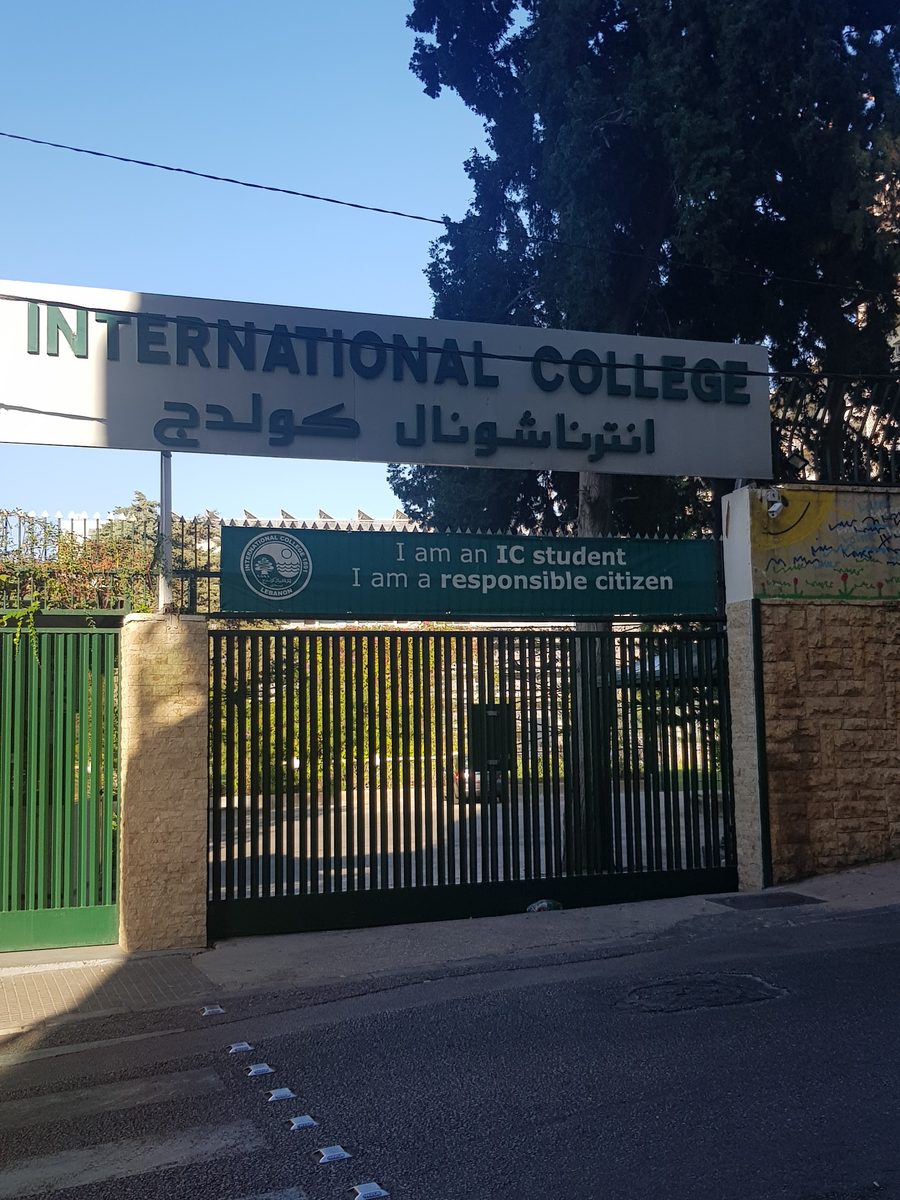
International College Beirut
Beirut · Lebanon
Tracing its roots to 1891 Smyrna, this Beirut day school pairs AUB-adjacent tradition with trilingual American and IB tracks.
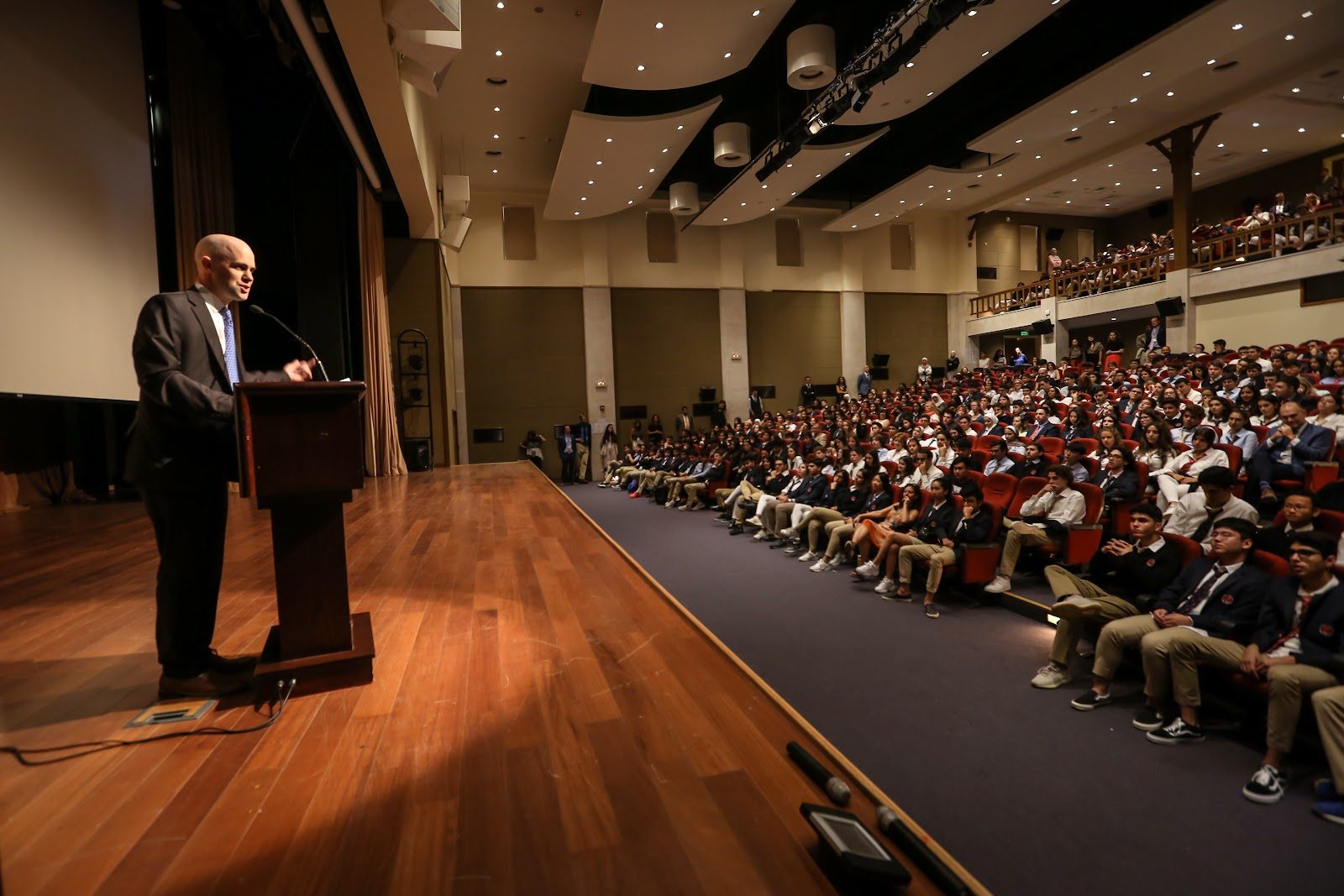
King's Academy
Madaba · Jordan
On the hills of Madaba, a Deerfield-inspired boarding school built around Harkness-table classrooms and a multi-faith spiritual center.
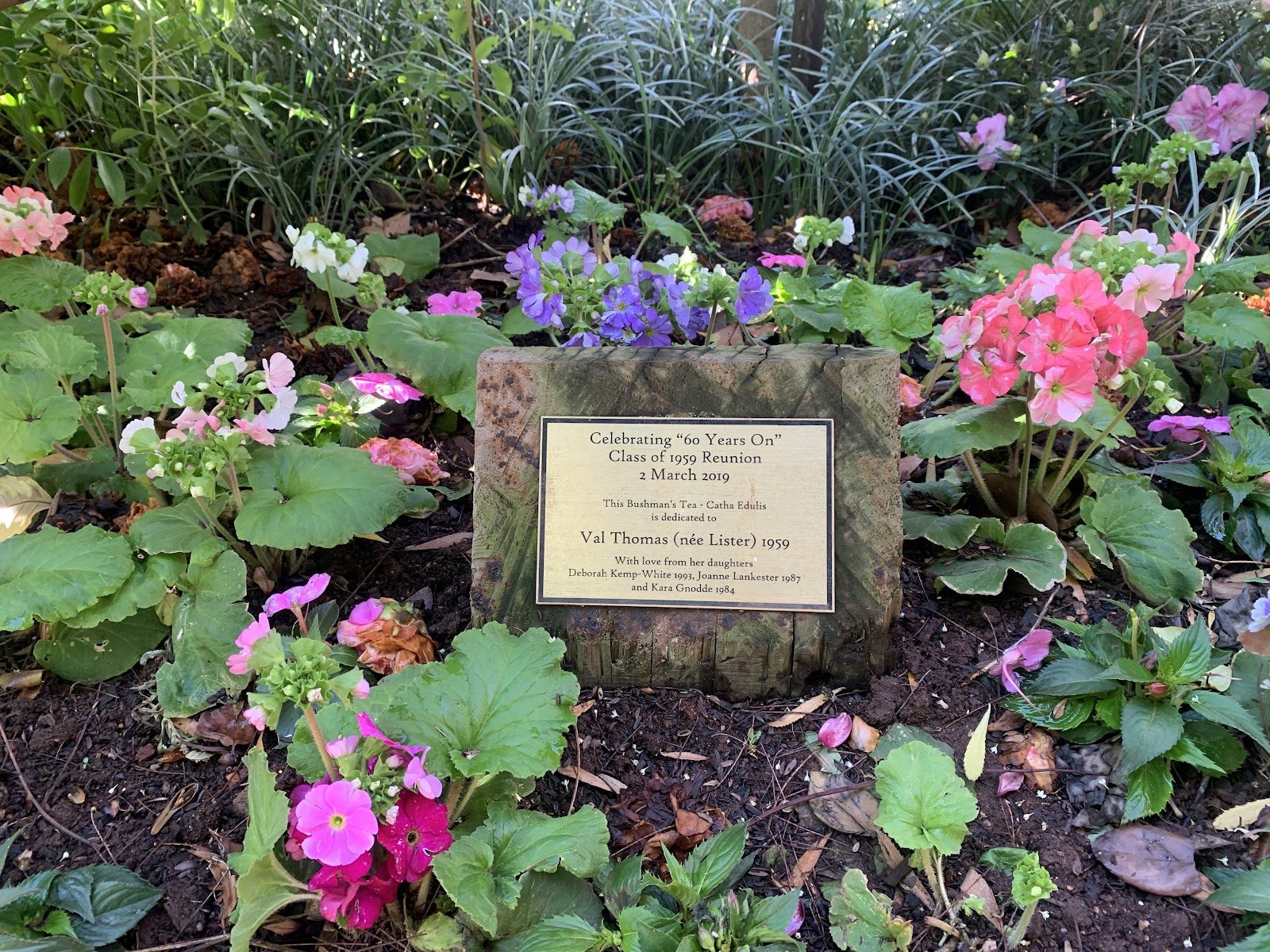
Roedean School South Africa
Johannesburg · South Africa
Founded in 1903 by two Cambridge-educated pioneers, this all-girls boarding school still occupies its original Herbert Baker campus in Parktown.
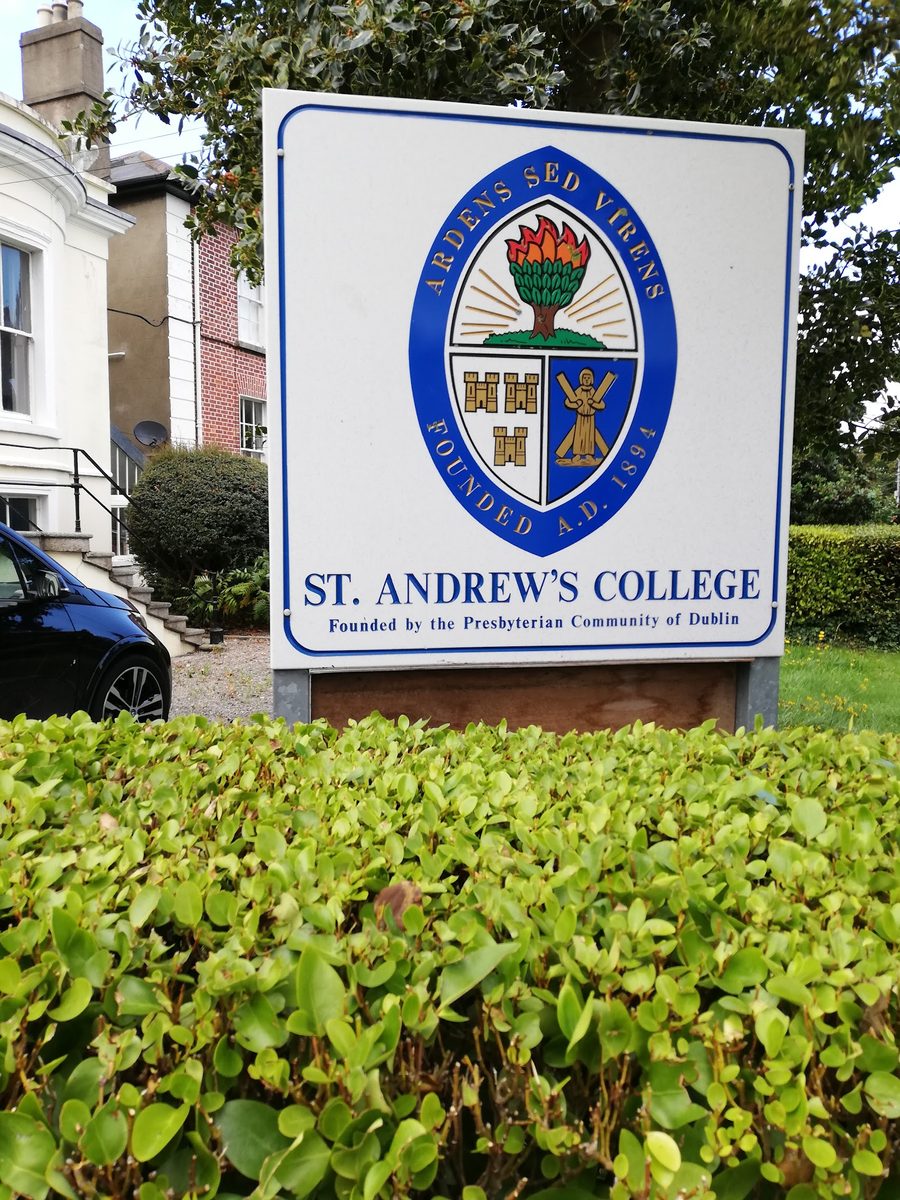
St. Andrew's College Dublin
Dublin · Ireland
First in Ireland to gain IB Diploma authorisation, this interdenominational Booterstown day school still hosts its own Model UN each Easter.
Same country and curriculum — closest matches within ±10 points either way