
Gauteng
Roedean School South Africa
medium confidence· 4/6 cats · 3.21 avg sourcesFounded in 1903 by two Cambridge-educated pioneers, this all-girls boarding school still occupies its original Herbert Baker campus in Parktown.
Photo © Terry Pretorius via Google Maps
Type
Boarding
Ages
11–18
Curriculum
IB
Ratio
—
The Verdict
Editor's commitment
Right for
Girls 11–18 who want a serious boarding school: founded in 1903, Anglican, English-medium, with IB and Cambridge accreditation.
Wrong for
Families wanting co-education, a looser day-school rhythm, or lower fees: boarding averages $21,753 and the school is unapologetically traditional.
Watch out for
The brand trades on heritage and a Herbert Baker campus in Parktown; the school does not publish hard academic outcomes here.
Ranking breakdown
Roedean School South Africa · #737 of 1591
Composite score 67.5. 8 weighted criteria.
By criterion
Academic Outcomes
Weight 20%
#745
of 1529 scored
University Placement
Weight 16%
#736
of 1529 scored
Prestige & Heritage
Weight 12%
#623
of 1529 scored
Alumni Network
Weight 12%
#531
of 1529 scored
Facilities
Weight 12%
#818
of 1529 scored
Transparency & Communications
Weight 8%
#841
of 1529 scored
Peer & Industry Review
Weight 10%
#784
of 1529 scored
Admissions Selectivity & Demand
Weight 8%
#547
of 1529 scored
Score history
Roedean School South Africa · 2026
Movement across 2024–2026. Peer average overlaid.
Overall — 2024–2026
67.5/ 100
▲ +21.6 vs 2025
year on year
Peer & Industry Review
How Roedean School South Africa is regarded in the sector
60
Respected · low confidence
Roedean School (Johannesburg) is a well-known, historic private girls' school that regularly appears in South African 'top private schools' listicles and rankings from local media and education directories, and is noted in Sunday Times and IOL coverage of school performance and matric results. However, independent specialist coverage (Good Schools Guide, Tatler, international education press) is sparse compared to internationally benchmarked schools, suggesting a solid regional reputation rather than top-tier global recognition.
Evidence sources
Editors' overview
Roedean School South Africa trades on something few Johannesburg schools can match: institutional continuity. It was founded in 1903, still occupies its Herbert Baker campus in Parktown, and remains an all-girls boarding school with an Anglican foundation. That combination gives it a distinct old-school gravity without making it a museum piece. The school states that it follows the IB, teaches in English, and holds both IBO and Cambridge accreditation. It also has scale: the school says it has over 750 pupils, drawn from a wide mix of backgrounds, with 47 countries represented at its centenary in 2003. For parents who want a girls’ school with a strong sense of place, a long institutional memory and clear cultural identity, Roedean belongs on the shortlist.
What marks it out is the blend of heritage and ambition. The founding story matters here, not as sentiment but as institutional character: two Cambridge-educated women built the school in the aftermath of war with an explicit commitment to serious education for girls. That legacy still shapes the pitch. Roedean talks in the language of civic duty, global competitiveness and lives of significance, and the school’s own account places academic purpose alongside social responsibility. The result is a school for families who want high-expectation, tradition-conscious education rather than a casual or experimental atmosphere. The boarding offer strengthens that proposition. This is not a day school with dormitories attached; boarding sits at the centre of its identity. On price, it occupies the premium end of the South African market: an average annual day fee of $12,024 and an average annual boarding fee of $21,753.
The right student for Roedean is a girl who will use structure rather than fight it. She will value an all-girls environment, cope well with institutional ritual, and want a school that still takes character formation seriously. She does not need to be narrow or conventional; the school’s emphasis on diversity and cross-curricular work points the other way. But she does need to be comfortable in a setting with history, expectations and a strong internal culture. Families looking for a looser, more informal, less tradition-laden education will find stronger fits elsewhere. Families who want a girls’ boarding school with pedigree, clarity of mission and a campus that still carries the authority of its past will find Roedean a compelling option.
Academic Performance
Roedean’s public case on academics is strong on ethos and weak on published outcomes. The school talks at length about academic excellence, thinking skills, cross-curricular work and leadership, but it does not publish a clear run of external examination results in the public domain. We have not seen aggregate IB diploma scores, subject averages, pass rates, university destinations by cohort, or comparative trend data over time. For a school charging premium fees and trading on serious academic intent, that is a real gap. Parents who want hard proof rather than institutional confidence will need to ask direct questions: cohort size, average diploma score, score distribution at the top end, and where leavers actually go.
That opacity matters because Roedean sits in a crowded market of high-performing independent schools where peers often disclose far more. The school’s identity points to a demanding, high-expectation culture, and its long-established reputation carries weight, but reputation is not a substitute for numbers. The “Thinking School” credential from the University of Exeter gives the academic model some shape and signals a deliberate approach to pedagogy; it does not answer the core question of examination performance. Relative to transparent competitors, Roedean lands in the trust-us bracket: a school with academic ambition, evident institutional confidence and no published dataset strong enough to verify where it stands at the top of the Johannesburg pack.
Facilities
Roedean’s campus proposition rests on heritage grounds paired with modern school plant. The school highlights stunning gardens, historic Herbert Baker buildings and “21st Century resources”, with a facilities mix that covers both sport and academics rather than one marquee showpiece. That matters in this segment of the market: parents paying premium fees expect a campus that can carry full-school life, not a handsome façade with thin practical provision behind it. Roedean also says its pupils have access to “world-class sports facilities” and cutting-edge academic resources. Those are broad claims, and the school does not publish the kind of room-by-room inventory that would let families benchmark laboratories, performance spaces, maker facilities or boarding-house specification in detail. That lack of granularity leaves parents to test the substance on a visit.
Against Johannesburg peers, the advantage is not novelty but institutional depth. The grounds and architecture give Roedean a sense of permanence that purpose-built newer campuses often lack, and that has real value in a boarding school where physical environment shapes daily life. The trade-off is equally clear: families looking for a *flashy, ultra-documented facilities pitch* will get less public detail here than at some competitor schools that itemise every theatre seat, pool lane and science lab. Roedean sells a campus with serious cultural weight and broad all-round provision; it does not disclose enough to prove that every specialist facility sits at the top of the market.
Roedean School South Africa trades on something few Johannesburg schools can match: institutional continuity
Prestige
Roedean carries real social and institutional prestige in South African schooling. The name has weight, the campus has symbolic force, and the school’s history in girls’ education gives it a status newer rivals cannot manufacture. That prestige does not rest on exam transparency; on that front the school is weaker than it should be. It rests instead on longevity, inherited networks, a strong alumnae culture, and the kind of recognisable institutional identity that families buy into for the long term. The school itself points to a pupil body drawn from many backgrounds, with 47 countries represented at one point in its recent history, and that matters: prestige here is not only old establishment cachet, but access to a broad, internationally minded peer group.
The fees place Roedean firmly in the premium bracket, with an average annual day fee of $12,024 and an average annual boarding fee of $21,753. Price alone does not create distinction, but in this case it reinforces it. So does the school’s visible seriousness about leadership, social responsibility and tradition. The result is high-grade, old-guard prestige: admired, recognisable, and still influential. It is not the kind of prestige built on relentless publication of outcomes or modern performance marketing. It is name prestige first, with all the strengths and weaknesses that brings. For some families that is exactly the attraction; for others, the lack of harder public academic proof will blunt the shine.
Plenty of schools claim leadership and service; Roedean has built those ideas into its identity over generations, and the through-line is unusually clear
Communications
Roedean communicates in a formal, institution-first register. The public-facing tone is polished, value-heavy and tightly controlled: leadership messages, governance, social responsibility, alumnae links and school philosophy all get clear prominence. That tells parents something important. This is a school that wants families to buy into a culture, not just a timetable. The site also gives practical signposts to board governance, the PTA and the old girls’ association, which helps frame the school as a serious, well-structured institution with channels beyond the principal’s office. The school says it has more than 750 pupils and a parent body drawn from a wide mix of backgrounds; at that scale, clear systems matter. Roedean’s communications give a strong sense of internal order and a very deliberate moral vocabulary.
What they do less well is operational transparency. The school publishes plenty on ethos and identity, but less on the nuts and bolts parents often want most: hard academic outcomes, sharper detail on facilities, and the kind of routine data that reduces guesswork. That weakens trust at the margins. Families can see what Roedean stands for; they get less help judging how consistently the school delivers across day-to-day school life. In communications terms, it is authoritative but selective: strong on message discipline, weaker on disclosure. For parents who value mission, tradition and institutional coherence, that works. For parents who expect hard-edged clarity and full public accountability, it falls short.
Uniqueness
Roedean’s real distinction lies in the way it binds girls’ education, institutional ritual and social purpose into one coherent culture. Plenty of schools claim leadership and service; Roedean has built those ideas into its identity over generations, and the through-line is unusually clear. The school’s own language is full of duty, significance and responsibility, and that matters because it tells families exactly what kind of formation is on offer: not just academic instruction, but a deliberate moral framework. The all-girls setting sharpens that proposition. Students get an environment designed around female ambition, female authority and female peer culture, without the social energy of co-education pulling focus. For the right pupil, that creates a serious, high-expectation atmosphere that can strengthen confidence, voice and leadership habits.
Just as distinctive is the blend of old institutional architecture with a student body that the school itself frames as internationally and culturally diverse. That mix gives Roedean more than visual charm. It gives students a daily experience of tradition without social narrowness, and that is a rarer combination than schools admit. The school has educated more than 750 pupils within a value system that still prizes courtesy, honour and civic engagement, while also pushing thinking skills, global outlook and social justice work. The result is *structured, tradition-conscious schooling* with a wider aperture than the stereotype. Students who want looseness and reinvention will chafe. Students who want identity, continuity and a school culture with real internal conviction will get something distinctive.
Just as distinctive is the blend of old institutional architecture with a student body that the school itself frames as internationally and culturally diverse
Student Profile
The best fit is a girl who wants structure, standards and a school culture that asks something of her beyond grades. Roedean talks in the language of significance, service and leadership, and that ethos will suit students who are comfortable being held to account for conduct as well as performance. The all-girls environment strengthens that proposition: ambitious pupils who want to speak up, take positions of responsibility and work without the social theatre of co-ed adolescence will find a serious, purpose-driven setting. Boarders, in particular, need to be at ease with shared routines, community expectations and a campus life where the institution has a strong grip on daily rhythm.
This is also a good match for internationally minded families who want a student body broader than the old stereotype of a heritage girls’ school. The school itself points to over 750 pupils and, at one stage, 47 nationalities in the community; that breadth matters because it tempers the school’s tradition-heavy character with a more outward-facing social mix. The students who thrive here will not dismiss ceremony, values language or collective identity as corny. They will use them. Girls who want a looser, more anonymous, low-friction education will chafe. Girls who like belonging to something bigger than themselves, and who respond well to clear expectations and visible institutional pride, will fit well.
Students who want identity, continuity and a school culture with real internal conviction will get something distinctive
Co-curricular strengths
Arts & sport, on a separate axis
Overall 8.6/10
Scored 0-10 from the school's own published evidence. This axis is editorial-only — it does not feed the main WTS ranking.
Sports
9.2/10
Netball, hockey, swimming, tennis, rowing and outdoor education, and also says sports facilities are a significant part of the offer with infrastructure expected at an established independent school.
Drama
8.8/10
Drama productions and, in the facilities section, refers to specialist drama spaces, which is dedicated dimension-specific facility evidence.
Dance
7/10
Music
9/10
Choir and orchestra and also mentions specialist music spaces, giving clear evidence of organised provision plus dedicated facility space.
Visual Arts
9/10
An art club and states that the school has specialist art spaces, which supports a dedicated visual-arts provision.
Editor first-pass · editor-reviewable · 7/27/2026
Strengths
- +Offers IEB, IB and Cambridge pathways
- +Boarding option for girls aged 11–18
- +English-medium teaching may suit international families
- +10:1 student-teacher ratio; average class size 18
Considerations
- −Girls-only setting limits coeducational preference
- −Anglican identity may not suit all families
- −Boarding fees reach USD 20,000 annually
Availability
Primary entry gate & tests
Internal Assessment
Gallery
Photo © Terry Pretorius via Google Maps
Photo © Run Ride Dive via Google Maps
Photo © Run Ride Dive via Google Maps
Photo © Edmond Marimbe via Google Maps
Photo © Edmond Marimbe via Google Maps
Parent reviews
Have you sent your child here?
Voice reviews carry the strongest trust badge — we transcribe them for you to tidy up before they go live. Prefer to type? A written review is fine too.
Add your voice
In 60 seconds, tell other parents: what's the best thing about Roedean School South Africa, and what surprised you when your child joined?
We ask for a Google sign-in so every review has a real face behind it — no anonymous drive-by attacks on schools, and no faked positive reviews. Your email is never shown publicly.
Send this profile to a friend
International parents rely on word-of-mouth. Share this review with someone weighing the same decision.
Schools with places
Similar schools to Roedean School South Africa with places available now.
American Community School Beirut
Beirut · Lebanon
- 2026-27
- WAITPOOLSpace-dependent
- 2027-28
- PLACES OPENRolling
Welham Girls' School
Dehradun · India
- 2026-27
- WAITPOOLSpace-dependent
- 2027-28
- PLACES OPENRolling
Nanjing International School
Nanjing · China
- 2026-27
- WAITPOOLSpace-dependent
- 2027-28
- PLACES OPENRolling
Sotogrande International School
San Roque · Spain
- 2026-27
- WAITPOOLSpace-dependent
- 2027-28
- PLACES OPENRolling
Availability first, then country, area, curriculum, price, co-curricular
Consider also
Also worth looking at alongside Roedean School South Africa.
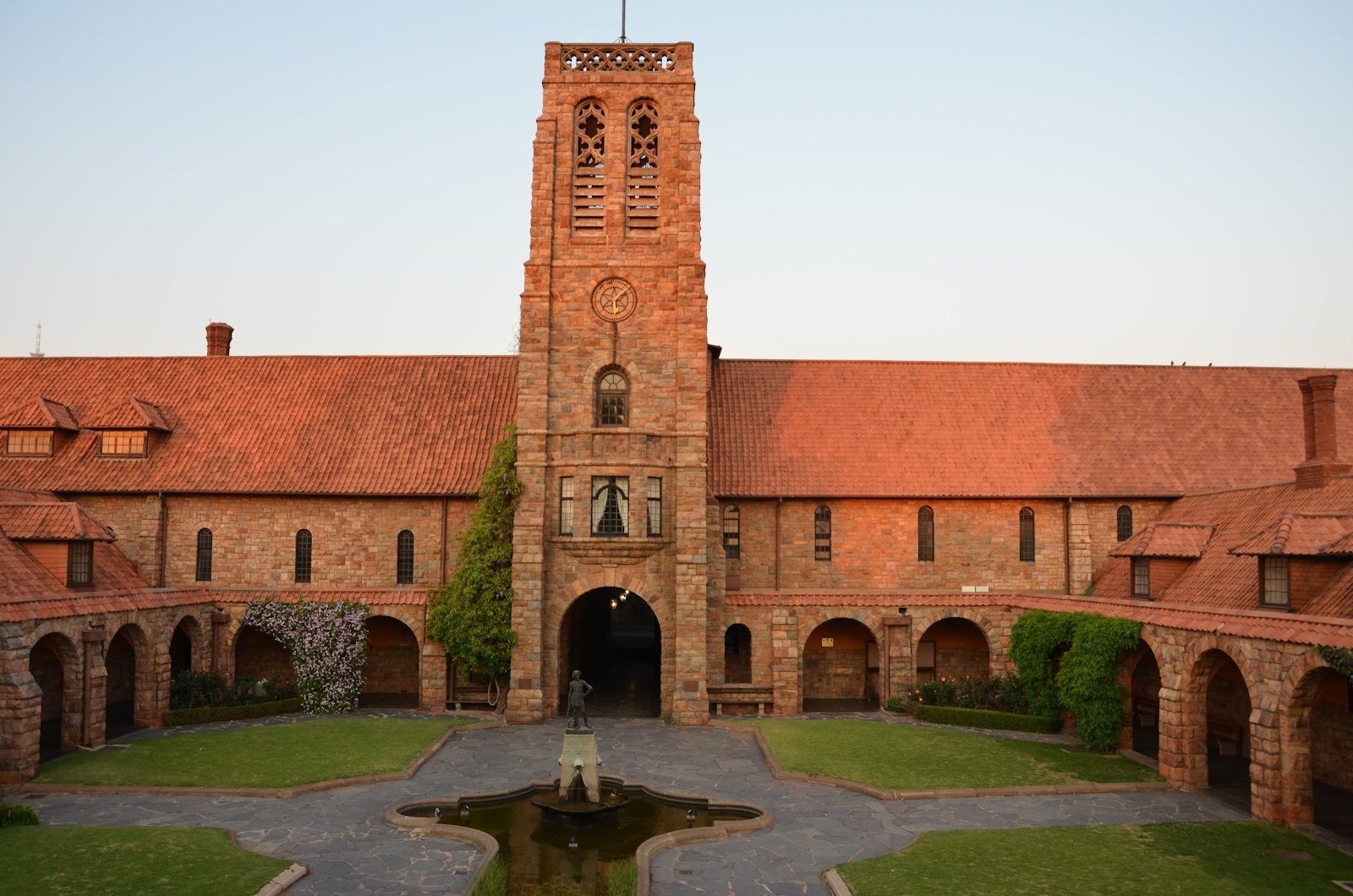
St John's College
Johannesburg · South Africa
Founded twelve years after the Witwatersrand gold rush, this Anglican boarding college blends Herbert Baker quadrangles with a four-house pastoral tradition

St Andrew's College
Makhanda · South Africa
On the Eastern Cape frontier since 1855, house tradition and shared classes with a sister school shape a distinct boarding life.
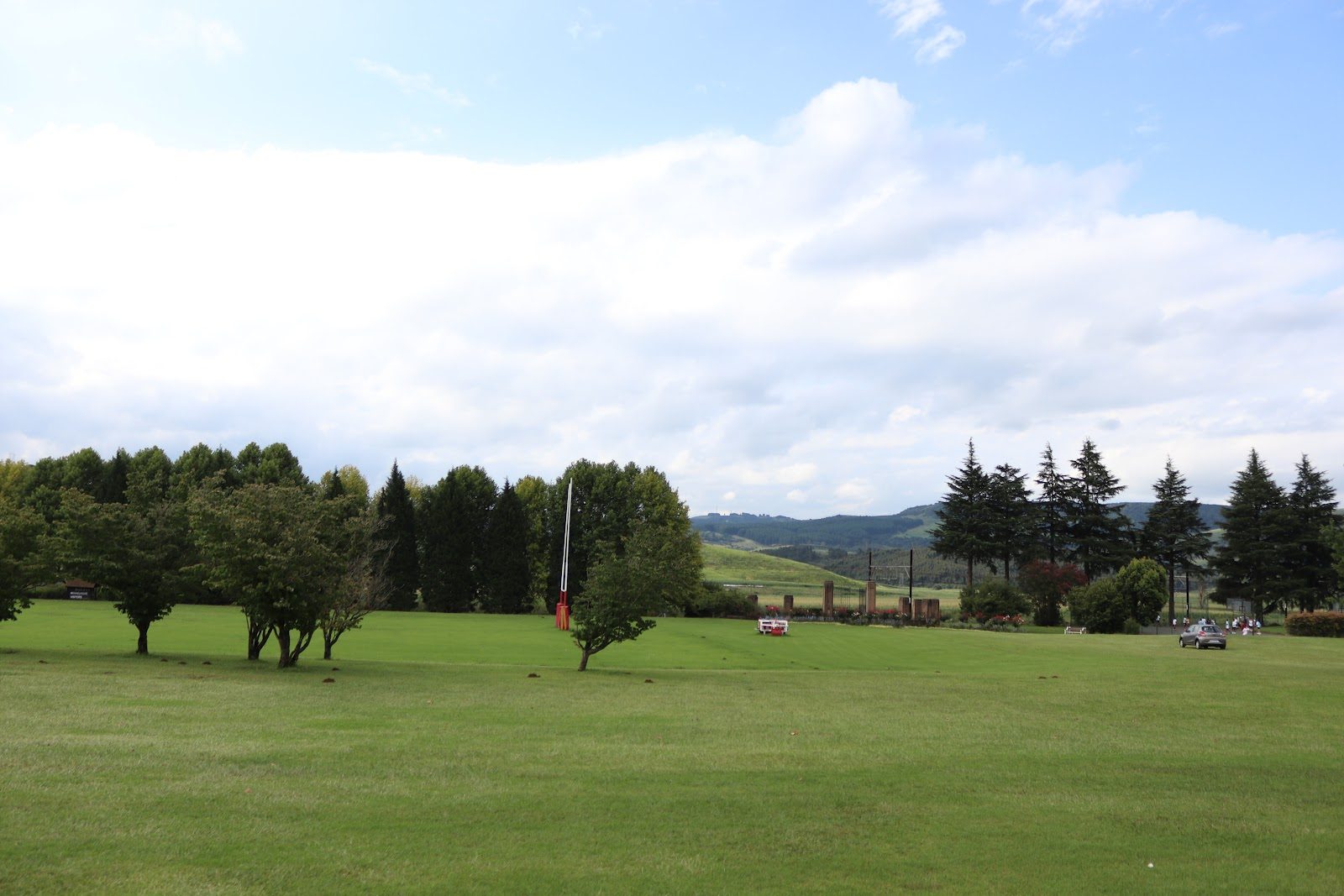
Michaelhouse
Balgowan · South Africa
In South Africa's Midlands, one of the world's few remaining all-boys, all-boarding schools borders a rare mistbelt grassland reserve.
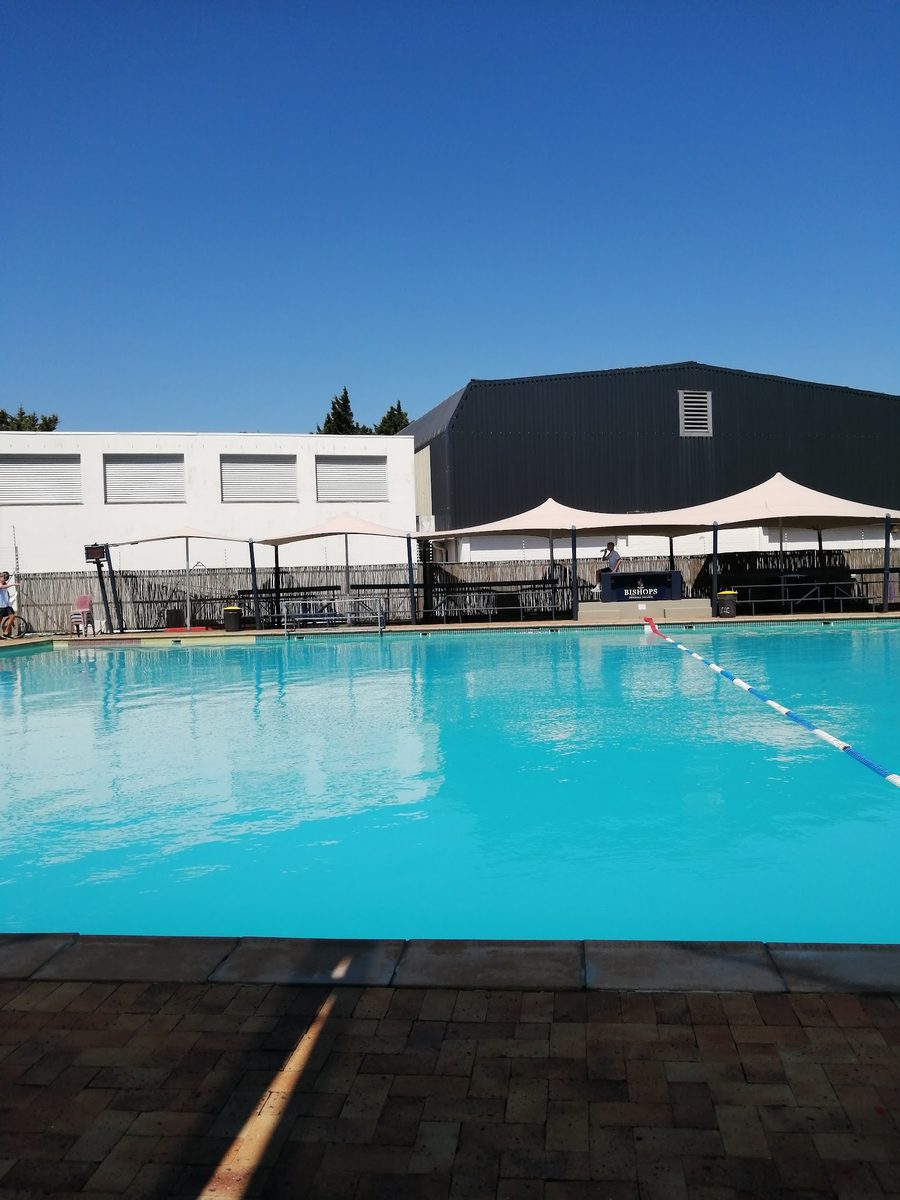
Bishops Diocesan College
Cape Town · South Africa
Founded in 1849 below Table Mountain, home to the oldest rugby field in the southern hemisphere and a storied house system.
Same country and curriculum — closest matches within ±10 points either way