
Masaki + Msasani
International School of Tanganyika
low confidence· 4/6 cats · 1 avg sourcesNamed for a country that no longer exists, this 1963-founded Dar es Salaam day school runs the full IB continuum across two peninsula campuses.
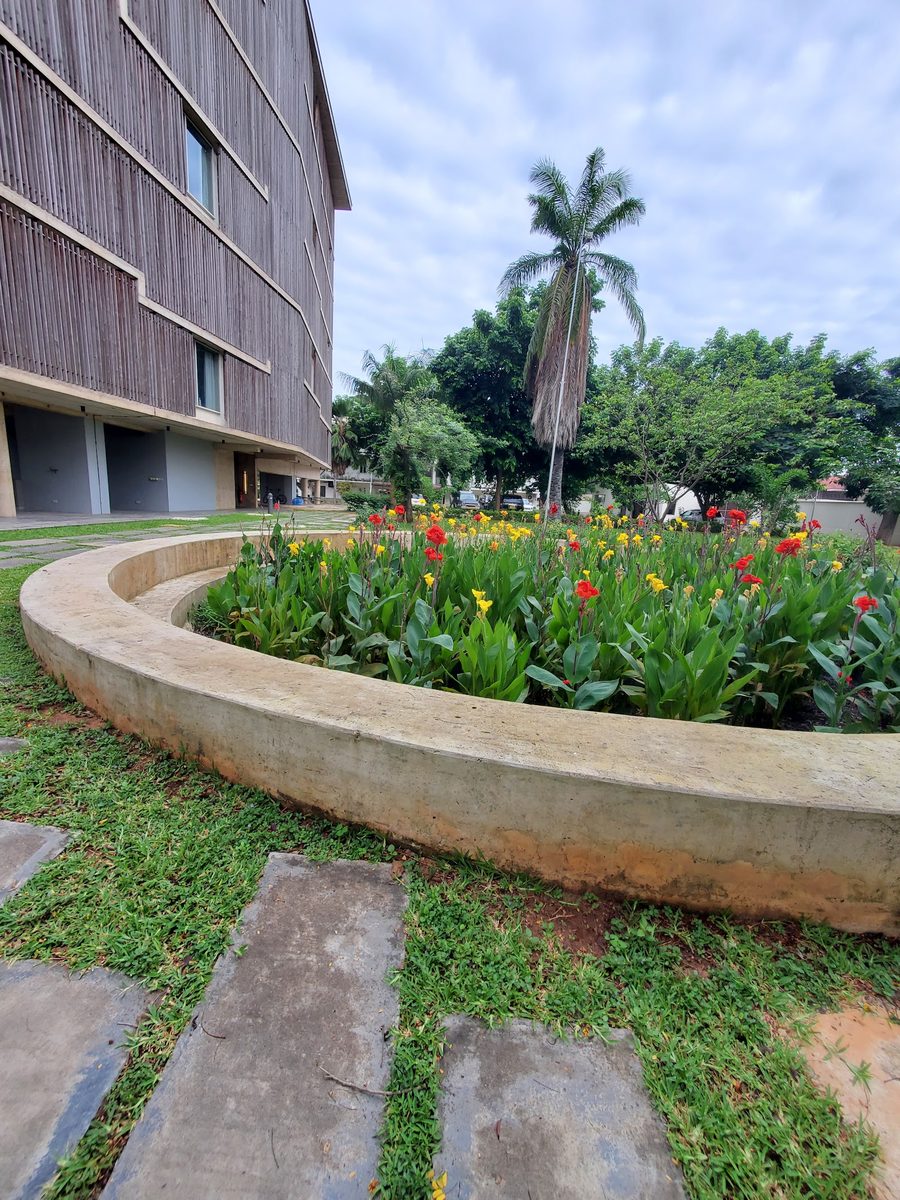
Photo © M Gi via Google Maps
Type
Day
Ages
3–18
Curriculum
IB
Qualifications
IB Diploma · IB MYP · IB PYP
Ratio
—
The Verdict
Editor's commitment
Right for
Dar families wanting a 1963-founded, non-religious day school with the full IB continuum and CIS accreditation across ages 3–18.
Wrong for
Families needing boarding, another curriculum, or a single campus: IST is day-only, English-medium, and split between two sites 5 kilometres apart.
Watch out for
The school calls its facilities the best in Dar es Salaam; it does not publish aggregate IB Diploma results to prove the academic return.
Ranking breakdown
International School of Tanganyika · #624 of 1591
Composite score 67.5. 8 weighted criteria.
By criterion
Academic Outcomes
Weight 20%
#746
of 1529 scored
University Placement
Weight 16%
#736
of 1529 scored
Prestige & Heritage
Weight 12%
#734
of 1571 scored
Alumni Network
Weight 12%
#481
of 1530 scored
Facilities
Weight 12%
#666
of 1533 scored
Transparency & Communications
Weight 8%
#779
of 1532 scored
Peer & Industry Review
Weight 10%
#645
of 1548 scored
Admissions Selectivity & Demand
Weight 8%
#547
of 1529 scored
Peer & Industry Review
How International School of Tanganyika is regarded in the sector
68
Respected · medium confidence
International School of Tanganyika is consistently cited as the leading and oldest international school in Dar es Salaam/Tanzania in expat community resources (e.g., InterNations forums, expat relocation guides) and holds long-standing IB World School, CIS and NEASC accreditation, which are used as peer benchmarks by other regional schools. It lacks coverage in specialist outlets like Tatler or Good Schools Guide (which focus mainly on UK/Europe), but is a recurring reference point in 'best schools in Tanzania' expat and NGO community discussions, reflecting a solid regional reputation rather than global top-tier status.
Evidence sources
Editors' overview
International School of Tanganyika occupies a clear position at the top of Dar es Salaam’s international market: a 1963-founded, non-profit day school with the full IB continuum and the kind of institutional depth newer entrants do not match. The name carries history; the proposition rests on substance. IST runs across 2 campuses on the peninsula, with early years and primary separated from secondary, and that split matters. Younger children get a distinct elementary environment rather than being folded into an all-through site, while older students move into a secondary setting built around Grades 6–12. For families who want a school with established governance, international mobility and a serious academic spine, IST belongs on the shortlist on first pass.
What sets it apart is not novelty but range and maturity. This is an independent, private, not-for-profit school for ages 3–18, teaching in English and offering the Primary Years, Middle Years and Diploma Programmes end to end. In a city where parents can find good schools with one strong phase or one imported curriculum, IST offers continuity. That matters for expatriate families who need clean transitions and for internationally minded local families who want a stable route through to graduation. The school also sells a broad co-curricular life and strong facilities, and in the Dar market that combination has weight: academic seriousness without monastic narrowness, institutional confidence without religious framing, and a settled international community rather than a school still defining itself.
The caveat is plain. IST is not for families seeking a small, intimate school with a highly idiosyncratic culture, nor for those who want a national curriculum or a faith-based environment. It is a large-format international school model, and that brings the strengths and limits of the category: breadth, structure, mobility, and a less boutique feel. Parents who need hard public data on outcomes will find the school’s public-facing case stronger on programme and environment than on published aggregate results. That does not weaken its standing in Dar es Salaam; it does define the due diligence sensible parents should do.
The students who thrive here are ambitious, adaptable and comfortable in an international peer group. They benefit from the full IB arc, from clear academic stretch in the later years, and from a school built for movement between countries and systems. Children who enjoy a busy campus life, a wide extracurricular menu and peers from many backgrounds will fit. So will families who want continuity with standards, a serious day-school structure and a proven expatriate landing place in Dar es Salaam.
Academic Performance
IST’s public case on academic performance has a conspicuous gap: the school does not publish aggregate Diploma results, cohort averages, pass rates, subject distributions or university destination lists in the material we have seen. For a school at the top end of its market, that is a real weakness. Families are asked to trust the school’s academic reputation without the clean public data that stronger operators now treat as standard. The absence of headline outcomes does not imply weak results; it does mean outside parents cannot verify how IST’s graduates perform against other full-IB schools in East Africa, or against better-documented African and global peers. In editorial terms, this is a credibility issue, not a trivial omission.
Where does that leave IST relative to competitors? It sits in the serious academic bracket by structure and institutional depth, but not in the transparent-results bracket. A school running all 3 IB programmes and serving pupils through Grade 12 has the architecture for strong outcomes and stable progression, and IST’s established standing in Dar reinforces that view. Even so, top-tier status in international schooling now rests on evidence as well as reputation. Until the school publishes hard outcome data, the right conclusion is disciplined rather than flattering: IST belongs among the city’s strongest academic options, but its external examination performance remains publicly opaque. Parents considering it should press for recent Diploma averages, pass rates, highest scores and multi-year trends before treating reputation as proof.
Facilities
The key facility fact is structural rather than decorative: IST operates across 2 separate campuses, with elementary provision on one site and secondary on another. That matters more than brochure language about “best facilities”. A dedicated elementary campus gives younger children age-appropriate space, movement and routine without sharing the daily tempo of older pupils; a distinct secondary site gives adolescents room for a fuller timetable and a broader extracurricular day. Among peer schools in East Africa, that split places IST in the serious, fully built-out category rather than the all-through compact model. It signals planning, scale and institutional confidence. The school also trades hard on its extracurricular range, which points to specialist teaching spaces, sports provision and venues that can support a busy after-school programme rather than a token one.
The limit is public detail. IST claims strong facilities but does not publish the kind of granular campus inventory that lets parents benchmark science labs, performing arts spaces, libraries, aquatics or indoor sports with precision. That leaves the verdict clear but incomplete. Against local peers, IST sits in the top bracket for physical plant and breadth of use; against the best-documented international schools globally, the picture is less transparent than it should be. Parents visiting need to inspect the practicals: condition of classrooms, specialist rooms, shade and play space, traffic flow at drop-off, and whether the secondary campus feels purpose-built for older students rather than expanded over time.
For a school at the top end of its market, that is a real weakness
Prestige
IST carries real prestige in East Africa because it combines market leadership with institutional permanence. In Dar es Salaam, that matters. This is not a start-up school trading on glossy branding; it is a long-established non-profit with enough depth to anchor an internationally mobile parent community and enough scale to sustain breadth beyond the classroom. The split across 2 campuses reinforces that standing: families read it as evidence of a school built with phases in mind, not improvised growth. Its pull also extends beyond expatriate families newly arriving in Tanzania. Among local and international households who know the city well, IST sits in the first-rank conversation and has done so for a long time.
That prestige is not identical to elite transparency. The school’s reputation rests on history, continuity, community confidence and the full-through educational offer, not on a rich public record of published outcomes. That distinction matters. Parents can treat IST as a high-status school with serious local clout, but not as a school that has made external proof central to its public case. In practical terms, the name opens doors in the local market, reassures employers relocating staff, and signals a settled international standard. It does not exempt the school from scrutiny. Prestigious? Yes. Untouchable? No. The strongest verdict is more precise: IST is one of the city’s anchor institutions, with status earned through endurance and trust rather than aggressive self-promotion.
Even so, top-tier status in international schooling now rests on evidence as well as reputation
Communications
IST’s parent communication has the marks of a school that knows relocation is part of its market. The public site does more than announce term dates and news items: it carries a practical “Karibu Tanzania” strand with guidance on settling into life in the city, local culture, weekend activities, recipes and parent involvement. That is useful, not decorative. It tells new families where the school puts its effort — into onboarding, community integration and reducing the friction of an international move. The events feed also shows a functioning calendar rather than a dead noticeboard, with whole-school dates and routine touchpoints such as the Director’s Coffee. For parents, that matters. A school with 2 campuses and separate age phases needs disciplined communication to stop families feeling split between sites.
The verdict is positive, with limits. IST communicates competently and purposefully on community life, practical logistics and the parent experience. The tone is welcoming without being syrupy, and the school avoids the overblown language weaker operators use when substance is thin. But the same restraint exposes a gap: communication is stronger on belonging than on hard accountability. We have not seen a rich public record of academic reporting, leadership messaging or detailed operational transparency beyond the essentials. That does not make the school opaque in day-to-day parent relations; it does make its outward communications stronger on reassurance than proof. For current families, that mix may work well. For prospective parents doing serious due diligence, it leaves important questions still unanswered.
Uniqueness
What makes IST distinctive is not novelty but fit with its setting. In a city that draws diplomats, NGO staff, multinationals and long-settled international families, the school functions as a serious landing place rather than a transient expat outpost. Its two-site structure, with campuses 5 kilometres apart, gives each phase its own rhythm and social environment; children are not pushed through an all-through campus from nursery to graduation with no reset along the way. The not-for-profit model also matters. It shifts the school’s centre of gravity away from franchise growth and towards institutional continuity, which parents feel in the steadier culture, the broader extracurricular offer and the sense that the school exists to run well over time, not to chase a brand narrative.
For students, that uniqueness translates into a mature international community and a cleaner educational journey. Younger children get a more age-appropriate daily life; older students move into a secondary environment with greater independence and a wider field of activity. The school’s long entrenchment in Dar also gives it a settled social confidence that newer schools lack: families arrive into an existing network rather than helping build one from scratch. That carries real benefits for internationally mobile children. They enter a school that knows how to absorb newcomers, organise community life and maintain standards across transitions. The trade-off is equally clear. IST offers institutional depth, not intimacy; breadth, not boutique character.
A school with 2 campuses and separate age phases needs disciplined communication to stop families feeling split between sites
Student Profile
The children who fit best at IST are those who are at ease in a high-mobility, internationally mixed community and who do not need a school to manufacture intimacy. This is a place for pupils who can join an established social world, find their footing quickly and make use of a large menu beyond lessons. New arrivals from diplomatic, NGO and corporate families will slot in well because the school is built around transition, orientation and parent integration, not around a single national social code. Students who enjoy busy days, organised routines and a peer group drawn from many countries will have more room to thrive than those who want a tiny, close-held environment where everybody knows everybody.
Temperament matters as much as background. IST suits children who are self-propelling, socially adaptable and comfortable moving through distinct phases of school life as they grow older. The separation between age groups across 2 sites gives younger pupils protection from the pace of adolescence and gives older ones more independence; that arrangement works well for children ready to handle change without drama. It is less well matched to students who need a very hand-held setting or who flourish in strongly local, tradition-bound school cultures. Families choosing IST are buying into breadth, structure and an unmistakably international peer environment. Pupils who want those things will find a strong fit.
What makes IST distinctive is not novelty but fit with its setting
Co-curricular strengths
Arts & sport, on a separate axis
Overall 8.22/10
Scored 0-10 from the school's own published evidence. This axis is editorial-only — it does not feed the main WTS ranking.
Sports
8.8/10
Drama
8.5/10
Dance
6.5/10
Music
8.7/10
Visual Arts
8.6/10
Editor first-pass · editor-reviewable · 7/30/2026
Strengths
- +Founded in 1963, making it one of the longest-established international schools in East Africa.
- +Authorised to teach the full IB continuum (PYP, MYP and Diploma Programme), offering curricular continuity from age 3 to 18.
- +Accredited by both the Council of International Schools (CIS) and the New England Association of Schools and Colleges (NEASC).
- +Student body historically drawn from a wide range of nationalities, reflecting Dar es Salaam's large diplomatic and NGO community.
- +Purpose-built campus with facilities including library, swimming pool, and dedicated performing arts and sports spaces.
Considerations
- −Tuition fees are set in USD and sit at the higher end for the region, a real constraint for families not on an employer-sponsored package.
- −Single-campus model in Dar es Salaam means families outside the immediate area face city traffic that can lengthen daily commutes considerably.
- −As with many IB day schools serving a transient expat population, popular year groups can fill up, creating waitlists at peak entry points.
- −Learning support provision is geared to mainstream inclusion; families of children with significant or complex special educational needs should confirm capacity directly with the school.
Availability
Primary entry gate & tests
Academic Record
Gallery
Photo © International School Of Tanganyika via Google Maps
Photo © Mziray Jr via Google Maps
Photo © Smac M via Google Maps
Photo © Smac M via Google Maps
Photo © Roxtam Graphix via Google Maps
Parent reviews
Have you sent your child here?
Voice reviews carry the strongest trust badge — we transcribe them for you to tidy up before they go live. Prefer to type? A written review is fine too.
Add your voice
In 60 seconds, tell other parents: what's the best thing about International School of Tanganyika, and what surprised you when your child joined?
We ask for a Google sign-in so every review has a real face behind it — no anonymous drive-by attacks on schools, and no faked positive reviews. Your email is never shown publicly.
Send this profile to a friend
International parents rely on word-of-mouth. Share this review with someone weighing the same decision.
Schools with places
Similar schools to International School of Tanganyika with places available now.
King's Academy
Madaba · Jordan
- 2026-27
- CLOSEDStandard route
- 2027-28
- WAITPOOLApp route live / timetable TBC
American Community School Beirut
Beirut · Lebanon
- 2026-27
- WAITPOOLSpace-dependent
- 2027-28
- PLACES OPENRolling
St. Andrew's College Dublin
Dublin · Ireland
- 2026-27
- WAITPOOLVacancy-dependent
- 2027-28
- PLACES OPEN
Nanjing International School
Nanjing · China
- 2026-27
- WAITPOOLSpace-dependent
- 2027-28
- PLACES OPENRolling
Availability first, then country, area, curriculum, price, co-curricular
Consider also
Also worth looking at alongside International School of Tanganyika.
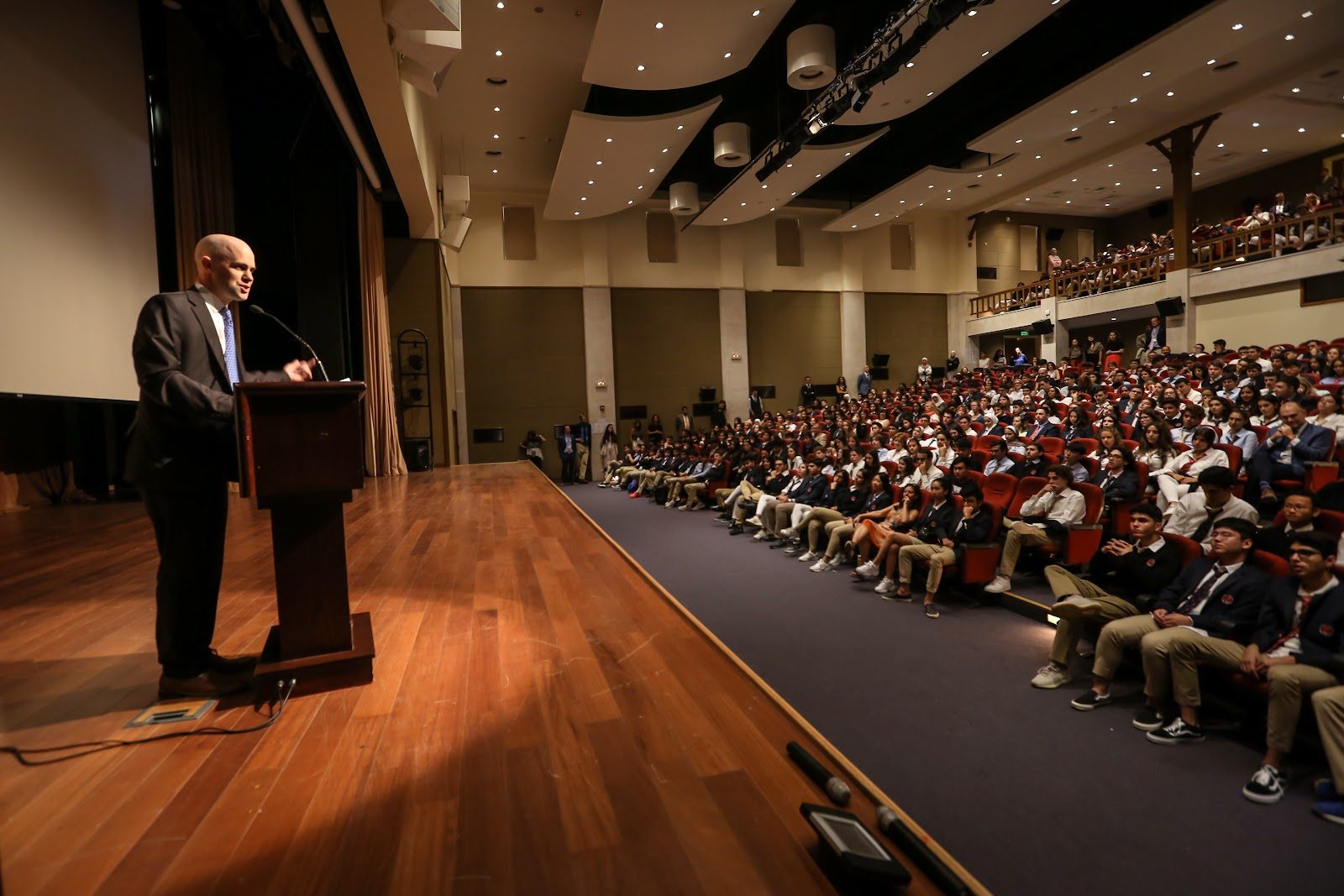
King's Academy
Madaba · Jordan
On the hills of Madaba, a Deerfield-inspired boarding school built around Harkness-table classrooms and a multi-faith spiritual center.
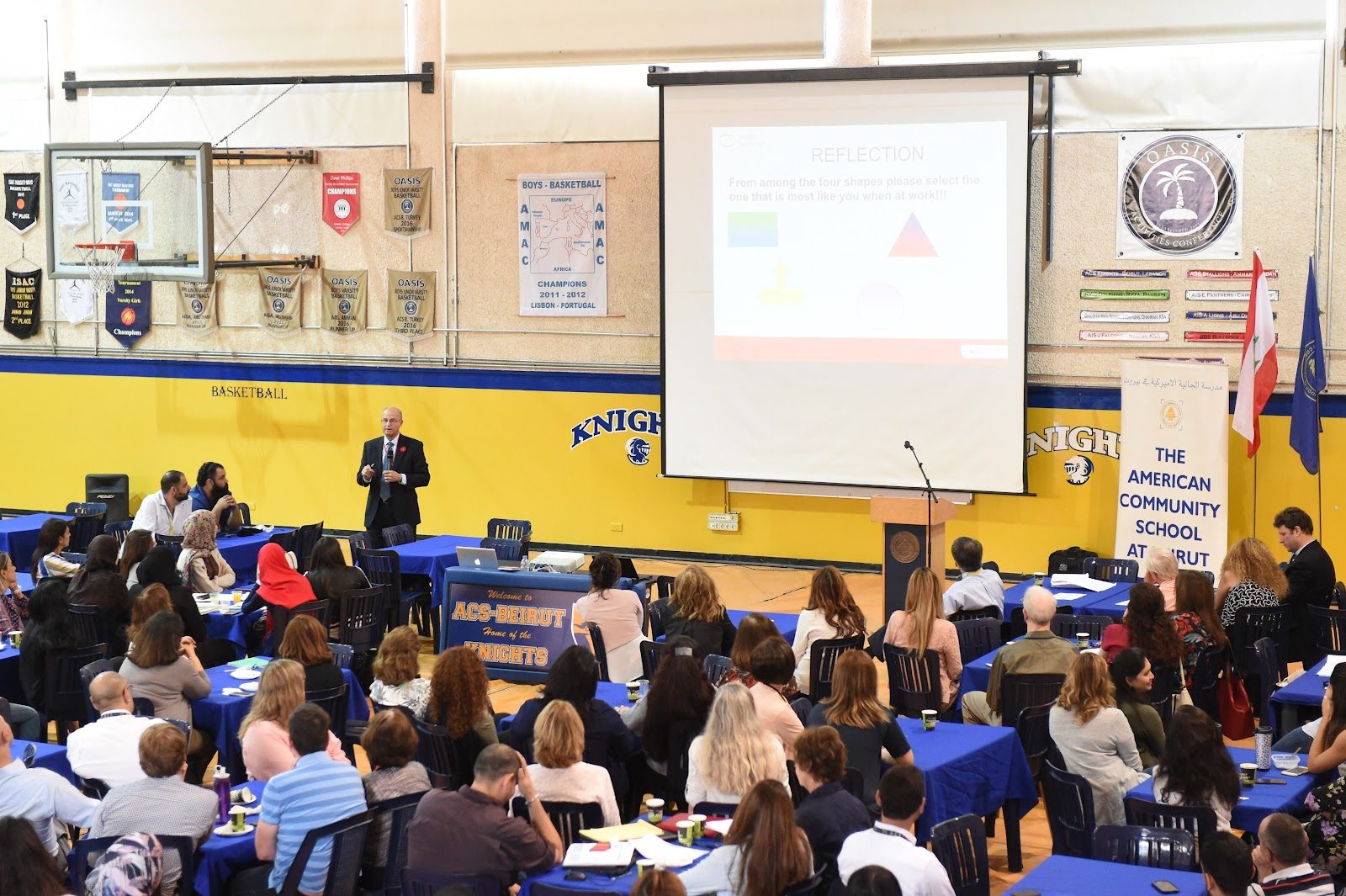
American Community School Beirut
Beirut · Lebanon
Founded in 1905 by AUB faculty, this Corniche campus blends IB and American diplomas around Harkness-style seminar tables.
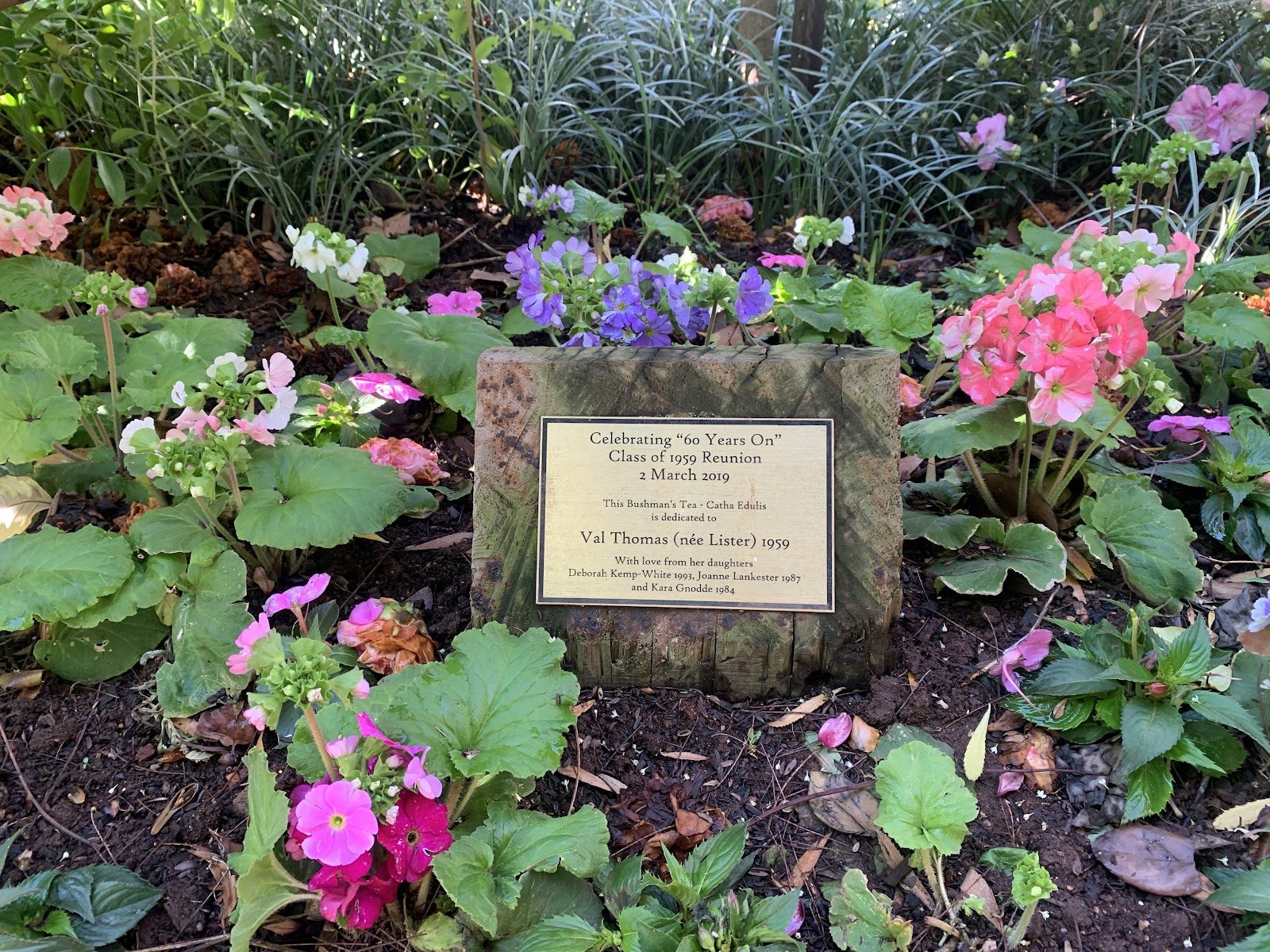
Roedean School South Africa
Johannesburg · South Africa
Founded in 1903 by two Cambridge-educated pioneers, this all-girls boarding school still occupies its original Herbert Baker campus in Parktown.
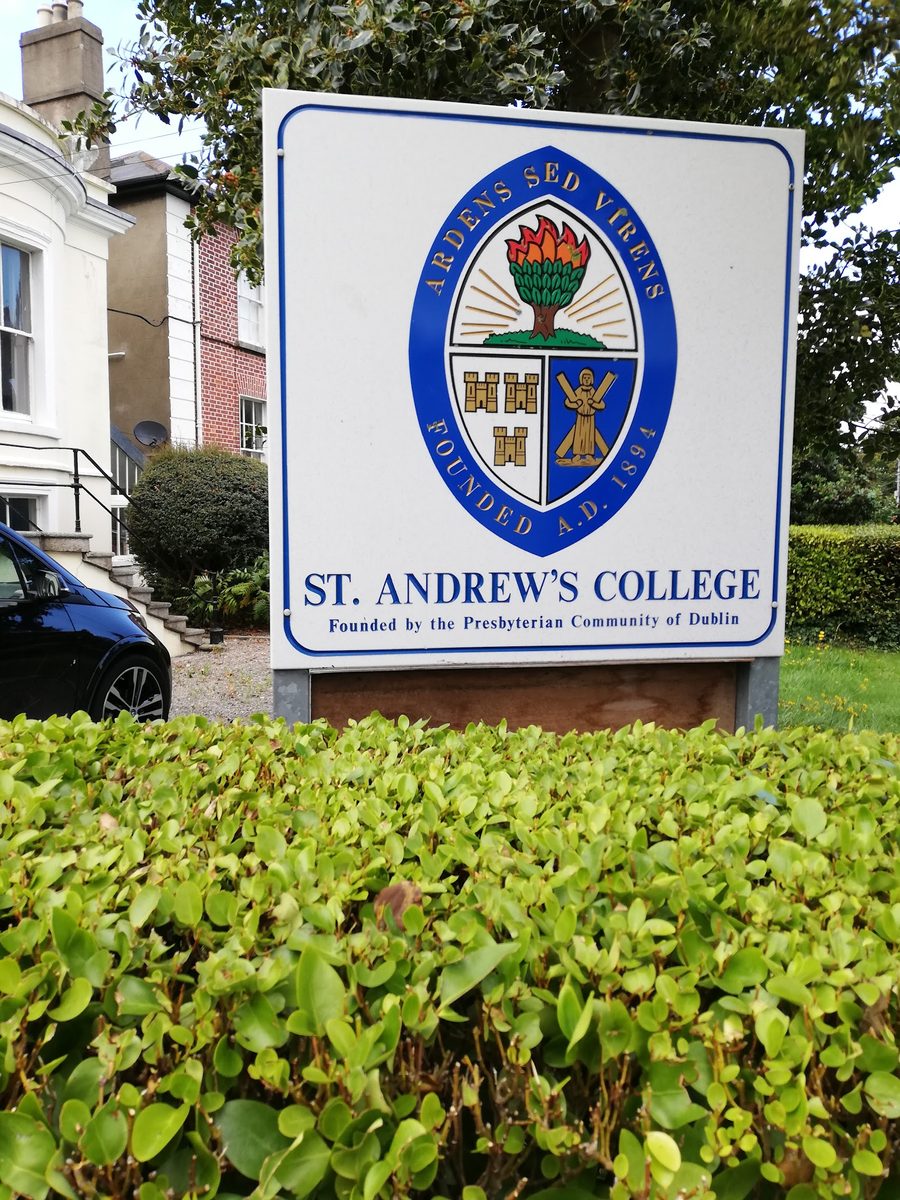
St. Andrew's College Dublin
Dublin · Ireland
First in Ireland to gain IB Diploma authorisation, this interdenominational Booterstown day school still hosts its own Model UN each Easter.
Same country and curriculum — closest matches within ±10 points either way