
Andalusia
Sotogrande International School
low confidence· 4/6 cats · 1.33 avg sourcesOn Andalusia's polo-and-golf coast, a full IB pathway pairs academic rigor with an elite student-athlete program.
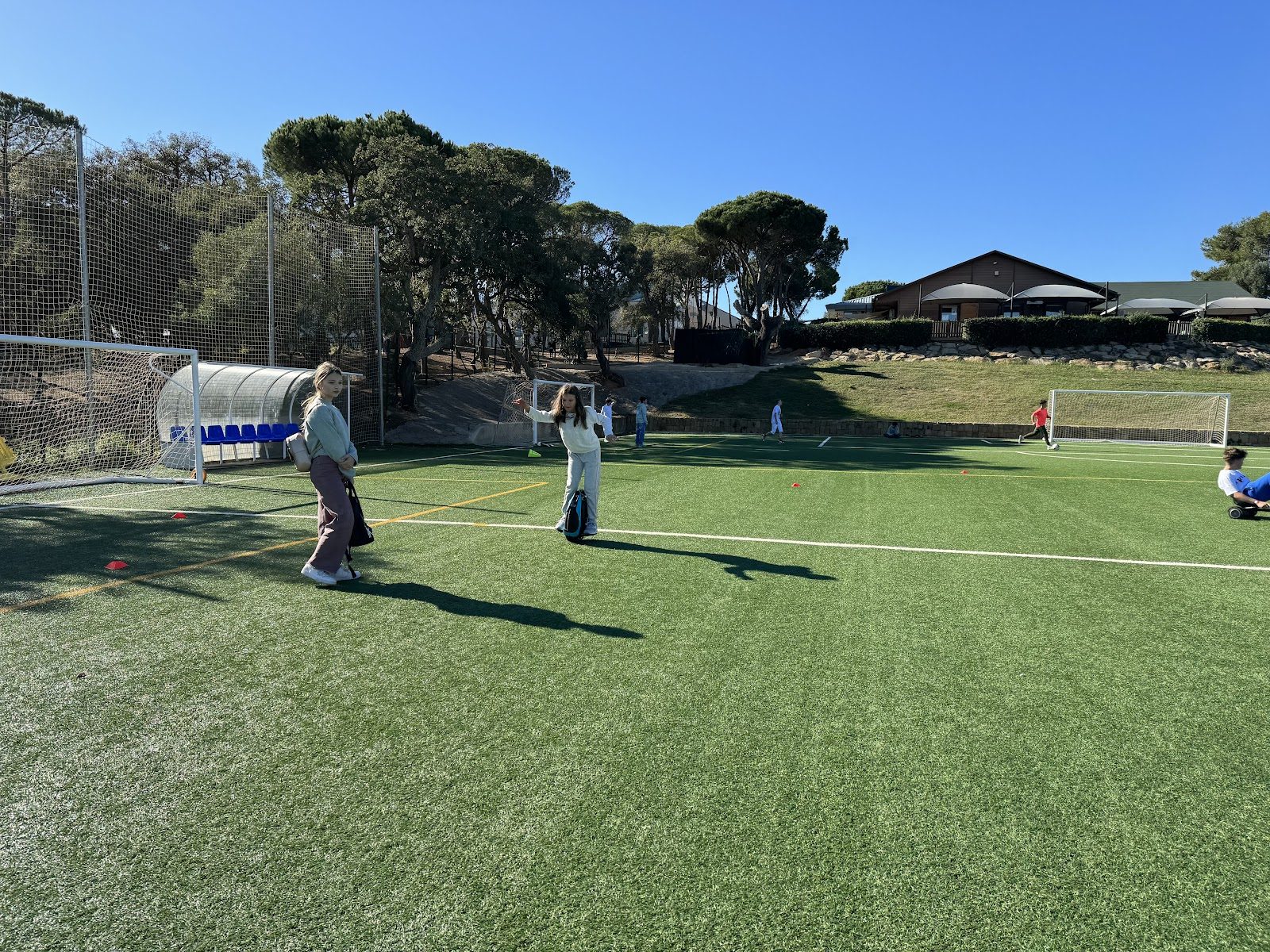
Photo © Алексей Aleksei Соколов Sokolov via Google Maps
Type
Both
Ages
3–18
Curriculum
IB
Qualifications
IB Diploma · IB MYP · IB PYP
Ratio
1:8
The Verdict
Editor's commitment
Right for
Families wanting the full IB run from ages 3–18, taught in English, with CIS and NEASC scrutiny behind the sales pitch.
Wrong for
Anyone expecting a grounded local school: San Roque on Sotogrande’s elite coast, a 1:8 ratio and Berkeley, NYU and Boston College signal a rarefied crowd.
Watch out for
It is both day and boarding, founded in 1978, but the school publishes only a handful of recent destinations; outcome depth stays opaque.
Ranking breakdown
Sotogrande International School · #626 of 1591
Composite score 67.5. 8 weighted criteria.
By criterion
Academic Outcomes
Weight 20%
#746
of 1529 scored
University Placement
Weight 16%
#736
of 1529 scored
Prestige & Heritage
Weight 12%
#734
of 1571 scored
Alumni Network
Weight 12%
#481
of 1530 scored
Facilities
Weight 12%
#569
of 1533 scored
Transparency & Communications
Weight 8%
#779
of 1532 scored
Peer & Industry Review
Weight 10%
#793
of 1548 scored
Admissions Selectivity & Demand
Weight 8%
#547
of 1529 scored
Peer & Industry Review
How Sotogrande International School is regarded in the sector
65
Respected · medium confidence
Sotogrande International School is consistently referenced in Good Schools Guide International's coverage of leading British/IB curriculum schools in Spain, and is frequently cited in expat parent forums (e.g. Expat Forum, Costa del Sol/Gibraltar expat networks) as one of the most established international schools in the region, reflecting its long operating history since the late 1970s. It appears in several independent 'best international schools in Spain' round-ups aimed at expat and diplomatic families, though it lacks the broader, cross-border prestige or extensive specialist press coverage (e.g. Tatler UK-style rankings) seen with top-tier global institutions.
Evidence sources
Editors' overview
Sotogrande International School occupies a narrow but valuable niche: an English-medium IB school in southern Spain with both day and boarding provision, a long-established presence since 1978, and a serious commitment to sport. The obvious differentiator is its elite student-athlete track. In a region known for polo, golf and high-end seasonal living, SIS has built a school around that ecosystem rather than borrowing its glamour. For the right family, that matters. This is not just an international school near excellent sports infrastructure; it is a school that uses that setting as part of its identity. The full IB pathway adds academic coherence, and the 1:8 student–teacher ratio signals access to staff that many larger prestige schools cannot match.
What puts SIS on a shortlist is the combination of competitive ambition and pastoral containment. Parents looking at Spain often face a trade-off: lifestyle schools with weak academic edge, or urban academic schools with little room for sport and boarding life. SIS bridges that divide. It offers the IB from early years through diploma level, teaches in English, and holds the standard international accreditations—IB World School, CIS and NEASC—that families expect in this market. The boarding element widens its catchment beyond the Costa del Sol and gives it a more international social mix than a pure local day school. Recent university destinations such as Berkeley, Boston College and NYU show credible access to selective Anglo-American higher education, even if the school does not publish the kind of large-scale destination data that would allow a deeper outcomes analysis.
The ideal SIS student is not a child who wants anonymity in a vast institution or a purely exam-drilled education. This school suits students who thrive in a tight-knit international community, want staff attention, and have a genuine interest in balancing academics with a high-performance sporting life. It also suits families drawn to sunlit Mediterranean ease but unwilling to sacrifice academic structure. Boarders and day pupils with equestrian, golf, polo or wider athletic commitments will find the setting unusually practical. So will internationally mobile families who want an English-language education without the intensity, congestion and cost profile of London, Geneva or Paris.
The caveat is clear. SIS is not the obvious choice for families who want the scale, subject breadth and university-results transparency of the biggest European boarding schools. Its appeal is more specialist than universal. But for parents who want the IB, boarding, personal attention and sport woven into one coherent offer, Sotogrande International School has a rare coastal-market advantage. In its corner of Spain, few schools match that mix.
Academic Performance
Sotogrande International School does not publish the exam detail that serious parents want. We have not seen aggregate Diploma averages, subject-by-subject grade distributions, top scores, pass rates over time, or a multi-year university destinations list. That leaves a clear transparency gap. In a market where strong IB schools use results to prove academic depth, silence carries its own message. The school can point to selective destinations, and those matter, but single named offers do not establish the performance floor across a cohort. For families comparing SIS with bigger Iberian and Swiss boarding schools, this makes benchmarking frustratingly difficult.
Where does that place the school relative to peers? In academic terms, SIS sits in the category of schools with credible outcomes but opaque evidence. The full IB pathway gives coherence, and the low staffing ratio supports individual guidance, but neither substitutes for published external results. The most persuasive reading is that SIS delivers solid university preparation for a mixed cohort that includes serious athletes, without advertising itself as an exam-results machine. That is a distinctive balance, and for the right student it has real value. For parents who rank published academic data, cohort-wide attainment, and year-on-year score visibility above all else, SIS falls short of the strongest comparators.
Facilities
The campus’s strongest asset is sports infrastructure, above all the golf and polo ecosystem that surrounds the school and feeds directly into its student-athlete offer. That gives SIS a facility profile few European IB schools can match: not the broadest on-site estate, but a highly targeted one tied to the rhythms of elite training and competition. For families in equestrian, golf or polo circuits, that is genuinely useful rather than decorative branding. The flip side is clear. Parents looking for the sprawling indoor-outdoor spectacle of the biggest Swiss or British boarding campuses — multiple theatres, vast science blocks, indoor pools, rowing lakes, large-scale performance venues — will not find that level of institutional heft here.
Against Iberian day schools and smaller boarding schools, the facilities case is stronger. The school’s setting gives students access to a rarefied sporting environment that many urban competitors cannot replicate, and the low staffing ratio supports close supervision of both training and academic life. Boarding provision also matters: once a school houses pupils, parents judge dining, pastoral space, evening study conditions and residential oversight much more harshly than they judge classrooms alone. SIS benefits from that all-through structure, but it does not publish the kind of detailed campus breakdown that serious parents expect. There is no comprehensive public inventory of specialist labs, arts spaces or boarding amenities. That leaves the facilities picture attractive but incomplete.
Sotogrande International School carries selective regional prestige, not top-tier European boarding-school cachet
Prestige
Sotogrande International School carries selective regional prestige, not top-tier European boarding-school cachet. Its status comes from context and clientele: a school embedded in one of Spain’s most affluent resort enclaves, serving families drawn to golf, polo, equestrian sport and cross-border mobility. That gives SIS a social profile that reads well-connected and high-spend, and the low 1:8 staffing ratio adds a layer of exclusivity that parents notice immediately. The university destinations cited include recognisable US names, which supports the claim that the school can place students into selective institutions. But prestige built on setting, lifestyle and a narrow run of destination names is not the same as prestige built on published academic dominance, historic brand power or a deep alumni network.
That is why the school sits below the best-known international schools in Switzerland, London or Paris in raw reputational weight, while still holding real appeal in southern Spain. It offers a rarefied niche: families who want a polished international education tied to serious sport and a protected social environment will find it attractive. Families who define prestige through hard academic proof, famous old-school traditions or globally recognisable institutional heft will rank it lower. In short, SIS has market prestige and lifestyle prestige in abundance; it has less of the broad, indisputable academic prestige that travels instantly across every international school market.
Sotogrande International School does not publish the exam detail that serious parents want
Communications
Sotogrande International School communicates in the style many small, high-fee international schools favour: direct access, relationship management and a strong reliance on staff knowing families well. The low staffing ratio matters here because it permits faster, more personal responses than parents get from larger institutions run through layers of administration. That structure suits a school serving mobile families and students with demanding schedules. It also fits a community where pastoral issues, travel logistics and training calendars need adult coordination, not generic circulars. When this works, it feels close-grained, human and high-attention. Parents who value quick contact with people who know their child will rate that highly.
The weakness is public-facing transparency. The school does not publish enough hard detail for an external parent doing serious due diligence. We have not seen the depth of routine disclosure that stronger communicators provide: fuller breakdowns of outcomes, richer explanations of boarding life, or a more comprehensive account of facilities and day-to-day provision. That does not mean families inside the school are poorly informed; it means prospective families get an incomplete picture and must work harder than they should. In a market where trust depends on clarity, that is a real communications flaw. SIS communicates best at the interpersonal level and less well at the institutional one. For enrolled families, that can be effective. For comparing schools at a distance, it is less convincing.
Uniqueness
What sets Sotogrande International School apart is not the existence of school sport, but the way sport governs the shape of school life. Many international schools add elite pathways as an extra; SIS has built one of its clearest identities around students whose training demands are non-negotiable. In this part of Spain, that matters. The local ecosystem of golf, polo and equestrian sport is not a backdrop but a working advantage, and the school turns it into something educationally usable. That gives ambitious young athletes a route through mainstream schooling without forcing them into the usual trade-off between competition and academic continuity. The low 1:8 ratio strengthens that proposition: students get staff access, timetable management and adult oversight that matter when training loads, travel and recovery put pressure on ordinary school routines.
The benefit extends beyond athletes. A school organised around performance culture tends to attract families who value discipline, self-management and purposeful use of time. That can create a more focused peer group than the resort setting alone might imply. SIS also occupies a rare middle ground in the Spanish market: international but not urban, ambitious but not grimly exam-drilled, socially polished without the scale and anonymity of the biggest prestige institutions. For the right child, that produces a contained, high-attention environment with a clear identity. For the wrong child, it can feel narrow. SIS is most distinctive when a student wants structured ambition, close adult support and a school life tied to elite sport rather than merely decorated by it.
What sets Sotogrande International School apart is not the existence of school sport, but the way sport governs the shape of school life
Student Profile
The students who fit best here are disciplined, self-directed and comfortable in a school where peers’ lives extend well beyond the classroom. This is a strong match for children balancing study with serious sport, especially those in golf, polo or equestrian circles, or in other high-commitment training programmes that demand adult flexibility and tight organisation. They will benefit from the close supervision that a 1:8 ratio permits, and from a culture that rewards routine, punctuality and follow-through. The social mix also suits internationally mobile families who want a contained, high-touch environment rather than a big, anonymous campus. Children who value easy staff access, a polished peer group and a purposeful daily rhythm will settle well.
The weaker fit is just as clear. This is not the right school for students who want a huge social scene, vast subject choice, or the institutional buzz of a major metropolitan school. It also does not suit children who dislike sport-heavy peer culture or who need the stimulation of a more intellectually hard-driving academic atmosphere. Some pupils will thrive on the school’s rarefied coastal setting; others will find it socially narrow. Families need to be honest about that. The best SIS student is ambitious without grandstanding, resilient, well-managed, and happy in a community where performance, presentation and personal accountability all carry weight.
Boarders and day pupils with equestrian, golf, polo or wider athletic commitments will find the setting unusually practical
Co-curricular strengths
Arts & sport, on a separate axis
Overall 8.96/10
Scored 0-10 from the school's own published evidence. This axis is editorial-only — it does not feed the main WTS ranking.
Sports
9.5/10
Drama
9/10
Dance
8.5/10
Music
9/10
Visual Arts
8.8/10
Editor first-pass · editor-reviewable · 7/29/2026
Outcomes & destinations
Where students go next
Top destinations
3 placements
- University of California, Berkeley· 1
- Boston College· 1
- New York University· 1
Reported by the school. Confirm with admissions.
Strengths
- +IB curriculum throughout ages 3–18.
- +English-medium teaching suits internationally mobile families.
- +Boarding available, unusual in southern Spain.
- +CIS and NEASC accreditations add external scrutiny.
Considerations
- −Only English-medium instruction may deter some families.
- −IB-only pathway won't suit British-curriculum seekers.
- −Boarding and day provision create different student experiences.
Availability
Primary entry gate & tests
Academic Record
Gallery
Photo © Алексей Aleksei Соколов Sokolov via Google Maps
Photo © Алексей Aleksei Соколов Sokolov via Google Maps
Photo © Алексей Aleksei Соколов Sokolov via Google Maps
Photo © Lidia BENITEZ LARA via Google Maps
Photo © Ursula Bulmahn via Google Maps
Parent reviews
Have you sent your child here?
Voice reviews carry the strongest trust badge — we transcribe them for you to tidy up before they go live. Prefer to type? A written review is fine too.
Add your voice
In 60 seconds, tell other parents: what's the best thing about Sotogrande International School, and what surprised you when your child joined?
We ask for a Google sign-in so every review has a real face behind it — no anonymous drive-by attacks on schools, and no faked positive reviews. Your email is never shown publicly.
Send this profile to a friend
International parents rely on word-of-mouth. Share this review with someone weighing the same decision.
Schools with places
Similar schools to Sotogrande International School with places available now.
Availability first, then country, area, curriculum, price, co-curricular
Consider also
Also worth looking at alongside Sotogrande International School.

The British School of Barcelona
Sitges · Spain
An intimate Sitges campus for the early years, delivering the English National Curriculum minutes from the beach.
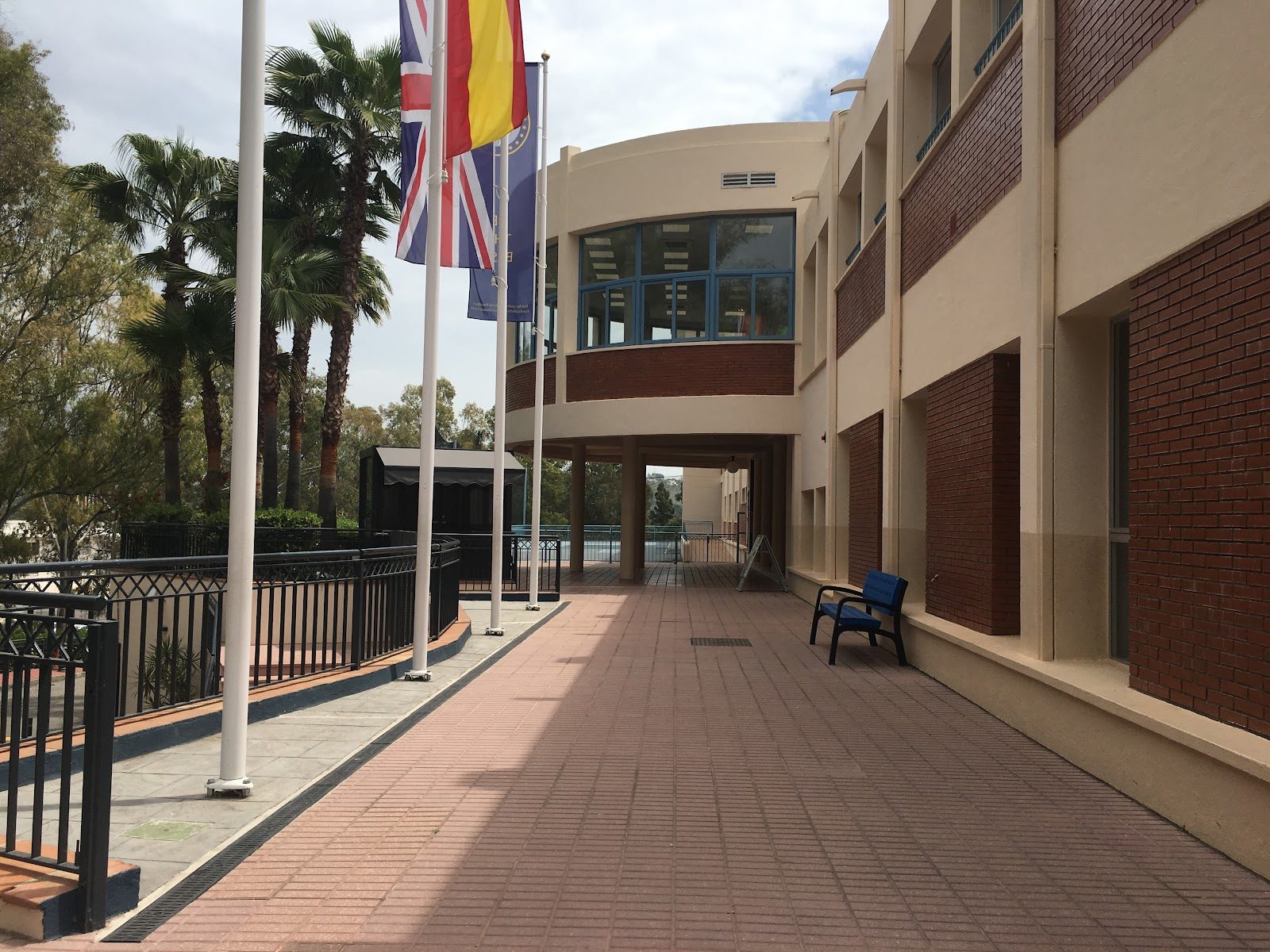
Aloha College
Marbella · Spain
Founded in 1982 by six teachers as a parent-run, not-for-profit trust, among the first in Spain to teach the IB Diploma.
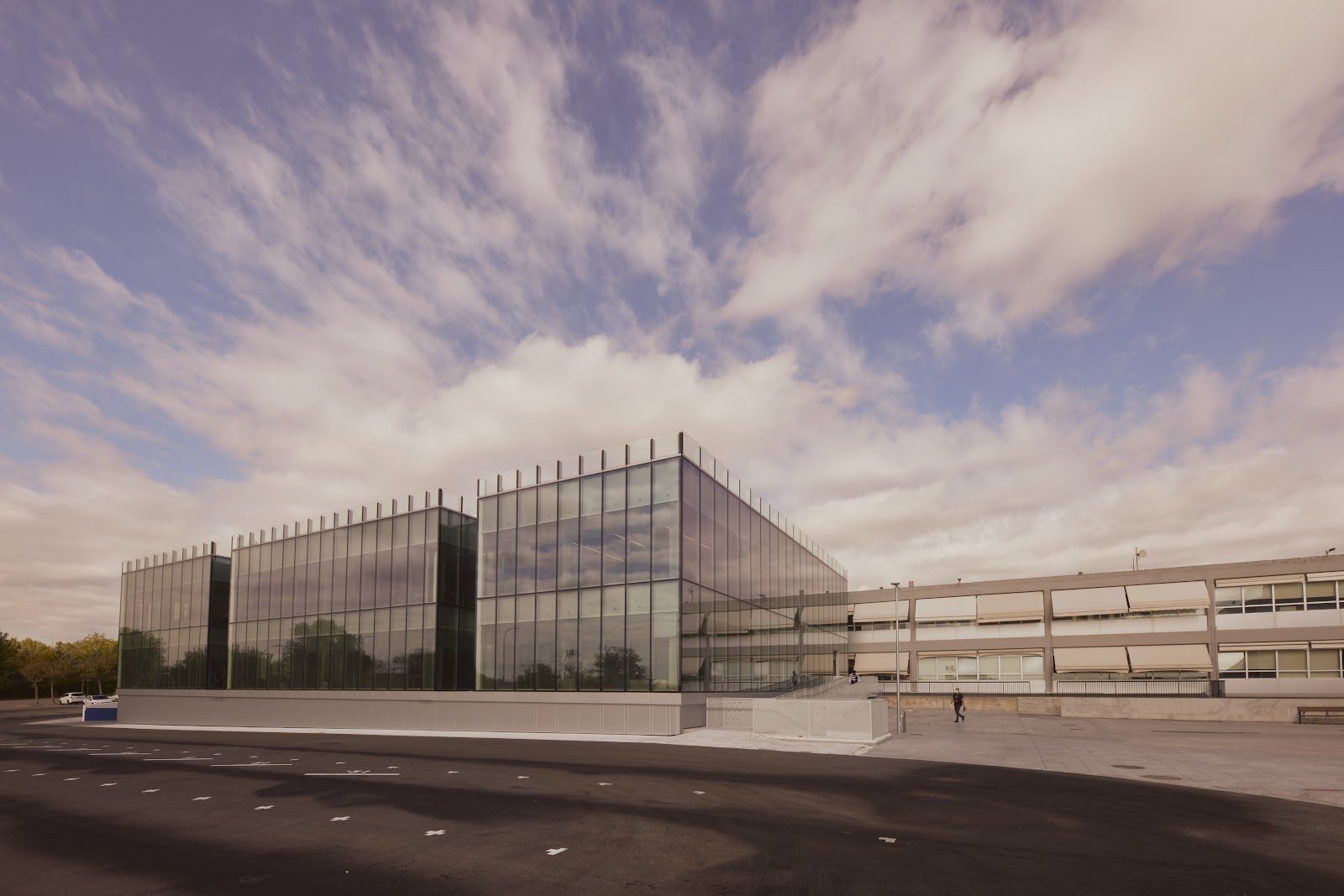
American School of Madrid
Madrid · Spain
On Calle America in Pozuelo, a 1961 founding became the first Spanish school to pair a US diploma with the full IB Diploma Programme.
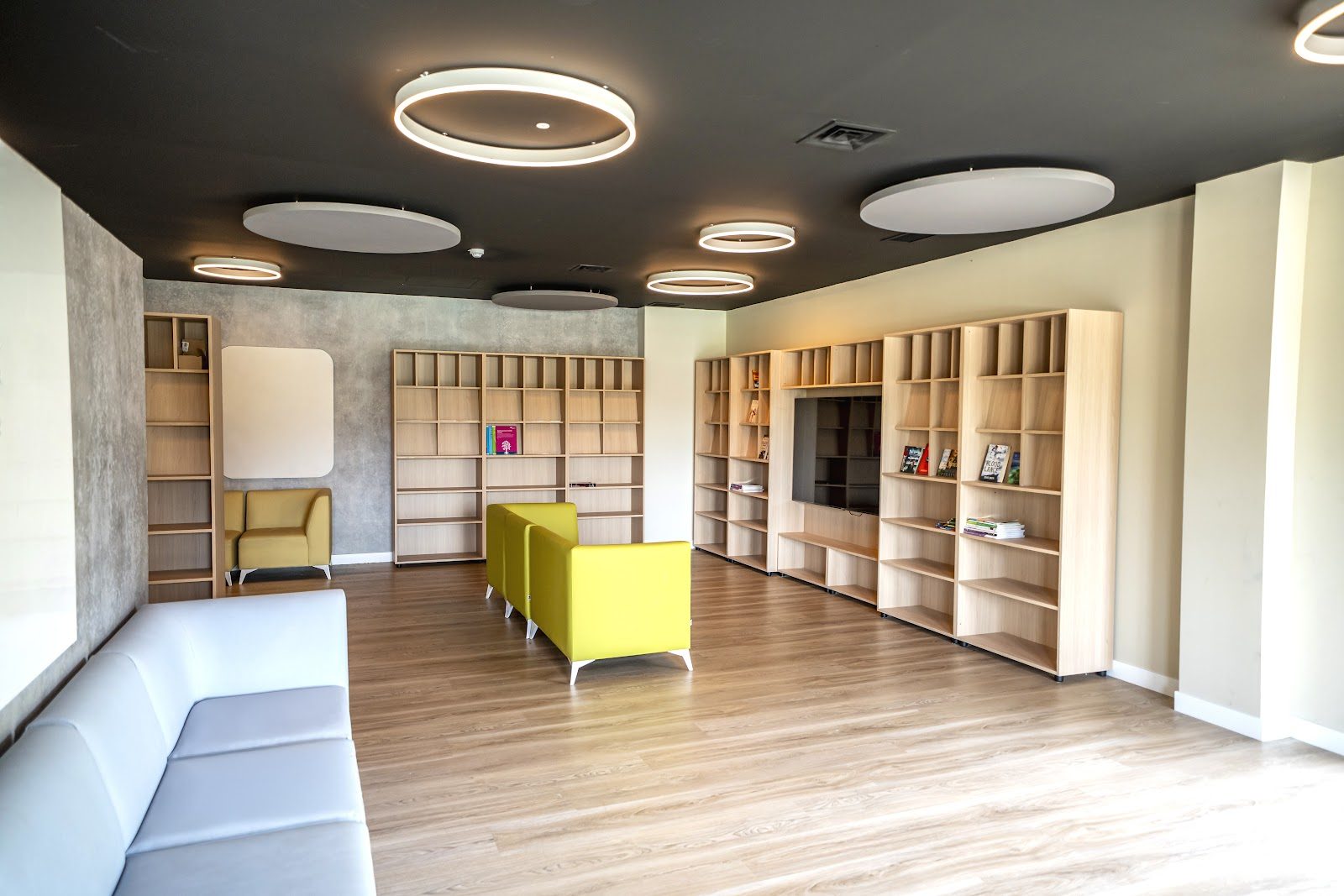
King's College, Soto de Viñuelas
Madrid · Spain
On a 12-acre campus between Madrid and the Sierra de Guadarrama, the only school in the capital offering both A-Levels and the IB in English.
Same country and curriculum — closest matches within ±10 points either way