
Madaba Governorate
King's Academy
high confidence· 5/6 cats · 2.88 avg sourcesOn the hills of Madaba, a Deerfield-inspired boarding school built around Harkness-table classrooms and a multi-faith spiritual center.
Photo © King's Academy via Google Maps
Type
Boarding
Ages
11–18
Curriculum
IB · American
Ratio
6:1
The Verdict
Editor's commitment
Right for
Boarders aged 11–18 who want an American and IB education with 13-pupil classes, Harkness-style discussion and a 6:1 student-teacher ratio.
Wrong for
Families chasing a conventional local day school: boarding averages $38,000, the campus spans 144 acres near Madaba, and the culture is residential.
Watch out for
University destinations listed here are thin—Abilene Christian, Adelphi and Albany College of Pharmacy one each—so demand fuller leavers data before paying $22,000 day fees.
Ranking breakdown
King's Academy · #602 of 1591
Composite score 67.5. 8 weighted criteria.
By criterion
Academic Outcomes
Weight 20%
#209
of 1533 scored
University Placement
Weight 16%
#219
of 1529 scored
Prestige & Heritage
Weight 12%
#211
of 1580 scored
Alumni Network
Weight 12%
#1442
of 1530 scored
Facilities
Weight 12%
#73
of 1540 scored
Transparency & Communications
Weight 8%
#206
of 1547 scored
Peer & Industry Review
Weight 10%
#222
of 1564 scored
Admissions Selectivity & Demand
Weight 8%
#229
of 1529 scored
Score history
King's Academy · 2026
Movement across 2024–2026. Peer average overlaid.
Overall — 2024–2026
67.5/ 100
▲ +33.7 vs 2025
year on year
Peer & Industry Review
How King's Academy is regarded in the sector
62
Respected · medium confidence
King's Academy (Madaba) receives recurring third-party coverage tied to its founding story—modeled on Deerfield Academy with backing from King Abdullah II—covered by outlets like The New York Times and regional press as a flagship Jordanian/Middle Eastern boarding school. It is frequently cited in discussions of top schools in Jordan and the broader Levant region, though it lacks the long-established global alumni network or rankings presence (Tatler, Good Schools Guide) seen in top-tier international schools.
Evidence sources
- Hussein bin Abdullah — Crown Prince of Jordan, Politics/Royalty
- Iman bint Abdullah — Princess of Jordan, Royalty
- Salma bint Abdullah — Princess of Jordan, Royalty
Editors' overview
King’s Academy sits on 144 acres in the hills above Madaba and does not try to be a generic international school. It is a boarding school for Grades 7 to 12, opened in 2007, with an American and IB academic model, English and Arabic in daily use, and classrooms built around close discussion rather than mass delivery. The numbers matter here: an average class size of 13, a 6:1 student-teacher ratio, and a 6:1 ratio of boarding students to residential faculty. That combination gives the school its shape. This is a deliberately intimate place by regional standards, with the staffing to know pupils well and the residential depth to make boarding feel central rather than bolted on.
What marks King’s Academy out is the seriousness of the campus and the seriousness of the intellectual culture. The school has 35 major buildings, a 56,000-book library, an astronomical observatory and a multi-faith spiritual centre, all on one site. The editorial tagline gets to the heart of it: this is a Deerfield-inspired school built around Harkness-table teaching. For parents, that means a discussion-led, teacher-close education that suits students who think on their feet, read closely and can carry their share of a room. It also means boarding is not an accessory for a small international subset; it is the engine of the school. The atmosphere is structured, high-contact and adult.
Fees place it in the premium bracket for Jordan: an average annual day fee of $22,000 and an average annual boarding fee of $38,000 across the full age range. That price buys scale, staffing and a residential model that is still rare in the region. It does not buy transparency on outcomes. The school context gives only a handful of recent university destinations, with Abilene Christian University, Adelphi University and Albany College of Pharmacy and Health Sciences each listed once. That is too thin to draw grand conclusions from, and the school does not publish a broader destinations picture here. Even so, King’s belongs on a shortlist for families who want a genuinely residential secondary school with small classes, strong adult supervision and a liberal-arts bent. The right student for King’s is bright, self-managing and ready for a campus life that asks for conversation, independence and stamina. Students who want anonymity, loose structure or a purely transactional route to exam scores will find it a poor fit.
Academic Performance
King’s Academy sells an exacting academic idea: discussion-led teaching, close adult oversight and a liberal-arts frame that asks pupils to think in public, not just test well in private. That model can produce serious intellectual habits when the teaching is strong and the student body buys in. It also sets a high bar for consistency, because Harkness-style classrooms expose weak preparation fast. The school’s published facts support the conditions for strong performance — small classes, a low student-teacher ratio, substantial academic infrastructure, and a residential setup that keeps adults close to pupils beyond lessons. What is missing is the hard public proof. We have not seen aggregate IB results, AP data, SAT or ACT profiles, or a full university destinations list. For a school charging an average of $38,000 for boarding, that absence is a clear weakness.
Against peers, King’s sits in an unusual niche: more academically ambitious than the average regional boarding offer, more intentionally seminar-based than the standard exam-drill school, and less transparent on outcomes than the best-run top-end competitors. That does not mean weak results; it means opaque results. Parents who care about external validation need published averages, score distributions and destinations over several years, not isolated names. Until the school discloses that data, its academic standing rests on educational design and institutional ambition rather than verified public outcomes. In editorial terms, this is a school with a high-ceiling academic model and an incomplete results case.
Facilities
The facilities that matter at King’s are the ones that support its residential academic model rather than decorate it. The strongest assets are the library, science provision, boarding houses and shared civic spaces. A 56,000-book library is serious by any school standard in the region; many peer schools have competent libraries, but not one with that depth at the centre of campus life. The astronomical observatory also stands out. It gives science a proper institutional foothold, not just a timetable slot in ordinary labs. The dormitories, with faculty apartments built into the residential setup, point to a school designed for constant adult presence rather than light-touch supervision. That matters more than marble foyers. The multi-faith spiritual centre and garden also carry weight. In a region where schools can default to a single religious identity or treat reflection as an afterthought, that is a serious piece of institutional thinking.
The wider estate is extensive, with 35 major buildings across a large site, and that places King’s above the cramped urban-campus norm that defines much of the Middle East’s international-school market. Against premium boarding peers abroad, the picture is more mixed. The core academic and residential infrastructure is genuinely strong; the school has the bones of a real boarding institution. What we do not see here is the same public detail on specialist arts spaces, athletic facilities or maker-style innovation centres that top British and American boarding schools now advertise aggressively. So the verdict is clear: for books, boarding and intellectual life, King’s is *better equipped than most regional competitors*; for breadth of specialist provision, the public case is less complete.
The core academic and residential infrastructure is genuinely strong; the school has the bones of a real boarding institution
Prestige
King’s Academy carries real prestige in the Levant because it is rare: a purpose-built secondary school with a full residential life, a serious liberal-arts frame and a campus planned on an institutional scale rather than rented classroom blocks. Prestige here comes less from old-world legacy than from design and association. The Deerfield influence matters. So does the fact that the school was built to educate future leaders in Jordan and the wider region, not to chase the volume end of the international-school market. The result is a high-status, selective-feeling environment with the manners and expectations of an elite boarding school. The multi-faith spiritual centre also adds something important: this is not prestige built on sectarian identity or inherited social ritual, but on a more modern, self-consciously civic idea of education.
That said, King’s does not sit in the top prestige tier globally, because prestige at that level rests on public outcomes, old networks and decades of destination data. King’s has the physical and cultural markers of status — 35 major buildings, a 56,000-book library, faculty living alongside boarders, and substantial financial aid at 40% of pupils — but it lacks the published track record that converts institutional ambition into indisputable standing. So the rating lands in the strong regional prestige bracket, not the untouchable international echelon. For families in Jordan and neighbouring markets, the name carries weight. For globally mobile parents comparing it with the most established boarding schools in Britain or the US, the case rests more on educational character than on universal cachet.
Add the unusually high level of financial aid at 40%, and the school’s social mix has more range than many premium boarding schools
Communications
King’s Academy communicates in a controlled, institution-first way. The public-facing site does the core jobs cleanly: it states the school’s educational intent, gives a concise set of headline facts, and places enquiry and visit routes where parents need them. That matters at a school with a residential model and a strong internal culture, because families are not buying timetable logistics alone; they are buying into rules, tone and communal expectations. The school also gives parents concrete anchors rather than empty uplift: an average class size of 13, financial aid reaching 40% of pupils, and a campus structure that makes boarding life legible. The message is consistent and self-possessed. It tells you what the school values. It does not drown you in slogans.
The weakness is depth. For a school charging serious fees and asking families to commit to a demanding adolescent boarding environment, communication needs to extend beyond identity and infrastructure into harder proof. We have not seen a fuller public account of academic outcomes, longitudinal university destinations, or the day-to-day mechanics that matter to parents once a child enrols: reporting rhythms, pastoral escalation, residential routines, and how concerns move from house to classroom to senior leadership. That leaves the school clear on ethos and thin on operational transparency. Parents who respond to strong institutional character will find enough to engage. Parents who want evidence, process and regular disclosure before committing will judge the communications disciplined but incomplete.
Uniqueness
What sets King’s Academy apart is not one feature but a coherent institutional idea. Most schools in the region bolt boarding onto a day-school spine, teach in conventional rows, and talk about leadership in generic terms. King’s does something more exacting. It builds school life around live intellectual exchange, adult proximity and shared residence. The Harkness influence is the clearest marker. That method demands that pupils speak, listen, question and defend a view in front of peers, not hide behind note-taking or passive compliance. For the right child, that produces real intellectual confidence, sharper judgement and a habit of treating learning as a conversation rather than a transaction. The campus deepens that model: books, science, residence and reflection all sit inside one planned environment, with a library of 56,000 volumes and an observatory signalling that scholarship has institutional weight.
The other point of difference is cultural rather than architectural. King’s combines an American liberal-arts sensibility with a Middle Eastern setting in a way that feels deliberate rather than decorative. The multi-faith spiritual centre matters here. It gives students daily contact with difference inside a school that expects close living and serious discussion, which is a strong preparation for adult pluralism. Add the unusually high level of financial aid at 40%, and the school’s social mix has more range than many premium boarding schools. That mix, together with the low staffing ratio and residential faculty presence, gives students a high-contact, conversation-heavy education that is distinctive by regional standards and not an easy fit for spectators.
King’s Academy sits on 144 acres in the hills above Madaba and does not try to be a generic international school
Student Profile
The students who thrive at King’s are the ones who can tolerate proximity: to teachers, to house staff, to peers, and to their own weaknesses. This is not a school for children who want to drift anonymously through adolescence or keep their academic life sealed off from the rest of the day. The social and intellectual model asks for visible engagement. Pupils need to speak up in class, live constructively with others, and handle feedback without melodrama. With classes averaging 13 and boarding adults woven into daily life, there is nowhere to hide for the chronically unprepared, the wilfully detached or the student who treats school as a narrow exam service. The best fit is a young person with real self-command, stamina and some appetite for argument, reading and shared routine.
Personality matters as much as attainment. King’s suits students who are curious, resilient and able to live among people from different backgrounds and beliefs without retreating into clique or posture. The school’s own emphasis on ethical community and the fact that 40% of pupils receive financial aid point to a student body with more social range than many premium boarding schools. That mix rewards generosity, emotional steadiness and a degree of maturity. Teenagers who want heavy hand-holding, constant reassurance or a loose, low-accountability atmosphere will find the culture demanding and at times exposing. Students who want close adult attention, strong communal life and a serious boarding-school education will fit well.
The numbers matter here: an average class size of 13, a 6:1 student-teacher ratio, and a 6:1 ratio of boarding students to residential faculty
Co-curricular strengths
Arts & sport, on a separate axis
Overall 8.56/10
Scored 0-10 from the school's own published evidence. This axis is editorial-only — it does not feed the main WTS ranking.
Sports
9/10
Football and Basketball as extracurriculars.
Drama
8.5/10
Theatre Productions, which establishes a drama offering.
Dance
8/10
Music
8.5/10
Choir Ensemble, which is enough to confirm a music programme but without further detail.
Visual Arts
8.8/10
Specialist spaces for the arts, which is only broad, non-dimension-specific evidence for visual arts.
Editor first-pass · editor-reviewable · 7/27/2026
Outcomes & destinations
Where students go next
Top destinations
331 placements
- Abilene Christian University· 1
- Adelphi University· 1
- Albany College of Pharmacy and Health Sciences· 1
- American University· 1
- Amherst College· 1
- Appalachian State University· 1
- Arizona State University· 1
- Art Center College of Design· 1
- Auburn University· 1
- Azusa Pacific University· 1
- Baptist Health Sciences University· 1
- Barnard College· 1
- Baylor University· 1
- Belmont University· 1
- Berklee College of Music· 1
- Berry College· 1
- Bethel University· 1
- Binghamton University· 1
- Biola University· 1
- Bob Jones University· 1
- Boise State University· 1
- Boston College· 1
- Boston University· 1
- Brandeis University· 1
- Bushnell University· 1
- California Polytechnic State University, San Luis Obispo· 1
- California State Polytechnic University, Humboldt· 1
- California State Polytechnic University, Pomona· 1
- California Baptist University· 1
- California College of the Arts· 1
- California Institute of the Arts· 1
- California Lutheran University· 1
- California Northstate University College of Health Sciences· 1
- California School of Court Reporting· 1
- California State University Maritime Academy· 1
- California State University, Bakersfield· 1
- California State University Channel Islands· 1
- California State University, Chico· 1
- California State University, Dominguez Hills· 1
- California State University, East Bay· 1
- California State University, Fresno· 1
- California State University, Fullerton· 1
- California State University, Long Beach· 1
- California State University, Los Angeles· 1
- California State University, Monterey Bay· 1
- California State University, Northridge· 1
- California State University, Sacramento· 1
- California State University San Marcos· 1
- Calvin University· 1
- Canada College· 1
- Carnegie Mellon University· 1
- Case Western Reserve University· 1
- Cedarville University· 1
- Champlain College· 1
- Chapman University· 1
- Charles R. Drew University of Medicine and Science· 1
- Clark University· 1
- Clarkson University· 1
- Clemson University· 1
- Colby College· 1
- College of Charleston· 1
- Colorado School of Mines· 1
- Colorado State University· 1
- Concordia University Irvine· 1
- Concordia University Wisconsin· 1
- Converse University· 1
- Corban University· 1
- Cornell College· 1
- Covenant College· 1
- Creighton University· 1
- Dallas Baptist University· 1
- De Anza College· 1
- DePaul University· 1
- DePauw University· 1
- Dominican University of California· 1
- Dordt University· 1
- Drexel University· 1
- Duke Kunshan University· 1
- Duquesne University· 1
- East Carolina University· 1
- Eastern Michigan University· 1
- Eastman School of Music of the University of Rochester· 1
- Eckerd College· 1
- Elon University· 1
- Emerson College· 2
- Emory University· 1
- Fairfield University· 1
- Florida Institute of Technology· 1
- Florida State University· 1
- Foothill College· 1
- Fordham University· 1
- Furman University· 1
- George Fox University· 1
- Georgia Institute of Technology· 1
- Gonzaga University· 1
- Gordon College· 1
- Grand Canyon University· 1
- Gustavus Adolphus College· 1
- Hardin-Simmons University· 1
- Harding University· 1
- Hawaii Pacific University· 1
- Hobart and William Smith Colleges· 1
- Hofstra University· 1
- Illinois Institute of Technology· 1
- Indiana University Bloomington· 1
- Iowa State University· 1
- Iowa Western Community College· 1
- Ithaca College· 1
- Jacobs School of Music· 1
- James Madison University· 1
- Kalamazoo College· 1
- Kean University· 1
- Lake Forest College· 1
- Laney College· 1
- Lawrence University· 1
- Lehigh University· 1
- LeTourneau University· 1
- Lewis & Clark College· 1
- Liberty University· 1
- Linfield University· 1
- Lipscomb University· 1
- Long Beach City College· 1
- Los Angeles City College· 1
- Los Angeles College of Music· 1
- Louisiana State University· 1
- Loyola Marymount University· 1
- Loyola University Chicago· 1
- Lycoming College· 1
- Manhattan School of Music· 1
- Marquette University· 1
- Maryland Institute College of Art· 1
- Marymount Manhattan College· 1
- Massachusetts College of Pharmacy and Health Sciences· 1
- McGill University· 1
- Menlo College· 1
- Miami University· 1
- Michigan State University· 1
- Michigan Technological University· 1
- Missouri Baptist University· 1
- Missouri University of Science and Technology· 1
- Montana State University· 1
- Mount Royal University· 1
- Muhlenberg College· 1
- New Jersey Institute of Technology· 1
- New York University· 1
- Northeastern University· 1
- Northern Arizona University· 1
- Northern Illinois University· 1
- Norwich University· 1
- Occidental College· 1
- Ohio Northern University· 1
- Ohio State University· 1
- Ohio University· 1
- Old Dominion University· 1
- Oregon Institute of Technology· 1
- Oregon State University· 1
- Otis College of Art and Design· 1
- Ottawa University· 1
- Pace University· 1
- Pacific Lutheran University· 1
- Pacific Union College· 1
- Pacific University· 1
- Pennsylvania State University· 2
- Pepperdine University· 1
- Point Loma Nazarene University· 1
- Portland State University· 1
- Pratt Institute· 1
- Purdue Polytechnic Institute Indianapolis· 1
- Purdue University Fort Wayne· 1
- Purdue University Northwest· 1
- Purdue University· 1
- Queens University of Charlotte· 1
- Reed College· 1
- Regent University· 1
- Rensselaer Polytechnic Institute· 1
- Rhode Island School of Design· 1
- Rhodes College· 1
- Rice University· 2
- Ringling College of Art and Design· 1
- Roanoke College· 1
- Rochester Institute of Technology· 1
- Rose-Hulman Institute of Technology· 1
- Rutgers University-New Brunswick· 1
- Saint Joseph's University· 1
- Saint Louis University· 1
- Saint Mary's College of California· 1
- San Diego State University· 1
- San Francisco Conservatory of Music· 1
- San Francisco State University· 1
- San Jose State University· 1
- Santa Clara University· 1
- Sarah Lawrence College· 1
- Savannah College of Art and Design· 2
- Sciences Po - University of Sydney Dual Degree Program· 1
- Scripps College· 1
- Seattle Pacific University· 1
- Seattle University· 1
- Seton Hall University· 1
- Silicon Valley College· 1
- Simpson University· 1
- Skidmore College· 1
- Sonoma State University· 1
- Southern Methodist University· 1
- St. Olaf College· 1
- St. John's University· 1
- Stanford University· 1
- Stevens Institute of Technology· 1
- Stonehill College· 1
- Stony Brook University· 1
- SUNY Purchase College· 1
- Susquehanna University· 1
- Syracuse University· 1
- Taylor University· 1
- Temple University· 1
- Texas A&M University· 1
- Texas Christian University· 1
- Texas State University· 1
- Texas Tech University· 1
- The Catholic University of America· 1
- The College of Saint Scholastica· 1
- George Washington University· 1
- New England Conservatory· 1
- Oberlin Conservatory of Music· 1
- University of Alabama· 1
- University of British Columbia· 1
- University of Tampa· 1
- University of Tennessee, Knoxville· 1
- University of Texas at Austin· 1
- University of Texas at Dallas· 1
- Trinity College· 1
- Trinity University· 1
- Tufts University· 1
- Tulane University· 1
- Union College· 1
- Union University· 1
- United States Naval Academy· 1
- University College Dublin· 1
- University of Alabama in Huntsville· 1
- University of Arizona· 2
- University of Calgary· 1
- University of California, Berkeley· 1
- University of California, Davis· 1
- University of California, Irvine· 1
- University of California, Los Angeles· 1
- University of California, Merced· 1
- University of California, Riverside· 1
- University of California, San Diego· 1
- University of California, Santa Barbara· 1
- University of California, Santa Cruz· 1
- University of Central Florida· 1
- University of Cincinnati· 1
- University of Colorado Boulder· 1
- University of Colorado Colorado Springs· 1
- University of Colorado Denver· 1
- University of Connecticut· 1
- University of Denver· 1
- University of Florida· 1
- University of Hartford· 1
- University of Hawaiʻi at Hilo· 1
- University of Hawaiʻi at Mānoa· 1
- University of Illinois Urbana-Champaign· 1
- University of Illinois Chicago· 1
- University of Iowa· 1
- University of La Verne· 1
- University of Mary Hardin-Baylor· 1
- University of Maryland, College Park· 1
- University of Massachusetts Amherst· 1
- University of Miami· 1
- University of Michigan· 1
- University of Minnesota Twin Cities· 1
- University of Nebraska-Lincoln· 1
- University of Nevada, Las Vegas· 1
- University of Nevada, Reno· 1
- University of New Hampshire· 1
- University of North Carolina at Chapel Hill· 1
- University of North Carolina School of the Arts· 1
- University of Northern Colorado· 1
- University of Oklahoma· 1
- University of Oregon· 1
- University of Pennsylvania· 1
- University of Pittsburgh· 1
- University of Portland· 1
- University of Puget Sound· 1
- University of Redlands· 1
- University of Rhode Island· 1
- University of Richmond· 1
- University of Rochester· 1
- University of San Diego· 1
- University of San Francisco· 1
- University of Southern California· 1
- University of the Pacific· 1
- University of Toronto· 1
- University of Utah· 1
- University of Virginia· 1
- University of Washington· 2
- University of Wisconsin-Madison· 1
- Utah Tech University· 1
- Utah Valley University· 1
- Vanderbilt University· 1
- Vanguard University of Southern California· 1
- Virginia Tech· 1
- Virginia Wesleyan University· 1
- Wake Forest University· 1
- Walla Walla University· 1
- Washington State University· 1
- Washington University in St. Louis· 2
- Wentworth Institute of Technology· 1
- West Valley College· 1
- Western New England University· 1
- Western Washington University· 1
- Westmont College· 1
- Wheaton College· 1
- Whitman College· 1
- Whittier College· 1
- Whitworth University· 1
- Wilkes University· 1
- Willamette University· 1
- William & Mary· 2
- William Jessup University· 1
- Wofford College· 1
- Worcester Polytechnic Institute· 1
- Wright State University· 1
- Xavier University· 1
Reported by the school. Confirm with admissions.
Strengths
- +Founded in 2007 by King Abdullah II and explicitly modelled on Deerfield Academy, giving the school an unusually well-resourced founding story and strong New England prep-school lineage.
- +Large, purpose-built 144-acre (575-dunum) campus with roughly 35 buildings including a 55,000-volume library, an observatory, and dedicated athletic and arts facilities.
- +Genuinely international student body of about 480 students drawn from some 40 countries, with a near-even gender split and boarders making up around 60 percent of enrolment.
- +Substantial financial aid programme, with approximately 40 percent of students receiving assistance, reflecting the founder's own need-based Deerfield experience.
- +Accredited by the New England Association of Schools and Colleges (NEASC) and affiliated with international groups including Round Square and the G30 Schools network.
Considerations
- −Boarding fees run to roughly US$53,250 a year (day fees US$26,600-42,000), putting it firmly in the premium bracket for the region.
- −Entry is via competitive entrance exams in English, mathematics and critical thinking, so places are not guaranteed even for well-off applicants.
- −Campus sits in Madaba, about 30 minutes outside Amman, meaning day families and visiting parents face a real commute rather than an in-city location.
- −Curriculum is built around the American AP diploma track rather than a full IB Diploma programme, which may not suit families set on the IB specifically.
Availability
Primary entry gate & tests
Math + English admissions test + interview/file
Gallery
Photo © King's Academy via Google Maps
Photo © King's Academy via Google Maps
Photo © Fahed Alkhaldi via Google Maps
Photo © Slavko via Google Maps
Photo © Slavko via Google Maps
Photo © Abdulhameed via Google Maps
Photo © Wateen Q via Google Maps
Photo © King's Academy via Google Maps
Photo © King's Academy via Google Maps
Parent reviews
Have you sent your child here?
Voice reviews carry the strongest trust badge — we transcribe them for you to tidy up before they go live. Prefer to type? A written review is fine too.
Add your voice
In 60 seconds, tell other parents: what's the best thing about King's Academy, and what surprised you when your child joined?
We ask for a Google sign-in so every review has a real face behind it — no anonymous drive-by attacks on schools, and no faked positive reviews. Your email is never shown publicly.
Send this profile to a friend
International parents rely on word-of-mouth. Share this review with someone weighing the same decision.
Schools with places
Similar schools to King's Academy with places available now.
American Community School Beirut
Beirut · Lebanon
- 2026-27
- WAITPOOLSpace-dependent
- 2027-28
- PLACES OPENRolling
St. Andrew's College Dublin
Dublin · Ireland
- 2026-27
- WAITPOOLVacancy-dependent
- 2027-28
- PLACES OPEN
Nanjing International School
Nanjing · China
- 2026-27
- WAITPOOLSpace-dependent
- 2027-28
- PLACES OPENRolling
Yew Chung International School of Beijing
Beijing · China
- 2026-27
- WAITPOOLSpace-dependent
- 2027-28
- PLACES OPENRolling
Availability first, then country, area, curriculum, price, co-curricular
Consider also
Also worth looking at alongside King's Academy.
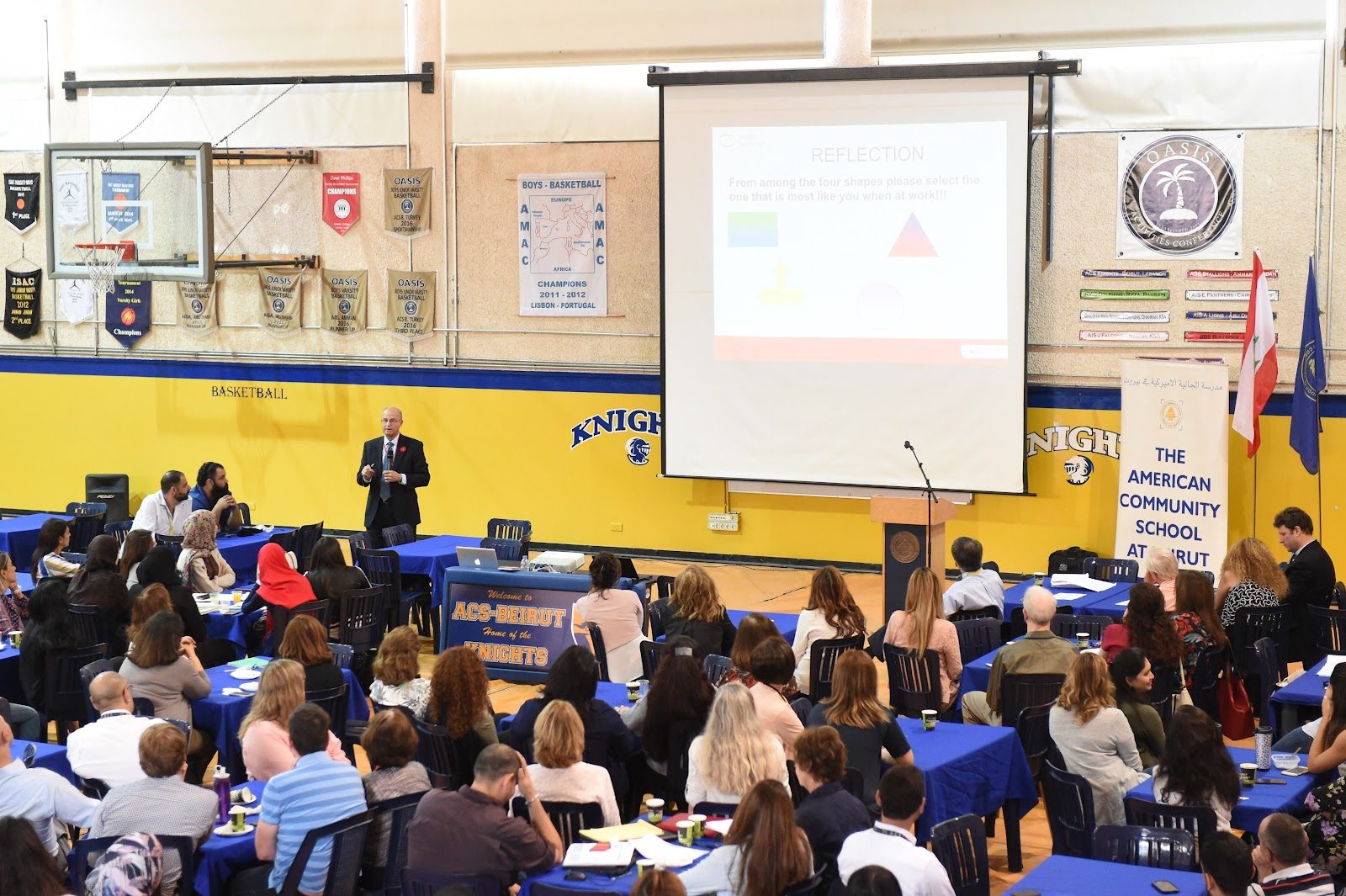
American Community School Beirut
Beirut · Lebanon
Founded in 1905 by AUB faculty, this Corniche campus blends IB and American diplomas around Harkness-style seminar tables.
Roedean School South Africa
Johannesburg · South Africa
Founded in 1903 by two Cambridge-educated pioneers, this all-girls boarding school still occupies its original Herbert Baker campus in Parktown.
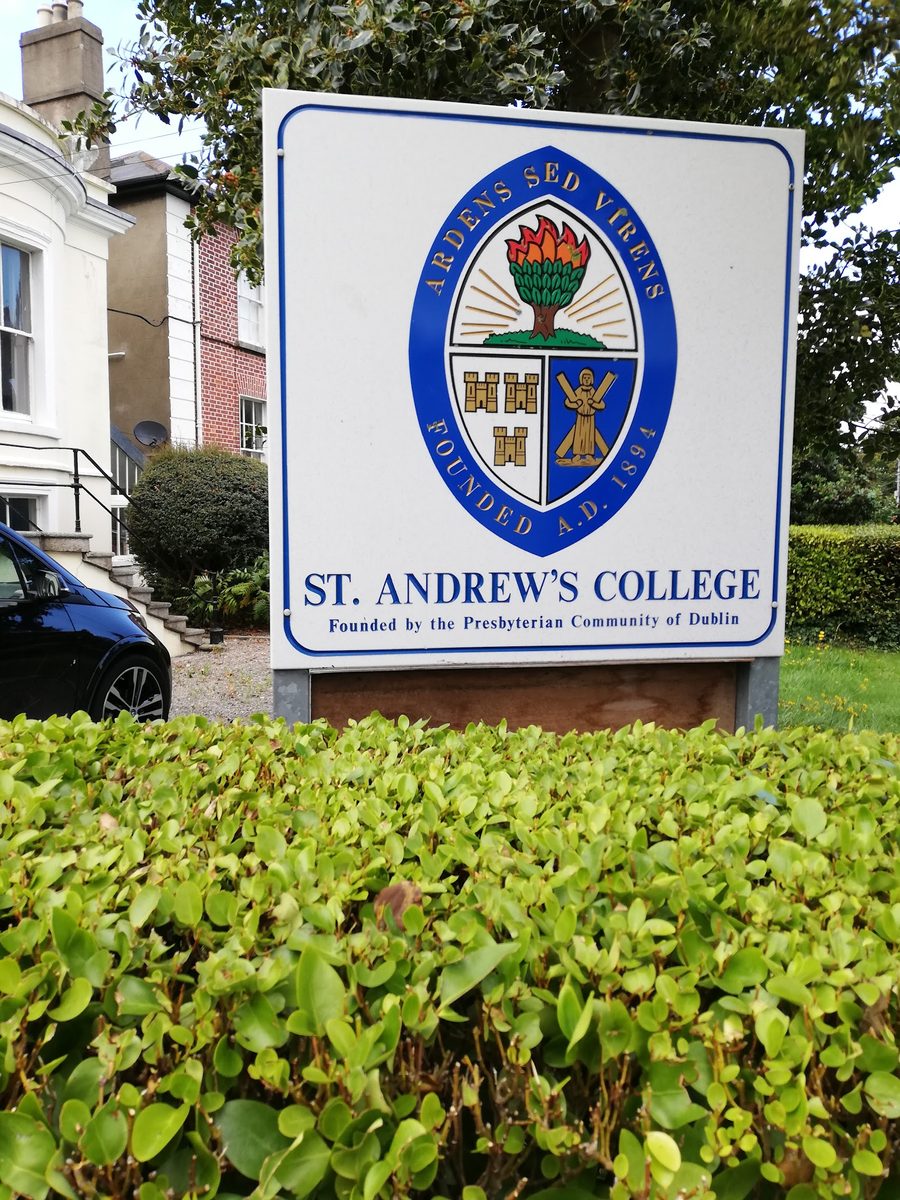
St. Andrew's College Dublin
Dublin · Ireland
First in Ireland to gain IB Diploma authorisation, this interdenominational Booterstown day school still hosts its own Model UN each Easter.
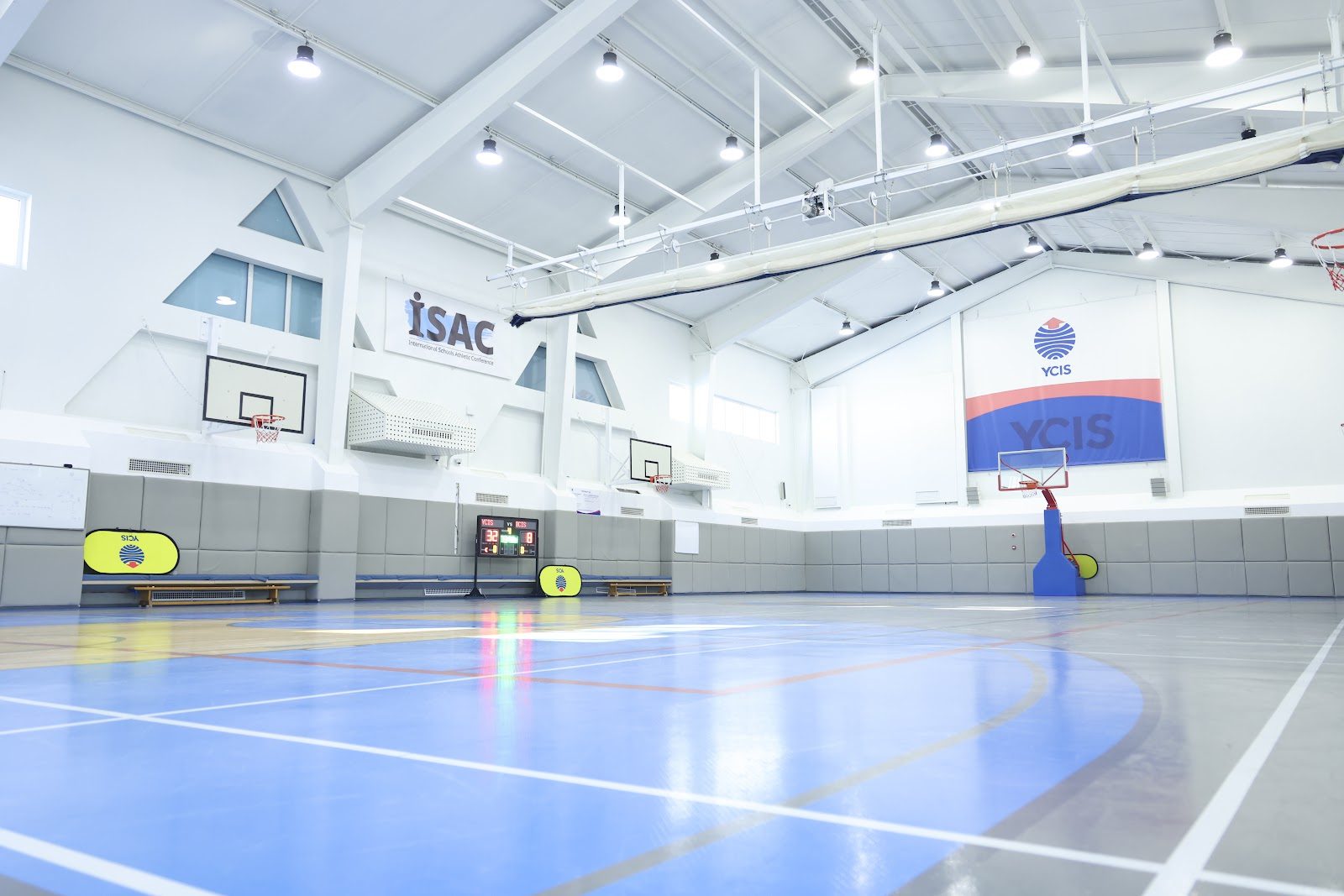
Yew Chung International School of Beijing
Beijing · China
Every classroom pairs a Western and a Chinese teacher, threading bilingual learning through a parkland Chaoyang campus.
Same country and curriculum — closest matches within ±10 points either way