
Beirut Governorate
International College Beirut
high confidence· 5/6 cats · 2.71 avg sourcesTracing its roots to 1891 Smyrna, this Beirut day school pairs AUB-adjacent tradition with trilingual American and IB tracks.
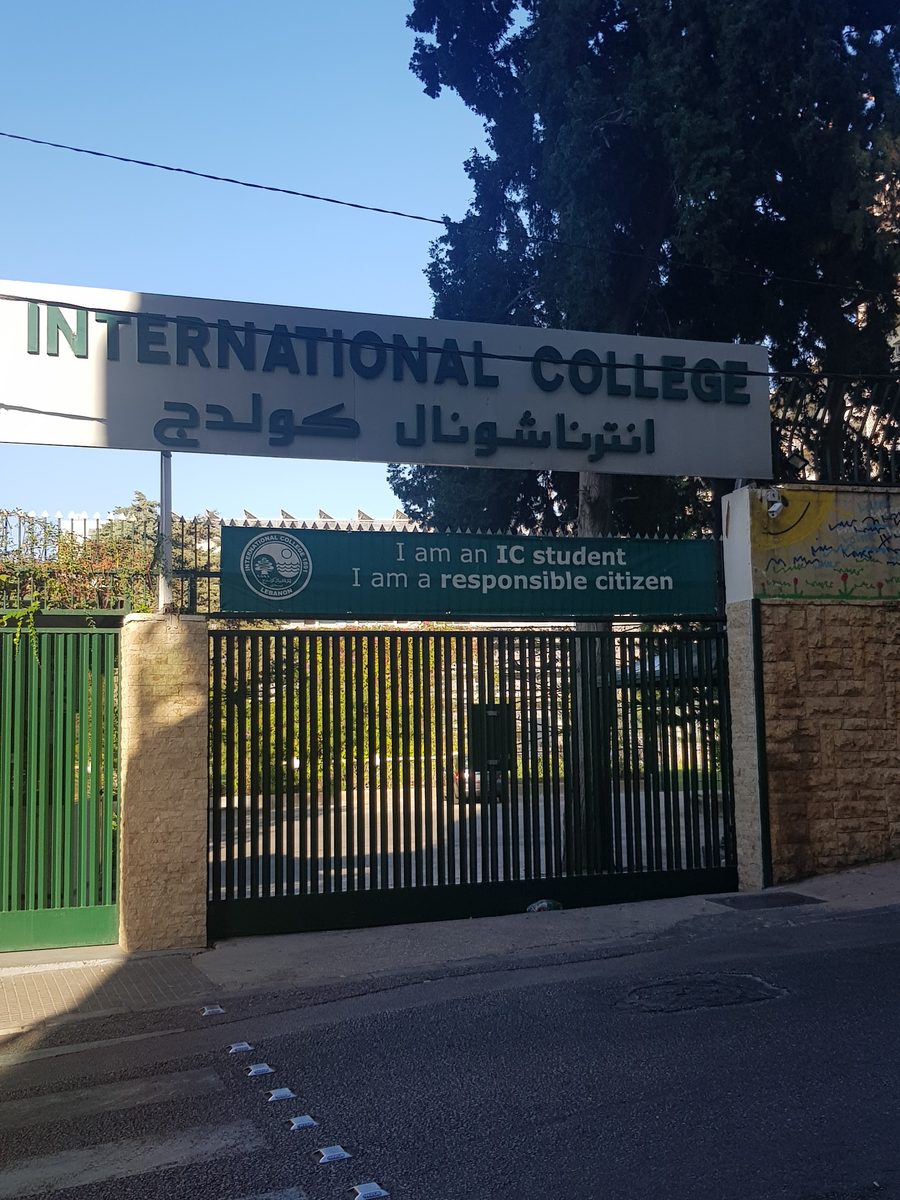
Photo © Ali Qate via Google Maps
Type
Day
Ages
3–18
Curriculum
American · IB
Ratio
—
The Verdict
Editor's commitment
Right for
Families wanting a Beirut day school with American and IB routes, English and Arabic instruction, and CIS accreditation under one roof.
Wrong for
Parents after boarding, a religious ethos, or a cheaper option; this non-religious day school averages $18,000 a year.
Watch out for
Recent destinations list American University, Arizona State and Babson at one each; that is thin evidence for university outcomes.
Ranking breakdown
International College Beirut · #662 of 1591
Composite score 66.5. 8 weighted criteria.
By criterion
Academic Outcomes
Weight 20%
#293
of 1529 scored
University Placement
Weight 16%
#305
of 1529 scored
Prestige & Heritage
Weight 12%
#369
of 1571 scored
Alumni Network
Weight 12%
#1282
of 1530 scored
Facilities
Weight 12%
#478
of 1534 scored
Transparency & Communications
Weight 8%
#436
of 1532 scored
Peer & Industry Review
Weight 10%
#412
of 1548 scored
Admissions Selectivity & Demand
Weight 8%
#266
of 1529 scored
Score history
International College Beirut · 2026
Movement across 2024–2026. Peer average overlaid.
Overall — 2024–2026
66.5/ 100
▲ +27.5 vs 2025
year on year
Peer & Industry Review
How International College Beirut is regarded in the sector
65
Respected · low confidence
International College Beirut is one of the oldest and most established American-curriculum schools in Lebanon, widely recognized among Beirut's traditional 'big three' private schools (alongside International College's sister institutions and similar legacy institutions) and referenced in regional education directories and expat forums discussing top Beirut schools. However, specialist Western education press (Tatler, Good Schools Guide) does not cover Lebanese schools, limiting independent verifiable third-party sourcing to regional 'best schools in Lebanon' listicles and expat community discussions rather than rigorous inspection or peer-benchmarking sources.
- Munib al-Masri — Chairman/Founder, Petroleum Business
- Fouad Makhzoumi — CEO, Future Pipe Industries
- Amin Gemayel — President of Lebanon, Politics
Editors' overview
International College Beirut trades on a history few schools in the city can match: its roots run back to Smyrna in 1891, while the Beirut school itself opened in 1995. That combination of inherited institutional memory and a modern Beirut setting, next to the orbit of the American University of Beirut, gives it a distinct place in the market. This is a non-religious day school for ages 3 to 18, teaching in English and Arabic, with an American curriculum alongside the IB. For families who want a school that sits between local fluency and international mobility, that package is genuinely distinctive. Plenty of schools offer an imported programme; fewer offer trilingual, cross-cultural credibility with this depth of regional history.
The school’s market position is clear. At an average annual day fee of 18,000 USD, it sits in the serious-fee bracket for Beirut and pitches at families who want an international education without compromising on Arabic or on access to American-style university routes. CIS accreditation matters here: it is a concrete external marker in a market where quality claims can drift into fog. The recent university destinations listed — American University, Arizona State University and Babson College, each with 1 student — tell you two things. First, the school sends pupils into recognisable US-facing pathways. Second, it does not publish the kind of broad destinations data that would let parents judge depth of outcomes across a full cohort. That opacity is a weakness, and parents should treat it as such.
What is special about International College Beirut is not novelty but institutional weight. It offers a blend that suits families who want Beirut rather than boarding, English-medium academics without cultural detachment, and an education that keeps both American and IB options in play through the senior years. The best fit is a student who is academically adaptable, comfortable moving between languages, and at ease in a school with high-expectation, old-established sensibilities rather than startup-school gloss. This is not a bargain school and not the right choice for parents who want exhaustive public data on results and destinations. It belongs on a shortlist for families seeking a serious, rooted Beirut education with international exit routes and no religious framing.
Academic Performance
International College Beirut does not publish the exam data that serious parents need. We have not seen aggregate IB diploma results, average point scores, pass rates, SAT distributions, AP outcomes or a cohort-wide university destinations profile. That leaves a real gap in accountability. For a school charging fees at the top end of its market, this is thin disclosure. Parents can infer that the senior school supports more than one route through to graduation, but they cannot measure academic strength against Beirut rivals or against established American and IB schools elsewhere in the region. A school can be ambitious and still publish proper outcomes; here, the public record is underpowered.
That does not make the academic offer weak. It makes it hard to verify. The small set of named university destinations points to genuine international progression, but the sample is 1 student per institution, which tells you little about depth across a graduating class. In editorial terms, this places the school in the opaque middle: not a results-driven operator with headline statistics in plain view, and not a budget school where limited reporting is expected. Families who prioritise hard academic proof should press for cohort-level results over multiple years, including IB averages, score distributions and university destinations by class. Without that, International College Beirut asks parents to buy into reputation more than evidence.
Facilities
International College Beirut does not publish a detailed facilities inventory, which is a problem in itself. For a school in this fee bracket, parents need more than atmosphere and reputation; they need to know what specialist teaching spaces, sports provision, performance venues and age-specific play areas the school actually maintains. Without that, it is impossible to judge whether the campus matches the ambition of the academic offer. The school’s urban setting, close to one of Beirut’s major university districts, brings a certain intellectual seriousness, but city-centre schools also live with hard limits on land, playing space and expansion. Unless a school states otherwise, parents should assume a compact footprint rather than the sprawling grounds that some regional competitors use as a selling point.
Against Beirut peers, that places International College Beirut in a familiar category: established, central, and space-constrained rather than campus-led. Families choosing it are not buying a resort-style school with acres of sport and spectacle. They are buying access to a serious urban school whose value lies elsewhere. That is defensible, but only if the indoor academic and arts facilities are strong and well maintained. The school does not give enough public detail to prove that case. At an average annual fee of 18,000 USD, this level of opacity is below par. Parents should ask direct questions about science labs, libraries, technology provision, assembly and theatre space, and whether outdoor sport happens on site or through external facilities.
For families who want a school that sits between local fluency and international mobility, that package is genuinely distinctive
Prestige
International College Beirut carries real social and educational cachet in its market, but it is not prestige in the Swiss-finishing-school sense and not prestige built on a stream of published headline results. Its standing rests on three harder things: inherited institutional history, a durable place in Beirut’s professional class, and proximity to the AUB orbit, which still matters in how families read seriousness and status. The fee level — 18,000 USD on average across the school — reinforces that position. This is not aspirational mid-market pricing; it is a clear signal that the school sells access to an established peer group as much as to classrooms. Among Lebanese and expatriate families who value continuity, cultural fluency and recognisable social capital, that has weight.
I rate its prestige as high, but not untouchable. The school has brand depth and old-name credibility, which many newer operators cannot manufacture. It also benefits from being non-religious in a city where that distinction carries its own appeal for certain families. The limit is transparency. Top-tier prestige holds best when reputation is backed by public proof of outcomes, and this school does not supply enough of that proof. So the prestige here is reputation-led rather than data-led: strong in local circles, persuasive to families who already know the name, less commanding for parents who judge schools by disclosed results and broad university placement rather than by standing alone.
What is special about International College Beirut is not novelty but institutional weight
Communications
International College Beirut’s parent communication is serviceable rather than exemplary. The public-facing side is thin where it matters most to decision-making: there is no strong habit of publishing deep academic data, detailed facilities information or a broad destinations picture, and that same restraint shapes how the school communicates with families more widely. Parents get the sense of an institution that expects a measure of trust and prior familiarity rather than one that lays everything out with forensic clarity. In a city where reputation still carries force, that approach has its constituency. For new families, it leaves avoidable questions unanswered.
That matters more at an average annual fee of 18,000 USD. At that level, parents should expect crisp practical information, prompt operational updates, and transparent explanation of how the school handles academic pathways, assessment, safeguarding and student support. International College Beirut does not project a hyper-polished, high-volume communications culture; it projects an older style, with institutional confidence and less public hand-holding. Some families will read that as reassuringly grown-up. Others will read it as opaque. My view is blunt: communication here is adequate for families already inside the circle, weaker for families trying to scrutinise the school before committing serious money.
Uniqueness
What sets International College Beirut apart is not novelty but inheritance used with purpose. Few schools in the region carry a lineage that runs through another city, another era and then into modern Beirut without turning that history into museum glass. Here, that legacy gives students access to a school culture with institutional memory, old-name credibility and a stronger sense of continuity than the market norm. Add the school’s place near one of the country’s most important universities and the result is a distinct social and intellectual ecosystem: pupils grow up in a setting tied to educated, professional Beirut rather than to an isolated suburban campus. For families who want children anchored in the city’s civic and cultural life, that matters.
The other point of difference is the combination of international ambition with local fluency. Many schools can offer overseas pathways; fewer can do it without stripping out Arab identity or flattening the local context. That mix gives students practical range. They learn to move between cultural registers, to handle more than one academic style, and to keep doors open across different higher-education systems. The school’s average fee of 18,000 USD places that proposition in the premium bracket, so parents are paying for more than classes: they are buying entry into a serious, socially established environment with durable networks. For the right child, that brings confidence, adaptability and a form of cultural literacy that travels well.
International College Beirut does not publish the exam data that serious parents need
Student Profile
The best fit here is a student who can operate in more than one register at once: academically ambitious, socially composed, and comfortable moving between home culture and international expectations without treating either as costume. This is not a school for children who need constant novelty, heavy hand-holding or a glossy, high-energy pastoral sales pitch. It suits families who value old-established standards, adult expectations and a peer group drawn from Beirut households that take education seriously. Children who thrive in structured environments, respect teachers, and can handle a degree of institutional formality will settle more easily than those who want a loose, progressive atmosphere or broad latitude to test boundaries.
It also fits pupils with a strong sense of place. The attraction here lies in being educated in the city, not insulated from it. That will suit students who are intellectually curious, linguistically agile and at ease among classmates for whom identity, language and future plans are not simple or singular. The school’s average fee of 18,000 USD also shapes the social mix: this is a selective-feeling, socially aware environment, and children who are uncomfortable with status consciousness may find that abrasive. For the right student, though, the payoff is clear: a serious-minded education with peers who expect to work hard, think beyond one system, and move confidently between Lebanon and the wider world.
Without that, International College Beirut asks parents to buy into reputation more than evidence
Co-curricular strengths
Arts & sport, on a separate axis
Overall 8.26/10
Scored 0-10 from the school's own published evidence. This axis is editorial-only — it does not feed the main WTS ranking.
Sports
8.8/10
Basketball, Football and Volleyball, indicating a clear multi-sport extracurricular offering, but provides no school-specific evidence of dedicated athletics facilities, specialist staff or competitive results.
Drama
8.5/10
Drama Club is explicitly named in the extracurricular list, but there is no further detail on productions, facilities or specialist staff.
Dance
6.5/10
Music
8.5/10
School Choir is explicitly listed, which supports a named music activity, but there is.
Visual Arts
9/10
Art Club is explicitly named in the extracurriculars, but there is no further evidence of studios, exhibitions, specialist staff or a dedicated department.
Editor first-pass · editor-reviewable · 7/27/2026
Outcomes & destinations
Where students go next
Class of 2024
Top destinations
195 placements
- American University· 1
- Arizona State University· 1
- Babson College· 1
- Bard College· 1
- Baylor University· 1
- Bucknell University· 1
- Bentley University· 1
- Boston College· 1
- Boston University· 1
- Brown University· 1
- Carleton College· 1
- Carnegie Mellon University· 1
- Case Western Reserve University· 1
- Chapmen University· 1
- Colby College· 1
- Colgate University· 1
- Columbia University· 1
- Connecticut College· 1
- Cornell University· 1
- Dickinson College· 1
- Drexel University· 1
- Duke University· 1
- Emerson College· 1
- Emory University· 1
- Fairfield University· 1
- Florida State University· 1
- George Mason University· 1
- Georgetown University· 1
- George Washington University· 1
- Georgia Institute of Technology· 1
- Harvard University· 1
- Harvey Mudd College· 1
- Johns Hopkins University· 1
- Lehigh University· 1
- Loyola Marymount University· 1
- Loyola University Chicago· 1
- Marist College· 1
- Massachusetts Institute of Technology· 1
- Michigan State University· 1
- Middlebury College· 1
- New School - Parsons· 1
- New York University· 1
- Northeastern University· 1
- Northwestern University· 1
- Ohio State University· 1
- Pace University· 1
- Pennsylvania State University· 1
- Pepperdine University· 1
- Princeton University· 1
- Purdue University· 1
- Rice University· 1
- Roger Williams University· 1
- Sarah Lawrence College· 1
- Smith College· 1
- Stanford University· 1
- Skidmore College· 1
- Suffolk University· 1
- Swarthmore College· 1
- Syracuse University· 1
- Temple University· 1
- Texas A&M University· 1
- Trinity College· 1
- Tufts University· 1
- Tulane University· 1
- U of Illinois at Urbana-Champaign· 1
- UC Berkeley· 1
- UC Davis· 1
- UC Irvine· 1
- UC Los Angeles· 1
- UC Riverside· 1
- UC San Diego· 1
- UC Santa Barbara· 1
- UC Santa Cruz· 1
- UMass, Amherst· 1
- UNC Chapel Hill· 1
- University of Chicago· 1
- University of Colorado Boulder· 1
- University of Connecticut· 1
- University of Florida· 1
- University of Iowa· 1
- University of Miami· 1
- University of Michigan· 1
- University of Notre Dame· 1
- University of Pennsylvania· 1
- University of South Florida· 1
- University of Southern California· 1
- University of Texas, Austin· 1
- University of Virginia· 1
- Vanderbilt University· 1
- Vassar College· 1
- Virginia Polytechnic· 1
- Wake Forest University· 1
- Washington University in St. Louis· 1
- Wellesley College· 1
- Wheaton College· 1
- Worcester Polytechnic Institute· 1
- Yale University· 1
- Architectural Association· 1
- Bournemouth University· 1
- Brunel University London· 1
- Cardiff University· 1
- City University, London· 1
- Goldsmiths College, U of London· 1
- Imperial College London· 1
- Istituto Marangoni, London· 1
- King’s College, London· 1
- Kingston University· 1
- Leeds College of Music· 1
- Leeds Metropolitan University· 1
- London School of Economics· 1
- Loughborough University· 1
- Queen Mary University, London· 1
- Royal Holloway, University of London· 1
- School of Oriental and African Studies· 1
- University College London· 1
- University of Bath· 1
- University of Bristol· 1
- University of East Anglia· 1
- University of East London· 1
- University of Edinburgh· 1
- University of Exeter· 1
- University of Glasgow· 1
- University of Greenwich· 1
- University of Kent· 1
- University of Lancaster· 1
- University of Leeds· 1
- University of Leicester· 1
- University of Liverpool· 1
- University of Manchester· 1
- University of Newcastle· 1
- University of Nottingham· 1
- University of Reading· 1
- University of Southampton· 1
- University of Suffolk· 1
- University of Sunderland· 1
- University of Surrey· 1
- University of Sussex· 1
- University of the Arts London· 1
- University of Westminster· 1
- University of Warwick· 1
- University of York· 1
- Carleton University· 1
- Concordia University· 1
- HEC Montreal· 1
- McGill University· 1
- McMaster University· 1
- OCAD University· 1
- Université de Montréal· 1
- École Polytechnique de Montréal· 1
- Memorial University of Newfoundland· 1
- Queen’s University· 1
- Ryerson University· 1
- University of Alberta· 1
- University of British Columbia· 1
- University of Ottawa· 1
- University of Toronto· 1
- University of Waterloo· 1
- Western University· 1
- York University· 1
- ALBA· 1
- American University of Beirut· 1
- Balamand University· 1
- Lebanese American University· 1
- Notre Dame University· 1
- Saint Joseph University· 1
- Université La Sagesse· 1
- Bocconi University, Italy· 1
- Claude Bernard University, Lyon· 1
- École Hôtelière de Lausanne· 1
- École Polytechnique Fédérale de Lausanne· 1
- ENSISA - partenaire INSA· 1
- EPITA, France· 1
- ESCP Europe Business School· 1
- ESSEC, HEC· 1
- Glion Institute of Higher Education - Les Roches· 1
- IE University· 1
- Istituto Marangoni, Paris· 1
- Jean Cabot, Italy· 1
- Le Cordon Bleu, Paris· 1
- Lycée Pasteur· 1
- Lycée Sainte Geneviève· 1
- Sciences Po, Paris· 1
- Trinity College, EU, Karolinska, RIT,· 1
- Université de Genève, Switzerland· 1
- Université de Montpellier· 1
- Université de Nice, Sophia Antipolis· 1
- Université Paris Nanterre· 1
- Université Paris-Panthéon-Assas· 1
- Université Paris-Saclay· 1
- Université Pairs-Sorbonne· 1
- University of Amsterdam· 1
- University of Groningen, Netherlands· 1
- University of Sydney· 1
- Utrecht University· 1
- Yale - NUS· 1
Reported by the school. Confirm with admissions.
Strengths
- +Founded in 1891 and chartered in the Commonwealth of Massachusetts in 1903, the school moved to its current Beirut site in 1936, making it one of the older established international schools in the region.
- +IC is an independent, non-profit school with two campuses, Ain Aar and Ras Beirut, serving about 3,500 students, giving families a choice of site and a broad peer group.
- +IC offers four programs: the Lebanese Program, the French Program, the International Baccalaureate, and the American College Preparatory Program, allowing families to select a track without changing schools.
- +IC holds accreditation with the Council of International Schools (CIS), the New England Association of Schools and Colleges (NEASC) and the Agency for French Education Abroad (AEFE), alongside IB authorisation.
- +IC has a near-100% college acceptance rate to the three leading universities in the country: AUB, LAU and USJ, reflecting strong local university placement outcomes.
Considerations
- −Running four parallel diploma tracks (Lebanese, French, IB, American CPP) alongside each other means the IB cohort is one strand among several rather than a school-wide singular focus, unlike IB-only schools.
- −The majority of Lebanon's private schools have increased their tuition fees and switched to demanding dollar payments in recent months, and IC's own circulars confirm fees are billed and payable in USD trimester by trimester, exposing families to currency-driven fee volatility typical of the Lebanese private sector.
- −International College (senior years) sits at the premium end of Lebanon's school-fee market, with secondary/IBDP fees reported in the USD 16,000-22,000+ range, above many other Beirut options.
- −The prolonged economic crisis has sparked high levels of teacher emigration nationally, with more than 15% of private school teachers having left the country, a sector-wide pressure that can affect staff continuity even at established schools like IC.
Availability
Primary entry gate & tests
Internal Assessment
Gallery
Photo © Kinda Constantine via Google Maps
Photo © Marwan Naffi via Google Maps
Photo © Marwan Naffi via Google Maps
Photo © Marwan Naffi via Google Maps
Photo © Lourees Souheir. abboud via Google Maps
Photo © Nagi Ghorra via Google Maps
Photo © Mazen Kassar via Google Maps
Photo © Mazen Kassar via Google Maps
Photo © Ali Ezzeddine via Google Maps
Parent reviews
Have you sent your child here?
Voice reviews carry the strongest trust badge — we transcribe them for you to tidy up before they go live. Prefer to type? A written review is fine too.
Add your voice
In 60 seconds, tell other parents: what's the best thing about International College Beirut, and what surprised you when your child joined?
We ask for a Google sign-in so every review has a real face behind it — no anonymous drive-by attacks on schools, and no faked positive reviews. Your email is never shown publicly.
Send this profile to a friend
International parents rely on word-of-mouth. Share this review with someone weighing the same decision.
Schools with places
Similar schools to International College Beirut with places available now.
Availability first, then country, area, curriculum, price, co-curricular
Consider also
Also worth looking at alongside International College Beirut.
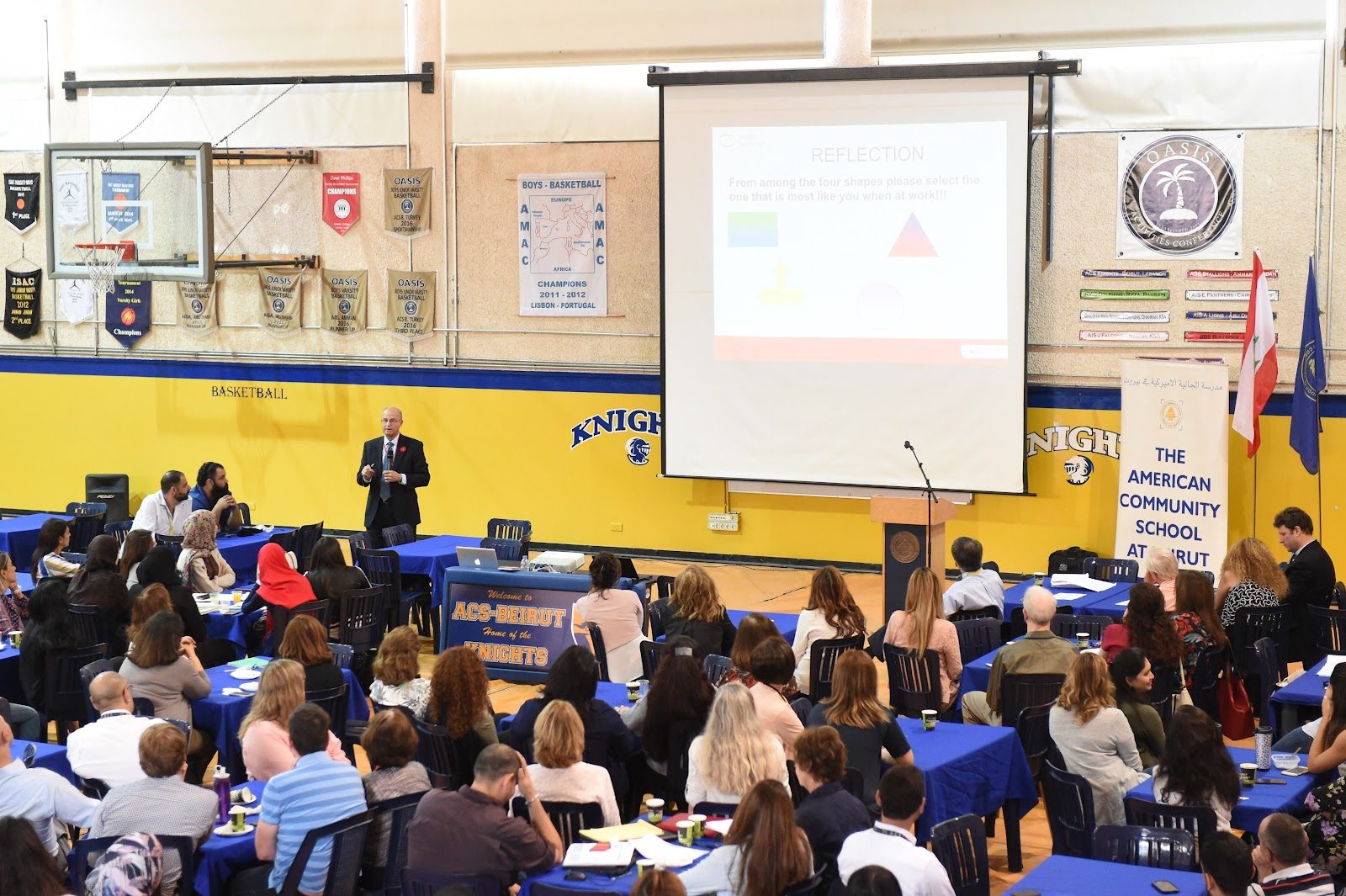
American Community School Beirut
Beirut · Lebanon
Founded in 1905 by AUB faculty, this Corniche campus blends IB and American diplomas around Harkness-style seminar tables.
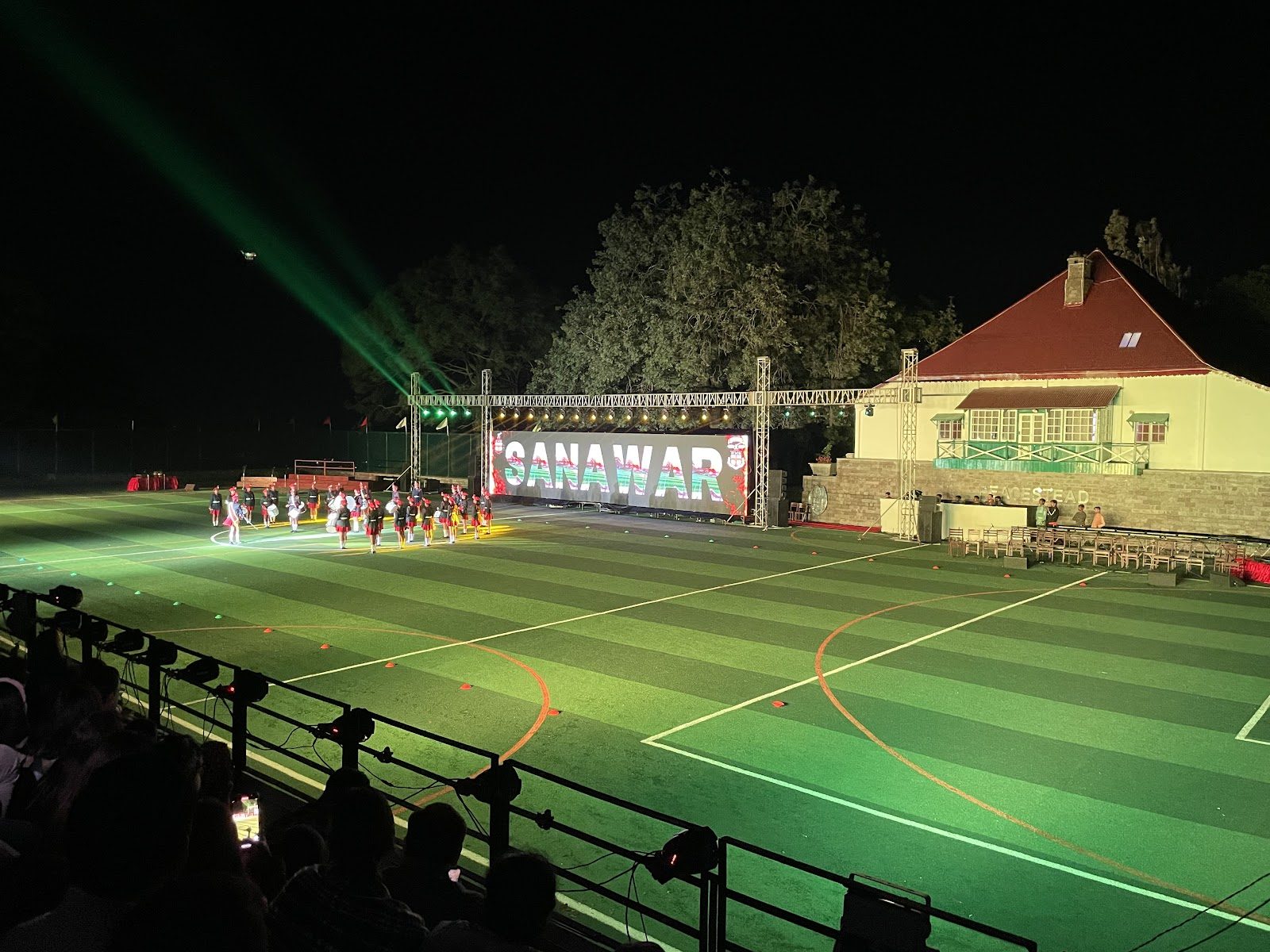
The Lawrence School, Sanawar
Solan · India
Perched at 1,750 metres in the Shivaliks, Asia's oldest co-educational boarding school sent the first team to summit Everest in 2013.
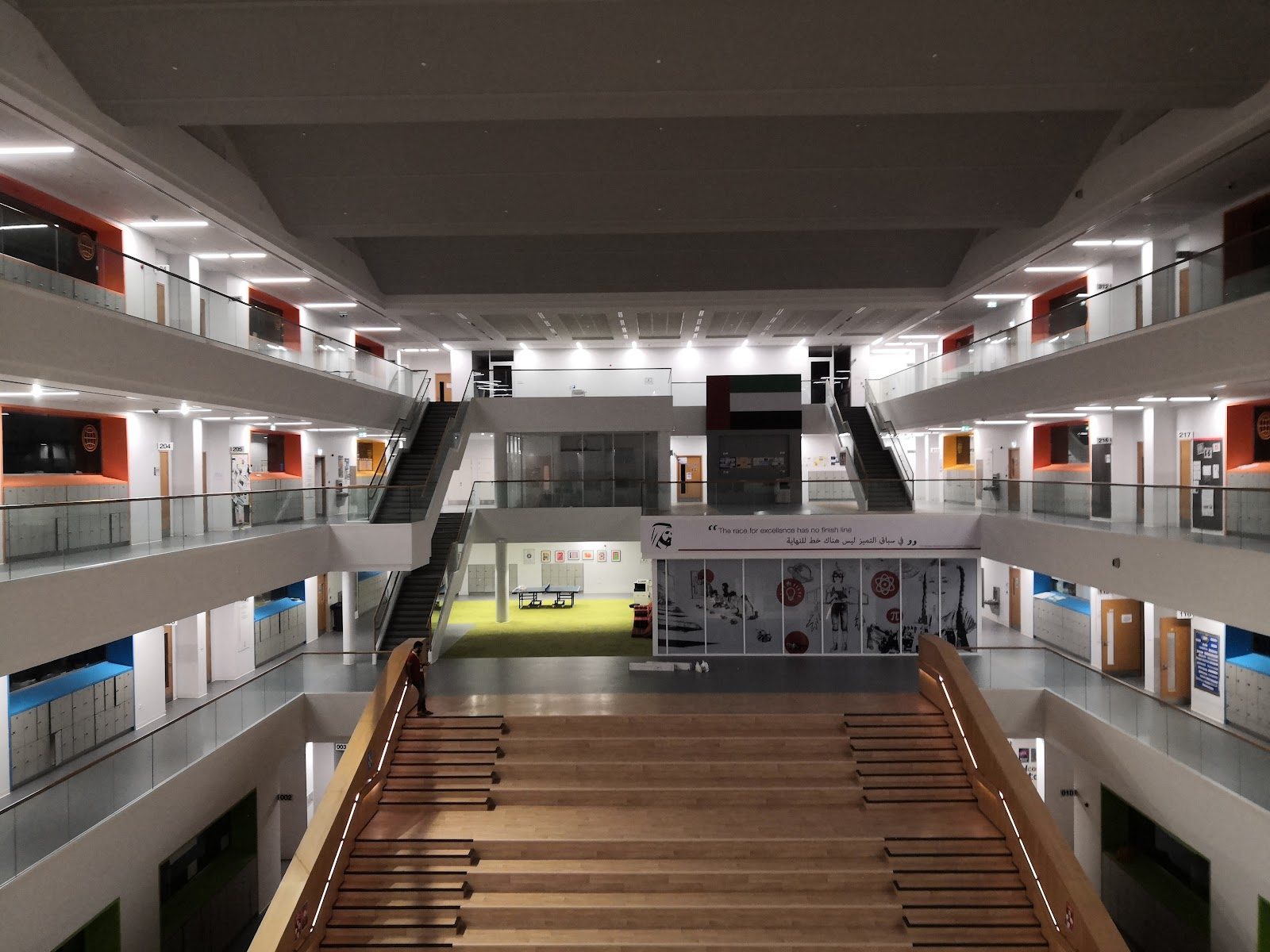
Swiss International Scientific School Dubai
Dubai · United Arab Emirates
The largest Swiss school outside Switzerland, running a bilingual IB continuum along Dubai Creek in French or German.
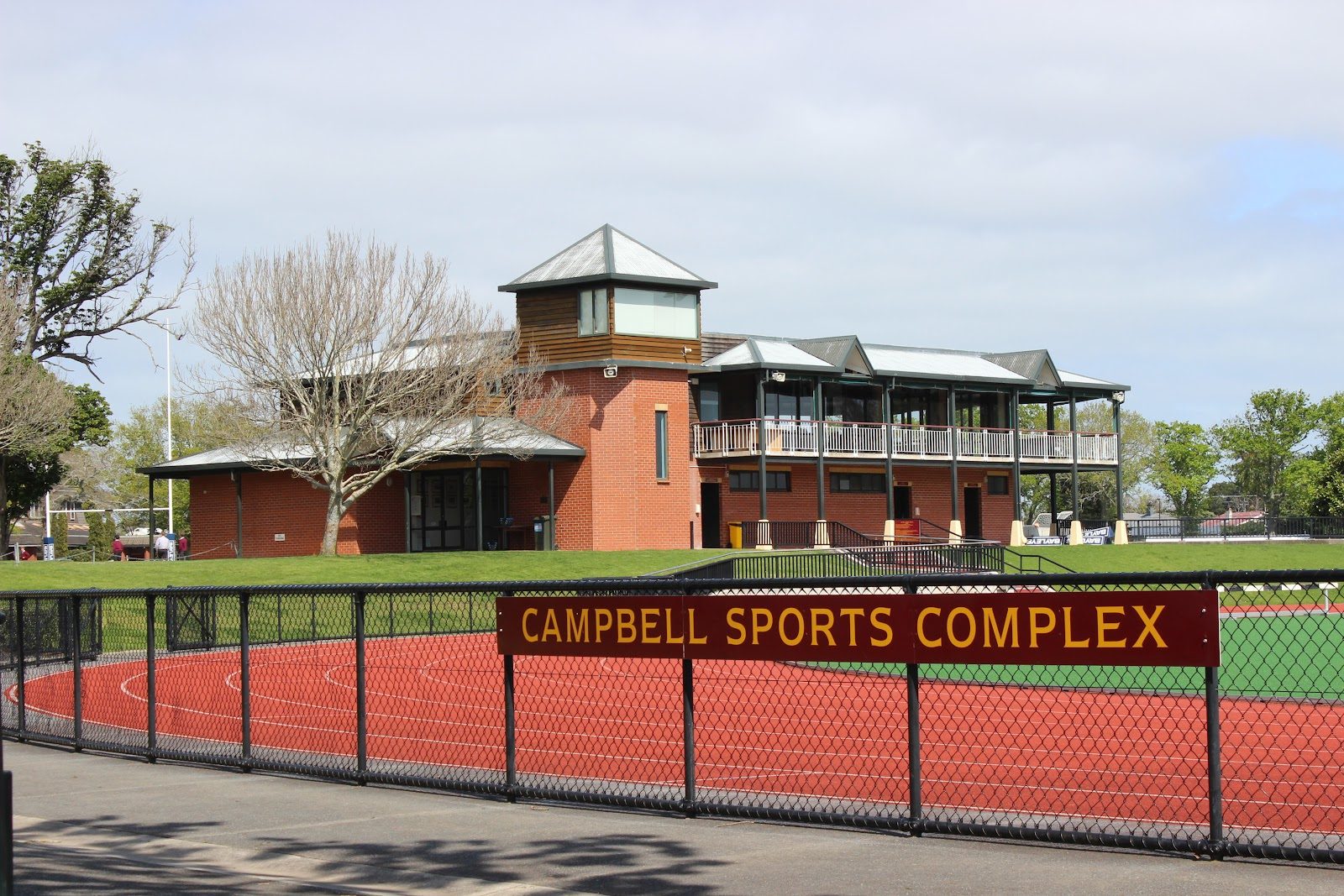
King's College (Auckland)
Auckland · New Zealand
Twelve houses anchor daily life on this Otahuhu campus, where mandatory alpine camps and blue-water sailing rounds out the classroom.
Same country and curriculum — closest matches within ±10 points either way