Beijing
Yew Chung International School of Beijing
low confidence· 4/6 cats · 0 avg sourcesEvery classroom pairs a Western and a Chinese teacher, threading bilingual learning through a parkland Chaoyang campus.
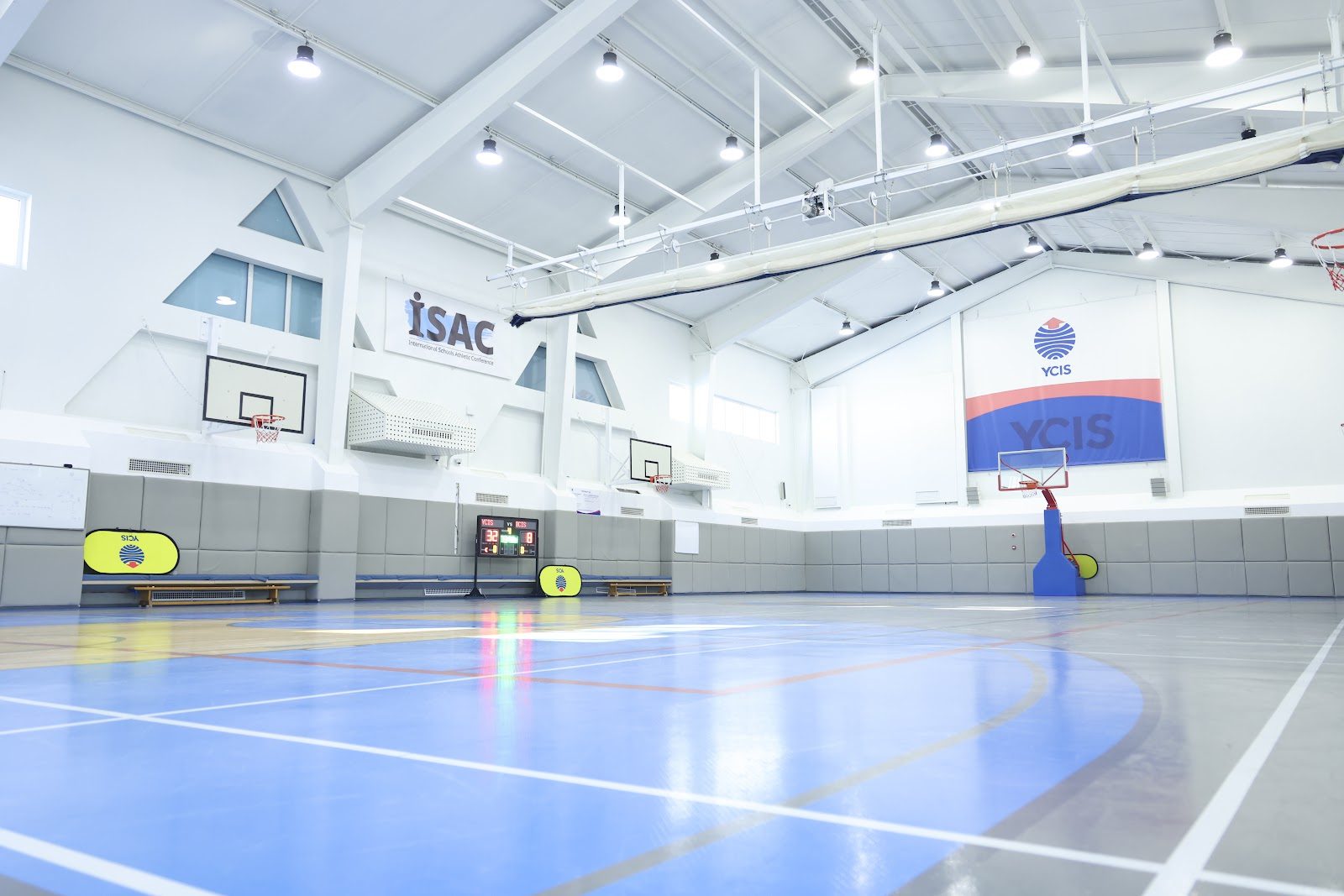
Photo © YCIS Beijing via Google Maps
Type
Day
Ages
2–18
Curriculum
IB · British
Qualifications
IGCSE · IB Diploma
Ratio
12:1
The Verdict
Editor's commitment
Right for
Families wanting English and Chinese daily, with two teachers in each classroom and an IB-plus-British pathway from age 2 to 18.
Wrong for
Parents wanting a monolingual English education, boarding, or a bigger student body than 20 per class and a 12:1 ratio deliver.
Watch out for
CIS, NEASC and IBO accreditation signal serious systems, but the school does not publish aggregate exam outcomes to match them.
Ranking breakdown
Yew Chung International School of Beijing · #610 of 1591
Composite score 67.6. 8 weighted criteria.
By criterion
Academic Outcomes
Weight 20%
#586
of 1529 scored
University Placement
Weight 16%
#584
of 1529 scored
Prestige & Heritage
Weight 12%
#912
of 1571 scored
Alumni Network
Weight 12%
#721
of 1530 scored
Facilities
Weight 12%
#489
of 1533 scored
Transparency & Communications
Weight 8%
#652
of 1532 scored
Peer & Industry Review
Weight 10%
#645
of 1548 scored
Admissions Selectivity & Demand
Weight 8%
#438
of 1529 scored
Score history
Yew Chung International School of Beijing · 2026
Movement across 2024–2026. Peer average overlaid.
Overall — 2024–2026
67.6/ 100
▲ +22.5 vs 2025
year on year
Peer & Industry Review
How Yew Chung International School of Beijing is regarded in the sector
62
Respected · medium confidence
Yew Chung International School of Beijing is part of the well-established Yew Chung Education Foundation network (founded 1932, operating in Beijing since 1993) and is regularly listed in international school directories such as ISC Research and Good Schools Guide International's China coverage, as well as discussed on expat forums (e.g., ExpatBeijing, Reddit r/Beijing expat threads) as a solid, long-standing bilingual option. However, it is generally regarded as a respected mid-tier choice rather than a top-tier benchmark school, often overshadowed in prestige discussions by WAB, Dulwich Beijing, Harrow Beijing, or BISS when expats and specialist press discuss the very top international schools in the city.
Evidence sources
Editors' overview
Yew Chung International School of Beijing occupies a distinct niche in the capital’s international market. Its defining feature is the co-teaching model: each classroom pairs a Western teacher with a Chinese teacher, with English and Chinese running through daily school life rather than sitting in separate language slots. That matters. Many international schools in Beijing offer Mandarin; YCIS Beijing builds bilingualism into the structure of teaching itself. For families who want children to move comfortably between Western and Chinese frames of reference, that is a serious point of difference, not a branding line. The Chaoyang setting adds another practical advantage: a campus with room to breathe in a city where many schools operate on tighter urban footprints. With a 12:1 student-teacher ratio and average classes of 20, pupils get more adult attention than they do in larger, more industrially run schools.
Academically, the school covers ages 2–18 and declares an IB and British curriculum mix. That gives it breadth, but also tells parents what sort of school this is not. YCIS Beijing is not the hard-edged exam factory some ambitious families in Beijing still pursue. Its offer is broader, more international, and more focused on bilingual fluency, intercultural confidence and continuity from early years to sixth form. That will suit parents who value deep cultural fluency, daily bilingual immersion and a school culture that treats Chinese and international perspectives as equal partners. It will suit them less if they want a narrow, highly selective, overtly competitive environment built around league-table theatre.
Why shortlist it? Because few schools in Beijing do this blend with the same clarity: long heritage, a clean bilingual mission, and an educational model that is structurally different from the standard English-medium international school with add-on Mandarin. Founded in 1932, with CIS, NEASC and IBO accreditation, it has institutional ballast as well as a clear educational identity. The best fit is the internationally minded child who is curious, adaptable and comfortable in mixed cultural settings; the family that wants an education between worlds, not a monocultural enclave. For that student, YCIS Beijing offers a rare bilingual seriousness and *a more expansive idea of international education* than many of its direct competitors.
Academic Performance
YCIS Beijing does not publish the kind of hard exam data that lets parents benchmark it cleanly against the city’s most results-driven competitors. We have not seen aggregate IB scores, subject distributions, top score counts, A-level results, or year-on-year university placement tables in the public domain. That matters. In Beijing’s upper tier, schools that produce exceptional exam outcomes tend to say so plainly and repeatedly. YCIS Beijing’s public profile points elsewhere: towards its educational model, its bilingual design and its broader view of international schooling. For families chasing forensic academic comparison, that opacity is a weakness.
That does not place the school in a weak academic bracket; it places it in a less data-public, less overtly competitive one. The declared IB and British mix gives pupils access to recognised external pathways, and the school’s all-through structure offers continuity that many families value. But without published headline results, YCIS Beijing sits outside the small group of Beijing schools that dominate conversation through raw score visibility. Relative to peers, it reads as a school chosen for educational fit rather than for scoreboard prestige. Parents who need published proof of top-end exam performance should ask directly for recent cohort results, score distributions and destination data before treating academic outcomes as a decisive strength.
Facilities
The campus’s strongest facility advantage is space. In Beijing, many international schools work within compact urban plots or split sites that feel efficient rather than generous. YCIS Beijing has the benefit of a greener, more open setting, and that changes the daily experience for younger children in particular: easier movement between buildings, more room for outdoor play, and less of the boxed-in atmosphere that plagues tighter city campuses. For parents comparing schools in the capital, that matters more than glossy atriums. The school’s staffing profile — 12:1 overall, with classes averaging 20 — also functions as a practical facility advantage, since smaller teaching groups make specialist rooms, play areas and shared spaces feel usable rather than congested. Against Beijing peers, that puts YCIS Beijing in the comfortably resourced bracket rather than the high-density, throughput-driven one.
What is missing is the kind of publicly documented facilities detail that top schools now treat as standard. We have not seen a clear published breakdown of laboratories, performance spaces, sports infrastructure, design or maker facilities, or flagship specialist centres. That leaves parents without a sharp picture of whether the campus competes at the top end for science, elite sport or large-scale arts production, or whether its physical strengths lie more in day-to-day usability and pastoral calm. In peer terms, YCIS Beijing reads as strong on environment and measured in scale, not as a school selling architectural theatre or a facility arms race.
Yew Chung International School of Beijing occupies a distinct niche in the capital’s international market
Prestige
YCIS Beijing carries real standing in a specific lane of the market, not the top rung of pure academic prestige. Its name has weight with internationally mobile families who value bilingual education, cultural fluency and a school culture that does not treat China as an add-on. The co-teaching model gives it a recognisable identity, and identity matters in a crowded capital market where many schools sell a more standard international formula. The school also benefits from institutional seriousness: recognised accreditations, an all-through age range, and a staffing profile at 12:1 that signals a more attentive model than the large, volume-driven operators. That combination gives YCIS Beijing credible prestige and clear differentiation.
Its status is weaker with families who rank schools by selective admissions heat, public exam tables and university destination theatre. Prestige in that bracket comes from visible outcomes and competitive myth-making; YCIS Beijing does not trade heavily on either. It sits in the category of schools respected for educational substance rather than feared or fetishised for raw results. That is a narrower form of prestige, but a durable one. For the right family, the school offers serious international credibility and a distinctive educational proposition. For parents chasing Beijing’s most status-charged school names, it does not command the same aura.
We have not seen aggregate IB scores, subject distributions, top score counts, A-level results, or year-on-year university placement tables in the public domain
Communications
YCIS Beijing communicates with parents in the way well-run international schools now need to: clearly, frequently and with a strong sense of day-to-day school life. The school’s public-facing communication is coherent, and that coherence matters because its educational model needs explanation. A bilingual, co-taught classroom is not self-explanatory to new families; the school does a solid job of making the structure intelligible rather than burying it under slogan-heavy language. That points to an organisation with institutional discipline and a clear internal script. For parents, the practical implication is straightforward: a school that can explain its model cleanly is better placed to explain progress, expectations and classroom routines cleanly as well.
The limit is depth. YCIS Beijing communicates its identity more effectively than it communicates outcomes. Parents get a strong feel for ethos, pastoral tone and daily experience, but a weaker grip on hard performance evidence, comparative attainment and the sharper academic questions that serious fee-paying families ask. That imbalance does not make communication poor; it makes it selective. The school is persuasive on culture and educational philosophy, less transparent on measurable results. In that sense, communication is effective for families already drawn to the model, and less effective for parents who want forensic clarity before committing. The low staffing ratio of 12:1 helps on the ground: schools with more adult capacity tend to handle parent contact with more care and less bottlenecking.
Uniqueness
What marks YCIS Beijing out is that bilingualism is not bolted on through extra Mandarin lessons or a token cultural programme. It sits inside the mechanics of teaching. The co-principal model found in some international schools is one thing; pairing teachers in the classroom is another. Here, children learn from two professional lenses at once, with Chinese and international approaches sharing space in ordinary lessons rather than being kept in separate institutional silos. That produces a genuinely integrated school culture, not the standard expatriate model with local colour added around the edges. For families living in Beijing for more than a brief posting, that distinction is material and rare.
For students, the gain is deeper than language practice. They are trained early to read different expectations, switch between cultural registers and handle ambiguity without panic. That matters academically, socially and later in adult life. Children who grow up in this system do not just study in an international school; they work daily inside a bicultural frame. The result is a pupil profile that is often more adaptable, less parochial and better able to navigate mixed settings than peers from more monocultural campuses. Add the low staffing ratio of 12:1, and the model has room to work at classroom level rather than surviving as an abstract philosophy. This is a serious educational distinction, and one of the clearer cases in Beijing where a school’s identity changes the lived experience of learning.
In Beijing’s upper tier, schools that produce exceptional exam outcomes tend to say so plainly and repeatedly
Student Profile
The best fit here is the child who can live comfortably in more than one frame at once. That does not require an extrovert or a born linguist; it requires openness, patience and a tolerance for not having everything arranged in one neat cultural script. Pupils who thrive tend to be adaptable, curious across cultures and at ease with adults who teach in partnership rather than from a single fixed authority. Children from internationally mobile families, mixed-background households, or homes that value China as part of daily life rather than backdrop will settle more naturally. The school also suits students who benefit from steady adult attention and a less anonymous day-to-day experience, helped by the low staffing ratio of 12:1.
The weaker fit is the child who wants school life to be narrow, fast, and openly competitive. Students who measure themselves through rank, comparison and constant academic signalling may find the culture too measured, too relationship-driven and not status-theatrical enough. Equally, families who want a monocultural expatriate bubble are choosing against the grain of the place. This is a school for pupils who can handle difference without defensiveness, who do not panic when expectations shift, and who gain from learning to read two sets of social cues at once. For a thoughtful, internationally minded child, that is a serious advantage. For a child who needs one dominant system and a single clear script, it is not the right match.
What is missing is the kind of publicly documented facilities detail that top schools now treat as standard
Co-curricular strengths
Arts & sport, on a separate axis
Overall 8.54/10
Scored 0-10 from the school's own published evidence. This axis is editorial-only — it does not feed the main WTS ranking.
Sports
8.5/10
Football, Basketball and Swimming in extracurriculars.
Drama
8.6/10
Drama productions, but provides.
Dance
8.3/10
Music
8.8/10
A School orchestra and Choir, plus an In-School Individual Instrumental Programme and YCIS Beijing serving as an ABRSM exam centre, indicating specialist provision and structured music activity.
Visual Arts
8.5/10
Visual arts as an extracurricular.
Editor first-pass · editor-reviewable · 7/27/2026
Strengths
- +British and IB curriculum options
- +English-medium teaching throughout
- +Covers ages 3 to 18
- +12:1 student-teacher ratio
Considerations
- −Day school only, no boarding
- −Average class size is 20
- −Non-religious ethos may not suit all
Availability
Primary entry gate & tests
Academic Record
Gallery
Photo © YCIS Beijing via Google Maps
Photo © YCIS Beijing via Google Maps
Parent reviews
Have you sent your child here?
Voice reviews carry the strongest trust badge — we transcribe them for you to tidy up before they go live. Prefer to type? A written review is fine too.
Add your voice
In 60 seconds, tell other parents: what's the best thing about Yew Chung International School of Beijing, and what surprised you when your child joined?
We ask for a Google sign-in so every review has a real face behind it — no anonymous drive-by attacks on schools, and no faked positive reviews. Your email is never shown publicly.
Send this profile to a friend
International parents rely on word-of-mouth. Share this review with someone weighing the same decision.
Schools with places
Similar schools to Yew Chung International School of Beijing with places available now.
Beanstalk International Bilingual School
Beijing · China
- 2026-27
- WAITPOOLSpace-dependent
- 2027-28
- PLACES OPENRolling
Harrow International School Beijing
Beijing · China
- 2026-27
- WAITPOOLSpace-dependent
- 2027-28
- PLACES OPENRolling
Canadian International School of Beijing
Beijing · China
- 2026-27
- WAITPOOLSpace-dependent
- 2027-28
- PLACES OPENRolling
Beijing City International School
Beijing · China
- 2026-27
- WAITPOOLSpace-dependent
- 2027-28
- PLACES OPENRolling
Availability first, then country, area, curriculum, price, co-curricular
Consider also
Also worth looking at alongside Yew Chung International School of Beijing.
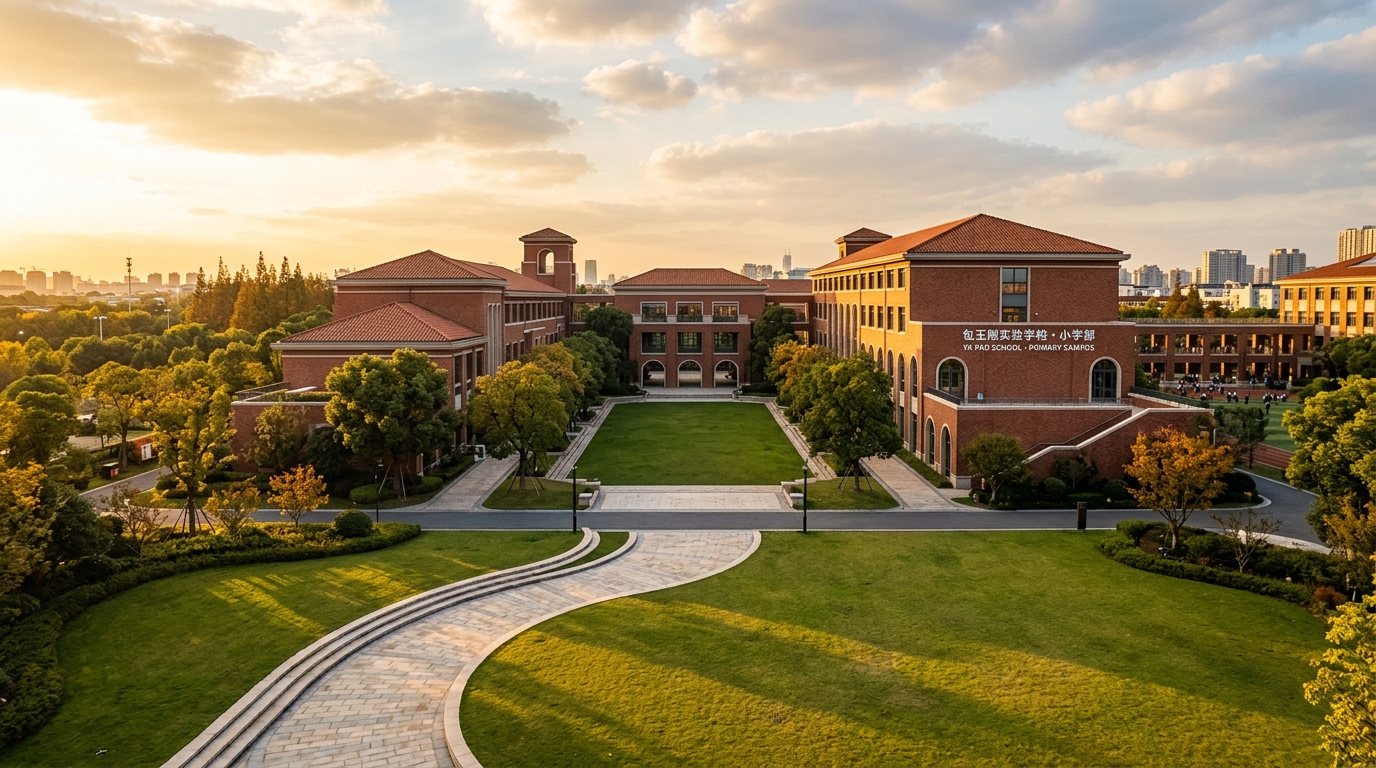
YK Pao School
Shanghai · China
Mandarin-English immersion anchors an IB and IGCSE track, with senior boarders housed in a Tudor-style village in Songjiang.
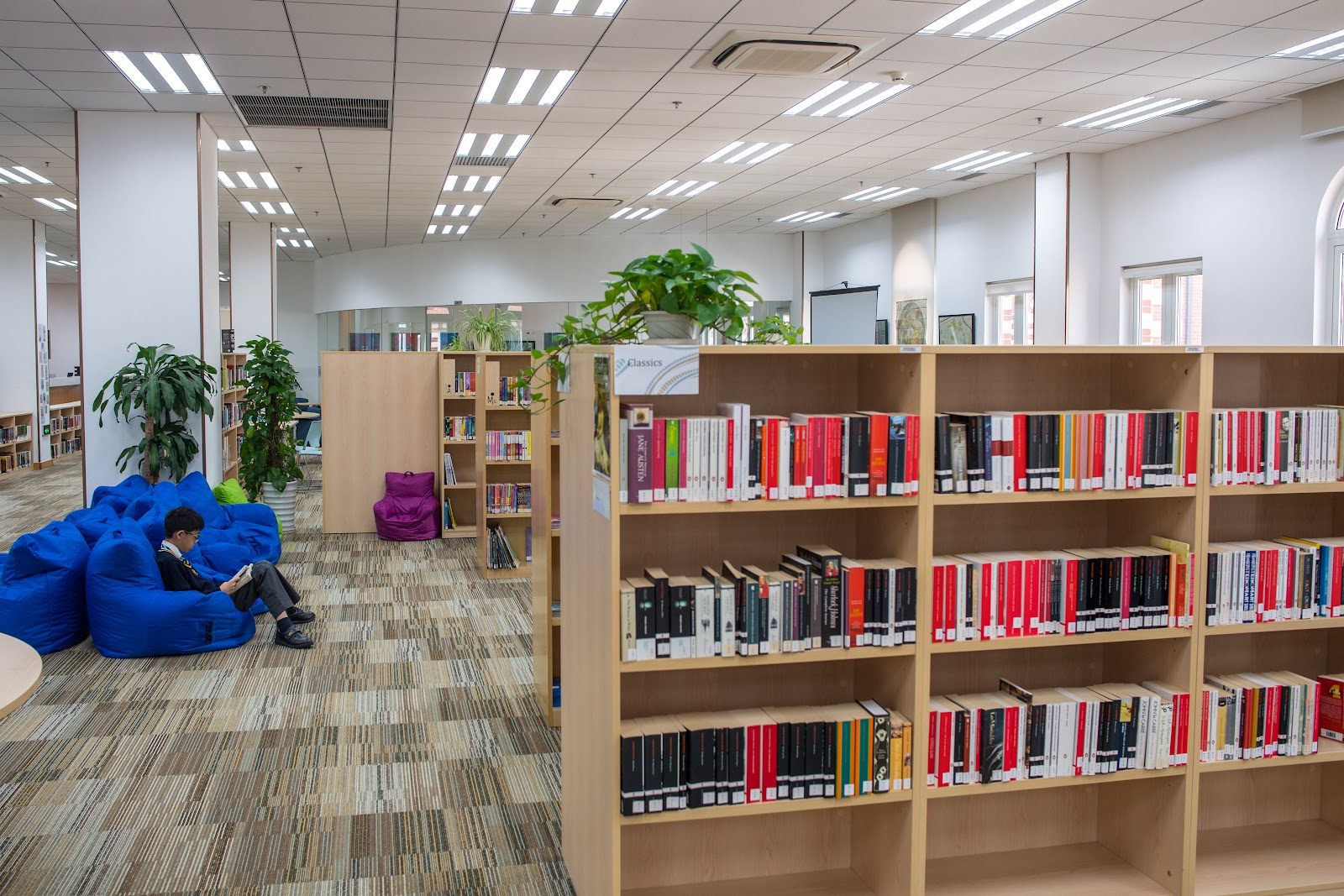
Wellington College International Shanghai
Shanghai · China
Rooted in an 1859 British foundation, this Pudong riverside campus channels house spirit into IB scores averaging 37 points.
UWC Changshu China
Changshu · China
On an island in Kuncheng Lake, mainland China's first UWC pairs the IB diploma with mandatory Mandarin study and a student-run Zhixing service programme.
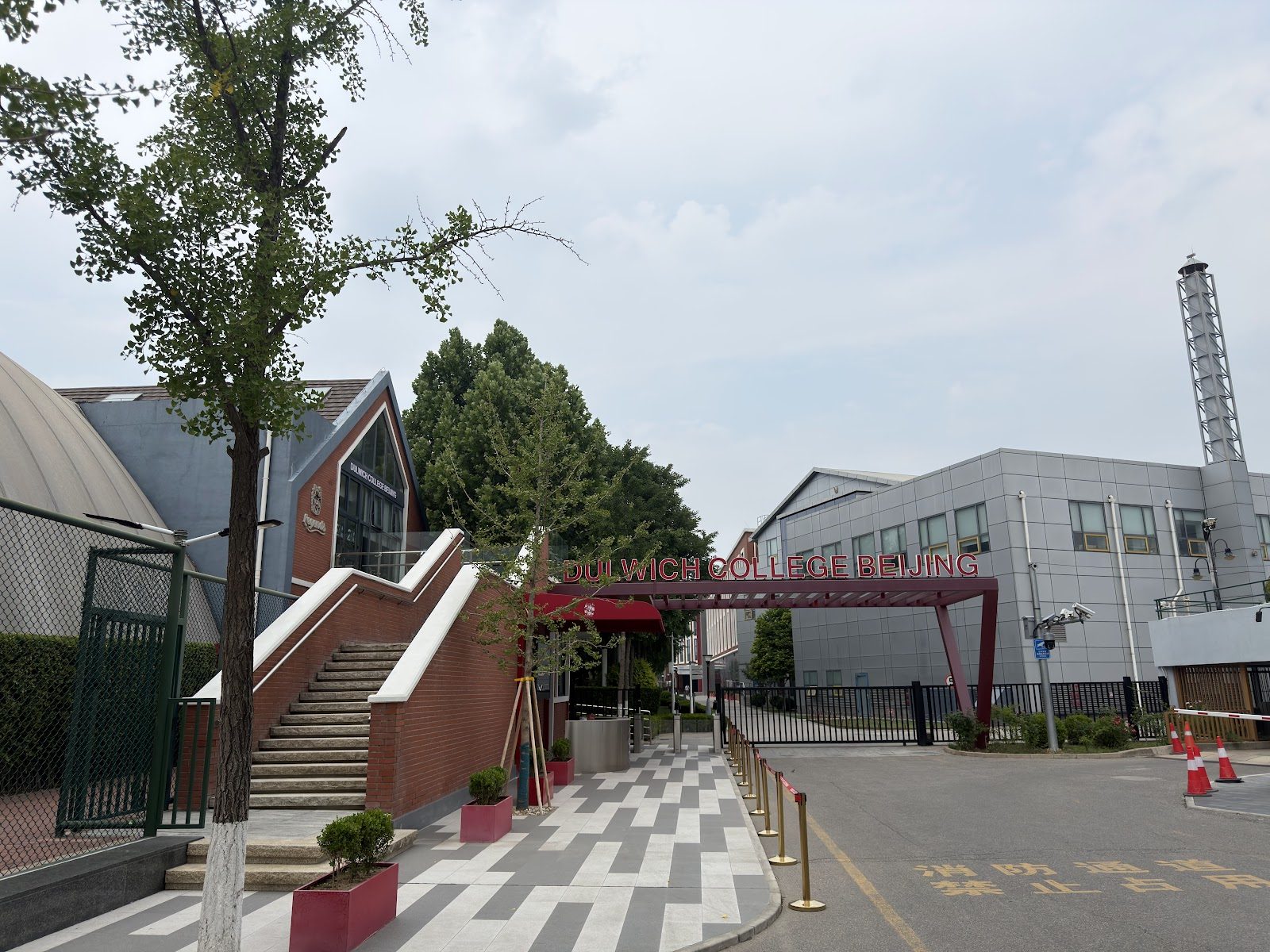
Dulwich College Beijing
Beijing · China
Rooted in a 400-year London lineage, its Shunyi campus has posted IB scores averaging seven points above the global mean for four straight years
Same country and curriculum — closest matches within ±10 points either way