
Dublin
A seven-day boarding rhythm and a Butterfield-designed chapel anchor this Church of Ireland enclave in the Dublin foothills.
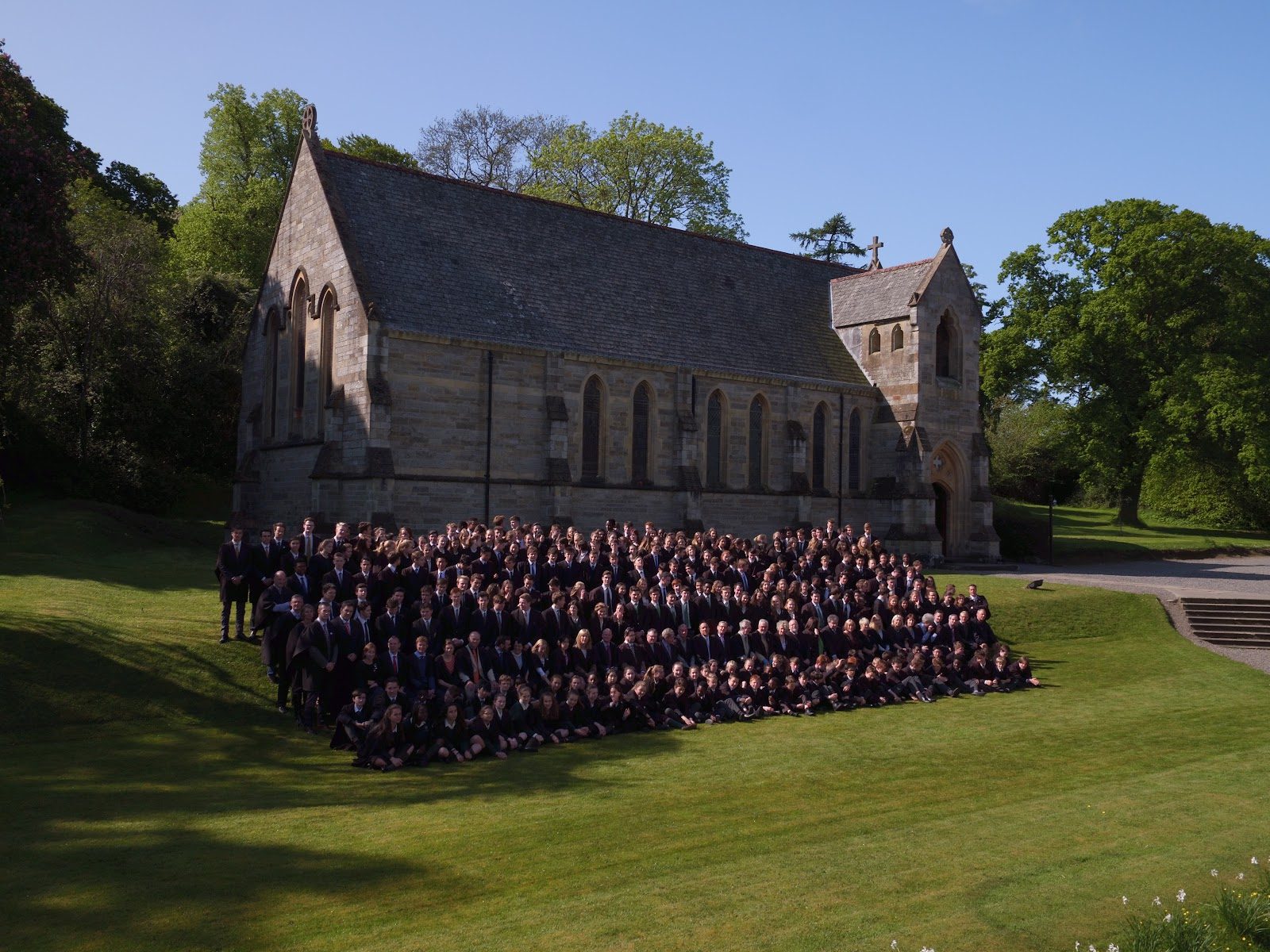
Photo © Humphrey Jones via Google Maps
Type
Both
Ages
11–18
Curriculum
Irish Junior Cycle · Leaving Certificate
Ratio
—
The Verdict
Editor's commitment
Right for
Families who want a Church of Ireland school for ages 11–18 with 7-day boarding, HMC membership and daily chapel at its centre.
Wrong for
Children who want anonymity or a secular culture will chafe here: around 350 pupils, about 250 boarders, and worship is daily.
Watch out for
Academic claims rest on Irish Junior Cycle and Leaving Certificate, but the school publishes no aggregate exam results; this is expensive faith-school territory.
Ranking breakdown
St. Columba's College · #117 of 1591
Composite score 77.8. 8 weighted criteria.
By criterion
Academic Outcomes
Weight 20%
#91
of 1529 scored
University Placement
Weight 16%
#305
of 1529 scored
Prestige & Heritage
Weight 12%
#50
of 1529 scored
Alumni Network
Weight 12%
#95
of 1529 scored
Facilities
Weight 12%
#48
of 1529 scored
Transparency & Communications
Weight 8%
#22
of 1529 scored
Peer & Industry Review
Weight 10%
#100
of 1529 scored
Admissions Selectivity & Demand
Weight 8%
#1232
of 1529 scored
Peer & Industry Review
How St. Columba's College is regarded in the sector
75
Strong · medium confidence
St. Columba's College is consistently ranked among Ireland's top fee-paying secondary schools in independent league tables such as the Sunday Times/Irish Times feeder school rankings for university progression, and is recognized as one of the oldest and most established Church of Ireland boarding schools with a notable alumni network including writers and public figures. It receives regular coverage in Irish press (Irish Times, Irish Independent) discussing its academic results and boarding heritage, placing it as a respected, long-established institution rather than a top-tier globally referenced brand like some Dublin day schools.
Evidence sources
Editors' overview
St. Columba’s College occupies a narrow and distinctive corner of the Irish market: a Church of Ireland school founded in 1843, small at around 350 pupils, with about 250 boarders, and built around a full seven-day boarding model. That matters. Many schools claim community; St. Columba’s structures the week so pupils actually live one. Daily chapel worship sits at the centre of school life, so parents need to read the religious character plainly, not as decorative heritage. For families who want a school with a defined moral and liturgical rhythm, that clarity is an asset. For families who want a secular environment, it is a reason to look elsewhere. The setting in Rathfarnham, in the Dublin foothills overlooking the city, adds another draw: a sense of removal without exile.
What sets it apart is the combination of scale, boarding culture and tradition. This is not a sprawling, anonymous campus. The school itself says it is small, and that smallness shapes the experience: pupils are known, houses are tight-knit, and the adult presence is substantial because boarding and teaching staff live on site. That creates a lived-in, watchful atmosphere that many larger schools cannot match. The school also has unusual physical character, with its Butterfield-designed chapel giving the place ceremony, continuity and edge. Sport carries real weight — pupils play every day, by the school’s account — and the co-curricular offer is not an afterthought, with music, drama, public speaking and visual art all woven into the routine. The facilities list is strong and idiosyncratic, stretching from cricket pitches and an outdoor pool to a golf course and training centre.
Why shortlist it? Because St. Columba’s offers a serious boarding education in Ireland that is compact, structured and culturally confident. It runs the Irish Junior Cycle and Leaving Certificate, teaches in English, and carries HMC membership, which places it in a recognisable peer group for internationally minded parents. It does not sell itself on published league-table triumphalism, and the school does not disclose aggregate examination data in the public domain. Parents therefore need to buy into the model as much as the metrics: high-contact pastoral care, a full-week residential rhythm, and a school day shaped by worship, sport and shared routines.
The pupil who thrives here is not a child who wants a loose, urban, pick-and-mix sixth form life. St. Columba’s suits students aged 11–18 who can handle structure, value belonging, and are willing to participate. Boarders who want home-away-from-home warmth with clear expectations will get traction here. So will sporty pupils, musicians, debaters and students who enjoy public responsibility in a close community. Independent-minded teenagers who still need adult oversight, or families seeking contained intensity rather than scale, will find a persuasive option. Pupils who resist compulsory community, daily worship or the discipline of a seven-day boarding cadence will not.
Academic Performance
St. Columba’s talks confidently about “very high academic standards” and says leavers progress to top universities in Ireland, the UK, Europe and the US. That gives a broad destination claim, not a performance ledger. The school does not publish aggregate Leaving Certificate results, grade distributions, points averages, subject-by-subject outcomes, or year-on-year attainment data in the public domain. That matters. In a market where strong schools increasingly put hard numbers on the table, this leaves parents without the benchmarks needed to judge whether St. Columba’s sits in the top academic tier, the solid middle of the independent sector, or somewhere between the two. The academic picture is therefore opaque by choice.
Relative to peers, that opacity is the central fact. Schools with serious examination firepower publish it; schools that do not invite trust in ethos, destinations and individual care instead. St. Columba’s has enough structural advantages to support good outcomes: a compact scale, close adult oversight, a culture of routine, and a co-curricular model that still treats study as central. But none of that substitutes for disclosed results. Parents comparing it with academically assertive Irish and British boarding schools need to press for concrete Leaving Certificate evidence: high-grade rates, university destinations by cohort, and subject strength at sixth-form level. Until those figures are disclosed, St. Columba’s reads as credibly academic but insufficiently transparent.
Facilities
Facilities are one of St. Columba’s sharper assets. The sports provision is unusually broad for a school of this scale: pupils have access to a golf course and golf training centre, cricket pitches, a large gym and an outdoor swimming pool, alongside the daily expectation of physical activity. That breadth puts it ahead of many Irish schools whose provision is strong in rugby and hockey but thinner once you step outside the main team sports. The golf offer in particular is distinctive and gives the campus a more country-house sporting profile than most urban or semi-urban competitors. The arts also get proper space rather than token rooms: the school points to dedicated music and art facilities, and the regular cycle of concerts, plays, choirs and exhibitions indicates infrastructure that is used, not merely listed.
The most important built asset, though, is the chapel. This is not decorative heritage parked at the edge of campus; it is part of the school’s daily operating life and gives the place a ceremonial seriousness that many peer schools lack. For families who value that religious and architectural centre of gravity, it adds real depth. For families who do not, it still signals a campus with strong physical identity rather than generic classrooms and pitches. Against peer boarding schools, St. Columba’s facilities read as idiosyncratic rather than lavish: stronger in character, sport and lived-in community use than in flashy capital-project spectacle.
Columba’s talks confidently about “very high academic standards” and says leavers progress to top universities in Ireland, the UK, Europe and the US
Prestige
St. Columba’s carries real prestige in a narrow, old-fashioned sense: not mass-market glamour, but the status that attaches to a long-established, church-rooted boarding school with a coherent identity and a settled social world. In Ireland, that still counts. HMC membership gives it external recognition within a serious independent-school network, and the school’s scale cuts both ways reputationally: it lacks the sheer public profile of bigger institutions, but gains clubbable distinction from being compact, self-contained and socially legible. The physical and cultural markers matter too. Daily chapel, staff living on site, and a campus life organised around shared routines give it institutional weight. This is a school with manners, memory and internal culture, not a commuter school with dormitories attached.
Its prestige is therefore high but specialised. The school does not project dominance through published results, headline university data or international branding, and that places a ceiling on its standing among hard-nosed academic shoppers. Parents who equate prestige with measurable academic supremacy will find the case incomplete. Parents who value tradition, pastoral immersion and a clearly defined boarding society will rate it much more highly. The pupil body is small, with around 350 pupils and about 250 boarders, which reinforces that sense of select, enclosed community. In plain terms, St. Columba’s is well-regarded rather than grand, distinctive rather than ubiquitous, and prestigious for the families who want exactly this religious, residential and socially tight model.
Columba’s sits in the top academic tier, the solid middle of the independent sector, or somewhere between the two
Communications
St. Columba’s communicates with parents in the old-fashioned independent-school way: through a website that foregrounds ethos, leadership voice and the cadence of school life rather than data dashboards. The public-facing site is active and current, with a steady stream of news items covering trips, awards, public speaking, sport, arts events and prefect appointments. That gives parents a clear read on what the school chooses to celebrate and how full the calendar runs. The Warden’s message is long, personal and values-heavy; the Senior Prefect’s welcome adds pupil voice. That combination conveys culture well. It does less well at the harder edge of communication. The school publishes no aggregate examination figures, no serious academic breakdowns and no public performance benchmarks. For parents who want warmth and texture, it delivers. For parents who want hard proof, it does not.
That imbalance matters because St. Columba’s asks families to buy into a high-trust, community-first model. The tone is accessible and human, not corporate, and the constant news flow indicates a school that keeps parents close to daily life. The site also gives practical signals of institutional rhythm: chapel, sport, student leadership and house-based belonging recur throughout. But communication is strongest on atmosphere and weakest on scrutiny. In plain terms, St. Columba’s is good at telling parents what kind of place it is, and less good at telling them how well pupils perform against external measures. That makes its communications engaging, coherent and incomplete.
Uniqueness
What marks St. Columba’s out is not one feature but the way several old-school elements still operate as daily reality. This is a Church of Ireland college where chapel worship is woven into the day, where pupils live in a contained, high-contact world, and where the school week does not dissolve into a Friday exodus. That combination is rare in Ireland. Many schools keep tradition as branding; St. Columba’s uses it as operating structure. The result is a place with a clear internal culture: shared routines, regular adult oversight, visible expectations and a social life built inside the school rather than outsourced to the city below. With around 250 boarders in a school of roughly 350, the boarding majority also shifts the balance decisively. Day pupils enter a boarding culture, not the reverse.
For students, that brings gains and costs in equal measure. The gain is strong belonging: more continuity with teachers and house staff, more organised activity, more opportunity to hold responsibility in chapel, sport, music, debating and house life, and less room to vanish into the background. The school’s ritual life and physical character give adolescence a ceremonial frame that many modern schools have lost. The cost is obvious too. Pupils who want anonymity, flexible boundaries or a secular atmosphere will find the culture tight-grained and demanding. Pupils who value structure, participation and a community with memory will get an education that feels lived rather than administered.
The golf offer in particular is distinctive and gives the campus a more country-house sporting profile than most urban or semi-urban competitors
Student Profile
The pupil who fits St. Columba’s is comfortable with visibility. In a school of around 350, there is little room to drift anonymously through the week. Staff know pupils, peers know one another, and the culture rewards those who will join in rather than hover at the edge. This suits children who respond well to close adult oversight, who benefit from routine, and who can live inside a community with clear expectations around chapel, sport and shared activity. It also suits students who like taking public roles — in debating, music, drama, public speaking or prefect life — because the school gives those parts of adolescence real weight. Day pupils need the temperament to enter a boarding-shaped culture rather than a standard day-school social pattern.
The best fit is a young person who wants belonging more than freedom of movement. Sporty pupils will find the daily rhythm congenial, and students with stamina for a busy, communal life will do well. So will children who value manners, structure and a school that still treats character formation as a central task. The weaker fit is equally clear: teenagers who bristle at compulsory worship, who want a looser social life, or who prefer urban independence to a contained, watchful environment. This is a strong option for families seeking high-contact pastoral care and a defined moral framework. It is a poor option for children who want to keep the institution at arm’s length.
Daily chapel worship sits at the centre of school life, so parents need to read the religious character plainly, not as decorative heritage
Co-curricular strengths
Arts & sport, on a separate axis
Overall 8/10
Scored 0-10 from the school's own published evidence. This axis is editorial-only — it does not feed the main WTS ranking.
Sports
9/10
Drama
8.5/10
Dance
5.5/10
Music
8.5/10
Visual Arts
8.5/10
Editor first-pass · editor-reviewable · 7/30/2026
WTS 300 badge
St. Columba's College is one of the World's Top 300 Schools. Claim your listing to add it to your site →
Strengths
- +Class sizes are very small, averaging 14 pupils, which the school says allows greater depth of teaching and individual attention.
- +One of the last seven-day boarding schools in Ireland, giving a genuine full-time residential community rather than a five-day model.
- +Set on a roughly 150-acre campus in the Dublin hills with facilities including floodlit astro pitches, an outdoor pool, tennis courts and a golf course.
- +Long-established institution, founded in 1843 and on its current Rathfarnham/Whitechurch site since 1849, with heritage buildings including a chapel by William Butterfield.
- +The school reports strong university progression, citing an average CAO points score of 501 over the past six years, with graduates going on to universities in Ireland, the UK, the Netherlands, Germany and North America.
Considerations
- −Media reports, including the Sunday Independent, have identified it as one of the most expensive schools in Ireland, putting full boarding out of reach for most families.
- −A small overall roll of roughly 300-350 pupils means narrower scale in subject options, peer group size and extracurricular breadth than larger schools offer.
- −It is a Church of Ireland foundation where daily chapel worship is described as central to the school's ethos and identity, a defining religious character even though pupils of all faiths are admitted.
- −The seven-day boarding structure includes Saturday morning classes and a full weekend activities programme, leaving less free weekend time than at schools with a conventional five-day boarding or day model.
Availability
Primary entry gate & tests
Transcripts + Interview
Gallery
Photo © Kristaps Vanags via Google Maps
Photo © Kristaps Vanags via Google Maps
Photo © Kristaps Vanags via Google Maps
Photo © Kristaps Vanags via Google Maps
Photo © Borys Szymański via Google Maps
Parent reviews
Have you sent your child here?
Voice reviews carry the strongest trust badge — we transcribe them for you to tidy up before they go live. Prefer to type? A written review is fine too.
Add your voice
In 60 seconds, tell other parents: what's the best thing about St. Columba's College, and what surprised you when your child joined?
We ask for a Google sign-in so every review has a real face behind it — no anonymous drive-by attacks on schools, and no faked positive reviews. Your email is never shown publicly.
Send this profile to a friend
International parents rely on word-of-mouth. Share this review with someone weighing the same decision.
Schools with places
Similar schools to St. Columba's College with places available now.
Availability first, then country, area, curriculum, price, co-curricular
Consider also
Also worth looking at alongside St. Columba's College.
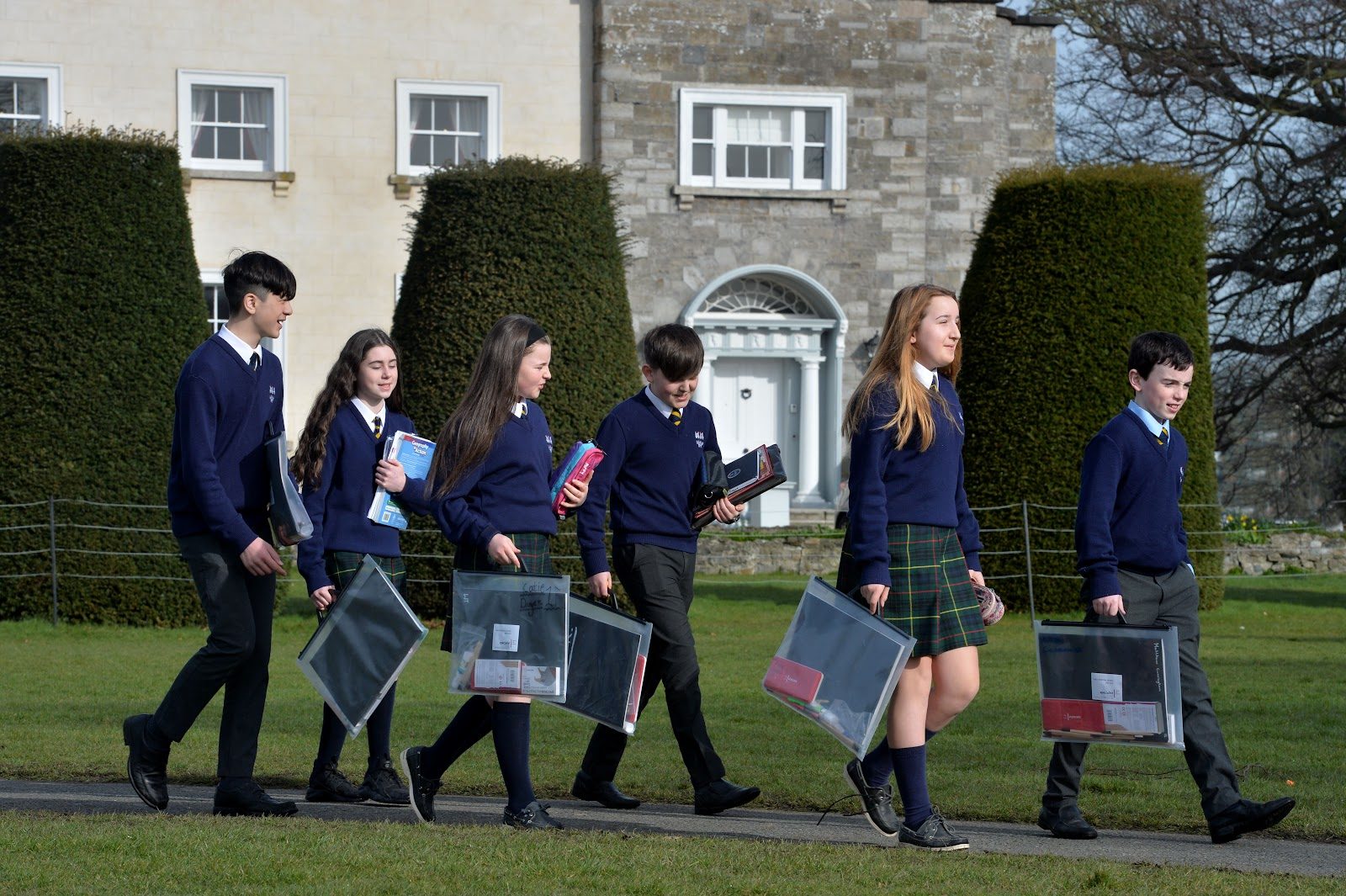
King's Hospital
Dublin · Ireland
Chartered by Charles II in 1669, this Liffey-side campus still channels its Blue Coat School past into modern boarding life.
St. Andrew's College Dublin
Dublin · Ireland
First in Ireland to gain IB Diploma authorisation, this interdenominational Booterstown day school still hosts its own Model UN each Easter.
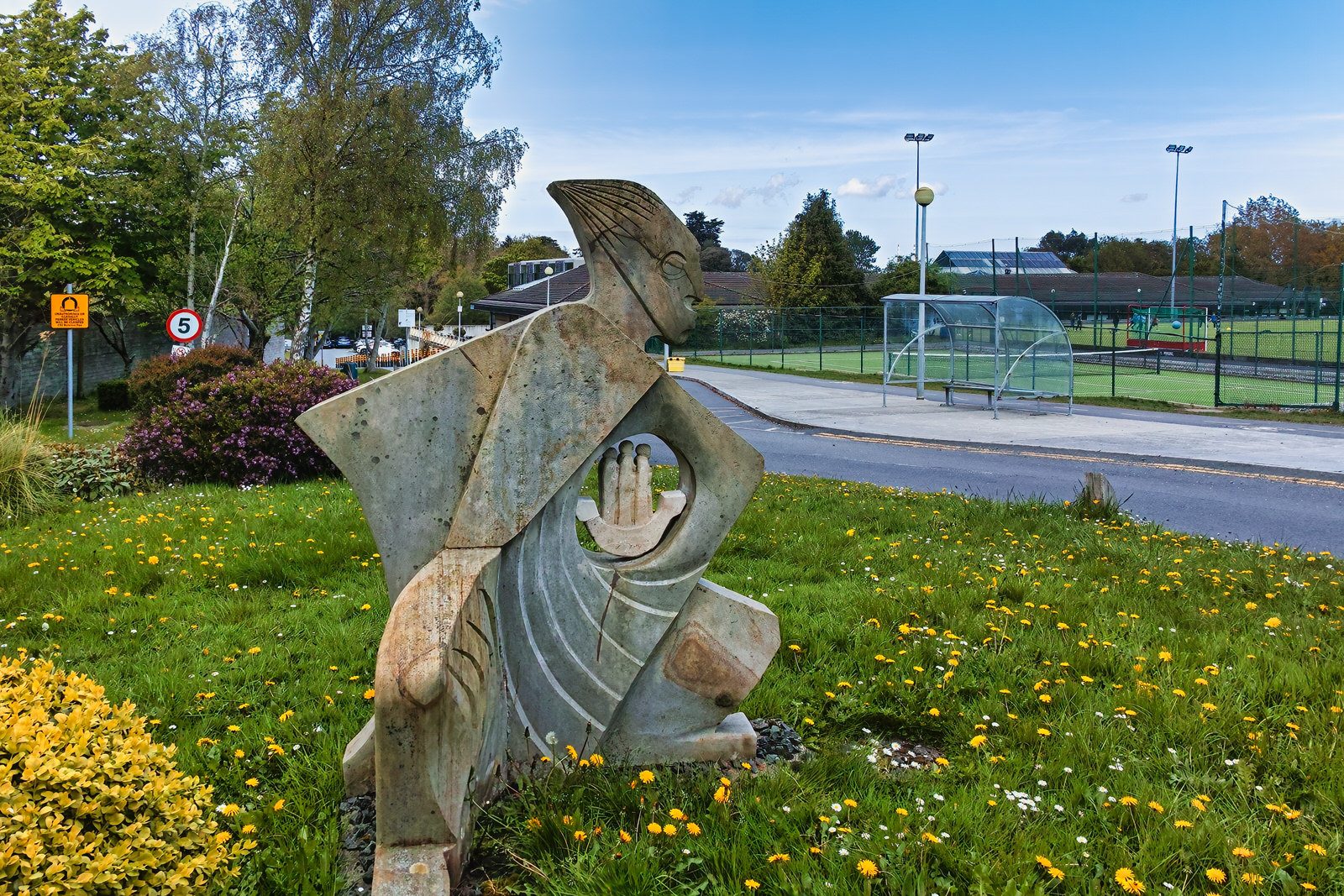
St. Kilian's Deutsche Schule Dublin
Dublin · Ireland
A 1950s refugee-aid charity's legacy now runs a dual-track Abitur and Leaving Cert campus shared with a French lycee in Clonskeagh.
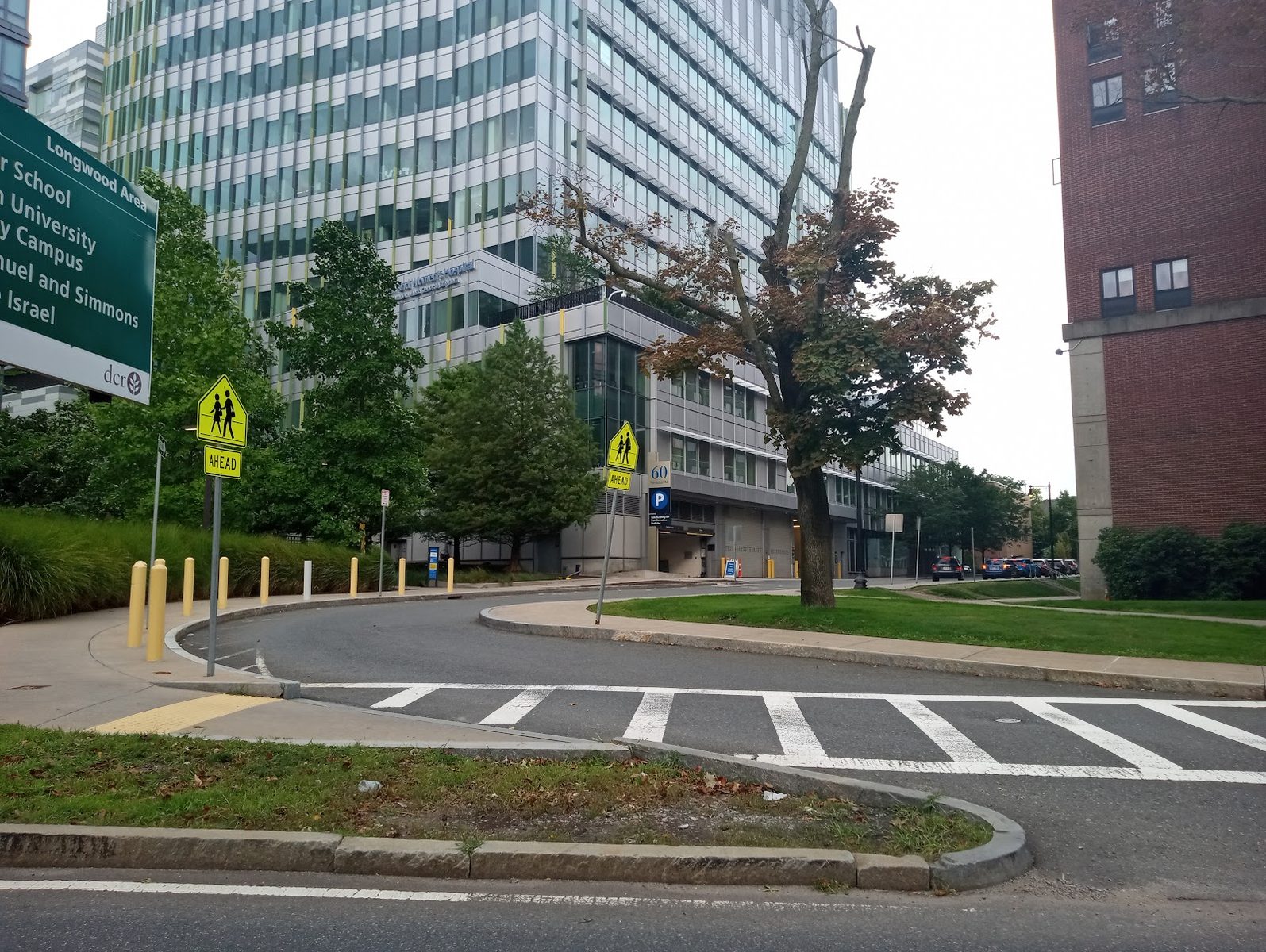
The Winsor School
Boston · United States
Founded in 1886 as Boston's only grade 5-12 school for girls, set amid Longwood's teaching hospitals and research campuses.
Same country and curriculum — closest matches within ±10 points either way