
Kent
A boys' grammar with a co-educational sixth form, where music and mathematics specialisms sharpen a steady flow of leavers into Oxbridge

Type
Day
Ages
11–18
Curriculum
British
Ratio
13:1
The Verdict
Editor's commitment
Right for
Bright boys aged 11–18 who want a British grammar school in Tonbridge, with a 13:1 ratio and co-educational sixth form.
Wrong for
Families wanting boarding, a girls' school, or a less selective route than a voluntary aided grammar founded in 1888.
Watch out for
Average class size is 26, so the 13:1 ratio does not mean intimate teaching; governance remains tied to the Skinners' Company.
Ranking breakdown
The Judd School · #100 of 1591
Composite score 77.7. 8 weighted criteria.
By criterion
Academic Outcomes
Weight 20%
#66
of 1529 scored
University Placement
Weight 16%
#104
of 1529 scored
Prestige & Heritage
Weight 12%
#188
of 1571 scored
Alumni Network
Weight 12%
#117
of 1530 scored
Facilities
Weight 12%
#732
of 1533 scored
Transparency & Communications
Weight 8%
#204
of 1532 scored
Peer & Industry Review
Weight 10%
#221
of 1548 scored
Admissions Selectivity & Demand
Weight 8%
#93
of 1529 scored
Peer & Industry Review
How The Judd School is regarded in the sector
68
Respected · medium confidence
The Judd School is consistently ranked among Kent's leading state grammars, earning an Outstanding Ofsted judgement and a full Good Schools Guide entry that highlights strong Oxbridge and Russell Group progression, noting that at 18, virtually all onwards to university - 75 per cent to Russell Group, a fair few to Oxbridge. Independent data trackers reinforce this standing: FindMySchool places it in the top 2% of schools for GCSE results, placing it 97th in England, while local sources credit the school with producing many distinguished Old Juddians, including a Nobel Prize Winner, a Chief of the Defence Staff, two Bishops, a Royal Portrait Painter. It sits just outside the handful of London-dominated grammars that top the Sunday Times Parent Power national league table, giving it a strong but regional rather than nationally pre-eminent profile. Coverage from the UAE-focused WhichSchoolAdvisor is not applicable to this UK state school, so peer signal here rests on Good Schools Guide and specialist data platforms rather than a broad international press footprint.
Evidence sources
Editors' overview
The Judd School sits in the top tier of English state selective education: a boys’ grammar in the main school, with a co-educational sixth form, and a long-established route into Oxbridge. Founded in 1888, it carries the institutional confidence of an old grammar without the theatrical self-mythology that clings to some of its peers. The shape is clear. This is a day school for academically ambitious pupils aged 11 to 18, taught in English, with a 13:1 student–teacher ratio and average class sizes of 26. The specialisms in music and mathematics matter because they sharpen the school’s identity beyond raw selectivity. This is not just a place for bright boys who test well at 11; it is a place for pupils who want intellectual pace, disciplined habits and serious academic company.
What puts Judd on a shortlist is the combination of grammar-school selectivity, sixth-form breadth and a culture that channels high performers towards demanding university destinations. The co-educational sixth form changes the texture of the school at the point that matters most for university preparation: it broadens the social mix and pulls the school away from the narrower habits of an all-boys environment. Parents looking at expensive independent schools in the South East should pay attention here, because Judd offers a hard-edged academic education without fees. It also has unusual historical ballast: founded by the Worshipful Company of Skinners, with the Skinners’ Company still forming the majority of the governing body, the school has deep institutional roots and a governance structure tied to long-standing civic patronage rather than fashion.
The right student for Judd is bright, resilient and unbothered by competition. He will want a school where academic standards are explicit and where being clever carries social currency rather than apology. In the sixth form, girls and boys who want an exacting sixth-form culture and a strong peer group for university entry will find the same appeal. This is not the right fit for a child who needs constant hand-holding, a broad pastoral cushion or a school built around sporting spectacle and glossy facilities. It suits the pupil who enjoys mathematics for its precision, music for its rigour, and school life that feels purposeful rather than performative. For families who want a state school with intellectual seriousness and a proven route to elite higher education, Judd warrants close attention.
Academic Performance
Judd’s academic performance sits where ambitious families expect a top grammar to sit: near the front of the state selective sector, and in direct competition with many fee-charging schools for university outcomes. The school’s own published leavers’ destinations give the clearest signal. In one recent cohort, 19 pupils went to Oxford or Cambridge and 39 secured places on medical courses. Those are serious numbers for a day school, and they place Judd in the company of the country’s hard-driving academic sixth forms rather than merely strong local comprehensives. The pattern matters as much as the tally: this is a school that converts high prior attainment into entry for the most competitive degree courses, not one that trades on selective intake and then goes quiet about the finish.
What we have not seen in the public domain, at least in the sources here, are aggregate GCSE and A-level headline tables from the school itself. That limits fine-grained comparison on raw grades. Even so, the destination data and the school’s long-established reputation in selective education point in one direction. Judd belongs in the top bracket of English grammar schools, with a university-entry profile that parents cross-shopping against independents will take seriously. The caveat is straightforward: if you want glossy publication of every exam metric, Judd does not indulge that appetite. Its academic standing rests on outcomes that are plainly elite where it counts most: admission to the most competitive universities and courses.
Facilities
Judd’s facilities matter most where the school’s identity is sharpest. The public record points to a school built around academic work and long-standing institutional life, not a campus sold on spectacle. For a selective day grammar with average classes of 26, that usually means functional teaching spaces, serious science and mathematics provision, music rooms that support sustained practice, and sports grounds that serve a busy school week rather than a brand campaign. Against fee-charging independents in the South East, that puts Judd at a disadvantage on obvious luxuries: no parent should expect the showpiece architecture, spa-like sports centres or arts complexes that follow private-school budgets. Against other top grammars, though, that restraint reads differently. Judd fits the strongest state-selective pattern: facilities that are fit for purpose, academically aligned and used hard.
The more distinctive asset is less photogenic. The school’s link with the Skinners’ Company, which holds the majority on the governing body, gives Judd institutional ballast that many peers lack. That does not build a glamorous campus on its own, but it does support continuity, stewardship and a sense that the school is run for long-term standards rather than short-term display. Families choosing between Judd and a polished independent need to judge this plainly: if your benchmark is raw campus luxury, Judd loses. If your benchmark is whether the physical plant supports a hard-driving academic culture and a serious sixth form, it clears the bar comfortably.
The Judd School sits in the top tier of English state selective education: a boys’ grammar in the main school, with a co-educational sixth form, and a long-established route into Oxbridge
Prestige
Judd carries real academic prestige in the English state sector, and not the thin kind that rests on a single good exam season. Its status comes from a durable combination: selective entry, a long-standing grammar-school identity, a governing link to the Skinners’ Company, and a sixth form that sends pupils to the country’s hardest courses in numbers many independent schools would envy. A recent leavers’ cohort produced 19 Oxbridge places and 39 medical school places. That is not a decorative flourish for a prospectus; it is the sort of destination profile that gives a school standing among informed families, university admissions teams and neighbouring heads. Within Kent grammar circles, Judd sits in the serious end of the market.
The prestige has limits, and they are worth stating. This is not prestige built on aristocratic polish, famous boarding houses or lavish fee-funded infrastructure. It is earned prestige: intellectual, selective and heavily tied to outcomes. For some families, that makes it more compelling than old independent-school cachet; for others, less so. The school’s reputation rests on hard results, a high-pressure peer culture and the confidence of an institution that does not need to oversell itself. That gives Judd a strong national profile for a state day school, and an especially strong one for parents who value academic seriousness over social gloss.
Judd belongs in the top bracket of English grammar schools, with a university-entry profile that parents cross-shopping against independents will take seriously
Communications
Judd’s parent communication has the same cast as the school itself: formal, controlled and adult. This is not a school that courts families with a stream of lifestyle content or inflated warmth. The tone is institutional. That suits many parents in a selective state school, where the central transaction is clear and the audience does not need hand-holding. The advantage of that approach is efficiency. Expectations, routines and the serious business of school life can be conveyed without fuss. The drawback is just as clear. Families who want a high-touch pastoral dialogue or constant digital reassurance will find the style spare rather than embracing.
Effectiveness rests on fit between message and audience, and here Judd has a strong hand. A school with average class sizes of 26 and a student–teacher ratio of 13:1 cannot operate like a small prep with concierge-level responsiveness; it needs communication that is structured, predictable and concise. That model works when parents value clarity over charm. It works less well when a child needs nuanced pastoral coordination across home and school, because terse institutional communication can leave too much unsaid. We have not seen evidence of a distinctive communications philosophy, a sophisticated public-facing parent platform, or unusual transparency in published academic data. The impression is of a school that communicates competently, without theatre, and expects parents to meet it on those terms.
Uniqueness
What marks Judd out is the combination of a boys’ grammar in the lower school and a co-educational sixth form, welded to an academic culture with a very specific destination profile. Plenty of selective schools produce strong grades; fewer send 19 pupils to Oxford or Cambridge and 39 into medicine from a single leaving cohort. That gives Judd a distinct shape. It does not just gather bright pupils and keep standards high. It channels them towards the country’s most competitive courses with clear-eyed intensity. The mathematics and music specialisms strengthen that identity. They give the school more definition than a generic “top grammar” label, and they reward pupils who value structure, abstraction, practice and precision.
The other unusual feature is institutional. Judd has old grammar-school roots, but its link to the Skinners’ Company still matters in present-day governance, with the company holding the majority on the governing body. That gives the school a sense of continuity and seriousness that many state schools lack. For pupils, the benefit is not romance or pageantry. It is a school culture that feels *settled, exacting and confident in its purpose*. Boys in the main school get the academic push and social permission to be openly clever; sixth formers get a broader peer group at the stage where university competition sharpens. For the right student, that mix is unusually effective and not remotely soft-edged.
Against other top grammars, though, that restraint reads differently
Student Profile
The Judd pupil fits a school where academic ability carries status and where competition is part of the daily atmosphere, not an occasional spike before exams. In the main school, that means boys who learn fast, tolerate pressure and do not need endless praise to keep working. The school suits students who enjoy being stretched by able peers and who take satisfaction in precision, whether that lands in problem-solving, essay writing or disciplined musical practice. It does not suit children who need lessons constantly softened, weak performance endlessly buffered, or school life built around reassurance. The social fit matters as much as the intellectual one: boys who are comfortable in a high-expectation culture and who can hold their ground among confident classmates will do well.
In the sixth form, the profile widens without losing its edge. Girls and boys joining at that stage need the same appetite for pace and the same willingness to work in a cohort geared towards selective university entry. This is a strong match for students with serious academic ambition, clear subject preferences and the stamina for a demanding peer environment. It also suits teenagers who value structure over display and who prefer a school with intellectual bite to one built around pastoral cocooning. For the right student, Judd offers a hard-charging peer group and a not for the faint-hearted route to high-level outcomes, including destinations such as Oxbridge and medicine in striking numbers.
They give the school more definition than a generic “top grammar” label, and they reward pupils who value structure, abstraction, practice and precision
Co-curricular strengths
Arts & sport, on a separate axis
Overall 7.36/10
Scored 0-10 from the school's own published evidence. This axis is editorial-only — it does not feed the main WTS ranking.
Sports
8.5/10
Drama
8/10
Dance
5/10
Music
8.8/10
Visual Arts
6.5/10

WTS 300 badge
The Judd School is one of the World's Top 300 Schools. Claim your listing to add it to your site →
Strengths
- +State-funded voluntary-aided grammar school, so there are no tuition fees despite an academically selective, high-attainment model, unusual among top-ranked UK day schools.
- +Ofsted rated the school Outstanding.
- +Elite music and sport provision by our co-curricular scoring, with a strong instrumental tradition and a serious competitive sporting record.
- +Structured co-curricular programmes including the Combined Cadet Force and Duke of Edinburgh give breadth beyond the core academic timetable.
- +Sixth form is co-educational, with girls joining as external entrants, giving older pupils a mixed social environment despite the boys-only main school.
Considerations
- −Single-sex for ages 11-16; boys form the entire main school population, with girls admitted only into the sixth form.
- −Entry is highly selective via the Kent Test (11+), with roughly five applications for every available Year 7 place in recent admissions rounds.
- −Admission is heavily weighted toward residence in a defined Inner or Outer catchment area, which can disadvantage relocating families without a qualifying local address.
- −As a state day grammar school it offers no boarding provision, so families living any distance away must manage a daily commute.
Availability
Primary entry gate & tests
Kent 11+ Grammar Exam (Boys)
Parent reviews
Have you sent your child here?
Voice reviews carry the strongest trust badge — we transcribe them for you to tidy up before they go live. Prefer to type? A written review is fine too.
Add your voice
In 60 seconds, tell other parents: what's the best thing about The Judd School, and what surprised you when your child joined?
We ask for a Google sign-in so every review has a real face behind it — no anonymous drive-by attacks on schools, and no faked positive reviews. Your email is never shown publicly.
Send this profile to a friend
International parents rely on word-of-mouth. Share this review with someone weighing the same decision.
Schools with places
Similar schools to The Judd School with places available now.
Availability first, then country, area, curriculum, price, co-curricular
Consider also
Also worth looking at alongside The Judd School.

Hampton School
Hampton · United Kingdom
A 1557 grammar-school foundation on the Thames, where Molesey boathouse silverware rivals A-level success rates.
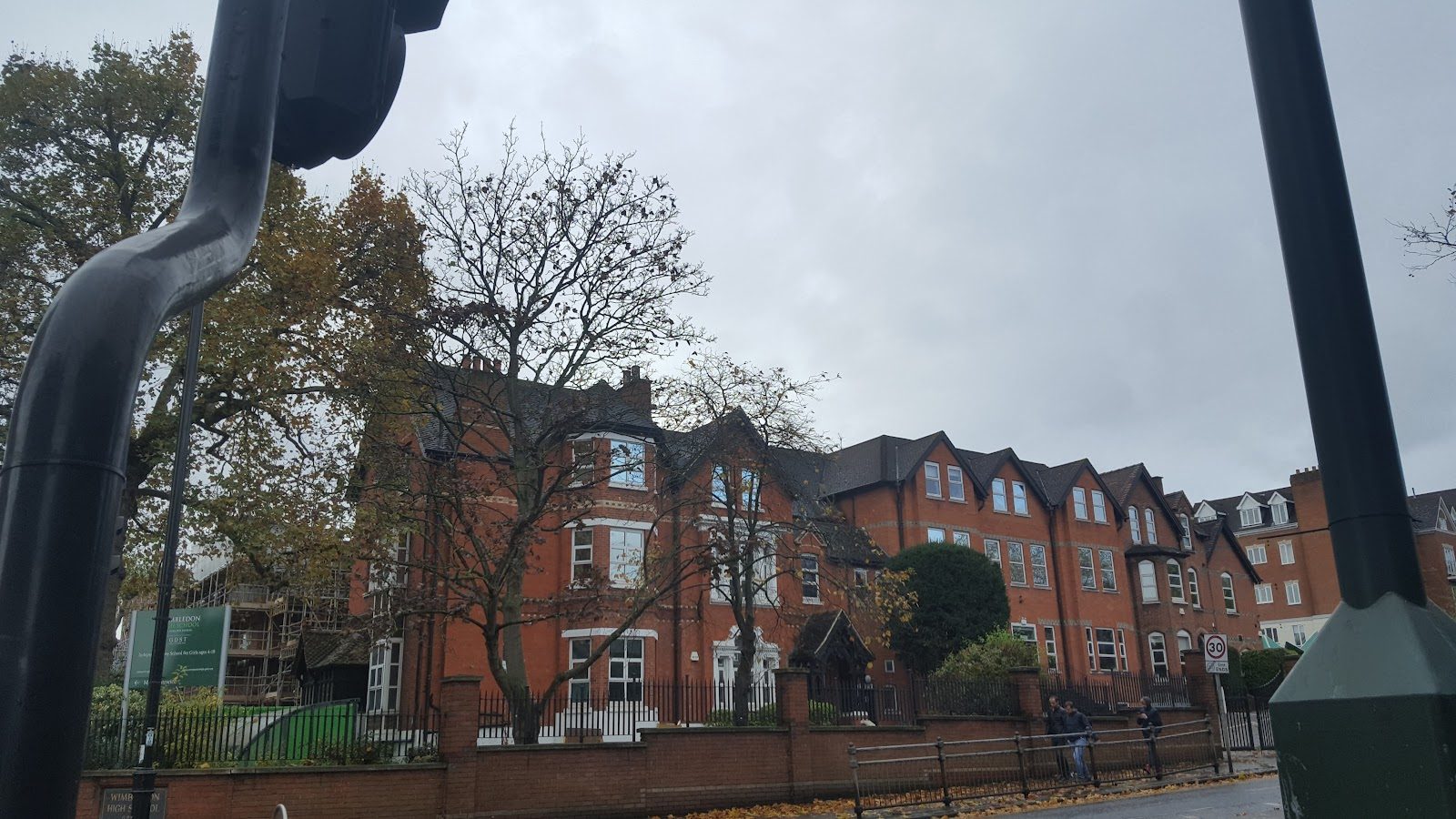
Wimbledon High School
London · United Kingdom
In central SW19, girls debate weekly in Civil Discourse class, embracing a distinctive ethos of 'Playful Scholarship'.

King Edward's School, Birmingham
Birmingham · United Kingdom
A royal charter from 1552 anchors this Edgbaston day school, where a third of new boys receive means-tested fee support.

Alleyn's School
London · United Kingdom
A 1619 theatre fortune built this Dulwich day school, whose junior houses still bear the names of Edward Alleyn's playhouses.
Same country and curriculum — closest matches within ±10 points either way