
Dublin
Nord Anglia International School Dublin
low confidence· 5/6 cats · 1.14 avg sourcesIn Leopardstown, Ireland's only full IB continuum school carries students from age three to eighteen without ever changing campus
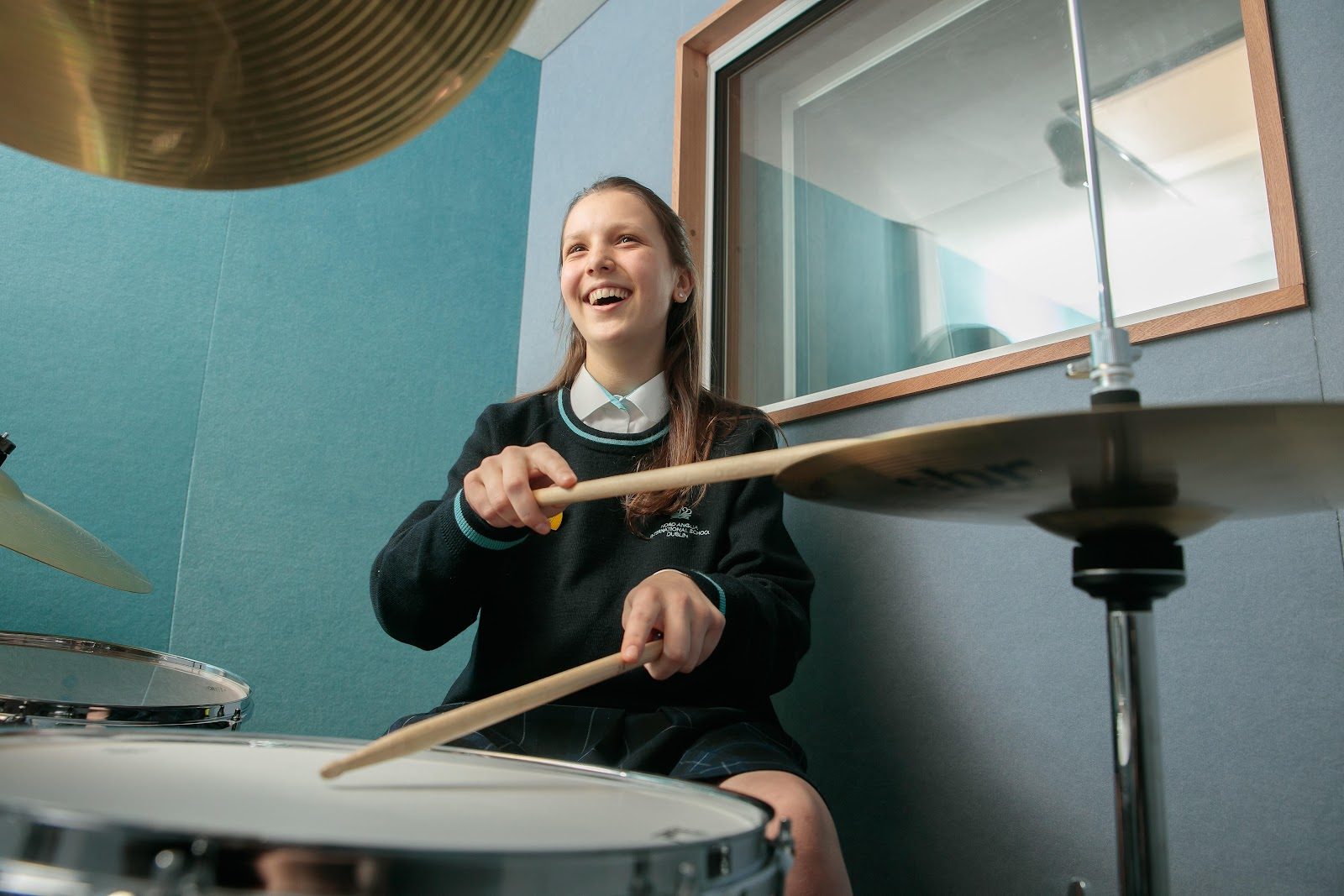
Photo © Nord Anglia International School Dublin via Google Maps
Type
Day
Ages
3–18
Curriculum
British
Qualifications
A-Level · IGCSE
Ratio
—
The Verdict
Editor's commitment
Right for
Families wanting one campus from age 3 to 18 in Leopardstown, with English teaching and a non-religious setting.
Wrong for
Parents chasing long-established Dublin pedigrees or a proven university pipeline beyond 39 leavers and single admits to Durham, King's and Washington.
Watch out for
Founded in 2018, this day school is young; Ireland's only full IB continuum still lacks the depth of track record older rivals publish.
Ranking breakdown
Nord Anglia International School Dublin · #1489 of 1591
Composite score 49.0. 8 weighted criteria.
By criterion
Academic Outcomes
Weight 20%
#1427
of 1529 scored
University Placement
Weight 16%
#1414
of 1529 scored
Prestige & Heritage
Weight 12%
#1471
of 1571 scored
Alumni Network
Weight 12%
#1161
of 1530 scored
Facilities
Weight 12%
#1465
of 1533 scored
Transparency & Communications
Weight 8%
#1472
of 1532 scored
Peer & Industry Review
Weight 10%
#1216
of 1548 scored
Admissions Selectivity & Demand
Weight 8%
#1394
of 1529 scored
Score history
Nord Anglia International School Dublin · 2026
Movement across 2024–2026. Peer average overlaid.
Overall — 2024–2026
49.0/ 100
▲ +11.8 vs 2025
year on year
Peer & Industry Review
How Nord Anglia International School Dublin is regarded in the sector
63
Respected · medium confidence
Nord Anglia International School Dublin is a relatively new addition to the Nord Anglia Education group's global network, and I could not locate at least two independent, third-party sources (e.g., Tatler, Good Schools Guide, Irish inspectorate reports, or specialist education press) that substantively assess its reputation. Available information is largely limited to the school's own marketing and general Nord Anglia group promotional material.
Editors' overview
Nord Anglia International School Dublin occupies a clear niche in the Irish market: it is Ireland’s only full IB continuum school, taking children from age 3 to 18 on one campus in Leopardstown. That matters. Families who want the International Baccalaureate from the earliest years to sixth form do not need to switch schools, recalibrate expectations or absorb a change in culture halfway through a child’s education. Founded in 2018, it is still a young school, so parents do not get the weight of long institutional tradition; they get a newer operation with a cleaner proposition and a more straightforward international identity. The school is non-religious, English-medium and day-only, which places it squarely in the market for globally mobile professional families and Irish-based parents who want an international route without boarding.
What puts it on a shortlist is not mystique but structure. A 3–18 all-through model on one site gives continuity, and continuity has real value for children who benefit from stable routines, stable friendships and a stable academic framework. The school’s attraction rests in that rare continuity, an unmistakably international outlook and the fact that it sits in Dublin rather than in a more established Swiss, Dutch or Belgian hub. For parents relocating into Ireland, that combination is practically compelling. For local families, the offer is more specific: this is not the default choice for those who want a traditional Irish school experience, deep-rooted local heritage or a faith framework. It is a school for families who prioritise international transferability over local tradition.
The pupil who fits best here is academically adaptable, comfortable in a diverse peer group and at ease in a school that has grown quickly since opening. Children who thrive on continuity without upheaval will value staying on the same campus through every phase. So will students with university ambitions outside Ireland, where an international curriculum can serve as a clean cross-border pathway. The published university destinations for the Class of 2024 cover 39 leavers, with named places including Durham, King’s College London and the University of Washington. That is a modest cohort, and parents should read it as early evidence rather than a mature outcomes record. This is a school for internationally minded families who want clarity of model, not centuries of legacy.
Academic Performance
Public exam evidence is still thin. The school publishes a university destination list for a leavers’ cohort of 39, but that is not the same thing as a proper outcomes record. We have not seen aggregate IB Diploma results, average point scores, pass rates, subject highs, or year-on-year trend data in the public domain. That leaves parents without the standard benchmarks used to judge an IB school against direct competitors. In a market where serious international schools put headline diploma results front and centre, that absence is a material weakness. It does not prove weak attainment; it does mean the school has not earned the right to trade on academic results in the way older, more established operators do.
Relative to peers, the school sits in an early-proof category rather than a results-secure one. The named destinations include respected universities, but the list is short and too thinly evidenced to support grand claims about selectivity or consistent elite placement. Parents comparing it with long-standing IB schools in Europe will find less published data, less historical depth and less basis for trend analysis. The academic proposition may still work well for mobile families who value continuity and transferability, but on examination performance this is a school that asks for trust before it offers much hard proof.
Facilities
The key facility advantage is structural rather than spectacular: one site carries children from nursery through sixth form, and that continuity matters more than a single showpiece building. For families who dread disruptive school moves, the campus offers a clean all-through set-up with the practical convenience of one daily routine, one parent community and one physical environment. Against peer schools in Ireland, that is a genuine differentiator. Against top-tier international competitors elsewhere in Europe, it is less exceptional. Many established IB schools pair all-through schooling with larger grounds, deeper specialist provision and more visibly distinctive sports or performing arts infrastructure. Here, the facilities case rests on coherence and usability, not flashy excess.
That distinction matters when parents benchmark value. A younger private international school without a century-old estate can still function well, but parents should ask hard questions about scale: dedicated science space, design and technology provision, performance facilities, indoor sports capacity, outdoor play, and how sixth form students are separated from younger children. We have not seen a published facilities inventory detailed enough to settle those points. That leaves the campus in a credible but not fully evidenced bracket. For many families, especially those prioritising continuity and ease of transfer, that will be enough. For parents comparing it with the best-equipped international schools in Brussels, Amsterdam or Switzerland, the absence of hard detail is a weakness.
Against top-tier international competitors elsewhere in Europe, it is less exceptional
Prestige
Prestige here is narrower and newer than at Europe’s long-established international heavyweights. The school benefits from the Nord Anglia name, and that matters: parents know the group, understand the international-market logic, and read the brand as a marker of operational competence and mobility-friendly schooling. That gives the school a useful layer of confidence in a relocation market. But brand recognition is not the same as deep institutional standing. This campus does not have the inherited cachet of an old British public school, the diplomatic pull of a capital-city grande école, or the entrenched reputation that comes from decades of published leavers’ outcomes. Its recent destinations list covers only 39 students, which is too small a sample to confer serious academic prestige on its own.
So the prestige rating sits in the credible but not elite bracket. It carries status with families who value an international pathway and a recognisable global operator; it carries less weight with parents who judge prestige through selective admissions history, famous alumni, or a long record of top exam results. In Dublin, its distinctiveness helps: there are few direct local substitutes for a full through-school international model, and scarcity creates market pull. Still, scarcity is not the same thing as esteem. This is a school with clean brand prestige, not old-money prestige, not scholarly prestige, and not the kind of reputation that closes the argument the moment its name is mentioned.
In Dublin, its distinctiveness helps: there are few direct local substitutes for a full through-school international model, and scarcity creates market pull
Communications
Parent communication reads as competent but still under-documented. The school publishes the basics a relocating family needs: who it serves, where it is, and a small set of university destinations for a leavers’ cohort of 39. That gives parents a functional outline of the school’s direction. It does not give them much depth. We have not seen the kind of public-facing detail that helps families judge communication standards properly: clear reporting routines, examples of parent updates, a published calendar with real granularity, leadership letters, or a strong archive of news that shows how regularly the school explains itself. For a young international school, that matters. Parents in this market need predictable, concrete communication, not just a brand-level promise of professionalism.
So the verdict is mixed: serviceable, but not fully persuasive. The school’s proposition is easy to grasp, and that simplicity helps; parents do not have to decode a muddled identity. But ease of message is not the same as depth of communication. The public record leaves open practical questions about cadence, transparency and how much texture families get once enrolled. Schools that communicate well make everyday life visible: student work, academic expectations, pastoral processes, event follow-up, leadership decision-making. Here, that visibility is thin. That does not signal poor communication inside the parent body, but it does leave external families with a bluntly incomplete picture of how the school handles one of the most important parts of school-parent trust.
Uniqueness
What makes this school distinct is not glamour or history but continuity with intent. In Ireland, families who want one international school to carry a child from the first nursery years to university entry without a mid-course institutional reset have very few options; this school occupies that lane with unusual clarity. That gives students a stable social arc and a clean academic runway. They do not have to decode a new culture at the point when academic demands intensify, and parents do not have to manage a second admissions round just as adolescence starts to bite. For children who dislike disruption, or for internationally mobile families who prize predictability, that matters more than any marketing flourish.
The other point of difference is the combination of one-campus progression and a student body geared to cross-border futures rather than a traditional Irish school identity. That shapes the day-to-day experience. Pupils grow up in a setting where international movement is normal, peer groups change, and university planning points outward as much as inward. There is value in that portable mindset. It can produce students who are adaptable, comfortable with transition, and less parochial in their assumptions. The trade-off is clear too: families looking for deep local rootedness, inherited rituals or the social texture of an old Irish school will not find it here. This school’s uniqueness lies in being deliberately international from start to finish, for children aged 3–18 on one site.
This school’s uniqueness lies in being deliberately international from start to finish, for children aged 3–18 on one site
Student Profile
The best fit is a child who is comfortable in an unmistakably international peer group and does not need the social codes of a traditional Irish school to feel secure. This is a school for families who move between countries, expect classmates to come and go, and treat education as a portable asset rather than a local inheritance. Students who settle well here tend to be socially adaptable, open to difference, and calm about change inside a stable school structure. Children who need heavy ritual, deep-rooted local identity or a strong house-style sense of history will find the culture thinner on inherited texture. The age range, from 3–18, also matters: pupils who value continuity, older-younger familiarity and a single institutional rhythm will get more from this environment than children who crave a sharp reset between phases.
Academically, the natural fit is a student with solid self-management and a degree of independence, not a child who needs constant hand-holding. The published leavers’ cohort of 39 points to a school that still operates on a more intimate scale at the top end, which can suit students who prefer being known over being lost in a large sixth form crowd. It also suits parents who want clear international intent without the old-school social theatre that surrounds more traditional names. Less suitable: families chasing high-octane prestige, a heavy local identity, or a proven culture of exam swagger.
Nord Anglia International School Dublin occupies a clear niche in the Irish market: it is Ireland’s only full IB continuum school, taking children from age 3 to 18 on one campus in Leopardstown
Co-curricular strengths
Arts & sport, on a separate axis
Overall 8.76/10
Scored 0-10 from the school's own published evidence. This axis is editorial-only — it does not feed the main WTS ranking.
Sports
8.5/10
Football, Basketball, and Swimming as extracurriculars.
Drama
9/10
Drama club is explicitly named in the extracurricular list.
Dance
8.8/10
Music
9/10
School choir is explicitly listed as an extracurricular, but there is no additional evidence of ensembles, specialist staff, or music facilities.
Visual Arts
8.5/10
Art club is explicitly named in the extracurricular list, with no further detail about curriculum breadth, exhibitions, studios, or specialist provision.
Editor first-pass · editor-reviewable · 7/27/2026
Outcomes & destinations
Where students go next
Class of 2024
39 graduates
Top destinations
9 placements
- University of Washington· 1
- Durham University· 1
- King's College London· 1
- University College Dublin· 1
- Erasmus University Rotterdam· 1
- Ecole Polytechnique de Paris· 1
- University of Edinburgh· 1
- Savannah College of Art and Design· 1
- Berklee College of Music· 1
Reported by the school. Confirm with admissions.
Strengths
- +Founded 2018; newer school may feel more contemporary.
- +Leopardstown location suits south Dublin commuting families.
- +Day school only; no boarding disruption.
- +English instruction suits anglophone international families.
Considerations
- −Founded 2018; limited institutional track record.
- −Day school only; unsuitable for boarding families.
- −British curriculum only, per school declaration.
Availability
Primary entry gate & tests
Academic Record
Gallery
Photo © Nord Anglia International School Dublin via Google Maps
Photo © Nord Anglia International School Dublin via Google Maps
Photo © Nord Anglia International School Dublin via Google Maps
Photo © Nord Anglia International School Dublin via Google Maps
Photo © Nord Anglia International School Dublin via Google Maps
Parent reviews
Have you sent your child here?
Voice reviews carry the strongest trust badge — we transcribe them for you to tidy up before they go live. Prefer to type? A written review is fine too.
Add your voice
In 60 seconds, tell other parents: what's the best thing about Nord Anglia International School Dublin, and what surprised you when your child joined?
We ask for a Google sign-in so every review has a real face behind it — no anonymous drive-by attacks on schools, and no faked positive reviews. Your email is never shown publicly.
Send this profile to a friend
International parents rely on word-of-mouth. Share this review with someone weighing the same decision.
Schools with places
Similar schools to Nord Anglia International School Dublin with places available now.
St. Andrew's College Dublin
Dublin · Ireland
- 2026-27
- WAITPOOLVacancy-dependent
- 2027-28
- PLACES OPEN
St. Kilian's Deutsche Schule Dublin
Dublin · Ireland
- 2026-27
- WAITPOOLVacancy-dependent
- 2027-28
- OPENS SOONExpected Oct '26
Availability first, then country, area, curriculum, price, co-curricular
Consider also
Also worth looking at alongside Nord Anglia International School Dublin.
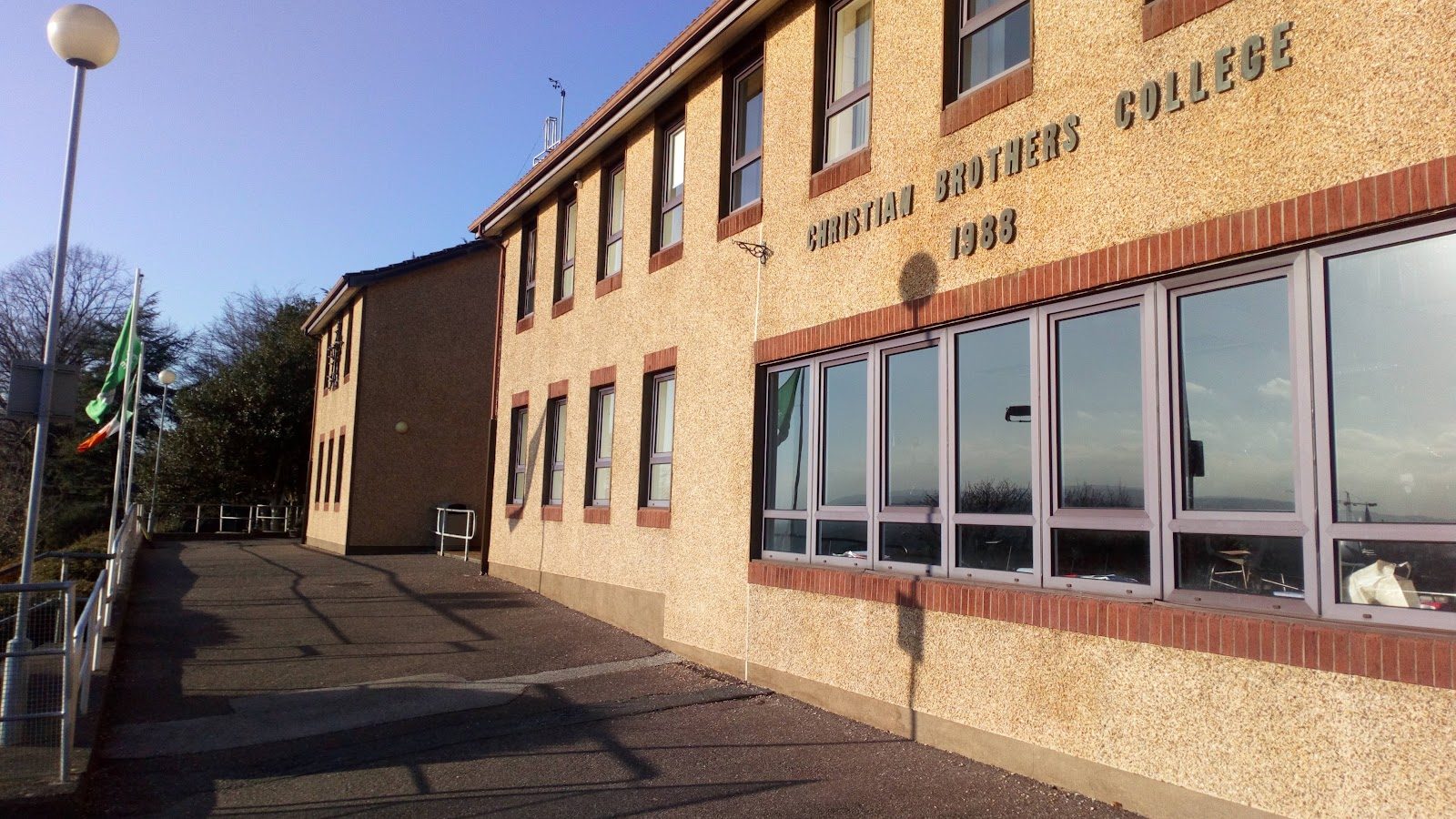
Christian Brothers College Cork
Cork · Ireland
A Cork day school since 1888 where the Munster Senior Cup rivalry with PBC has shaped generations on the rugby field.
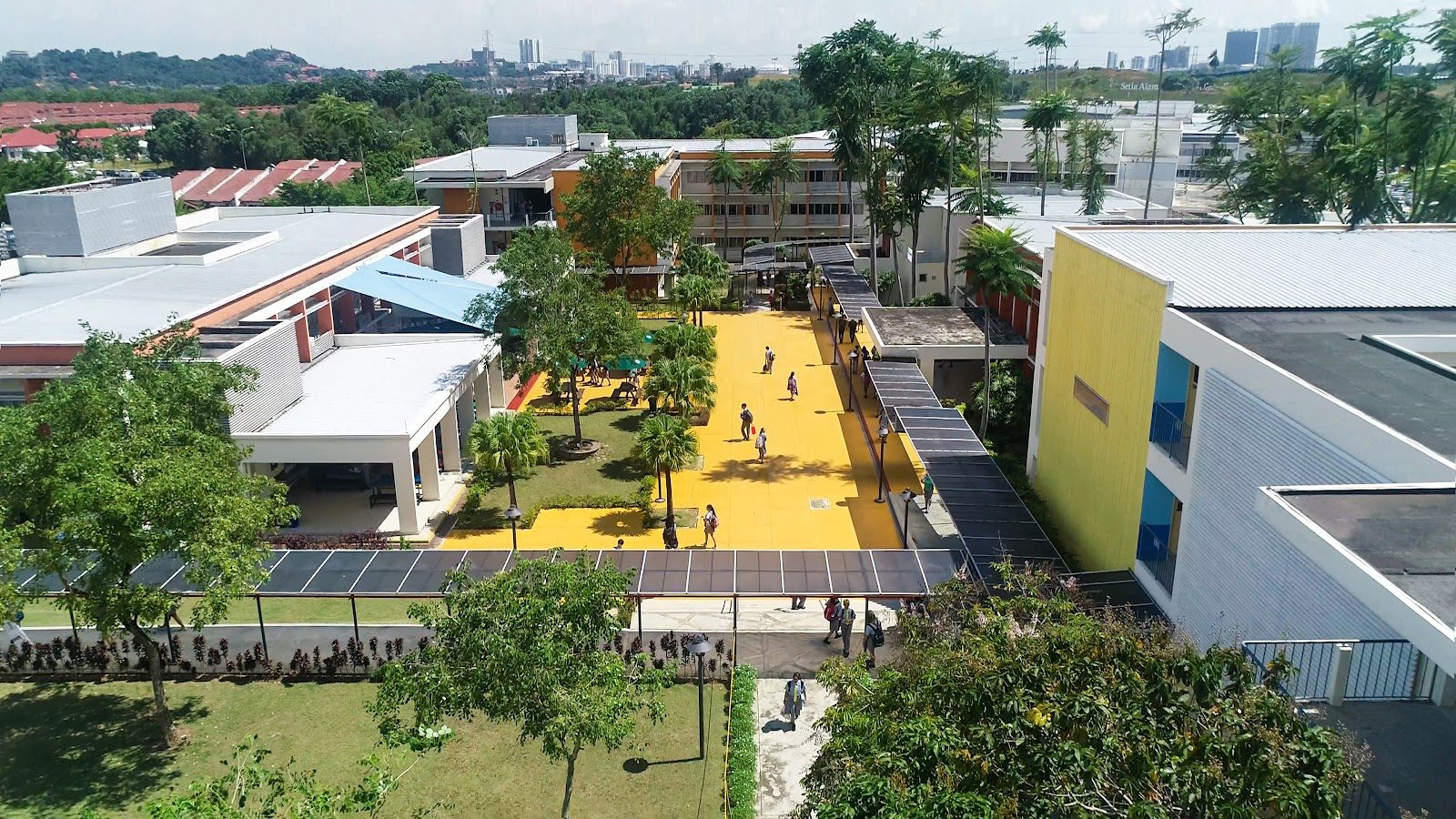
Tenby International School Setia Eco Park
Shah Alam · Malaysia
On a 20-acre Setia Eco Park campus, dual British and Malaysian pathways share one site from Early Years through A Level
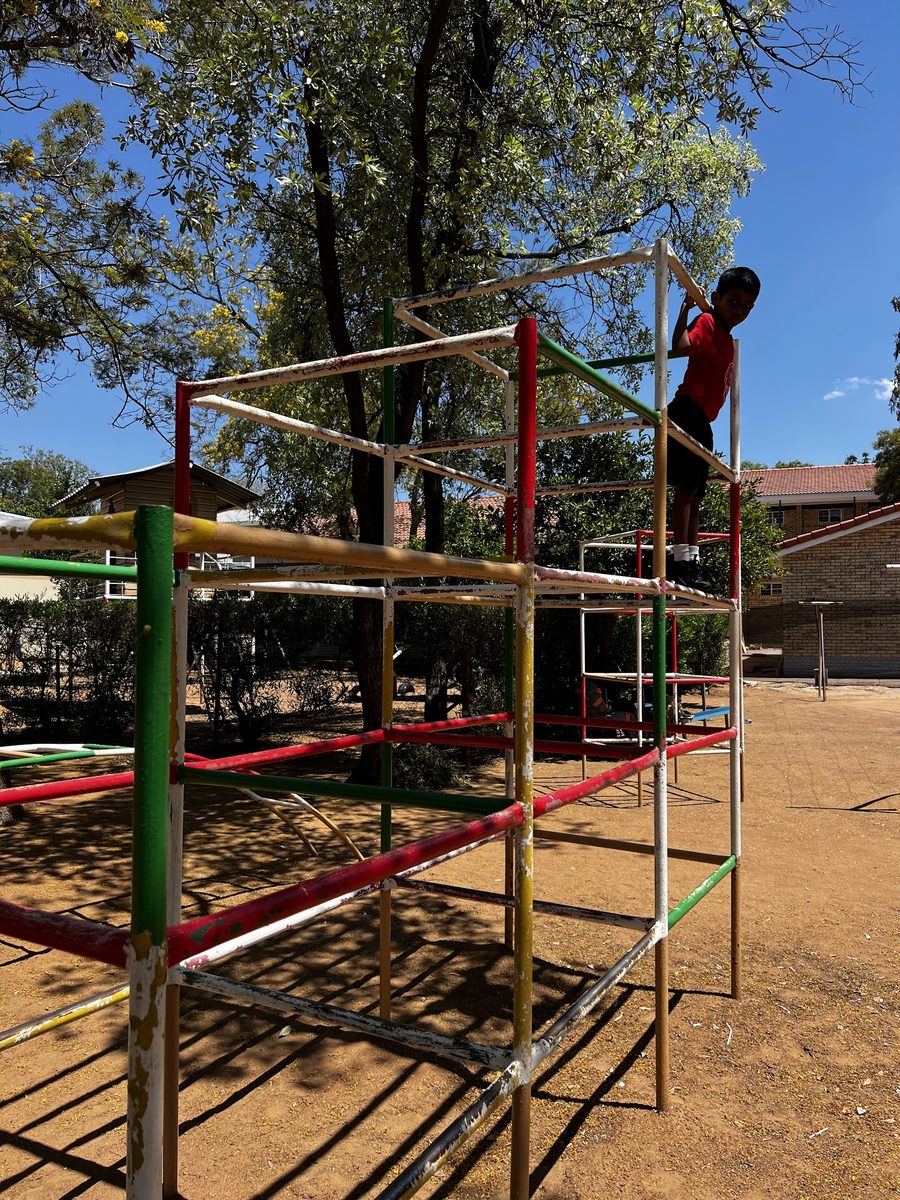
Rainbow School
Gaborone · Botswana
Grown from one classroom in 1997 to near 1,200 pupils, this Gaborone day school channels Cambridge IGCSE talent into STEM and business.
British College of Brazil
São Paulo · Brazil
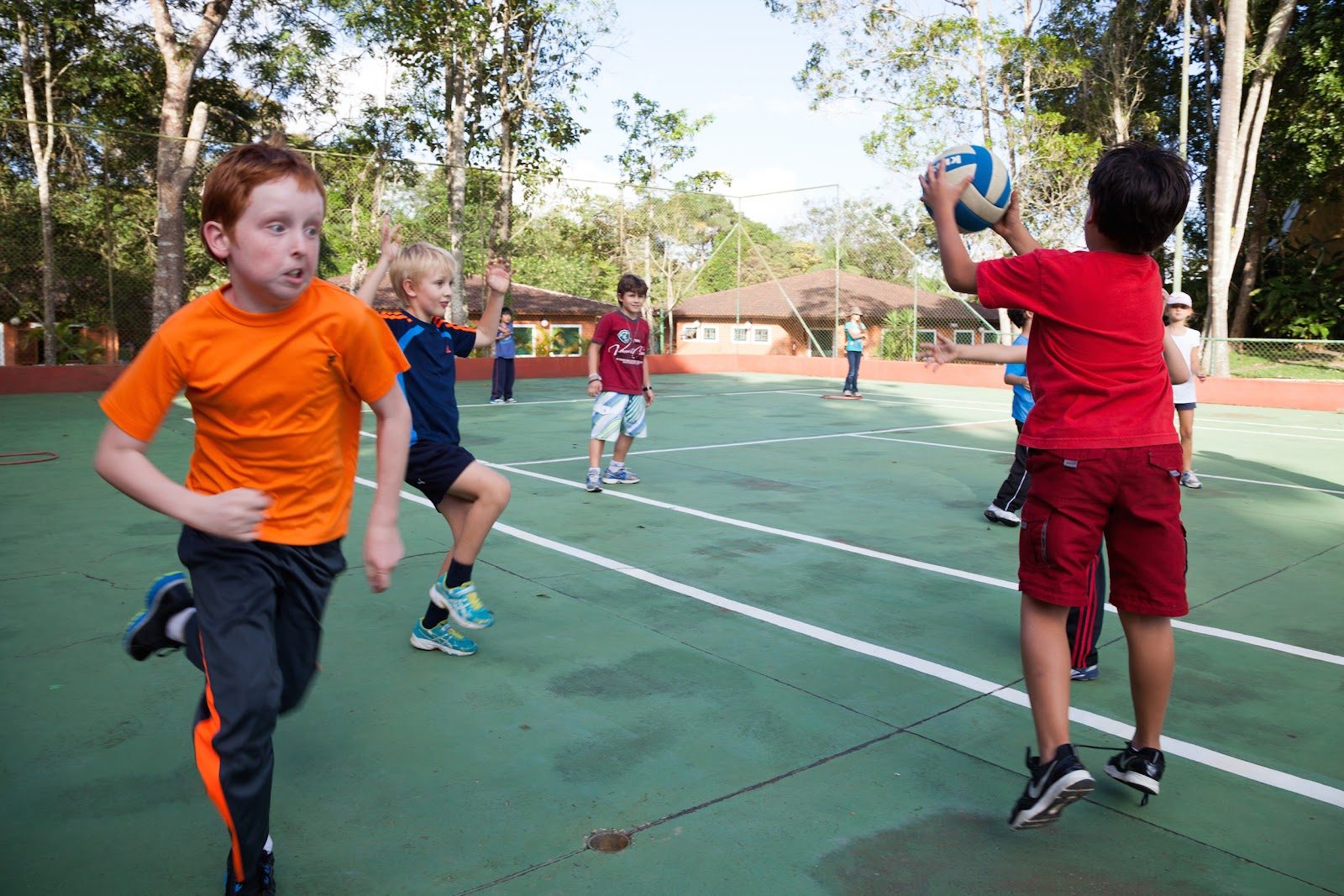
Sao Paulo's twin campuses pair Cambridge IGCSEs with Juilliard-linked arts and a rare secondary sailing programme.
Same country and curriculum — closest matches within ±10 points either way