
Haryana
Delhi NCR’s sought-after secular day school across four campuses
Type
Day
Ages
4–18
Curriculum
Indian National
Qualifications
ICSE · IB Diploma
Ratio
1:10
The Verdict
Editor's commitment
Right for
Families who value a secular day school founded in 1988, teaching in English with a 1:10 ratio and a fiercely competitive admit gate.
Wrong for
Parents seeking boarding, a softer admissions culture, or anything other than an Indian National curriculum across ages 4–18.
Watch out for
This Gurgaon and New Delhi school trades on scarcity and reputation; four campuses can dilute continuity unless your child handles transitions well.
Ranking breakdown
The Shri Ram School · #116 of 1591
Composite score 77.8. 8 weighted criteria.
By criterion
Academic Outcomes
Weight 20%
#91
of 1529 scored
University Placement
Weight 16%
#59
of 1529 scored
Prestige & Heritage
Weight 12%
#148
of 1571 scored
Alumni Network
Weight 12%
#158
of 1530 scored
Facilities
Weight 12%
#584
of 1533 scored
Transparency & Communications
Weight 8%
#204
of 1532 scored
Peer & Industry Review
Weight 10%
#147
of 1548 scored
Admissions Selectivity & Demand
Weight 8%
#153
of 1529 scored
Peer & Industry Review
How The Shri Ram School is regarded in the sector
79
Strong · medium confidence
Among Delhi-NCR's elite day schools - Vasant Valley, Sanskriti, Pathways, the British School - TSRS is consistently named in the same breath, and often cited by rival heads as the benchmark for progressive pedagogy in India, a status reflected in its regular top placements in Education World's India School Rankings for Delhi/NCR. University-facing outcomes are solid rather than headline-grabbing: graduates route through IB and IGCSE pathways to UK, US and Indian universities, without the widely publicised Oxbridge/Ivy pipelines associated with India's boarding schools like Doon or Mayo College. Independent commentary, largely in Indian outlets (Hindustan Times, NDTV education coverage) rather than UK-centric platforms like Good Schools Guide or WhichSchoolAdvisor, which cover it thinly given its non-boarding, India-only footprint. Admissions scrutiny in the national press over entry-level selection has occasionally dented its standing, though this has not diminished parental demand or its perceived status as a pedagogical trendsetter among Indian private schools.
Editors' overview
The Shri Ram School occupies a rare place in Delhi NCR’s market: an Indian National curriculum school with real cachet, a long waiting list and admissions pressure that filters the intake hard. Founded in 1988, it has had decades to build that reputation, and it has done so without boarding, gimmick pathways or imported branding. The core proposition is clear: a secular, co-educational day school, teaching in English, with a declared emphasis on values, self-discipline, independence and community responsibility. The published student-teacher ratio of 1:10 matters. That is one of the cleaner indicators that pupils will be known, pushed and monitored, not left to drift in a large urban machine.
What sets TSRS apart is the combination of prestige and ethos. Plenty of Indian private schools talk about holistic education; Shri Ram has made that language central for years, and the school’s own philosophy is more specific than most. It leans hard into child-centred practice, inclusion, co-curricular breadth and independent thinking, while anchoring its value system in integrity, sensitivity, excellence and heritage. That gives it a distinctive tone: serious without grimness, polished without overt social flash, ambitious without the scorched-earth edge that marks parts of the Delhi premium sector. Parents who want a school that delivers status but still talks convincingly about humility, self-discipline and social responsibility will understand the appeal immediately.
This belongs on a shortlist because it offers something many high-performing families want and few schools execute well: social confidence, academic expectation and a humane culture in the same institution. The trade-off is straightforward. Demand is intense, the brand is powerful, and entry is difficult. Families need to want the school’s culture, not just its name. TSRS suits children who thrive in a busy, high-attaining peer group but do not want a narrow exam factory; children who will use the co-curricular programme properly; children who respond to close adult attention and are ready to contribute, not just collect credentials. For the right pupil, it offers formidable social capital and a deeply rooted school identity in one package.
Academic Performance
TSRS trades on academic prestige, but the school does not publish the hard outcome data that would let parents test that reputation properly. We have not seen aggregate board results, subject distributions, university destination lists or cohort-level trends placed in the public domain. That matters. In a market where top schools use external exam performance to prove academic quality, this absence leaves parents relying on brand strength, selectivity and word of mouth rather than audited numbers. For a school with this level of demand, that is a real gap in public accountability.
Relative to peers, TSRS still sits in the upper tier of parent perception in Delhi NCR: hard to access, socially powerful and treated by many families as a first-choice day school. That status did not emerge by accident. Schools do not sustain this level of admissions pressure without strong classroom practice and consistent pupil outcomes. But prestige is not the same thing as disclosure. Parents comparing TSRS with academically transparent rivals need to accept a more opaque bargain here: a school with formidable cachet and a serious academic reputation, but without the published exam evidence that would allow precise benchmarking against the strongest schools in its bracket.
Facilities
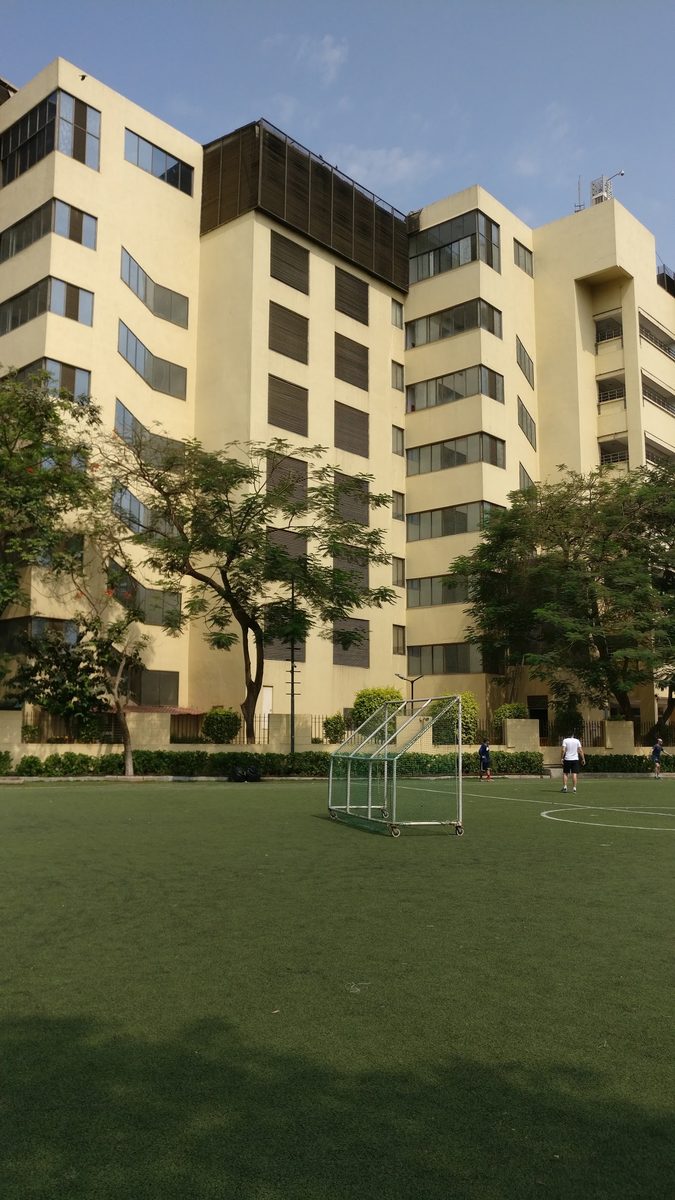
Facilities are spread across a multi-campus operation rather than concentrated in one grand flagship, and that matters for parents. The strongest publicly signalled asset is not a theatre, pool or design centre; it is the school’s commitment to a calendar that gives academic and co-curricular activity equal billing. That points to the sort of campus planning premium Delhi schools need: dedicated spaces for sport, performance, assemblies and clubs, not just classrooms crammed for exam delivery. The school also foregrounds safety, support and inclusion, which places pastoral and everyday pupil infrastructure at the centre of the offer. With a published staffing ratio of 1:10, TSRS has the adult capacity to make those spaces function as working school environments rather than showpiece real estate.
Against peer schools, that puts Shri Ram in an interesting bracket. Some rivals in the NCR premium tier trade heavily on spectacle facilities — giant sports complexes, glossy auditoria, maker spaces and university-style campuses. TSRS does not publish enough detail to compete on that terrain in the public domain, and parents should register that gap. If you want a school that leads with hard facility inventory, this is not the cleanest case. If you want a school where the physical estate supports a serious all-round education and close daily supervision across 4 campuses, the proposition holds up. The impression is functional prestige rather than architectural theatre: strong enough for a high-pressure urban day school, less persuasive for families who want lavish hardware spelled out line by line.
Facilities are spread across a multi-campus operation rather than concentrated in one grand flagship, and that matters for parents
Prestige
A Shri Ram education carries serious social and educational capital in Delhi NCR. The school sits in the narrow band of names that affluent, highly informed families chase early and talk about for years. That prestige rests on scarcity, not advertising. Entry pressure is intense, and the school benefits from the self-reinforcing logic of selective demand: ambitious parents want in because other ambitious parents want in. In practice, that gives pupils access to a high-status peer group, a parent body with reach, and the kind of network that continues to matter long after school. The scale of the operation also helps. With 4 campuses across the region, TSRS has breadth and visibility without diluting the brand into something generic.
We rate its prestige highly because the school has achieved something harder than simple popularity: it has built a name that signals both attainment and tone. In Delhi’s premium sector, many schools project status; fewer pair that with a stable moral vocabulary built around integrity, sensitivity, excellence and heritage. That matters to families who want social polish without an overtly harsh or transactional culture. The result is old-fashioned desirability in the best sense: a school whose name opens doors, whose intake is filtered by demand, and whose standing survives even without the public exam disclosure that stronger data-publishing schools provide. That last point is the check on an otherwise top-tier prestige rating. The name is powerful. The public proof remains thinner than it should be.
That last point is the check on an otherwise top-tier prestige rating
Communications
TSRS communicates in the manner of an established, oversubscribed school: formal, values-led and admissions-conscious. The public-facing website covers the essentials cleanly — mission, philosophy, values, campus structure and live admissions notices — and it does so without the gaudy sales language that weaker schools use to compensate for thinner substance. That restraint helps. Parents can see what the school stands for and who it wants to educate. The admissions messaging is also direct. Open calls for nursery and programme applications sit prominently on the site, which tells families at once that parent communication is not an afterthought but a core operational function in a school with a high-pressure intake process. The weakness sits elsewhere: the school publishes too little of the hard operational and outcome detail that demanding parents now expect, including aggregate academic results and fuller campus-level information.
That leaves the overall picture mixed but clear. Communication on ethos is disciplined and consistent; communication on proof points is too guarded. For current parents, that balance can work if the day-to-day relationship with staff is responsive and personal — and the low staffing ratio points in that direction. For prospective parents doing serious comparisons, it is less satisfactory. A school with 4 campuses and this level of market power needs to communicate with more precision than a polished statement of values. TSRS tells families what it believes. It is less strong at telling them, in hard, verifiable terms, how each part of the school performs. That is an important editorial reservation.
Uniqueness
What makes Shri Ram distinctive is not a flashy educational gimmick but a rare social mix of softness and steel. The school talks openly about humility, sensitivity, heritage and social responsibility at the same time as it operates behind one of the hardest admit gates in the market. That combination is unusual. Many elite schools produce polish; fewer bind prestige to a moral vocabulary that families can name in plain terms. TSRS also puts child-centred education and inclusion at the centre of its self-definition, which gives the brand a different texture from the city’s more aggressive, rank-driven operators. With 4 campuses, it has regional scale, but the identity holds together around a clear set of values rather than dissolving into a loose network.
For students, that brings a specific kind of formation. They get access to a high-calibre peer group and the confidence that flows from belonging to one of the capital’s most coveted school communities, but within an environment that insists on self-discipline and conduct, not just attainment. The stated partnership with parents and community also matters: TSRS is trying to produce socially competent, independent young adults, not exam machines. In practice, that means children absorb more than academic pressure. They learn how to carry status without vulgarity, ambition without hysteria, and cultural rootedness without insularity. That is Shri Ram’s real differentiator — a school identity strong enough to shape behaviour, not just CVs.
What makes Shri Ram distinctive is not a flashy educational gimmick but a rare social mix of softness and steel
Student Profile
The pupils who fit best here are bright, socially fluent and comfortable in a school culture that expects more than raw marks. This is not the right environment for a child who wants anonymity, loose routines or a purely transactional path through school. TSRS suits children who can handle expectation without constant hand-holding: pupils who will join in, take correction, manage themselves and work within a community that places real weight on conduct. The school’s stated values are not decorative. Families choosing TSRS need to want integrity, sensitivity and self-discipline enforced in daily life, not just printed on a crest. In a setting with a published 1:10 staffing ratio and a fiercely competitive admissions gate, the social bar sits high as well as the academic one.
The strongest fit is a child with range: intellectually capable, active beyond the classroom and at ease among high-attaining peers. Confident children will do well here, but swagger will wear thin if it is not matched by judgement and courtesy. Equally, quieter pupils can thrive if they have inner ballast and are ready to participate rather than hang back. Parents matter too. This school works best for families who value close school-home alignment, accept institutional authority and want a high-status day school without the exam-factory mentality. Children who need a very relaxed culture, heavy remedial scaffolding or low-pressure progression will find the pace and peer field unforgiving.
The Shri Ram School occupies a rare place in Delhi NCR’s market: an Indian National curriculum school with real cachet, a long waiting list and admissions pressure that filters the intake hard
Co-curricular strengths
Arts & sport, on a separate axis
Overall 8.4/10
Scored 0-10 from the school's own published evidence. This axis is editorial-only — it does not feed the main WTS ranking.
Sports
8/10
Drama
8.5/10
Dance
8.5/10
Music
8.5/10
Visual Arts
8.5/10
WTS 300 badge
The Shri Ram School is one of the World's Top 300 Schools. Claim your listing to add it to your site →
Strengths
- +Established in 1988, the school has two campuses in the Delhi and NCR region, offering a unique and alternative educational experience to children from nursery to class XII and has since grown to three sites across New Delhi and Gurugram.
- +Curriculum choice spans the CISCE board (ICSE/ISC), Cambridge IGCSE and A-Level and the IB Diploma Programme (since January 2005) at the Moulsari campus, giving families more than one exit-qualification route.
- +It is also recognised for academic excellence and was identified among the top two schools in the country based on academic performance at the ISC Examination and is the number one private school in the locality.
- +TSRS's university counselling programme supports students through UCAS (UK), Common App (USA) and Indian university applications with dedicated counsellors from Grade 10.
Considerations
- −As a pure day school, The Shri Ram School Aravali, Gurgaon does not offer hostel facility. This school does not have any provisions for residential scholars, ruling it out for families wanting boarding.
- −The campuses are not curricular equivalents: the campus offers classes from Pravesh Vatika (Nursery) to Grade 5...Upon completing Grade 5, students transition seamlessly to the Moulsari Campus, meaning a mandated mid-primary school change for Vasant Vihar entrants.
- −TSRS is highly selective and consistently oversubscribed, particularly in early years and the primary section. Students must pass a written assessment and families are advised to apply early.
- −Reported annual tuition fees range from approximately Rs 2,00,000 for Nursery/Early Years to Rs 6,00,000 for Cambridge A-Level (Grades 11-12), a significant rise through the school, with additional one-time charges.
Availability
Primary entry gate & tests
Interaction / Written Test
Parent reviews
Have you sent your child here?
Voice reviews carry the strongest trust badge — we transcribe them for you to tidy up before they go live. Prefer to type? A written review is fine too.
Add your voice
In 60 seconds, tell other parents: what's the best thing about The Shri Ram School, and what surprised you when your child joined?
We ask for a Google sign-in so every review has a real face behind it — no anonymous drive-by attacks on schools, and no faked positive reviews. Your email is never shown publicly.
Send this profile to a friend
International parents rely on word-of-mouth. Share this review with someone weighing the same decision.
Schools with places
Similar schools to The Shri Ram School with places available now.
The Cathedral and John Connon School
Mumbai · India
- 2026-27
- CLOSEDStandard route
- 2027-28
- PLACES OPENActive now (Forms live)
The Doon School
Dehradun · India
- 2026-27
- CLOSEDStandard route
- 2027-28
- PLACES OPENAutumn '26 Exam
Dhirubhai Ambani International School
Mumbai · India
- 2026-27
- WAITPOOLVacancy-dependent
- 2027-28
- WAITPOOLEnquiry/app live (Dates TBC)
Woodstock School
Mussoorie · India
- 2026-27
- CLOSED
- 2027-28
- OPENS SOONOpens 17 Aug '26
Availability first, then country, area, curriculum, price, co-curricular
Consider also
Also worth looking at alongside The Shri Ram School.
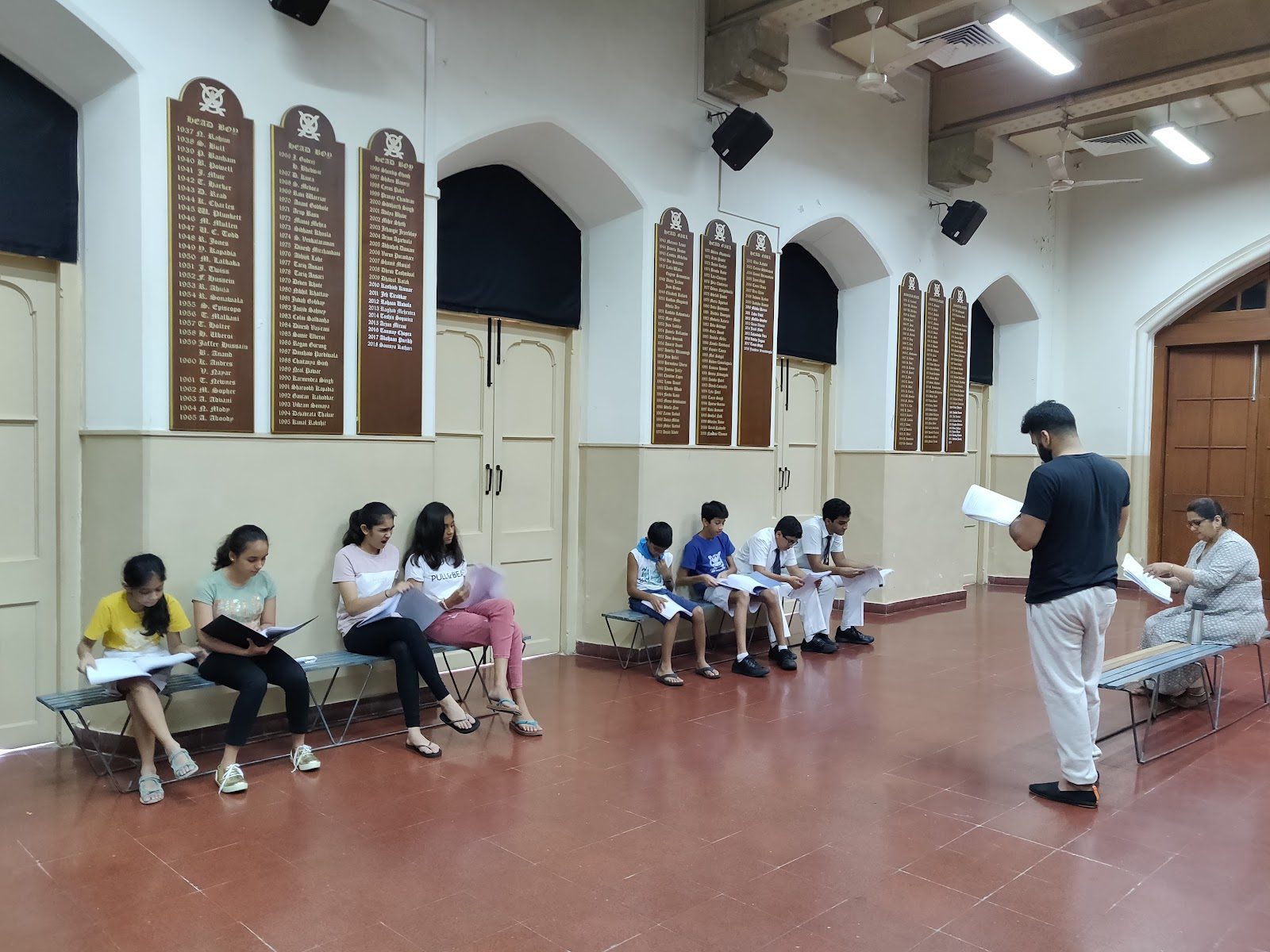
The Cathedral and John Connon School
Mumbai · India
Founded in 1860 to sing for a 300-year-old cathedral, now pairing IB rigor with India's original student-run Model UN in Fort Mumbai.
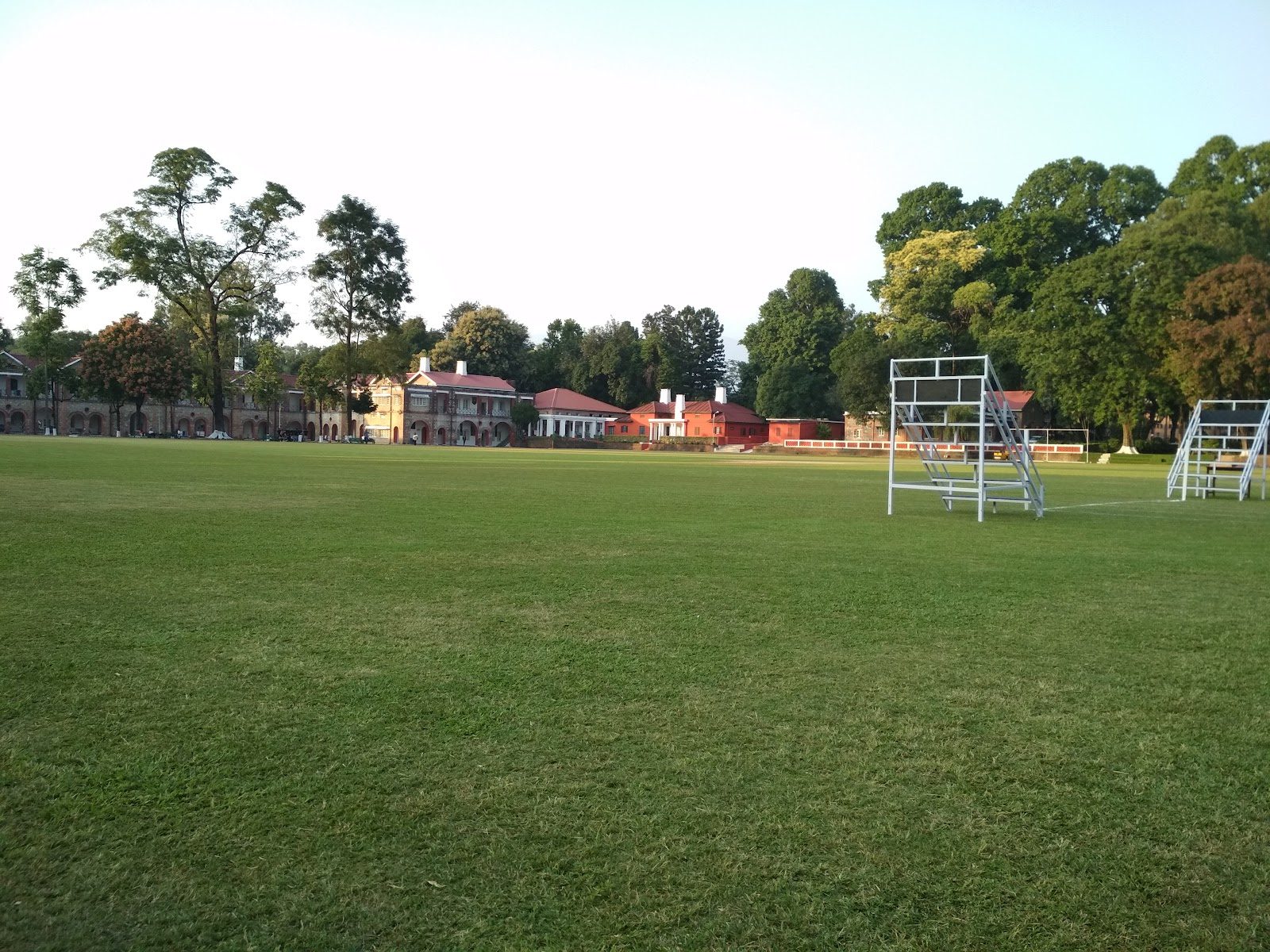
The Doon School
Dehradun · India
At the Himalayan foothills since 1935, this all-boys boarding school helped launch India's post-independence mountaineering movement.
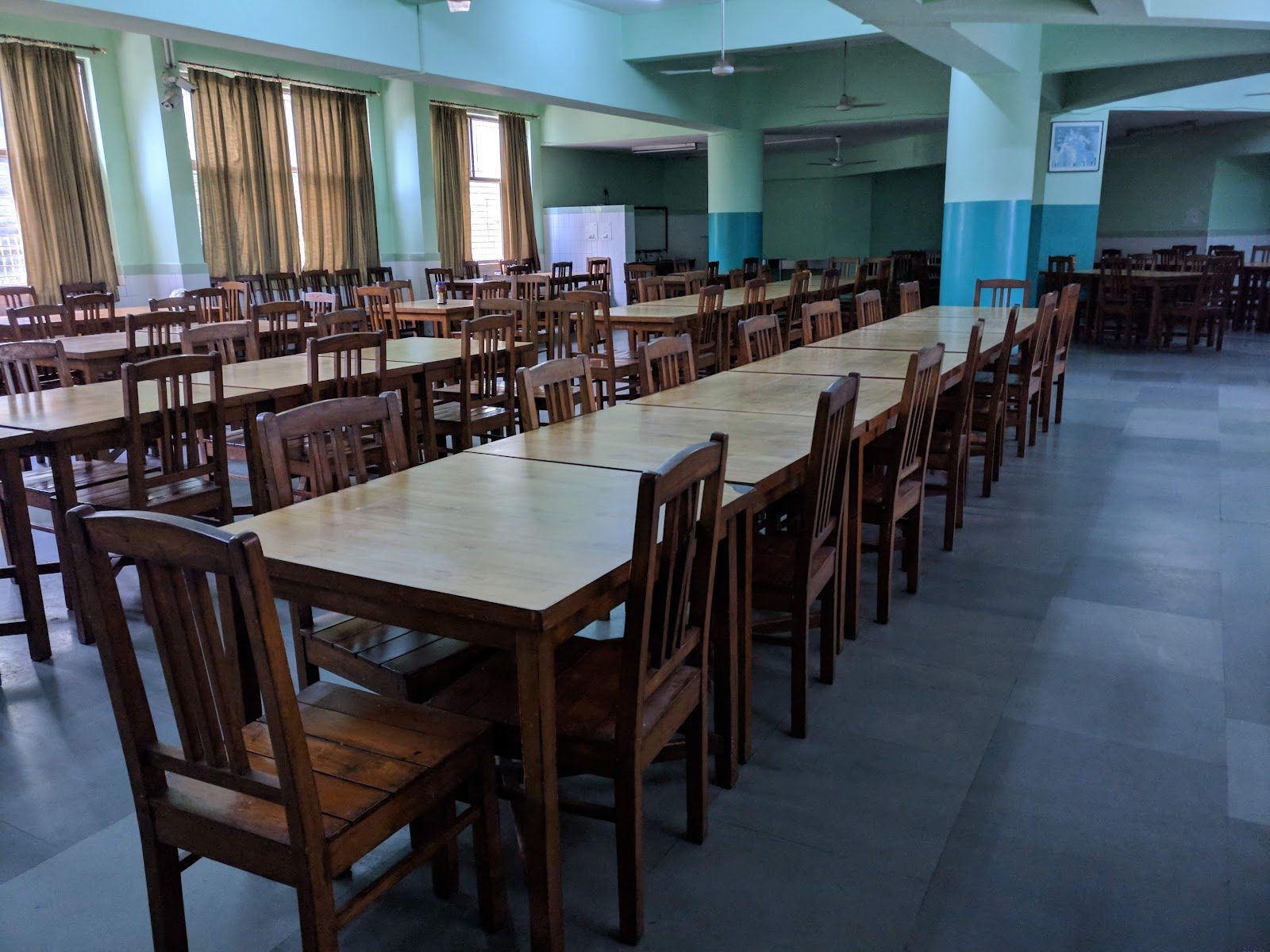
Delhi Public School R.K. Puram
New Delhi · India
Founded in 1972 as the DPS Society's flagship, this South Delhi campus has long been a magnet for CBSE toppers.
Dhirubhai Ambani International School
Mumbai · India
In the heart of Bandra-Kurla Complex, three curricula converge to produce some of India's highest IB Diploma averages.
Same country and curriculum — closest matches within ±10 points either way