
Leinster
King's Hospital
medium confidence· 5/6 cats · 2 avg sourcesChartered by Charles II in 1669, this Liffey-side campus still channels its Blue Coat School past into modern boarding life.

Photo © The King's Hospital School via Google Maps
Type
Boarding
Ages
12–18
Curriculum
Irish National Curriculum · Leaving Certificate
Ratio
—
The Verdict
Editor's commitment
Right for
Boarders aged 12–18 wanting Church of Ireland schooling on an 80-acre Liffey-side campus, with Leaving Certificate routes and 25 heading to Trinity.
Wrong for
Families chasing IB, A-levels or secular schooling; King’s Hospital teaches the Irish National Curriculum, is Church of Ireland, and sends 20 to UCD.
Watch out for
1669 pedigree and a boarding label do not replace published outcomes: beyond Trinity 25, UCD 20 and Cambridge 1, aggregate results stay opaque.
Ranking breakdown
King's Hospital · #540 of 1591
Composite score 68.3. 8 weighted criteria.
By criterion
Academic Outcomes
Weight 20%
#334
of 1529 scored
University Placement
Weight 16%
#398
of 1529 scored
Prestige & Heritage
Weight 12%
#18
of 1571 scored
Alumni Network
Weight 12%
#1360
of 1530 scored
Facilities
Weight 12%
#37
of 1533 scored
Transparency & Communications
Weight 8%
#41
of 1532 scored
Peer & Industry Review
Weight 10%
#164
of 1548 scored
Admissions Selectivity & Demand
Weight 8%
#1232
of 1529 scored
Peer & Industry Review
How King's Hospital is regarded in the sector
65
Respected · medium confidence
King's Hospital (Palmerstown, Dublin) is a long-established Erasmus Smith foundation school regularly included in Irish secondary schools' rankings and feeder-school analyses (e.g. Irish Times/Sunday Times 'feeder school' data on progression to third-level), and it maintains a recognised past-pupils network with periodic mentions in Irish press regarding sport (notably rugby) and academic results. It does not feature prominently in Tatler or Good Schools Guide UK-style coverage (which focus more on Irish leading Catholic/international schools like Alexandra College, St. Columba's, or Blackrock College), suggesting solid regional respect rather than top-tier unanimous acclaim.
Evidence sources
- Ardal O'Hanlon — Actor and Comedian, Entertainment
- Charles Vane-Tempest-Stewart, 7th Marquess of Londonderry — Politician, Public Service
- Ian Elliott — Rugby International, Sport
Editors' overview
King’s Hospital has a claim few Irish schools can match: a foundation charter from 1669, a Church of Ireland identity that still governs the place, and a move from inner-city Dublin to an 80-acre Liffey-side campus that gives boarding real physical scale. This is not a faux-historic school trading on invented tradition. The Blue Coat legacy is built into the institution’s story, governance and symbolism, from the royal charter to the governors’ role as trustees of the founding ethos. For parents, that matters. Schools with this depth of inheritance tend to know what they are. King’s Hospital does. It offers the Irish National Curriculum through the Leaving Certificate in English, with boarding at the centre rather than as an afterthought. The result is a school with old institutional confidence, a strong sense of continuity and a campus large enough to support serious school life beyond lessons.
What puts it on a shortlist is the combination of history, governance and breadth. This is a co-educational secondary school for day pupils and boarders, but the structure around boarding is unusually explicit: a deputy head pastoral who also serves as head of boarding, house teams, prefects, mentors and a student council with regular meetings. That signals a school that takes the mechanics of adolescent life seriously. The senior team also gives performing arts and sport cabinet-level status, which tells parents something useful about priorities. So do destinations: Trinity College Dublin 25, University College Dublin 20, and Cambridge 1. Those numbers point to a school that feeds Ireland’s leading universities well, without pretending to be a UK conveyor belt. The atmosphere reads as close-knit without being cloistered, grounded rather than glossy, and tradition-led but not antiquarian.
The school’s market position sits in a distinct niche: an Irish boarding school with Anglican roots, a long national history and enough scale to feel substantial, but not a mass institution. Families who want a boarding education in Dublin, not in rural isolation, will find that attractive. Families who value ordered pastoral care, visible leadership and a school community anchored by governors as well as staff will also pay attention. The critique is straightforward. King’s Hospital does not sell itself through published headline academic data, and parents who want a heavily quantified outcomes pitch will not get one. Nor is this a school for families seeking a secular culture scrubbed clean of religious heritage. The Church of Ireland character is integral, even with the school’s stated language of inclusion and diversity.
The pupil who fits King’s Hospital is the student who wants a full school life, not a narrow exam factory: someone happy in a structured community, willing to join in, and comfortable in a school where identity, ceremony and belonging still carry weight. Boarders who benefit from rhythm, expectation and a clearly defined community will do well here. So will day pupils who want access to that same infrastructure. It suits students with academic ambition for Irish universities, an appetite for sport or the arts, and enough resilience to thrive in a school with real institutional memory and *a boarding culture that asks for commitment*.
Academic Performance
King’s Hospital does not publish the kind of headline examination data that lets parents place it cleanly against Ireland’s most academically transparent independents. We have not seen aggregate Leaving Certificate point distributions, subject-by-subject grade profiles, or a breakdown of high scorers. That matters. In a market where the strongest schools use hard results to prove academic muscle, silence leaves a gap. What the school does disclose is destination evidence, and that points to a competent academic operation rather than a results-obsessed hothouse: its biggest university flows go to Ireland’s main selective institutions, with 25 to Trinity College Dublin and 20 to University College Dublin. That is credible output. It is not the same thing as a published top-end score profile.
Relative to peers, King’s Hospital fits in the solid middle of the academically serious Irish boarding sector: strong enough to send pupils to demanding university courses, but not a school that trades on forensic results publicity or a relentlessly exam-driven identity. The presence of a deputy head academic indicates structure; the absence of public results tables limits scrutiny. Parents who want cold academic proof will find this frustrating. Parents who judge schools by where leavers go, and who value a broader school life alongside exam preparation, will find enough reassurance in the destinations record and in the school’s long-established educational machinery.
Facilities
The physical asset that matters most here is the campus itself: an 80-acre riverside site with the space to make boarding feel like a full lived environment rather than a dormitory attached to classrooms. In Irish terms, that is a serious advantage. Many Dublin schools operate on constrained urban footprints; King’s Hospital has room for sport, movement, separation between day and boarding life, and the kind of proper all-day school rhythm that older boarding institutions need. The school also gives sport and performing arts explicit senior leadership attention, which carries weight. Schools do not create director-level posts in those areas unless the facilities and programming justify them. The result is a campus offer that reads as broad-gauge rather than cramped, with enough institutional intent behind it to support more than token extracurricular provision.
There is a catch. The school does not publish the kind of detailed facilities inventory that top independents now use to prove competitive strength: no hard public case on specialist labs, theatre specification, music practice stock, elite sports infrastructure or boarding-house detail. That lack of granularity limits comparison with peers at the sharper end of the market. Against the wider Irish boarding set, the estate itself is a clear strategic strength. Against schools that document every studio, pitch and science space, King’s Hospital is less transparent than it should be. Parents can take confidence from the scale, the riverside setting and the leadership structure around co-curricular life. They still need to ask direct, practical questions on a visit.
Those numbers point to a school that feeds Ireland’s leading universities well, without pretending to be a UK conveyor belt
Prestige
King’s Hospital carries real institutional prestige in Ireland, but it is not prestige in the polished, high-consumption international sense. Its status rests on endurance, governance and social recognition: a royal charter still matters, the governor structure still matters, and the school’s Church of Ireland inheritance still marks it out in a crowded market. This is a school with established national standing, not a brand built for export. The alumni floor helps: 24 notable former pupils catalogued on Wikidata, including 5 politicians or statespersons and 6 elite athletes, gives the school a measurable public footprint. That record places it above the many schools whose claims to influence collapse under inspection.
The prestige is also selective in character. King’s Hospital has old-Dublin credibility and a place in Ireland’s institutional landscape, but it does not project the sheer academic aura or global name-recognition of the country’s most famous fee-charging rivals. Its public profile is strengthened by one obvious modern fact: a former Taoiseach among its past pupils. Its university exits confirm that families aiming at serious Irish higher education are not buying empty heritage. Still, this is substantial rather than glamorous prestige. Parents choosing it are buying into continuity, social weight and a school name that carries recognition in Irish professional and civic circles, not an international status trophy.
It is not the same thing as a published top-end score profile
Communications
King’s Hospital communicates in a way that matches its culture: formal, layered and institution-led. The public-facing picture is clear on who holds responsibility. Parents can identify the principal, the pastoral lead who also runs boarding, the academic deputy, heads of finance and HR, and named leads for admissions, sport and the arts. That matters. Schools with diffuse authority breed confusion; this one publishes a chain of command. Governance is also unusually visible. Parents can see who sits on the governors’ body and the management board, including parent and staff representation, and that gives communication a serious constitutional frame rather than a head’s-letter-only model. Student leadership structures are also set out plainly, down to prefect, mentor and council arrangements, which helps families understand how messages and concerns move through the school.
The weakness is tone and proof. Much of the language leans on mission, ethos and values, with a heavy institutional voice and little of the hard operational detail modern parents want most. We have not seen a strong public demonstration of day-to-day communication habits: no clear parent portal explanation, no published rhythm of reporting, and no crisp account of how boarding updates, welfare concerns or academic tracking are handled in practice. The website covers structure better than process. For some families, that reads as reassuringly orderly. For others, it feels too top-down and *less transparent than strong schools now need to be*. The basics are there, including direct contact routes and named leadership, but the communication offer lacks the sharp practical clarity that reduces parental guesswork.
Uniqueness
What sets King’s Hospital apart is not heritage alone but active constitutional continuity. The old charter is not a museum piece; it still shapes governance through a patron body with defined powers over appointments, finance and ethos. That gives the school a structure few competitors can match: not a generic independent with a historic crest, but an institution where origin story, legal framework and daily life still connect. The Church of Ireland character works in the same way. It is not decorative branding. It remains embedded in the school’s values, in the governor layer, and in the way community is organised. For students, that creates a clear moral architecture: expectations are set, belonging is explicit, and leadership is formalised through prefects, mentors and an elected council with weekly meetings.
The other distinctive feature is the fusion of that old institutional frame with a campus life that is full-scale rather than improvised. Boarding, day pupils, pastoral oversight and co-curricular leadership are tied together with unusual clarity. A deputy head carries pastoral and boarding responsibility in one brief; performing arts and sport sit in named senior posts; student leadership runs through multiple channels rather than a single token committee. That brings practical benefits. Pupils enter a school with strong internal systems, a visible chain of responsibility and more than one route into leadership. The gain is confidence, rhythm and communal habit. The trade-off is obvious: this is a school for students who can live inside a structured, tradition-conscious culture, not for those who want anonymity or a loose institutional grip.
For others, it feels too top-down and less transparent than strong schools now need to be
Student Profile
The pupil who thrives here buys into community before self-display. This school suits teenagers who can live comfortably inside a structured, tradition-conscious institution where adults hold visible authority, peer leadership is formalised and expectations are not left vague. Boarders who need rhythm, routine and a clear pastoral chain will fit well. So will day pupils who want access to a campus life with real breadth rather than a narrow in-and-out academic day. Students with an appetite for sport, performing arts, debating or service will have more room to build an identity here than pupils who only want quiet academic transaction. The Church of Ireland foundation also matters in practice. Families do not need to share that background, but they do need to be at ease with a school whose values language, governance and communal life carry a distinct confessional inheritance.
Socially, this fits the student who is prepared to join in, respect ceremony and handle a school where belonging carries obligations. The public leadership structure runs from senior staff through prefects, mentors and a student council, so pupils who respond well to hierarchy and responsibility will do well. There is a place here for the steady all-rounder as much as the star performer. There is less appeal for the teenager who wants anonymity, resists organised community, or bristles at institutional culture. In that sense, King’s Hospital is warm but not loose, inclusive but not casual, and *not for children who need a low-demand environment*.
The other distinctive feature is the fusion of that old institutional frame with a campus life that is full-scale rather than improvised
Co-curricular strengths
Arts & sport, on a separate axis
Overall 7.86/10
Scored 0-10 from the school's own published evidence. This axis is editorial-only — it does not feed the main WTS ranking.
Sports
8.8/10
Drama
8.2/10
Verified alumnus Tom Murphy won a Tony Award for Best Featured Actor in a Play, and a single star-tier drama laureate anchors this dimension at at least 7.
Dance
5.5/10
Music
8.8/10
Visual Arts
8/10
Editor first-pass · editor-reviewable · 7/28/2026
Outcomes & destinations
Where students go next
130 graduates
Top destinations
61 placements
- Trinity College Dublin· 25
- University College Dublin· 20
- Cambridge· 1
- Oxford· 1
- UCL· 3
- University of Edinburgh· 4
- University of St Andrews· 2
- Imperial College London· 2
- King's College London· 3
Reported by the school. Confirm with admissions.
Notable alumni · Wikidata
24notable alumni
6 historic (born pre-1930) · 9 modern (born post-1970)wikidata:2026-07-28 How we source this
Strengths
- +Established in 1669, King's Hospital is a private Irish boarding school that has been running effectively for almost 300 years, making it one of the country's oldest establishments.
- +The 80-acre campus is close to Dublin City, offering easy access to major motorways, train links, and Dublin Airport, and sits beside the River Liffey.
- +While it is a Church of Ireland school, it has grown more diverse over recent years with about 45 per cent of its students from a Catholic or other belief background.
- +Among its past pupils is Taoiseach Leo Varadkar, while former president Mary McAleese sent her son there.
- +The school states it is the first school in Ireland to receive the IQM Inclusive School Award.
Considerations
- −The admissions selection process prioritises practising Church of Ireland families followed by siblings, which can disadvantage non-affiliated or newly arrived expat families competing for day places.
- −The school teaches only the Irish National Curriculum and Leaving Certificate, with no IB or A-level option, which can complicate continuity for families expecting to move again internationally.
- −Past coverage has referenced bullying allegations and, separately, governors meeting to discuss claims of a dormitory incident involving a hockey stick, indicating pastoral issues have surfaced publicly in the past.
- −University progression in 2025 was mainly to Irish universities with the majority moving onto Trinity College Dublin and University College Dublin, so the school's outcomes track are domestic rather than globally diversified.
Availability
Primary entry gate & tests
Transcripts + Interview
Gallery
Photo © The King's Hospital School via Google Maps
Photo © The King's Hospital School via Google Maps
Photo © Fuzie via Google Maps
Photo © Fidelma Read via Google Maps
Photo © The King's Hospital School via Google Maps
Photo © Carl O Brien via Google Maps
Photo © Carl O Brien via Google Maps
Photo © The King's Hospital School via Google Maps
Photo © The King's Hospital School via Google Maps
Parent reviews
Have you sent your child here?
Voice reviews carry the strongest trust badge — we transcribe them for you to tidy up before they go live. Prefer to type? A written review is fine too.
Add your voice
In 60 seconds, tell other parents: what's the best thing about King's Hospital, and what surprised you when your child joined?
We ask for a Google sign-in so every review has a real face behind it — no anonymous drive-by attacks on schools, and no faked positive reviews. Your email is never shown publicly.
Send this profile to a friend
International parents rely on word-of-mouth. Share this review with someone weighing the same decision.
Schools with places
Similar schools to King's Hospital with places available now.
St. Andrew's College Dublin
Dublin · Ireland
- 2026-27
- WAITPOOLVacancy-dependent
- 2027-28
- PLACES OPEN
St. Kilian's Deutsche Schule Dublin
Dublin · Ireland
- 2026-27
- WAITPOOLVacancy-dependent
- 2027-28
- OPENS SOONExpected Oct '26
Availability first, then country, area, curriculum, price, co-curricular
Consider also
Also worth looking at alongside King's Hospital.
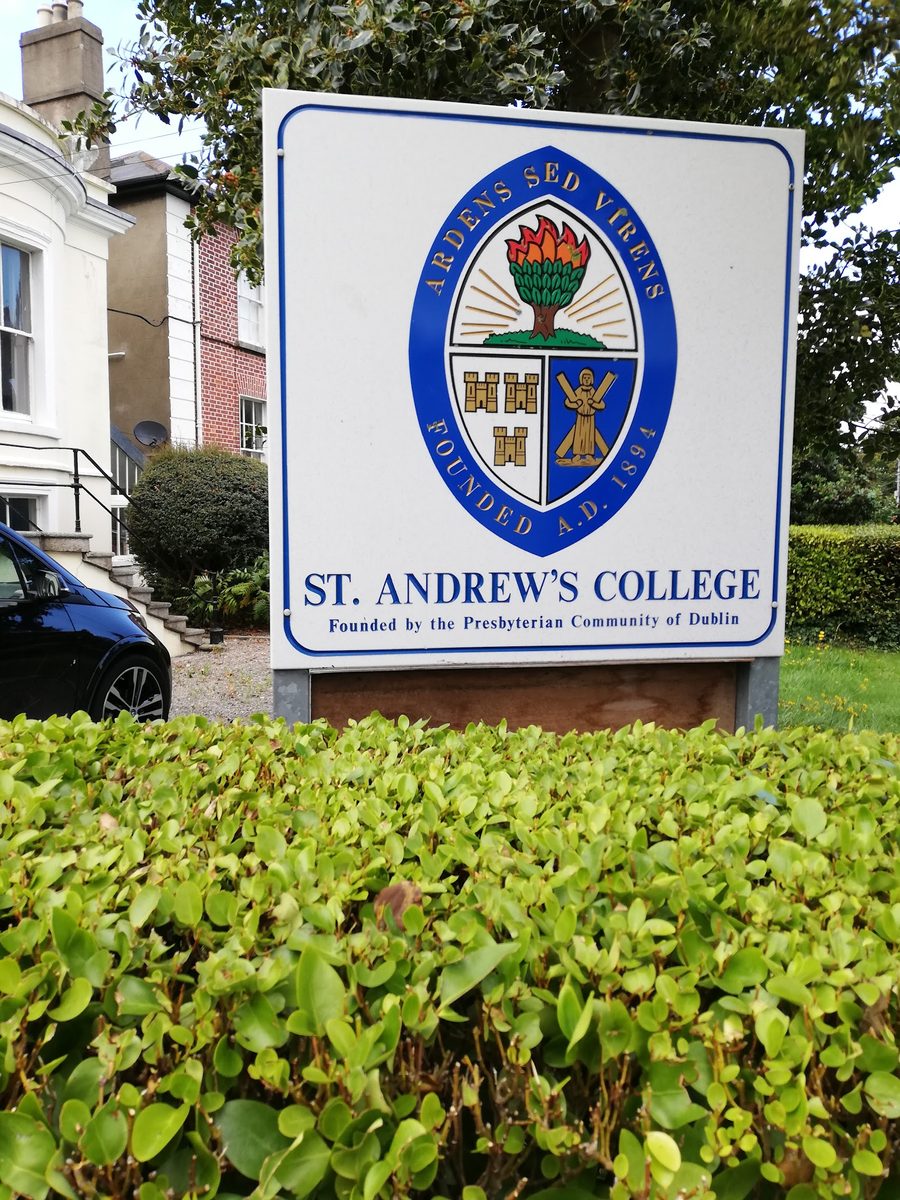
St. Andrew's College Dublin
Dublin · Ireland
First in Ireland to gain IB Diploma authorisation, this interdenominational Booterstown day school still hosts its own Model UN each Easter.
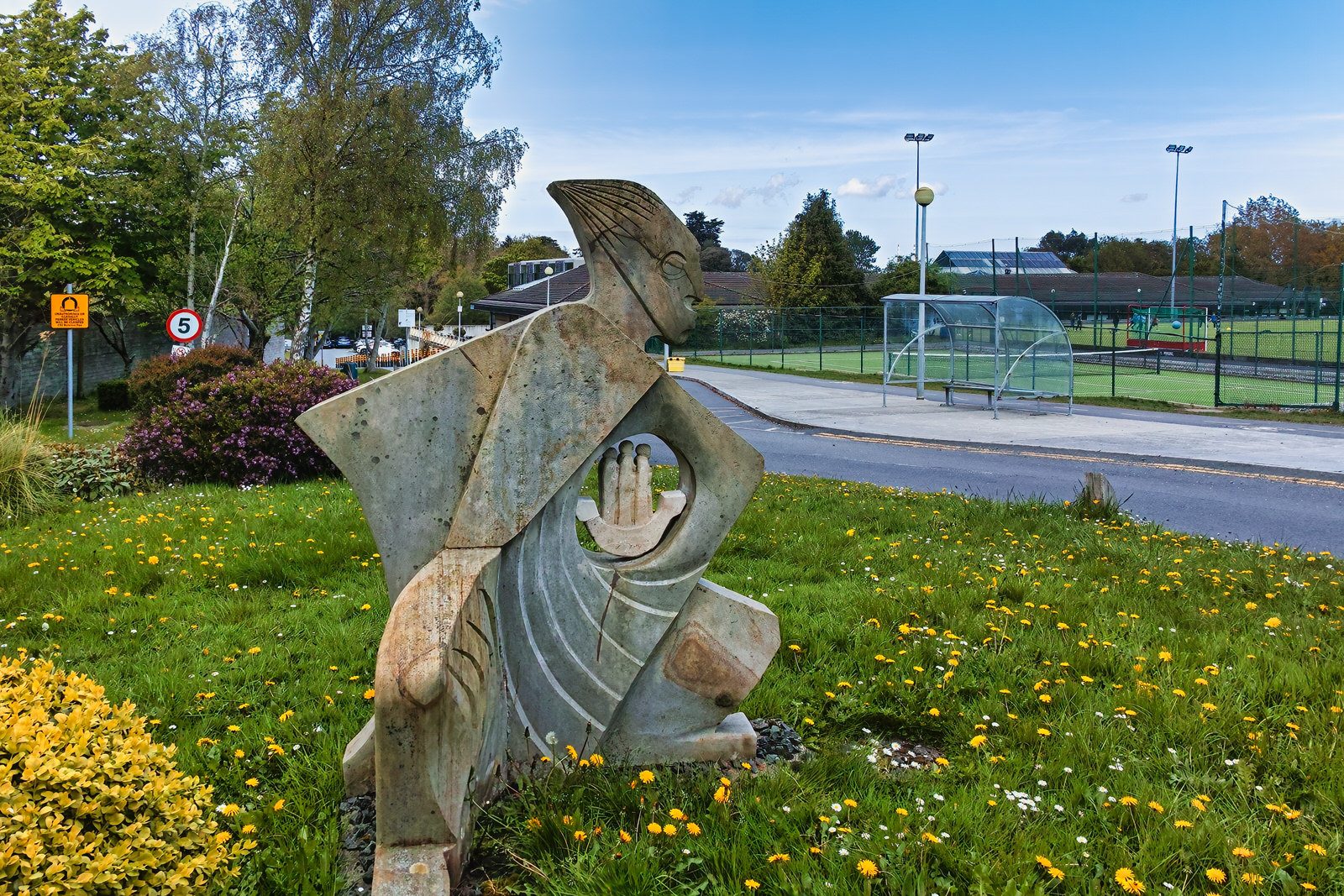
St. Kilian's Deutsche Schule Dublin
Dublin · Ireland
A 1950s refugee-aid charity's legacy now runs a dual-track Abitur and Leaving Cert campus shared with a French lycee in Clonskeagh.

Qatar Academy Doha
Doha · Qatar
Anchored in Education City, this IB continuum school was Qatar's first authorized to run all three Baccalaureate programmes.
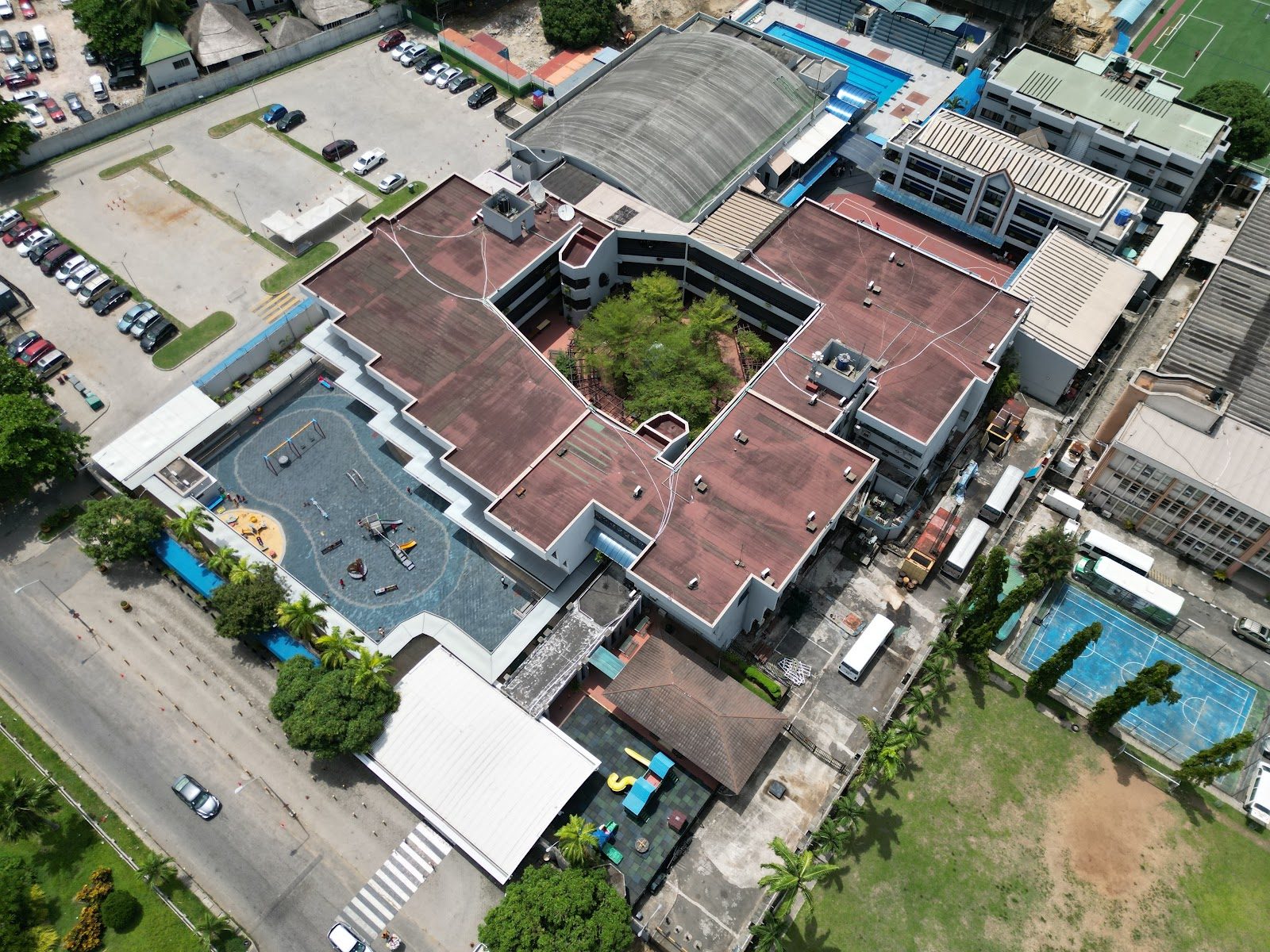
American International School of Lagos
Lagos · Nigeria
On Victoria Island since 1964, where Shell, ExxonMobil and Chevron reserve seats on the board overseeing dual American-IB diplomas.
Same country and curriculum — closest matches within ±10 points either way