
Utrecht
Stedelijk Gymnasium Utrecht
low confidence· 6/6 cats · 0 avg sourcesFounded in 1474 as a Latin school, this Utrecht gymnasium still pairs Greek and Latin with robotics and philosophy.
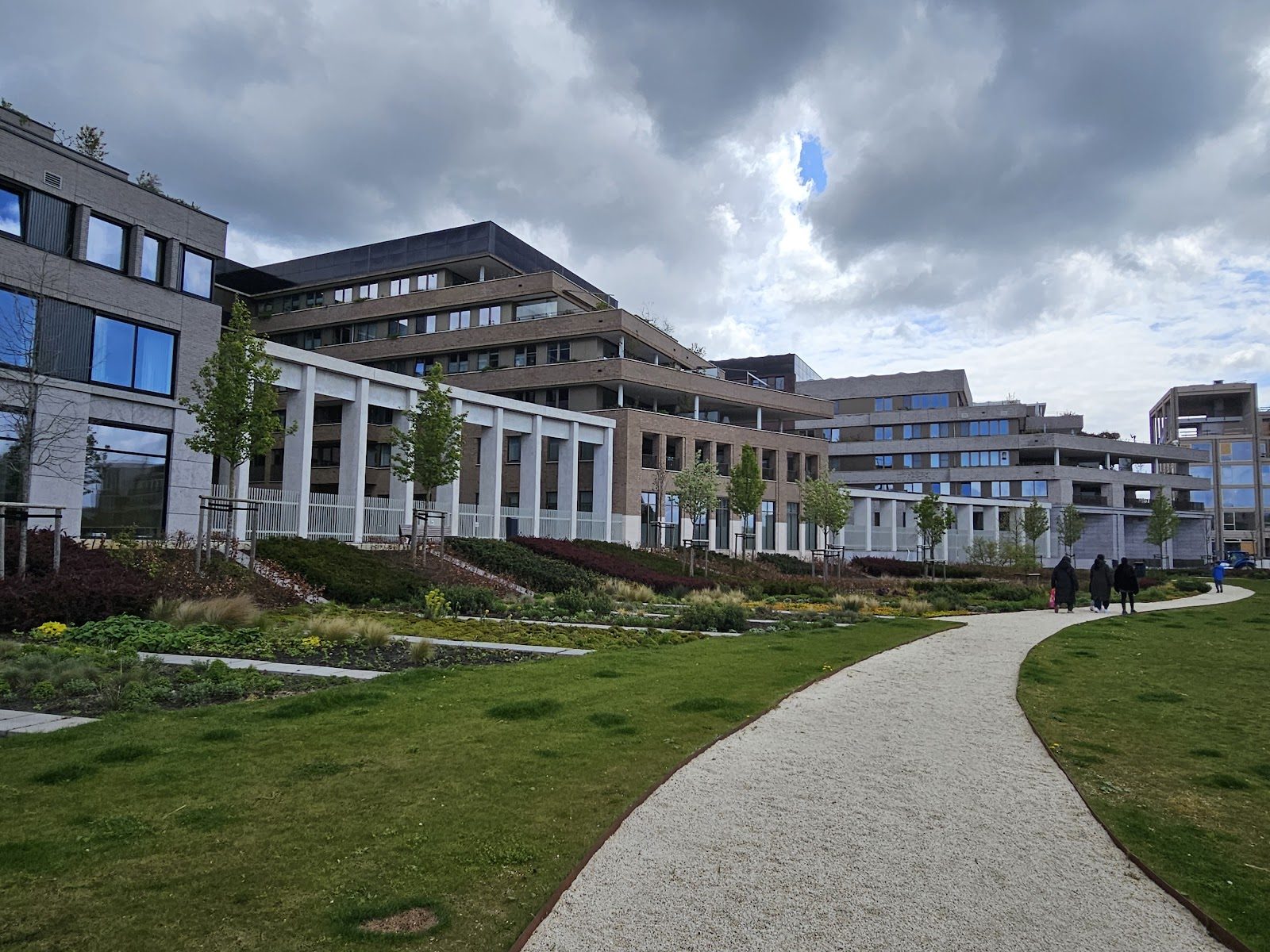
Photo © MJ ramzan via Google Maps
Type
Day
Ages
3–18
Curriculum
Dutch Gymnasium
Ratio
14:1
The Verdict
Editor's commitment
Right for
Families who value a Dutch Gymnasium with Greek and Latin, a 14:1 student-teacher ratio, and roots in 1474.
Wrong for
Parents wanting a religious school, boarding, or Dutch-medium teaching: this Utrecht day school is non-religious and teaches in English.
Watch out for
Average class size is 28, so the 14:1 ratio does not mean intimate teaching; ages 3–18 also makes this a very broad school.
Ranking breakdown
Stedelijk Gymnasium Utrecht · #461 of 1591
Composite score 70.9. 8 weighted criteria.
By criterion
Academic Outcomes
Weight 20%
#511
of 1529 scored
University Placement
Weight 16%
#848
of 1529 scored
Prestige & Heritage
Weight 12%
#31
of 1529 scored
Alumni Network
Weight 12%
#95
of 1529 scored
Facilities
Weight 12%
#1199
of 1529 scored
Transparency & Communications
Weight 8%
#289
of 1529 scored
Peer & Industry Review
Weight 10%
#255
of 1529 scored
Admissions Selectivity & Demand
Weight 8%
#888
of 1529 scored
Peer & Industry Review
How Stedelijk Gymnasium Utrecht is regarded in the sector
65
Respected · low confidence
Stedelijk Gymnasium Utrecht is a well-established gymnasium (categorical Dutch classical/pre-university school) with a long history and is generally regarded within the Netherlands as a solid, academically selective institution, consistent with the reputation typically afforded to gymnasia in Dutch public education rankings and school-quality reviews (e.g., Elsevier and Trouw 'beste scholen' style rankings that regularly rate Dutch gymnasia highly for exam results and Cito scores). However, it lacks the international profile of Tatler-listed or Good Schools Guide-featured institutions, and there is limited specialist expat-press or alumni-network coverage in English-language sources, since it primarily serves Dutch-speaking local families rather than an international clientele.
Evidence sources
Editors' overview
Stedelijk Gymnasium Utrecht trades on one fact that few schools can match: a founding date of 1474. That matters here because the school still does the thing that made it distinctive in the first place. This is a Dutch Gymnasium with Greek and Latin at its core, not a comprehensive school with a classical garnish. The attraction lies in that intellectual line of continuity: ancient languages, philosophy and academic discipline on one side; robotics and a modern urban setting on the other. Parents looking for serious academic culture, deep-rooted tradition and a school that treats scholarship as the main event will put it straight on the shortlist.
Its market position is clear. This is a non-religious day school in Utrecht with a 14:1 student-teacher ratio and average class size of 28. Those numbers point to scale rather than boutique intimacy. Pupils get the energy and breadth of a larger academic institution, not the hand-held feel of a small private school. The age range of 3–18 indicates a full-through structure, which suits families who want continuity rather than repeated school transitions. The language of instruction is listed as English, which gives the school a wider international opening than the Dutch Gymnasium label alone implies. The school’s edge is intellectual seriousness without confessional framing, and old-school rigour without a museum-piece atmosphere.
The right student for Stedelijk Gymnasium Utrecht is not hard to identify. This is for children who enjoy ideas for their own sake, who can cope with demanding content, and who do not need constant pastoral cushioning to stay on track. A pupil who relishes languages, argument, logic and abstraction will thrive. A child who wants a soft, heavily personalised environment or a broad-but-light curriculum will not. The strongest fit is the self-motivated student with stamina: the one who finds scholarly intensity, cerebral ambition and the disciplined study of classics energising rather than oppressive.
Why shortlist it? Because schools with real identity are rare, and this one has one. Stedelijk Gymnasium Utrecht offers a clear intellectual proposition: a long-established academic school where classical study still has institutional weight, and where modern subjects sit alongside it rather than replacing it. For the right family, that combination is compelling. It is not for everyone. That is part of its strength.
Academic Performance
Public exam performance is the crucial unanswered question. For a school with a serious academic claim and a reputation built on selective, intellectually demanding study, parents need hard outcome data. We have not seen aggregate external examination results, pass rates, grade distributions, value-added measures or university destination figures in the public domain. That opacity matters. Dutch academic secondary schools live and die by final examination outcomes, and the strongest peers publish enough to let families judge whether the rhetoric matches the record. Here, that basic test of transparency is missing.
That does not place Stedelijk Gymnasium Utrecht at the weak end of the market; it places it in the category of academically ambitious schools that ask families to trust institutional culture more than published metrics. The school’s profile points to a high-expectation environment with a classical core, and that usually correlates with a self-selecting cohort and solid results. Still, correlation is not evidence, and parents comparing Utrecht’s more exacting academic options need more than atmosphere and tradition. Until the school discloses exam outcomes in a usable form, its standing relative to direct peers remains hard to verify. For an institution built around scholarship, that gap is disappointing.
Facilities
Facilities are not this school’s headline selling point, and that is the correct way to read them. Nothing in the public domain points to a lavish sports complex, a showpiece performing arts centre or the kind of estate that elite fee-paying schools use to advertise status. The more plausible picture is functional urban provision built around classroom teaching, subject depth and specialist academic spaces rather than spectacle. That matters less here than it would at a school trying to sell an all-singing lifestyle package. For a gymnasium with a scholarship-first identity, parents should ask a narrower question: are the buildings and rooms good enough to support concentrated study across classics, sciences and newer technical subjects? On that test, the presence of robotics alongside the classical core points to facilities with at least some modern academic range, not a dusty humanist silo.
Against peer schools, that places Stedelijk Gymnasium Utrecht in the middle of the pack on bricks and mortar, and stronger on fit than on flash. Dutch academic day schools in city settings rarely compete on acreage; they compete on timetable, teaching and subject culture. Families looking for expansive grounds, elite aquatic centres or a country-house version of schooling should look elsewhere. Families who care more about labs, teaching rooms, library provision and spaces that sustain a serious working atmosphere will find the facilities question less alarming than the absence of outcome data. The real issue is not glamour. It is whether the physical environment supports sustained academic work. Here, nothing indicates mismatch.
Stedelijk Gymnasium Utrecht trades on one fact that few schools can match: a founding date of 1474
Prestige
Stedelijk Gymnasium Utrecht has genuine prestige, but it is a specific kind of prestige. This is not the glossy, export-friendly status of an international brand school. It is the older Dutch form: selective academic cachet, institutional memory, and the social confidence that attaches to a school known for intellectual seriousness. In the Netherlands, the word “gymnasium” still carries weight because it signals a more demanding route than standard secondary schooling. That gives the school real academic standing with families who value scholarship over show. The pupil-teacher ratio of 14:1 does not buy rarity or elite small-scale treatment; the prestige rests on the school’s scholarly reputation, not on boutique exclusivity.
That said, prestige here is stronger inside the Dutch academic tradition than in the global private-school marketplace. International parents who want headline university placement data, polished public messaging and a clearly merchandised status proposition will find less to work with. The school does not publish the outcome data that top academic institutions should disclose, and that weakens the case at the highest tier. Prestige without transparency has limits. Still, for families who understand the local hierarchy, a place here carries serious intellectual capital. It signals that a child can handle a demanding academic culture and belongs in a school that prizes thought, discipline and substance over status theatre.
The right student for Stedelijk Gymnasium Utrecht is not hard to identify
Communications
Parent communication looks serviceable rather than polished. The school runs a public website that covers the institutional basics, but it does not project the crisp, highly managed communications culture that internationally mobile families get from premium private operators. That is not fatal. In a school whose centre of gravity sits in teaching rather than brand management, plain utility matters more than sheen. Still, effectiveness depends on what parents need. For local families who already understand the Dutch academic system, a direct, low-frills approach works. For international parents trying to decode expectations, deadlines, subject choices and school routines, the communication burden is heavier, and the school does less hand-holding than the best outward-facing schools in this market. The age span also raises the bar: a through-school serving children from the early years to pre-university stage needs disciplined, well-sequenced communication, not just periodic notices.
The weakness is not noise but opacity. A school confident in its academic offer should publish outcome data, key policies and parent-facing guidance in a form that answers the hard questions quickly. Here, that standard is not met. That shortfall carries over into communications more broadly: the public face feels institution-led rather than parent-led, with information arranged around the school’s internal logic rather than a newcomer’s practical needs. Families who value clarity, responsiveness and administrative precision should test this hard during admissions. Ask how routine updates are sent, how fast staff reply, and how curriculum choices and pastoral issues are explained in practice. The answers matter more than any brochure tone.
Uniqueness
What marks Stedelijk Gymnasium Utrecht out is not age alone but continuity of purpose. Plenty of old schools trade on heritage while teaching a standard contemporary programme with a few ceremonial leftovers. This one still gives classical study institutional force. Greek and Latin are not decorative options bolted onto a modern school; they shape the school’s idea of what education is for. Add philosophy and robotics to that mix and you get a rare combination: a place where abstraction, logic, language structure and technical problem-solving live in the same house. That creates a distinct intellectual grain. Pupils are trained to parse, argue, translate, question and build. The result is a cast of mind that is more exacting than fashionable and less utilitarian than many competitors.
That distinctive blend brings clear gains for the right student. A school organised around disciplined thought produces pupils who can handle complexity without panicking, sustain attention beyond the short term and tolerate difficulty rather than demanding instant reward. In a market crowded with schools promising breadth, wellbeing and global fluency, Stedelijk Gymnasium Utrecht offers something sharper: an education that treats mental effort as normal and scholarship as the point, not the branding. That gives students a serious academic identity early. It also narrows the field. Children who need constant variation, heavy pastoral smoothing or a low-friction route through school will find the culture unforgiving. For intellectually hungry pupils, that hardness is the attraction.
Against peer schools, that places Stedelijk Gymnasium Utrecht in the middle of the pack on bricks and mortar, and stronger on fit than on flash
Student Profile
The students who fit best here are the ones who enjoy difficulty. This is a school for pupils who read closely, think in sequences and do not need every lesson dressed up for entertainment. The average class size of 28 tells its own story: children need enough self-command to work in a busy room without constant individual prompting. The staffing ratio of 14:1 adds support, but not the kind of intensive adult management that carries a hesitant or distractible child through each day. The strongest candidates are mentally durable, argumentative in the best sense and happy to have their ideas tested. They do not panic when work gets abstract, language-heavy or exacting. They like precision. They can cope with teachers who expect them to keep up.
Socially, the fit is narrower than many parents like to admit. A pupil who draws confidence from academic identity will find a tribe here; a child who needs school to revolve around sport, performance or constant pastoral reassurance will not. The atmosphere suits students who can tolerate comparison, accept correction and treat intellectual effort as normal. That does not require arrogance or narrowness. It requires serious habits of mind, scholarly stamina and a willingness to belong to a culture where achievement carries status. For the right child, that is energising. For the wrong one, it is abrasive.
Stedelijk Gymnasium Utrecht has genuine prestige, but it is a specific kind of prestige
Co-curricular strengths
Arts & sport, on a separate axis
Overall 7.5/10
Scored 0-10 from the school's own published evidence. This axis is editorial-only — it does not feed the main WTS ranking.
Sports
7.5/10
Drama
8/10
Dance
6.5/10
Music
8/10
Visual Arts
7.5/10
Strengths
- +The Utrechts Stedelijk Gymnasium is one of the oldest schools in the Netherlands, founded on 4 December 1474 as the Hieronymusschool by the Brethren of the Common Life.
- +As a categorical gymnasium, students follow the regular VWO subjects alongside Latin and Greek, giving a broader classical academic grounding than a standard VWO school.
- +The school maintains strong ties with the cities of Padua and Brno, and has for several years offered the special GLOS (formerly ELOS) track that prepares students for an international career.
- +The gymnasium is one of the most popular schools in Utrecht and, like other independent gymnasiums, has more applications each year than places.
- +Alongside regular lessons, students choose two VVV blocks (deepen, broaden, strengthen), which can mean extra help in a difficult subject, deeper study of a topic of interest, or something entirely new, allowing the school week to be tailored to the pupil.
Considerations
- −Places are consistently oversubscribed; the school has in past years had to draw lots for places even after adding an extra intake class, and the Utrecht gymnasiums have tightened entrance requirements, including a minimum Cito end-test score.
- −Families cannot apply directly themselves - the child's primary school must handle the digital application, following the shared Utrecht-wide 'naar het VO' placement procedure among primary and secondary schools.
- −As a 'categoraal' gymnasium, the school offers only the gymnasium/VWO-plus-classics track on site, so there is no in-house havo or vmbo route for pupils who later need a different academic level.
- −Teaching is conducted entirely in Dutch within the standard Dutch Gymnasium curriculum, which assumes strong existing Dutch-language proficiency rather than offering an English-medium pathway for newly arrived expat children.
Availability
Primary entry gate & tests
CITO Score / Central Match
Gallery
Photo © Lucas via Google Maps
Photo © Twan IJpelaar via Google Maps
Photo © malek elmahdy via Google Maps
Photo © malek elmahdy via Google Maps
Photo © Persa Koutsouradi via Google Maps
Photo © siebe Wijnen via Google Maps
Photo © Thomas Zhao via Google Maps
Photo © Utrechts Stedelijk Gymnasium via Google Maps
Photo © L.G. Viëtor via Google Maps
Parent reviews
Have you sent your child here?
Voice reviews carry the strongest trust badge — we transcribe them for you to tidy up before they go live. Prefer to type? A written review is fine too.
Add your voice
In 60 seconds, tell other parents: what's the best thing about Stedelijk Gymnasium Utrecht, and what surprised you when your child joined?
We ask for a Google sign-in so every review has a real face behind it — no anonymous drive-by attacks on schools, and no faked positive reviews. Your email is never shown publicly.
Send this profile to a friend
International parents rely on word-of-mouth. Share this review with someone weighing the same decision.
Schools with places
Similar schools to Stedelijk Gymnasium Utrecht with places available now.
American School of The Hague
Wassenaar · Netherlands
- 2026-27
- WAITPOOLSpace-dependent
- 2027-28
- PLACES OPENRolling
The British School of Amsterdam
Amsterdam · Netherlands
- 2026-27
- WAITPOOLSpace-dependent
- 2027-28
- PLACES OPENRolling
Rijnlands Lyceum Oegstgeest
Oegstgeest · Netherlands
- 2026-27
- WAITPOOLSpace-dependent
- 2027-28
- PLACES OPENRolling
The International School of The Hague
The Hague · Netherlands
- 2026-27
- WAITPOOLSpace-dependent
- 2027-28
- PLACES OPENRolling
Availability first, then country, area, curriculum, price, co-curricular
Consider also
Also worth looking at alongside Stedelijk Gymnasium Utrecht.
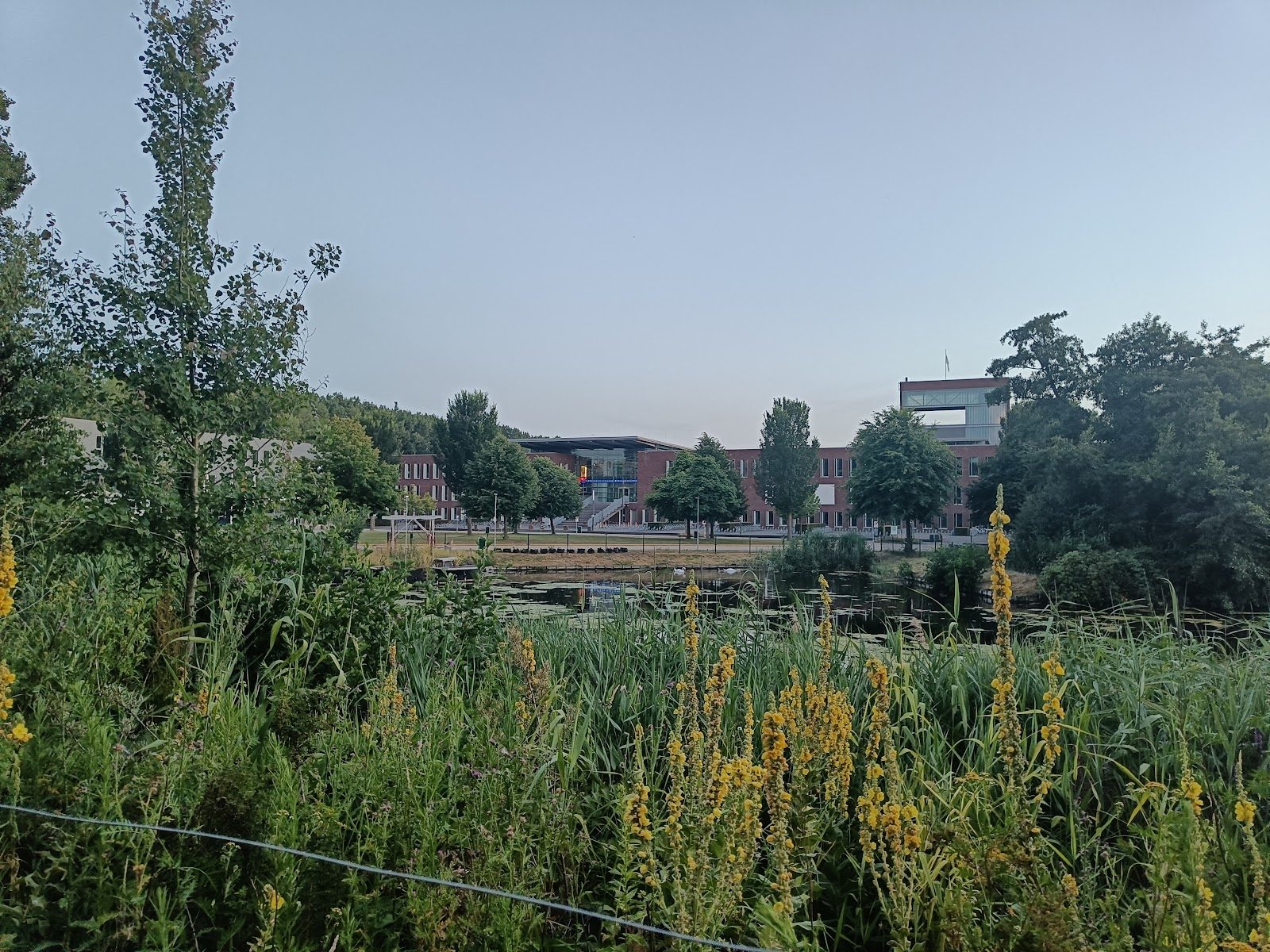
The International School of The Hague
The Hague · Netherlands
In the Kijkduin dunes, this IB day school runs MUNISH, Europe's second-largest student Model UN conference.
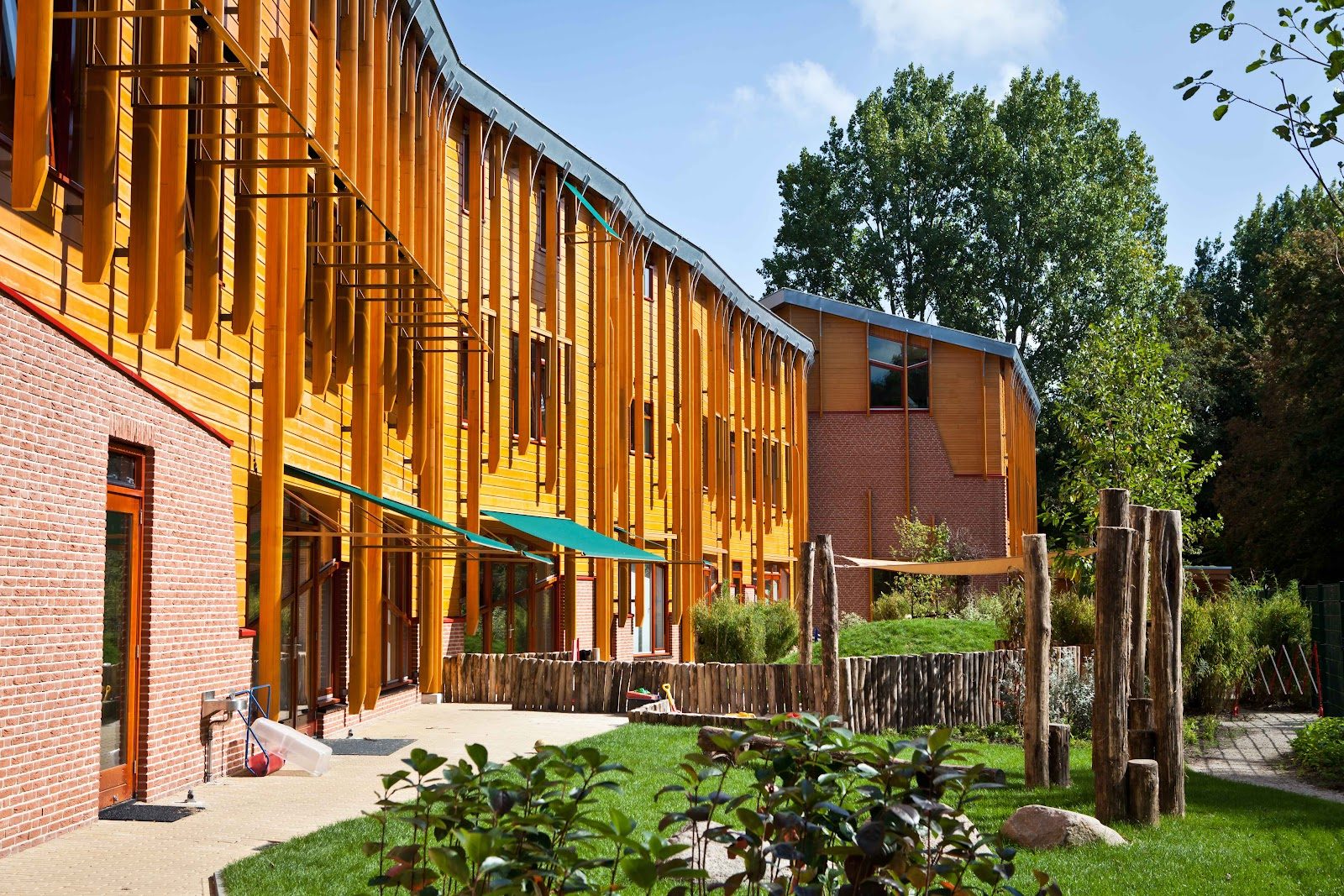
International School of Amsterdam
Amstelveen · Netherlands
Just outside Amsterdam, this 1964 founding became the first school anywhere to run the full IB continuum from age two to eighteen.
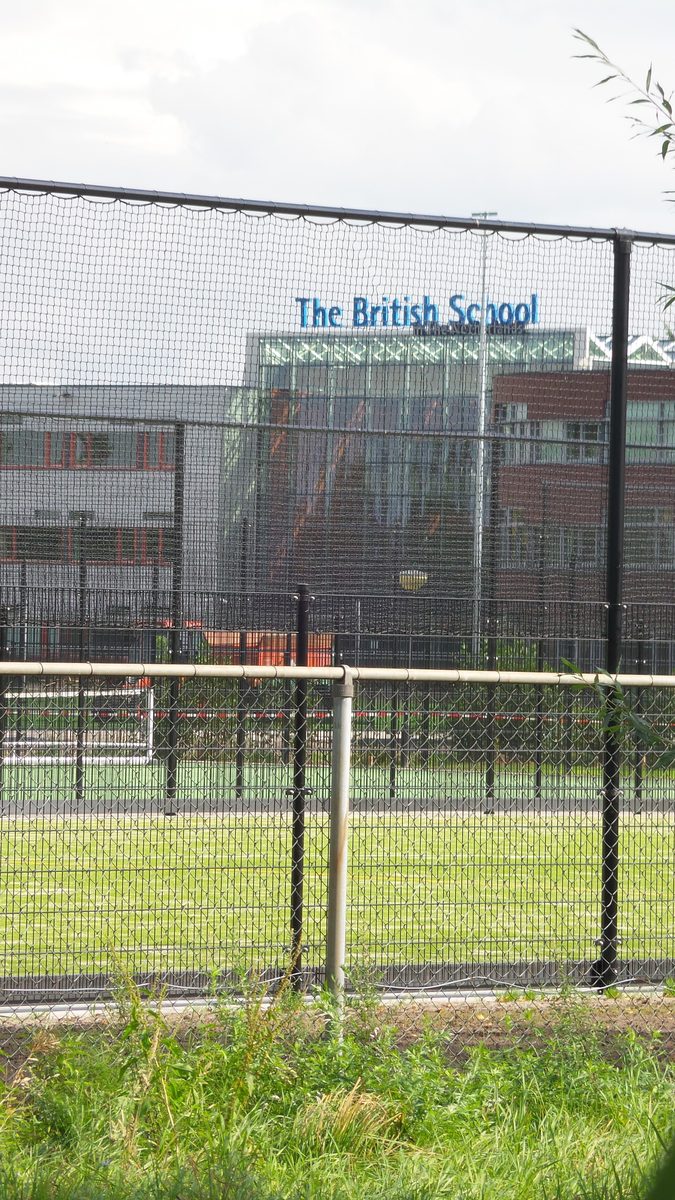
The British School in The Netherlands
Voorschoten · Netherlands
Since 1931, a Voorschoten campus near The Hague where sixth formers choose freely among A-Levels, BTEC, IB Diploma or IB Career Programme.
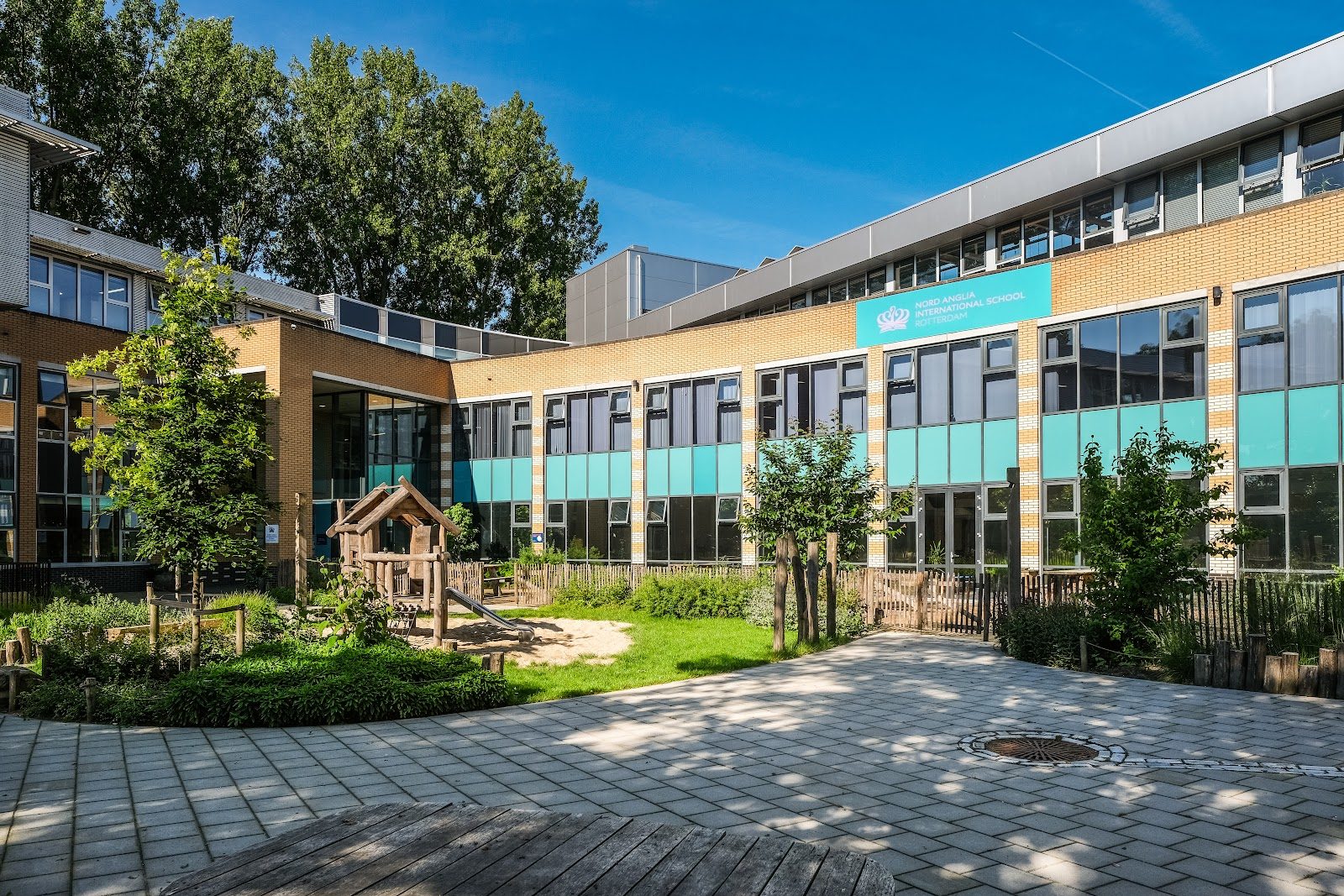
Nord Anglia International School Rotterdam
Rotterdam · Netherlands
Born from a 1959 American community, this Hillegersberg school pairs IB rigor with MIT-designed STEAM and Juilliard arts training.
Same country and curriculum — closest matches within ±10 points either way