
North Holland
Just outside Amsterdam, this 1964 founding became the first school anywhere to run the full IB continuum from age two to eighteen.
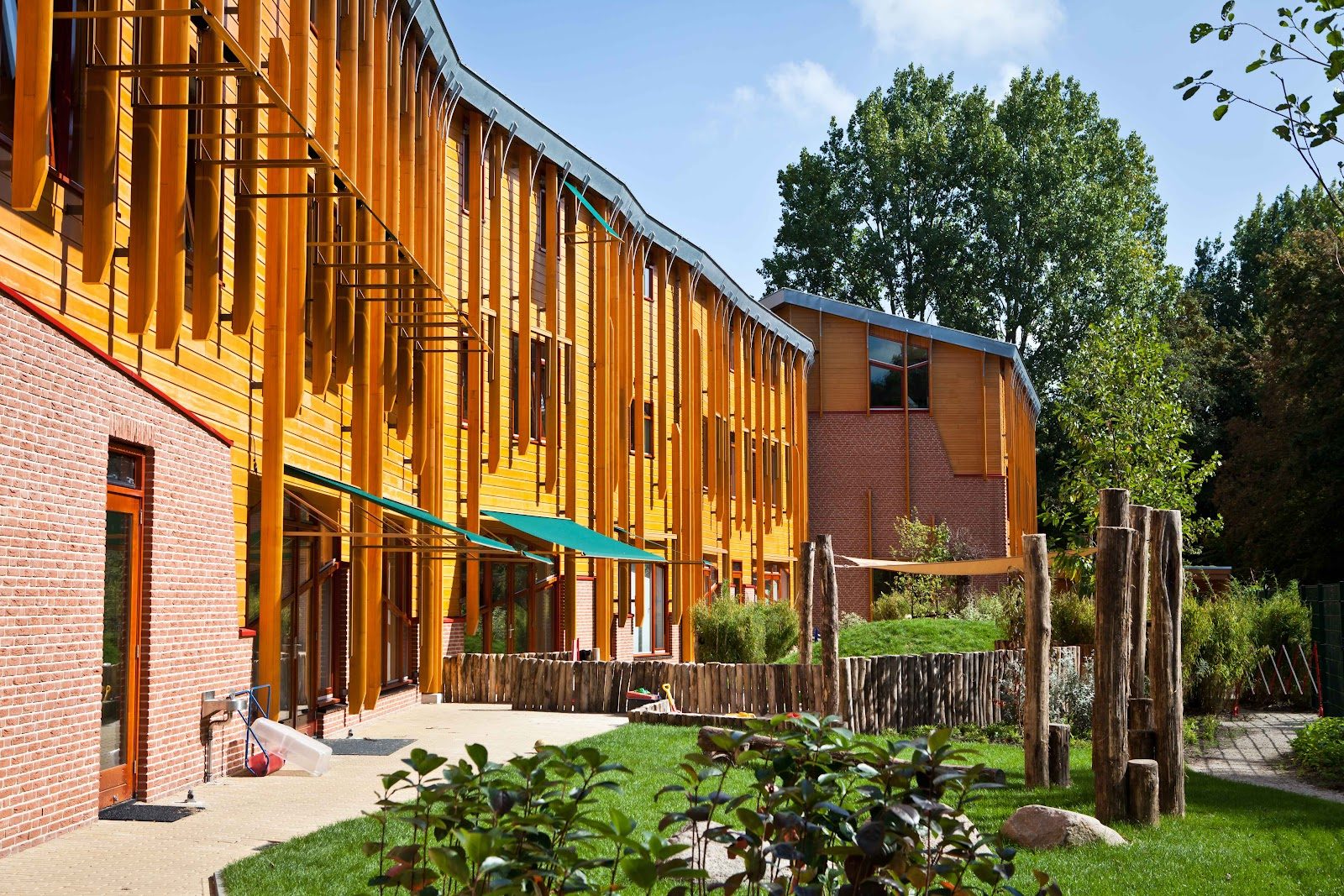
Photo © International School of Amsterdam via Google Maps
Type
Day
Ages
3–18
Curriculum
IB
Ratio
—
The Verdict
Editor's commitment
Right for
Families who want a non-religious day school in Amstelveen with IB from ages 3–18 and students from over 60 countries.
Wrong for
Parents chasing a Dutch-medium education, boarding, or a university conveyor belt beyond the published McGill 7 and Dalhousie 1.
Watch out for
At an average €24,000 a year, you are paying for a 1964-established IB specialist; the school publishes thin destination data.
Ranking breakdown
International School of Amsterdam · #158 of 1591
Composite score 75.6. 8 weighted criteria.
By criterion
Academic Outcomes
Weight 20%
#260
of 1529 scored
University Placement
Weight 16%
#136
of 1529 scored
Prestige & Heritage
Weight 12%
#135
of 1571 scored
Alumni Network
Weight 12%
#231
of 1530 scored
Facilities
Weight 12%
#70
of 1534 scored
Transparency & Communications
Weight 8%
#22
of 1532 scored
Peer & Industry Review
Weight 10%
#66
of 1548 scored
Admissions Selectivity & Demand
Weight 8%
#1419
of 1529 scored
Score history
International School of Amsterdam · 2026
Movement across 2024–2026. Peer average overlaid.
Overall — 2024–2026
75.6/ 100
▲ +27.2 vs 2025
year on year
Peer & Industry Review
How International School of Amsterdam is regarded in the sector
88
Strong · high confidence
ISA Amsterdam is one of the oldest and most established international schools in the Netherlands (founded 1964), consistently ranked among the top international schools in Europe by publications like International School Parent and various expat forums (e.g., Expatica, InterNations discussions). It holds full IB continuum accreditation and CIS/NEASC accreditation, and is frequently cited in expat relocation guides and corporate mobility reports as the benchmark international school in the Amsterdam area, with alumni networks tied to diplomatic and multinational corporate families.
Evidence sources
Editors' overview
Set 11 kilometres outside central Amsterdam in Amstelveen, the International School of Amsterdam trades on two hard advantages: history and continuity. Founded in 1964, it was the first school anywhere to run the full IB continuum from the early years through to graduation, and that matters more than the slogan implies. Families who want a single academic language from age 3 to 18 get exactly that: an all-IB structure, taught in English, inside a non-religious day school that draws children from more than 60 countries. This is not a school for parents who want a local Dutch route with an international gloss. It is a fully international, deliberately mobile school built for expatriate and globally minded families who value curricular consistency over national tradition.
The attraction is clear. A child can enter young and stay on one coherent path without the usual handover between primary and secondary systems. English is the teaching language, Dutch is also part of the school’s stated linguistic offer, and the wider language mix is broad, with French, German, Japanese, Mandarin and Spanish all named. That gives the school a rare linguistic range without drifting into the muddle that some multilingual schools create. The average annual fee is €24,000, which puts ISA in the expensive bracket for the Netherlands but not in the stratosphere by comparison with the top end of London, Geneva or Zurich. Parents are paying for an established international institution, not a bargain.
The school belongs on a shortlist for families who expect frequent cross-border moves, want the IB from start to finish, and need a student body that reflects the reality of international life rather than a single dominant national culture. It also suits students who are academically organised, discussion-ready and comfortable in a community where many peers have moved countries before adolescence. The recent university destinations given here tilt towards Canada, with McGill taking 7 students, plus places at Dalhousie and McMaster. That is a useful clue to outcomes, but not a full picture: the school does not publish a broader destination spread here. That opacity is worth noting. Even so, the core proposition is unusually clear: if you want a long-established, English-medium, all-IB education near Amsterdam for a child who thrives in an internationally literate environment, ISA is an obvious contender.
Academic Performance
ISA does not publish aggregate IB Diploma results here, and that leaves a real gap in any hard academic appraisal. No average point score, no pass-rate series, no subject breakdown, no university scatter beyond a small destinations snapshot. For a school with a long track record and a serious academic proposition, that lack of disclosure matters. Parents comparing Amsterdam-area internationals, or weighing ISA against established IB schools in Brussels, Geneva or Zurich, need more than institutional pedigree. Without public results data, the school cannot claim a clear place in the top academic tier on evidence alone. It sits instead in the credible but opaque category: a school with the right structural ingredients, but without the published outcomes that turn reputation into proof.
What ISA does have is a model that gives students unusual continuity from the earliest years through graduation, and that matters in the IB more than schools admit. A fully aligned programme can reduce curricular jolts, sharpen assessment habits and build the writing, reflection and time-management the diploma rewards. Add a student body drawn from 60-plus nationalities and a broad language offer, and the academic environment reads as globally literate rather than narrow or local. That makes ISA a strong fit for mobile families who value consistency and international range. It does not, however, place the school automatically among the exam-result heavyweights. Until ISA publishes full diploma outcomes, its academic standing rests on architecture, not audited public performance.
Facilities
The school’s strongest facility asset is not a single showpiece building but the breadth demanded by an all-through international school serving children from the nursery years to graduation. That matters because schools covering that full span need specialist science rooms, age-appropriate sports provision, arts space and serious library support, not just a pleasant primary block with secondary lessons fitted around it. ISA’s multilingual community also points to a campus designed for daily movement between divisions rather than a narrow one-stage setup. In practice, that puts it ahead of smaller Amsterdam-area internationals that operate with tighter footprints or lighter specialist provision. Parents looking for flashy architectural theatre or a country-estate campus will not find that here; ISA’s appeal sits in practical range and institutional competence.
Against European peer schools, the facilities case is solid rather than jaw-dropping. The school serves students from more than 60 countries and offers a language mix that extends well beyond Dutch, which only works properly when timetable, classroom stock and support spaces are built to handle complexity. That gives ISA a functional advantage over newer or leaner schools still building out their secondary infrastructure. The limit is equally clear: the public picture does not highlight landmark facilities, major performance venues or elite-level sporting infrastructure that would place it in the top physical bracket alongside the richest campuses in Switzerland, Germany or the UK. For most families, that is enough. ISA has the facilities profile of a serious international school, not a facilities arms-race winner.
Set 11 kilometres outside central Amsterdam in Amstelveen, the International School of Amsterdam trades on two hard advantages: history and continuity
Prestige
ISA carries real international prestige, but it is a specific kind of prestige. This is not the social cachet of a grand old British boarding school, nor the exam-table authority of an institution that floods the public domain with results. Its status rests on longevity, continuity and audience. Families know the name because the school has served Amsterdam’s expatriate and internationally mobile market for decades, and because a community drawn from more than 60 countries gives it reach beyond the Netherlands. That breadth matters. A school with that level of international churn and renewal becomes a reference point for embassies, multinationals and globally mobile professionals. The fee level reinforces that standing: at an average of €24,000 a year, ISA sits firmly in the premium tier of the Dutch market.
That said, prestige here is institutional rather than glittering. The school offers seriousness, stability and a deeply international peer group; it does not trade on elite mystique, inherited social networks or headline-making university lists. The published destinations snapshot points to respectable outcomes, but not to a rarefied destination profile that would elevate the school into Europe’s most coveted bracket. Nor does the absence of aggregate diploma results help. My rating, then, is high but not top-drawer: ISA has earned stature as one of the established international names near Amsterdam, yet it stops short of the hard-edged prestige that comes from fully transparent academic outcomes and a broader public record of leavers’ destinations.
Without public results data, the school cannot claim a clear place in the top academic tier on evidence alone
Communications
Parent communication looks strongest where the school has the easiest story to tell: community. A family body drawn from 60-plus national backgrounds forces clarity, rhythm and translation of school norms into plain, usable information. Schools serving that audience cannot rely on informal local knowledge, and ISA benefits from that pressure. The public-facing picture is organised, internationally legible and geared to parents who need practical answers fast. That counts for a great deal in a transient community, where new arrivals need to understand routines, expectations and points of contact without decoding Dutch school culture first. The broad language offer also signals a school accustomed to dealing with families whose linguistic lives extend beyond one home language. That makes for a well-drilled, parent-facing communications culture rather than an inward-looking one.
The limit sits in disclosure. ISA communicates institutional identity clearly, but it is less rigorous when parents want hard outcome data. The school gives a narrow university destinations snapshot and little else by way of public academic reporting. That is not a minor omission; it tells you something about communications priorities. Families will get the day-to-day community message, the sense of ethos and the practical scaffolding. They will not get the level of public accountability that the best-run international schools now treat as standard. So the verdict is mixed but clear: communication with current and incoming parents is competent, cosmopolitan and operationally strong, while strategic transparency remains underpowered.
Uniqueness
What sets ISA apart is not prestige theatre or a niche specialism; it is structural coherence carried to an unusual extreme. Very few schools can offer one uninterrupted educational route from the nursery years to the end of school while also sustaining a community drawn from more than 60 countries. That combination creates a distinctly mobile-minded environment. Children do not just study alongside international peers; they grow up inside a school culture built around movement, transition and cross-border norms. For students who have already changed countries, or who will do so again, that matters. The gains are practical: fewer academic discontinuities, fewer cultural resets, and a peer group that treats relocation as normal rather than disruptive. ISA’s breadth of additional languages sharpens that advantage further and gives the school a serious intercultural range rather than a token international label.
The payoff for students is a form of education that is deeply transnational in habit, not just in branding. A child here learns early how to navigate classrooms full of different passports, different home languages and different assumptions about school life. That can produce confidence, adaptability and social fluency that travel well beyond one country’s system. There is, however, a trade-off. Families seeking a strong Dutch civic identity or a school rooted in local tradition will find ISA deliberately detached from that model. Its uniqueness lies in serving the globally mobile well, not in blending international education with a national one.
Its uniqueness lies in serving the globally mobile well, not in blending international education with a national one
Student Profile
This is a school for children who are at ease in motion. With families spanning 60-plus national backgrounds and around 60 other languages spoken across the community, ISA suits students who are curious about difference rather than rattled by it. The child who fits best here adapts quickly, joins conversations without needing a single dominant social script, and can tolerate the churn that international schools bring when classmates arrive and leave. Social confidence helps, but so does resilience: friendships form fast in these environments, and they do not always last for the full school journey. Students who need a tightly rooted local peer group or a strongly Dutch social identity will find the culture deliberately international and light on local anchoring.
Academically and personally, the strongest fit is a student who can handle independence early and sustain it. The school’s through-school structure rewards children who like continuity, respond well to reflection, and can manage expectations that build year by year instead of resetting at each phase change. Linguists and culturally agile students gain most. Beyond Dutch, the school offers French, German, Japanese, Mandarin and Spanish, which tells you something about the student body: this is a place for families who treat multilingualism as normal, not ornamental. The best-fit pupil is globally minded, self-directed and comfortable with complexity. The poor fit is the child who wants a parochial school life, a narrow friendship circle, or a campus culture built around one national norm.
This is not a school for parents who want a local Dutch route with an international gloss
Co-curricular strengths
Arts & sport, on a separate axis
Overall 8.32/10
Scored 0-10 from the school's own published evidence. This axis is editorial-only — it does not feed the main WTS ranking.
Sports
8.5/10
High-performance international athletic competitor, fielding highly competitive varsity soccer, tracking, and basketball squads.
Drama
8.5/10
Features spectacular performing arts spaces, staging grand international, multilingual productions and technical theater arts.
Dance
7/10
Strong studio track running technical contemporary, jazz, and synchronization choreography.
Music
8.8/10
Staggering musical infrastructure anchored by world-class on-campus concert setups and global student ensembles.
Visual Arts
8.8/10
Sun-drenched, professional-standard studio workshops specialized for fine art, digital graphic design, and high-end multimedia.
Editor-verified · 8/6/2026
Outcomes & destinations
Where students go next
Top destinations
449 placements
- Dalhousie University· 1
- McGill University· 7
- McMaster University· 1
- Ryerson University· 1
- Sheridan College· 1
- University of British Columbia· 2
- University of Calgary· 1
- University of Guelph· 1
- University of Toronto· 4
- International Christian University· 2
- Iwate Prefectural University· 1
- Keio University· 2
- Kwansei Gakuin University· 1
- Sophia University· 1
- Okayama University· 2
- Waseda University· 8
- Amsterdam Conservatory· 1
- Amsterdam Fashion Academy· 1
- Amsterdam Fashion Institute· 2
- Amsterdam University College· 4
- Amsterdam University of Applied Sciences· 2
- Delft University of Technology· 20
- Eindhoven University of Technology· 5
- Erasmus University College· 2
- Erasmus University Rotterdam· 15
- Gerrit Rietveld Academie· 1
- Global School for Entrepreneurship· 1
- Hague University of Applied Sciences· 2
- Hogeschool Utrecht· 1
- Hanze University of Applied Sciences· 2
- HU University of Applied Sciences Utrecht· 1
- Hotelschool The Hague· 2
- InHolland University of Applied Sciences· 1
- Leiden University College· 6
- London School of Economics· 1
- Maastricht University· 5
- NHTV Breda University of Applied Sciences· 1
- Radboud University· 1
- Rotterdam University· 1
- Royal Dutch Air Force· 1
- Royal Conservatory The Hague· 2
- Saxion University of Applied Sciences· 1
- Technische Universiteit Delft· 3
- Tilburg University· 1
- University of Amsterdam· 48
- University of Groningen· 5
- University of Twente· 1
- University College Roosevelt· 1
- University College Utrecht· 3
- Utrecht University· 3
- Barnard College· 1
- Beloit College· 1
- Binghamton University· 1
- Boise State University· 1
- Boston College· 1
- Boston University· 4
- Bryant University· 1
- Carnegie Mellon University· 2
- Columbia University· 1
- Cornell University· 1
- Dickinson College· 2
- Elon University· 1
- Emory University· 1
- Forsyth Technical Community College· 1
- Harvard University· 1
- Indiana University Bloomington· 2
- Indiana University of Pennsylvania· 1
- Lehigh University· 1
- Loyola Marymount University· 2
- Loyola University Chicago· 1
- Miami University-Oxford· 1
- New York University· 4
- Northeastern University· 3
- Princeton University· 1
- Rensselaer Polytechnical Institute· 1
- Rice University· 1
- Santa Fe College· 1
- San Diego State University· 1
- Savannah College of Art and Design· 2
- Shippensburg University· 1
- School of the Art Institute of Chicago· 1
- Southwestern University· 1
- Stanford University· 3
- St Mary's College· 1
- Syracuse University· 2
- Texas Christian University· 1
- The School of the Art Institute of Chicago (SAIC)· 1
- The New School· 2
- The New School (Parsons School of Design)· 1
- Trinity and Columbia Dual BA Program, USA/Ireland· 1
- University of Arkansas· 1
- University of California, Berkeley· 4
- University of California, Davis· 1
- University of California, Los Angeles· 1
- University of California, San Diego· 1
- University of Southern California· 3
- University of Central Florida· 1
- University of Hawaii at Manoa· 1
- University of Houston· 5
- University of Illinois at Urbana-Champaign· 1
- University of Maryland· 1
- University of Michigan-Ann Arbor· 1
- University of New Haven· 1
- University of North Carolina at Chapel Hill· 1
- University of Southern California· 2
- University of Virginia· 2
- University of Washington· 2
- University of Wyoming· 1
- Washington State University· 1
- Wellesley College· 1
- Wesleyan University· 1
- Westmont College· 1
- The American University of Paris· 1
- Copenhagen Business School· 1
- EHL Hospitality Business and Hotel Management School· 1
- ESADE Business School· 13
- ESSEC Business School· 1
- Glasütte Watchmaking School· 1
- Hong Kong University of Science and Technology· 1
- Howest, University College West Flanders· 1
- IE University· 5
- Institut Francais de la Mode· 1
- Jyväskylä University· 1
- Karlsruhe Institute of Technology· 1
- Keio University· 1
- Korea Advanced Institute of Science and Technology· 2
- EPFL· 1
- Luiss Guido Carli· 1
- Monash University· 2
- NEOMA Business School· 1
- Politecnico di Milano· 1
- Royal Academy of Fine Arts· 1
- RWTH Aachen University· 1
- SciencesPo· 2
- University of Europe for Applied Sciences· 1
- SWPS University of Social Sciences and Humanities· 1
- University of Nicosia· 1
- Universidad Pontificia Comillas de Madrid· 1
- Universite de Sorbonne, Portail Sciences Formelles· 1
- Van Hall Larenstein· 1
- Vrije University Amsterdam· 21
- Wageningen University· 2
- Willem de Kooning Academie· 3
- Abbey Road Institute· 1
- Aberystwyth University· 1
- Arts University Bournemouth· 1
- City University of London· 1
- Durham University· 1
- European University London· 1
- Hartpury University· 1
- Imperial College London· 4
- King's College London· 10
- Lancaster University· 1
- London School of Economics· 2
- Loughborough University· 4
- New College of the Humanities· 1
- Open University· 1
- Oxford Brookes University· 1
- Queen Mary University of London· 1
- Regent's University London· 1
- Royal Central School of Speech and Drama· 1
- Royal Holloway, University of London· 3
- University of the Arts London· 3
- University of Bath· 2
- University of Birmingham· 1
- University of Bristol· 1
- University of Buckingham· 2
- University of Cambridge· 3
- University College London· 7
- University of East London· 1
- University of Edinburgh· 4
- University of Exeter· 5
- University of Glasgow· 5
- University of the Highlands and Islands· 1
- University of Kent· 1
- University of Liverpool· 1
- University of Manchester· 3
- University of Nottingham· 1
- University of Oxford· 1
- University of Southampton· 3
- University of South Wales· 1
- University of Surrey· 1
- University of Sussex· 2
- University of St Andrews· 2
- University of Stirling· 2
- University of Warwick· 8
- University of York· 1
- American Musical and Dramatic Academy· 2
- American University· 1
Reported by the school. Confirm with admissions.
WTS 300 badge
2025/26 editionInternational School of Amsterdam is one of the World's Top 300 Schools for 2025/26. Claim your listing to add it to your site →
Strengths
- +ISA was the first school in the world to offer all three IB programmes (PYP, MYP and DP) continuously from age 2 to 18, a status it has held since 1997.
- +IB Diploma results consistently exceed the global average: the 2025 cohort averaged 35 points with a 99 per cent pass rate and half the cohort scoring 36 or above.
- +A large, genuinely international community of around 1,250-1,300 students drawn from over 60 nationalities, giving real breadth of cultural exposure.
- +Purpose-built single campus with dedicated early-years facilities, a 144 sq m theatre, three gymnasia and three libraries.
- +Dual accreditation from the Council of International Schools and the New England Association of Schools and Colleges.
Considerations
- −Fees sit at the premium end of the Amsterdam market: tuition ranges roughly €19,900 to €28,565 per year, plus a €3,075 capital fee, €300 application fee and €35 PTA fee.
- −The campus is in Amstelveen, about 11km from central Amsterdam, meaning most families rely on a paid door-to-door bus service rather than walking or cycling in.
- −Special educational needs provision is limited in scale, with places for students with mild or moderate needs assessed case-by-case rather than guaranteed.
- −Waitlists are common, particularly in the Primary Years and Middle Years grades, so late applicants may face restricted grade-level availability.
Availability
Primary entry gate & tests
Academic Record
Gallery
Photo © Nishant K. Singh via Google Maps
Photo © Nishant K. Singh via Google Maps
Photo © International School of Amsterdam via Google Maps
Photo © International School of Amsterdam via Google Maps
Photo © International School of Amsterdam via Google Maps
Photo © International School of Amsterdam via Google Maps
Photo © International School of Amsterdam via Google Maps
Photo © International School of Amsterdam via Google Maps
Photo © International School of Amsterdam via Google Maps
Parent reviews
Have you sent your child here?
Voice reviews carry the strongest trust badge — we transcribe them for you to tidy up before they go live. Prefer to type? A written review is fine too.
Add your voice
In 60 seconds, tell other parents: what's the best thing about International School of Amsterdam, and what surprised you when your child joined?
We ask for a Google sign-in so every review has a real face behind it — no anonymous drive-by attacks on schools, and no faked positive reviews. Your email is never shown publicly.
Send this profile to a friend
International parents rely on word-of-mouth. Share this review with someone weighing the same decision.
Schools with places
Similar schools to International School of Amsterdam with places available now.
The International School of The Hague
The Hague · Netherlands
- 2026-27
- WAITPOOLSpace-dependent
- 2027-28
- PLACES OPENRolling
Nord Anglia International School Rotterdam
Rotterdam · Netherlands
- 2026-27
- WAITPOOLSpace-dependent
- 2027-28
- PLACES OPENRolling
Availability first, then country, area, curriculum, price, co-curricular
Consider also
Also worth looking at alongside International School of Amsterdam.
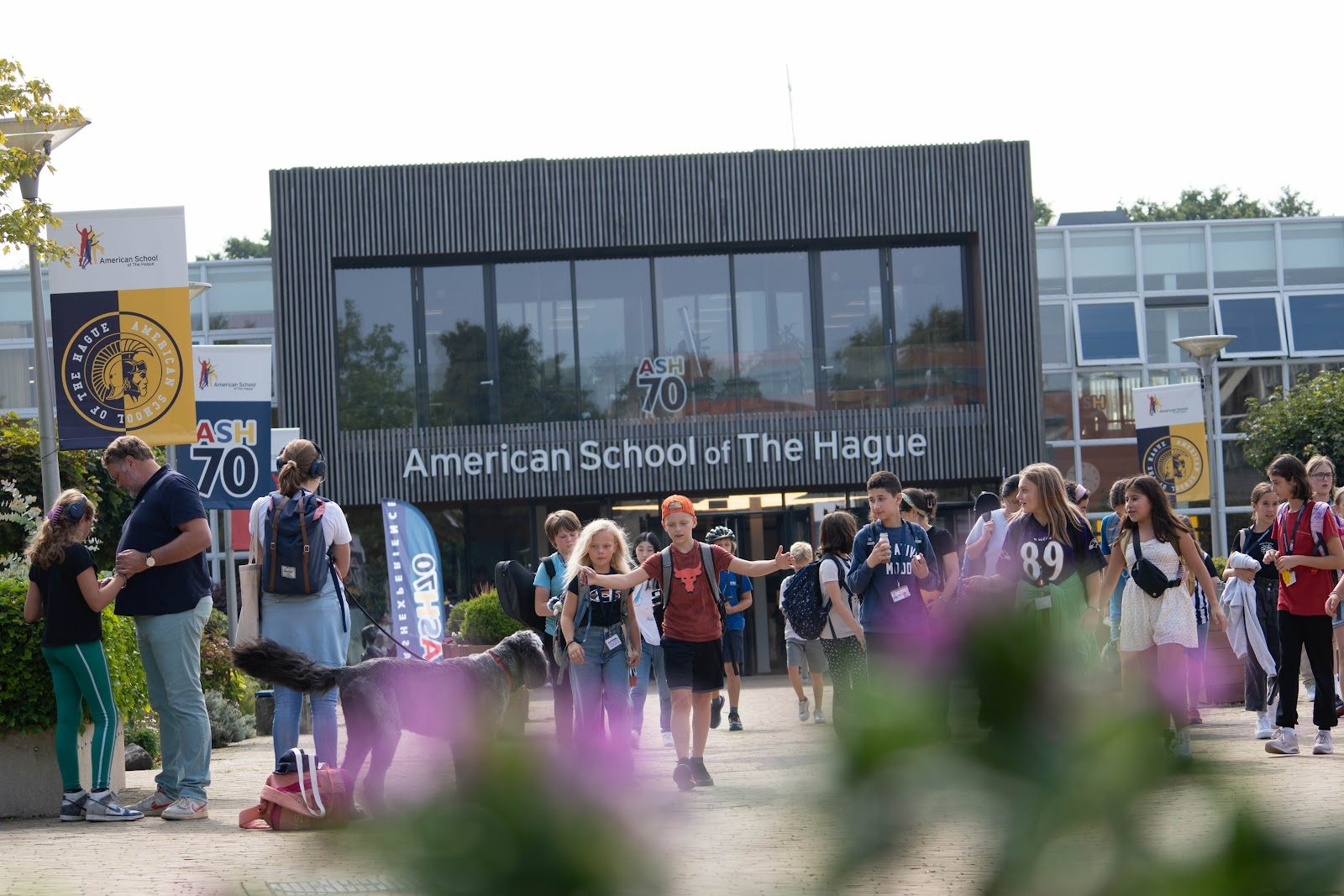
American School of The Hague
Wassenaar · Netherlands
Near The Hague's courts of international justice, a Peace and Diplomacy strand turns Model UN into fieldwork in Nepal and Thailand.
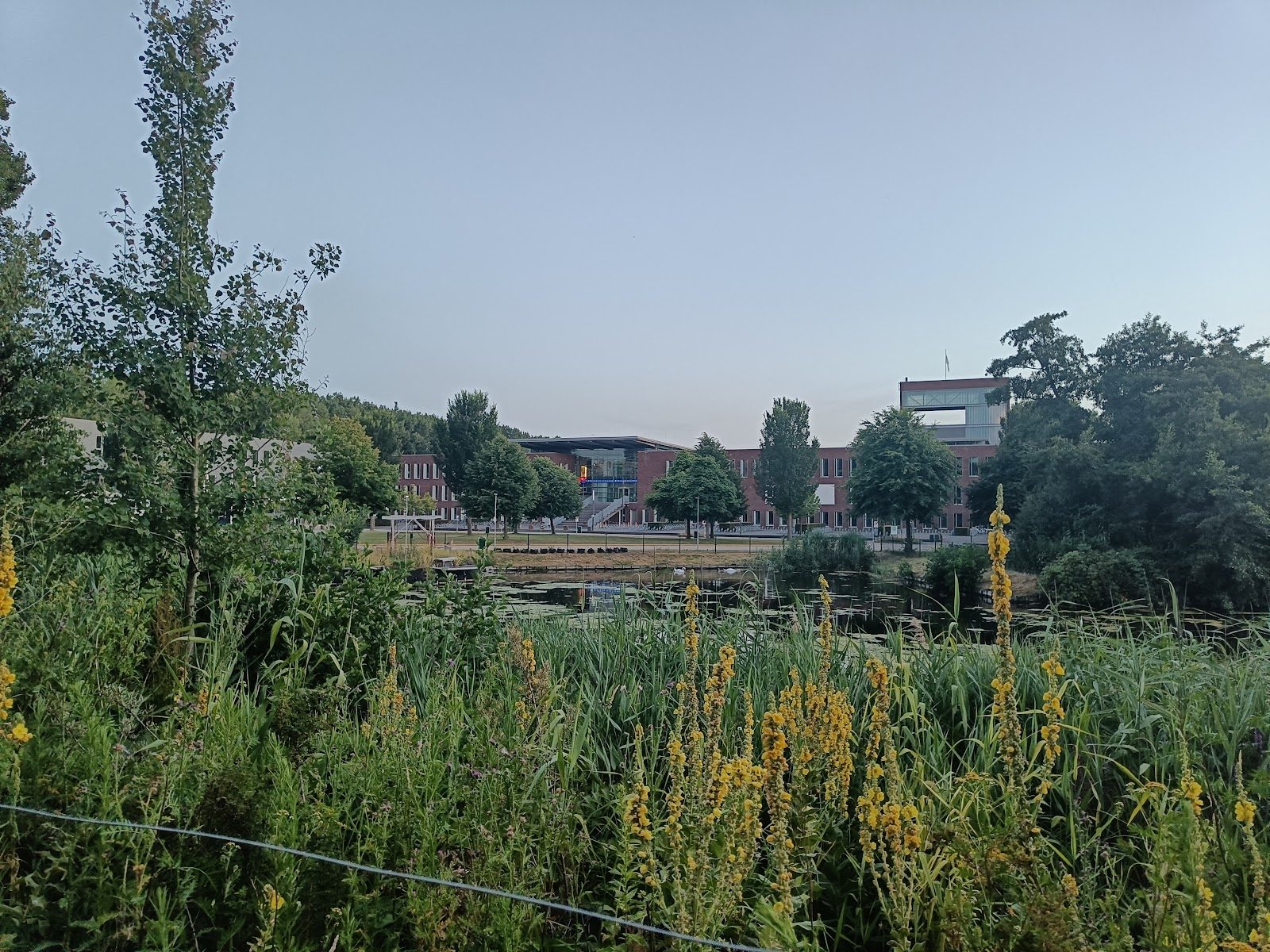
The International School of The Hague
The Hague · Netherlands
In the Kijkduin dunes, this IB day school runs MUNISH, Europe's second-largest student Model UN conference.
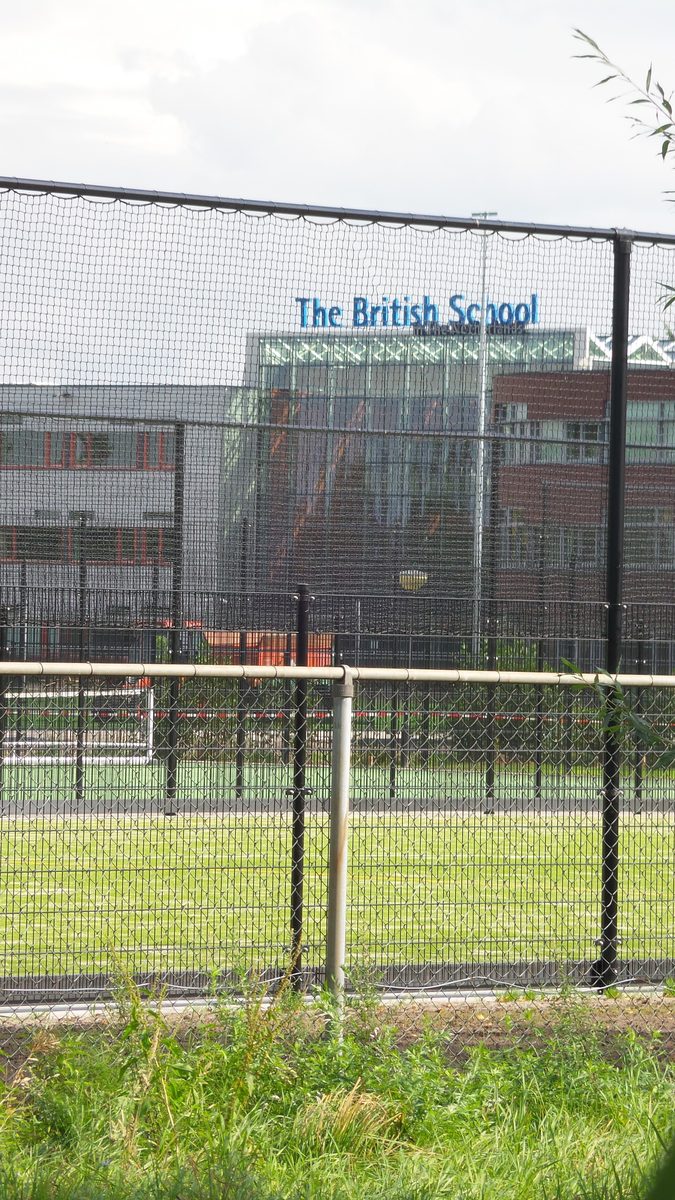
The British School in The Netherlands
Voorschoten · Netherlands
Since 1931, a Voorschoten campus near The Hague where sixth formers choose freely among A-Levels, BTEC, IB Diploma or IB Career Programme.
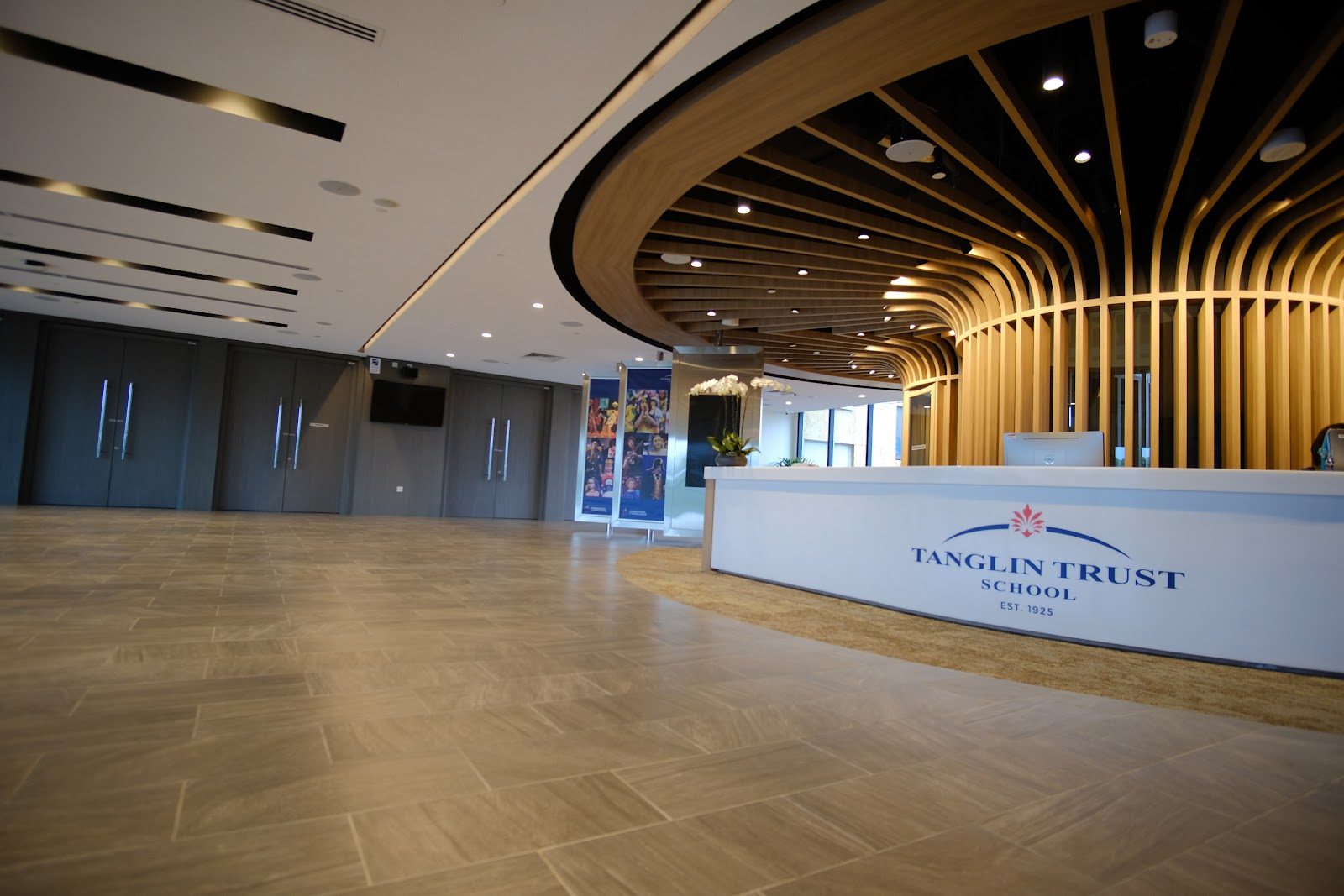
Tanglin Trust School
Singapore · Singapore
Southeast Asia's oldest British school pairs IB with A-Levels, then sends every Year 9 to the Australian bush for five weeks.
Same country and curriculum — closest matches within ±10 points either way