
South Holland
Near The Hague's courts of international justice, a Peace and Diplomacy strand turns Model UN into fieldwork in Nepal and Thailand.
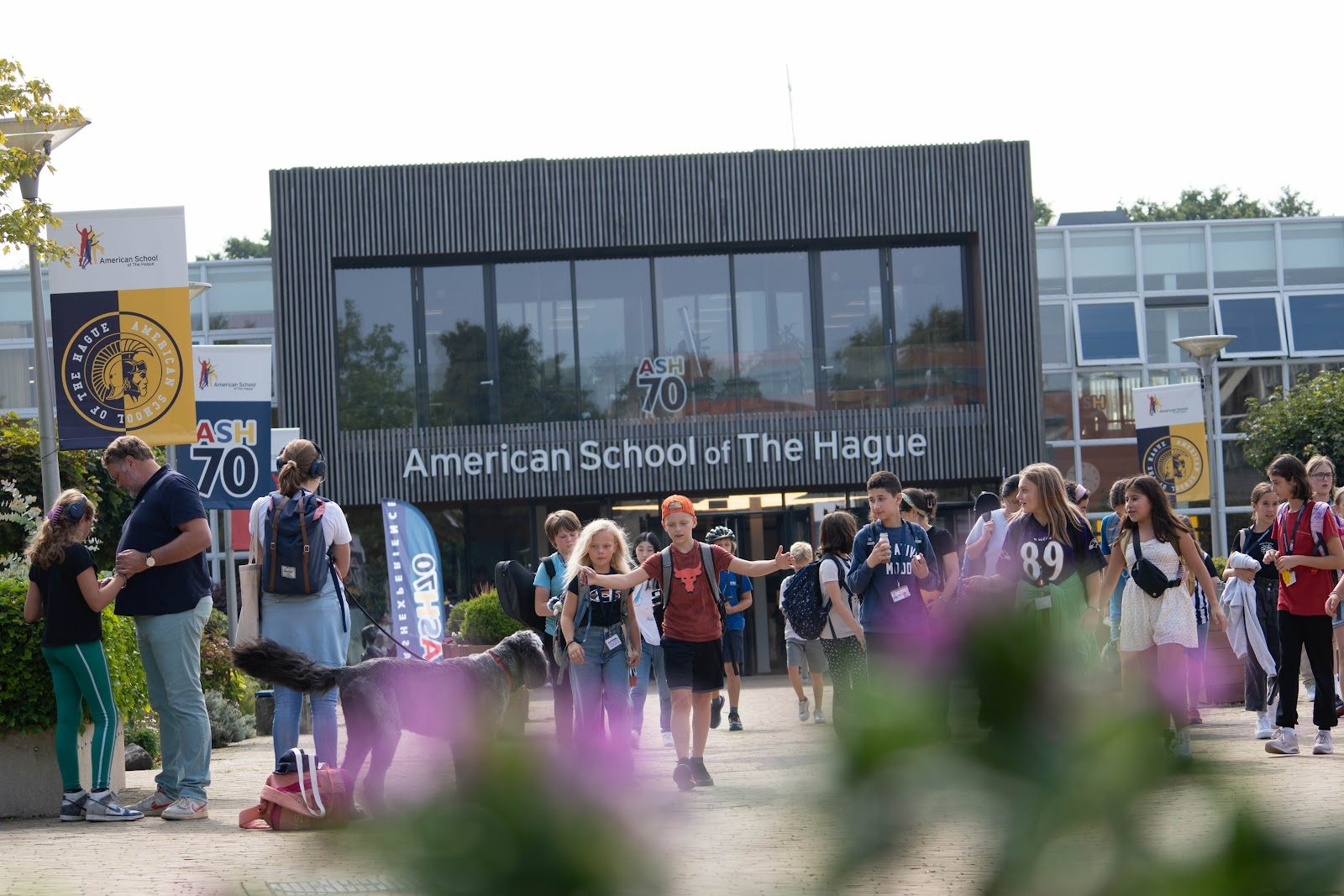
Photo © American School of The Hague via Google Maps
Type
Day
Ages
3–18
Curriculum
American · IB
Qualifications
IB Diploma · AP · US High School Diploma
Ratio
1:8
The Verdict
Editor's commitment
Right for
International families who want English-medium schooling from 3–18, a 1:8 ratio, and a real IB-or-AP choice in the Netherlands.
Wrong for
Parents seeking a cheaper option than the €25,096 average annual fee, Dutch-language immersion, or a school with published destination depth beyond three named universities.
Watch out for
Peace and Diplomacy is the distinctive draw in Wassenaar, but the school does not publish aggregate IB or AP results to prove the academic edge.
Peer & Industry Review
How American School of The Hague is regarded in the sector
70
Respected · medium confidence
The American School of The Hague is consistently cited in expat-parent forums (e.g., Expatica, InterNations threads) and international school directories as one of the leading international/IB schools in the Netherlands, frequently mentioned alongside British School of the Netherlands and International School of The Hague. It holds long-standing accreditation from CIS and NEASC, and Dutch expat relocation guides regularly list it among the top choices for American and international families, though it lacks the level of dedicated specialist press coverage (e.g., Good Schools Guide International, Tatler) seen for the very top-tier schools.
Evidence sources
Editors' overview
In Wassenaar, a short run from The Hague’s legal and diplomatic institutions, American School of The Hague uses its location better than most international schools use their city. The Peace and Diplomacy strand is the clearest example: Model UN is tied to debate, community service and fieldwork in places such as Nepal and Thailand, which gives the programme more weight than the standard conference circuit. This is the school’s defining edge. Plenty of international schools promise global mindedness; ASH builds a route for students to test it in practice. The school also has unusual curricular breadth for the Netherlands, offering both the IB Diploma and an AP pathway under one roof. For internationally mobile families who do not want to be forced into a single post-16 system, that is genuinely useful.
ASH belongs on a shortlist because it combines scale, range and credibility without drifting into sprawl. It serves ages 3 to 18, teaches in English, enrols students from more than 70 nationalities and runs at a 1:8 student-teacher ratio, which is strong by any international standard. Its accreditations — IB World School, CIS, NEASC and MSA-CESS — give parents a solid external check on quality control. The campus offer also has substance: a purpose-built STEM Centre, a serious arts programme and competitive athletics, rather than the token version many schools settle for. Fees average €25,096 a year across the full age range, which places ASH in the expensive tier, but not at the top of the European international-school market.
The school will suit students who want a busy, outward-facing education and who are ready to use The Hague as part of their schooling, not just as a backdrop. It fits internationally minded children who thrive on discussion, performance, STEM projects and a crowded activities programme. It also suits families who value flexibility at the top end: IB for one student, AP for another, without changing schools. It is less compelling for parents who want a small, quiet school with a narrow academic brief or a heavily local Dutch identity. Recent destinations listed by the school are modest — University of Sydney, KU Leuven and Université Libre de Bruxelles, one student each — so the university picture lacks breadth in the public domain. That does not weaken the school’s core case, but it does mean parents who care deeply about admissions outcomes should press for fuller destination data. ASH’s appeal rests instead on a rarely superficial mix of diplomacy, academic choice and international density.
Academic Performance
ASH’s academic performance is harder to judge than it should be. The school advertises unusual sixth-form breadth, with both IB Diploma and AP under one roof, but it does not publish aggregate IB scores, IB pass rates, average AP grades or the share of students taking each route. That is a real gap. In a market where strong international schools use external results to prove academic seriousness, this level of opacity leaves parents without the simplest benchmark against peers. The same weakness runs into university outcomes: the public destination list is thin, with only 3 named placements and no wider cohort picture. For a school with this profile and scale, that is below the disclosure standard set by the best international schools in Europe.
That does not mean weak outcomes; it means unproven outcomes in the public domain. The structure is there for strong performance: a low staffing ratio, a student body drawn from dozens of countries and a programme built around academic choice rather than a single terminal path. The Peace and Diplomacy strand also gives academic work a serious real-world frame, which can sharpen writing, research and presentation. But parents comparing ASH with transparent rivals will hit a wall. Until the school publishes a run of cohort-level IB and AP results, plus fuller destination data, it sits in the category of schools with credible academic architecture and insufficient public proof.
Facilities
ASH’s facilities are strongest where the school has chosen to build distinctive programmes, not just standard international-school provision. The clearest example is the purpose-built STEM Centre, which gives science, technology and engineering work a proper home rather than borrowing generic classrooms and calling it innovation. In the Dutch international market, that matters: plenty of schools talk about hands-on learning, fewer back it with dedicated space. The arts also have real infrastructural weight. The school points to on-campus performances as well as off-campus events and exhibitions, which indicates a programme built for production and display, not a token annual showcase. Athletics, student support, and clubs and activities are all given visible space in the school’s public offer, which points to a campus designed for a busy, full-spectrum student day.
Against peer schools, this is a serious, well-rounded facilities package rather than an arms-race campus. You do not get the grandiose language or resort styling that some high-fee international schools use to sell themselves, and that is no loss. What matters is whether facilities serve the school’s strongest ideas. Here they do: STEM has a dedicated centre; the arts are embedded in performance culture; Peace and Diplomacy is tied to the school’s setting and used as an educational asset rather than a slogan. The weakness is detail. The school does not publish much hard specification on specialist labs, theatre scale, sports infrastructure or technical kit. That leaves parents with a credible outline rather than a fully evidenced facilities picture, and rival schools with stronger disclosure do this part better.
For internationally mobile families who do not want to be forced into a single post-16 system, that is genuinely useful
Prestige
ASH has real prestige, but it is a specific kind of prestige. This is not an old European grandee trading on inherited cachet. Its status comes from function, reach and the circles it serves. A school that draws families from more than 70 nationalities, sits in the orbit of international courts and diplomacy, and builds a signature strand around that environment holds serious international capital. For diplomatic, NGO and globally mobile professional families, the name carries genuine weight. The dual post-16 pathway adds another layer: parents know they are not locked into one university-prep route. That flexibility matters, and schools that offer it well are rare.
The limit is clarity at the top end. Prestige in this market rests on three things: who a school attracts, what it offers, and what it proves. ASH is strong on the first two. It has a cosmopolitan intake, a low staffing ratio and a broad programme that reaches well beyond classroom routine. On proof, it is weaker. The school does not publish the exam and university-outcomes data that turn reputation into hard currency. That keeps it below the most elite tier of international schools, where results disclosure is part of the brand. The fee level — an average of €25,096 a year — reinforces the point: this is an *expensive, credible, internationally connected* school, not a scarce status object.
Fees average €25,096 a year across the full age range, which places ASH in the expensive tier, but not at the top of the European international-school market
Communications
ASH communicates with parents in a clean, modern, high-frequency style. The public site is well organised, easy to navigate and built around the questions parents actually ask: phase structure, signature programmes, support, activities and admissions. That matters. Too many international schools bury the practical information under mission-language; ASH keeps the sales gloss under better control than most. The school also makes its priorities unmistakable. STEM, the arts and Peace & Diplomacy are not buried in a prospectus footer; they sit at the centre of the message, which gives families a clear read on what school life values. The scale of the community — more than 70 nationalities, with ages spanning the full school ladder — also means communication needs to work across cultures and expectations. On that front, the tone is confident, accessible and outward-facing.
The weakness is depth. ASH communicates atmosphere, ethos and opportunity well, but it is less rigorous when parents need hard proof. We have not seen the level of routine public disclosure that the strongest schools provide on exam outcomes, university destinations, facilities specifications or day-to-day operational detail. That creates a communications gap: the school tells you what it cares about, but gives too little hard evidence on how well it delivers at the top end. For current families, that does not rule out strong direct communication through portals, emails and year-group channels, but the public-facing standard still matters. On that measure, ASH is persuasive on narrative and weaker on accountability.
Uniqueness
What sets ASH apart is not the diplomacy branding on its own, but the way the school uses its setting as working academic territory. Many international schools run Model United Nations; far fewer sit within reach of the institutions that make The Hague matter, then build that access into day-to-day school life. Peace and Diplomacy here has real educational bite. Students are not confined to abstract talk about global issues; they get a route into debate, service and outward-facing work that gives the subject practical force. That matters for children who learn best when ideas leave the classroom and meet institutions, politics and public life. The same applies to the student body: with more than 70 nationalities on roll, internationalism is not a slogan but the social fabric of the school.
The second point of difference is range without fragmentation. ASH gives students a broad set of routes through sixth form, serious arts provision, dedicated STEM space and a crowded extracurricular life, yet the offer still holds together around a clear worldview: intellectual confidence, public engagement and movement across borders. That combination is hard to replicate. For students, the payoff is substantial. They get choice without having to switch schools, exposure to a genuinely international peer group, and an education that treats global citizenship as something to practise, not admire from a poster. For the right child, that produces a more demanding, more outward-looking school experience than the standard premium international model.
It also suits families who value flexibility at the top end: IB for one student, AP for another, without changing schools
Student Profile
This is a school for children who enjoy motion: intellectual, social and extracurricular. The mix of more than 70 nationalities produces a student body that is international by habit, not just passport count, and that has consequences for fit. Students who do well here are comfortable moving between cultures, joining in quickly and speaking up in class, rehearsal, debate or team settings. The school’s strongest strands reward curiosity with action. A child who wants to build in the STEM Centre, perform, compete, argue a case, or turn global issues into projects and service will have room to do it. The Peace and Diplomacy emphasis also suits students with a serious interest in public life, current affairs and institutions beyond school gates.
The less suitable profile is just as clear. Children who want a quiet, inward-looking education, or who dislike busy timetables and communal energy, will find the culture demanding. This is not the right setting for families seeking a heavily Dutch social identity or a small, sheltered peer group. It suits internationally mobile families, diplomatic and professional households, and students who value choice at the top end without changing schools. The low staffing ratio of 1:8 strengthens support, but it does not change the basic character: ASH fits students who are outward-facing, resilient and ready to make use of a school that asks them to participate, not just attend.
ASH’s facilities are strongest where the school has chosen to build distinctive programmes, not just standard international-school provision
Co-curricular strengths
Arts & sport, on a separate axis
Overall 8.52/10
Scored 0-10 from the school's own published evidence. This axis is editorial-only — it does not feed the main WTS ranking.
Sports
8.5/10
Drama
8.8/10
Dance
7.5/10
Music
8.8/10
Visual Arts
9/10
Editor first-pass · editor-reviewable · 7/29/2026
Outcomes & destinations
Where students go next
Top destinations
443 placements
- University of Sydney· 1
- KU Leuven· 1
- Université Libre de Bruxelles· 1
- Hogeschool West-Vlaanderen· 1
- Vrije Universiteit Brussel· 1
- Fundação Getulio Vargas· 1
- Bishop’s University· 1
- Laurentian University· 1
- McGill University· 1
- Simon Fraser University· 1
- St. Francis Xavier University· 1
- The University of British Columbia, Vancouver· 1
- The University of British Columbia, Okanagan· 2
- University of Calgary· 1
- University of New Brunswick· 1
- University of Toronto· 3
- University of Waterloo· 1
- Western University· 1
- University of Nicosia· 1
- Charles University· 1
- American University of Paris· 2
- Cours Florent· 1
- Paris College of Art· 1
- BIMM Institute Berlin· 1
- Macromedia University for Media and Communication· 1
- Macromedia University of Applied Sciences, Berlin· 1
- RWTH Aachen University· 1
- Guru Gobind Singh Indraprastha University· 1
- Royal College of Surgeons in Ireland· 1
- Trinity College Dublin· 1
- University of Galway· 1
- American University of Rome· 1
- Bocconi University· 3
- Università Cattolica del Sacro Cuore· 1
- Instituto Italiano di Fotografia· 1
- Politecnico di Milano· 1
- Doshisha University· 1
- United States International University Africa· 1
- Queen Mary University of London, Malta Campus· 1
- Amsterdam University College· 5
- Amsterdam University of Applied Sciences· 3
- ArtEZ University of The Arts· 1
- Delft University of Technology· 14
- Eindhoven University of Technology· 9
- Erasmus University College· 1
- Erasmus University Rotterdam· 17
- Fontys University of Applied Sciences· 1
- Graphic Lyceum Rotterdam· 1
- Hanze University of Applied Sciences Groningen· 1
- Hogeschool voor de Kunsten, Utrecht· 1
- Hotel School The Hague, Hospitality Business School· 1
- Inholland University of Applied Sciences· 1
- Kronenburgh College· 1
- Leiden University· 13
- Leiden University College, The Hague· 5
- Maastricht University· 12
- NHL Stenden University of Applied Sciences· 2
- NHTV Breda University of Applied Sciences· 1
- Nyenrode Business University· 1
- Radboud University· 1
- Royal Academy of Art, The Hague· 1
- Rijksuniversiteit Groningen· 1
- ROC Mondriaan· 1
- ROC van Amsterdam· 1
- Saxion University of Applied Sciences· 1
- SRH Haarlem University of Applied Sciences· 1
- The Hague University of Applied Sciences· 7
- Tilburg University· 1
- Tio University of Applied Sciences· 1
- University College Groningen· 2
- University College Maastricht· 3
- University College Roosevelt· 1
- University College Tilburg· 1
- University College Twente· 1
- University College Utrecht· 1
- University of Amsterdam· 23
- University of Applied Sciences, Leiden· 1
- University of Applied Sciences, Utrecht· 3
- University of Groningen· 9
- University of Twente· 5
- Utrecht University· 5
- Vrije Universiteit Amsterdam· 5
- Wageningen University & Research· 2
- Webster University· 1
- FMUP University of Porto· 1
- Georgetown University, Qatar· 1
- Prince Mohammad Bin Fahd University· 1
- European University Madrid· 1
- IE University· 1
- Saint Louis University, Madrid· 1
- UIC Barcelona· 1
- University of Navarra· 3
- Karolinska Institutet· 1
- Lund University· 1
- Malmö University· 1
- Arts University Bournemouth· 1
- Bangor University· 1
- Bath Spa University· 1
- BIMM Institute - Brighton· 1
- Birkbeck, University of London· 1
- Brunel University· 1
- Central Film School, London· 1
- City University of London· 1
- Durham University· 1
- Imperial College London· 1
- Keele University· 1
- King’s College London· 4
- London Film Academy· 1
- London School of Economics and Political Science· 1
- Loughborough University· 1
- Met Film School· 1
- Middlesex University· 1
- Newcastle University· 2
- Northeastern University, London· 1
- Northumbria University· 1
- Queen Mary University of London· 1
- Royal Academy of Dramatic Art· 1
- Royal Holloway, University of London· 1
- School of Oriental and African Studies (SOAS), University of London· 1
- The University of Liverpool· 2
- University College Birmingham· 1
- University College London· 1
- University of Aberdeen· 1
- University of Glasgow· 1
- University of Kent, Canterbury· 1
- University of Leeds· 1
- University of Liverpool· 1
- University of Manchester· 3
- University of Northampton· 1
- University of Plymouth· 1
- University of Portsmouth· 1
- University of Sheffield· 1
- University of Southampton· 1
- University of Strathclyde· 1
- University of Surrey· 1
- University of St Andrews· 1
- University of Warwick· 1
- American University· 1
- Alfred University· 1
- Appalachian State University· 1
- Arizona State University· 1
- Baylor University· 1
- Beloit College· 1
- Berklee College of Music· 2
- Bradley University· 1
- Brigham Young University, Idaho· 1
- Bryant University· 1
- Bucknell University· 1
- Calvin University· 1
- Carlow University· 1
- Case Western Reserve University· 1
- Champlain College· 1
- Coastal Carolina University· 1
- College of Charleston· 1
- College of the Holy Cross· 1
- College of William and Mary· 1
- Colorado School of Mines· 1
- Colorado State University· 2
- Conneticut College· 1
- Cornish College of the Arts· 1
- Denison College· 1
- DePaul University· 1
- Drexel University· 1
- Duke University· 1
- Duquensne University· 1
- Elon University· 1
- Embry-Riddle Aeronautical University, Daytona Beach· 2
- Emerson College· 1
- Emory University· 1
- Florida Gulf Coast University· 1
- Florida Institute of Technology· 1
- Florida International University· 1
- Fort Lewis College· 1
- George Mason University· 1
- Georgia College· 1
- Georgia Perimeter College· 1
- Georgia Southern University· 1
- Georgia State University· 1
- Gettysburg College· 1
- Grinnell College· 1
- Hobart and William Smith Colleges· 1
- Hofstra University· 1
- Houston Baptist University· 1
- Illinois Institute of Technology· 1
- Indiana University, Purdue University IUPUI· 1
- Indiana University Bloomington· 1
- James Madison University· 3
- Juniata College· 1
- Kansas State University· 1
- Kenyon College· 1
- Lawrence University· 1
- Lesley University· 1
- Lewis & Clark College· 1
- Louisiana State University· 1
- Loyola University Chicago· 1
- Loyola University Maryland· 1
- Macalester College· 1
- Maine Maritime Academy· 1
- Manhattan College· 1
- Marquette University· 1
- Massachusetts College of Art and Design· 1
- Michigan State Universit· 1
- Middle Tennessee State University· 1
- Mississippi State University· 1
- Missouri University of Science and Technology· 1
- Mount Holyoke College· 1
- New Jersey Institute of Technology· 1
- North Central College· 1
- Northeastern University· 2
- Oberlin Conservatory of Music· 1
- Oregon State University· 1
- Pacific Northwest College of Art· 1
- Pennsylvania State University, University Park· 1
- Portland State University· 1
- Pratt Institute· 1
- Purdue University· 1
- Rice University· 1
- Rockhurst University· 1
- Roger Williams University· 1
- Rutgers University, New Brunswick· 1
- Sam Houston State University· 1
- Santa Clara University· 1
- Savannah College of Art and Design· 1
- Scripps College· 1
- Seton Hall University· 1
- Shenandoah University· 1
- Siena College· 1
- Skidmore College· 1
- St. Olaf College· 1
- Suffolk University· 1
- SUNY University at Buffalo· 1
- Syracuse University· 1
- Temple University· 1
- Texas A&M University· 1
- Texas Christian University· 1
- Texas Tech University· 2
- The New School· 1
- The Ohio State University· 1
- The University of Texas at Austin· 3
- Tidewater Community College· 1
- Towson University· 1
- Trinity University· 1
- Tulane University· 1
- Union College - New York· 1
- University of Alabama· 1
- University of Arizona· 1
- University of Arkansas· 1
- University of California, Davis· 1
- University of California, San Diego· 1
- University of Cincinnati· 1
- University of Colorado Boulder· 1
- University of Colorado Denver· 1
- University of Delaware· 1
- University of Denver· 1
- University of Georgia· 1
- University of Houston· 1
- University of Illinois at Chicago· 1
- University of Iowa· 1
- University of Kansas· 1
- University of Maine· 1
- University of Maine at Farmington· 1
- University of Maryland, College Park· 1
- University of Massachusetts, Amherst· 1
- University of Michigan Ann Arbor· 1
- University of Minnesota Twin Cities· 1
- University of Mississippi· 1
- University of Missouri· 1
- University of New Hampshire· 1
- University of North Carolina at Charlotte· 1
- University of North Texas· 1
- University of Oregon· 1
- University of Pittsburgh· 1
- University of Rhode Island· 1
- University of Richmond· 1
- University of Tennessee, Knoxville· 1
- University of Texas, Austin· 1
- University of Utah· 1
- University of Vermont· 1
- University of Washington, Bothell· 1
- University of Washington-Tacoma Campus· 1
- University of Wisconsin, Madison· 1
- Virginia Polytechnic Institute· 1
- Wake Forest University· 3
- Wentworth Institute of Technology· 1
- Washington College· 1
- Washington State University, Pullman· 1
- Wesleyan University· 1
- Western Washington University· 1
- Wheaton College, Massachusetts· 1
- Widener University· 1
- Winona State University· 1
- Worcester Polytechnic Institute· 1
Reported by the school. Confirm with admissions.
WTS 300 badge
American School of The Hague is one of the World's Top 300 Schools. Claim your listing to add it to your site →
Strengths
- +Founded in 1953, ASH is a long-established, not-for-profit day school with an 11-acre main campus and a separate Early Childhood Center in Wassenaar.
- +Offers both a US-style college-preparatory program and the IB Diploma Programme alongside Advanced Placement courses, giving families a dual-track academic path.
- +Accredited by the New England Association of Schools and Colleges (NEASC), providing external quality oversight of the curriculum and operations.
- +Serves a genuinely international community of roughly 80 nationalities, with about 28% American and 15% Dutch students, avoiding domination by a single expat group.
- +Runs dedicated learning-support programs with self-contained classrooms in each division for students with developmental delays or mild learning differences.
Considerations
- −Tuition is substantial, with published day-school fees running from roughly EUR 15,000 in the early grades to around EUR 26,000-34,000 a year in the senior grades, plus a one-time enrollment fee near EUR 6,800 and an annual capital fee of about EUR 4,600.
- −Learning-support capacity is explicitly limited; the school itself states that admissions are managed to protect student-teacher ratios, meaning places for students with more complex needs are not guaranteed.
- −As a large, established institution (over 1,000-1,200 students across two campuses), class sizes and campus scale may feel less intimate than at smaller boutique international schools.
- −The editorial tier (challenger_300, rank 383) places it below the top-ranked global international schools, reflecting a solid but not standout academic reputation in comparative rankings.
Availability
Primary entry gate & tests
Academic Record (Expat Priority)
Gallery
Photo © American School of The Hague via Google Maps
Photo © American School of The Hague via Google Maps
Photo © American School of The Hague via Google Maps
Photo © Frank van veen via Google Maps
Photo © Frank van veen via Google Maps
Parent reviews
Have you sent your child here?
Voice reviews carry the strongest trust badge — we transcribe them for you to tidy up before they go live. Prefer to type? A written review is fine too.
Add your voice
In 60 seconds, tell other parents: what's the best thing about American School of The Hague, and what surprised you when your child joined?
We ask for a Google sign-in so every review has a real face behind it — no anonymous drive-by attacks on schools, and no faked positive reviews. Your email is never shown publicly.
Send this profile to a friend
International parents rely on word-of-mouth. Share this review with someone weighing the same decision.
Schools with places
Similar schools to American School of The Hague with places available now.
Rijnlands Lyceum Oegstgeest
Oegstgeest · Netherlands
- 2026-27
- WAITPOOLSpace-dependent
- 2027-28
- PLACES OPENRolling
The International School of The Hague
The Hague · Netherlands
- 2026-27
- WAITPOOLSpace-dependent
- 2027-28
- PLACES OPENRolling
Nord Anglia International School Rotterdam
Rotterdam · Netherlands
- 2026-27
- WAITPOOLSpace-dependent
- 2027-28
- PLACES OPENRolling
Availability first, then country, area, curriculum, price, co-curricular
Consider also
Also worth looking at alongside American School of The Hague.
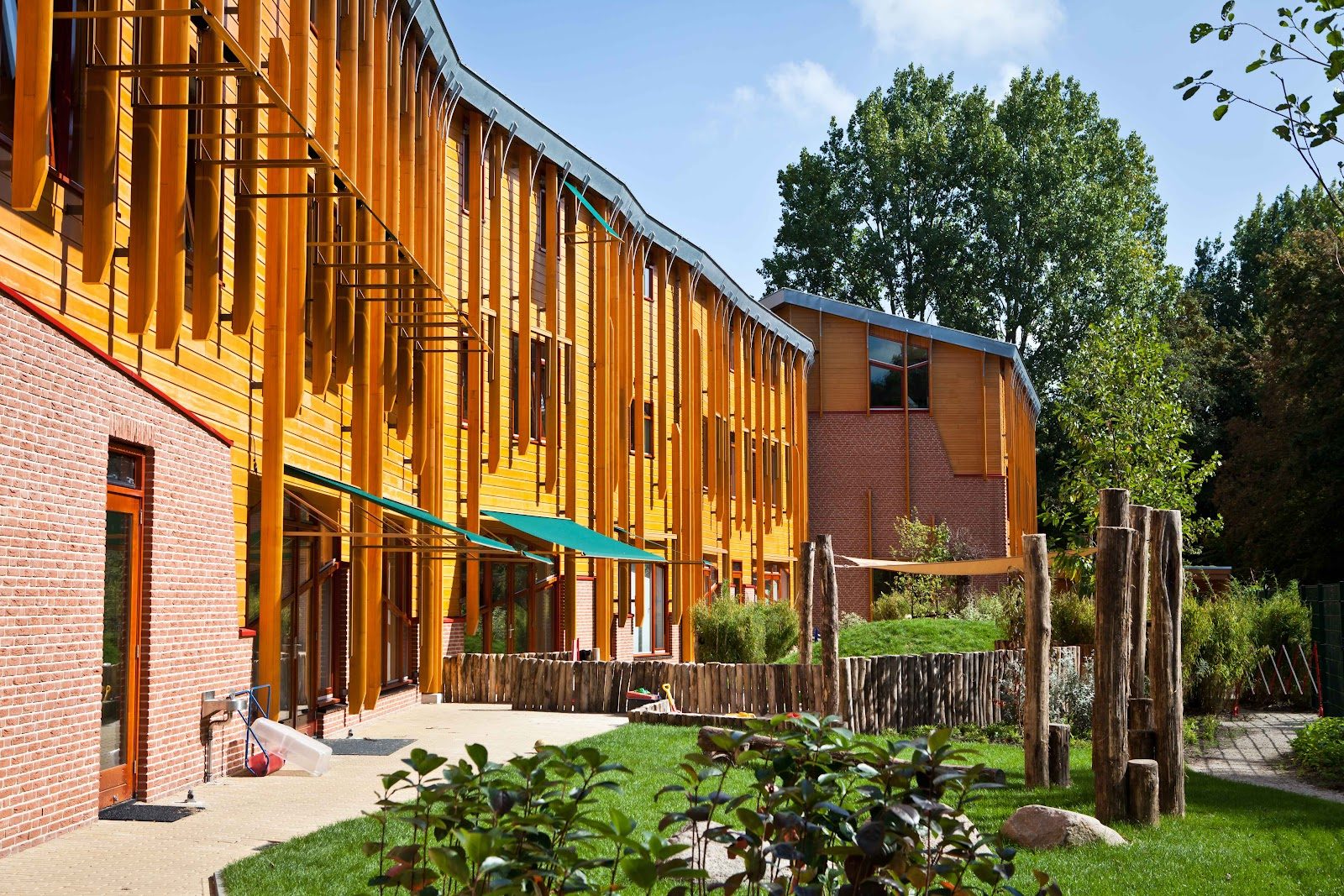
International School of Amsterdam
Amstelveen · Netherlands
Just outside Amsterdam, this 1964 founding became the first school anywhere to run the full IB continuum from age two to eighteen.
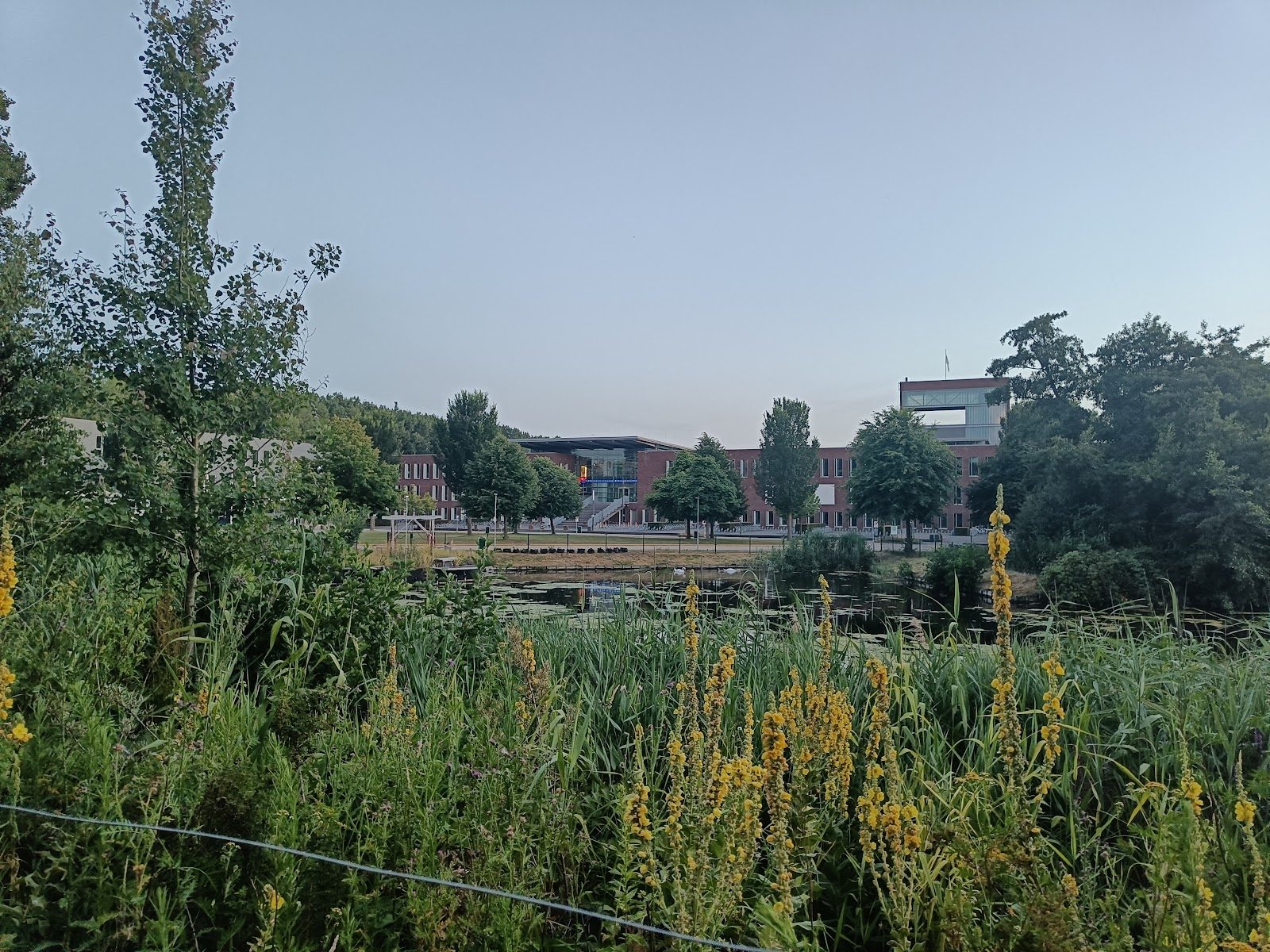
The International School of The Hague
The Hague · Netherlands
In the Kijkduin dunes, this IB day school runs MUNISH, Europe's second-largest student Model UN conference.
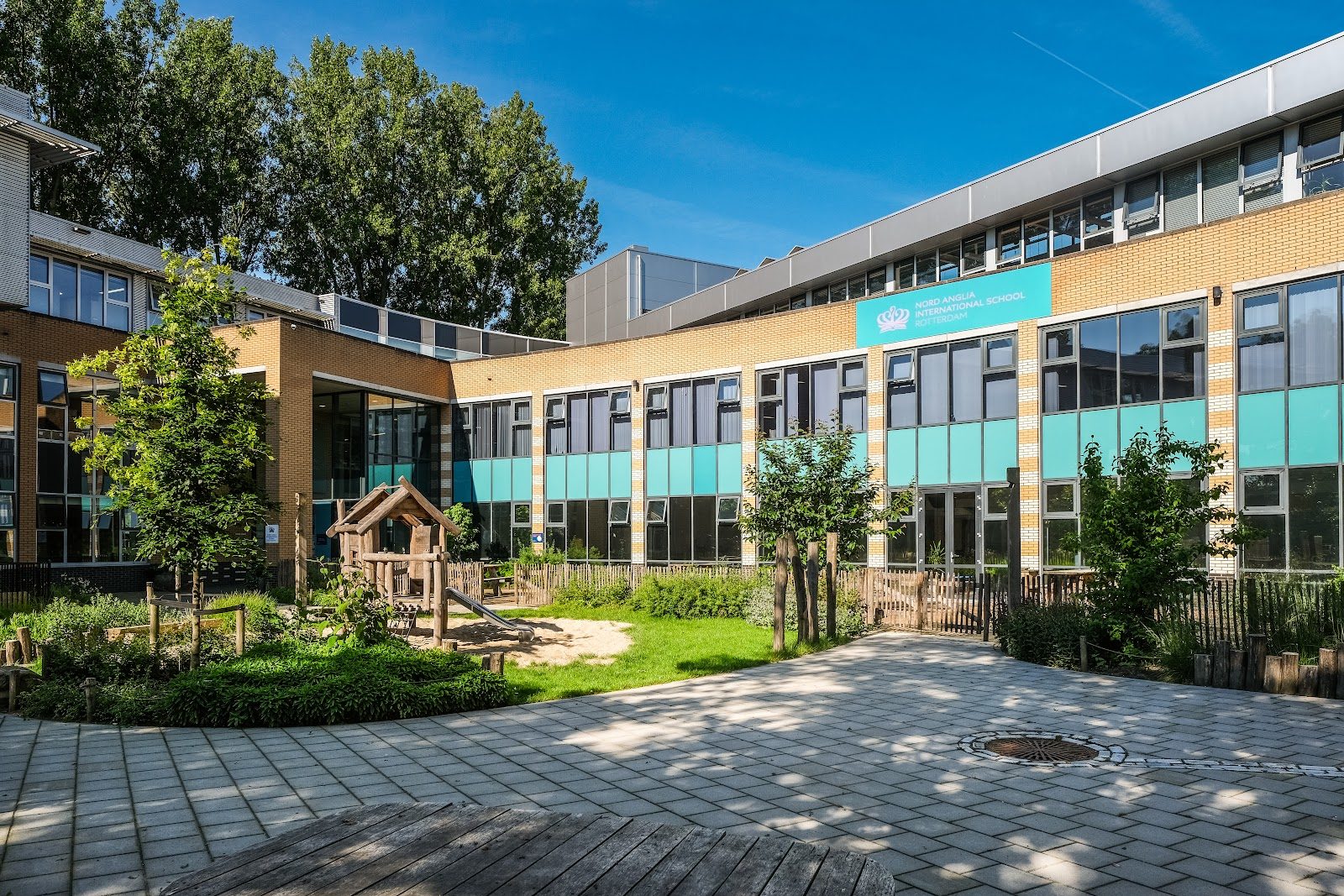
Nord Anglia International School Rotterdam
Rotterdam · Netherlands
Born from a 1959 American community, this Hillegersberg school pairs IB rigor with MIT-designed STEAM and Juilliard arts training.
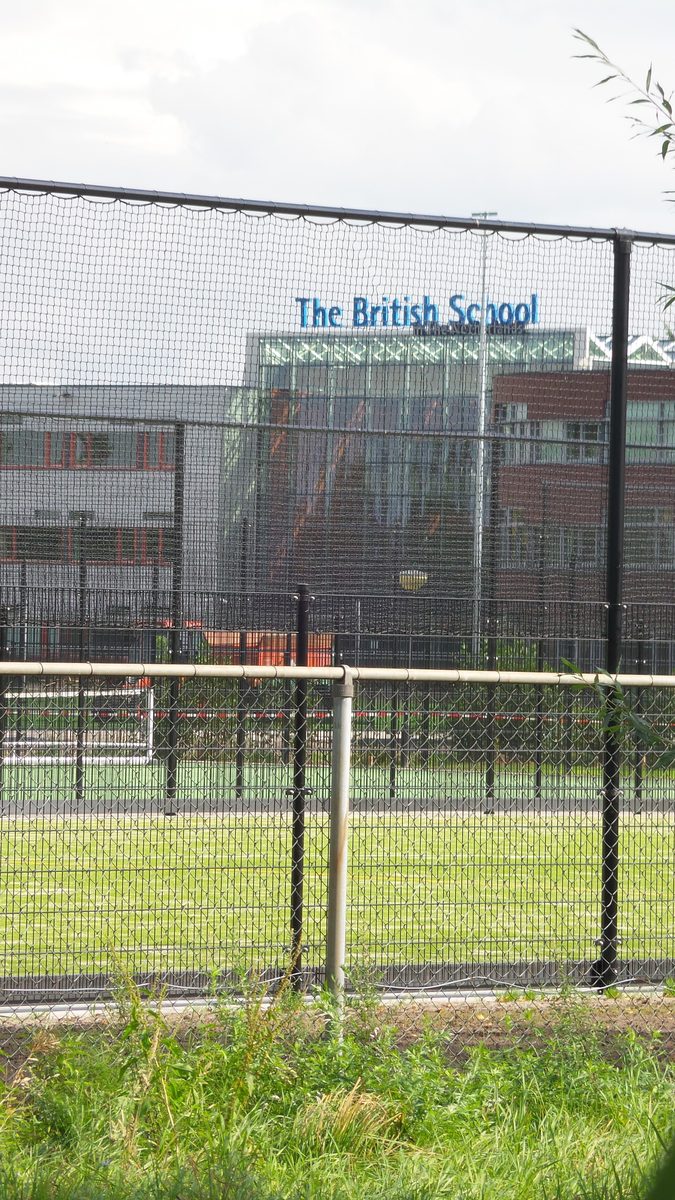
The British School in The Netherlands
Voorschoten · Netherlands
Since 1931, a Voorschoten campus near The Hague where sixth formers choose freely among A-Levels, BTEC, IB Diploma or IB Career Programme.
Same country and curriculum — closest matches within ±10 points either way