
South Holland
Since 1931, a Voorschoten campus near The Hague where sixth formers choose freely among A-Levels, BTEC, IB Diploma or IB Career Programme.
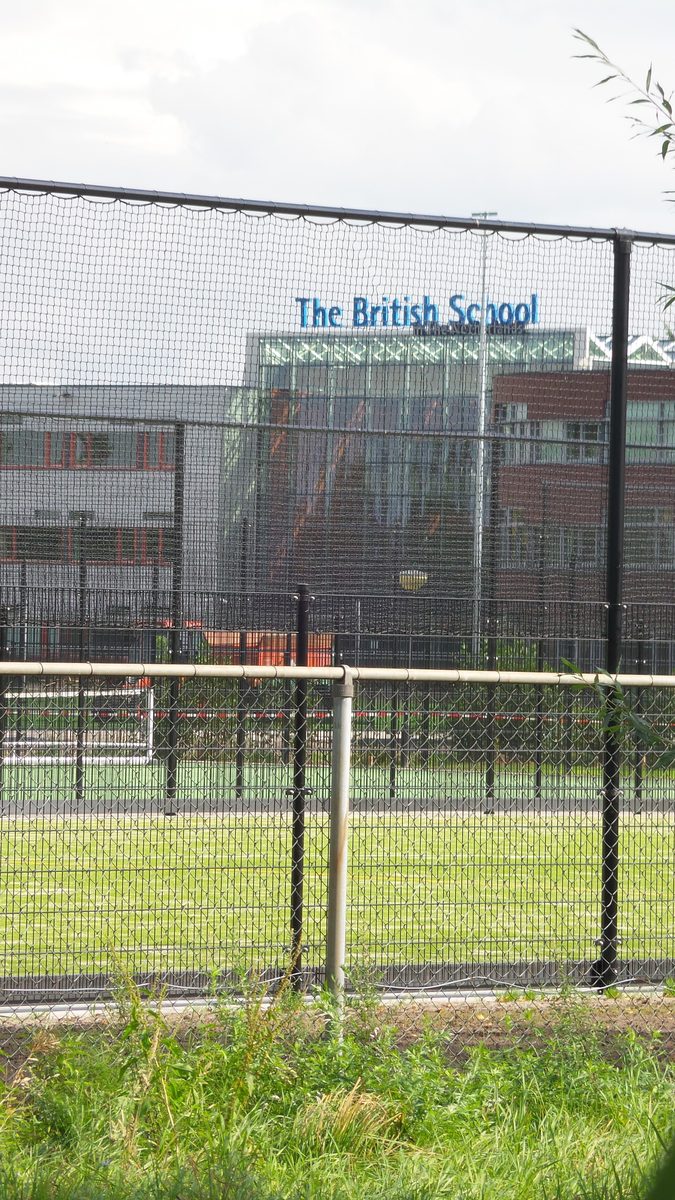
Photo © Martin Postma via Google Maps
Type
Day
Ages
3–18
Curriculum
British
Qualifications
A-Level · IGCSE · IB Diploma
Ratio
—
The Verdict
Editor's commitment
Right for
Families wanting real sixth-form choice: A-Levels, BTEC, IB Diploma or IB Career Programme on one Voorschoten campus, with Cambridge and Oxford destinations.
Wrong for
Parents seeking a single-campus school or Dutch-language education; BSN runs four campuses, teaches in English, and anchors senior years in Voorschoten.
Watch out for
At €22,205 average annual day fees, this COBIS and IB World School is expensive, and nearly 90 nationalities can dilute local rootedness.
Ranking breakdown
The British School in The Netherlands · #178 of 1591
Composite score 76.0. 8 weighted criteria.
By criterion
Academic Outcomes
Weight 20%
#147
of 1529 scored
University Placement
Weight 16%
#136
of 1529 scored
Prestige & Heritage
Weight 12%
#225
of 1571 scored
Alumni Network
Weight 12%
#248
of 1530 scored
Facilities
Weight 12%
#80
of 1533 scored
Transparency & Communications
Weight 8%
#9
of 1532 scored
Peer & Industry Review
Weight 10%
#145
of 1548 scored
Admissions Selectivity & Demand
Weight 8%
#1419
of 1529 scored
Score history
The British School in The Netherlands · 2026
Movement across 2024–2026. Peer average overlaid.
Overall — 2024–2026
76.0/ 100
▲ +27.7 vs 2025
year on year
Peer & Industry Review
How The British School in The Netherlands is regarded in the sector
68
Respected · medium confidence
The British School in the Netherlands (BSN) is consistently referenced in expat-parent forums (IamExpat, Expatica) and has a profile on Good Schools Guide International, reflecting its status as one of the oldest and most established British curriculum schools serving The Hague's diplomatic and international-organisation community. It lacks the broader 'best schools in Netherlands' or Tatler-level recognition seen at top-tier international schools, but is a solid, long-standing regional player with a credible alumni network among expat families.
Evidence sources
Editors' overview
What sets The British School in The Netherlands apart is structural, not cosmetic: few schools in the Hague area give sixth formers a genuine choice between A-Levels, BTEC, the IB Diploma and the IB Career Programme on one campus. That matters. It widens the school’s catchment beyond the standard British-expat brief and makes it a serious option for families who want an English-medium education without locking a 16-year-old into one narrow academic route. The school is day-only, non-religious, teaches in English, and runs from ages 3 to 18 across four campuses, with the senior years based in Voorschoten. It also carries two credentials parents actually recognise — COBIS membership and IB World School status — which places it firmly in the established international-school market rather than the local niche end of the sector.
This is also a school with scale and international range. BSN says it serves nearly 90 nationalities, and that breadth changes the character of the place: less enclave, more genuinely international community. For mobile families in and around The Hague, that mix has real value. Children are not entering a monoculture dressed up as internationalism. The average annual day fee across the full age range is €22,205, which is expensive, but not outlandish for a mature English-language international school in the Netherlands with multiple campuses and a full 3–18 offer. The destination data give useful proof of academic traction: recent leavers went to Cambridge (2), Oxford (2) and UCL (5). That is not a complete outcomes picture, and the school does not publish a broader destinations breakdown here, but it is enough to show that high-end university progression is part of the school’s working reality.
The pupil who will thrive here is not just “British”; that is too narrow. BSN suits internationally mobile families, academically ambitious students who want real post-16 flexibility, and children who benefit from a large, organised school with clear progression from early years to sixth form. It will also appeal to students who want breadth alongside academics: the school pushes co-curricular life hard, with sport, music, drama, Model United Nations, student leadership and TEDxYouth all visible parts of the offer. The trade-off is clear too. Families looking for a tiny school, a strongly local Dutch identity, or a stripped-back, low-cost education will find BSN too big, too international and too expensive. Parents who want a serious all-through school with multiple exit routes at 18, a long-established presence near The Hague, and an intake that reflects international professional life in the Netherlands should have it on the shortlist.
Academic Performance
BSN gives parents a route map but not the exam data that would let them judge the road quality. The school has an “Exam Results” page, yet no aggregate public figures sit in the source set here for A-Levels, BTEC or the IB pathways it offers in sixth form. That is a real limitation. In a market where strong international schools publish headline pass rates, subject grades or points profiles, BSN’s public outcomes picture is more opaque than it needs to be. The university destinations already cited do show that serious academic traction exists at the top end, and the breadth of post-16 choice matters: schools that run multiple sixth-form routes well can serve very different learners without forcing all of them through one narrow definition of success.
Relative to peers, that places BSN in an established but imperfectly evidenced bracket. It has the scale, the longevity and the destination proof to justify attention from academically ambitious families, but it does not earn top marks for transparency on external examination performance from what we have seen. For parents comparing selective international schools around The Hague, that means asking harder questions: cohort-wide IB outcomes, A-Level grade distribution, BTEC results, and how many students take each pathway. Without those figures, BSN reads as a school with credible academic substance and multiple exit routes, but not one that publishes the full statistical case in plain sight.
Facilities
Facilities here are split across a multi-campus estate, and that matters more than any single showpiece building. The senior base in Voorschoten lists an atrium, pitches and a fitness suite; the Leidschenveen senior site adds design technology space, a cafeteria, a new gym and common areas. On the junior side, both campuses foreground the basics that matter most for younger children: libraries, playgrounds and dedicated foundation-stage classrooms, with music at Vlaskamp and food technology at Leidschenveen. That is a well-built all-through platform, not a one-campus trophy project. For parents, the practical implication is clear: facilities track age and stage sensibly, with specialist space increasing as pupils move up the school.
Against peer international schools, BSN’s estate reads as broad rather than spectacular. There is enough visible provision for sport, performing arts and practical subjects to support a full co-curricular life, and the presence of dedicated sixth-form space points to a proper senior-school environment rather than an afterthought bolted onto a younger campus. What we do not see is a long public inventory of high-end specialist assets — no theatre, pool, black-box studio, science-centre language, or standout elite-sport infrastructure in the source set here. That keeps BSN a step below the arms-race campuses at the flashiest end of the international market. Still, for a school operating across four campuses, the facilities package looks *serious, functional and educationally coherent*.
BSN says it serves nearly 90 nationalities, and that breadth changes the character of the place: less enclave, more genuinely international community
Prestige
BSN carries real standing in the Hague-area international market, but its prestige rests on substance rather than mystique. The school’s strongest status marker is structural: it operates at scale across four campuses and serves a community drawn from nearly 90 nationalities. That breadth gives it a profile few smaller international schools can match. It is not a boutique outpost for one expatriate tribe; it is a serious institutional player with the reach, staffing base and organisational heft that multinational families recognise. The sixth-form model adds another layer of distinction. A school that can run multiple post-16 pathways under one roof signals confidence, timetabling strength and enough demand to sustain genuine choice rather than token options.
That said, BSN is not a prestige school in the old European grand manner, where status derives from extreme selectivity, a famous alumni roll-call or published exam dominance. Its reputation is earned, not inherited. The university destinations already cited give it credible academic cachet, and the fee level places it firmly in the premium bracket, but the school does not publish the kind of headline results data that turn quiet respect into hard-edged academic prestige. Our rating sits in the upper tier of established international schools: strong name recognition, strong regional credibility, and clear appeal for ambitious globally mobile families, but not the aura of a school that can trade on elite scarcity alone.
Its distinction lies in how it handles choice at the top end
Communications
Parent communication has breadth and clear routing. The public-facing site gives families direct paths to the actions that matter — apply, book a tour, contact the school, check term dates, fees, transport, uniform, day care, open events and parent access — without burying them under slogan-heavy clutter. That matters in a school spread across multiple sites and age phases: parents need to know where to go and whom to ask, fast. BSN also signals an organised internal communications structure through its parent login, parents’ area, reports and policies, governance pages and safeguarding section. Those are not decorative tabs. They indicate a school that understands parents want operational information, not just imagery. The inclusion of dedicated pages for university and careers, exam results and language support also points to serious institutional communication rather than a thin admissions funnel.
The verdict is strong but not flawless. BSN communicates confidently on structure, logistics and school life, and it does a good job of showing the shape of the school across its 4 campuses. It also makes co-curricular and community life visible through stories, blog content, TEDxYouth and social channels, which gives parents a live sense of activity beyond the prospectus layer. Where it falls short is outcome transparency. An exam-results section exists, but the school does not put enough headline performance data into plain public view. For a school of this scale and price point, that gap is hard to excuse. The communications are *efficient, well-organised and parent-aware*; they are less strong where scrutiny gets sharper.
Uniqueness
BSN’s real point of difference is not that it is British abroad; plenty of schools make that claim. Its distinction lies in how it handles choice at the top end. By the time students reach sixth form, they are not funnelled into one prestige track dressed up as universal excellence. They can build a route that fits their strengths, whether that means a more academic profile, a more applied one, or a mixed ambition that does not fit neat school-marketing categories. That is unusually adult school design. It respects the fact that strong students do not all learn in the same way, and it reduces the waste that happens when schools force every capable teenager through one narrow model of success.
The other part of BSN’s uniqueness is institutional scale used for community rather than spectacle. A student body drawn from nearly 90 nationalities creates a genuinely international daily culture, not a token layer of diversity on top of one dominant national group. For students, that brings practical benefits: social fluency across backgrounds, fewer assumptions about who “belongs”, and a better preparation for universities and workplaces that operate internationally. The school also has the breadth to make co-curricular life feel built in rather than decorative; activities such as Model United Nations, TEDxYouth and student leadership fit the character of the school rather than sitting at the edges. The result is a place that offers both serious flexibility and a cosmopolitan peer group, which is a rare combination.
The other part of BSN’s uniqueness is institutional scale used for community rather than spectacle
Student Profile
The social fit here is broader than the school’s name implies. With pupils drawn from nearly 90 nationalities, BSN suits children who are comfortable in mixed company and families who want their child’s peer group to reflect international professional life rather than one expatriate enclave. New arrivals, third-culture children and students used to changing countries will find a school built for movement and reinvention. So will pupils who like being part of a big, structured community with plenty going on beyond lessons. The child who flourishes here is not dependent on intimate, everyone-knows-everyone schooling; they are energised by range, activity and a genuinely international student body.
Academically and personally, the best fit is a student who wants options kept open into the senior years. This school works for teenagers whose strengths are uneven, evolving or split between academic and applied interests, because the sixth-form model does not force one narrow definition of success. It also suits pupils who will use the wider life of the school — leadership, public speaking, performance, sport, service and the high-visibility activities the school pushes hard. The weaker fit is clear. Children who need a *small-scale, highly sheltered environment*, or families who want a strongly Dutch local identity, will find BSN too expansive and too internationally coded. Students who wait to be noticed can get lost; self-directed, outward-facing pupils do better here.
The school is day-only, non-religious, teaches in English, and runs from ages 3 to 18 across four campuses, with the senior years based in Voorschoten
Co-curricular strengths
Arts & sport, on a separate axis
Overall 8.38/10
Scored 0-10 from the school's own published evidence. This axis is editorial-only — it does not feed the main WTS ranking.
Sports
8.7/10
Multiple sports—Football, Hockey, Netball, Rugby, Swimming and Tennis—showing a solid multi-sport extracurricular offering, but gives no named facilities, staff, fixtures or results.
Drama
8.6/10
Drama appears explicitly in the extracurricular list.
Dance
7.5/10
Music
8.8/10
Names Choir and Orchestra, indicating structured music participation beyond a vague arts reference, but no specialist facilities, staff or competitive distinctions are described.
Visual Arts
8.3/10
Editor first-pass · editor-reviewable · 7/28/2026
Outcomes & destinations
Where students go next
90 graduates
Top destinations
45 placements
- Cambridge· 2
- Oxford· 2
- UCL· 5
- Imperial College London· 4
- LSE· 3
- Delft University of Technology· 5
- University of Amsterdam· 6
- Erasmus University Rotterdam· 5
- Leiden University· 4
- Utrecht University· 3
- University of Edinburgh· 4
- University of St Andrews· 2
Reported by the school. Confirm with admissions.
Notable alumni · Wikidata
9notable alumni
0 historic (born pre-1930) · 4 modern (born post-1970)wikidata:2026-07-28 How we source this
WTS 300 badge
2025/26 editionThe British School in The Netherlands is one of the World's Top 300 Schools for 2025/26. Claim your listing to add it to your site →
Strengths
- +Offers a rare Sixth Form choice of four pathways - A Levels, BTEC, IB Diploma and IB Career-related Programme - within one school group, unusual for Europe.
- +Large, long-established institution founded in 1931 with about 2,100 pupils from nearly 90 nationalities across four campuses.
- +2025 exam results showed 35% of A Level grades at A*-A and an IB Diploma average of 34.1 points, respectable if not top-tier outcomes.
- +Runs an extensive co-curricular programme including a long-standing Model United Nations society and the Duke of Edinburgh's International Award.
- +Provides a dedicated school bus network covering The Hague, Leidschendam, Rijswijk, Voorschoten and Wassenaar, easing commutes for a geographically spread expat catchment.
Considerations
- −Spread across four separate campuses (two junior, two senior) in different towns, so families may not get their first-choice site and siblings could end up on different campuses.
- −Senior fees rise to roughly EUR 28,014 a year at the top of the range, a significant and rising cost typical of large British-curriculum day schools in this tier.
- −IB and A Level results, while solid, sit below the very top international schools' averages, reflecting a broad-intake rather than highly selective profile.
- −The school has recently closed one junior campus (Diamanthorst, in 2023), indicating some ongoing restructuring of its multi-site estate.
Availability
Primary entry gate & tests
Academic Record (Expat Priority)
Gallery
Photo © Manav Porwal via Google Maps
Photo © Manav Porwal via Google Maps
Photo © Manav Porwal via Google Maps
Photo © Manav Porwal via Google Maps
Photo © Manav Porwal via Google Maps
Parent reviews
Have you sent your child here?
Voice reviews carry the strongest trust badge — we transcribe them for you to tidy up before they go live. Prefer to type? A written review is fine too.
Add your voice
In 60 seconds, tell other parents: what's the best thing about The British School in The Netherlands, and what surprised you when your child joined?
We ask for a Google sign-in so every review has a real face behind it — no anonymous drive-by attacks on schools, and no faked positive reviews. Your email is never shown publicly.
Send this profile to a friend
International parents rely on word-of-mouth. Share this review with someone weighing the same decision.
Schools with places
Similar schools to The British School in The Netherlands with places available now.
The International School of The Hague
The Hague · Netherlands
- 2026-27
- WAITPOOLSpace-dependent
- 2027-28
- PLACES OPENRolling
Nord Anglia International School Rotterdam
Rotterdam · Netherlands
- 2026-27
- WAITPOOLSpace-dependent
- 2027-28
- PLACES OPENRolling
Availability first, then country, area, curriculum, price, co-curricular
Consider also
Also worth looking at alongside The British School in The Netherlands.
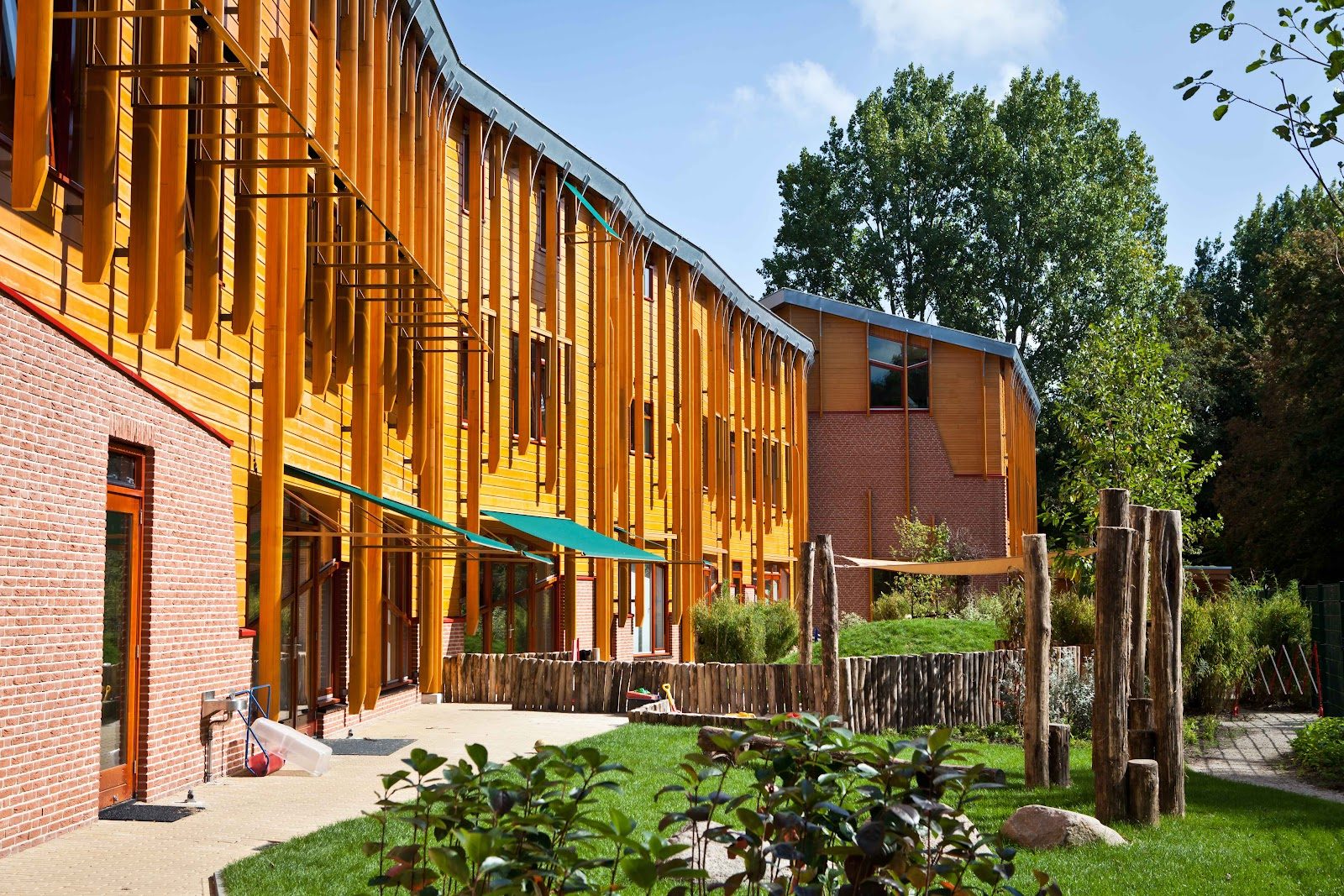
International School of Amsterdam
Amstelveen · Netherlands
Just outside Amsterdam, this 1964 founding became the first school anywhere to run the full IB continuum from age two to eighteen.
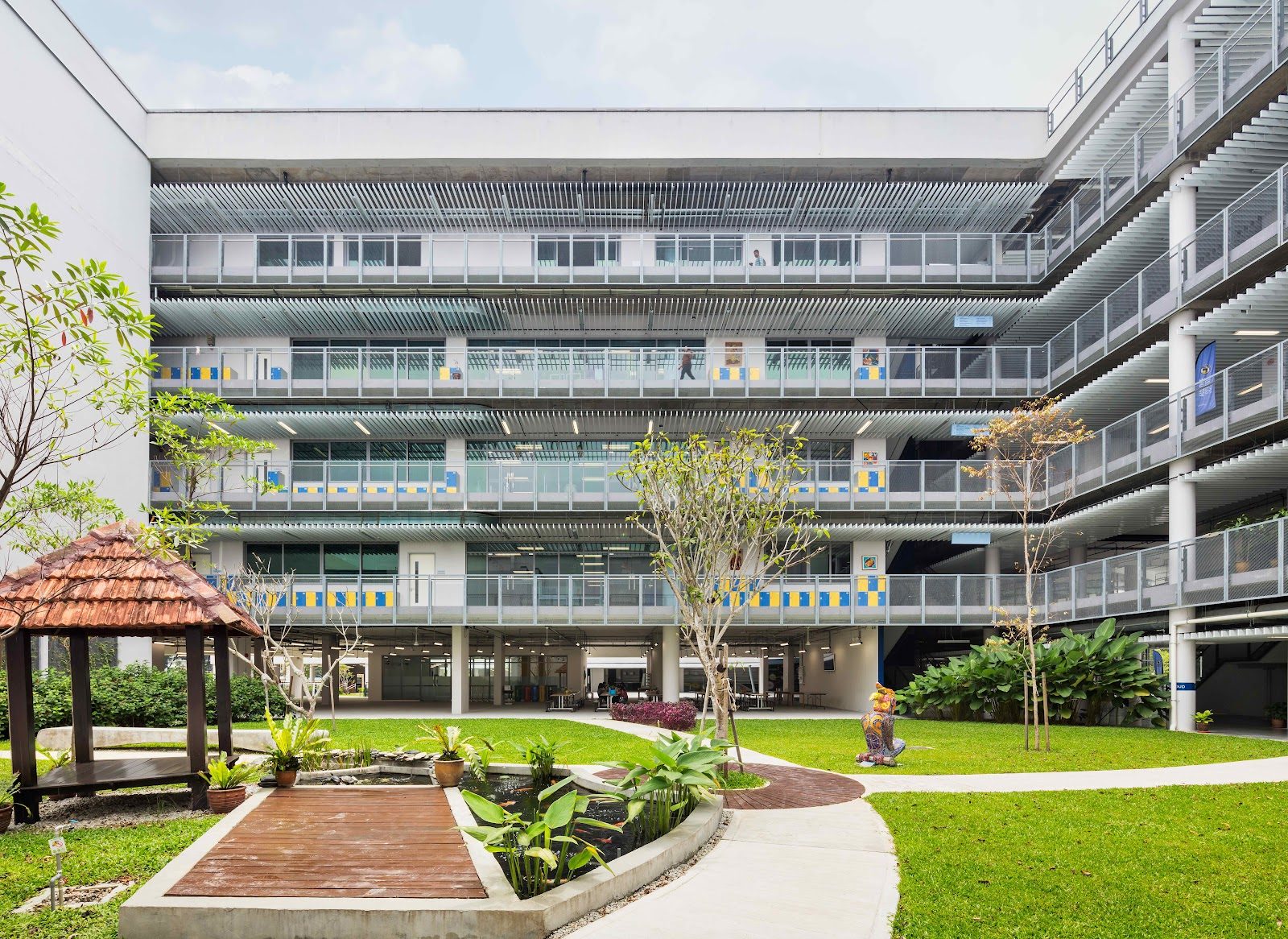
International School of Kuala Lumpur
Kuala Lumpur · Malaysia
Malaysia's longest-running IB World School, pairing a 25-acre Ampang Hilir campus with mandatory Asia-wide service expeditions.
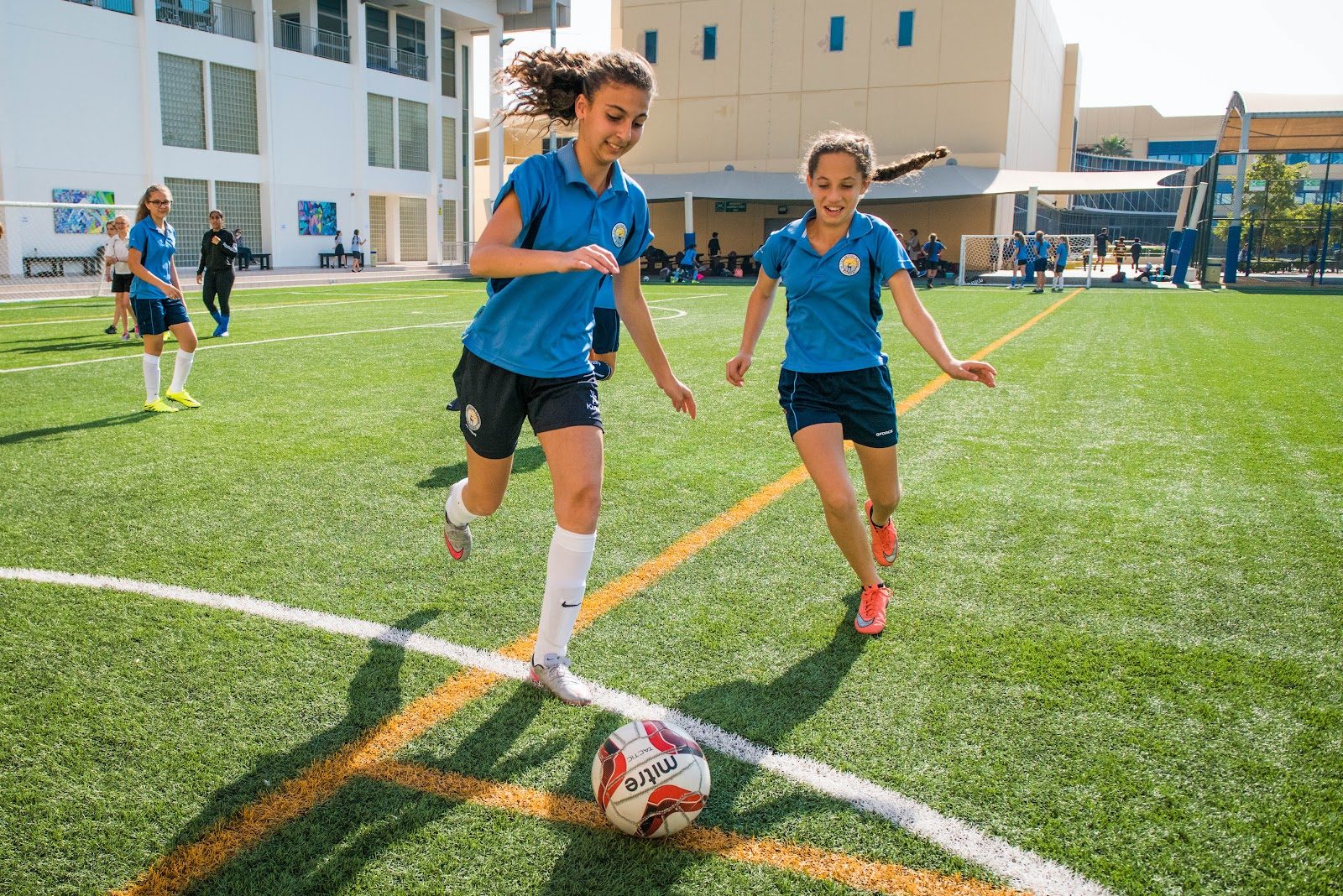
British School Al Khubairat
Abu Dhabi · United Arab Emirates
Raised on land gifted by Sheikh Zayed in 1968, this non-profit campus remains the Gulf's longest-running British curriculum school.
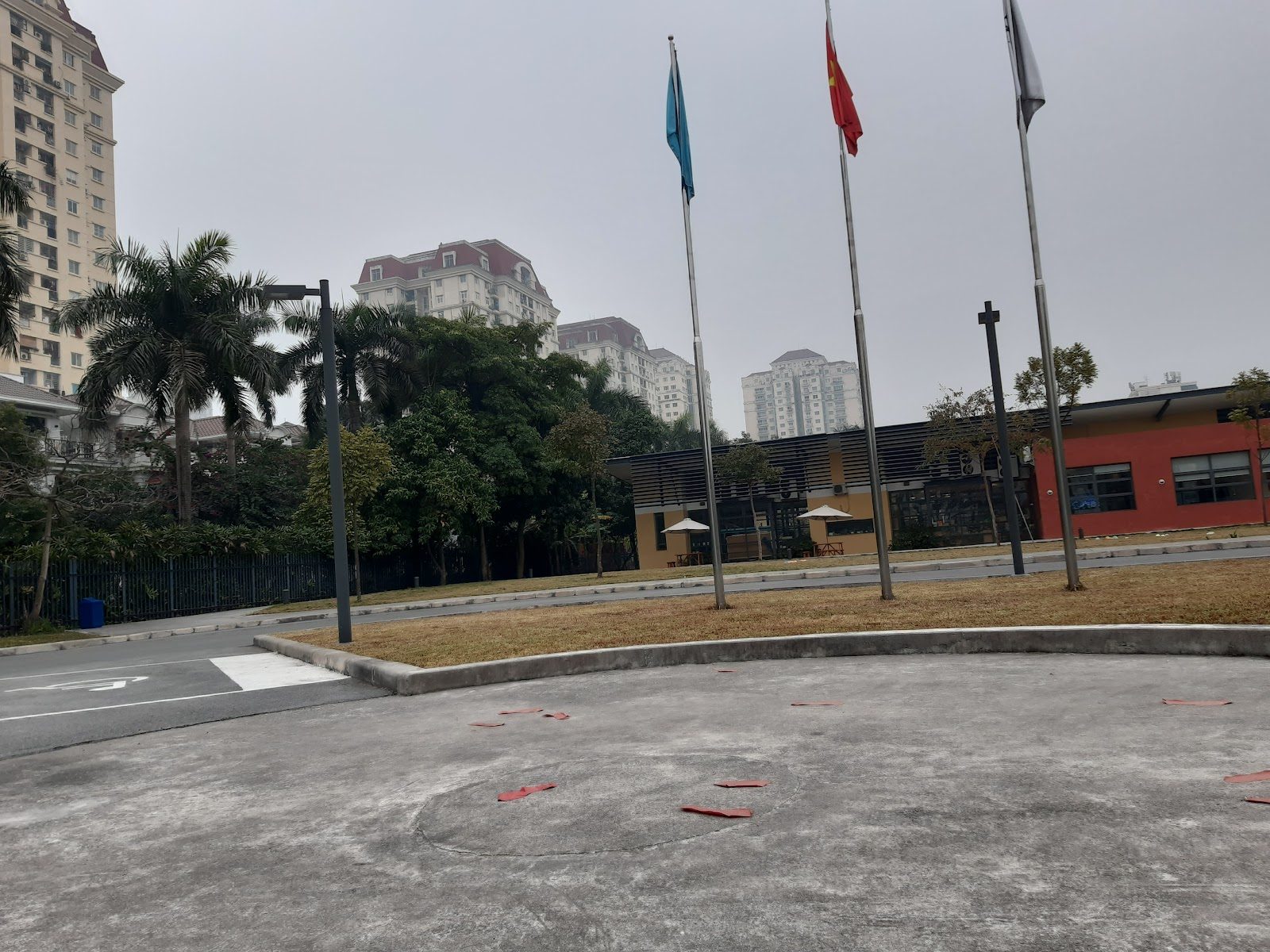
United Nations International School of Hanoi
Hanoi · Vietnam
One of only two UN-affiliated schools on earth, weaving the Sustainable Development Goals into an IB curriculum spanning 60-plus nationalities
Same country and curriculum — closest matches within ±10 points either way