
Shanghai
ECNU No. 2 Affiliated High School
Anchored to East China Normal University in Shanghai, this campus has quietly become a steady pipeline of physics and math Olympiad gold medals.

Photo © Junyi Sheng via Google Maps
Type
Day + Boarding
Ages
15–18
Curriculum
Chinese National
Qualifications
Gaokao
Ratio
—
The Verdict
Editor's commitment
Right for
Shanghai families who want a Chinese National school, founded in 1958, with day and boarding options and a serious maths-science culture.
Wrong for
Parents seeking an IB or British pathway, a religious ethos, or teaching chiefly in English rather than Mandarin and English.
Watch out for
The school publishes prizes, robotics and campus upgrades, but not aggregate exam outcomes; Chinese Ministry of Education accreditation is the hard fact.
Ranking breakdown
ECNU No. 2 Affiliated High School · #383 of 1591
Composite score 70.8. 8 weighted criteria.
By criterion
Academic Outcomes
Weight 20%
#92
of 1529 scored
University Placement
Weight 16%
#219
of 1529 scored
Prestige & Heritage
Weight 12%
#139
of 1571 scored
Alumni Network
Weight 12%
#1013
of 1530 scored
Facilities
Weight 12%
#1054
of 1533 scored
Transparency & Communications
Weight 8%
#1326
of 1532 scored
Peer & Industry Review
Weight 10%
#335
of 1548 scored
Admissions Selectivity & Demand
Weight 8%
#51
of 1529 scored
Peer & Industry Review
How ECNU No. 2 Affiliated High School is regarded in the sector
74
Respected · medium confidence
HSEFZ's standing rests mainly on hard competition data rather than press narrative. Within Shanghai, it is consistently grouped with Shanghai High School and Shanghai Foreign Language School as one of the city's top three science-track feeders, a ranking reflected in Shanghai Education Commission gaokao admission statistics rather than marketing. Its strongest external validation comes from repeated selection of its students for China's national IMO, IPhO and IChO training teams, a public, verifiable signal that other elite Chinese science schools use as the benchmark for rival comparison. University-side regard is visible in its published admissions results: sustained annual placement into Tsinghua and Peking University's elite Qiuzhen/Yao classes, plus a growing number of offers to MIT, Caltech and other US STEM programs, cited in Chinese education media (e.g., Sixth Tone, Jiemian) profiling Shanghai's Olympiad pipeline schools. English-language independent guides (Good Schools Guide International, WhichSchoolAdvisor) give it little direct coverage, since it operates outside the international-curriculum circuit, making Chinese-language olympiad results and university admission logs the most reliable peer-review proxy available.
Editors' overview
ECNU No. 2 Affiliated High School sits in the top tier of Shanghai’s state-sector academic schools, and its distinguishing feature is clear: this is a university-linked, competition-hardened campus with real depth in maths, physics and advanced scientific training. Founded in 1958 and anchored to East China Normal University, it carries the habits of a selective Chinese National curriculum school that expects students to work at speed and with precision. The public face is not polished for international consumption; it is practical, busy and school-centred. That matters. Parents looking for glossy bilingual branding will find less of that here. Parents looking for a serious academic environment, broad co-curricular infrastructure and a school that still treats intellectual achievement as the core business will find hard academic steel.
What stands out is the combination of high-level academic ambition and visible student activity beyond the classroom. The school foregrounds “卓越课程” — excellence courses — aimed at innovative talent development, an “N个百分百” student development model, upgraded teaching and residential facilities, student clubs, robotics, Model United Nations and national language competitions. That mix gives the school more range than the stereotype of a narrow exam factory. Still, the centre of gravity remains academic. This is not a soft, progressive sixth form built around self-expression. It is a disciplined Chinese day-and-boarding school for ages 15–18, with teaching in Mandarin and English, where strong students get stretch, structure and institutional momentum. The market position is selective, demanding, unsentimental.
Why shortlist it? Because few schools combine this level of academic seriousness with the credibility of a major university affiliation and a visible record of student distinction across Olympiad-style and enrichment domains. The boarding offer also broadens its appeal for families outside immediate reach of Pudong. The school does not publish the kind of international-facing outcome data many overseas parents now expect, so families need to be comfortable judging it by institutional character, reputation and student opportunities rather than by polished admissions dashboards. That opacity is a weakness. The strength is deep scholarly culture, measured confidence and a campus model built for students who want to compete, not coast.
The right student for ECNU No. 2 Affiliated High School is academically ambitious, resilient and happy in a structured environment. A mathematically strong pupil, a physics enthusiast, a disciplined all-rounder who likes robotics, debate or research-led extension work — these students will find real traction here. A child who needs constant pastoral cushioning, heavy hand-holding or a broad liberal curriculum with maximum choice will not. This school suits teenagers who are energised by standards, who can thrive in a fast classroom, and who want a peer group that treats achievement as normal. For that family, ECNU No. 2 belongs on the shortlist as a serious engine room for talent and a school with real academic backbone.
Academic Performance
External exam transparency is thin. The school does not publish aggregate gaokao results, university placement tables, IB or A-Level score profiles, or cohort-wide benchmarking against Shanghai peers. For international parents, that is a real weakness. What it does publish is a steady stream of student honours in selective competitions and enrichment arenas: robotics, foreign-language contests and Model United Nations all feature prominently in current news, including an FRC team carrying the identifier 6353 and a recent Rising All Star award at a US regional event. That does not substitute for full exam disclosure, but it does establish a culture of serious stretch beyond routine classroom work.
Relative to peers, ECNU No. 2 belongs with Shanghai’s hard-driving academic state schools rather than with bilingual schools built around polished admissions marketing. Its editorial tagline rests on maths and physics Olympiad success, and that matters more here than glossy outcome dashboards. In the Chinese system, repeated Olympiad distinction is a strong signal of top-end academic depth, selective intake and teachers who know how to train exceptional pupils. The missing piece is public aggregate exam data. Parents therefore need to judge performance through institutional standing, competition record and the school’s university-linked academic culture. That still places it in rarefied company at the top end of Shanghai’s academically selective market, but not among the city’s most transparent schools.
Facilities
The school points families to four facility pillars: upgraded teaching hardware, residential support, specialist course space and co-curricular infrastructure. That package matters more here than manicured landscaping or luxury finishes. The public emphasis falls on function: classrooms built for heavy academic use, boarding facilities that support a full school day, and the specialist rooms needed for robotics, lectures, clubs and advanced subject extension. The FRC team identifier 6353 is a useful clue. Competitive robotics at that level requires more than enthusiasm; it requires workshop access, storage, staff supervision and enough timetable flexibility to sustain serious build cycles. The same applies to the school’s visible lecture series, student societies and competition preparation. This is a campus geared towards work, training and institutional throughput, not boutique comfort.
Against Shanghai’s top academic state schools, that places ECNU No. 2 in the strong middle-to-upper bracket for practical provision. The school itself says teaching and living facilities have been comprehensively upgraded, and the campus guide pushes parents to inspect them. That is encouraging, but there is a limit: the school does not publish the granular facilities detail that the best international schools now provide as standard — no clear inventory of labs, arts spaces, theatre provision, sports stock or boarding room specifications. So the verdict is clear. The facilities are *serious enough for a demanding academic school and well aligned to competition culture*, but they are not documented with the precision that exacting overseas families now expect.
The right student for ECNU No. 2 Affiliated High School is academically ambitious, resilient and happy in a structured environment
Prestige
Prestige here rests on selective academic culture and institutional lineage, not on lifestyle branding. An affiliated high school attached to a major normal university carries weight in China’s education system; it places the school inside a serious intellectual orbit and ties its identity to teacher training, scholarship and high academic standards. ECNU No. 2 also has the kind of prestige that Chinese families recognise instantly: competition credibility. The school’s public news flow does not trade in vague “global citizenship” slogans. It highlights robotics, foreign-language contests, Model United Nations and specialist lectures, including an FRC team identified as 6353. That detail matters. Schools with real standing in this tier publish student distinctions because achievement is the currency. The result is earned prestige, exam-facing seriousness and a reputation built on students doing difficult things well.
Why rate it highly? Because this is not prestige by advertising spend or imported-school theatre. It is prestige grounded in a hard-selective environment, strong peer expectations and clear association with one of the country’s respected university names. That gives the school status with academically ambitious local families and with parents who understand the Chinese meritocratic ladder. The limits are clear too. Outside China, the name carries less instant recognition than famous Anglo-American international brands, and the school does not publish the polished outcome data that would help overseas families benchmark it cleanly. Even so, within its home market and among families who value scholarly status over gloss, this is serious prestige of a durable kind.
That still places it in rarefied company at the top end of Shanghai’s academically selective market, but not among the city’s most transparent schools
Communications
Parent communication is functional, regular and school-centred. The homepage runs as a live noticeboard: campus news, student honours, lectures, teacher training, club activity, uniform inspection reports and practical contact details are all easy to find. The school gives parents direct channels — email plus 2 phone lines — and it does not bury operational information beneath branding language. That is a strength. Families get a clear sense of a campus that communicates through announcements, results and logistics rather than through glossy narrative. The contact page is straightforward, and the site structure points readers quickly towards campus facilities, student societies, the “N个百分百” framework and newcomer information. In other words, communication here is workmanlike, information-first and institutionally confident.
Its weakness is just as clear: this is not polished parent communications by international-school standards. The school publishes plenty of activity, but less of the interpretive information many overseas families want before making a decision — no rich parent-facing explanation of academic outcomes, little granular detail on day-to-day pastoral systems, and limited bilingual framing for readers outside the local system. News volume is high; explanatory depth is thinner. That means existing families who already understand the school’s culture will get enough, while new international parents may find the public communications opaque, insiderish and short on context. Effective for a domestic academic audience, less effective for families who need hand-holding.
Uniqueness
What makes ECNU No. 2 distinctive is the way it joins a mainstream Chinese academic school to a genuine culture of extension, not as decoration but as operating method. The school talks about “卓越课程”, “excellence courses”, an “N个百分百” student-development model, a lecture platform, clubs, robotics and visible competition work. That combination gives students more than routine high-score training. It builds a school where advanced learners are expected to move beyond the syllabus, test themselves in public and work with peers who treat extra intellectual effort as normal. The university affiliation sharpens that identity. Students benefit from a campus culture with scholarly gravity, high-threshold expectation and a clear bias towards disciplines that reward precision, persistence and technical fluency.
A second point of difference is that the school’s public life is busy with evidence, not rhetoric. It names the FRC robotics team as 6353; it publicises foreign-language competition success, Model United Nations results and specialist talks; it pushes families towards campus facilities and student societies rather than lifestyle imagery. That matters. Students get a school experience built around doing, competing and producing work, not merely consuming opportunities. For the right teenager, that brings real stretch, serious peer momentum and a sharper sense of standards than many softer, international-facing schools offer. The trade-off is clear too: this is not a loose, self-invented adolescence. It is a structured, demanding environment that rewards students who want traction, not indulgence.
Against Shanghai’s top academic state schools, that places ECNU No. 2 in the strong middle-to-upper bracket for practical provision
Student Profile
The pupil who fits here is bright, disciplined and comfortable in a peer group where achievement carries social weight. This is a school for teenagers who do not need to be coaxed into hard work. The public life of the campus points to students who compete as a matter of habit: robotics through FRC team 6353, foreign-language contests, Model United Nations, specialist lectures, clubs and structured extension through the school’s excellence-course model. That mix suits pupils with intellectual range as well as stamina — the mathematician who also wants debate, the scientist who wants to build, the strong all-rounder who likes being stretched in public. The atmosphere reads high-pressure, meritocratic and not for the faint-hearted.
The misfit profile is just as clear. A child who needs constant reassurance, loose deadlines or a highly personalised pastoral cocoon will struggle. So will pupils who want a broad menu of self-designed academic pathways or a school culture that treats participation and excellence as interchangeable. ECNU No. 2 rewards students who can absorb structure, handle comparison and keep their footing in a serious, competitive crowd. It also suits families who value substance over polish; the school’s public face is practical, busy and light on hand-holding. For the right teenager, that produces real traction and strong peer momentum. For the wrong one, it will feel unforgiving.
The public face is not polished for international consumption; it is practical, busy and school-centred
Co-curricular strengths
Arts & sport, on a separate axis
Overall 6.5/10
Scored 0-10 from the school's own published evidence. This axis is editorial-only — it does not feed the main WTS ranking.
Sports
7/10
Drama
6.5/10
Dance
5.5/10
Music
6.5/10
Visual Arts
7/10
Strengths
- +A student from No. 2 High School of ECNU won the IMO gold medal with the only full score, ranking first among competitors, reflecting the school's strength in olympiad mathematics.
- +Students from the school have represented China at the International Olympiad in Informatics, following earlier gold and silver medalists from the school, and two students were selected for the Chinese national team in the Physics Olympiad and Asian Physics Olympiad in the same academic year.
- +Enrolled foreign and overseas students in the International Division also enjoy all resources of No.2 High School of East China Normal University, which is an experimental and demonstrative high school directly under the Ministry of Education, giving international pupils access to a nationally recognised academic track.
- +The International Division of the school was established in 1999 and is one of the earliest schools in Shanghai to engage in international education and is also a member of the UNESCO, giving it a long track record with overseas and returnee families.
- +A Postdoctoral Workstation for Training Top Mathematics Talents was established jointly with East China Normal University's School of Mathematical Sciences, extending academic opportunities for gifted students beyond standard secondary provision.
Considerations
- −The school teaches a Chinese National curriculum in Mandarin rather than IB or A-levels, so families without a strong Mandarin base or plans for a Western exam pathway will find the academic offer narrow for their needs.
- −Entry to overseas-facing classes is limited to Permanent Residents of Hong Kong, Macau and Taiwan or Overseas Chinese, with non-Chinese-heritage applicants needing to consult admissions staff separately, meaning access for ordinary Western expat children is not straightforward.
- −The campus sits in Zhangjiang Hi-Tech Park in Pudong New District, a location that may involve a longer commute for families based in Shanghai's more central or western expat residential areas.
- −Public English-language reporting on fees, class sizes and gaokao/university placement outcomes for the International Division is limited, making like-for-like comparison with other international schools difficult.
Availability
Primary entry gate & tests
Shanghai Zhongkao Exam
Gallery
Photo © Cheong Mun Shan via Google Maps
Photo © Cheong Mun Shan via Google Maps
Photo © YC Z via Google Maps
Photo © Junyi Sheng via Google Maps
Photo © Junyi Sheng via Google Maps
Photo © YC Z via Google Maps
Photo © Saidakhmad Jasurkhanov via Google Maps
Parent reviews
Have you sent your child here?
Voice reviews carry the strongest trust badge — we transcribe them for you to tidy up before they go live. Prefer to type? A written review is fine too.
Add your voice
In 60 seconds, tell other parents: what's the best thing about ECNU No. 2 Affiliated High School, and what surprised you when your child joined?
We ask for a Google sign-in so every review has a real face behind it — no anonymous drive-by attacks on schools, and no faked positive reviews. Your email is never shown publicly.
Send this profile to a friend
International parents rely on word-of-mouth. Share this review with someone weighing the same decision.
Schools with places
Similar schools to ECNU No. 2 Affiliated High School with places available now.
Wellington College International Shanghai
Shanghai · China
- 2026-27
- WAITPOOLSpace-dependent
- 2027-28
- PLACES OPENRolling
Shanghai American School
Shanghai · China
- 2026-27
- WAITPOOLSpace-dependent
- 2027-28
- PLACES OPENRolling
Shanghai High School International Division
Shanghai · China
- 2026-27
- CLOSEDStandard route
- 2027-28
- OPENS SOONOpens Late '26 (Spring '27)
Availability first, then country, area, curriculum, price, co-curricular
Consider also
Also worth looking at alongside ECNU No. 2 Affiliated High School.
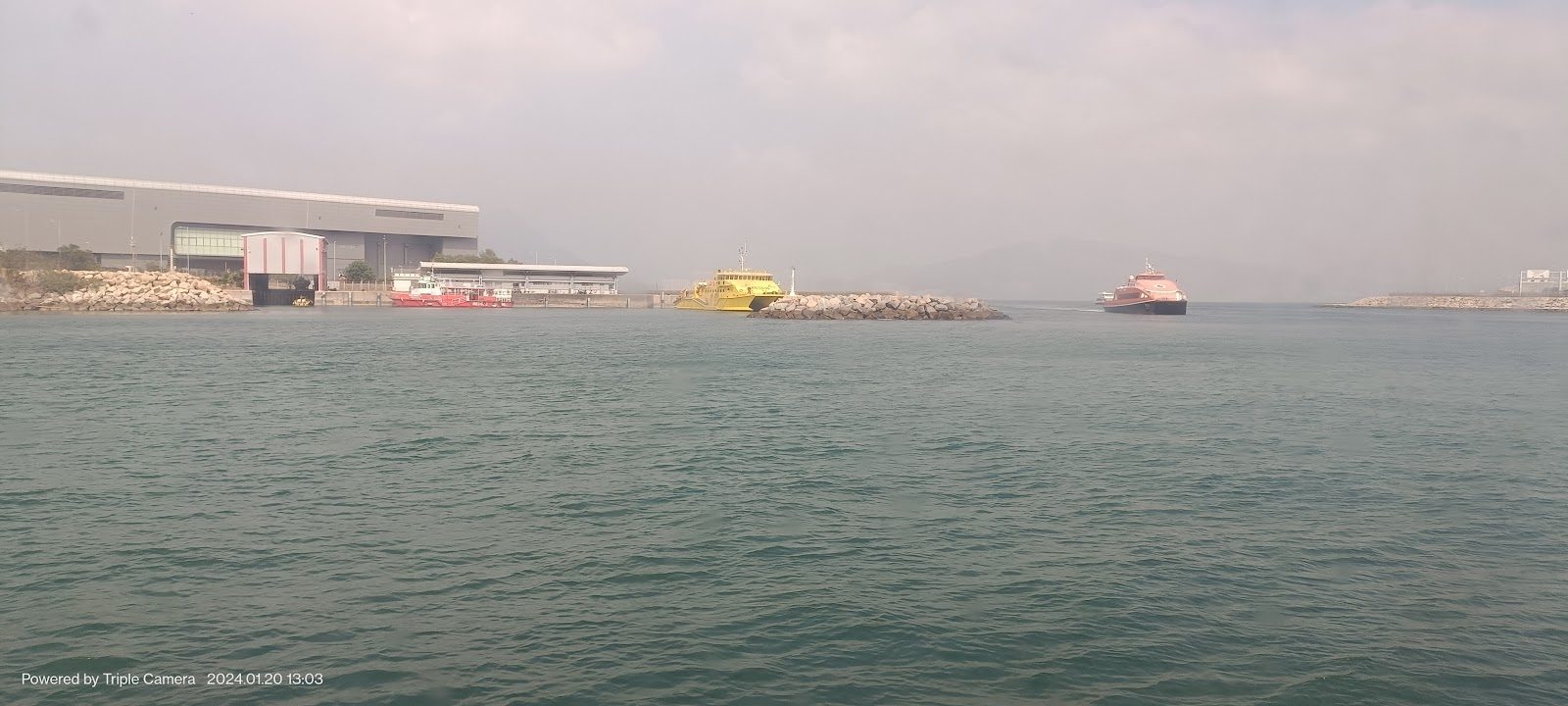
UWC Changshu China
Changshu · China
On an island in Kuncheng Lake, mainland China's first UWC pairs the IB diploma with mandatory Mandarin study and a student-run Zhixing service programme.
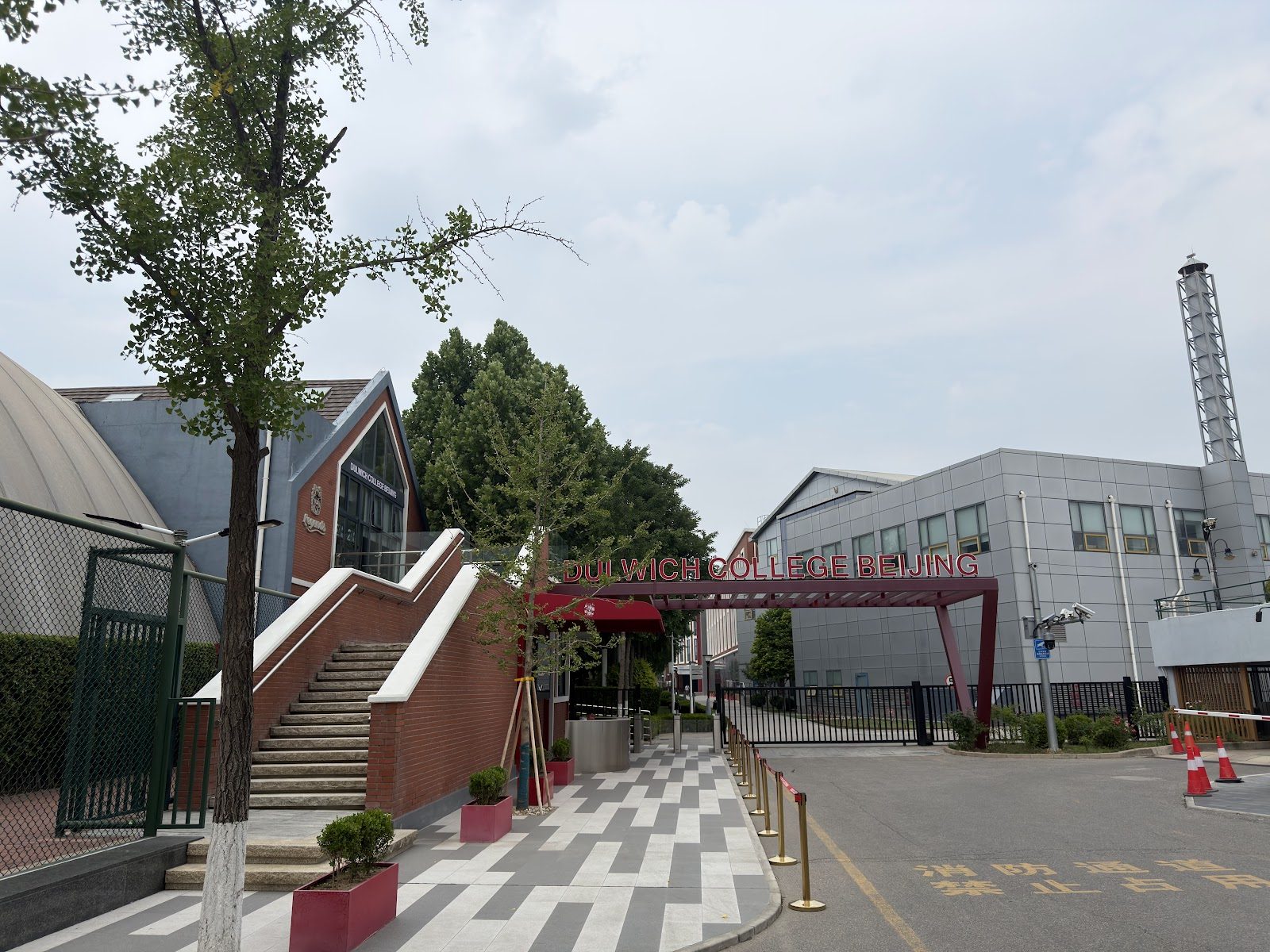
Dulwich College Beijing
Beijing · China
Rooted in a 400-year London lineage, its Shunyi campus has posted IB scores averaging seven points above the global mean for four straight years
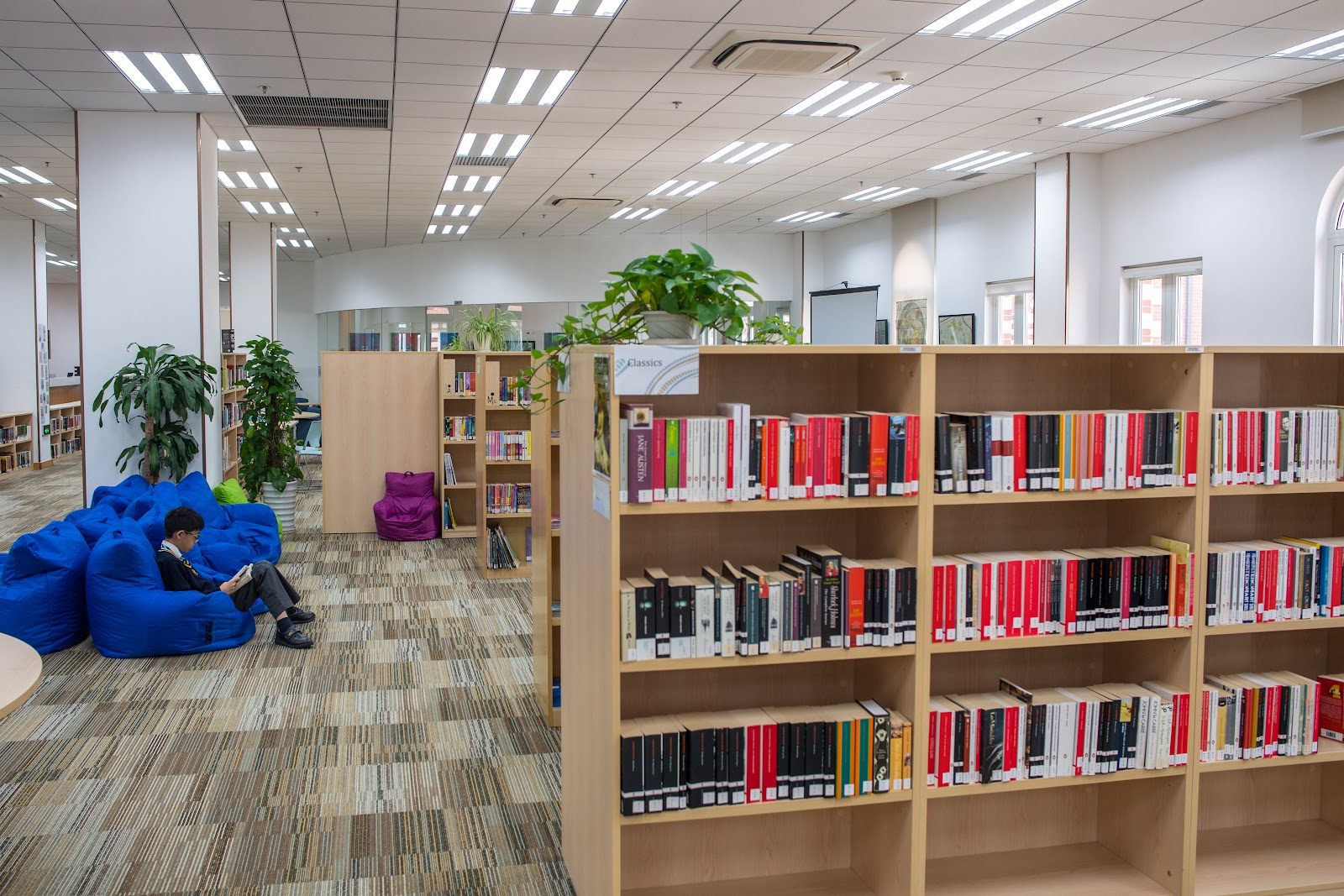
Wellington College International Shanghai
Shanghai · China
Rooted in an 1859 British foundation, this Pudong riverside campus channels house spirit into IB scores averaging 37 points.
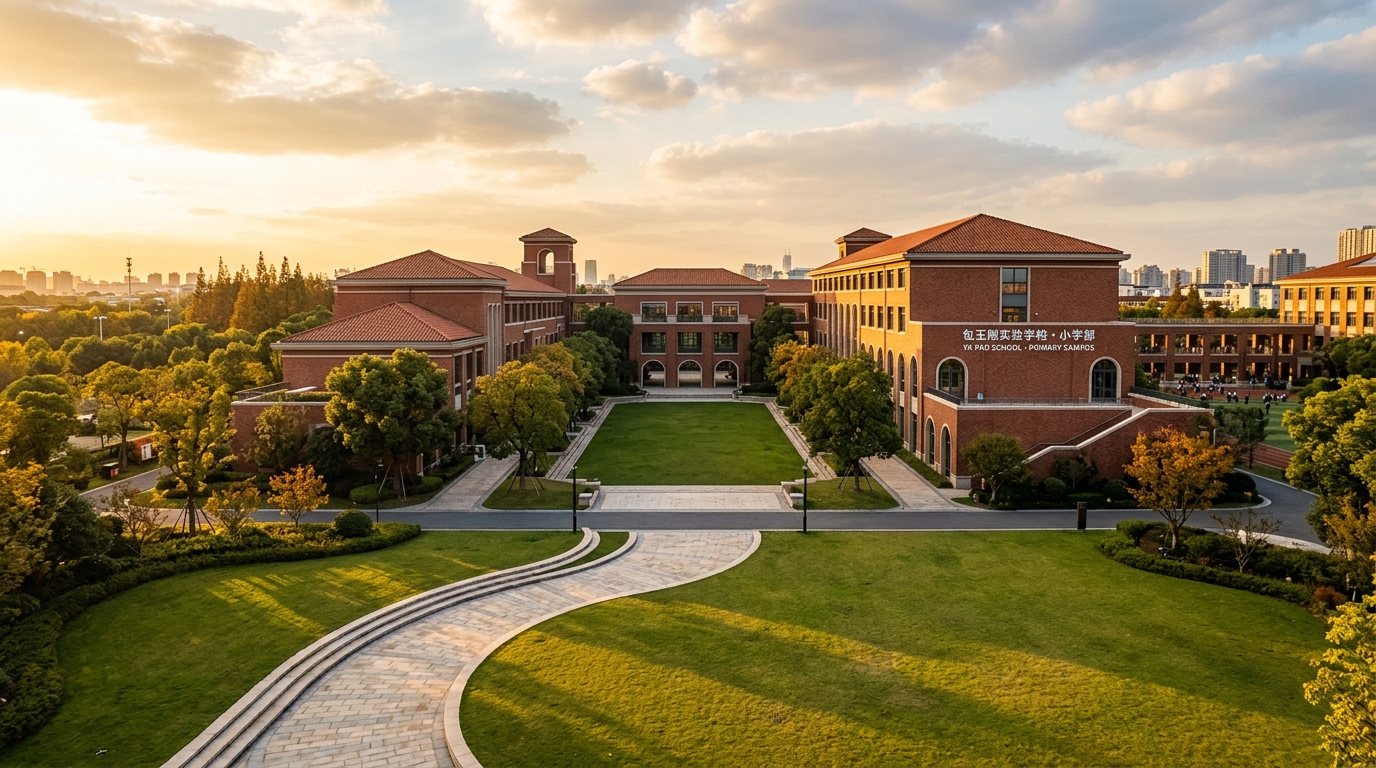
YK Pao School
Shanghai · China
Mandarin-English immersion anchors an IB and IGCSE track, with senior boarders housed in a Tudor-style village in Songjiang.
Same country and curriculum — closest matches within ±10 points either way