
New Jersey
The Hun School of Princeton
low confidence· 3/6 cats · 2.67 avg sourcesNew Jersey MAPL boarding school with strong basketball, rowing, and football programmes.
Type
Both
Ages
11–18
Curriculum
American
Qualifications
AP · US High School Diploma
Ratio
1:8
The Verdict
Editor's commitment
Right for
Families wanting an American 11–18 boarding school on 45 acres in Princeton, with MAPL sport and serious basketball, rowing and football.
Wrong for
Parents seeking a religious ethos, another curriculum, or a bigger school than Hun's deliberately close-knit New Jersey setup.
Watch out for
Average fees are steep: $55,788 a year for day pupils and $83,200 for boarding at this Middle States-accredited school.
Ranking breakdown
The Hun School of Princeton · #378 of 1591
Composite score 70.9. 8 weighted criteria.
By criterion
Academic Outcomes
Weight 20%
#586
of 1529 scored
University Placement
Weight 16%
#516
of 1529 scored
Prestige & Heritage
Weight 12%
#377
of 1571 scored
Alumni Network
Weight 12%
#234
of 1530 scored
Facilities
Weight 12%
#339
of 1533 scored
Transparency & Communications
Weight 8%
#456
of 1532 scored
Peer & Industry Review
Weight 10%
#480
of 1548 scored
Admissions Selectivity & Demand
Weight 8%
#607
of 1529 scored
Peer & Industry Review
How The Hun School of Princeton is regarded in the sector
71
Respected · medium confidence
Within the crowded Princeton-area independent school landscape, Hun is routinely mentioned alongside Lawrenceville, Peddie, and Pennington, but consistently ranks a tier below the first two in academic selectivity and prestige among heads and college counselors. Boarding-school comparison sites and forums frequently flag its postgraduate program and hockey pipeline as its calling card, drawing praise from independent education commentators for serving international and athletic families well, though rarely featuring in the same breath as the country's most competitive prep schools in national league tables. University admissions offices tend to view Hun as a solid, known quantity for a broad spread of state universities and mid-tier private colleges rather than a heavy Ivy feeder. Its presence at NAIS and regional boarding-school conferences is steady but unremarkable, reflecting a school regarded as reliable and well-run rather than aspirational or trend-setting within elite peer circles.
Editors' overview
A 45-acre campus in a quiet Princeton neighbourhood, within walking distance of Princeton University, gives The Hun School of Princeton an immediate structural advantage: space, access and a serious academic backdrop. This is a non-religious American school for ages 11 to 18, founded in 1914, with both day and boarding provision and a genuine 24-hour campus life. The school’s own description leans hard on small classes, close teacher-student relationships and a culturally diverse boarding-and-day community. That combination matters. Hun is not a vast US boarding behemoth built on tradition alone; it is a compact, relationship-driven school that trades on proximity, supervision and adult presence as much as on facilities or brand.
Its market position is clear. Hun sits in the expensive end of the US independent-school sector, with an average annual day fee of $55,788 and an average annual boarding fee of $83,200 across the full ladder it covers. Parents paying those sums should expect a school with clear pastoral grip, strong university-facing ambition and enough programme breadth to justify the boarding premium. The accreditations are solid rather than flashy: Middle States and the New Jersey Association of Independent Schools. That tells you this is a credible, established operator, not an experimental upstart. The sharper draw, though, is the blend of boarding-school structure with access to one of America’s most academically minded towns. Add the school’s established strength in basketball, rowing and football, and Hun lands on the shortlist for families who want a school with real athletic muscle without giving up academic seriousness.
The right student for Hun is not hard to identify. This is a strong fit for ambitious, socially engaged pupils who want close contact with teachers, a mixed day-and-boarding social life, and a campus that stays busy beyond lessons. It suits teenagers who thrive in a high-accountability environment and who value community over anonymity. It will also appeal to internationally minded families who want English-medium American schooling in a setting that is more personal than a large university-prep factory. Students who want extreme scale, deep institutional mystique or published headline academic data may find Hun less satisfying; the school does not publish that kind of detail here. What it does offer is more practical: an established New Jersey boarding school, founded in 1914, for ages 11–18, with a clear sense of daily life and a location that few rivals can match.
Academic Performance
Hun does not trade on published headline exam data. We have not seen aggregate SAT, ACT, AP or other external examination results in the public domain, and that matters. In a US college-preparatory market where many peer schools advertise mean scores, AP participation, top-grade rates and matriculation patterns with forensic precision, Hun leaves parents to judge academic strength through institutional cues rather than hard outcome tables. That is a clear weakness in transparency. The school’s reported acceptance rate of 35% points to selectivity, but selectivity is not the same thing as proof of top-end academic performance.
Relative to peers, Hun sits in the credible but opaque tier: established, clearly serious, and positioned for ambitious university-bound students, yet not demonstrably among the data-forward academic heavyweights. The school’s own emphasis on small classes, close teacher relationships and challenge indicates a model built on supervision and individual support rather than on broadcasting league-table style bragging rights. That can produce strong results; it does not excuse silence. For families comparing MAPL and broader East Coast boarding options, the conclusion is straightforward: Hun has the profile of a school with solid academic intent and real expectations, but without published external exam outcomes it does not earn the same academic certainty as rivals that disclose performance in full.
Facilities
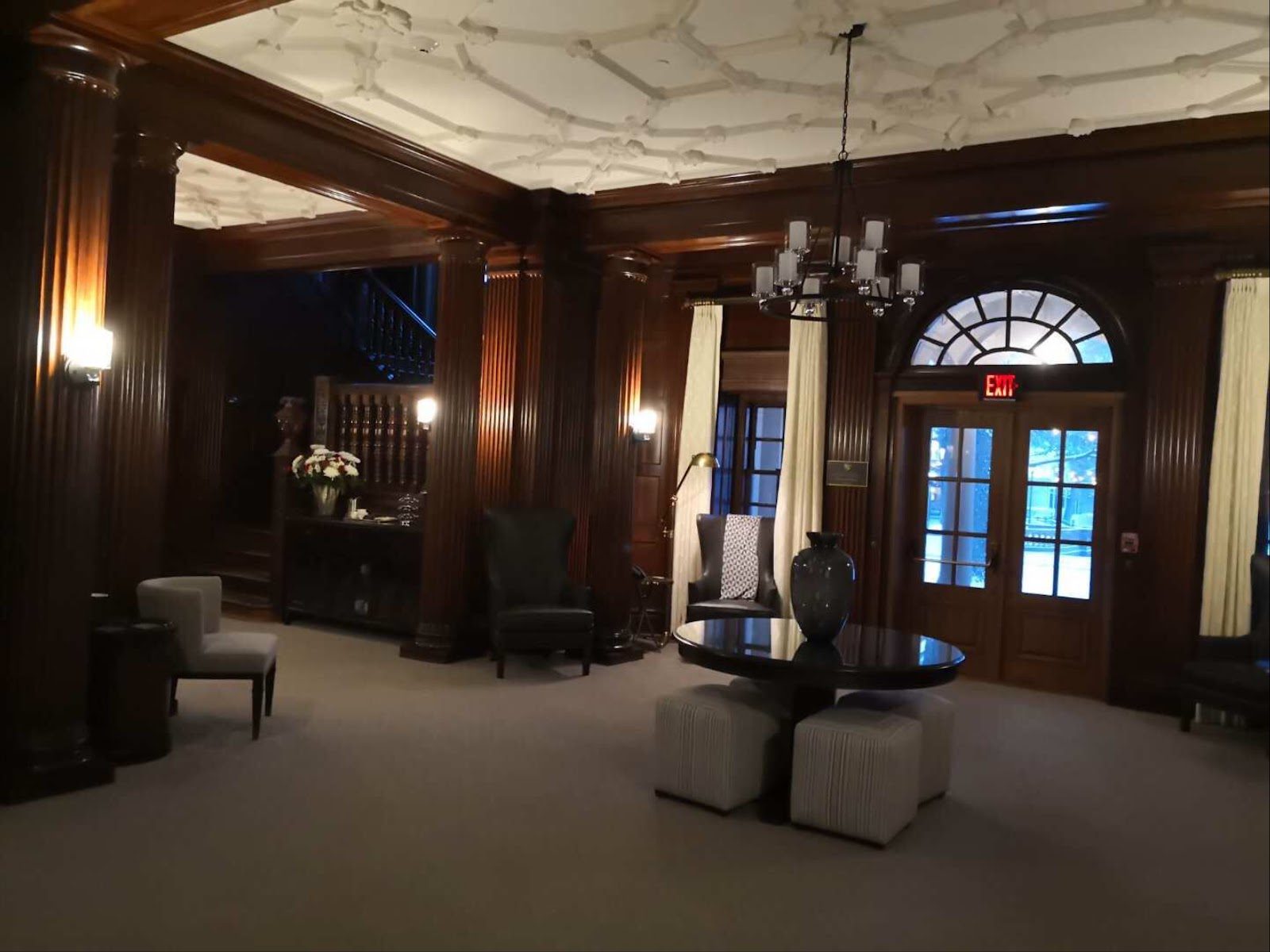
The physical plant’s headline asset is the school’s 45-acre campus: enough land to support a proper spread of athletics, boarding life and day-school movement without the cramped feel that afflicts many town-edge independents. The setting in a quiet residential pocket, with Princeton University on foot rather than by coach ride, gives Hun an advantage few peers can match. That matters less for borrowed prestige than for daily rhythm: students live and work in an environment with real breathing room and ready access to a serious academic town. The school also makes a point of being a 24-hour campus, which tells parents something practical about facilities use: this is infrastructure built for full-day and evening occupation, not a commuter school with dorms bolted on.
Against peer boarding schools in the Mid-Atlantic, Hun’s estate reads as strong and functional rather than palatial or museum-grade. The campus beauty the school advertises is a benefit, but the more important point is operational: space for boarders and day pupils, room for major sports, and a layout that supports close supervision. That fits the school’s strongest co-curricular calling cards. For families drawn by basketball, rowing and football, the assumption is a serious athletic platform, not token provision. What we do not get is a detailed public accounting of specialist academic spaces, performing arts infrastructure or standout laboratories. On facilities transparency, Hun is less exacting than top rivals, which leaves parents with a clear sense of atmosphere and athletic capacity, but not a room-by-room case for superiority.
The school’s reported acceptance rate of 35% points to selectivity, but selectivity is not the same thing as proof of top-end academic performance
Prestige
Hun carries real regional standing rather than top-tier national cachet. In the American boarding market, prestige rests on a mix of selectivity, outcomes, institutional age, athletic reputation and name recognition beyond the immediate area. Hun has some of that formula, but not all of it. The school’s reported acceptance rate of 35% signals demand and admissions control, and its membership in the MAPL orbit gives it credibility with families who know the Mid-Atlantic independent-school scene. Its strongest prestige marker sits in sport: basketball, rowing and football give the school visible competitive currency, and that matters in the US, where athletic distinction can elevate a school’s profile fast. The Princeton address also adds borrowed intellectual lustre, even when that halo does not by itself prove academic supremacy.
What holds Hun below the most rarefied boarding names is plain: it does not publish the kind of outcome data that elite schools use to close the case. Parents get institutional confidence, but not the public score tables, placement patterns or headline academic metrics that confer unambiguous academic prestige. That leaves Hun in a strong-but-not-mythic bracket: respected, established, well known in the right circles, and fully capable of attracting ambitious families, yet short of the near-automatic global recognition attached to America’s most famous boarding schools. At an average annual boarding fee of $83,200, families are buying a serious school with status, not a universally dominant brand.
Hun carries real regional standing rather than top-tier national cachet
Communications
Hun communicates in the way many established American independents now do: through a busy, outward-facing school website that blends practical navigation with a steady stream of community news. The admissions and school-life architecture is easy to find, contact details are plainly posted, and the news feed is active rather than dormant, with multiple updates carried deep into 2026. That matters. An up-to-date site signals administrative discipline and gives current parents a clear read on institutional tempo. The tone is warm and community-minded, with heavy emphasis on student recognition, staff appointments and campus life. Parents who want a school to project constant activity and strong internal morale will find that reassuring.
The weakness is precision. Hun communicates atmosphere better than it communicates measurable outcomes. The public voice is confident but curated: plenty on relationships, challenge and belonging, less on the hard information that exacting parents use to judge performance. We have not seen published aggregate exam data, and that gap spills into communications quality because transparency is part of communication, not a separate virtue. Nor does the school make a public fetish of dashboards, strategic metrics or exhaustive operational detail. For some families, that reads as civilised restraint. For others, it reads as controlled opacity. The net result is effective day-to-day institutional communication, but not the forensic parent reporting that the most data-forward schools now deliver.
Uniqueness
What distinguishes Hun is not a single headline feature but a tight three-part mix that few schools assemble this cleanly: a real residential rhythm, immediate access to an intellectually charged university town, and serious athletic credibility in sports that carry weight in the American independent-school market. Plenty of schools offer boarding. Plenty sit near a university. Plenty field competitive teams. Hun combines all three in one daily experience. That gives students a school life with more range than a standard commuter prep and more external stimulus than an isolated country boarding campus. The result is high-contact, high-accountability adolescence: pupils live in a setting where teachers know them, sport has genuine status, and the surrounding town reinforces academic ambition without the school needing to manufacture atmosphere.
That combination brings practical benefits. Boarders and day pupils share a genuinely integrated community rather than two parallel schools awkwardly occupying the same site. Athletes get a programme with real competitive intent, not decorative school sport. Less sporty students still benefit from the culture that serious teams create: energy, routine, loyalty and institutional pride. The campus itself matters here. On 45 acres, Hun has enough space to sustain movement, supervision and after-hours life without losing coherence. For the right teenager, that produces a contained but not cloistered education: close adult oversight, a busy social world, and daily exposure to a place where academic seriousness is part of the air rather than a slogan.
Boarders and day pupils share a genuinely integrated community rather than two parallel schools awkwardly occupying the same site
Student Profile
The pupils who fit Hun best are teenagers who want adults to know them well and who can cope with being known. This is not a school for students who want to drift anonymously through adolescence, picking and choosing when to engage. The social model relies on close supervision, high visibility and a community in which boarders and day pupils share the same daily pulse. That suits students who are energetic, sociable and willing to participate after lessons, whether in sport, clubs or the ordinary business of communal life. Athletes will find an obvious home, above all those drawn to the school’s strongest programmes, but the deeper fit is temperamental rather than athletic: pupils who respond to structure, accept accountability and do not resent adult involvement.
It also suits families who value a cosmopolitan student body without the sprawl or impersonality of a giant campus. The school itself stresses cultural diversity and a full-day residential rhythm, so the right child is one who can move comfortably between local and international peers and who has the social confidence to live in a busy mixed community. The wrong fit is just as clear. Highly independent teenagers who want a hands-off culture, students chasing a more rarefied academic pecking order, or quieter children who dislike the social intensity of a 24-hour school may find Hun too contained. At an average annual boarding fee of $83,200, families are also buying into a school that expects students to use the whole platform, not just attend lessons and leave.
This is a non-religious American school for ages 11 to 18, founded in 1914, with both day and boarding provision and a genuine 24-hour campus life
Co-curricular strengths
Arts & sport, on a separate axis
Overall 8.62/10
Scored 0-10 from the school's own published evidence. This axis is editorial-only — it does not feed the main WTS ranking.
Sports
9.2/10
High-performance MAPL league athletic competitor, fielding highly competitive varsity basketball, rowing, and football squads across extensive grounds.
Drama
8.8/10
Ambitious theater tracking staging complex contemporary plays and student-written works inside modern theater spaces.
Dance
7.5/10
Offered as a popular co-curricular activity providing core choreography assets for seasonal school showcases.
Music
8.8/10
Robust private vocal and instrumental infrastructure feeding active jazz big bands and full chamber symphonies.
Visual Arts
8.8/10
Highly structured fine art layout leaning heavily toward technical design, digital graphics, and portfolio mastery.
Strengths
- +Founded in 1914 by Dr. John Gale Hun, a professor at Princeton University, giving the school over a century of continuous operation in the same town.
- +The school focuses maximum attention on students' individual needs, with humanities courses taught around a Harkness table and hands-on STEM instruction, supported by a 7:1 student-teacher ratio.
- +Admission is need-blind, meaning students are admitted on ability and character before financial need is considered, with aid packages assessed afterward.
- +The school serves students from twenty-three countries and nineteen states, giving day students regular exposure to an internationally mixed peer group.
- +The 45-acre campus sits between Philadelphia and New York City, close to downtown Princeton and its university-town amenities.
Considerations
- −The wikipedia entry for the school notes an annual tuition of $80,300 for boarders and $55,600 for day students for the 2025-26 Upper School year, a significant financial commitment without the name recognition of the very top New England boarding schools.
- −The school's approximately 35% acceptance rate is significantly less selective than Lawrenceville (under 10%) or Peddie, two nearby rivals, which affects its standing with the most selective college admissions offices.
- −The school does not offer the International Baccalaureate Diploma Programme; the curriculum centers on AP and Honors courses, so families wanting an IB pathway will need to look elsewhere.
- −Only around 30% of the roughly 690-student body actually boards, meaning the campus culture is shaped as much by day students and local commuting rhythms as by a residential community.
Availability
Primary entry gate & tests
SSAT/ISEE + Interview
Gallery
Parent reviews
Have you sent your child here?
Voice reviews carry the strongest trust badge — we transcribe them for you to tidy up before they go live. Prefer to type? A written review is fine too.
Add your voice
In 60 seconds, tell other parents: what's the best thing about The Hun School of Princeton, and what surprised you when your child joined?
We ask for a Google sign-in so every review has a real face behind it — no anonymous drive-by attacks on schools, and no faked positive reviews. Your email is never shown publicly.
Send this profile to a friend
International parents rely on word-of-mouth. Share this review with someone weighing the same decision.
Schools with places
Similar schools to The Hun School of Princeton with places available now.
Blair Academy
Blairstown · United States
- 2026-27
- CLOSEDRegular cycle closed
- 2027-28
- PLACES OPENActive now — opened 1 Aug
Newark Academy
Livingston · United States
- 2026-27
- CLOSEDRegular cycle closed
- 2027-28
- OPENS SOONOpens Sept '26
Delbarton School
Morristown · United States
- 2026-27
- CLOSEDRegular cycle closed
- 2027-28
- OPENS SOONOpens Sept '26
The Pingry School
Basking Ridge · United States
- 2026-27
- CLOSEDRegular cycle closed
- 2027-28
- PLACES OPENActive now
Availability first, then country, area, curriculum, price, co-curricular
Consider also
Also worth looking at alongside The Hun School of Princeton.
Trinity School
New York City · United States
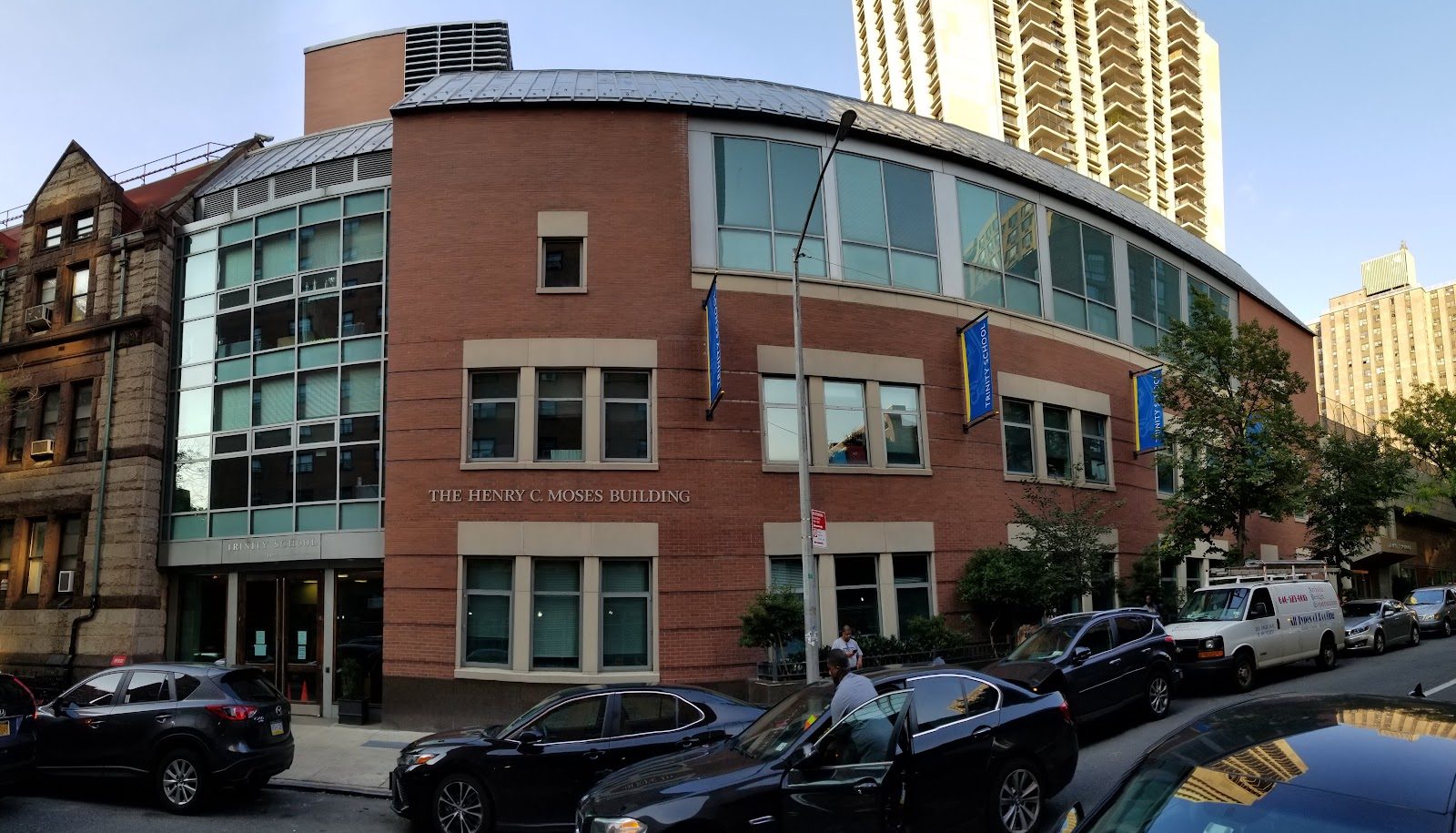
Founded in 1709 as a charity school, now the oldest continuously operating school in New York City, still built on a rare full Classics department
Ransom Everglades School
Miami · United States
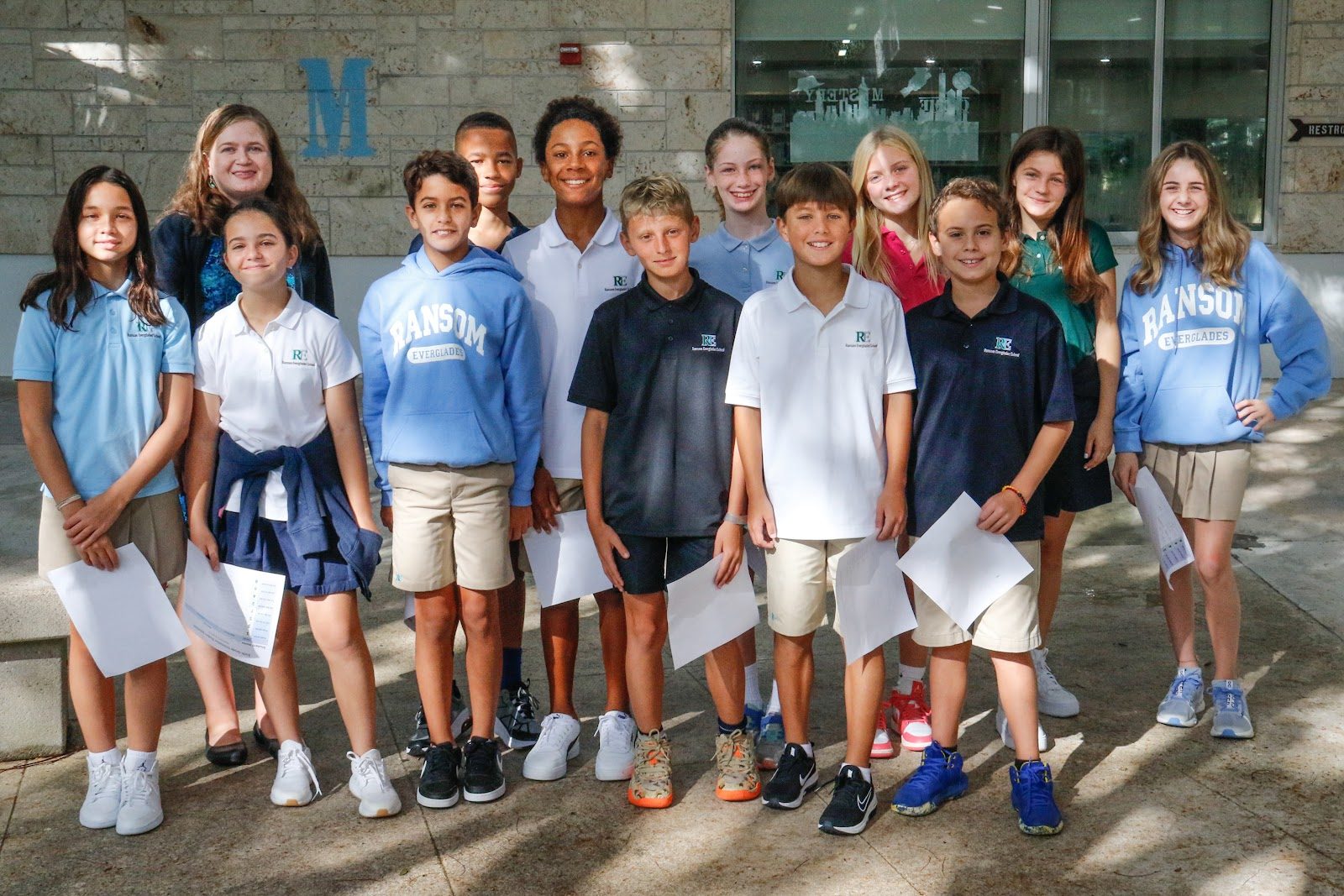
On Biscayne Bay since 1903, where sailing and marine science turn the water itself into a classroom
The Hill School
Pottstown · United States
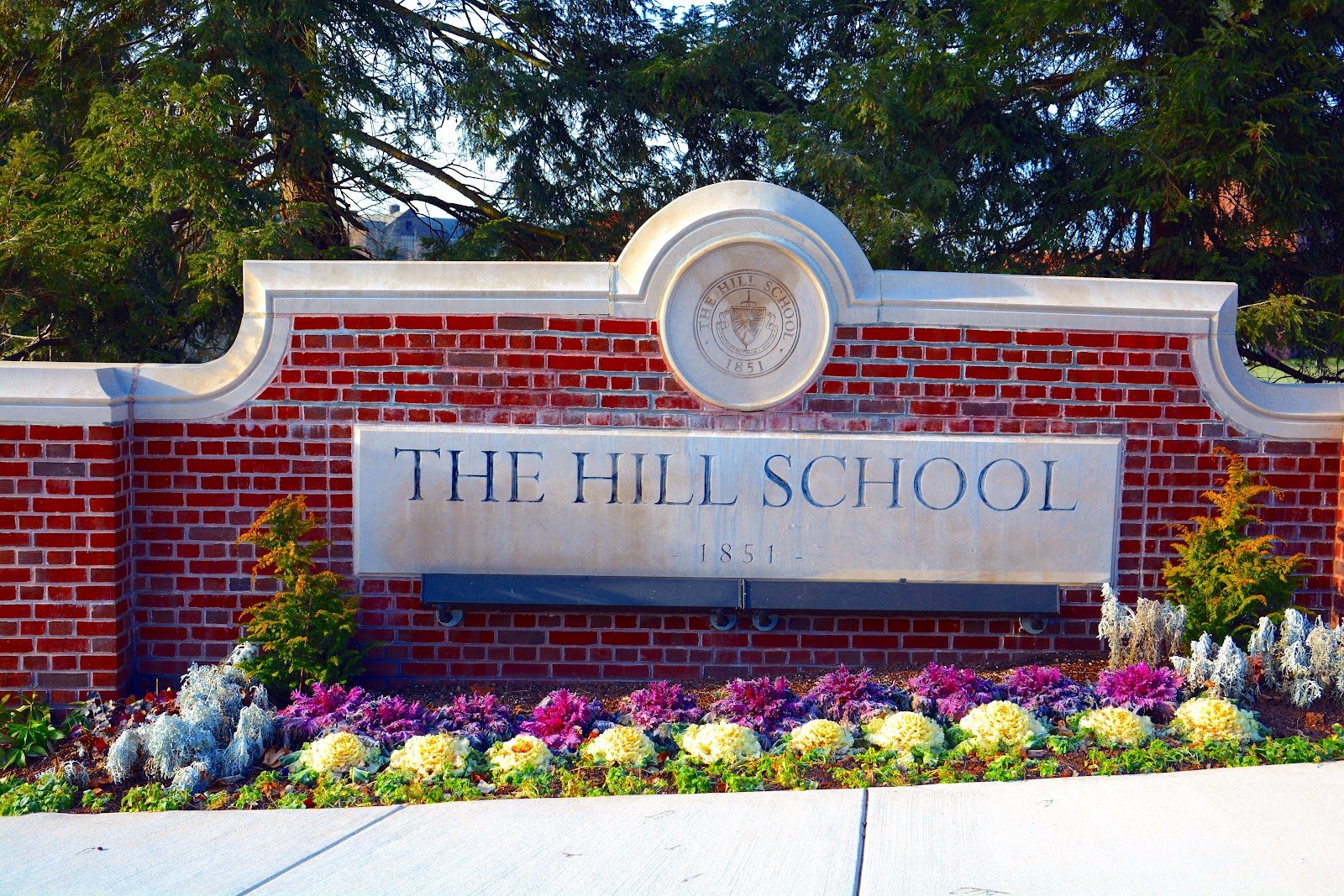
Born in 1851 as the nation's first family boarding school, still pairing faculty and students under one roof on a Pottstown hilltop.
Episcopal High School
Alexandria · United States
A 130-acre hilltop campus 10 minutes from the Capitol, running America's only fully residential school of its caliber in a major metro area.
Same country and curriculum — closest matches within ±10 points either way