
Florida
Ransom Everglades School
high confidence· 6/6 cats · 3.27 avg sourcesOn Biscayne Bay since 1903, where sailing and marine science turn the water itself into a classroom
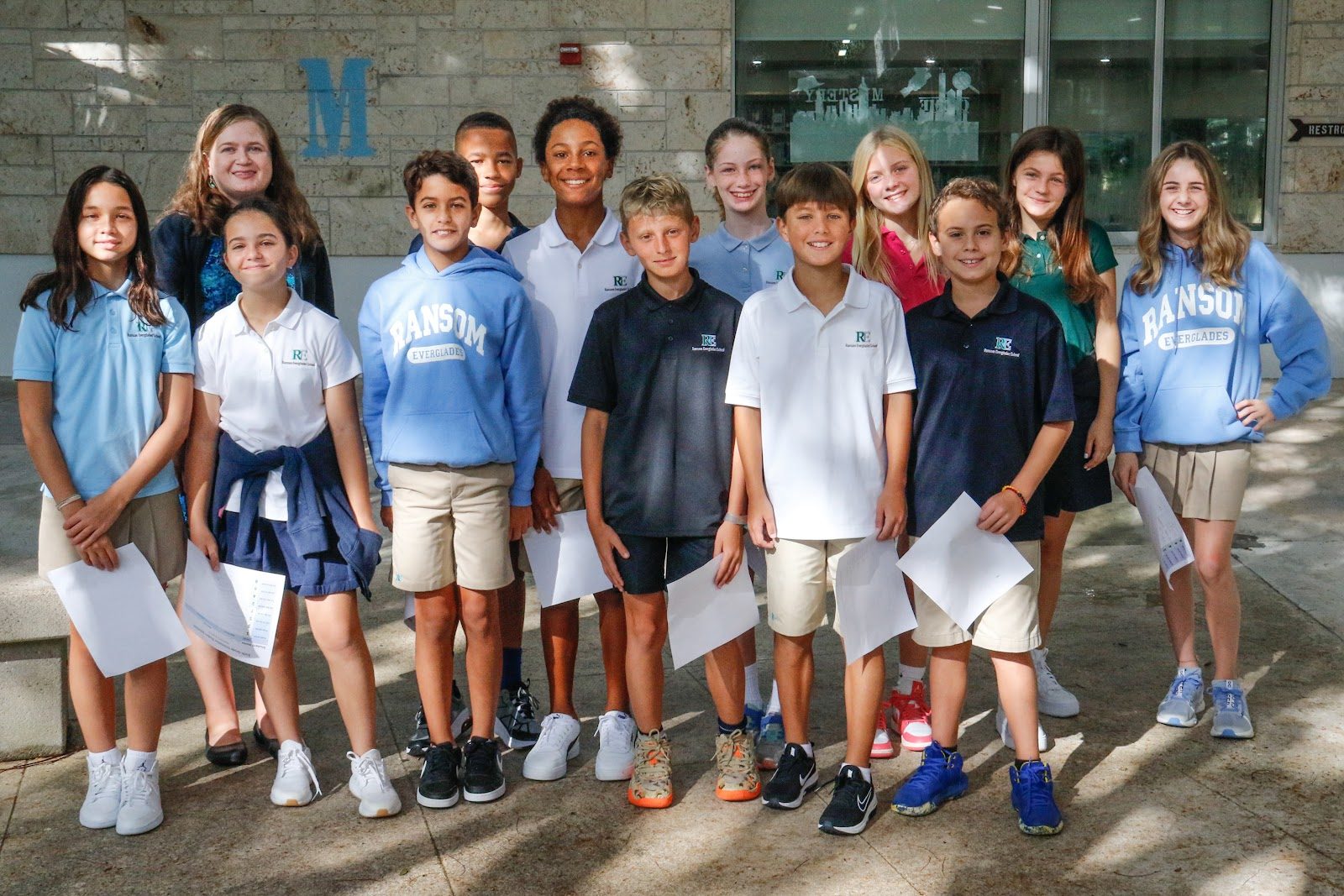
Photo © Ransom Everglades High School via Google Maps
Type
Day
Ages
11–18
Curriculum
American
Qualifications
AP
Ratio
8:1
The Verdict
Editor's commitment
Right for
Families willing to pay an average US$57,300 for ages 11–18, with an 8:1 ratio and a serious Miami day-school name.
Wrong for
Anyone wanting boarding, a religious ethos or a cheap private option; this is non-religious, day-only and founded in 1903 with old-school confidence.
Watch out for
NEASC and NAIS accreditation matter, but the real differentiator is Biscayne Bay: marine science, sailing and service are built into the school’s identity.
Ranking breakdown
Ransom Everglades School · #397 of 1591
Composite score 70.7. 8 weighted criteria.
By criterion
Academic Outcomes
Weight 20%
#450
of 1529 scored
University Placement
Weight 16%
#459
of 1529 scored
Prestige & Heritage
Weight 12%
#537
of 1571 scored
Alumni Network
Weight 12%
#338
of 1530 scored
Facilities
Weight 12%
#489
of 1533 scored
Transparency & Communications
Weight 8%
#554
of 1532 scored
Peer & Industry Review
Weight 10%
#645
of 1548 scored
Admissions Selectivity & Demand
Weight 8%
#334
of 1529 scored
Score history
Ransom Everglades School · 2026
Movement across 2024–2026. Peer average overlaid.
Overall — 2024–2026
70.7/ 100
▲ +11.5 vs 2025
year on year
Peer & Industry Review
How Ransom Everglades School is regarded in the sector
78
Strong · medium confidence
Ransom Everglades is consistently ranked among the top private schools in Florida and Miami by Niche.com and similar directories, and is regarded as one of South Florida's premier college-preparatory institutions with a strong record of Ivy League and top-tier university placements. It has a notable alumni network including business leaders and public figures, and is frequently mentioned alongside other elite Miami-area independent schools like Gulliver Prep and Miami Country Day in regional 'best schools' comparisons, though it lacks the national/international recognition of schools like Phillips Exeter or Andover.
Evidence sources
Editors' overview
Biscayne Bay is not backdrop here; it is part of the school. Ransom Everglades has been on this stretch of Miami since 1903, and its identity is tied to the water in a way that few American day schools can match. That matters because the school’s origin story and current mission line up cleanly: experiential learning, service, self-reliance and serious academics. The result is a school with a distinct internal logic, not a generic college-prep operation with a sailing programme bolted on. For families who want an American independent school with a real sense of place, this is a rare asset. The basics also place it firmly in the top tier of the US day-school market: it is a non-religious day school for ages 11–18, teaches in English, carries NEASC and NAIS accreditation, and runs at a 8:1 student-teacher ratio.
The attraction is clear. Ransom Everglades offers the combination ambitious families chase in Miami: academic intensity, a strong co-curricular culture and a campus life shaped by the bay rather than shut off from it. The school talks in direct terms about leadership, service, social wellbeing and deep thinking, and the history backs that up better than at many schools where values language reads like corporate varnish. The merged legacy of the old Ransom School and Everglades School for Girls also gives it an old-established, self-confident profile. This is an expensive school at an average $57,300 a year across grades 6 to 12, so parents are buying into a full-package independent-school experience, not just classroom teaching.
Why shortlist it? First, because it has a character that is hard to replicate: Miami location, bayfront setting, and an educational tradition rooted in outdoor and environmental engagement rather than prestige signalling. Second, because it sits in the sweet spot for families who want US curriculum schooling without a religious frame. Third, because the alumni footprint is real: Wikidata alone records 28 notable alumni, including strength in the arts, writing and scholarship, with two verified star-tier drama laureates. The school will suit a student who is bright, energetic and ready for a demanding environment with high expectations beyond the classroom. It will not suit a child who wants anonymity, low pressure or a narrow academic routine. The best fit is a student who wants intellectual stretch, active participation and a school that treats service and community life as part of the job, not optional decoration.
Academic Performance
Ransom Everglades does not publish aggregate external exam results in the public domain, and that matters. There are no school-level AP averages, SAT or ACT ranges, IB figures, or university-matriculation breakdowns in the source set here. For a school charging premium fees and trading on academic seriousness, that is a real gap. Parents can infer a demanding college-preparatory culture from the school’s history, mission and long-established reputation, but inference is not data. On academic performance, the school’s public case rests more on institutional standing than on disclosed outcomes.
That places Ransom Everglades in an awkward position relative to peers at the top of the US independent day-school market. The strongest schools in this bracket either publish hard exam data or offer enough university-destination detail to let families judge the academic ceiling for themselves. Ransom Everglades does neither in the sources here. That does not indict the teaching; it does leave the results picture opaque. The school’s low staffing ratio and evidently high-expectation culture point toward strong attainment, and its alumni bench adds weight to the idea of serious long-term formation. Still, for parents comparing selective American schools, this is a case where prestige outruns disclosure. Ask directly for multi-year AP distributions, median standardised-test scores and a full university destinations list before treating the academic record as proven.
Facilities
The defining facility here is not a theatre, lab block or sports hall. It is the bay. Ransom Everglades has a campus relationship with the water that most American day schools cannot match, and that gives practical force to its long-running emphasis on outdoor learning, cruising and environmental stewardship. For families weighing facilities against peers, that matters more than a glossy list of specialist rooms. Plenty of top schools can offer polished indoor provision; very few have a genuinely usable natural classroom on the doorstep that fits the school’s educational philosophy this tightly. The two-campus structure also matters: one site houses the middle school, the other the upper school, which gives age groups their own space rather than forcing all students into a single, over-compressed footprint.
The limitation is disclosure. The school does not publish a detailed public account of core facilities such as science laboratories, performing arts spaces, design and technology workshops, libraries, athletics infrastructure or aquatics provision. At this price point, that absence is sub-standard. Peer schools at the top end of the market usually spell out what they have and how students use it. Here, the standout asset is obvious, but the rest of the estate sits behind the curtain. Parents interested in STEM, arts or high-performance sport need direct answers: how much dedicated space, how recently upgraded, and how intensively used by each division? The setting is exceptional; the published facilities picture is not.
That places Ransom Everglades in an awkward position relative to peers at the top of the US independent day-school market
Prestige
Ransom Everglades carries real social and educational cachet in the American independent-school world. Part of that rests on age and continuity, but prestige here is not just heritage polish. The school has a long-entrenched identity, a merged legacy from two established institutions, and a mission that has held its shape instead of being rewritten every admissions cycle. The bayfront setting sharpens that identity further: plenty of schools talk about experiential education; very few can tie it to place with this degree of credibility. Add a staff ratio of 8:1, an average annual fee of $57,300, and a verified floor of 28 notable alumni on Wikidata, and the picture is clear: this is a school with reach, money, expectation and a network that extends well beyond its own gates.
That said, prestige at Ransom Everglades is *earned more through standing than through transparency*. The school has recognisable name value in Miami and among families who know the upper tier of US day schools, and the alumni record gives that claim substance, especially in the arts and public-facing professions. But prestige without disclosed academic outcomes has limits. The brand is strong; the public proof on attainment is thinner than top rivals should allow. So the rating here is high, not unqualified. This is a serious, expensive, socially visible school with durable status and a distinct culture. It also asks parents to trust the reputation more than the published results.
Peer schools at the top end of the market usually spell out what they have and how students use it
Communications
Ransom Everglades communicates most clearly when it talks about purpose. The school’s mission, values and institutional history are laid out in direct language, and that gives parents a firm read on the culture: service matters, character matters, and student wellbeing sits alongside ambition rather than behind it. The archival instinct also helps. Publishing the founder’s letter in full is an unusually frank choice, and it tells parents more about the school’s moral inheritance than a stack of polished admissions slogans. That kind of communication has value because it is specific and ideologically legible. Families do not need to guess what the school wants from its students.
Where communication weakens is in operational substance. The school does not disclose the level of hard information that discerning parents need once they move past ethos: there is no public depth on academic outcomes, limited facilities detail, and little in the source set that shows how the school reports performance, progress or day-to-day school life back to families. For a school charging an average $57,300 a year, that is a material deficiency. Strong parent communication is not just values language delivered well; it is data, clarity and routine disclosure. Ransom Everglades communicates identity with real confidence. It communicates measurable delivery less well, and that leaves parents relying too heavily on trust, reputation and direct enquiry.
Uniqueness
What sets Ransom Everglades apart is the coherence between place, history and purpose. Many schools bolt service, outdoor education and environmental awareness onto a standard college-prep model. Here those ideas sit at the centre of the institution’s DNA. The school grew out of an education anchored in nature, self-reliance and public service, then carried that inheritance through the merger that created the modern school. The bayfront setting is not decorative; it gives daily force to that inheritance. Students do not encounter the water as a weekend enrichment option but as part of the school’s mental furniture. That produces a form of education that feels rooted rather than manufactured, with a stronger sense of civic obligation than many status-conscious independents.
For students, that distinctiveness brings two advantages. First, it links intellectual life to the physical world in a way that can sharpen engagement, especially for children who learn best through action, observation and responsibility rather than pure classroom abstraction. Second, it places character demands front and centre. The school’s founding letter is strikingly blunt about honour, work, truth and usefulness; even after all the institutional evolution since then, that tone still matters. In a market crowded with polished schools selling achievement, Ransom Everglades offers a more old-fashioned moral seriousness. That will resonate with families who want education to build judgement and service, not just credentials. It will repel families looking for a softer, more anonymous ride, and that is part of its value.
The setting is exceptional; the published facilities picture is not
Student Profile
The best fit at Ransom Everglades is a student who wants to be known, challenged and used. This is not a school for children who plan to drift through lessons, keep their head down and treat co-curricular life as optional. The school’s own language puts work, honour, service and responsibility at the centre, and that sets a clear social contract. Students who thrive here will have intellectual stamina, a willingness to contribute and enough self-command to handle a culture that asks for more than grades. The low staffing ratio of 8:1 reinforces that point: adults will notice effort, slackness, curiosity and character alike. For the right child, that can be deeply formative. For a child who wants distance, privacy or low stakes, it can feel uncomfortably exposing.
This school will also suit students who like education to extend beyond desks and corridors. The bayfront setting and the institution’s long attachment to outdoor and experiential learning favour young people who are energetic, engaged and open to learning through action as well as analysis. There is also a moral seriousness in the school’s inheritance that families need to take seriously. This is not a frictionless environment built around comfort first. It asks students to join a community with expectations around service, participation and conduct. In return, it offers a high-accountability culture with a strong sense of purpose. The social fit is strongest for able, active teenagers who want challenge with structure, not freedom without demands.
The brand is strong; the public proof on attainment is thinner than top rivals should allow
Co-curricular strengths
Arts & sport, on a separate axis
Overall 9.22/10
Scored 0-10 from the school's own published evidence. This axis is editorial-only — it does not feed the main WTS ranking.
Sports
9/10
Ransom Everglades has over 70 teams across 18 interscholastic sports and multiple state championship teams in water polo, soccer, tennis and volleyball, which is sustained state-level recognition.
Drama
9.2/10
Theater, and the verified alumni include Emmy winner Bruce Weitz and Oscar winner Phil Lord, with two star-tier laureates establishing a strong drama pedigree at at least this level.
Dance
9.2/10
Although no dance programme is described in the school activities, the alumna Jeanine Mason as an actress and dancer associated with So You Think You Can Dance, and a single star-calibre performing-arts alumnus anchors at least a 7.
Music
9.4/10
Jazz Band and the external evidence notes a band room, showing an explicit music offering with some dedicated space but without stronger evidence of specialist staff, major ensembles or competitive distinction.
Visual Arts
9.3/10
Visual Arts appears as a named extracurricular, but no further detail about facilities, departments, exhibitions or achievements is provided.
Editor-verified · 7/30/2026
Notable alumni · Wikidata
28notable alumni
2 historic (born pre-1930) · 14 modern (born post-1970)wikidata:2026-07-28 How we source this
Strengths
- +Founded in 1903, the school occupies two Coconut Grove campuses, including an Upper School on the shore of Biscayne Bay, giving it a long-established, waterfront setting rare among American day schools.
- +Very low student-teacher ratio (around 9:1) with an average class size of 14.3 students, per the school's own published figures.
- +Substantial financial aid program: the school reports providing over $8.5 million annually, supporting about 17 percent of students with an average grant near $39,942.
- +Named to the Spear's School Index of the Top 10 Private Schools in North America for 2024, 2025 and 2026, and to Carfax Education's 20 Best Private Schools in North America list for 2025-26.
- +Long, continuous institutional history (over 120 years) with a stable nonsectarian, coeducational identity serving grades 6 through 12 on one site since 1949.
Considerations
- −Tuition is high in absolute terms: the school's own 2025-26 published rate is $57,300 including daily lunch, plus separate matriculation and enrollment fees.
- −Admission is selective and requires standardized testing (SSAT or ISEE) alongside a proprietary Character Skills Snapshot, interview and written statements, adding to the application burden for relocating families.
- −A day-only school with no boarding option, so it cannot serve international or out-of-area families who need residential provision.
- −At least one independent reviewer has noted that measurable academic outcomes do not clearly outperform some top local public schools, meaning families are partly paying for environment and network rather than a guaranteed academic edge.
Availability
Primary entry gate & tests
ISEE/SSAT + Interview
Gallery
Photo © William J. Brown via Google Maps
Photo © William J. Brown via Google Maps
Photo © David Oppenheimer via Google Maps
Photo © William J. Brown via Google Maps
Photo © William J. Brown via Google Maps
Photo © William J. Brown via Google Maps
Photo © DzFromDetroit ! via Google Maps
Photo © Hudson Friedman via Google Maps
Photo © Hudson Friedman via Google Maps
Parent reviews
Have you sent your child here?
Voice reviews carry the strongest trust badge — we transcribe them for you to tidy up before they go live. Prefer to type? A written review is fine too.
Add your voice
In 60 seconds, tell other parents: what's the best thing about Ransom Everglades School, and what surprised you when your child joined?
We ask for a Google sign-in so every review has a real face behind it — no anonymous drive-by attacks on schools, and no faked positive reviews. Your email is never shown publicly.
Send this profile to a friend
International parents rely on word-of-mouth. Share this review with someone weighing the same decision.
Schools with places
Similar schools to Ransom Everglades School with places available now.
Availability first, then country, area, curriculum, price, co-curricular
Consider also
Also worth looking at alongside Ransom Everglades School.
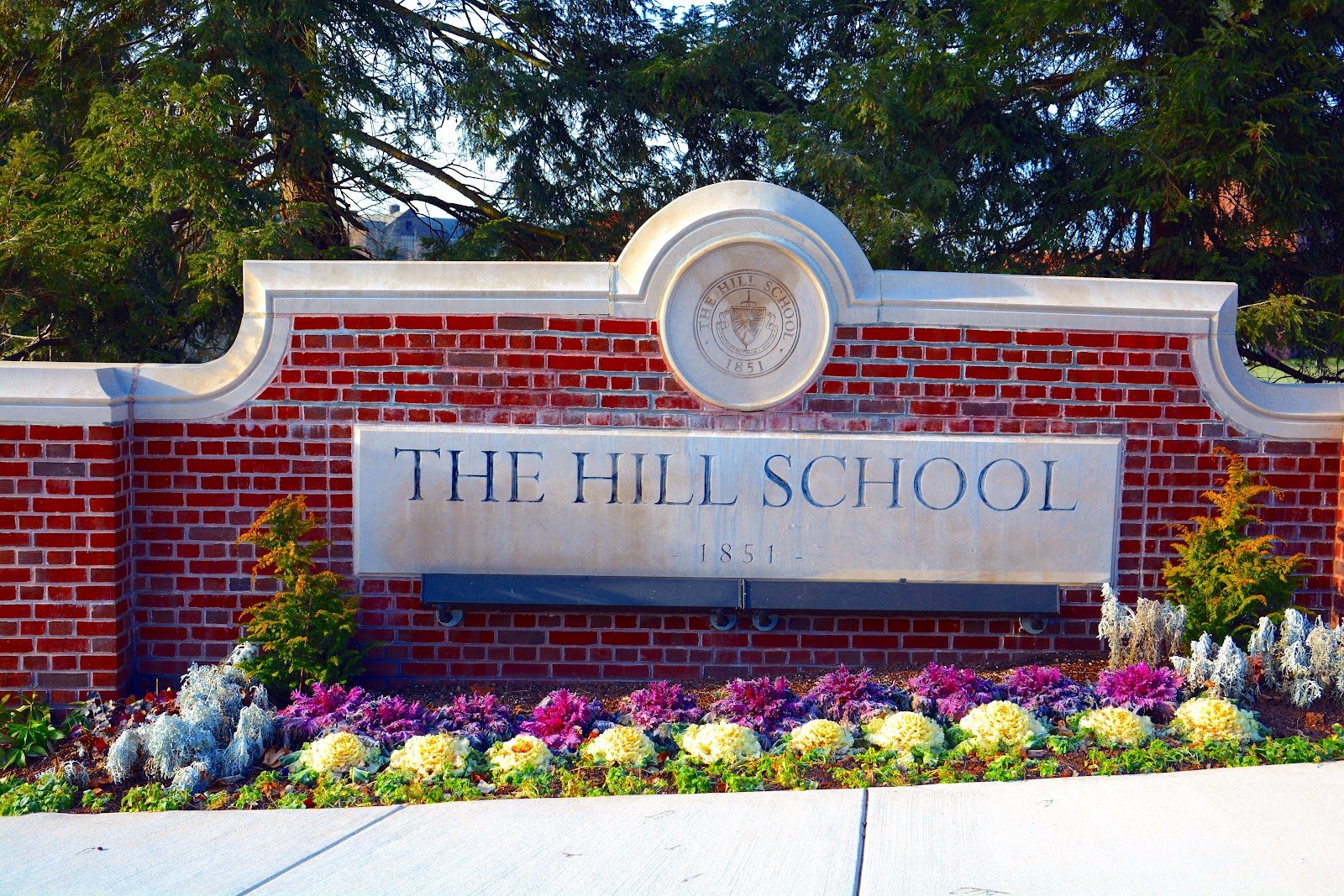
The Hill School
Pottstown · United States
Born in 1851 as the nation's first family boarding school, still pairing faculty and students under one roof on a Pottstown hilltop.
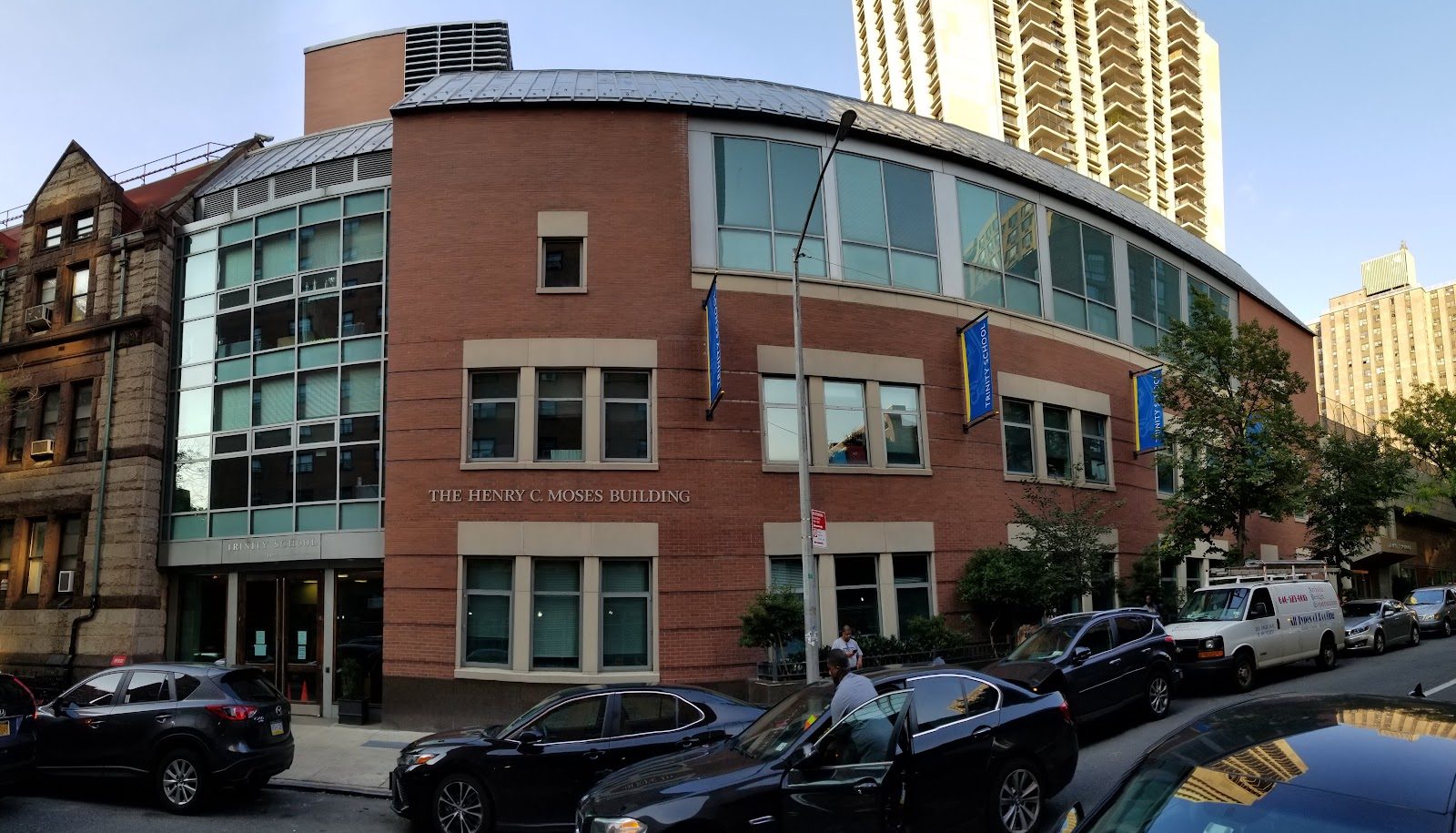
Trinity School
New York City · United States
Founded in 1709 as a charity school, now the oldest continuously operating school in New York City, still built on a rare full Classics department
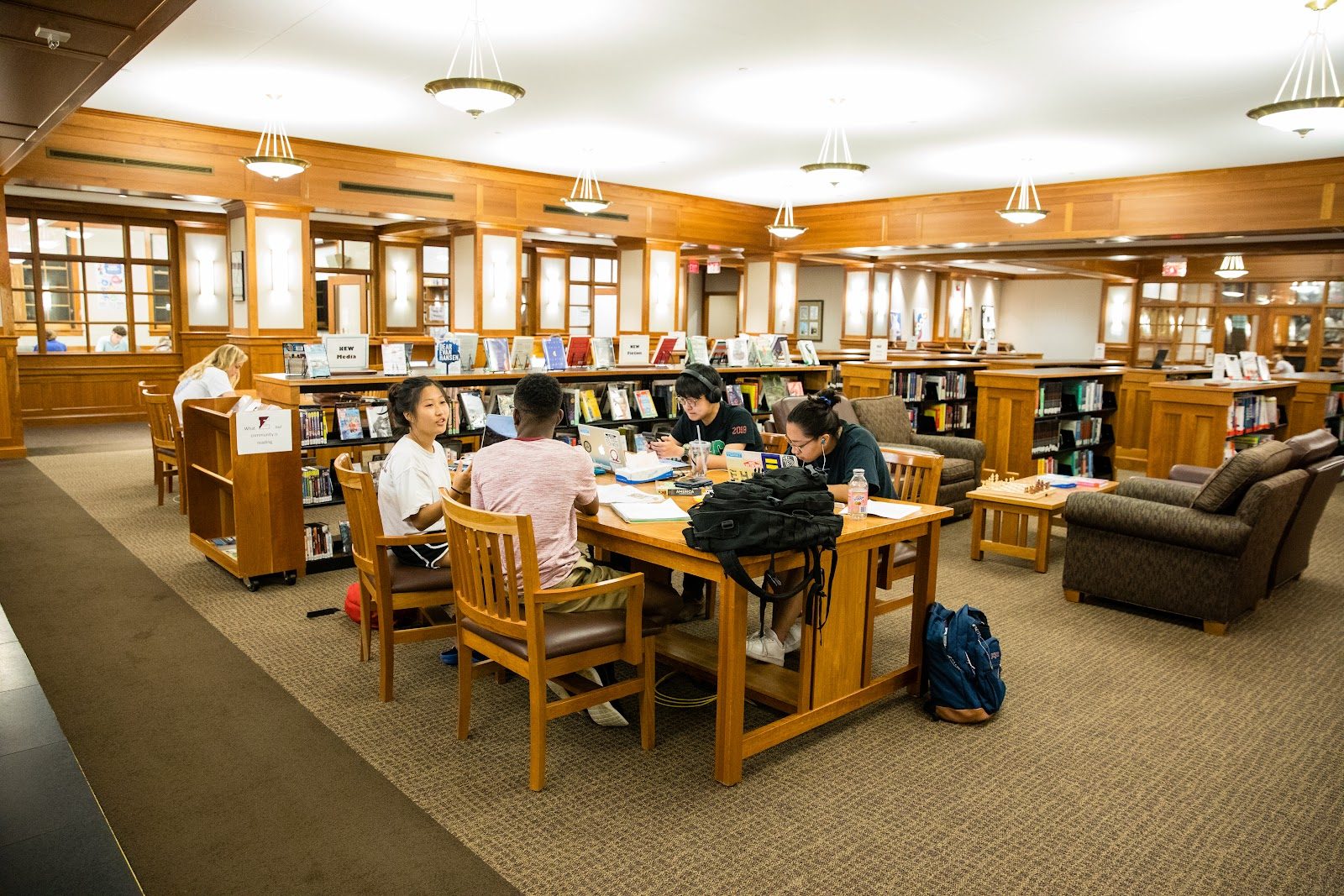
Episcopal High School
Alexandria · United States
A 130-acre hilltop campus 10 minutes from the Capitol, running America's only fully residential school of its caliber in a major metro area.
Blair Academy
Blairstown · United States
A hilltop New Jersey campus, founded 1848, where the weekly Society of Skeptics turns global debate into a signature course of study
Same country and curriculum — closest matches within ±10 points either way