
New Jersey
Delbarton School
high confidence· 6/6 cats · 3.35 avg sourcesOn a 187-acre abbey campus outside Morristown, Benedictine monks still guide a rigorous, near-1,500-year-old liberal arts tradition.
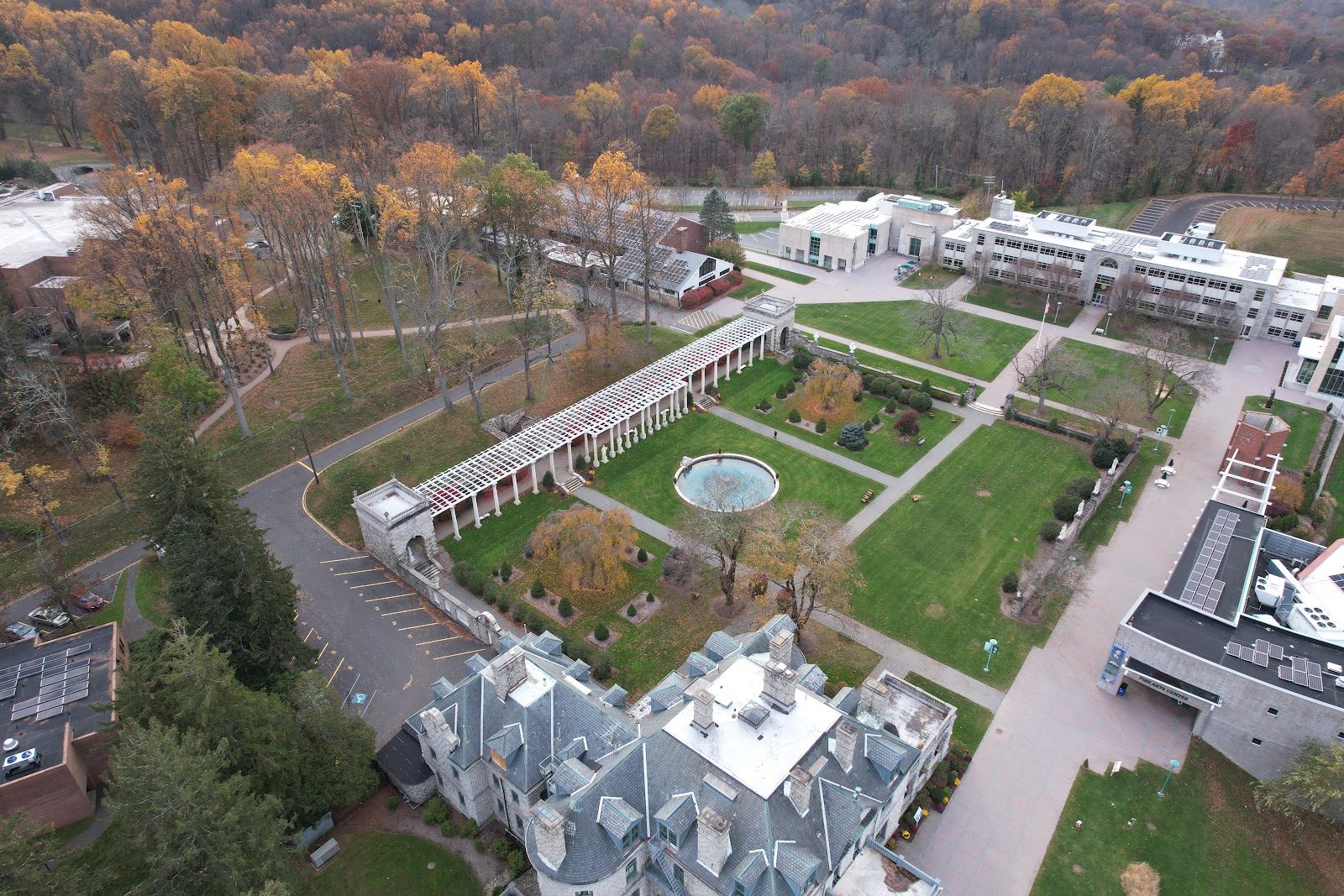
Photo © George Abrantes via Google Maps
Type
Day
Ages
12–18
Curriculum
American
Qualifications
AP
Ratio
8:1
The Verdict
Editor's commitment
Right for
Boys 12–18 who want a serious American college-prep on a 187-acre campus, with 14 pupils per class and 28 AP courses.
Wrong for
Girls, families wanting a secular school, or anyone uneasy with Benedictine Catholic formation despite a 648-boy intake from all faiths.
Watch out for
At $51,500 a year, this day school trades on intensity: 8:1 staffing, 75+ clubs, 18 title-winning varsity sports and 100% college progression.
Ranking breakdown
Delbarton School · #315 of 1591
Composite score 72.0. 8 weighted criteria.
By criterion
Academic Outcomes
Weight 20%
#450
of 1529 scored
University Placement
Weight 16%
#398
of 1529 scored
Prestige & Heritage
Weight 12%
#296
of 1571 scored
Alumni Network
Weight 12%
#158
of 1530 scored
Facilities
Weight 12%
#406
of 1533 scored
Transparency & Communications
Weight 8%
#554
of 1532 scored
Peer & Industry Review
Weight 10%
#533
of 1548 scored
Admissions Selectivity & Demand
Weight 8%
#369
of 1529 scored
Score history
Delbarton School · 2026
Movement across 2024–2026. Peer average overlaid.
Overall — 2024–2026
72.0/ 100
▲ +15.3 vs 2025
year on year
Peer & Industry Review
How Delbarton School is regarded in the sector
82
Strong · medium confidence
Delbarton is consistently ranked among top private/Catholic (Benedictine) schools in New Jersey by Niche.com and similar education-ranking aggregators, and is frequently cited in regional 'best private schools' coverage for the NY metro area. It has a strong, visible alumni network including notable figures in business, sports, and politics, and is regarded as a top feeder to elite colleges among New Jersey independent schools, though it lacks the global brand recognition of top-tier boarding schools referenced in international rankings like Tatler.
Evidence sources
Award

Elite Entrepreneurship, Economics & Finance 60
World's Top School · The Global Ranking
Delbarton School is featured on our Global Top 60 ranking at #24. This seal is available for the school's marketing team to use on their website, prospectus and social channels.
Editors' overview
A 187-acre abbey campus, Benedictine monks still active in school life, and a boys-only sixth-form-prep model give Delbarton a very specific identity. This is not a generic American private school with a chapel attached. It is a Catholic liberal-arts school for young men in grades 7–12, with 648 students, and it runs with the clarity and intensity that narrow mission schools often achieve. The academic set-up is strong by any standard: an 8:1 student-to-faculty ratio, average classes of 14, 28 AP and Post-AP courses, and 75 faculty members holding advanced degrees. The school also states that 100% of graduates go on to college. Parents who want a school with a diffuse or negotiable culture should look elsewhere; Delbarton has a defined moral and intellectual centre, and that is one of its main strengths.
What puts it on a shortlist is the combination of rigour, scale and coherence. Many religious schools promise character and scholarship; fewer back that up with a campus of this size, serious course breadth, 75-plus student-run clubs, 15 visual art courses, 11 music and theatre ensembles, and 18 title-winning varsity sports. Delbarton has the infrastructure of a major independent school without the anonymity that often comes with size. It also draws widely, with boys coming from 120 towns across New Jersey, New York and Pennsylvania, and two-thirds arriving from public schools. That matters: this is not an enclave school serving one postcode or one social tribe. At an average annual day fee of $51,500, it sits in the expensive end of the US day-school market, but the offer is substantive rather than ornamental.
The right student for Delbarton is a boy who wants structure, high expectations and a school that takes adult formation seriously. He does not need to be Catholic — the school enrols boys of all faiths and backgrounds — but he does need tolerance for a strong institutional ethos and for the language of duty, service and faith that runs through the place. Academically ambitious boys who thrive in discussion-heavy classes and can use close faculty attention well will do best here. So will students who want full participation: sport, arts, service and clubs are not decorative extras. Boys who want a looser, more permissive environment, co-education, or a school that treats religion as a faint background note will find Delbarton too exacting and too deliberately shaped. For the right family, that clarity is the point.
An Elite Entrepreneurship, Economics & Finance 60 school
Delbarton School in Morristown, New Jersey, sits at rank twenty-four on the Elite Entrepreneurship, Economics & Finance 60. The anchor fact is concrete: Delbarton's Cornerstone Capital team advanced to the Wharton Global Youth Investment Competition's 2025 Global Finale, one of only ten teams selected from a field that drew more than 1,800 team submissions across 66 countries that year.
The architecture behind that result is genuine rather than borrowed AP credit. Delbarton runs a dedicated Business and Economics Club, moderated by Dennis Oussenko '17, a Wharton alumnus himself, which has fielded competitive teams in the Wharton Investment Competition in multiple consecutive years -- Green Wave Capital reached the Top 55 semifinal round in 2022-23, and Cornerstone Capital followed with the 2024-25 Global Finale berth. Seniors in AP Macroeconomics earn Bloomberg Market Concepts certification using a fully equipped Bloomberg terminal lab housed in the school's Ryan Crane '95 Business Center, a facility few day schools of this size can claim. A yearlong entrepreneurship elective has student teams build prototypes and write full business and marketing plans, and the Business and Economics Club has originated microloans through Kiva.org to support small business owners abroad, giving pupils a live line into applied development finance rather than a purely theoretical unit.
Notable alumni in this lane include Robert Tappan Morris, the computer scientist and entrepreneur who co-founded Viaweb, later sold to Yahoo, and went on to co-found Y Combinator, one of the most influential startup accelerators in the world -- a direct, verifiable lineage from Delbarton into Silicon Valley venture-building.
International openness here is limited and should be understood honestly. Delbarton is a day school with no on-campus boarding, an all-boys Catholic institution serving grades 7-12, and instruction is entirely in English with no dedicated ESL track. Annual tuition runs approximately $48,725 for 2025-26. Overseas applicants must secure their own local guardianship or host-family arrangement, confirm the school's SEVP certification directly with the admissions office for F-1 visa eligibility, and apply by the November 30 deadline including entrance exam and interview. For a family that already has a US-based guardian or relative in the New Jersey/New York corridor and wants a rigorous, finance-literate day education, Delbarton is worth pursuing early; families needing residential accommodation should look elsewhere first.
Academic Performance
Delbarton publishes one headline outcome with confidence: 100% of graduates progress to college. That clears the baseline for a serious American college-prep school, but it does not settle the harder question of academic performance relative to top peers. The school also advertises 28 AP and Post-AP courses, which signals breadth and ambition, yet it does not publish aggregate AP score distributions, mean scores, SAT or ACT averages, National Merit counts, or named university matriculation patterns in the sources we have seen. For parents comparing selective day schools, that gap matters. At this end of the market, real academic accountability rests on public outcome data, not on course counts alone.
So where does Delbarton sit? On structural indicators, it belongs in the serious college-prep tier: small classes, close faculty attention, and a liberal-arts frame strong enough to support demanding work across disciplines. The school’s language about scholarship also has institutional force behind it; this is not a place that treats academics as one programme among many. But against the most transparent independent-school competitors, Delbarton is less legible than it should be. Without published score profiles, its exam performance cannot be placed precisely inside the top bracket, even if the internal conditions for strong results are plainly there. That leaves a school with high academic intent and incomplete public proof.
Facilities
The campus is Delbarton’s clearest physical advantage. An abbey estate of 187 acres gives the school room to operate at a scale many day schools cannot match: academic buildings, gardens, athletic complexes, creative spaces and woodlands in one setting. That matters because the school’s programme asks boys to do more than move between lessons. Sport, visual art, theatre, music, service and informal community life all need proper space, and Delbarton has it. The arts provision is stronger than many religious day schools offer, with dedicated visual-art teaching and a meaningful performing-arts base rather than a token annual production. The grounds also reinforce the school’s monastic seriousness and institutional weight; this is a campus with atmosphere, not a stitched-together suburban site.
Against peer schools, the facilities sit in the upper tier for a non-boarding American day school. Plenty of college-prep schools have polished science rooms and good playing fields; fewer have the acreage and breadth to make the whole place feel self-contained and purpose-built. The athletic side looks substantial, with 18 title-winning varsity sports and the campus infrastructure to support them, though the school does not publish the kind of fine-grained facilities inventory that would let parents compare specialist labs, theatre specifications or maker spaces line by line with top competitors. So the broad verdict is clear: the physical plant is a strength, especially outdoors and for whole-school life, even if some specialist indoor provision remains less transparent than it should be.
That clears the baseline for a serious American college-prep school, but it does not settle the harder question of academic performance relative to top peers
Prestige
Delbarton carries real regional prestige in the north-eastern US independent-school market, built less on glossy brand projection than on institutional seriousness and social durability. A school governed by Benedictine monks on an abbey estate has a clear advantage in distinction: it is recognisable, old-world in culture, and difficult to mistake for a standard suburban college-prep operation. The alumni base is substantial, with more than 5,700 former pupils worldwide, and the verified notable-alumni record gives that network public weight across politics, business and the arts. Prestige also comes from selectivity of identity. An all-boys school with an unapologetically Catholic frame asks families to buy into a narrower, more demanding proposition than a broad-market co-ed independent school. That constraint lowers mass appeal and raises status among families who want exactly this model.
The rating stops short of the very top national echelon for one reason: Delbarton does not publish the kind of outcome data that elite schools use to convert reputation into hard evidence. Its public case rests on mission, scale of provision and college-going rather than on open score reporting or a clearly documented university-destination pattern. That does not make the reputation hollow; it makes it partly inherited and partly earned, with stronger standing in its home region than in the small group of American schools whose prestige is beyond dispute nationally and internationally. In plain terms, this is a high-status, well-connected school with a distinctive old-institution aura, not a universally pre-eminent one.
In plain terms, this is a high-status, well-connected school with a distinctive old-institution aura, not a universally pre-eminent one
Communications
Delbarton communicates with unusual clarity because the school knows exactly what it is and says so without dilution. Parents do not get a neutral, catch-all independent-school message; they get a strongly framed account of scholarship, character, spirituality and physical development, reinforced by Benedictine language and explicit moral expectations. That gives families a clean read on the culture before they enquire. The public-facing information also covers practical markers that matter — class size, staffing, course breadth, counselling provision, arts, sport, clubs, service and financial aid — so the essentials are easy to locate. News output looks active and current, with recent items visible on the main about pages, which signals a school that keeps its channels moving rather than letting the website drift into institutional dead air.
The limitation is not warmth or frequency; it is transparency where ambitious parents want harder proof. Delbarton is happy to publish headline inputs and broad claims, including 100% college progression, but it stops short of disclosing the deeper outcome data that would strengthen trust with analytically minded families. No aggregate AP results are published in the sources we have seen, and that leaves a real information gap between message and measurable performance. For parents already aligned with the school’s ethos, the communications will feel coherent and persuasive. For parents running a forensic comparison against other selective schools, the style is effective but incomplete: *confident on identity, thinner on evidence*.
Uniqueness
What separates Delbarton from other American day schools is not one feature but a tight institutional braid: Benedictine monks still active in school life, a boys-only intake, and an abbey setting that gives the place real monastic gravity. Plenty of schools borrow the language of values; Delbarton builds its whole model around them. The stated hallmarks — discipline, humility, listening, stewardship, prayer and worship, work — are not decorative slogans for an admissions page. They shape the school’s understanding of what an educated young man is for. That gives students a clear moral framework, stronger adult oversight, and a culture that treats formation of character as a core task rather than an extracurricular add-on. For boys who benefit from structure, ritual and direct expectations, that clarity is a serious advantage.
The other distinctive point is the mix of reach and rootedness. Delbarton draws boys from 120 towns across 12 counties and says two-thirds arrive from public schools, which checks insularity and broadens the social mix inside a highly tradition-bound institution. The result is not a cloister in the social sense, even if it is one intellectually and spiritually. Students get a school with strong internal cohesion without total social narrowness. They also get an environment that asks for commitment: service participation, brotherhood, worship and full involvement in school life all carry real weight. For the right family, that produces unusually deliberate formation. For the wrong one, it feels too prescribed from the start.
The other distinctive point is the mix of reach and rootedness
Student Profile
The Delbarton boy fits a school with a strong governing culture and little appetite for half-engagement. This is a place for students who can handle direct expectations around conduct, effort, service and participation, and who do not need those expectations diluted into lifestyle branding. The school draws from 120 towns and says 2/3 of boys arrive from public schools, which matters: the intake is not confined to one neighbourhood bubble, and social confidence does not depend on having been raised inside private-school codes from childhood. Boys who do well here will value order, respond to adult authority, and have the stamina to take full advantage of a broad programme of clubs, arts, sport and service rather than treating school as an academic transaction only.
The best fit is a student who wants deliberate formation, not just credential-building. He does not need to be Catholic, but he does need comfort with a school life shaped by Benedictine values, religious language and a conspicuous moral frame. Independent-minded boys can thrive here, but not the variety who confuse independence with resistance to structure. Delbarton suits students who are serious without being brittle: intellectually ambitious, community-conscious and prepared to contribute to a boys’ environment built around brotherhood and mutual obligation. It will not suit families after low-friction pluralism, a looser social atmosphere, or a school where faith sits quietly at the edge. Here, ethos is central, and fit is decisive.
For the right family, that produces unusually deliberate formation
Co-curricular strengths
Arts & sport, on a separate axis
Overall 7.68/10
Scored 0-10 from the school's own published evidence. This axis is editorial-only — it does not feed the main WTS ranking.
Sports
9.5/10
Absolute athletic giant in New Jersey's Non-Public leagues; fields historically dominant varsity ice hockey, lacrosse, and wrestling programs with a direct Ivy League recruitment pipeline.
Drama
8.7/10
Ambitious theater tracking staging high-quality classical and modern plays inside the fine arts centers.
Dance
3/10
Kept strictly as a minor auxiliary component for stage movement in musical theater or physical conditioning matrices.
Music
8.7/10
Strong brass bands, traditional choirs, and jazz ensembles supported by professional-tier performance halls.
Visual Arts
8.5/10
Highly structured fine art layout leaning heavily toward technical drawing, portrait design, and portfolio curation.
Editor-verified · 8/6/2026
Notable alumni · Wikidata
30notable alumni
0 historic (born pre-1930) · 21 modern (born post-1970)wikidata:2026-07-28 How we source this
Strengths
- +Small-school scale: the student population is 648 across grades 7-12, with a student-teacher ratio of 7:1, supporting close faculty attention.
- +Substantial financial aid commitment: Delbarton admissions is need blind and the school distributes over $2.5 million in aid each year.
- +Strong college outcomes are self-reported: 90% of alumni matriculate to colleges classified as Very Competitive or Most Competitive, per the school's own placement data.
- +Spacious, purpose-built campus: the school sits on a 187-acre campus just outside historic Morristown, New Jersey, with a large dedicated fine-arts facility.
- +Long institutional continuity: founded in 1939 and independently directed by the Benedictine monks of St. Mary's Abbey, giving it a long-established identity within Catholic secondary education.
Considerations
- −All-boys, grades 7-12 only: the school is an all-boys institution serving grades 7 through 12, ruling it out for families wanting a coeducational environment.
- −Day school with no boarding option, so relocating international families must arrange separate local housing rather than campus residence.
- −High tuition: annual tuition is $48,725 for the 2025-26 school year, placing it among the pricier options in the region even before fees and extras.
- −Significant, unresolved reputational exposure: in 2018 the school publicly acknowledged that at least 30 men had come forward with allegations that over three decades they had been victimized by 13 past or current priests and monks, and a New Jersey jury awarded $5 million in damages to a Delbarton graduate who claimed a monk sexually assaulted him in a 2025 civil trial, with further litigation still pending.
Availability
Primary entry gate & tests
HSPT/ISEE + Interview (Boys)
Gallery
Photo © Sreenath Thallam via Google Maps
Photo © Alex Eichler via Google Maps
Photo © Noelle “Batykefer” Tabor via Google Maps
Photo © Andreas Hofmann via Google Maps
Photo © Andreas Hofmann via Google Maps
Photo © Andreas Hofmann via Google Maps
Photo © Chuck Mound via Google Maps
Photo © Delbarton School via Google Maps
Photo © Adam Scovill via Google Maps
Parent reviews
Have you sent your child here?
Voice reviews carry the strongest trust badge — we transcribe them for you to tidy up before they go live. Prefer to type? A written review is fine too.
Add your voice
In 60 seconds, tell other parents: what's the best thing about Delbarton School, and what surprised you when your child joined?
We ask for a Google sign-in so every review has a real face behind it — no anonymous drive-by attacks on schools, and no faked positive reviews. Your email is never shown publicly.
Send this profile to a friend
International parents rely on word-of-mouth. Share this review with someone weighing the same decision.
Schools with places
Similar schools to Delbarton School with places available now.
Newark Academy
Livingston · United States
- 2026-27
- CLOSEDRegular cycle closed
- 2027-28
- OPENS SOONOpens Sept '26
Blair Academy
Blairstown · United States
- 2026-27
- CLOSEDRegular cycle closed
- 2027-28
- PLACES OPENActive now — opened 1 Aug
The Pingry School
Basking Ridge · United States
- 2026-27
- CLOSEDRegular cycle closed
- 2027-28
- PLACES OPENActive now
Peddie School
Hightstown · United States
- 2026-27
- CLOSEDRegular cycle
- 2027-28
- PLACES OPENApplication portal live
Availability first, then country, area, curriculum, price, co-curricular
Consider also
Also worth looking at alongside Delbarton School.

Newark Academy
Livingston · United States
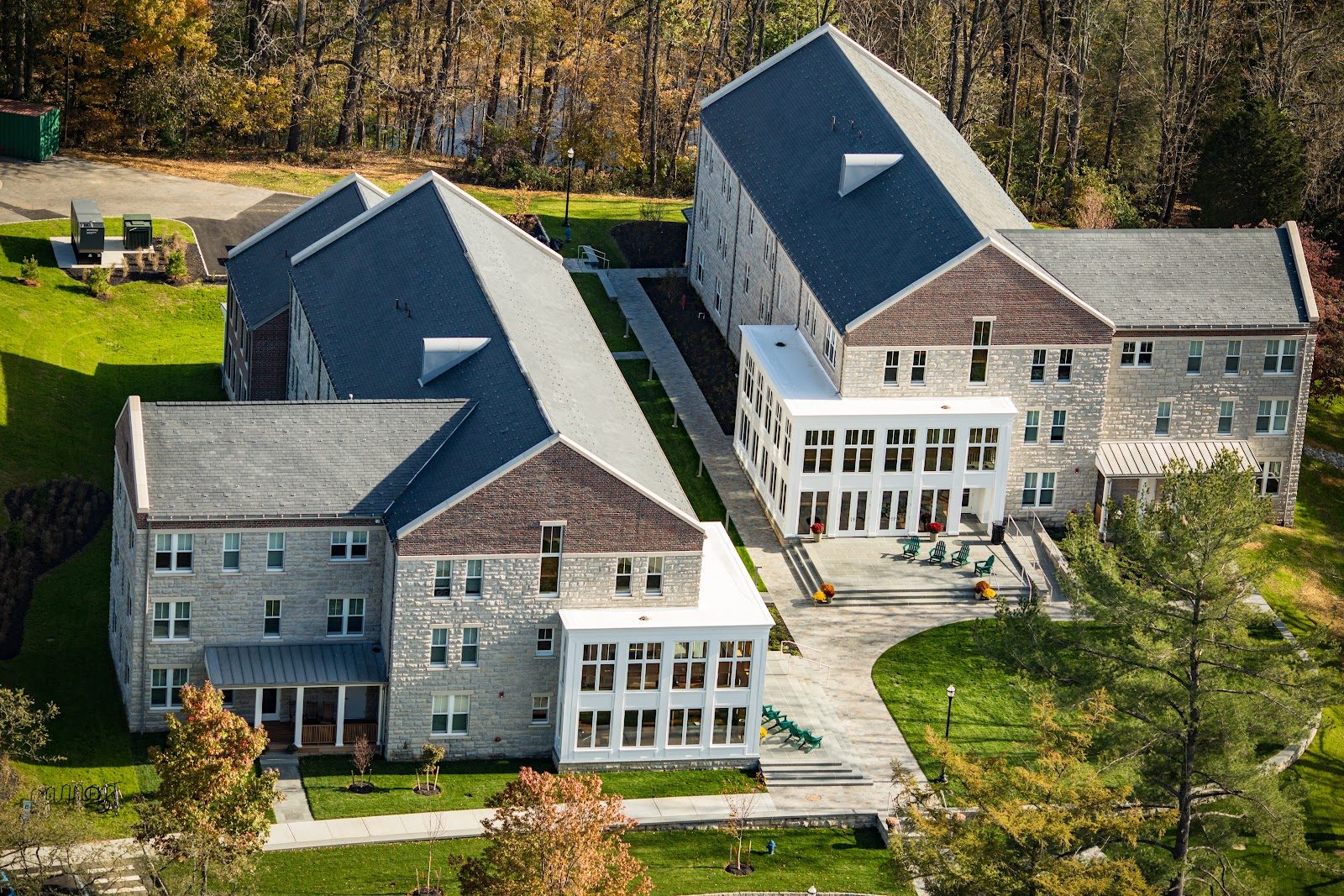
Founded in 1774, this Livingston day school remains New Jersey's only private IB Diploma provider
Blair Academy
Blairstown · United States
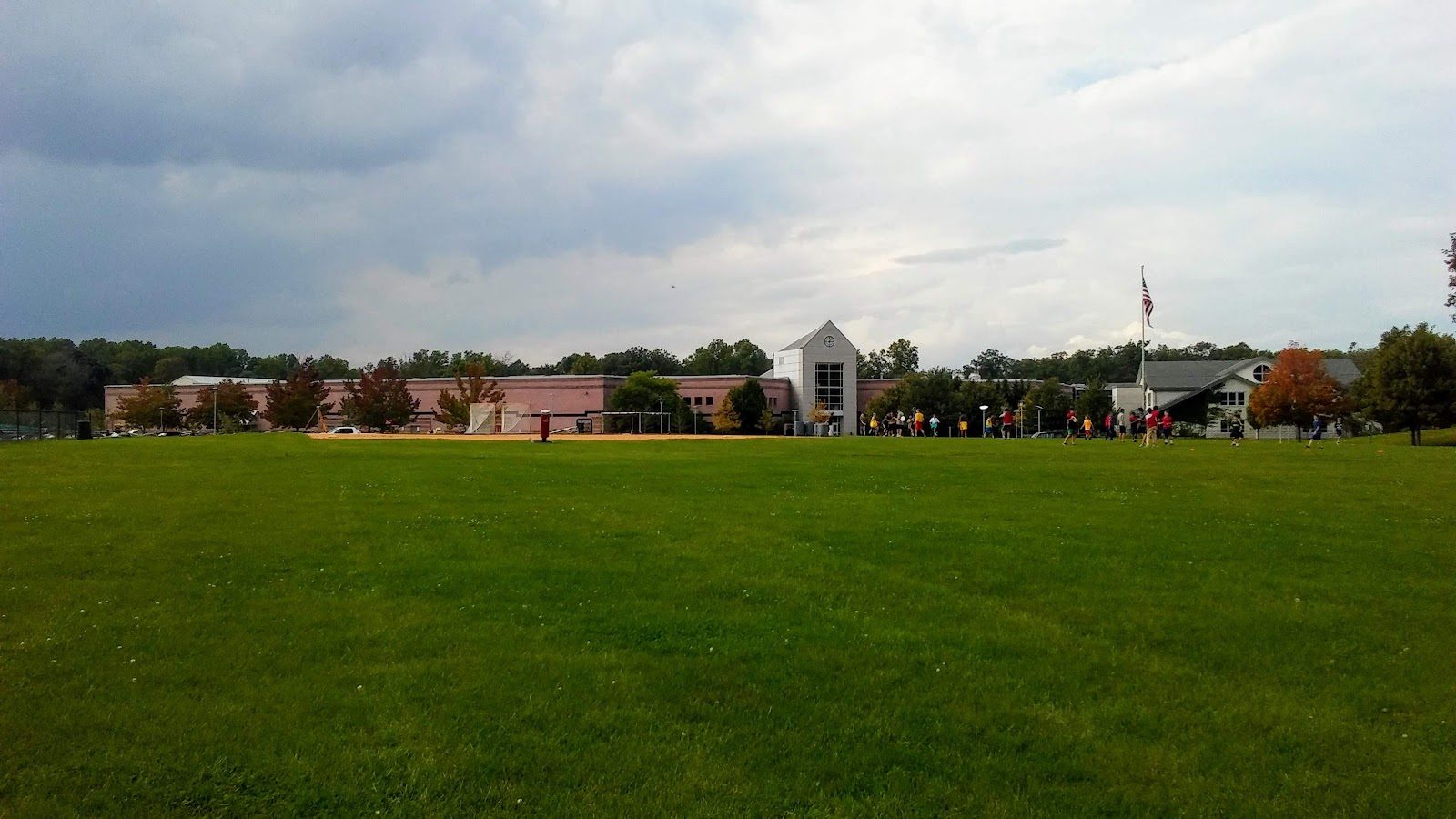
A hilltop New Jersey campus, founded 1848, where the weekly Society of Skeptics turns global debate into a signature course of study
The Pingry School
Basking Ridge · United States
A 1861-founded New Jersey day school whose soccer pitches were deemed fit to host Morocco's 2026 World Cup training camp.
The Baldwin School
Bryn Mawr · United States
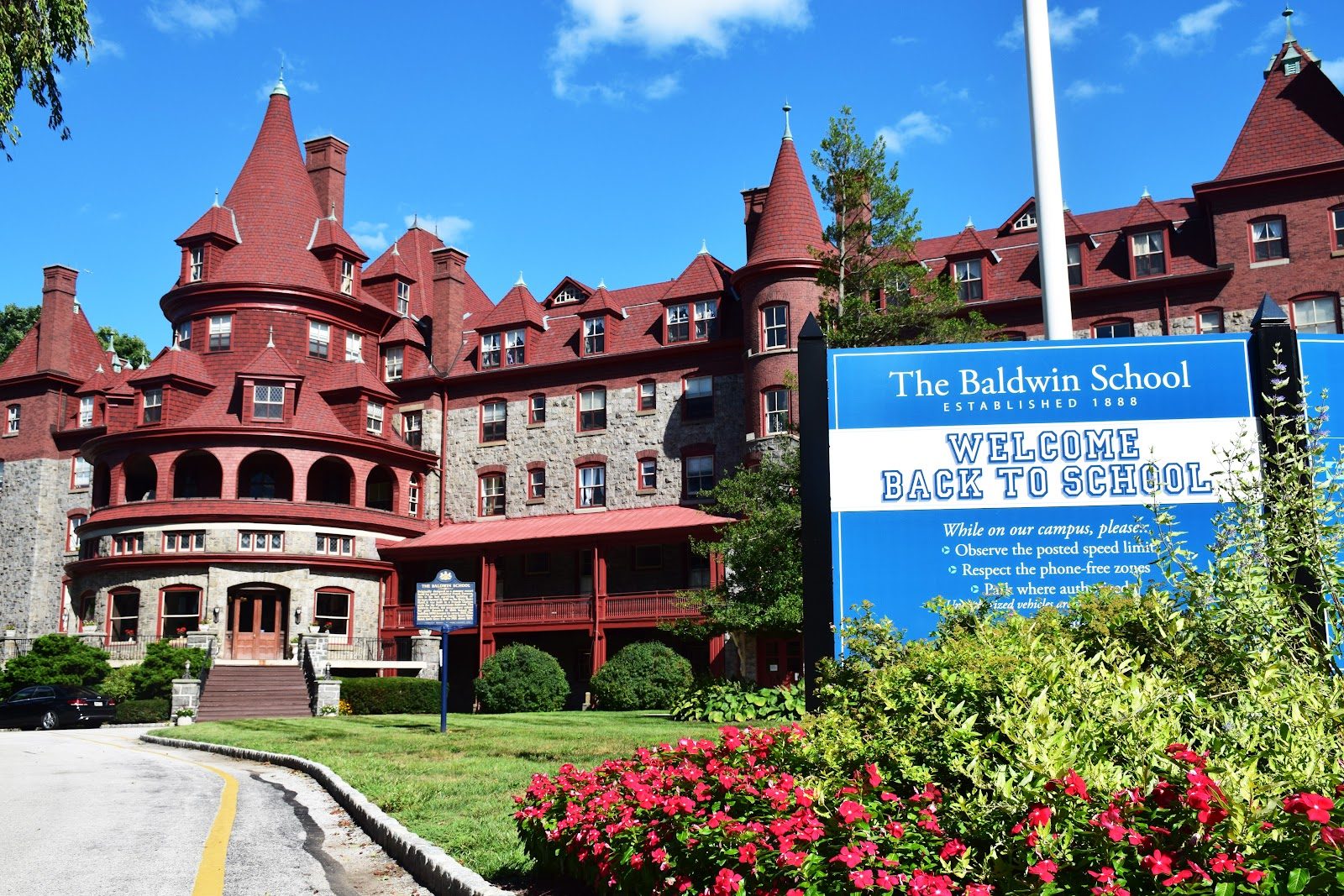
Since 1888, a single-sex college-prep tradition on Philadelphia's Main Line, housed in Frank Furness's landmark former Bryn Mawr Hotel.
Same country and curriculum — closest matches within ±10 points either way