
Hesse
Frankfurt International School
medium confidence· 6/6 cats · 2 avg sourcesA founding member of the International Baccalaureate since the 1960s, still shaping the diploma from its Taunus forest campus.
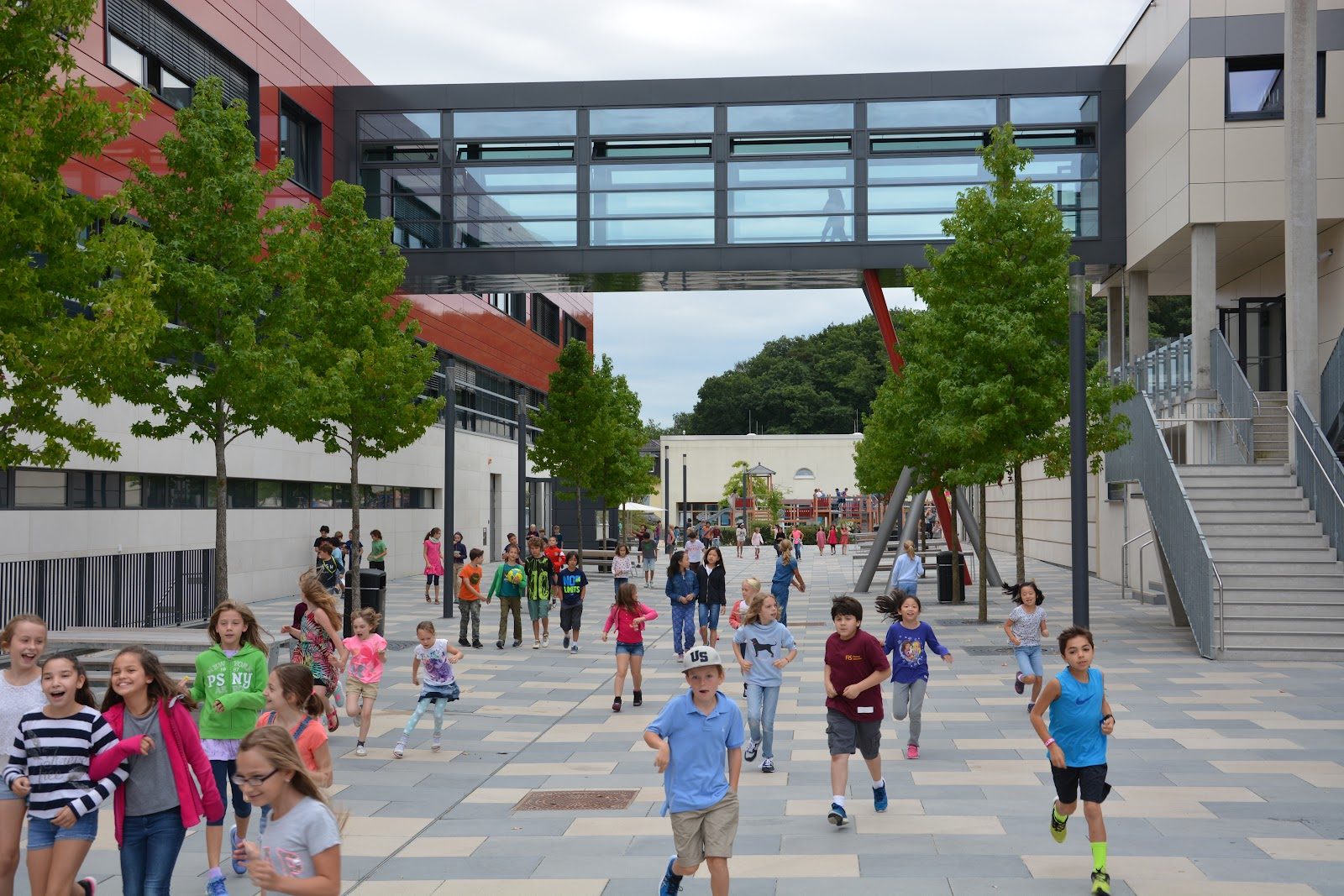
Photo © Frankfurt International School via Google Maps
Type
Day
Ages
3–18
Curriculum
IB
Qualifications
IB PYP · IB MYP · IB Diploma
Ratio
9:1
The Verdict
Editor's commitment
Right for
Families who want a pure English-medium IB school with pedigree: founded in 1961, 9:1 staffing, and a 36-point IB average.
Wrong for
Parents chasing cachet through university lists will find thin evidence: 136 leavers in 2025, with top named destinations just three single admits.
Watch out for
The average annual day fee is €25,403, and the Taunus forest campus trades urban convenience for space, sport and a long school run.
Ranking breakdown
Frankfurt International School · #456 of 1591
Composite score 70.9. 8 weighted criteria.
By criterion
Academic Outcomes
Weight 20%
#585
of 1529 scored
University Placement
Weight 16%
#459
of 1529 scored
Prestige & Heritage
Weight 12%
#557
of 1571 scored
Alumni Network
Weight 12%
#628
of 1530 scored
Facilities
Weight 12%
#72
of 1533 scored
Transparency & Communications
Weight 8%
#61
of 1532 scored
Peer & Industry Review
Weight 10%
#432
of 1548 scored
Admissions Selectivity & Demand
Weight 8%
#1370
of 1529 scored
Score history
Frankfurt International School · 2026
Movement across 2024–2026. Peer average overlaid.
Overall — 2024–2026
70.9/ 100
▲ +21.8 vs 2025
year on year
Peer & Industry Review
How Frankfurt International School is regarded in the sector
85
Strong · medium confidence
Frankfurt International School is consistently cited in independent expat and relocation guides (e.g., InterNations, Internations Expat Insider school rankings, and expat forums like Toytown Germany) as one of the top international schools in Germany, alongside its IB accreditation and long-standing reputation among multinational corporate relocation packages. It is frequently referenced by peer international schools and consultancies as a benchmark institution in the Rhine-Main expat community, though it does not appear prominently in UK-centric rankings like Tatler or Good Schools Guide, which focus mainly on British-curriculum schools.
Evidence sources
Editors' overview
The defining fact about Frankfurt International School is not that it has been around since 1961, but that it entered the IB at the start and still trades on that inheritance with substance. This is an English-medium, non-religious day school for ages 3 to 18, and its academic identity is tightly tied to the IB rather than bolted on as a prestige finish. The school states that the Class of 2025 averaged 36 points in the diploma, a strong figure by any sensible international-school measure. Add a 9:1 student-teacher ratio and you get a school built for close academic attention, not mass throughput. The Oberursel campus, set at the base of the Taunus Mountains and surrounded by forest, gives FIS a physical setting that is more self-contained and deliberately removed than many city-centre expatriate schools.
In market terms, FIS sits in the upper tier of European international day schools: established, expensive, academically serious and old enough to have institutional muscle. The average annual day fee across the full age range is €25,403, which places it firmly in the premium bracket, though not at the most inflated end of the market. What puts it on a shortlist is not glossy rhetoric but a clear combination of factors: genuine IB pedigree, a long operating history, strong diploma results, and breadth beyond the classroom. The school puts real weight on arts, athletics, languages, service and leadership, which matters because strong IB schools need more than exam coaching; they need range. The weak point, at least from the public record here, is university destination depth. We have only a thin snapshot for the Class of 2025 — 136 leavers, with named destinations including Bond University, RMIT and the University of Melbourne — and that does not give parents much to analyse about placement at scale.
The student who will want FIS is the one who thrives in a structured, internationally minded environment and is happy to be educated in English from start to finish. This is a good fit for globally mobile families, for children who value breadth alongside academic pressure, and for students who benefit from a campus culture with room for sport, arts and outdoor life rather than an urban high-rise routine. It is less suited to families who want a nationally anchored German pathway, a religious ethos, or a school whose sixth-form identity revolves around A-level specialisation. FIS suits the child who is ambitious without being narrowly coached: intellectually confident, comfortable across cultures, and ready for a school that expects them to think across disciplines rather than just pile up grades.
Academic Performance
External results are strong where the school chooses to publish them. The clearest data point is the diploma average: 36 points for the most recent cohort. That places Frankfurt International School in the serious end of the European international-school market. Plenty of schools advertise the IB; fewer post an average at that level. The school also states that 90% of its students take the diploma, which matters. A high average carries more weight when the qualification is taken by a broad slice of the year group rather than a carefully filtered academic minority. On that measure, FIS reads as a school with real sixth-form depth, not a boutique operation polishing a handful of top candidates.
The limitation is transparency beyond that headline. The school does not publish a fuller public results set here: no subject breakdowns, no score distribution, no share at the top end, and no multi-year trend line. That leaves parents with a strong single indicator and too little context around it. Even so, the available number is good enough to place FIS among the upper-performing IB schools in Europe, and comfortably ahead of the large middle tier that sells internationalism more effectively than academic outcomes. This is not an exam-factory school trading on raw selectivity; it looks stronger than that. But families who want hard-edged comparative detail will find the public record thinner than the result itself merits.
Facilities
The strongest facility asset at Frankfurt International School is not a single showpiece building but the combination of space, range and infrastructure across two campuses. The Oberursel site has a setting many urban international schools cannot match: forest on the doorstep, mountain-edge surroundings and room for a school day that extends beyond classroom blocks. That matters for sport, outdoor time and the general feel of the place. The school also runs more than 50 bus routes, a scale of transport provision that signals a campus built for a wide catchment rather than a neighbourhood intake. Among European peers, that places FIS in the fully established, operationally heavy-duty category: less constrained than city-centre schools squeezed into compact plots, and better set up for families commuting across a large metropolitan region.
The newer headline investment sits on the Wiesbaden campus, where the school has added a library and a creative arts building with music rooms, art spaces for visual and digital work, and a black box theatre. That gives the arts real physical backing rather than token rooms folded into an academic block. Add a co-curricular menu of 40+ activities, clubs and service groups, and the facilities picture reads as broad rather than glamorous: practical, well-developed and geared to daily use. The weak point is that the public record here says little about specialist science provision, indoor sports infrastructure or standout sixth-form spaces, so parents cannot judge whether FIS reaches the top-flight arms-race level of some premium rivals. What is clear is that the school has substance, room and breadth.
That places Frankfurt International School in the serious end of the European international-school market
Prestige
Frankfurt International School has real prestige in the international-schools market, and for clear reasons. First, it sits in a small club of schools that helped shape the IB rather than adopt it later as a market signal. That matters because reputation in this sector rests on institutional memory, governance, staff depth and the confidence to run a demanding academic programme at scale. FIS also operates on a scale many rivals cannot match: around 1,800 students, more than 60 nationalities and a faculty and staff body of 380. Those are not brochure embellishments; they indicate a school with serious institutional weight, a wide peer group and the operational muscle to offer more than a narrow classroom education. The non-profit structure helps too. Parents read that as mission ahead of shareholder return, and prestige follows.
This is not prestige built on aristocratic ritual or old-boy mythology. It is the modern international version: mobile families, strong academics, broad co-curricular provision and a community large enough to generate influence across cities and industries. The bus network, two-campus setup and substantial staffing point to a school that has been built to serve an established expatriate population, not a flash-in-the-pan newcomer chasing demand. The limitation is that its public university-destinations picture is thin, and its notable alumni footprint in the public record is modest. So the school’s prestige rests more on institutional authority and educational credibility than on celebrity cachet. That is a solid form of prestige, and for many families the more useful one.
Frankfurt International School has real prestige in the international-schools market, and for clear reasons
Communications
Frankfurt International School communicates like a large, mature institution with a clear admissions and parent-facing spine. The public front end is well organised: leadership, board, annual report, school profile and campus tours are all easy to find, and the school gives direct contact routes for general enquiries and admissions rather than burying families in web forms. That matters. Schools serving internationally mobile parents need to answer practical questions fast and plainly, and FIS has built for that. The scale of transport alone — more than 50 bus routes — forces disciplined communication, because timetables, changes and daily logistics cannot run on vague goodwill. The same goes for a community drawn from 60 nationalities: clarity is not a branding extra here, it is operational necessity.
The tone, though, leans institutional rather than intimate. There is plenty of upbeat language about community and opportunity, but less hard public detail where ambitious parents want it most. The school publishes a strong diploma average and useful top-line facts, yet stops short of the deeper academic and destination data that would make its communications fully transparent. So the verdict is mixed in a precise way: FIS is *competent, accessible and structurally well set up* to communicate with parents, especially around admissions and day-to-day organisation, but it is less strong at disclosing the sharper comparative information that experienced international-school families use to test substance against reputation.
Uniqueness
What sets Frankfurt International School apart is not international-school genericity but authorship. This school helped build the diploma it still teaches, and that gives it a different centre of gravity from late-adopting rivals that use the IB as a premium label. Students benefit from a culture where interdisciplinary study, independent thought and ethical framing are baked into daily practice rather than added at sixth-form stage. The scale also matters. With about 1,800 students drawn from more than 60 nationalities and a staff body of 380, FIS can offer the breadth of a major institution without collapsing into anonymity. For children from mobile families, that produces a rarely insular social world: friendships across countries, constant exposure to difference, and a school community that understands transition as a normal part of childhood rather than a disruption.
The other distinctive feature is physical and logistical. Many international schools promise breadth; fewer pair it with a genuinely expansive setting and a transport system large enough to make that reach usable for families across a metropolitan region. The forest-edge campus life gives students more than scenery. It creates room for outdoor time, sport and a school day that feels less compressed than the urban norm. Add the second campus and the substantial bus network, and FIS offers something unusually mature: not a startup school with polished branding, but a long-built institution with the infrastructure to support serious academics, arts, movement and community at the same time.
Frankfurt International School communicates like a large, mature institution with a clear admissions and parent-facing spine
Student Profile
The student who fits Frankfurt International School is internationally mobile, academically engaged and comfortable in a community that is bigger and more socially mixed than the average expatriate school. With students drawn from more than 60 nationalities, FIS suits children who enjoy meeting people from different backgrounds and do not need a narrowly local peer culture to feel settled. This is a school for families who value range as much as grades: the child who wants lessons, sport, arts, service and leadership all to matter will find the culture coherent rather than conflicted. The scale helps students who like choice and a broad friendship pool; it suits them less if they need a small-circle, hand-held environment with constant personal reassurance.
It is also a strong match for students with serious academic intent who are not one-dimensional. The school’s public emphasis on connections across disciplines, ethical thinking and activity beyond the classroom points towards pupils who can manage breadth and who do not resent high expectations being spread across the whole week. Children who thrive here will be self-propelled, socially adaptable and ready for a community with institutional confidence rather than boutique warmth. Those who want a tighter, more intimate school, a strongly national identity, or a sixth-form experience built around early specialisation will find the fit weaker. FIS works best for the cosmopolitan all-rounder: ambitious, resilient and happy in a school with real scale.
What sets Frankfurt International School apart is not international-school genericity but authorship
Co-curricular strengths
Arts & sport, on a separate axis
Overall 9/10
Scored 0-10 from the school's own published evidence. This axis is editorial-only — it does not feed the main WTS ranking.
Sports
8.8/10
High-performance ISST athletic competitor, fielding highly competitive varsity soccer, tracking, and basketball squads across extensive grounds.
Drama
9/10
Ambitious theater tracking staging complex contemporary plays and student-written works inside modern theater spaces.
Dance
9/10
Offered as a popular co-curricular activity providing core choreography assets for seasonal school showcases.
Music
9.2/10
Robust private vocal and instrumental infrastructure feeding active jazz big bands and full chamber symphonies.
Visual Arts
9/10
Highly structured fine art layout leaning heavily toward technical design, digital graphics, and portfolio mastery.
Editor-verified · 8/6/2026
Outcomes & destinations
Where students go next
Class of 2025
136 graduates
Top destinations
269 placements
- Bond University· 1
- Royal Melbourne Institute of Technology· 1
- University of Melbourne· 1
- University of New South Wales· 1
- University of Sydney· 1
- Danube Private University· 1
- Ghent University· 1
- Katholieke Universiteit Leuven· 1
- Université Libre de Bruxelles· 1
- Bishop’s University· 1
- Carleton University· 1
- Concordia University· 1
- McGill University· 2
- McMaster University· 1
- University of British Columbia· 2
- University of Calgary· 1
- University of Toronto· 2
- University of Waterloo· 1
- Western University· 2
- Hong Kong University of Science and Technology· 1
- University of Hong Kong· 1
- European University Cyprus· 1
- Aalto University· 2
- 3iS· 1
- American University of Paris· 1
- EDHEC Business School· 1
- EPITA - School of Engineering & Computer Science· 2
- ESCP Europe Paris· 2
- ESSEC Business School· 1
- International Film School of Paris· 1
- Istituto Marangoni, Paris· 1
- Aachen University of Applied Sciences· 1
- Akademie Mode & Design (amd)· 1
- Charité Universitätsmedizin Berlin· 1
- Constructor University· 1
- EBS Universität Wirtschaft und Recht· 2
- European University Cyprus - Frankfurt Campus· 1
- Frankfurt School· 2
- Fresenius University of Applied Sciences· 1
- Goethe Universität· 1
- Heinrich Heine Universitäts Düsseldorf· 1
- Julius Maximilian Universität Würzburg· 1
- Karlsruhe Institute of Technology· 1
- Ludwig Maximilian Universität München· 1
- RWTH - Aachen University· 1
- Technische Universität Darmstadt· 1
- Technische Universität München· 2
- Universität Freiburg· 1
- Universität Hamburg· 1
- Universität Heidelberg· 2
- Universität Mannheim· 1
- Universität Tübingen· 1
- WHU-Otto Beisheim School of Mgmt· 2
- Trinity College Dublin· 1
- University College Cork· 1
- Bocconi University· 2
- Luiss Guido Carli· 1
- Rome University of Fine Arts· 1
- Keio University· 1
- Waseda University· 1
- Hanyang University· 1
- Korean Advanced Institute of Science & Technology· 1
- Korea University· 1
- Seoul National University· 1
- Sogang University· 1
- Sungkyunkwan University· 1
- Yonsei University· 1
- Nanyang Technological University· 1
- National University of Singapore· 1
- Cunef Universidad· 1
- ESADE Business School· 1
- IE University· 2
- Istituto Europeo Di Design Madrid· 1
- La Salle - Ramon Llull University· 1
- Toulouse Business School Barcelona· 1
- Universidad de Navarra· 1
- Linnaeus University· 1
- Malmö University· 1
- Stockholm School of Economics· 1
- EHL Hospitality Business School· 1
- ETH Zurich· 1
- University of Zurich· 1
- Amsterdam University College· 1
- Avans University of Applied Sciences· 1
- Breda University of Applied Sciences· 1
- Eindhoven University of Technology· 2
- Erasmus University College· 2
- Erasmus University Rotterdam· 2
- Han University of Applied Sciences· 1
- Hanze University of Applied Sciences· 1
- Leiden University· 2
- Leiden University College· 1
- Maastricht University· 2
- Radboud University· 1
- Rotterdam University of Applied Sciences· 1
- Royal Academy of Art· 1
- Technical University Delft· 2
- Tilburg University· 2
- University College Maastricht· 1
- University College Roosevelt· 1
- University College Twente· 1
- University College Utrecht· 2
- University of Amsterdam· 2
- University of Groningen· 2
- University of Twente· 2
- Utrecht University· 1
- Vrije Universiteit Amsterdam· 1
- Wageningen University· 1
- National Pedagogical Dragomanov University· 1
- Cardiff University· 1
- Durham University· 2
- ESCP Business School· 2
- Falmouth University· 1
- Glasgow School of Art· 1
- Loughborough University· 1
- Oxford Brookes University· 1
- Royal Conservatoire of Scotland· 1
- City, University of London· 1
- Goldsmiths, University of London· 1
- Imperial College· 2
- King's College London· 2
- London School of Economics· 2
- Queen Mary University· 1
- Royal Holloway· 1
- SOAS· 1
- University College London· 2
- University of Aberdeen· 1
- University of the Arts, London· 1
- University of Bath· 2
- University of Bristol· 1
- University of Cambridge· 1
- University of East Anglia· 1
- University of Edinburgh· 2
- University of Exeter· 2
- University of Glasgow· 1
- University of Leeds· 1
- University of Manchester· 2
- University of Oxford· 1
- University of St Andrews· 2
- University of Stirling· 1
- University of Sussex· 1
- University of Warwick· 2
- University of Westminster· 1
- Anne Arundel Community College· 1
- Babson College· 1
- Berklee College of Music· 1
- Boston College· 2
- Boston University· 1
- Bowdoin College· 1
- Brigham Young University· 2
- Broward College· 1
- Brown University· 2
- Bryn Mawr College· 1
- Bucknell University· 1
- Case Western University· 1
- Colby College· 1
- Colgate University· 1
- College of William and Mary· 1
- Colorado School of Mines· 1
- Columbia University· 2
- Connecticut College· 1
- Cornell University· 1
- Culinary Institute of America· 1
- Dartmouth College· 1
- Dickinson College· 1
- Duke University· 1
- Elon University· 1
- Embry-Riddle Aeronautical University· 1
- Fashion Institute of Technology· 1
- Felician University· 1
- Florida International University· 1
- Florida State University· 1
- Fordham University· 1
- Franklin and Marshall College· 1
- George Mason University· 1
- George Washington University· 1
- Georgetown University· 1
- Georgia Institute of Technology· 1
- Gordon College· 1
- Hamilton College· 1
- Indiana University - Bloomington· 1
- Ithaca College· 1
- James Madison University· 1
- Johns Hopkins University· 1
- Lehigh University· 1
- Maryland Institute College of Art· 1
- Mercyhurst University· 1
- Michigan State University· 1
- Mount Holyoke College· 1
- New York University· 2
- Northeastern University· 1
- Northwestern University· 1
- Occidental College· 1
- Ohio State University· 1
- Old Dominion University· 1
- Pennsylvania State University· 1
- Pittsburgh Institute of Aeronautics· 1
- Pratt Institute· 1
- Princeton University· 1
- Purdue University· 1
- Rutgers University· 1
- Santa Clara University· 1
- Savannah College of Art & Design· 2
- School of the Art Institute of Chicago· 1
- School of Visual Arts· 1
- Scripps College· 1
- Seattle University· 1
- Smith College· 1
- Spelman College· 1
- Stanford University· 2
- Syracuse University· 1
- Texas A&M University· 1
- The New School· 1
- Tufts University· 1
- University of California, Berkeley· 1
- University of California, Davis· 1
- University of California, Irvine· 1
- University of California, Los Angeles· 1
- University of California, San Diego· 1
- University of California, Santa Barbara· 1
- University of California, Santa Cruz· 1
- University of Central Florida· 1
- University of Colorado, Boulder· 1
- University of Florida· 1
- University of Illinois at Urbana-Champaign· 1
Reported by the school. Confirm with admissions.
Notable alumni · Wikidata
5notable alumni
0 historic (born pre-1930) · 2 modern (born post-1970)wikidata:2026-07-28 How we source this
Strengths
- +One of the founding IB World Schools, established in 1961, running the full IB continuum from PYP through the Diploma Programme.
- +Class of 2025 averaged 36 points on IB exams, a high average by European IB-school standards.
- +NEASC-accredited with a large university counseling operation; more than 130 colleges and universities visit the school each year.
- +Genuinely international community drawing families from more than 60 nationalities across two campuses in Oberursel and Wiesbaden.
- +Operates one of the largest private school bus networks in Germany, with over 50 routes serving both campuses.
Considerations
- −Tuition is high even by international-school standards, reaching approximately EUR 32,710 a year for Grades 11-12, before a one-time EUR 12,300 capital assessment fee and EUR 1,500 registration fee.
- −Admission is highly competitive: the school receives hundreds more applications than places each year, and waiting lists lengthen at higher grade levels.
- −The school runs the IB exclusively, offering no IGCSE or AP pathway, which narrows options for families wanting curriculum flexibility.
- −Main campus sits in Oberursel roughly 23km from central Frankfurt, meaning families outside the Taunus corridor face a longer daily commute.
Availability
Primary entry gate & tests
Academic Record
Gallery
Photo © Random Person via Google Maps
Photo © Random Person via Google Maps
Parent reviews
Have you sent your child here?
Voice reviews carry the strongest trust badge — we transcribe them for you to tidy up before they go live. Prefer to type? A written review is fine too.
Add your voice
In 60 seconds, tell other parents: what's the best thing about Frankfurt International School, and what surprised you when your child joined?
We ask for a Google sign-in so every review has a real face behind it — no anonymous drive-by attacks on schools, and no faked positive reviews. Your email is never shown publicly.
Send this profile to a friend
International parents rely on word-of-mouth. Share this review with someone weighing the same decision.
Schools with places
Similar schools to Frankfurt International School with places available now.
Munich International School
Starnberg · Germany
- 2026-27
- WAITPOOLSpace-dependent
- 2027-28
- PLACES OPENRolling
Schule Schloss Salem
Salem · Germany
- 2026-27
- WAITPOOLVacancy-dependent
- 2027-28
- WAITPOOLVacancy-dependent / Rolling
International School of Düsseldorf
Düsseldorf · Germany
- 2026-27
- WAITPOOLSpace-dependent
- 2027-28
- PLACES OPENRolling
Berlin Brandenburg International School
Kleinmachnow · Germany
- 2026-27
- WAITPOOLSpace-dependent
- 2027-28
- PLACES OPENRolling
Availability first, then country, area, curriculum, price, co-curricular
Consider also
Also worth looking at alongside Frankfurt International School.
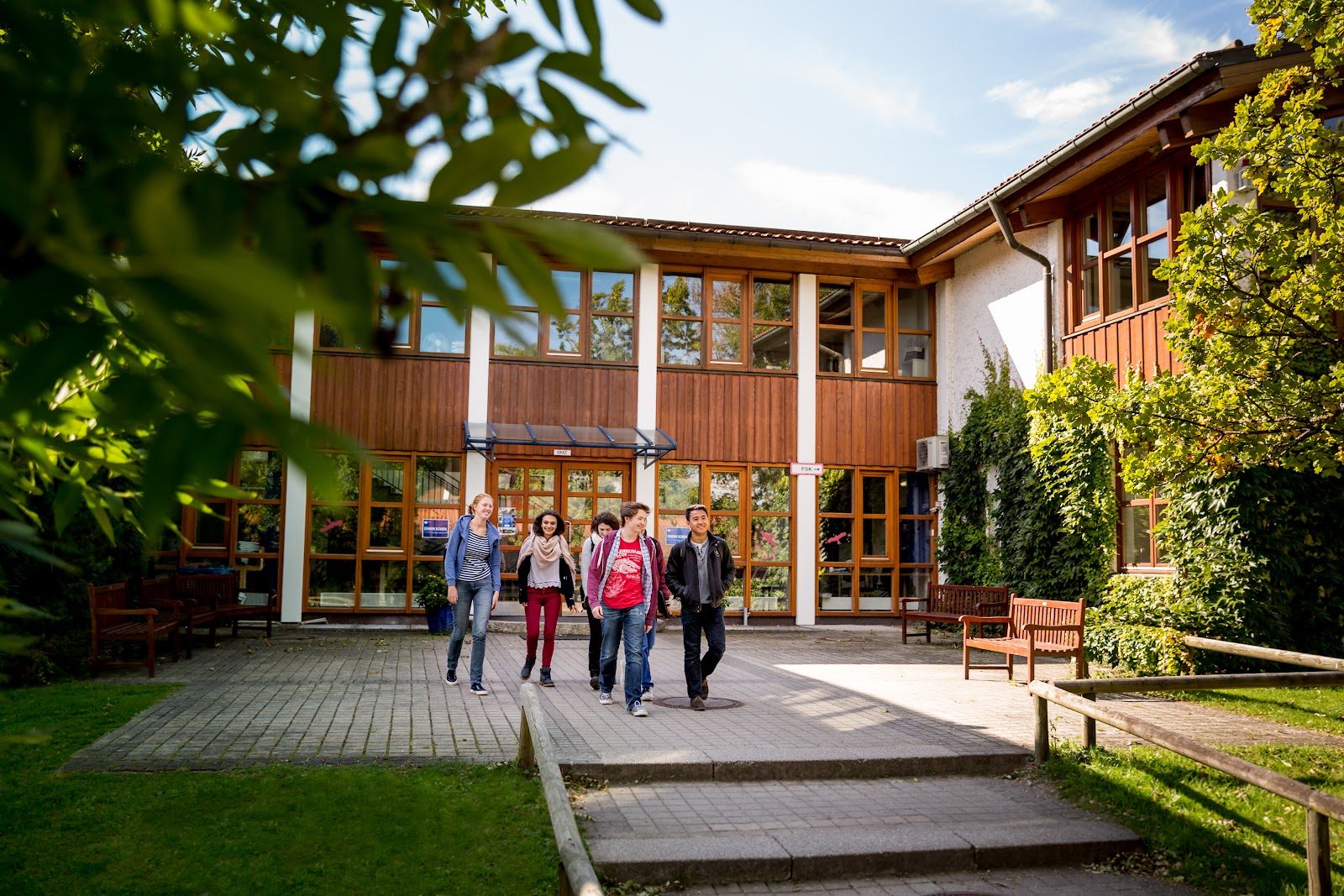
Munich International School
Starnberg · Germany
Housed in a former 1875 castle on Lake Starnberg, this Bavarian campus channels nearly every senior into the full IB Diploma.
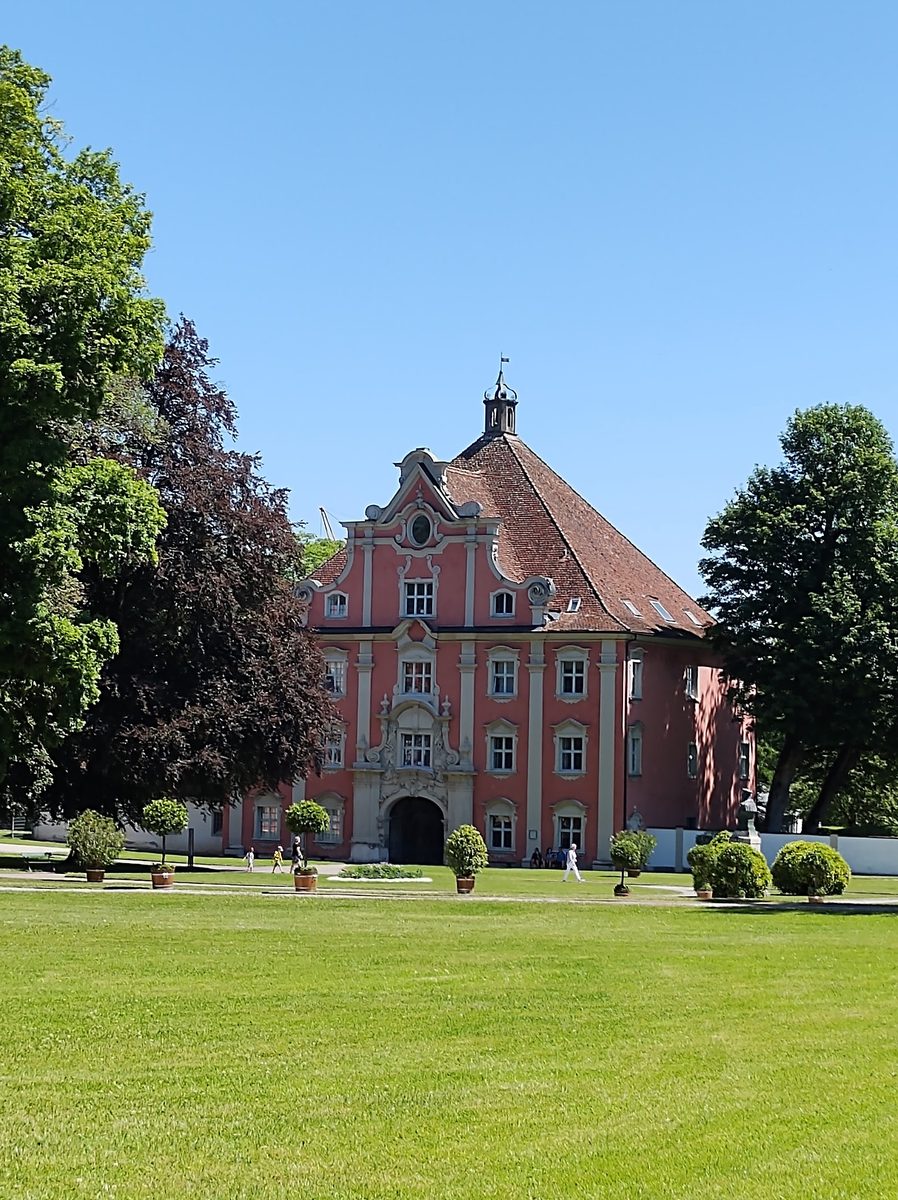
Schule Schloss Salem
Salem · Germany
Kurt Hahn's founding creed of head, heart and hand still means mandatory fire-brigade duty inside a former Cistercian monastery on Lake Constance.
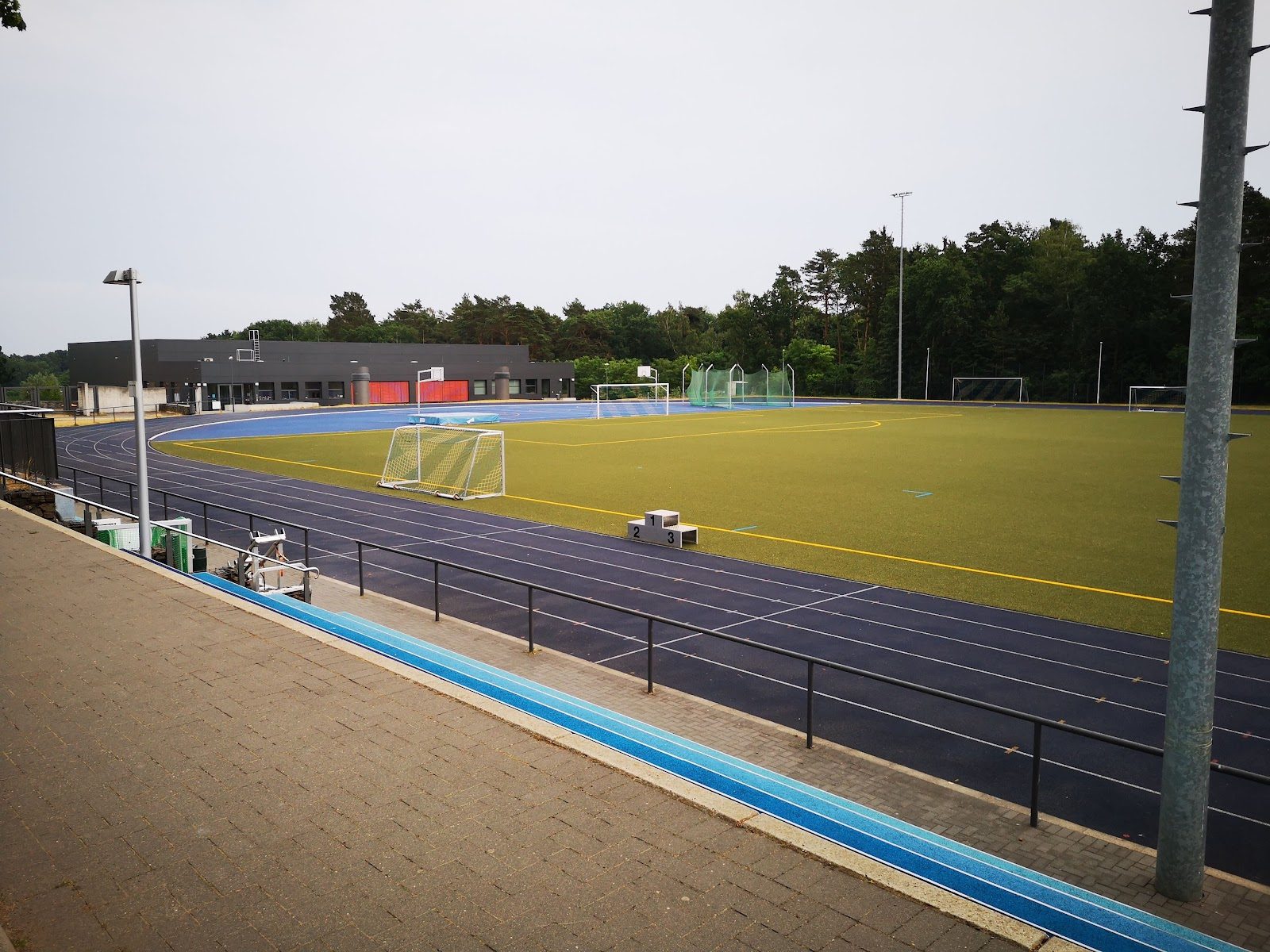
Berlin Brandenburg International School
Kleinmachnow · Germany
Set on a forested campus between Berlin and Potsdam, this day school runs the full IB continuum for students from 60-plus nations.
International School of Hamburg
Hamburg · Germany
Germany's first international school since 1957, still the only CIS-accredited IB continuum campus in the port city of Hamburg.
Same country and curriculum — closest matches within ±10 points either way