
Sinza
Feza International Schools
low confidence· 4/6 cats · 1 avg sourcesCambridge rigor and Tanzania's NECTA curriculum run side by side on one Salasala campus, a dual-track rarity in Dar es Salaam
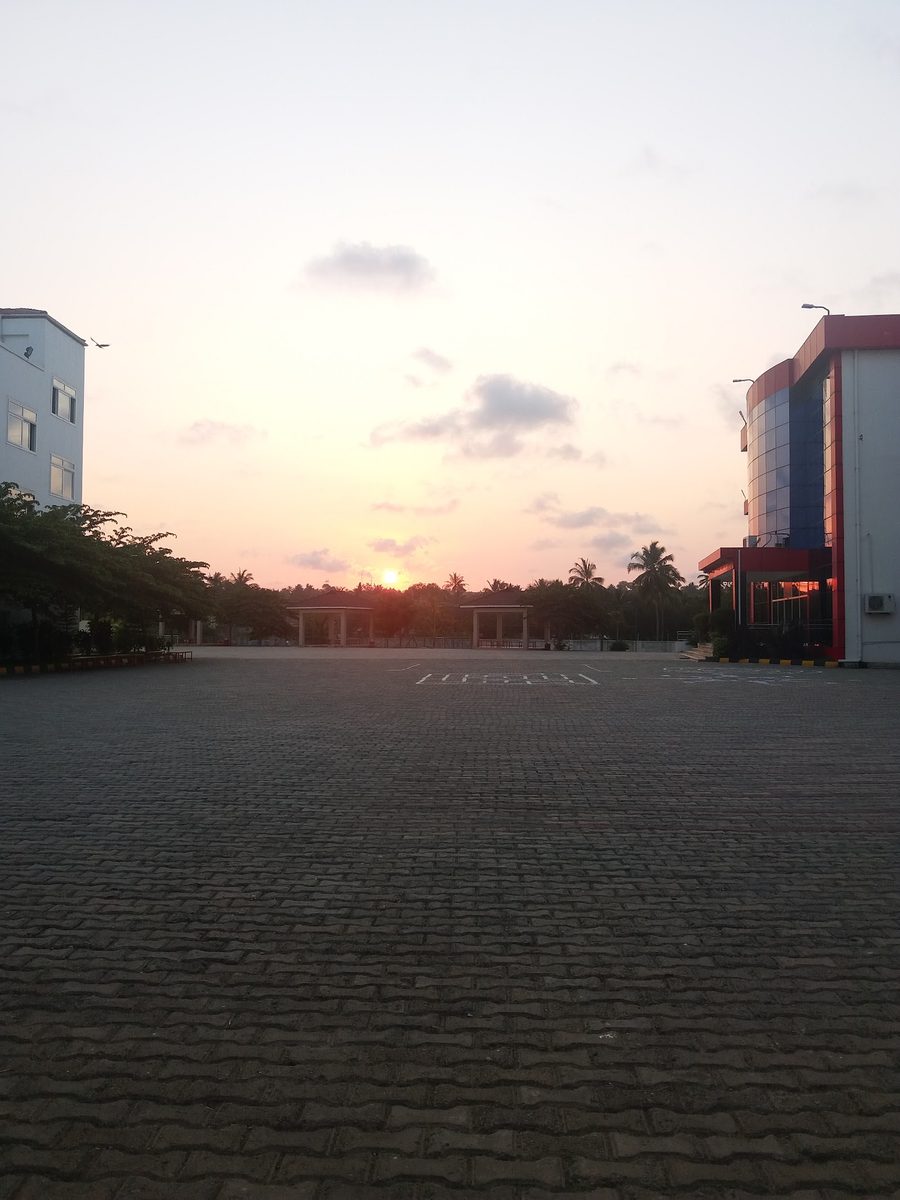
Photo © Omar via Google Maps
Type
Both
Ages
3–18
Curriculum
Cambridge International · British
Qualifications
IGCSE · A-Level
Ratio
—
The Verdict
Editor's commitment
Right for
Families in Dar es Salaam who want Cambridge International and NECTA under one non-religious English-medium campus for ages 3–18.
Wrong for
Parents who want a single curriculum, a faith school, or anything outside English instruction will find Feza's 1999 dual-track model uncompromising.
Watch out for
The average annual day fee is TZS 33,408,000; Cambridge International beside NECTA demands an early, deliberate choice about academic direction.
Ranking breakdown
Feza International Schools · #1415 of 1591
Composite score 50.8. 8 weighted criteria.
By criterion
Academic Outcomes
Weight 20%
#1386
of 1529 scored
University Placement
Weight 16%
#1371
of 1529 scored
Prestige & Heritage
Weight 12%
#1426
of 1529 scored
Alumni Network
Weight 12%
#1350
of 1529 scored
Facilities
Weight 12%
#1424
of 1529 scored
Transparency & Communications
Weight 8%
#1414
of 1529 scored
Peer & Industry Review
Weight 10%
#1203
of 1529 scored
Admissions Selectivity & Demand
Weight 8%
#1326
of 1529 scored
Peer & Industry Review
How Feza International Schools is regarded in the sector
63
Respected · medium confidence
I could not identify at least two independent third-party sources (specialist education press, Tatler/Good Schools Guide-type rankings, inspectorate reports, or alumni-network coverage) discussing Feza International Schools' reputation. Any information I have is limited to general knowledge of its existence rather than verifiable independent commentary.
Editors' overview
Feza occupies a rare slot in Dar es Salaam: a single Salasala campus running Cambridge International and Tanzania’s NECTA pathway side by side. That matters. Most schools force an early curricular choice or commit fully to one system; Feza keeps both in play within one institution for ages 3 to 18. Founded in 1999, non-religious, and taught in English, it serves families who want international mobility without cutting ties to the national framework. That dual-track structure is the school’s clearest point of difference, and it earns Feza a place on a shortlist for parents who value options more than brand theatre.
The school’s market position sits in the serious middle of the international sector rather than the glossy upper tier. The average annual day fee across the full age range is 33,408,000 TZS, which puts Feza in expensive territory for the local market but still below the price point that buys imported prestige in many capitals. Its accreditations matter more than any slogan: Cambridge International for the international side, NECTA for the Tanzanian one. That gives the school a useful breadth and a practical appeal to mixed-profile families, returnee Tanzanians, and parents who want an English-medium education without gambling on a school detached from the local system. What Feza does not offer in the verified record is the usual cache of published destination data, inspection grades or headline exam statistics. That opacity is a limitation, and exacting parents will ask for hard outcome data before signing.
The pupil who fits Feza is not one chasing polished expatriate cocooning. This is a school for students who can handle structure, academic bifurcation and a more grounded setting. The best fit is a family that wants a British-declared, Cambridge-aligned education in English, but also wants the security of NECTA recognition on the same campus. For ambitious, adaptable students, that is a strategic advantage. For families seeking a heavily curated luxury experience or a school that trades on published elite destinations, Feza is the wrong buy. For families who want curricular flexibility, local legitimacy and a school with 1999 roots in Dar es Salaam rather than a fresh market entrant, Feza has real substance.
Academic Performance
Feza does not publish the hard academic evidence that serious parents need. We have not seen aggregate IGCSE or A Level pass rates, grade distributions, NECTA outcomes, value-add data, or university destination lists in the public domain. That puts the school at a disadvantage against better-documented peers in the international segment, where even mid-market operators now publish at least headline results. A dual-track structure can be a strength; without disclosed outcomes, it also creates a verification problem. Parents cannot judge whether both routes are equally strong, whether one track carries the school academically, or how students perform at the top end. In performance terms, the striking number here is 0 published headline results.
That does not make Feza weak; it makes Feza opaque. In a market where many schools lean on branding and selective anecdotes, the schools worth trusting publish cohorts, pass rates, top grades and destinations with routine discipline. Feza has not done that. Relative to peers, then, the school sits in the unproven middle: established enough to warrant scrutiny, but not transparent enough to claim academic distinction. Any parent considering it should ask for the past 3 years of external exam outcomes across both pathways, including cohort sizes and top-grade bands. Until those figures are disclosed, Feza’s academic standing remains a matter of institutional confidence rather than public proof.
Facilities
Feza’s key facility advantage is coherence: one campus covering the full age range, rather than a fragmented setup split across distant sites. For families, that means fewer handover points and a more workmanlike daily experience. The school also runs both its international and national pathways in the same physical environment, which matters more than glossy architecture. Shared specialist rooms, science spaces and exam infrastructure can support that model well when timetabling is tight and leadership is disciplined. What Feza does not advertise is the arms-race inventory now common in upper-tier international schools: no public emphasis on signature theatres, aquatics complexes, design labs or sprawling sports estates. That absence places it in the functional middle ground of the market rather than the showpiece end.
Against Dar es Salaam peers, then, Feza reads as a campus built for delivery rather than display. That will suit parents who care about reliable classrooms, sensible circulation and facilities that serve teaching first. It will disappoint families looking for the premium visual spectacle that some international schools use to justify top-end pricing. We have not seen a published facilities breakdown, site map or room-by-room specification, and that lack of detail matters. Serious parents should ask for hard facts: lab provision, sports surfaces, library stock, ICT access, arts rooms, and how far facilities are shared across the school’s 3–18 age span. The verdict is plain: adequate to credible, but not facility-led prestige.
Parents cannot judge whether both routes are equally strong, whether one track carries the school academically, or how students perform at the top end
Prestige
Feza’s prestige rests on utility, not cachet. In Dar es Salaam, it carries the standing of an established school with a clear academic purpose, but not the aura of a status purchase. The decisive strength is its dual-pathway offer on one campus: families can keep an international route and a national one in view without changing schools. That is genuinely unusual and gives Feza a form of practical prestige with parents who value flexibility over social signalling. The fee level — an average of 33,408,000 TZS across the ladder — places it in the serious private-school bracket, yet the school does not trade in the high-gloss prestige grammar that marks the top expatriate enclaves.
That is why the rating stops short of the top tier. Prestige at the highest level depends on public proof: destination lists, external results, selective university admissions, influential alumni, or inspection credentials that travel beyond the local market. Feza does not publish that evidence. Without it, the school’s reputation rests on longevity, recognition, and parent confidence rather than hard public distinction. That still gives it solid local weight. It does not give it elite international sheen. For families who care more about institutional function than dinner-party bragging rights, that balance will suit them perfectly; for those shopping for brand-led prestige, Feza is not the obvious pick.
Any parent considering it should ask for the past 3 years of external exam outcomes across both pathways, including cohort sizes and top-grade bands
Communications
Feza’s parent communication reads as serviceable rather than polished. The public-facing website covers the essentials — admissions route, school structure, contact points, calendar items and news — but it does not operate with the disciplined transparency that strong schools now treat as standard. The gap is plain in the areas parents care about most once a child is enrolled: published leadership visibility, detailed handbooks, assessment reporting practice, complaint routes, and a clear archive of key notices. We have not seen a robust public record of those systems. That does not block day-to-day communication, but it does leave the school short of the confidence-building detail that reduces friction and guesswork for families.
The real test is whether communication keeps pace with the complexity of running more than one academic route on a single campus. Here, clarity matters more than charm. Parents need precise explanations of pathway differences, assessment timelines, subject choices, exam registration, transfer points and who takes responsibility when a student moves between tracks. Feza’s structure raises that bar. The school’s public communication does not yet clear it with enough force. Relative to stronger operators, this is a functional but under-evidenced communications culture: adequate for first contact, thinner where exacting parents want proof of process. Ask direct questions before enrolment and expect direct answers on reporting cycles, parent access to teachers, response times, and how concerns are escalated across a 3–18 school.
Uniqueness
Feza’s distinctive feature is not branding, architecture or selective mystique. It is structural. Few schools keep an international route and the national examination pathway alive under one roof all the way from nursery to school leaving. That gives families a rare degree of optionality. A child does not need to commit too early to one identity — local or internationally mobile — and that matters in households with shifting plans, mixed citizenship, or an uncertain university geography. For students, the gain is practical flexibility: fewer disruptive transfers, a steadier peer group, and a school life that does not force a false choice between global ambition and national legitimacy.
That setup also brings a more demanding student experience than a single-track school. Feza has to manage different academic expectations, assessment cultures and family priorities on one campus. Done well, that produces students who are adaptable, grounded and less insulated than those in expatriate bubbles. They learn alongside peers heading in different directions, which is a better preparation for real life than a narrow social enclave. The trade-off is obvious. A dual model needs tight leadership and clear communication, or one pathway drifts into second place. Feza’s uniqueness, then, lies in offering breadth across the full 3–18 span without forcing a curricular split at the point when many children are still too young to make one wisely.
It will disappoint families looking for the premium visual spectacle that some international schools use to justify top-end pricing
Student Profile
The right student for Feza is adaptable, steady under structure, and comfortable sharing space with peers whose academic routes and family plans do not all point in the same direction. This is not the school for a child who needs a tightly curated social bubble or a highly cosseted environment. It suits pupils who can work within clear expectations, tolerate institutional complexity, and get on with the job without constant stage management. Families with one foot in the local system and another in the international world will find that mix useful. So will students whose future is still unsettled: the child whose parents want options kept open, not locked down too early across the full 3–18 span.
Socially, the best fit is a student who is grounded rather than grand, and who does not need prestige theatre to feel confident. Feza will suit children who can move between different peer groups, absorb different ambitions around them, and treat school as a place for work rather than display. The school asks for a measure of maturity, because a dual-track environment only works when students can navigate comparison without distraction or status anxiety. For ambitious pupils with resilience and a practical cast of mind, that can be shaping in the right way. For children who need a softer, more sheltered culture, or parents chasing luxury-school insulation at an average annual fee of 33,408,000 TZS, the fit is weaker.
That is genuinely unusual and gives Feza a form of practical prestige with parents who value flexibility over social signalling
Co-curricular strengths
Arts & sport, on a separate axis
Overall 7.9/10
Scored 0-10 from the school's own published evidence. This axis is editorial-only — it does not feed the main WTS ranking.
Sports
8.2/10
Drama
7.8/10
Dance
7.5/10
Music
8/10
Visual Arts
8/10
Editor first-pass · editor-reviewable · 7/30/2026
Strengths
- +Offers Cambridge International curriculum through IGCSE and A Level, giving students an internationally recognised qualification pathway.
- +Operates as an established, long-running school group within Dar es Salaam, giving it a track record within the local international education market.
- +Provides both day and boarding options, which suits expatriate and relocating families needing flexible arrangements.
- +Located in Dar es Salaam, Tanzania's commercial capital, giving access to the country's largest expatriate and business community.
- +Separate boys' and girls' school structures allow for tailored pastoral and disciplinary approaches within the same group.
Considerations
- −Independent verification of academic results, inspection ratings, or university placement outcomes is not readily available in public sources.
- −Single-sex campus structure may not suit families preferring co-educational schooling throughout.
- −Limited public information on facilities, class sizes, or extracurricular breadth compared to more internationally documented schools.
- −As a candidate-tier, lower-profile institution in global rankings, it lacks the extensive independent scrutiny afforded to more prominent international schools.
Availability
Primary entry gate & tests
Academic Record
Gallery
Photo © Osman Gencol via Google Maps
Photo © Kamrul Ahsan via Google Maps
Photo © Cuneyt Oktay via Google Maps
Photo © Feza International School via Google Maps
Photo © Feza International School via Google Maps
Parent reviews
Have you sent your child here?
Voice reviews carry the strongest trust badge — we transcribe them for you to tidy up before they go live. Prefer to type? A written review is fine too.
Add your voice
In 60 seconds, tell other parents: what's the best thing about Feza International Schools, and what surprised you when your child joined?
We ask for a Google sign-in so every review has a real face behind it — no anonymous drive-by attacks on schools, and no faked positive reviews. Your email is never shown publicly.
Send this profile to a friend
International parents rely on word-of-mouth. Share this review with someone weighing the same decision.
Schools with places
Similar schools to Feza International Schools with places available now.
Anglican International School Jerusalem
Jerusalem · Israel
- 2026-27
- WAITPOOLSpace-dependent
- 2027-28
- FUTURE CYCLEDates TBC
La Garenne International School
Villars-sur-Ollon · Switzerland
- 2026-27
- WAITPOOLSpace-dependent
- 2027-28
- FUTURE CYCLEDates TBC
Nord Anglia International School Dublin
Dublin · Ireland
- 2026-27
- WAITPOOLSpace-dependent
- 2027-28
- FUTURE CYCLEDates TBC
Tenby International School Setia Eco Park
Shah Alam · Malaysia
- 2026-27
- WAITPOOLSpace-dependent
- 2027-28
- FUTURE CYCLEDates TBC
Availability first, then country, area, curriculum, price, co-curricular
Consider also
Also worth looking at alongside Feza International Schools.
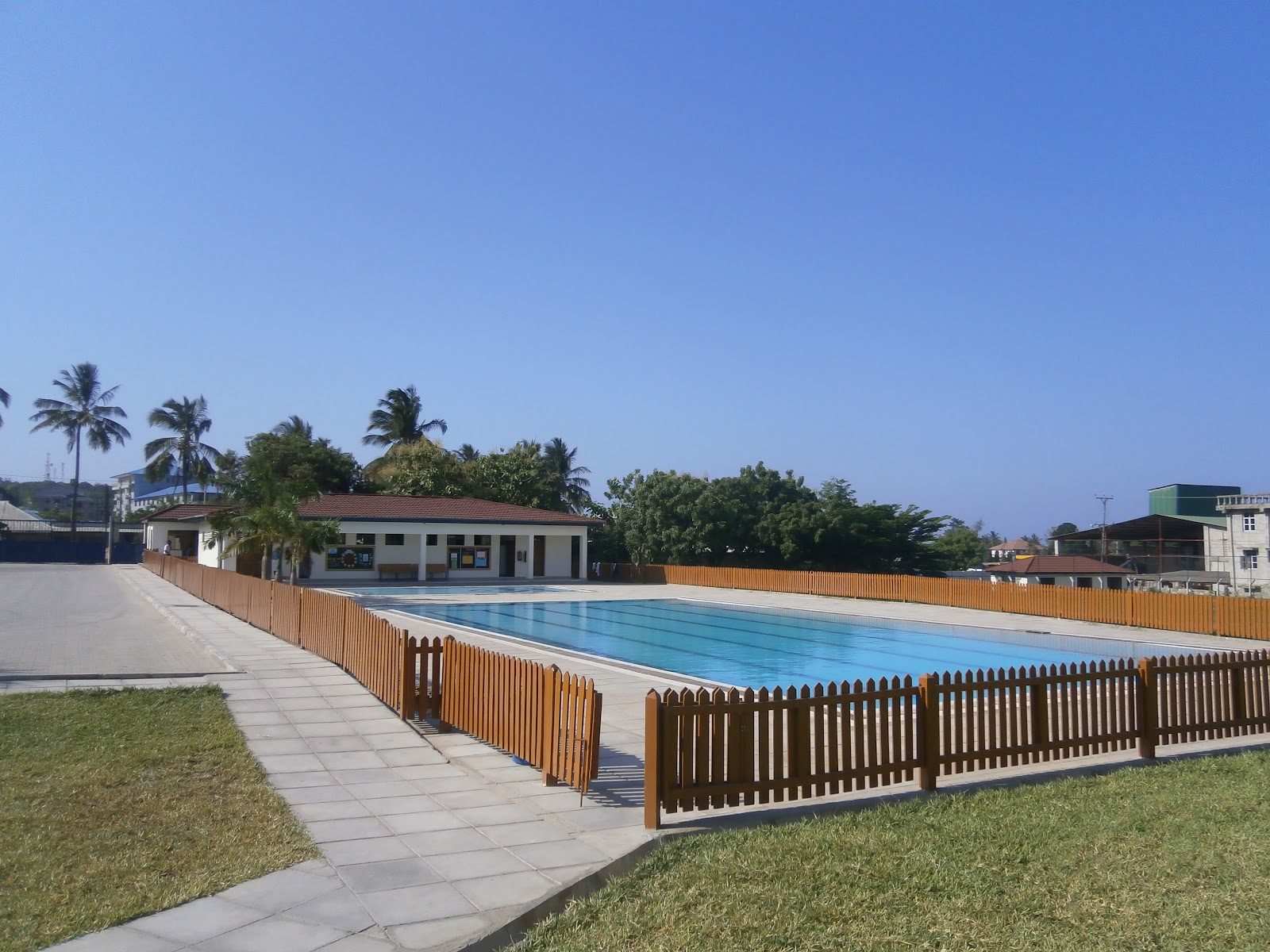
Braeburn Dar es Salaam International School
Dar es Salaam · Tanzania
A coastal Mbezi Beach campus where the English National Curriculum runs unbroken from EYFS through A Levels and BTEC
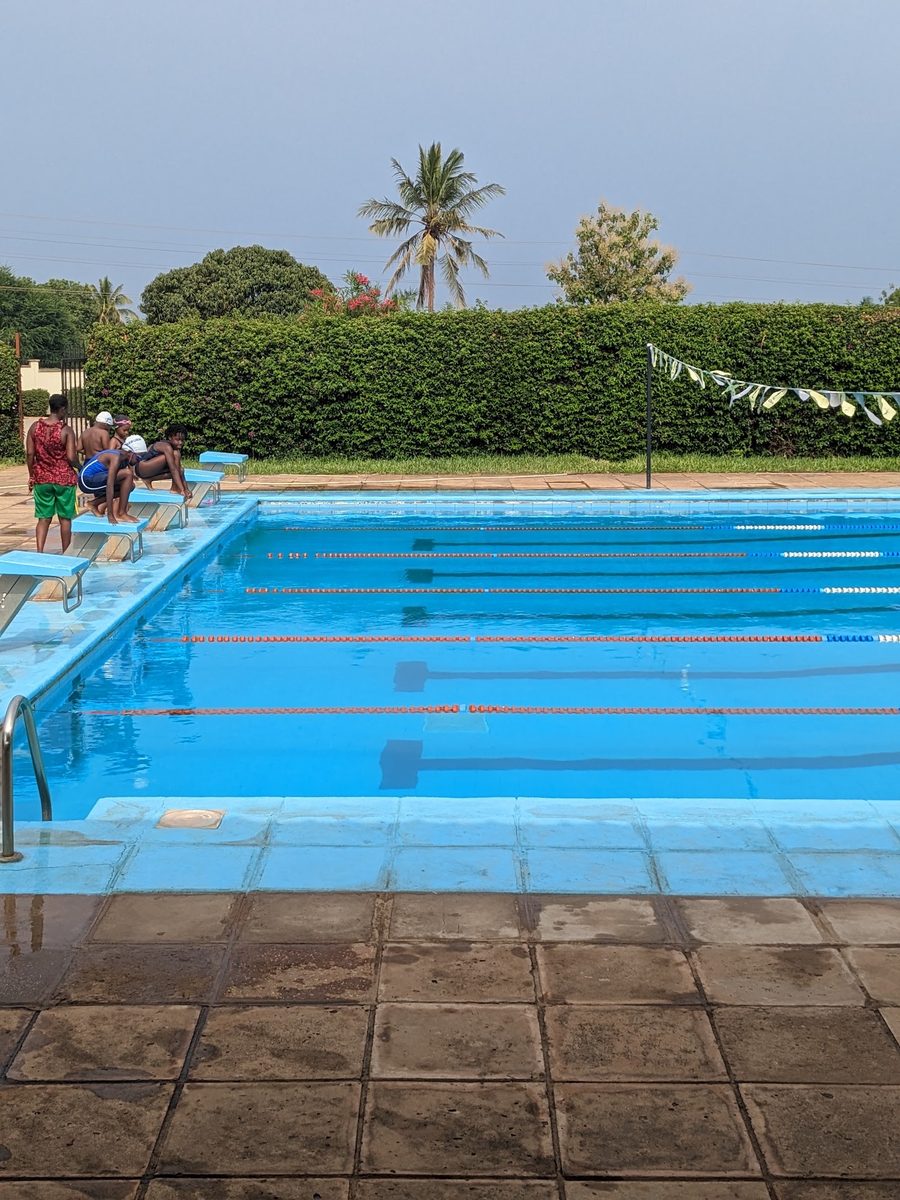
Haven of Peace Academy
Dar es Salaam · Tanzania
Born from missionary prayer in 1994, an Indian Ocean campus where a biblical worldview meets a tri-continental student body
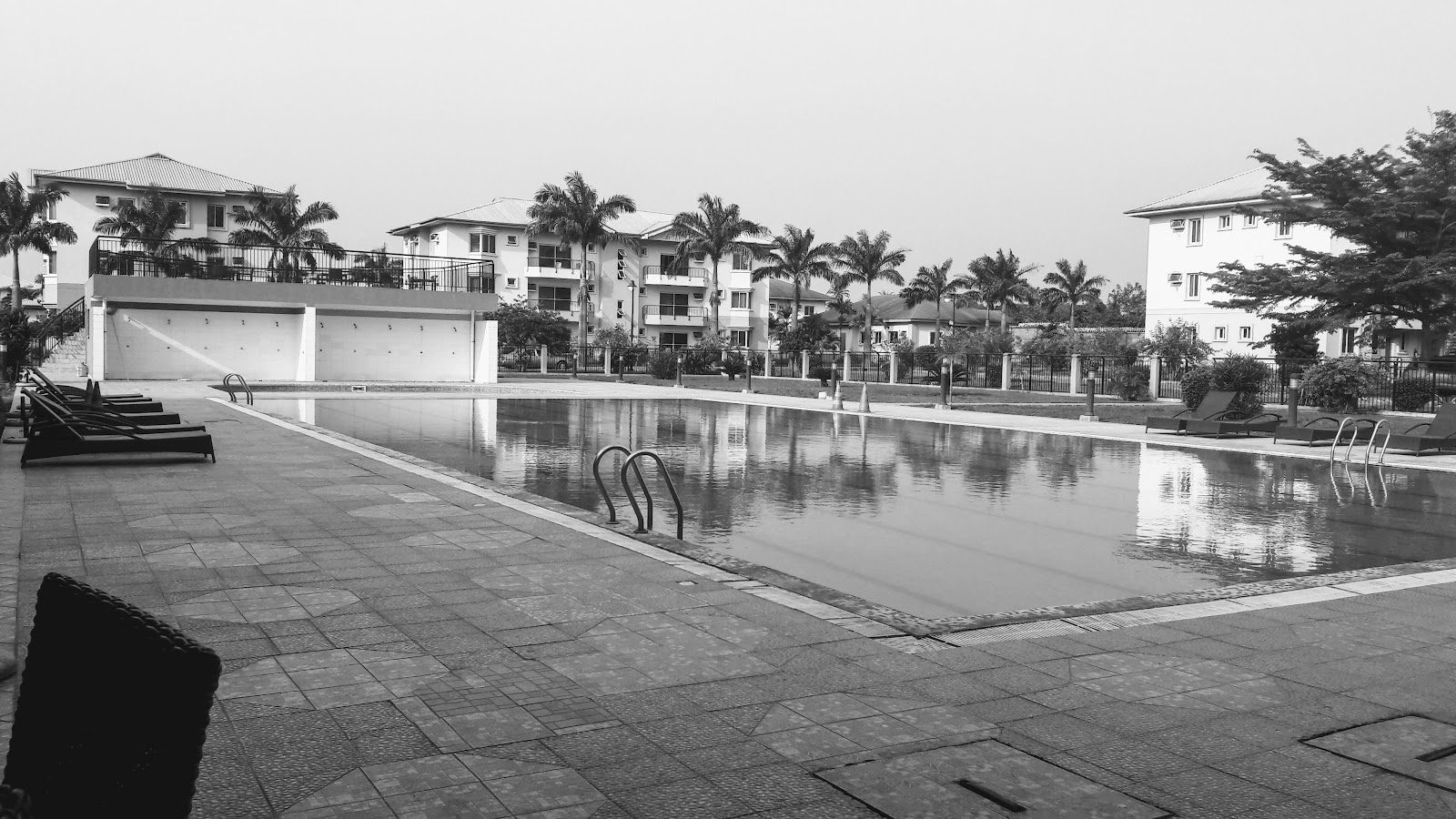
Day Waterman College
Abeokuta · Nigeria
On 35 hectares outside Abeokuta, British-curriculum boarders swap city noise for golf greens and a FIFA-sized pitch.

St. Christopher's School
Manama · Bahrain
Founded in a church hall in 1961, this Isa Town school remains among the Gulf's longest-established international institutions.
Same country and curriculum — closest matches within ±10 points either way