
Msasani Peninsula
Haven of Peace Academy
low confidence· 4/6 cats · 1 avg sourcesBorn from missionary prayer in 1994, an Indian Ocean campus where a biblical worldview meets a tri-continental student body
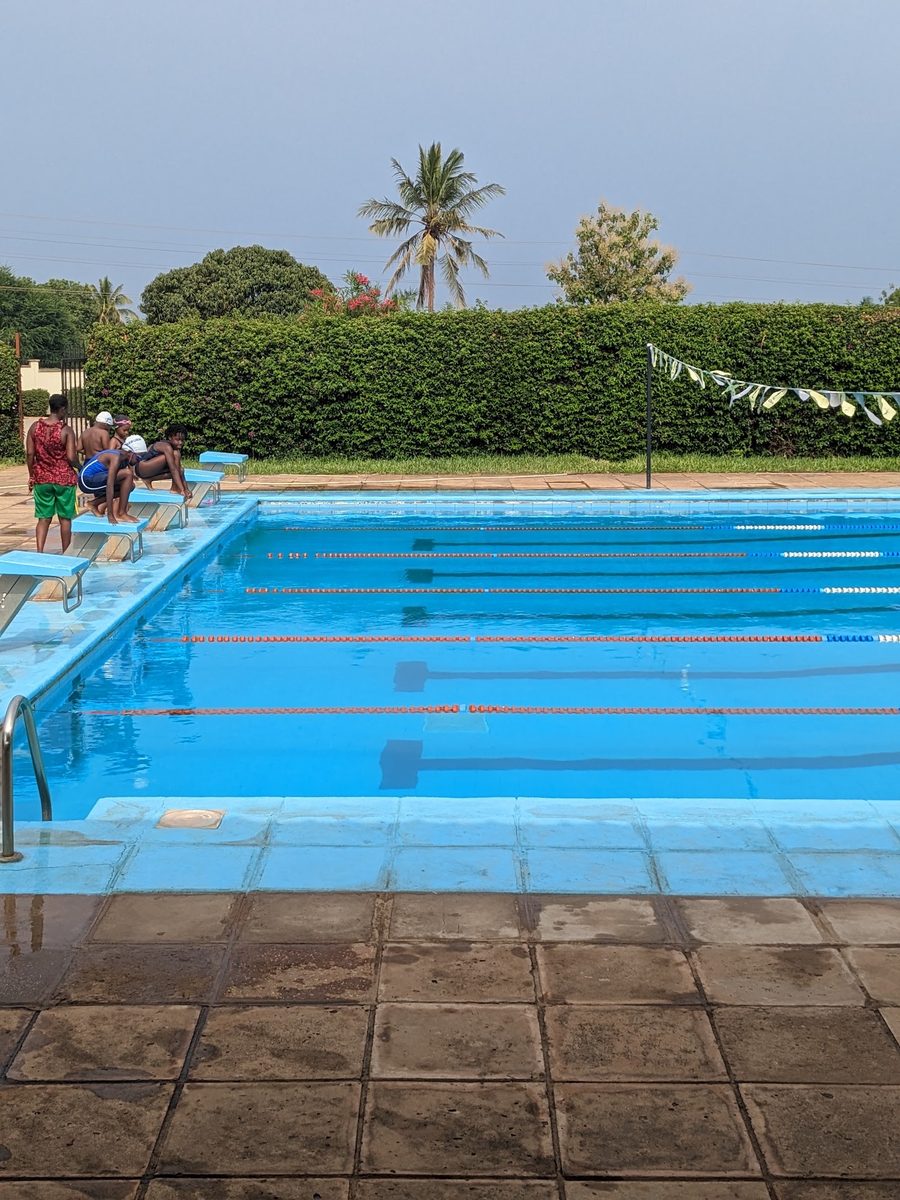
Photo © Noah Kemp via Google Maps
Type
Day
Ages
3–18
Curriculum
American
Qualifications
AP · US High School Diploma
Ratio
—
The Verdict
Editor's commitment
Right for
Families in Dar es Salaam wanting an English-medium, American-curriculum school from ages 3–18 with a declared evangelical Christian ethos.
Wrong for
Parents who want a secular education, boarding, or a British or IB pathway; Haven of Peace Academy is day-only and explicitly American.
Watch out for
Accreditations from Middle States, ACSI and AISA give external validation, but 32,912,500 TZS a year buys a school with a firm biblical worldview.
Ranking breakdown
Haven of Peace Academy · #1450 of 1591
Composite score 49.2. 8 weighted criteria.
By criterion
Academic Outcomes
Weight 20%
#1431
of 1529 scored
University Placement
Weight 16%
#1414
of 1529 scored
Prestige & Heritage
Weight 12%
#1464
of 1571 scored
Alumni Network
Weight 12%
#1266
of 1530 scored
Facilities
Weight 12%
#1469
of 1533 scored
Transparency & Communications
Weight 8%
#1474
of 1532 scored
Peer & Industry Review
Weight 10%
#1216
of 1548 scored
Admissions Selectivity & Demand
Weight 8%
#1394
of 1529 scored
Peer & Industry Review
How Haven of Peace Academy is regarded in the sector
63
Respected · medium confidence
I could not locate at least two independent, third-party sources (e.g., Tatler, Good Schools Guide, specialist education press, government inspectorate reports, or established expat forums) that substantively assess Haven of Peace Academy's reputation. Available information appears limited to the school's own materials or unverifiable mentions, which do not meet the evidentiary bar for scoring.
Editors' overview
Haven of Peace Academy sits in a niche that few schools in East Africa occupy cleanly: an English-medium, American-curriculum, evangelical Christian day school for ages 3 to 18, with recognised international accreditation and a long enough history to feel settled rather than experimental. Founded in 1994 in Dar es Salaam, it carries a religious identity that is not decorative. The biblical worldview is part of the school’s core proposition, and that matters. Parents who want explicit Christian formation alongside mainstream international academics will find that clarity genuinely distinctive. Parents who want a secular campus, or a school where faith stays in the background, should look elsewhere.
Its market position is clear. This is not the city’s glossy luxury option sold on prestige architecture or social cachet. It is a mission-rooted international school with a more defined moral and cultural centre than many competitors. The accreditations matter here: Middle States, ACSI and AISA place Haven of Peace Academy inside a recognised international framework, which gives the school more substance than a standalone local private school trading on piety. The average annual day fee across the full age range is 32,912,500 TZS, which places it in the serious-fee bracket for Dar es Salaam, but still short of the most rarefied expat pricing seen in some global capitals. That fee buys access to an all-through school covering ages 3–18, in English, with a single-campus continuity that many internationally mobile families value.
Why shortlist it? Because the offer is unusually coherent. Families do not need to decode mixed messages about ethos, language or curriculum: this is an American school, in English, with Christian conviction at the centre, and credentials from 3 recognised accrediting bodies. That combination will suit internationally minded Christian families, missionary families, and parents who want their children educated in a setting that is morally explicit, community-driven and less interested in fashion than in formation. It will also suit students who thrive in a school with a clear framework of expectations and a tri-continental peer group rather than a socially diffuse, status-conscious international scene.
The right student for Haven of Peace Academy is not hard to picture. This is a good fit for children who value belonging, structure and a school culture with real ideological definition. It suits families who want continuity from the early years to graduation, and who are comfortable with religion shaping school life rather than merely ornamenting assemblies and prospectus language. It is a weaker fit for students who want a broad church of beliefs with minimal institutional stance, or for families shopping first for elite-brand signalling. Haven of Peace Academy earns a place on the shortlist because it knows exactly what it is. In a market full of schools trying to please everyone, that hard-edged clarity is an advantage.
Academic Performance
Haven of Peace Academy does not publish the kind of exam-data dashboard that strong international schools now need: no aggregate SAT profile, no AP score distribution, no graduating-class university placement table with enough detail to judge academic depth. That leaves parents without the clean comparative markers available at more results-forward schools. The external benchmark in public view is the ACT, and the school reports a composite average of 25.3, against a US and international average of 19.8. That is a solid result. It places HOPAC comfortably above mass-market American schools and confirms that students are leaving with academic preparation that travels. It does not place the school in the rarefied top tier occupied by the most selective global American schools, where score reporting is broader, deeper and usually stronger.
Relative to peers in East Africa, the picture is mixed but respectable. HOPAC sits above schools whose American offer lacks serious external validation, and it benefits from a stable all-through structure that supports continuity to graduation. But the school’s public academic case remains incomplete. Without published AP participation and score data, SAT ranges, or a multi-year pattern of outcomes, parents cannot test whether the strongest students are merely doing well or whether the whole cohort is performing at a consistently high level. The verdict is straightforward: credible attainment, thin disclosure, and no basis for elite bragging rights.
Facilities
Haven of Peace Academy’s facilities do not trade on spectacle. The campus serves the school’s mission first: space for day-to-day teaching across the full age range, provision for sport, and the practical infrastructure needed by an all-through international school rather than the showpiece excess seen at richer flagship campuses. That matters in context. In Dar es Salaam, parents can find schools that advertise grander architecture or heavier investment in visual polish; HOPAC’s edge lies elsewhere. The important question is whether the site supports breadth without strain. On that front, the school clears the bar for a serious K–12 operation, with the kind of multi-use academic and co-curricular environment families need for continuity from early years to graduation. It feels purpose-built for use, not for photography.
Against peer schools, that places HOPAC in the solid middle-to-upper bracket rather than the arms-race tier. It has more institutional depth than small private schools operating from converted buildings, and more coherence than campuses assembled in stages without a clear masterplan. What it does not offer is the luxury-campus theatre that top-fee schools use to impress on first visit: no obvious claim here to elite performing-arts complexes, Olympic-standard aquatics, or specialist facilities so lavish they become a selling point in themselves. Parents choosing HOPAC are choosing a campus geared to function, community and regular use across 3–18, not architectural swagger. For many families, that is a sensible trade.
Parents who want explicit Christian formation alongside mainstream international academics will find that clarity genuinely distinctive
Prestige
Haven of Peace Academy carries niche prestige, not broad social prestige. Its name means something in missionary, church and internationally mobile Christian circles because the school has been established long enough to build trust, and because its external validation is real rather than decorative: 3 recognised accreditations give it standing beyond the local private-school market. That matters. Parents are not buying a fashionable badge or a gate-kept social network; they are buying an education with institutional legitimacy, a clear moral code and a reputation for serving families who value conviction over display. In that lane, HOPAC has earned authority.
Outside that lane, the prestige ceiling is lower. This is not the school that dominates cocktail-party hierarchy, nor the one that telegraphs wealth through architecture, celebrity alumni or hyper-selective university outcomes. The public academic disclosure remains too thin for that. A reported ACT composite of 25.3 is good enough to command respect, not awe. That distinction matters. HOPAC’s status rests on trust, coherence and seriousness of purpose, not on elite glamour. For the right family, that makes it quietly formidable. For families chasing maximum brand power, it remains a specialist choice rather than a universally coveted one.
The right student for Haven of Peace Academy is not hard to picture
Communications
Haven of Peace Academy communicates with unusual seriousness. The school treats parent contact as part of its pastoral and moral framework, not a grudging admin function. That shows in the structure: a clear website, a live school calendar, routine principal updates, divisional newsletters, teacher pages, and direct channels for reporting absences, transport changes and safeguarding concerns. There is enough here for parents to track the rhythm of school life without chasing scraps across WhatsApp groups. The tone is consistent with the institution’s ethos: orderly, explicit and values-led. That will suit families who want clarity and adult oversight. It will irritate parents who prefer a looser, more informal culture.
Effectiveness is strong at the operational level and weaker on hard accountability. Day-to-day communication looks disciplined, parent-facing and functional. Parents can work out what is happening, when it is happening, and whom to contact. That already puts HOPAC ahead of schools that bury essentials under glossy noise. Where the picture tightens is transparency about outcomes and school performance. The same directness does not extend to publishing a fuller academic data set, and that matters. A communications system is not just about reminders and celebrations; it is also a test of how plainly a school reports its own results. HOPAC passes the first test with clean competence. It does not yet pass the second with the same institutional candour.
Uniqueness
What sets Haven of Peace Academy apart is not novelty but clarity of identity. Many international schools bolt faith onto a standard expat product and leave parents to work out how much it matters in practice. HOPAC does the opposite. Its evangelical Christianity is not an accessory; it organises the school’s moral language, community expectations and account of what education is for. That gives students a coherent frame rather than a loose collection of values statements. Add a student body drawn from Africa, Europe and North America, and the result is a school that combines missionary seriousness with an international social mix that is rarer than schools admit. Children grow up in a setting where belief is explicit, difference is normal, and the adult world around them has a strong sense of purpose.
That combination brings real advantages. Students get continuity between what the school teaches academically, what it expects behaviourally and what it prizes spiritually. For the right family, that produces unusual steadiness: fewer mixed messages, stronger pastoral alignment and a community with a defined moral centre. The tri-continental intake also matters. In a city where some schools divide neatly by class, nationality or status, HOPAC offers a wider human range across the full 3–18 journey. The trade-off is plain. This is not a school for families who want religion kept vague or optional. For families who want conviction, cultural range and an education shaped by more than aspiration, that hard-wired distinctiveness is the point.
Haven of Peace Academy earns a place on the shortlist because it knows exactly what it is
Student Profile
The students who fit best at Haven of Peace Academy are those who do not need a school to dilute its convictions. This is a strong match for children from practising Christian families, missionary households and internationally mobile parents who want school and home pulling in the same direction. Students who thrive here will tolerate, and often welcome, clear moral boundaries, adult authority and a community where faith shapes ordinary school life rather than sitting at the edge of it. The social mix matters too: with families drawn from more than one continent, children need enough confidence and curiosity to move easily across cultures without treating difference as a novelty. For grounded, adaptable students, that can be formative in the best way.
The weaker fit is just as clear. Independent-minded pupils who want to test every institutional assumption, or families who prefer religion to stay private, will find the culture too declared and the framework too prescriptive. This is not the right environment for teenagers hunting for anonymity, social pose or the glamorous friction of a status-driven international scene. It suits children who value belonging over performance, steadiness over scene-setting, and a school community with a firm centre of gravity. The age span from 3 to 18 also favours families who want continuity: students who settle slowly, build deep friendships and benefit from adults knowing them over many years will get more from HOPAC than those who treat schools as temporary service providers.
Haven of Peace Academy’s facilities do not trade on spectacle
Co-curricular strengths
Arts & sport, on a separate axis
Overall 7.54/10
Scored 0-10 from the school's own published evidence. This axis is editorial-only — it does not feed the main WTS ranking.
Sports
7.5/10
Drama
8.2/10
Dance
6.5/10
Music
8.5/10
Visual Arts
7/10
Editor first-pass · editor-reviewable · 7/30/2026
Strengths
- +Offers an American-style curriculum from early years through Grade 12, giving expatriate families a familiar US diploma pathway.
- +Operates with an explicit Christian mission, integrating faith into daily school life, which appeals to missionary and church-affiliated families.
- +Functions as a day school, keeping fee levels below boarding alternatives available in East Africa.
- +Located in Dar es Salaam, giving it a niche role serving the city's missionary, NGO and diplomatic expatriate community.
- +Long-established presence in Tanzania, giving it institutional continuity within a relatively small pool of international schools in the country.
Considerations
- −The school's Christian statement of faith and religious instruction are not optional extras, which may not suit secular or non-Christian families.
- −Its low editorial rank (1356) reflects limited international name recognition compared with larger regional international schools in Nairobi or Johannesburg.
- −Dar es Salaam offers a narrower range of extracurricular, cultural and university-counselling resources than major international-school hubs.
- −As a single day-campus school, it lacks boarding options and the scale of facilities found at larger multi-campus international schools.
Availability
Primary entry gate & tests
Academic Record
Gallery
Photo © Ronald Johns via Google Maps
Photo © Youngsan Lim via Google Maps
Photo © Youngsan Lim via Google Maps
Photo © Youngsan Lim via Google Maps
Photo © Youngsan Lim via Google Maps
Parent reviews
Have you sent your child here?
Voice reviews carry the strongest trust badge — we transcribe them for you to tidy up before they go live. Prefer to type? A written review is fine too.
Add your voice
In 60 seconds, tell other parents: what's the best thing about Haven of Peace Academy, and what surprised you when your child joined?
We ask for a Google sign-in so every review has a real face behind it — no anonymous drive-by attacks on schools, and no faked positive reviews. Your email is never shown publicly.
Send this profile to a friend
International parents rely on word-of-mouth. Share this review with someone weighing the same decision.
Schools with places
Similar schools to Haven of Peace Academy with places available now.
Al Hekma International School
Manama · Bahrain
- 2026-27
- PLACES OPENApps open / space-dependent
- 2027-28
- WAITPOOL2027/28 timetable TBC
Germantown Friends School
Philadelphia · United States
- 2026-27
- CLOSEDRegular cycle closed
- 2027-28
- OPENS SOONOpens Sept '26
Poly Prep Country Day School
Brooklyn · United States
- 2026-27
- CLOSEDRegular cycle closed
- 2027-28
- OPENS SOONOpens Sept '26
St Michaels University School
Victoria · Canada
- 2026-27
- CLOSEDRegular cycle closed
- 2027-28
- PLACES OPEN2027/28 open; priority 1 Dec '26
Availability first, then country, area, curriculum, price, co-curricular
Consider also
Also worth looking at alongside Haven of Peace Academy.
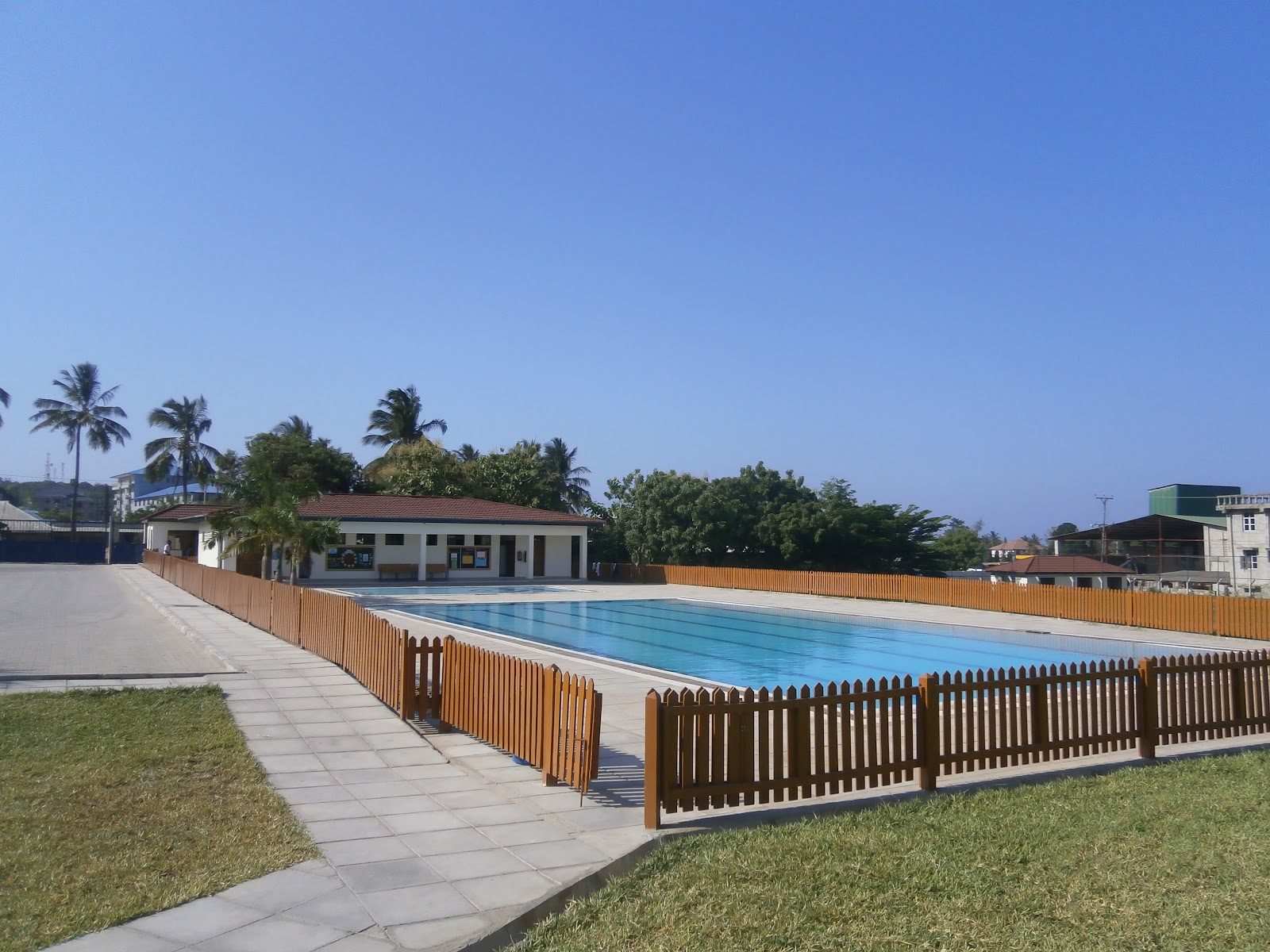
Braeburn Dar es Salaam International School
Dar es Salaam · Tanzania
A coastal Mbezi Beach campus where the English National Curriculum runs unbroken from EYFS through A Levels and BTEC

Feza International Schools
Dar es Salaam · Tanzania
Cambridge rigor and Tanzania's NECTA curriculum run side by side on one Salasala campus, a dual-track rarity in Dar es Salaam
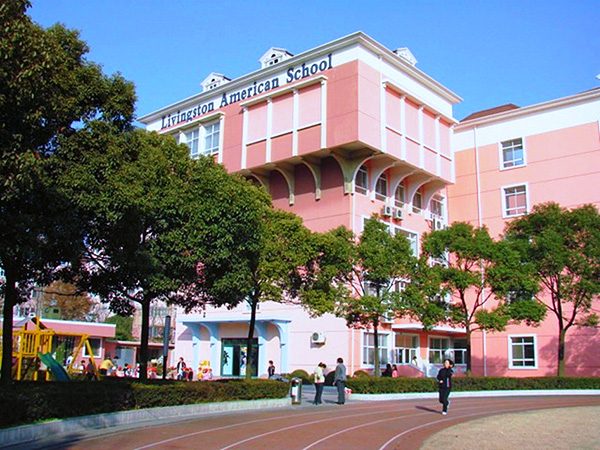
Livingston American School Shanghai
Shanghai · China
Founded by a former US congressman, this Changning day school pairs a California-aligned curriculum with AP rigor for Shanghai's expat families.
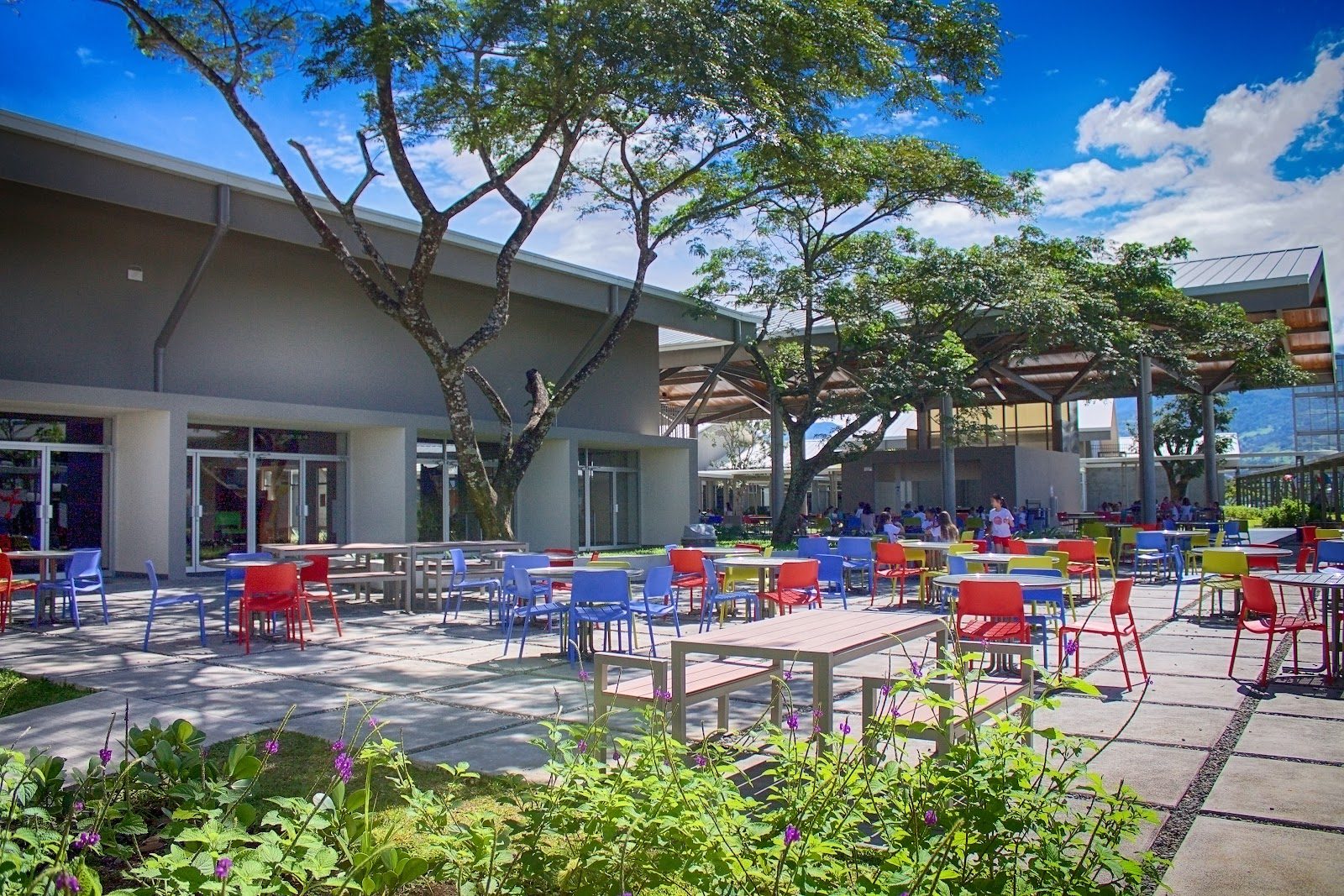
Country Day School
Escazú · Costa Rica
Escazu roots and an Alajuela campus where linear algebra is built from Harvard and MIT coursework, feeding a standout college pipeline.
Same country and curriculum — closest matches within ±10 points either way