
Kunduchi
Braeburn Dar es Salaam International School
low confidence· 4/6 cats · 1 avg sourcesA coastal Mbezi Beach campus where the English National Curriculum runs unbroken from EYFS through A Levels and BTEC
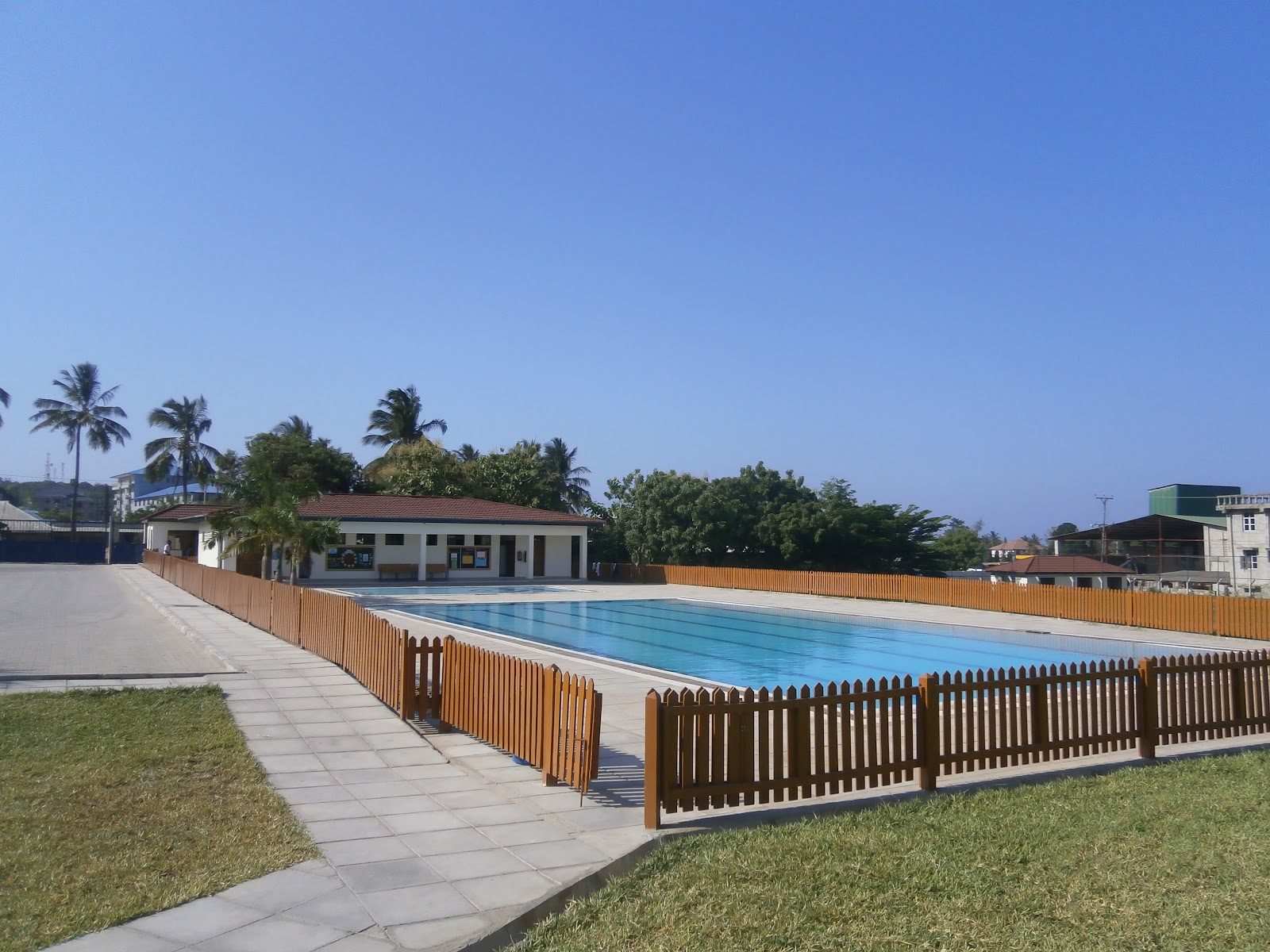
Photo © Braeburn Dar es Salaam International School via Google Maps
Type
Day
Ages
3–18
Curriculum
British
Qualifications
IGCSE · A-Level
Ratio
—
The Verdict
Editor's commitment
Right for
Dar es Salaam families wanting one British track from age 3 to 18: EYFS, A Levels, BTEC, plus Cambridge International backing.
Wrong for
Parents wanting boarding, a faith setting or another pathway: Braeburn Dar es Salaam is a non-religious day school only.
Watch out for
The average annual day fee is TZS 45,112,500, and BSO accreditation does not spare you the hard question of results disclosure.
Ranking breakdown
Braeburn Dar es Salaam International School · #1453 of 1591
Composite score 49.4. 8 weighted criteria.
By criterion
Academic Outcomes
Weight 20%
#1423
of 1529 scored
University Placement
Weight 16%
#1414
of 1529 scored
Prestige & Heritage
Weight 12%
#1444
of 1571 scored
Alumni Network
Weight 12%
#1076
of 1530 scored
Facilities
Weight 12%
#1447
of 1534 scored
Transparency & Communications
Weight 8%
#1433
of 1532 scored
Peer & Industry Review
Weight 10%
#1216
of 1548 scored
Admissions Selectivity & Demand
Weight 8%
#1394
of 1529 scored
Peer & Industry Review
How Braeburn Dar es Salaam International School is regarded in the sector
63
Respected · medium confidence
I was unable to identify at least two independent third-party sources (e.g., Tatler, Good Schools Guide, specialist education press, government inspectorate reports, or established expat forums) that specifically assess Braeburn Dar es Salaam's reputation among peer institutions or alumni networks. Without verifiable independent commentary beyond the school's own marketing, a reliable score cannot be assigned.
Editors' overview
Braeburn Dar es Salaam sits in Mbezi Beach, not in the city’s diplomatic-school belt, and that coastal setting matters: this is a day school for families who want a full English-school track without boarding and without a curriculum switch at 16. The school runs the English National Curriculum from EYFS through A Levels, with BTEC also in the sixth form, and that continuity is its clearest strength. In a market where some schools mix systems or taper off before the senior years, Braeburn covers the whole 3–18 range on one campus. Founded in 2003, it has the settled feel of an established operator rather than a new entrant still building its identity.
Its market position is clear. This is a British international day school with enough range to catch both the conventional university-bound student and the teenager who wants a more applied route than pure A Levels. That dual offer matters. BTEC gives the sixth form more breadth than many British schools in East Africa manage, and Cambridge International accreditation adds external academic credibility. BSO accreditation also counts: parents looking for a British-style education overseas want oversight beyond branding, and Braeburn has it. The average annual day fee across the full ladder is TZS 45,112,500, which places the school in the premium bracket for Dar es Salaam day education, though not in a boarding-school luxury category because it is not a boarding school at all.
Why shortlist it? Because it offers a clean, uninterrupted academic pathway in English, from the early years to post-16, inside a non-religious setting that suits internationally mobile families and local families who want a British curriculum without confessional framing. The Braeburn Group connection gives the school recognisable operating DNA, but the real point is practical: parents get a school that covers the whole journey and publishes a straightforward educational proposition. The children who fit best here are students who thrive in a structured British system, families who value clarity over experimentation, and older pupils who want the choice between the traditional A Level route and a more vocational sixth-form programme. It is less compelling for families chasing an IB pathway, bilingual education or boarding. For the right child, though, Braeburn offers a serious, coherent Dar es Salaam option.
Academic Performance
Braeburn Dar es Salaam does not publish the kind of hard public outcomes data that lets parents place a school with confidence against stronger British-curriculum competitors. We have not seen aggregate IGCSE results, A Level pass rates, top-grade percentages, university destinations, value-added data or multi-year trends in the public domain. That matters. In the premium international segment, serious schools publish at least a headline set of exam figures. Without that, any claim of academic strength rests on structure and accreditation rather than on verified attainment. The sixth-form mix also cuts two ways: A Levels and BTEC widen options, which is educationally sensible, but they also make transparent reporting more important, not less.
So where does that leave Braeburn relative to peers? In editorial terms, this is an opaque results picture inside a school with a credible academic framework. Cambridge International status gives the examination pathway external legitimacy, and the through-school model removes the disruption of a transfer at the senior end. That is useful, but it is not the same thing as published performance. Against top-tier peers in East Africa that release regular exam summaries, Braeburn is at a disadvantage on evidence. Against schools with no clear post-16 offer, it holds a more serious academic position. The verdict is plain: the school has the architecture for solid outcomes, but until it discloses exam results, parents cannot rank it as a proven high performer.
Facilities
Braeburn’s facility profile is practical rather than lavish. The useful headline is breadth on one site: early years, primary, secondary and sixth form share a single campus, which gives specialist spaces real value because pupils do not need to leave for the senior years to access them. The school highlights science laboratories, ICT provision, a library, art and music rooms, and sports areas including a swimming pool and courts. For families comparing British schools in the city, that places Braeburn in the properly equipped camp rather than the showpiece one. It has the rooms a full through-school needs, and older pupils have access to facilities that support examination subjects and sixth-form study. What it does not advertise is the kind of headline-grabbing estate arms race seen at richer Gulf or Asian campuses: no theatre complex, no design-centre language, no indoor arena, no sprawling boarding infrastructure.
Against Dar es Salaam peers, that mix is competitive and sensible. A pool matters in a hot coastal setting; science labs and dedicated arts spaces matter more once pupils move into exam years; and a unified campus helps with day-to-day continuity for families with children in different phases. The judgement here is clear: facilities are sound and functional, with enough range for a premium day school, but not in the architectural trophy bracket. Parents seeking dependable specialist provision will find it. Parents chasing a campus built to impress on tour will find stronger contenders elsewhere.
Against top-tier peers in East Africa that release regular exam summaries, Braeburn is at a disadvantage on evidence
Prestige
Braeburn Dar es Salaam carries solid regional prestige, not elite international cachet. The Braeburn name has recognition across East Africa, and that matters for families who value a known operator over a standalone school with no wider track record. In Dar terms, the school sits in the premium day-school bracket: the average annual fee of TZS 45,112,500 places it among the city’s expensive choices, and parents paying at that level expect institutional competence, stable leadership and a coherent school journey. It offers that. What it does not command is the rarer status attached to schools with exceptional public results, marquee university placements or a long-established expatriate aura that shapes a city’s social hierarchy.
That is why the prestige rating here lands in the credible rather than glittering range. The school has enough structural seriousness to carry weight with employers, diplomats and internationally mobile families, but prestige in this market is earned through outcomes, selectivity and reputation beyond the immediate parent community. Braeburn’s public profile stops short of that. The school’s sixth-form breadth helps its standing because it keeps older students on site instead of losing them to rivals, and the through-school model gives it institutional heft. Still, without published headline attainment data, the brand rests more on network trust and operational continuity than on hard-won academic distinction.
Braeburn’s distinctive quality is not glamour or scarcity; it is continuity with options
Communications
Braeburn’s parent communication is serviceable rather than exemplary. The website does the core jobs: it tells parents what the school offers, who it serves and where enquiries should go. Contact routes are clear, admissions information is easy to find, and the school benefits from sitting inside a wider group structure that imposes a degree of order on presentation. That matters for busy families. What the public-facing communication does not do is offer much hard-edged transparency. We have not seen the richer layer that distinguishes strong school communication from basic school communication: detailed academic reporting, substantial leadership commentary, regular publication of outcomes, or a deep archive of news that shows the life of the school in a granular way. For a school charging an average of TZS 45,112,500 a year, that gap is real.
The effect is a communications style that feels competent, controlled and slightly thin. Parents can make first contact without friction, and existing families will value straightforward operational messaging if that same discipline carries into daily school life. But the external picture lacks the forensic openness that reassures demanding international parents, especially at the senior end where families want evidence, not atmosphere. Schools that communicate well publish results cleanly, explain choices plainly and make leadership visible. Braeburn does the essentials. It does not yet communicate with the authority and depth its market segment requires.
Uniqueness
Braeburn’s distinctive quality is not glamour or scarcity; it is continuity with options. Plenty of schools can carry a child through the lower years. Fewer keep that route intact into the final stretch while also offering more than one serious post-16 path. Here, students do not face a forced break at the point when subject choices, exam pressure and university planning start to bite. That matters in practice. It reduces the academic and social disruption that comes with changing schools mid-journey, and it gives families a clearer long-term proposition than schools that top out early or narrow their sixth form to a single track. For a parent paying an average of TZS 45,112,500 a year, that kind of structural coherence counts.
The other point of difference is geographic and cultural rather than academic. This is not one of the polished diplomatic compounds that trade on centrality and status. Its coastal setting gives it a more self-contained, grounded character, which suits families who want a school that functions as a daily base rather than a social badge. Combined with the Braeburn network, that creates a useful mix: local campus identity with regional operating experience behind it. Students gain from that in straightforward ways — steadier routines, access to a full age-range community, and a sixth form that does not push every teenager down the same narrow definition of success. That makes Braeburn a practical, grown-up choice rather than an aspirational trophy school.
That said, families chasing a highly competitive, prestige-conscious peer group or a school with a loud public record of top exam outcomes will find a mismatch
Student Profile
The best fit here is the family that wants one school to do the whole job and values stability over churn. Children who settle into routine, know their teachers well and benefit from a clear sense of progression will do well. So will students who are steady rather than flashy: the sort who want a school day built around work, activities and familiar community, not a performative status scene. Because the age range runs from 3–18 on one campus, the social mix also suits siblings and families planning for the long haul. This is a school for parents who want continuity, predictability and a campus life that feels grounded rather than theatrical.
It fits pupils who are comfortable in a structured British-style environment and who do not need an ultra-selective, results-trumpeting culture to stay motivated. The sixth form broadens the profile further: not every older student here needs to fit one narrow academic mould, which helps teenagers whose strengths are more applied or who want a route with clearer vocational shape. That said, families chasing a highly competitive, prestige-conscious peer group or a school with a loud public record of top exam outcomes will find a mismatch. Braeburn suits children who thrive in a sensible, all-through school with enough ambition to carry them to the end of secondary education, and parents willing to prioritise fit over social cachet despite fees averaging TZS 45,112,500 a year.
The school runs the English National Curriculum from EYFS through A Levels, with BTEC also in the sixth form, and that continuity is its clearest strength
Co-curricular strengths
Arts & sport, on a separate axis
Overall 7.62/10
Scored 0-10 from the school's own published evidence. This axis is editorial-only — it does not feed the main WTS ranking.
Sports
8/10
Drama
8/10
Dance
6.5/10
Music
7.8/10
Visual Arts
7.8/10
Editor first-pass · editor-reviewable · 7/30/2026
Strengths
- +Part of the long-established Braeburn Schools Group, whose founding Nairobi campus dates back to 1962, giving the network decades of experience running British-curriculum schools in East Africa.
- +Offers a British National Curriculum pathway from Early Years through to IGCSE, using Cambridge International syllabuses familiar to relocating expatriate families.
- +Day-school format in Dar es Salaam gives families in the city an established-brand alternative to purely local or newly opened international schools.
- +Sister campuses exist elsewhere in East Africa (Kenya, Uganda, Arusha), which can ease continuity for families who relocate within the region.
- +Operates within a group structure that centralises curriculum planning and staff training rather than each school building this from scratch.
Considerations
- −Little independently published inspection or exam-results data is publicly available for this specific campus, making outcomes hard to verify against sister schools.
- −As a day school it offers no boarding option, which limits its usefulness to families based permanently in Dar es Salaam.
- −It is unclear from public sources whether A-level (post-16) provision is offered on this campus or only up to IGCSE, so continuity into sixth form needs direct confirmation.
- −Being one node in a multi-country group means less individual public profile and fewer standalone reviews than single-site international schools.
Availability
Primary entry gate & tests
Academic Record
Gallery
Photo © Rahima Rahim via Google Maps
Photo © Fahadi Msuya via Google Maps
Parent reviews
Have you sent your child here?
Voice reviews carry the strongest trust badge — we transcribe them for you to tidy up before they go live. Prefer to type? A written review is fine too.
Add your voice
In 60 seconds, tell other parents: what's the best thing about Braeburn Dar es Salaam International School, and what surprised you when your child joined?
We ask for a Google sign-in so every review has a real face behind it — no anonymous drive-by attacks on schools, and no faked positive reviews. Your email is never shown publicly.
Send this profile to a friend
International parents rely on word-of-mouth. Share this review with someone weighing the same decision.
Schools with places
Similar schools to Braeburn Dar es Salaam International School with places available now.
The English School
Kuwait City · Kuwait
- 2026-27
- PLACES OPENApps open / space-dependent
- 2027-28
- WAITPOOL2027/28 timetable TBC
Collège du Léman
Versoix · Switzerland
- 2026-27
- WAITPOOLSpace-dependent
- 2027-28
- PLACES OPENRolling
Muscat International School
Muscat · Oman
- 2026-27
- PLACES OPENApps open / space-dependent
- 2027-28
- WAITPOOL2027/28 timetable TBC
Bishop Cotton School
Shimla · India
- 2026-27
- WAITPOOLSpace-dependent
- 2027-28
- PLACES OPENRolling
Availability first, then country, area, curriculum, price, co-curricular
Consider also
Also worth looking at alongside Braeburn Dar es Salaam International School.
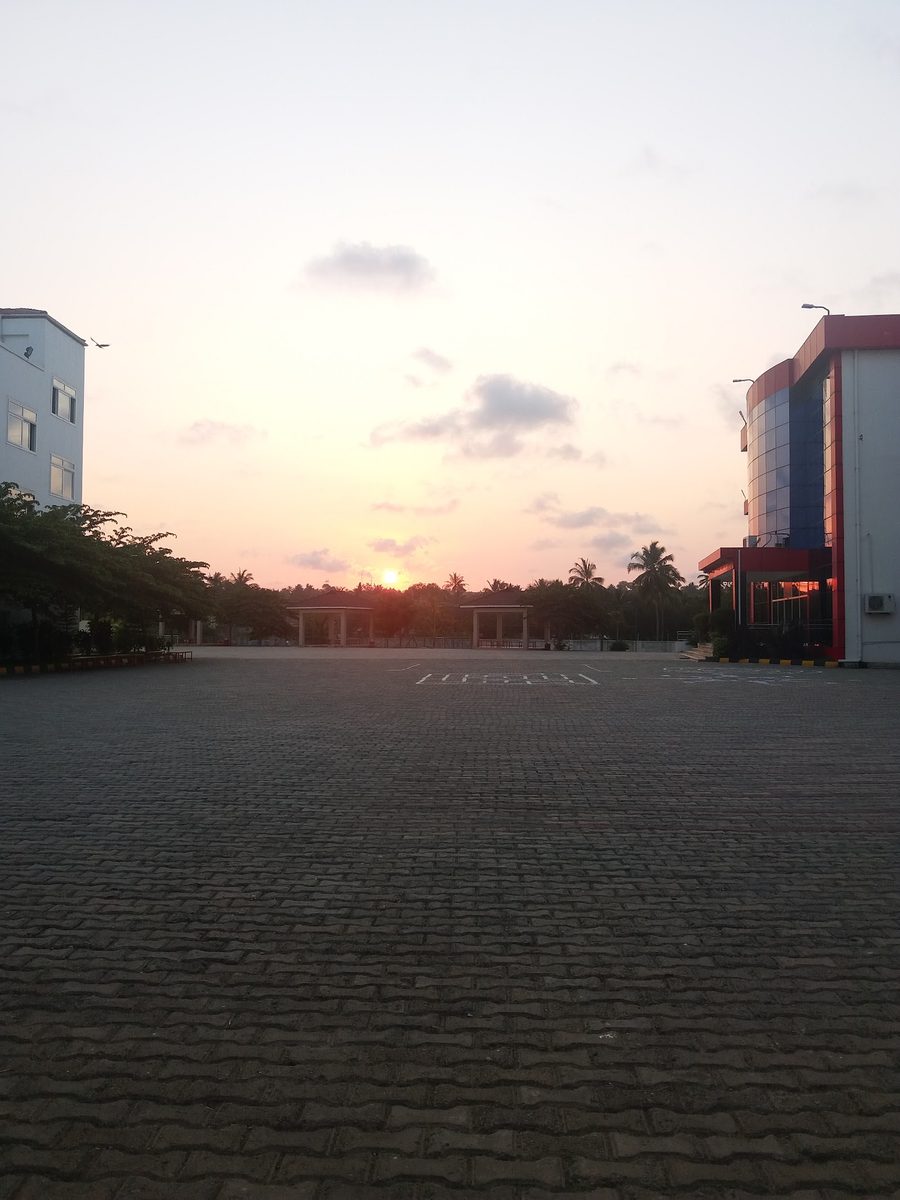
Feza International Schools
Dar es Salaam · Tanzania
Cambridge rigor and Tanzania's NECTA curriculum run side by side on one Salasala campus, a dual-track rarity in Dar es Salaam
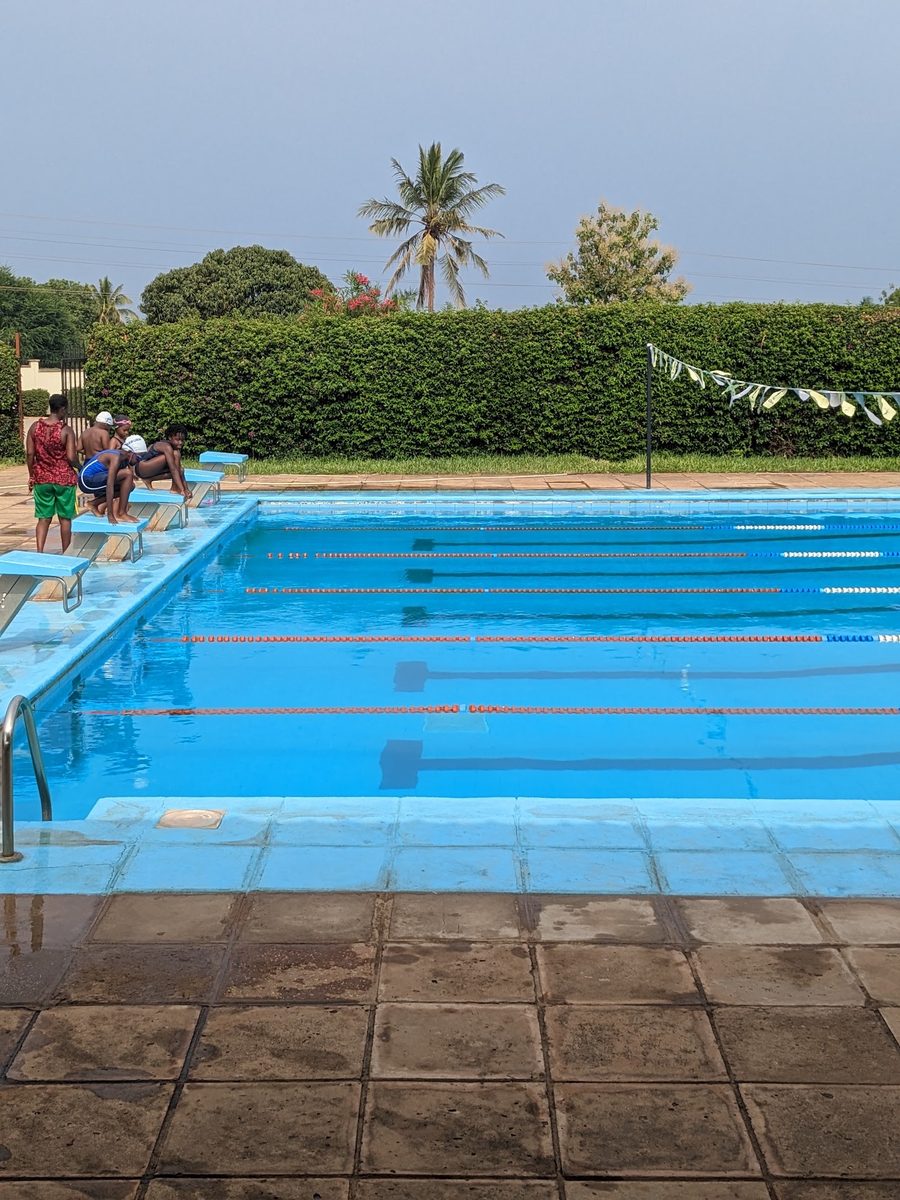
Haven of Peace Academy
Dar es Salaam · Tanzania
Born from missionary prayer in 1994, an Indian Ocean campus where a biblical worldview meets a tri-continental student body
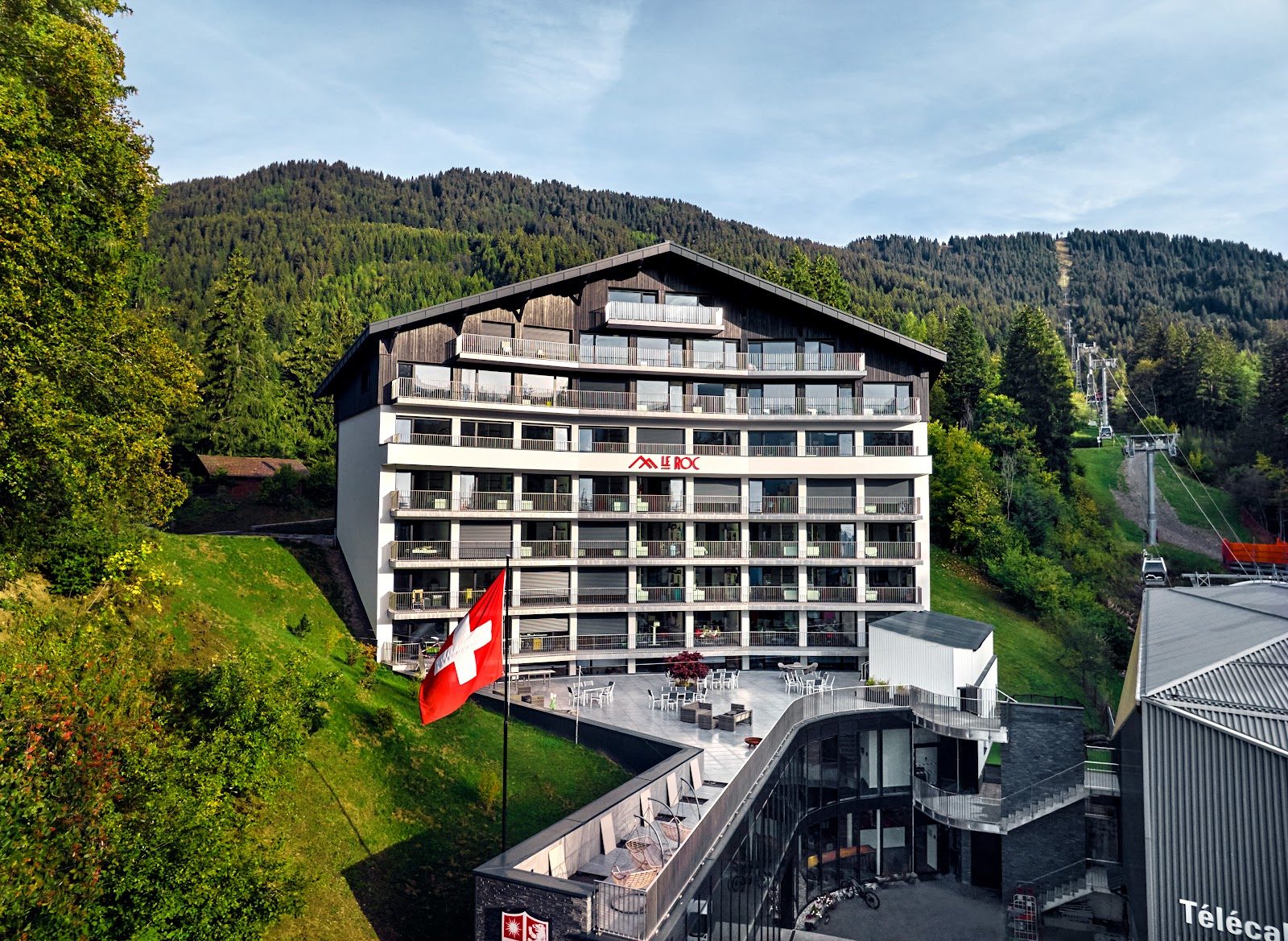
La Garenne International School
Villars-sur-Ollon · Switzerland
Where the chairlift meets the classroom, this family-run Alpine boarding school pairs IB rigor with two ski days a week.
London Academy Casablanca
Casablanca · Morocco
A British day school in Bouskoura pairing IGCSE and A-Level study with trilingual teaching in English, French and Arabic
Same country and curriculum — closest matches within ±10 points either way