
Shanghai
Yew Chung International School of Shanghai
low confidence· 3/6 cats · 3 avg sourcesSince 1993, paired Chinese and English co-teachers lead every classroom, carrying bilingual immersion from nursery through the IB diploma.
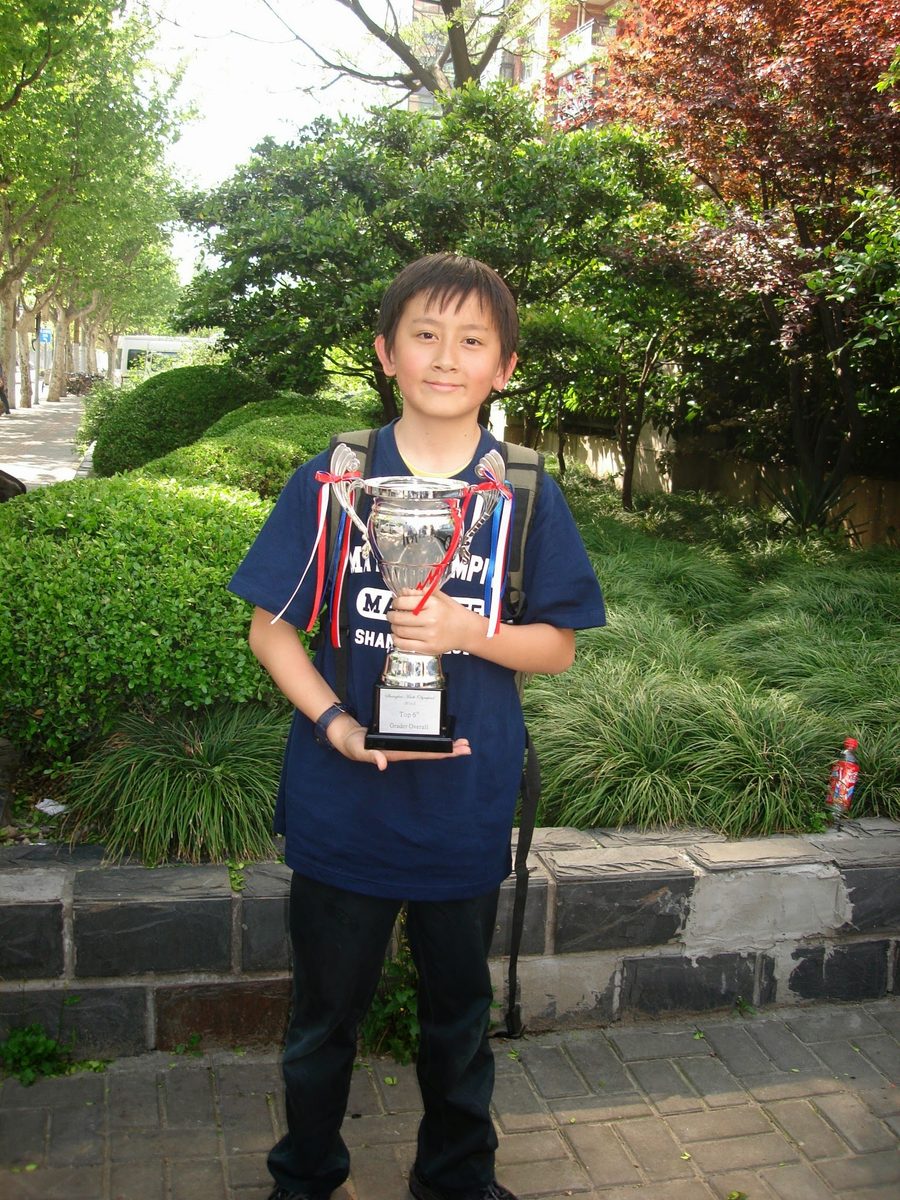
Photo © YCIS Shanghai via Google Maps
Type
Day
Ages
3–18
Curriculum
IB
Ratio
—
The Verdict
Editor's commitment
Right for
Families in Shanghai wanting a day school from age 3 to 18, with English-Mandarin teaching and the IB under one roof.
Wrong for
Parents who want boarding, a monolingual English education, or a school outside Shanghai’s Puxi and Pudong campuses.
Watch out for
The paired Chinese and English co-teacher model defines the school from nursery onwards; if you want one lead teacher, look elsewhere.
Ranking breakdown
Yew Chung International School of Shanghai · #1029 of 1591
Composite score 62.4. 8 weighted criteria.
By criterion
Academic Outcomes
Weight 20%
#1002
of 1529 scored
University Placement
Weight 16%
#965
of 1529 scored
Prestige & Heritage
Weight 12%
#1018
of 1529 scored
Alumni Network
Weight 12%
#854
of 1529 scored
Facilities
Weight 12%
#676
of 1529 scored
Transparency & Communications
Weight 8%
#861
of 1529 scored
Peer & Industry Review
Weight 10%
#1339
of 1529 scored
Admissions Selectivity & Demand
Weight 8%
#1232
of 1529 scored
Score history
Yew Chung International School of Shanghai · 2026
Movement across 2024–2026. Peer average overlaid.
Overall — 2024–2026
62.4/ 100
▲ +16.1 vs 2025
year on year
Peer & Industry Review
How Yew Chung International School of Shanghai is regarded in the sector
65
Respected · medium confidence
YCIS Shanghai is one of the longer-established international school groups in China (part of Yew Chung Education Foundation, founded 1932) and is regularly listed in expat parent guides and forums (e.g., Smart Shanghai, Shanghai Family, City Weekend) as a well-regarded option, particularly for its bilingual co-teaching model. It appears in Good Schools Guide International's China coverage and is referenced in expat community discussions as a solid, established choice, though it is not consistently featured in top-tier 'best of China' rankings alongside schools like Concordia, SAS, or Dulwich.
Evidence sources
Editors' overview
Yew Chung International School of Shanghai occupies a clear niche in Shanghai’s international market. Since 1993, it has built its identity around a dual-language, dual-teacher model that starts in nursery and runs all the way to the IB Diploma. Every classroom is led by paired Chinese and English co-teachers. That is the defining feature, and it is more than a branding device: it gives the school a structural answer to a question many international families struggle with in Shanghai — how to secure strong English-medium education without stripping Mandarin and Chinese cultural literacy out of daily school life. Families who want full expatriate insulation will find other schools more singular in their outlook. Families who want genuine bilingual immersion without abandoning an international pathway will put YCIS straight onto the shortlist.
The school’s market position rests on that combination of bilingualism, longevity and scale across 2 Shanghai districts, Puxi and Pudong. It is a secular day school for ages 3–18, teaching in English and Mandarin, with the IB as its declared curriculum and accreditations from CIS, the IB and WASC. In a crowded city, that matters less as a badge and more as a signal of institutional maturity. The stronger point is that YCIS has maintained a coherent educational proposition across the whole age range. Many schools talk about East-West synthesis; YCIS has hard-wired it into classroom staffing. That gives the school a distinctive educational logic and a clear point of difference from standard English-medium international schools with token Mandarin on the timetable.
This is not the right school for every child. Parents seeking a pure British or American academic culture, or a monolingual route with minimal local integration, will find YCIS less aligned with their priorities. The school suits children who are adaptable, linguistically open and comfortable moving between cultural frames in the same school day. It also suits families staying in Shanghai long enough to value sustained Mandarin development rather than superficial exposure. For internationally mobile Chinese families, mixed-nationality families, and expatriate parents who want their children to operate confidently in both English and Mandarin, the offer is unusually compelling. For students who thrive on one dominant language and one dominant educational tradition, the fit is weaker.
Why shortlist it? Because few schools in Shanghai make bilingualism the operating system rather than the ornament. That gives YCIS a rare seriousness in a sector full of inflated claims about global mindedness. The school offers an IB pathway, established credentials, and a model that reflects the reality of life in Shanghai rather than sheltering children from it. The core attraction is simple: this is a school for families who want their children to be at ease in two languages, rooted in Shanghai, and still prepared for an international university trajectory.
Academic Performance
YCIS Shanghai’s problem, from an editorial point of view, is not weak outcomes but thin public disclosure. We have not seen aggregate IB Diploma averages, top scores, pass rates, score distributions, university destinations by cohort, or multi-year trend data published in the public domain. That matters. In Shanghai’s top international tier, serious academic operators publish headline numbers or at least enough detail to let parents judge consistency. YCIS asks families to trust the model more than the metrics. For a school with an established reputation and a full-through age range, that is a conspicuous gap. It does not invalidate the academic offer; it does limit clean comparison with peers that publish IB results in a disciplined, annual format.
Where does that leave the school relative to the market? Not in the exam-factory bracket, and not in the openly data-rich bracket either. The school’s academic identity rests on bilingual immersion and continuity rather than a hard-charging, numbers-first results culture. That will suit families who value intellectual range, language development and long-term fluency over scoreboard theatre. It will frustrate parents who want hard evidence before paying premium Shanghai fees. In blunt terms: YCIS sits in the credible but opaque middle of the academic-results conversation. Until it publishes stronger external examination data, schools with transparent IB outcomes hold the advantage for parents making a results-led shortlist.
Facilities
The key facility advantage here is not one showpiece campus but access across 2 parts of the city. That matters in Shanghai, where the daily commute can wreck family life. Parents choose between Puxi and Pudong rather than forcing a child into a punishing cross-city journey, and that practical gain outweighs a lot of brochure glamour. Beyond that, the public picture is less polished than top-tier rivals. We have not seen a detailed, campus-by-campus facilities breakdown, no serious photographic or technical disclosure of specialist spaces, and no published specifications that let parents compare science labs, performing arts provision, libraries or sports infrastructure with confidence. In a market where leading schools now itemise black-box theatres, competition pools, design suites and elite sports amenities, YCIS is strikingly restrained.
That does not mean weak provision. It means opaque provision. A school serving the full age range and operating on multiple sites needs the basics covered: age-appropriate early years space, specialist teaching rooms in the senior years, and enough outdoor and indoor recreation to support a long school day. The question is not whether YCIS has facilities; it does. The question is whether they match the flagship-campus arms race visible elsewhere in Shanghai. On public evidence, YCIS sells an educational model, not an estate. Families chasing architectural spectacle or heavy-duty sports infrastructure will find stronger rivals. Families who care more about location convenience and classroom function than trophy facilities will be less troubled.
Yew Chung International School of Shanghai occupies a clear niche in Shanghai’s international market
Prestige
YCIS Shanghai has real standing in its market, but it does not occupy the city’s most rarefied prestige tier. The school carries the advantages that matter in parent circles: a long-established presence, a footprint across 2 parts of the city, and a model that families can identify instantly. That last point counts for a great deal. In a crowded international sector, memorability drives reputation, and YCIS has a distinctive claim that many competitors lack. It also benefits from affiliation with the wider Yew Chung group and from durability in a market where weaker operators have drifted in and out. Parents know what the school stands for. That gives it institutional weight.
But prestige at the top end of international schooling rests on more than recognition. It also rests on scarcity, published outcomes, and the sense that entry buys access to a high-status academic signal as well as a good education. YCIS is stronger on identity than on elite cachet. The public case for its academic standing is not sharp enough to place it in the bracket of schools whose exam results and university placements do much of the talking. Its prestige is therefore *earned through educational distinctiveness* rather than through raw selectivity or results-page dominance. For families who value bilingual depth and cultural fluency, that prestige is substantial. For families shopping chiefly for the shiniest badge in Shanghai’s international market, other schools hold the edge.
Families who want full expatriate insulation will find other schools more singular in their outlook
Communications
YCIS Shanghai communicates with parents in the same way it runs much of the school: through a clear institutional identity rather than through a flood of hard data. The bilingual model gives the school an obvious narrative, and that helps. Parents do not have to decode what the school is for. There is also a practical advantage in operating across 2 districts: families can engage with a campus close to home rather than dealing with one remote administrative centre. That tends to improve day-to-day responsiveness. A school built around shared classroom leadership also carries an implicit communications promise — parents expect insight from more than one adult who knows the child well. When that works, it produces richer pastoral and academic feedback than the standard single-teacher model.
The weakness sits in public-facing transparency. The school does not publish the kind of detailed comparative information that now marks out the best communicators in Shanghai’s international sector: robust outcome data, deep facilities disclosure, and disciplined campus-by-campus specifics. That matters because communication is not only about warmth and accessibility; it is also about evidence. YCIS gives parents a strong sense of ethos and a recognisable educational logic. It gives less by way of forensic public accountability. So the verdict is mixed but clear: communication with enrolled families is positioned to be close and human-scale; communication with prospective parents is less effective than the market leaders because too much still rests on trust rather than disclosure.
Uniqueness
What sets YCIS Shanghai apart is that bilingualism is not a subject bolt-on or a pastoral slogan. It is built into the mechanics of teaching through paired co-teachers in every classroom, with one Chinese and one English-speaking teacher sharing responsibility rather than handing off a language lesson at the edge of the timetable. In Shanghai, plenty of schools promise “East meets West”. YCIS operationalises it. That gives children constant exposure to 2 linguistic and cultural frames inside ordinary lessons, routines and relationships. The result is deeper than classroom Mandarin: students learn to shift register, decode context and work across different expectations without treating one language as the prestige language and the other as an accessory.
That model brings clear gains for the right child. Students build genuine bicultural fluency, not just vocabulary lists and festival knowledge. They get daily practice in navigating difference, which matters in families straddling countries, languages and schooling traditions. The school also benefits from running across 2 districts, which widens access without diluting the central idea. The trade-off is just as clear. This is not a simple, single-track educational environment. Children who want one dominant language, one classroom culture and a cleanly monocultural school experience will find the model demanding. For adaptable students, though, YCIS offers something rare: a school life that treats bilingual, cross-cultural competence as a serious intellectual discipline, not a decorative extra.
In Shanghai’s top international tier, serious academic operators publish headline numbers or at least enough detail to let parents judge consistency
Student Profile
The best fit is a child who enjoys switching codes rather than defending one fixed identity. This school suits internationally mobile families, mixed-culture households, and children who can absorb correction, ambiguity and difference without shrinking from it. The daily experience asks students to work with two cultural reference points at once and to treat that as normal, not exceptional. That rewards curiosity, verbal confidence and social flexibility. It also suits children whose parents want Shanghai to be part of their education rather than a backdrop to an expatriate bubble. With campuses in 2 districts and an age range spanning 3–18, the student body will contain multiple entry points and family types, but the common thread is openness to a bicultural school life.
The weaker fit is just as clear. A child who wants one dominant classroom culture, minimal linguistic friction and a straightforwardly Anglo international environment will find YCIS demanding. Students who thrive on sharp academic competition, public scoreboard culture and overt prestige signalling may also feel out of step with the school’s centre of gravity. YCIS suits children who are *adaptable, socially alert and comfortable with nuance*. It is less convincing for rigid personalities, reluctant communicators, or families who want school to deliver maximum insulation from the local context. In plain terms: this is a school for students who can live in more than one world at once, and who gain energy from that rather than stress.
Beyond that, the public picture is less polished than top-tier rivals
Co-curricular strengths
Arts & sport, on a separate axis
Overall 7.76/10
Scored 0-10 from the school's own published evidence. This axis is editorial-only — it does not feed the main WTS ranking.
Sports
7.8/10
Explicitly names Football, Basketball, and Swimming.
Drama
8/10
Drama Productions are offered, with no additional evidence about facilities, department, staff, or recurring named productions.
Dance
6.5/10
Music
8.3/10
Names School Orchestra and Choir, showing more than a bare single mention and indicating multiple structured music activities.
Visual Arts
8.2/10
Visual Arts is offered.
Editor first-pass · editor-reviewable · 7/27/2026
Strengths
- +Shanghai location suits internationally mobile families
- +Campuses in both Puxi and Pudong districts
- +Private school setting may appeal to some families
- +School-declared IB curriculum offers programme continuity
Considerations
- −Multiple campuses may complicate daily logistics
- −Private school likely means fee-paying education
- −Affiliation with Hong Kong school may limit local distinctiveness
Availability
Primary entry gate & tests
Application + records / school assessment
Gallery
Photo © YCIS Shanghai via Google Maps
Photo © YCIS Shanghai via Google Maps
Photo © YCIS Shanghai via Google Maps
Photo © YCIS Shanghai via Google Maps
Photo © YCIS Shanghai via Google Maps
Photo © YCIS Shanghai via Google Maps
Photo © YCIS Shanghai via Google Maps
Photo © YCIS Shanghai via Google Maps
Photo © YCIS Shanghai via Google Maps
Parent reviews
Have you sent your child here?
Voice reviews carry the strongest trust badge — we transcribe them for you to tidy up before they go live. Prefer to type? A written review is fine too.
Add your voice
In 60 seconds, tell other parents: what's the best thing about Yew Chung International School of Shanghai, and what surprised you when your child joined?
We ask for a Google sign-in so every review has a real face behind it — no anonymous drive-by attacks on schools, and no faked positive reviews. Your email is never shown publicly.
Send this profile to a friend
International parents rely on word-of-mouth. Share this review with someone weighing the same decision.
Schools with places
Similar schools to Yew Chung International School of Shanghai with places available now.
Shanghai Singapore International School
Shanghai · China
- 2026-27
- WAITPOOLSpace-dependent
- 2027-28
- FUTURE CYCLE2027/28 cycle not separately dated; admissions active
Shanghai Community International School
Shanghai · China
- 2026-27
- WAITPOOLRolling after priority period / capacity-dependent
- 2027-28
- FUTURE CYCLEDates TBC
Wellington College International Shanghai
Shanghai · China
- 2026-27
- WAITPOOLSpace-dependent
- 2027-28
- PLACES OPENRolling
Shanghai American School
Shanghai · China
- 2026-27
- WAITPOOLSpace-dependent
- 2027-28
- PLACES OPENRolling
Availability first, then country, area, curriculum, price, co-curricular
Consider also
Also worth looking at alongside Yew Chung International School of Shanghai.
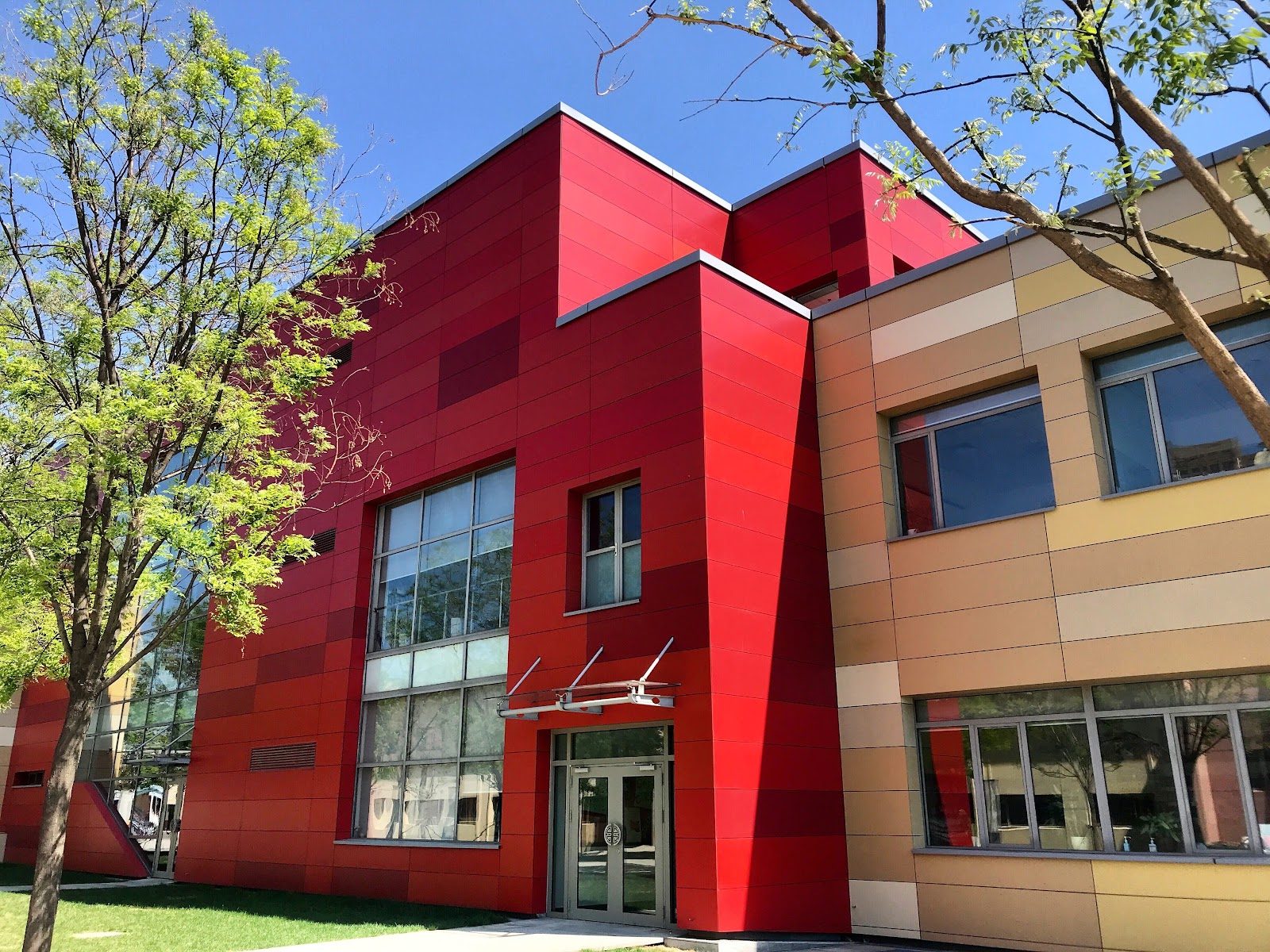
International School of Tianjin
Tianjin · China
Tianjin's only three-programme IB World School, where Diploma scores average 36 points against a global mean of 30
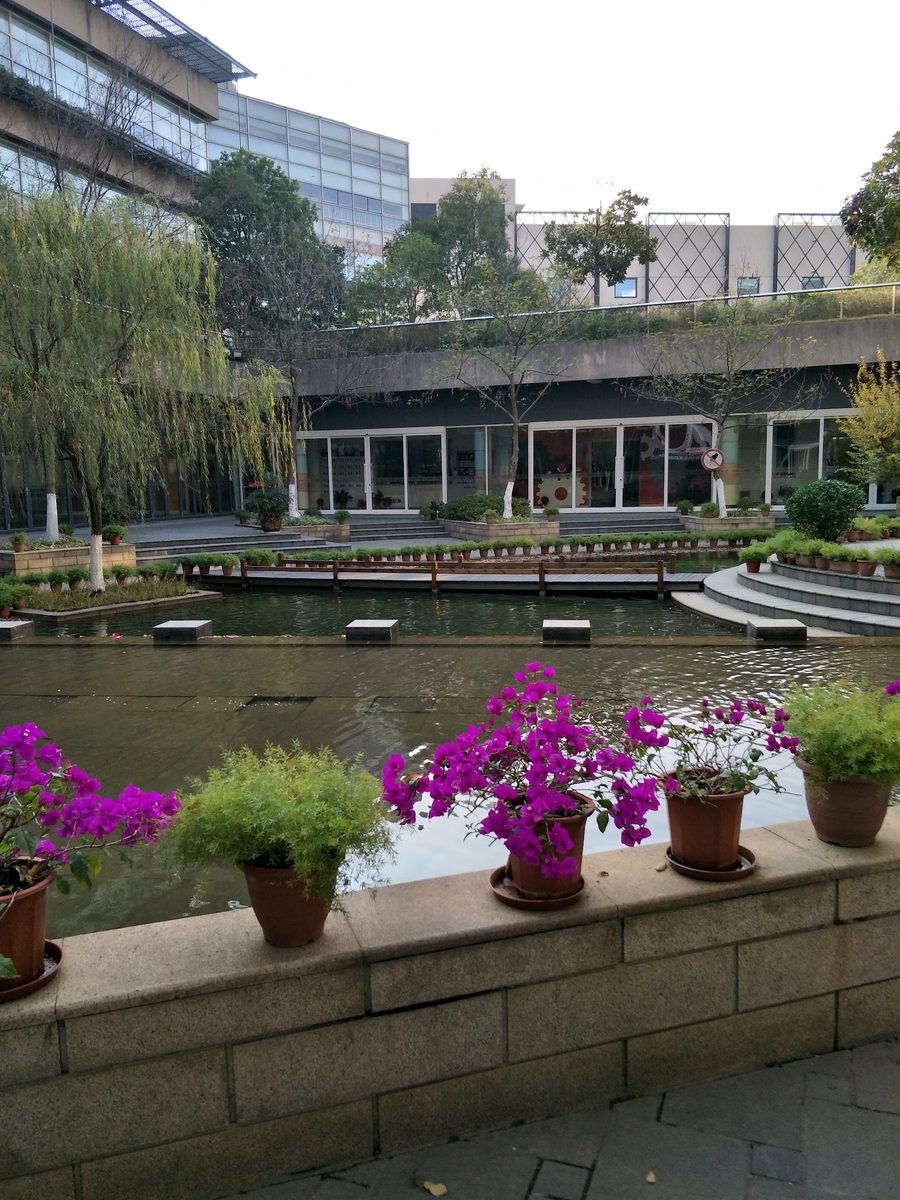
Shanghai Singapore International School
Shanghai · China
Singapore maths rigour anchors an IGCSE-to-IB pathway, threaded with banded Chinese immersion in Minhang's expatriate heartland.
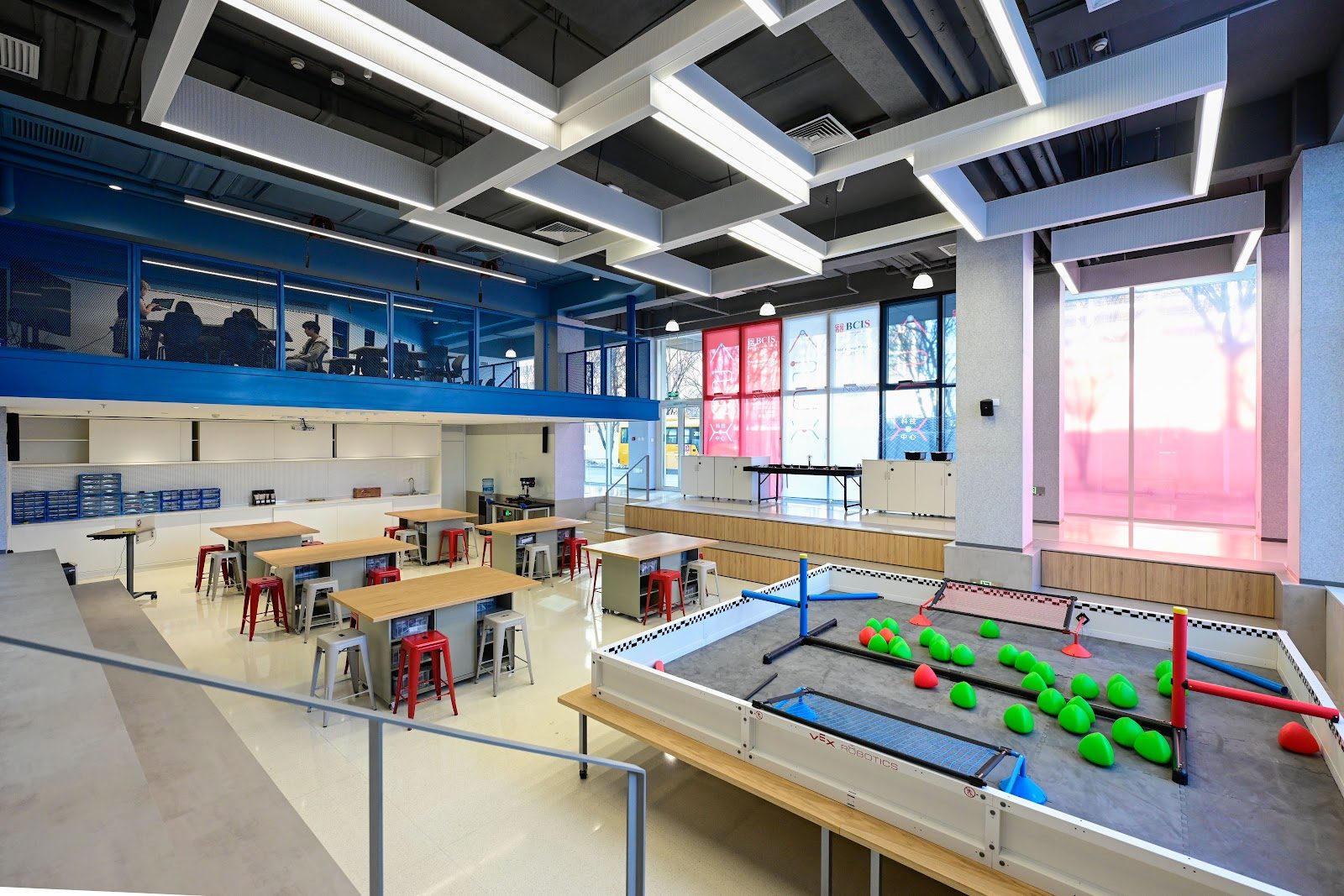
Beijing City International School
Beijing · China
In Beijing's Central Business District, a full IB continuum pairs with IDEATE, an in-house project-based track alongside the diploma years.
Utahloy International School Guangzhou
Guangzhou · China
Lakeside in Baiyun since 1998, running Guangzhou's only full IB continuum, with most graduates earning bilingual diplomas.
Same country and curriculum — closest matches within ±10 points either way