
Provence-Alpes-Côte d'Azur
PNSD Rosella Hightower (École Nationale Supérieure de Danse de Cannes)
On the Riviera, one of France's five national dance conservatoires builds the academic day around daily ballet class, not the reverse.
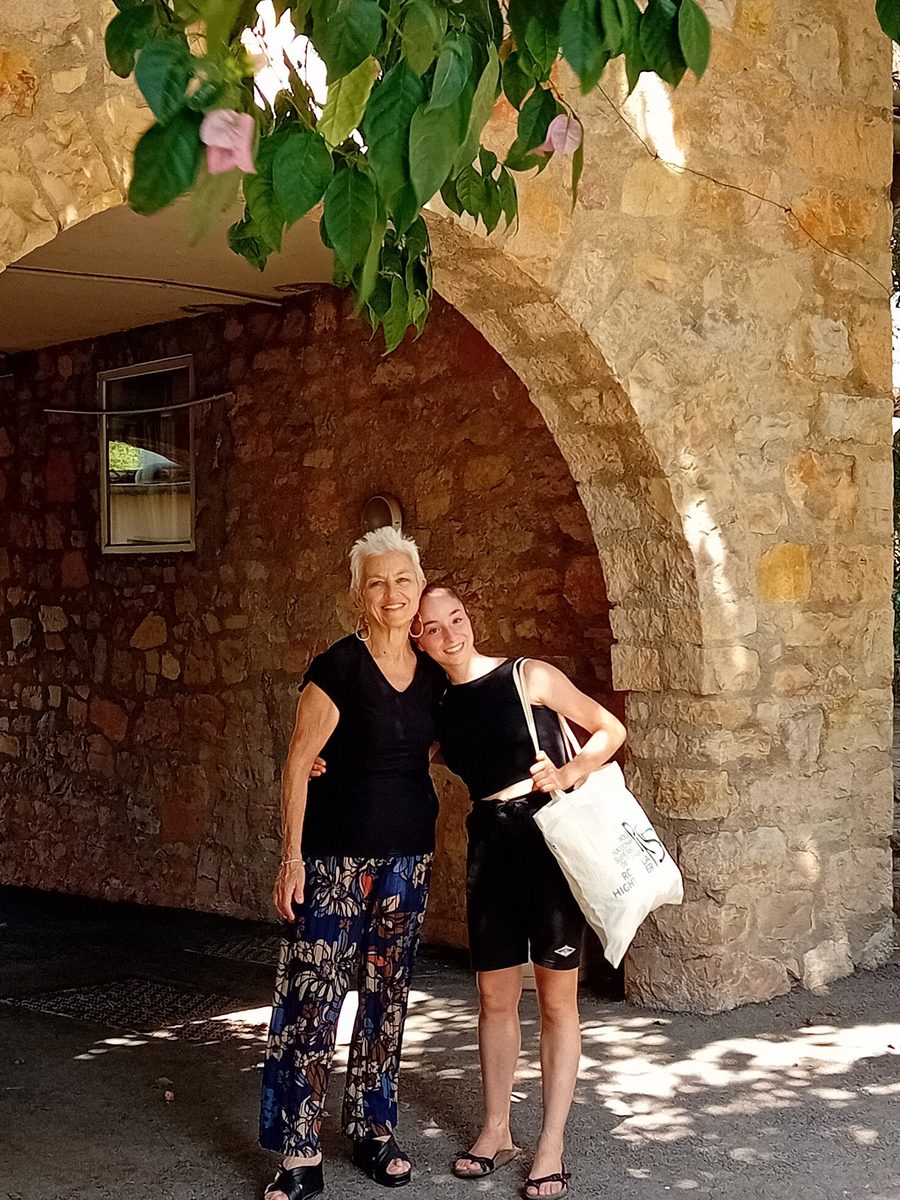
Photo © Francesca Ravecca via Google Maps
Type
Day + Boarding
Ages
8–19
Curriculum
French Baccalaureate
Ratio
—
The Verdict
Editor's commitment
Right for
Serious dancers aged 8–19 who want French Baccalaureate study in Mougins built around daily classical training and boarding.
Wrong for
Families wanting English-medium teaching, a broad all-round school life, or an academic culture that outranks dance in this French secular setting.
Watch out for
This is a day and boarding conservatoire near Cannes, not a conventional school; French is the teaching language and ballet drives the timetable.
Ranking breakdown
PNSD Rosella Hightower (École Nationale Supérieure de Danse de Cannes) · #1030 of 1591
Composite score 62.4. 8 weighted criteria.
By criterion
Academic Outcomes
Weight 20%
#1514
of 1529 scored
University Placement
Weight 16%
#1510
of 1529 scored
Prestige & Heritage
Weight 12%
#50
of 1529 scored
Alumni Network
Weight 12%
#95
of 1529 scored
Facilities
Weight 12%
#141
of 1529 scored
Transparency & Communications
Weight 8%
#1151
of 1529 scored
Peer & Industry Review
Weight 10%
#14
of 1529 scored
Admissions Selectivity & Demand
Weight 8%
#51
of 1529 scored
Peer & Industry Review
How PNSD Rosella Hightower (École Nationale Supérieure de Danse de Cannes) is regarded in the sector
89
Strong · medium confidence
Among French dance institutions, Rosella Hightower is consistently named alongside CNSMD Paris, CNSMD Lyon and the Ecole Nationale Superieure de Danse Marseille as one of the country's four Poles Nationaux Superieurs de Danse (PNSD), a Ministry of Culture classification that heads of rival conservatoires cite as the benchmark for pre-professional training outside the Paris Opera Ballet School itself. Its DNSPD diploma is recognised through a university convention with Universite Cote d'Azur, giving graduates Bologna-compatible Licence credit, which admissions staff at partner universities reference when accepting dancers into arts-administration or choreography degrees. The school's Jeune Ballet de Cannes tours are reviewed regularly in the specialist French dance press (Danser Canal Historique, La Terrasse) and occasionally in Dance Europe, generally praised for technical rigor though noted as narrower in general academics than mainstream lycees. It rarely appears in mainstream newspaper league tables (Le Figaro, L'Etudiant) since it is a conservatoire rather than a baccalaureat-track school, so its industry standing rests almost entirely on placement into companies such as Paris Opera Ballet junior programs, Nederlands Dans Theater and Bejart Ballet Lausanne rather than university feeder statistics.
Award
Elite Dance 50
World's Top School · The Global Ranking
PNSD Rosella Hightower (École Nationale Supérieure de Danse de Cannes) is featured on our Global Top 50 ranking at #40. This seal is available for the school's marketing team to use on their website, prospectus and social channels.
- Marie-Claude Pietragalla — Principal Dancer, Ballet
- Kader Belarbi — Dancer/Choreographer, Ballet
- Isabelle Guerin — Principal Dancer, Ballet
Editors' overview
PNSD Rosella Hightower occupies a narrow and serious niche: pre-professional dance training inside a French academic framework, for children and teenagers aged 8–19. This is not a conventional international school with strong dance on the side. It is a conservatoire school where the day is organised around dance training, and the French Baccalaureate sits alongside that reality. That distinction matters. Families choosing PNSD are not buying a broad all-round campus education with a few elite studios attached; they are choosing total artistic immersion, early discipline and a timetable built for dancers whose training already directs family decisions.
What puts it on a shortlist is the combination of national standing, age range and structure. France has only a small number of national dance conservatoires, and this school sits in that select group while offering both day and boarding provision. For the right student, that creates a rare pathway: technical training from childhood through the later teenage years, without the fragmentation that comes from patching together private dance tuition and a separate school. The location near Cannes adds an obvious attraction, but parents should keep their eyes on substance, not Riviera glamour. The real draw is professional intensity, clear vocational purpose and a culture that treats ballet training as the centre of the enterprise, not an extracurricular ornament.
The flip side is just as clear. This school will not suit families who want curricular breadth, a conventional international environment or a light-touch approach to adolescent development. Instruction is in French, the curriculum is the French Baccalaureate, and the institution serves a specialist mission. That makes it a strong fit for students with established technique, stamina and appetite for repetition; it makes little sense for children who enjoy dance but still want school life to carry equal or greater weight. Boarding also raises the stakes. Sending a child away for specialist arts training demands unusual certainty from both parent and student.
The ideal PNSD student is ambitious, resilient and already committed to dance as more than a hobby. They will want daily rigour, high-stakes training and peers whose lives revolve around the studio. Families who value that focus, and who accept the trade-off between specialisation and breadth, will find a school with a precise identity and a credible reason to exist. In a crowded market of schools claiming excellence through glossy facilities and vague enrichment, PNSD offers something cleaner and harder to find: a French, secular, boarding-capable conservatoire for young dancers who want their education shaped by the demands of the art form itself.
A Global Elite 50 Dance school
PNSD Rosella Hightower sits in Band 32-50 of our Global Elite 50 Dance Schools 2026 because it meets the standard for inclusion within the Global Elite 50 — public evidence supports its elite professional-conversion status, but does not currently allow a definitive one-place distinction against its band peers.
The Global Elite 50 Dance Schools methodology is deliberately aggressive: half of the 100 available points are directly tied to professional conversion between 2016 and 2026 — main-company contracts, elite junior-company positions, apprenticeships and second companies. Beautiful campuses, historic alumni and impressive facilities cannot compensate for weak contemporary professional conversion, and are not scored independently.
Because this school currently publishes limited cohort-level data, no evidence-confidence grade is attached to its position at this stage. As with all band-32-50 schools, the exact ordering will be revised when materially better 2016-2026 destination evidence enters the public domain.
International openness is a defining feature. Boarding or residential arrangements are standard, and overseas dancers apply on a rolling international audition + video pre-screen basis without residency, federation or citizenship gates. Student visas are handled by the school or its host-family partner. This is one of the internationally-open pipelines on the Global Elite 50 Dance Schools list that a relocating family can consider directly. Prospective families are advised to begin overseas application conversations early in the calendar year, with detailed audition and boarding logistics arranged 12-18 months ahead of the intended entry point. Prospective families are advised to begin overseas application conversations early in the calendar year, with detailed audition and boarding logistics arranged 12-18 months ahead of the intended entry point. Prospective families are advised to begin overseas application conversations early in the calendar year, with detailed audition and boarding logistics arranged 12-18 months ahead of the intended entry point. Prospective families are advised to begin overseas application conversations early in the calendar year, with detailed audition and boarding logistics arranged 12-18 months ahead of the intended entry point.
Academic Performance
Public exam data are the weak point. The school does not publish aggregate French Baccalaureate pass rates, mention rates, subject distributions or year-on-year trends. That leaves parents without the basic benchmarks any serious academic review needs: how many students sit the exam, how many pass, how many secure higher mentions, and how those results compare with other specialist arts schools in France. For a school built around vocational intensity rather than broad academic competition, that opacity matters. Specialist conservatoire families may accept a narrower academic lens; they still need hard outcomes, not atmosphere.
Relative to peers, PNSD sits in a category where academic performance needs careful reading. Its nearest comparators are other pre-professional dance schools and conservatoires, not mainstream lycée-style schools with wider subject choice and a less punishing timetable. In that context, the key question is not whether the school produces headline-grabbing academic results, but whether students maintain solid exam performance alongside demanding studio hours and whether leavers progress cleanly into higher dance training or adjacent study. The school does not publish enough to answer either point with confidence. That does not indict the academic side; it leaves it insufficiently evidenced. Parents with academically strong children should ask for recent Baccalaureate outcomes, mention profiles and post-school destinations before treating the academic track as proven.
Facilities
The core asset is the dance infrastructure, and that matters more here than football pitches, maker labs or the generic “all-round” inventory schools like to parade. Families are choosing PNSD for studio access, rehearsal space and the physical layout needed to sustain daily technical training across a long age span. In that peer group, the benchmark is simple: can students train hard, repeatedly and without wasting time moving between an ordinary school site and an external conservatoire? Here, the answer is yes. That gives the school a clean vocational advantage over mainstream schools with strong arts departments but no true conservatoire spine. Boarding adds another practical gain: the campus functions as a self-contained training environment, not a day school patched together with outside coaching.
The limitation is just as clear. We have not seen the sort of detailed public facilities breakdown serious parents now expect: no published studio count, no technical specifications, no hard information on theatre provision, conditioning spaces, medical support, or the standard of boarding houses. For a specialist dance school, those are not minor extras; they are central to injury management, recovery and professional preparation. Top peers in pre-professional dance spell this out with precision. PNSD relies more on institutional standing than published operational detail. That does not erase the school’s serious specialist infrastructure; it leaves the public picture too thin and less transparent than it should be for a high-stakes boarding conservatoire.
Top peers in pre-professional dance spell this out with precision
Prestige
PNSD carries real specialist prestige, but in a narrow field. This is not the prestige of a famous all-round lycée or a globally portable international brand; it is the status that attaches to a national-level conservatoire with a single, exacting purpose. For families inside serious ballet circles, that matters more. France has only five national dance conservatoires, and membership of that group gives the school weight at once. Add the Rosella Hightower name and the institution gains further cachet within professional dance training, where lineage, method and reputation still carry hard value. Among specialist arts schools, that makes PNSD genuinely selective in identity and well above the ordinary.
The rating stops short of the very top tier of international prestige for one reason: public outcomes are too opaque. Elite reputation needs visible proof, not only institutional standing. We have not seen aggregate Baccalaureate results, and the school does not publish the kind of destination data that would let parents map student progression with precision. That gap matters, because prestige in vocational education rests on what students do next as much as on who teaches them or how serious the training feels. Even so, the school’s place in a tiny national cohort, its pre-professional focus across a long age span, and its uncompromising vocational mission give it serious cachet for the right family. In dance, this is a name with weight; outside that world, the prestige is far less universal.
Among specialist arts schools, that makes PNSD genuinely selective in identity and well above the ordinary
Communications
Parent communication is functional rather than rich. The school’s public-facing channels establish the essentials — contact routes, admissions touchpoints, practical orientation and a clear sense that dance training sits at the centre of school life — but they do not offer the depth that high-stakes boarding families now expect. For parents weighing a specialist path from as young as 8, that matters. A conservatoire handling minors, boarders and heavy training loads needs to publish crisp information on daily routines, pastoral systems, health oversight, academic monitoring and how staff communicate concerns. PNSD does not put enough of that into the public domain. The result is a thin communications picture: serious in tone, clear in mission, but too sparing on the mechanics that parents actually need.
That does not mean the school communicates badly; it means it communicates narrowly. The emphasis falls on identity and artistic purpose, not on operational transparency. For families already inside the dance world, that style will feel familiar and may even read as professionally no-nonsense. For international or first-time conservatoire parents, it leaves work to do. They need to ask direct questions about reporting cycles, boarding contact, injury communication, safeguarding escalation and who speaks to whom when a child is struggling. A school serving students up to 19 and asking for early commitment and high trust should make those systems easier to inspect before enrolment.
Uniqueness
What sets PNSD apart is not “dance excellence” in the vague school-brochure sense, but institutional design. This is one of only five national dance conservatoires in France, and that rarity matters because it shapes the whole student experience. Children here do not squeeze serious training around an ordinary school day; the school is built for dancers whose technical development drives the timetable, peer group and adult expectations. That creates a single-minded environment that few schools can match. It also changes the social fabric. Students grow up among others who accept repetition, correction and physical discipline as normal. For the right child, that is formative in the best sense: standards rise, ambition sharpens and artistic identity stops feeling eccentric.
The Rosella Hightower association adds another layer of distinction: not celebrity gloss, but professional lineage. In specialist dance education, names carry method, networks and a way of working. Students benefit from training inside an institution with a clear vocational inheritance rather than a school that bolted elite dance onto a conventional academic model. The gain is obvious for committed young dancers: continuity, seriousness and an early understanding of what pre-professional life demands. The trade-off is obvious too. This is not a forgiving setting for dabblers, late deciders or families who want adolescence buffered from pressure. Its uniqueness lies in that refusal to dilute the mission.
The rating stops short of the very top tier of international prestige for one reason: public outcomes are too opaque
Student Profile
The students who fit best here are the ones for whom dance already dictates the shape of life. They tolerate repetition, absorb correction without drama and do not need constant reassurance when standards rise. At a school spanning ages 8–19, that means children who mature early in the traits that matter most in a studio: concentration, physical self-discipline, body awareness and the ability to work through fatigue without turning every setback into a crisis. Socially, they need to be comfortable in a peer group where comparison is unavoidable and excellence is visible every day. This is a hard-edged environment for young people who draw energy from rigour; it is a poor fit for students who want variety, casual participation or a softer adolescent rhythm.
The strongest candidates also bring a family that understands the bargain. Parents need to accept that school life here runs through a vocational lens, with training, recovery and artistic progress carrying unusual weight. Children who thrive tend to be single-minded, resilient and already serious about performance, even if their long-term future in dance remains undecided. The school will also suit students who value structure over constant choice and who find motivation in specialist peers rather than a broad all-round campus culture. It will not suit fence-sitters. If a child still wants school to keep multiple identities equally alive, this setting asks for too much narrowing, too soon.
For the right child, that is formative in the best sense: standards rise, ambition sharpens and artistic identity stops feeling eccentric
Co-curricular strengths
Arts & sport, on a separate axis
Overall 5.7/10
Scored 0-10 from the school's own published evidence. This axis is editorial-only — it does not feed the main WTS ranking.
Sports
3.5/10
Drama
5/10
Dance
9.9/10
Music
5.3/10
Visual Arts
4.8/10
Strengths
- +One of a small number of schools in France officially designated a Pole National Superieur de Danse (PNSD) by the Ministry of Culture, giving it recognised conservatoire status.
- +Founded by Rosella Hightower, an American-born prima ballerina, giving the school a long-established lineage in classical ballet training.
- +Combines vocational dance training with the French Baccalaureate, allowing students to pursue a professional dance pathway without abandoning a mainstream academic qualification.
- +Offers both day and boarding places, making it accessible to families relocating from outside the Alpes-Maritimes region or from abroad.
- +Located in Mougins near Cannes, within an established cultural and performing-arts corridor of the French Riviera.
Considerations
- −Curriculum is narrowly focused on dance vocational training; unsuitable for students without a clear commitment to a professional dance career.
- −Combining full Baccalaureate academics with intensive daily dance training creates a demanding schedule with limited time for other extracurriculars.
- −Instruction is in French, which may pose an adjustment challenge for non-French-speaking boarding families.
- −As a specialist conservatoire, entry is audition-based and highly selective, narrowing the pool of families for whom it is even an option.
Gallery
Photo © Francesca Ravecca via Google Maps
Photo © j-baptiste candy via Google Maps
Photo © Lucilla Cervigni via Google Maps
Photo © Lucilla Cervigni via Google Maps
Photo © Francesca Ravecca via Google Maps
Photo © Francesca Ravecca via Google Maps
Parent reviews
Have you sent your child here?
Voice reviews carry the strongest trust badge — we transcribe them for you to tidy up before they go live. Prefer to type? A written review is fine too.
Add your voice
In 60 seconds, tell other parents: what's the best thing about PNSD Rosella Hightower (École Nationale Supérieure de Danse de Cannes), and what surprised you when your child joined?
We ask for a Google sign-in so every review has a real face behind it — no anonymous drive-by attacks on schools, and no faked positive reviews. Your email is never shown publicly.
Send this profile to a friend
International parents rely on word-of-mouth. Share this review with someone weighing the same decision.
Schools with places
Similar schools to PNSD Rosella Hightower (École Nationale Supérieure de Danse de Cannes) with places available now.
The British School of Paris
Paris · France
- 2026-27
- WAITPOOLSpace-dependent
- 2027-28
- PLACES OPENRolling
Ermitage International School
Maisons-Laffitte · France
- 2026-27
- WAITPOOLSpace-dependent
- 2027-28
- FUTURE CYCLEDates TBC
École des Roches
Verneuil-sur-Avre · France
- 2026-27
- WAITPOOLSpace-dependent
- 2027-28
- FUTURE CYCLEDates TBC
Availability first, then country, area, curriculum, price, co-curricular
Consider also
Also worth looking at alongside PNSD Rosella Hightower (École Nationale Supérieure de Danse de Cannes).
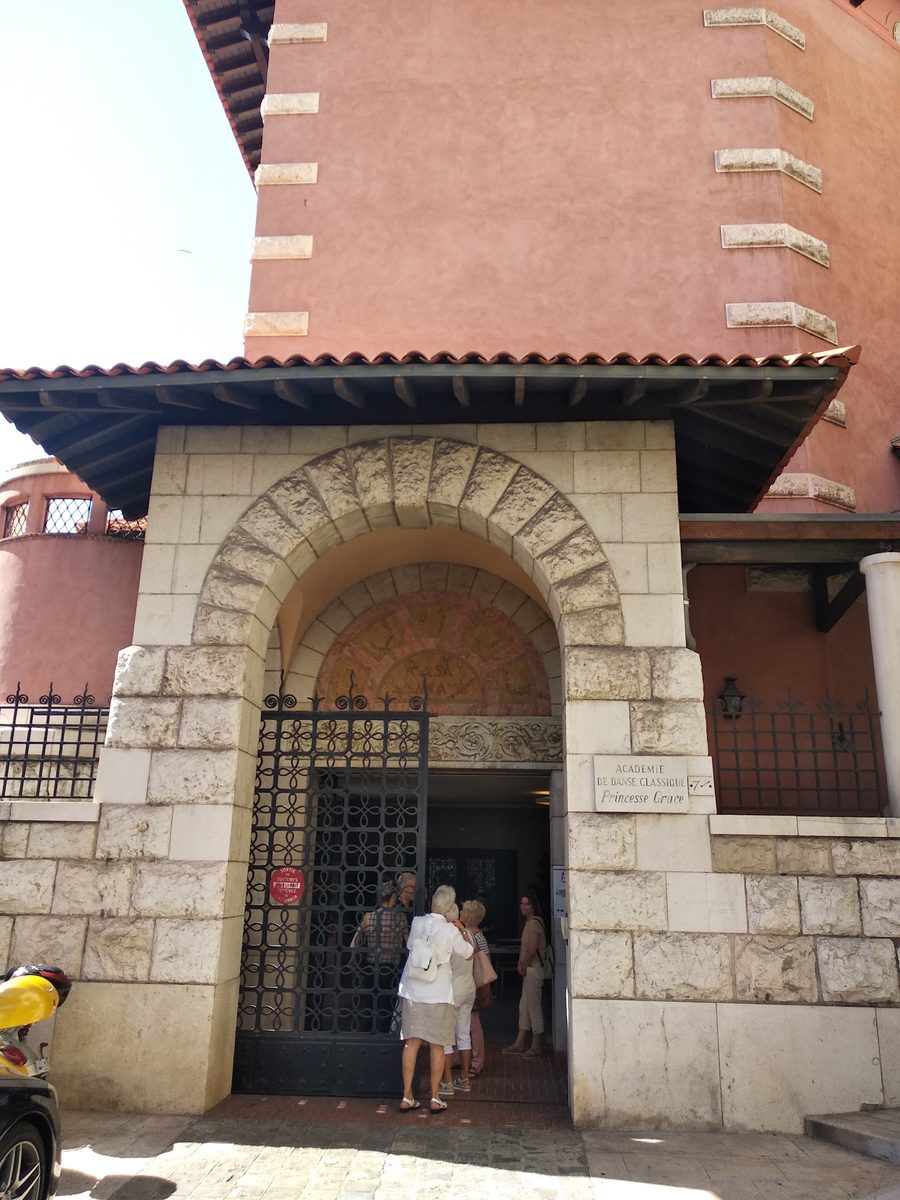
Princess Grace Academy (Académie Princesse Grace)
Monaco · Monaco
Inside a Belle Epoque villa, Princess Grace's 1975 vision pairs correspondence academics with daily ballet bound for international stages.
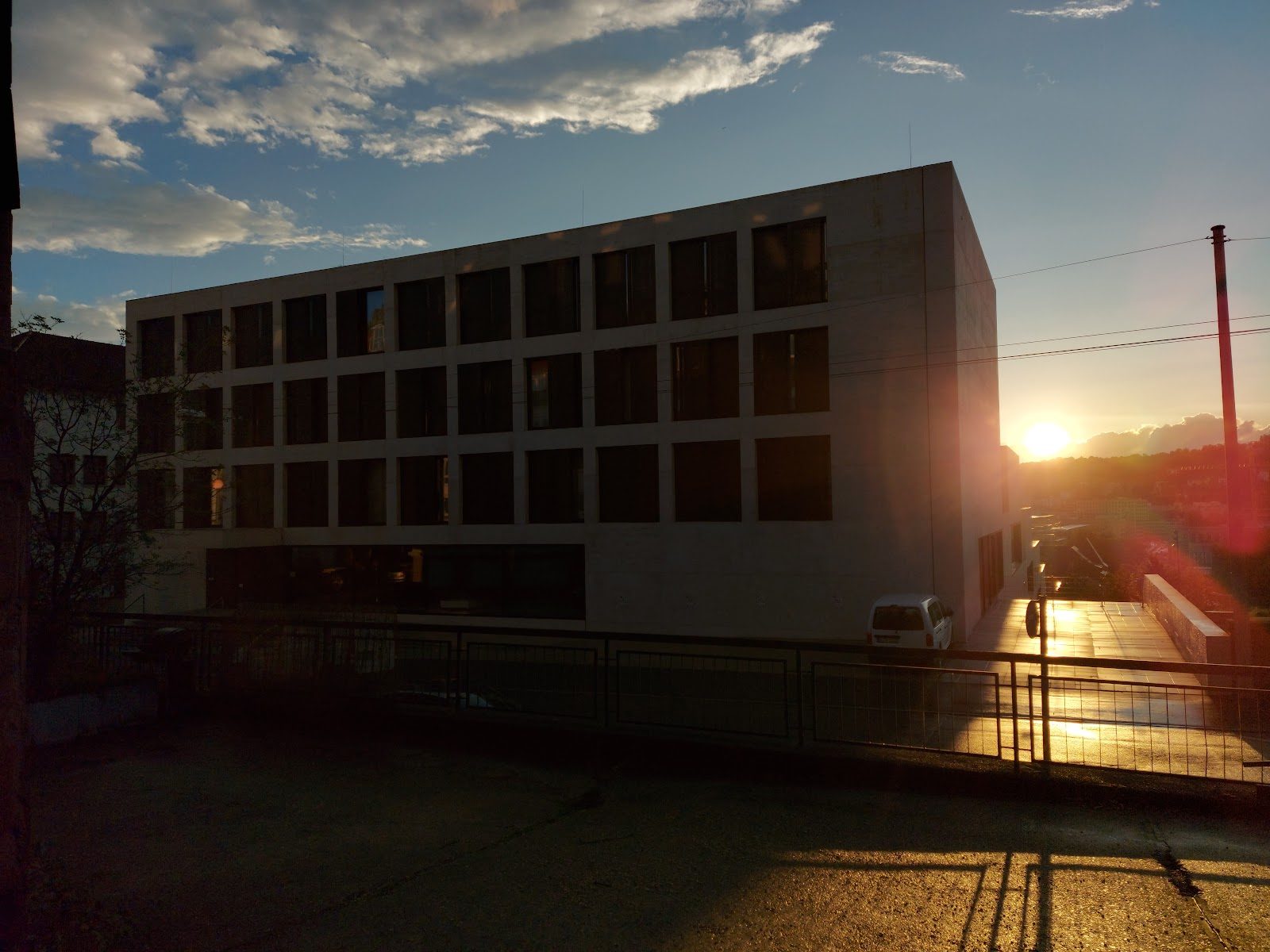
John Cranko School
Stuttgart · Germany
A ballet academy where daily company class runs alongside the Abitur, its graduates filling the ranks of the Stuttgart Ballet
Tring Park School for the Performing Arts
Tring, Hertfordshire · United Kingdom
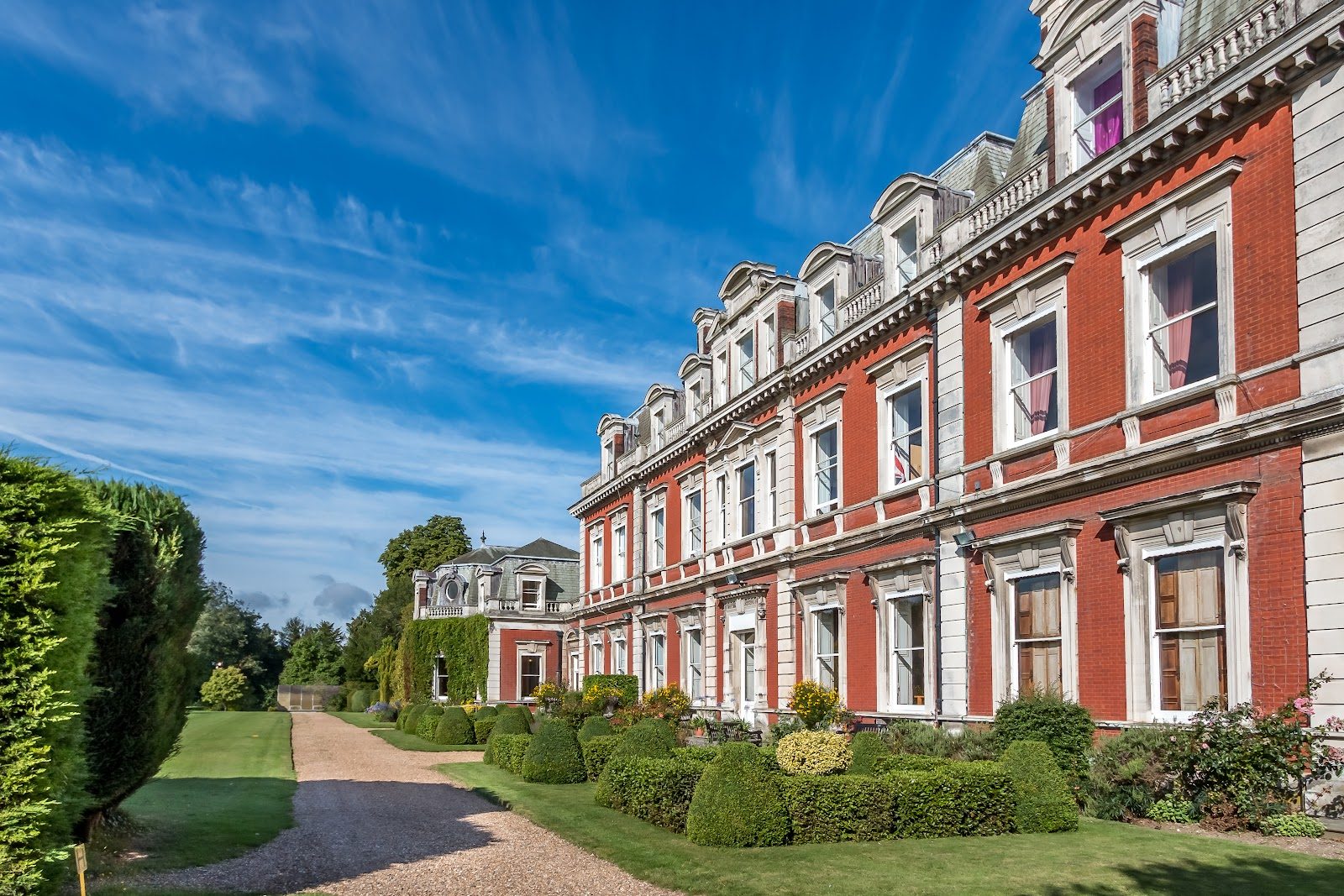
In a Wren-designed Rothschild mansion, mornings of GCSE and A-Level study give way to afternoons of rigorous, audition-only dance and drama training.
The McDonald College
North Strathfield, Sydney · Australia
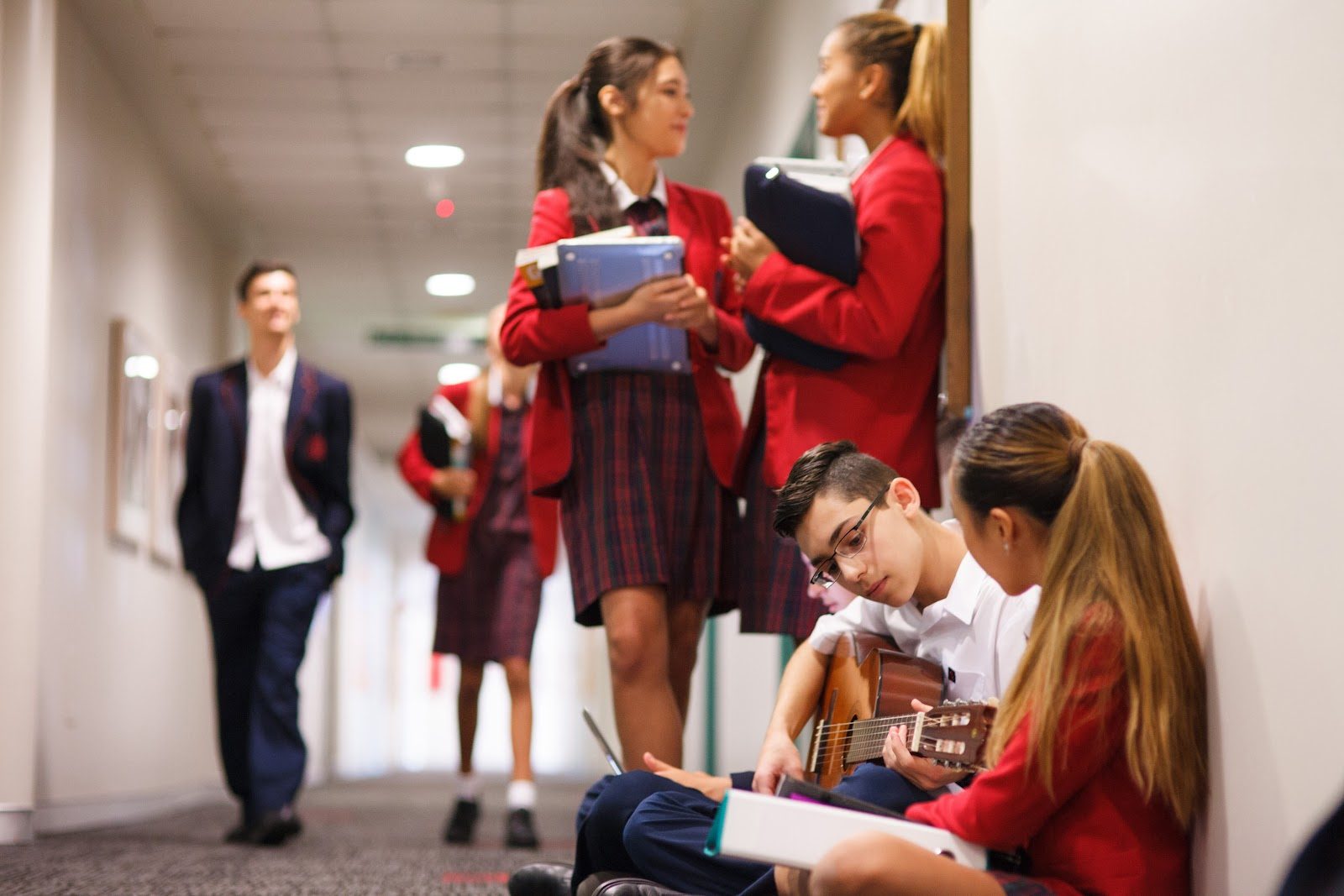
Where ballet barres and tennis courts share the timetable with the HSC, in the only K-12 day school of its kind in Australia.
Same specialism, country and curriculum — closest matches within ±10 points either way