
Western Province
Ladies' College
high confidence· 5/6 cats · 2.94 avg sourcesFounded in 1900 by an Irish missionary teacher, this Colombo school's hall has hosted the Symphony Orchestra of Sri Lanka since 1958.
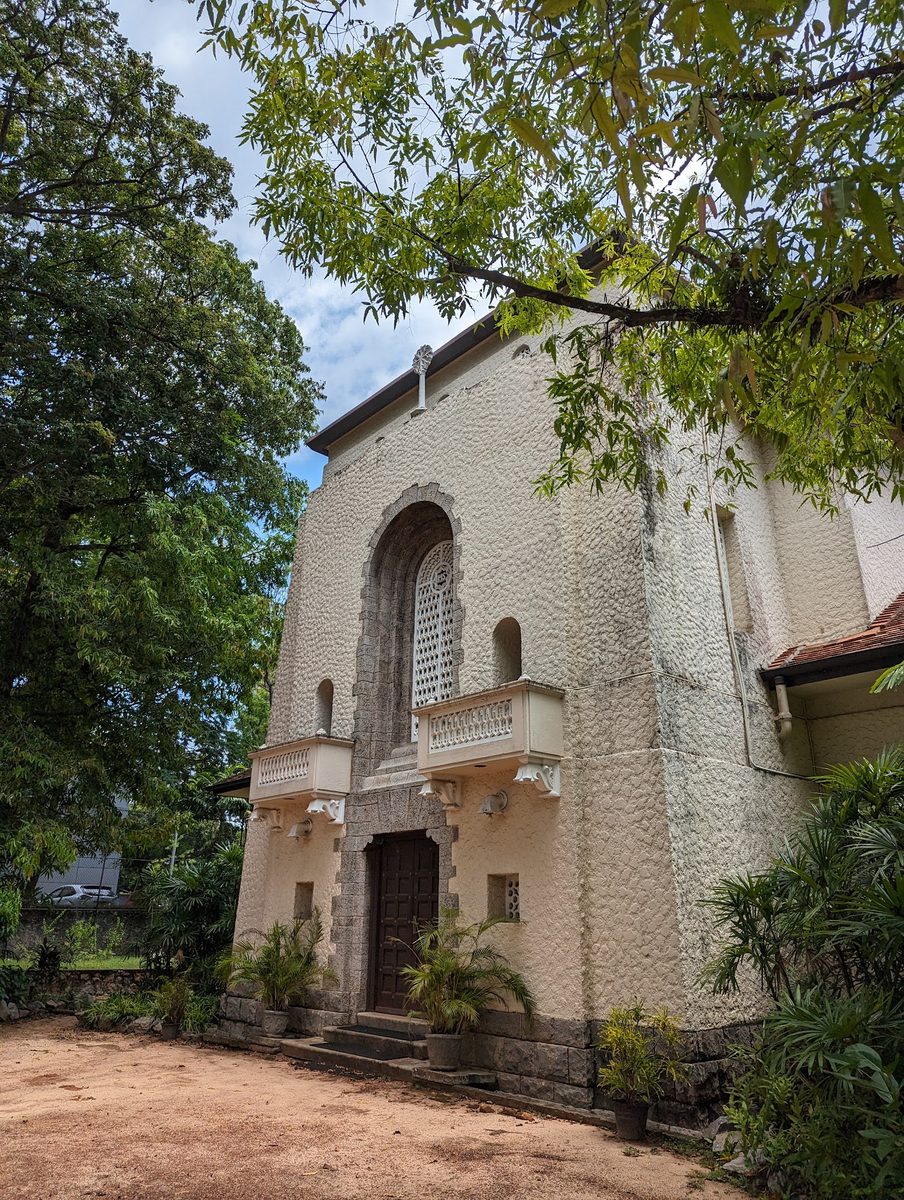
Photo © Sanoj Perera via Google Maps
Type
Day
Ages
3–18
Curriculum
British
Ratio
—
The Verdict
Editor's commitment
Right for
Girls wanting an English-medium British curriculum in Colombo, with Cambridge accreditation and a school founded in 1900.
Wrong for
Families wanting a non-religious school: Ladies' College identifies as Christian, and recent destinations list Colombo, Kelaniya and Moratuwa, one each.
Watch out for
The average annual fee is US$246, but published destination data is thin and the school is day-only for ages 3–18.
Ranking breakdown
Ladies' College · #1028 of 1591
Composite score 62.4. 8 weighted criteria.
By criterion
Academic Outcomes
Weight 20%
#1002
of 1529 scored
University Placement
Weight 16%
#1015
of 1529 scored
Prestige & Heritage
Weight 12%
#870
of 1529 scored
Alumni Network
Weight 12%
#738
of 1529 scored
Facilities
Weight 12%
#1171
of 1529 scored
Transparency & Communications
Weight 8%
#1138
of 1529 scored
Peer & Industry Review
Weight 10%
#883
of 1529 scored
Admissions Selectivity & Demand
Weight 8%
#760
of 1529 scored
Score history
Ladies' College · 2026
Movement across 2024–2026. Peer average overlaid.
Overall — 2024–2026
62.4/ 100
▲ +17.5 vs 2025
year on year
Peer & Industry Review
How Ladies' College is regarded in the sector
65
Respected · medium confidence
Ladies' College Colombo is consistently referenced in Sri Lankan press and alumni coverage as one of the leading girls' schools in Colombo, with prominent alumnae in law, medicine, and public life frequently noted in local newspapers (e.g., Daily Mirror, Sunday Observer profiles). However, it receives little to no coverage in international specialist education press such as Tatler or the Good Schools Guide, which limits its visibility in global 'best schools' rankings compared to regional peer recognition.
Evidence sources
- Chandrika Bandaranaike Kumaratunga — Former President, Politics
- Radhika Coomaraswamy — UN Under-Secretary-General, Human Rights
- Rosy Senanayake — Politician and Diplomat
Editors' overview
The school’s own hall has hosted the Symphony Orchestra of Sri Lanka since 1958, which tells you something useful about Ladies’ College before you reach the prospectus language: this is an old Colombo institution with cultural weight beyond its gates. Founded in 1900 by Lilian Nixon from Ireland and Elizabeth Whitney from Canada, it has had time to build a clear identity. That identity is not secular, despite the context note: the school itself calls Ladies’ College a Christian private national girls’ school, founded at the behest of the Church Missionary Society. Parents who want a girls’ day school with a British curriculum, Cambridge accreditation and a long-established place in Colombo’s civic life will take it seriously.
Its market position is distinctive because the price is startlingly low by international-school standards: an average annual day fee of 246 USD across ages 3 to 18. That does not buy an expatriate-style campus fantasy; it buys access to a deep-rooted, academically serious local institution teaching in English. The recent university destinations published here are domestic rather than global-brand showcases — University of Colombo, University of Kelaniya and University of Moratuwa, with 1 student listed for each — and that matters. Ladies’ College is not trading on a stream of headline-grabbing overseas placements. It is selling something more specific: continuity, discipline, girls’ education and status in Sri Lanka’s own educational ecosystem. The school does not publish fuller destination data in the information here, so parents wanting a hard read on outcomes beyond those named universities will need to ask direct questions.
The pupil who will want to go here is not hunting for a glossy international compound or a school engineered around transient expatriate families. She will value tradition, a single-sex setting and a school culture with institutional gravitas. Families who care about music, public life and the social capital that attaches to a Colombo name with 125 years behind it will put Ladies’ College on the shortlist. So will parents who want English-medium education at a remarkably cheap fee level. The trade-off is straightforward: this is a school with history and standing, not a school selling globalised theatre.
Academic Performance
Academic transparency is thin. The school does not publish aggregate Cambridge results, pass rates, subject breakdowns, value-added data or year-on-year destination patterns beyond a tiny snapshot of named university places. That leaves parents without the basic comparative tools they would get from stronger-reporting peers. In a market where schools compete hard on exam outcomes, that silence matters. It blocks any serious claim that Ladies’ College sits in the top academic tier of British-curriculum schools, and it also blocks the opposite claim. The honest verdict is narrower: this is an institution with clear educational seriousness but opaque public data.
Relative to peers, Ladies’ College fits less into the results-marketing end of the spectrum and more into the old-guard local-school model, where reputation, discipline and tradition carry more weight than published dashboards. The few destinations listed — 1 place each at 3 Sri Lankan universities — point to domestic progression rather than a heavily advertised overseas admissions machine. That does not diminish the school’s academic substance; it does define the kind of evidence parents can expect. Families comparing it with international schools that publish headline A Level or IGCSE metrics will find a stark information gap. Anyone considering Ladies’ College for exam outcomes needs to ask for recent Cambridge results by subject, top-grade distribution, cohort size and university destinations across multiple years.
Facilities
Facilities are not the school’s headline sales tool, and that matters in this market. There is no public catalogue of specialist labs, theatres, sports complexes or tech suites on the level that newer international schools now treat as standard. What does stand out is the hall, a space with real civic significance rather than mere assembly-room utility. A venue that has hosted a national orchestra for decades carries acoustic credibility, stage capacity and a cultural function that many peers, even richer ones, do not match. For families who care about music, performance and public-facing school life, that is a serious asset. It also fits the school’s wider identity: institution-led, ceremony-conscious, not built around lifestyle marketing.
Against Colombo’s top fee-charging international competitors, the facilities picture is plainly less expansive. Parents should not expect the polished arms race of aquatics centres, black-box theatres, design labs and resort-style sports provision that high-cost campuses advertise. At an average annual fee of 246 USD, that trade-off is obvious. What the school offers instead is a campus experience anchored by established communal space and the infrastructure of a long-running girls’ institution, not a flash new build. That will suit families who value function, tradition and cultural substance over architectural spectacle. It will not satisfy parents shopping for premium-campus theatre or a heavy roster of visibly branded specialist amenities.
It blocks any serious claim that Ladies’ College sits in the top academic tier of British-curriculum schools, and it also blocks the opposite claim
Prestige
Ladies’ College carries real local prestige. In Colombo, old girls’ schools command a status that newer international entrants cannot manufacture, and this school sits firmly in that category. Its public identity rests on continuity, ritual, alumnae loyalty and a place in the city’s cultural life, not on glossy claims about global reach. The hall’s role as home to the national symphony orchestra since 1958 matters because it signals civic relevance beyond the classroom. The school’s Christian heritage also sharpens its profile: for some families that adds moral seriousness and social cachet; for others it narrows appeal. Either way, it gives the institution a defined character rather than a generic private-school finish.
The prestige here is strongest inside Sri Lanka, and strongest among families who value established female education over expatriate branding. That is why the rating sits high on domestic standing and lower on international visibility. The published university destinations point to recognition in the national system rather than a conveyor belt into famous overseas names, and the school’s thin public reporting on results limits its claim to elite academic prestige. Prestige, then, comes less from data than from institutional memory, social standing and the endurance of the name itself. With only 2 notable alumni catalogued in Wikidata, the documented public-famous alumni footprint is modest; the school’s reputation rests more on embedded Colombo respect than on celebrity output.
Against Colombo’s top fee-charging international competitors, the facilities picture is plainly less expansive
Communications
Parent communication looks serviceable rather than polished. The website carries the basics parents need — direct phone lines, an email address for the principal, a parents’ resources area, and clear navigation to history, profile and donations — but it does not deliver the high-transparency, data-rich standard that stronger modern school communications now set. There is warmth in the institutional voice, and a clear sense of internal community, yet the public-facing information remains selective. Parents can identify who the school is and what it values. They get far less help on how the school performs, how it reports progress, or how routinely it shares practical academic information.
That matters because communications quality is not just about tone; it is about operational trust. Ladies’ College communicates its heritage and ethos with absolute confidence. It communicates outcomes and day-to-day accountability with much less force. The presence of more than 1 contact number and a named principal email address signals accessibility, and the existence of a dedicated parents’ portal points to a functioning home-school channel. Still, the school does not publish the level of academic reporting, destination depth or facilities detail that demanding parents now expect before making contact. The result is a communications model that feels institution-first rather than parent-first: solid on identity, thinner on scrutiny, and best navigated by families prepared to ask direct questions rather than wait for the website to answer them.
Uniqueness
What sets Ladies’ College apart is not novelty but institutional density. Plenty of schools claim heritage; few sit so firmly inside the civic and cultural life of their city. This is a girls’ school whose identity extends beyond classrooms into public memory, performance and social recognition. The long-running association with the national symphony orchestra gives the place a rare cultural seriousness that most schools cannot fake with annual concerts and a good auditorium. For students, that brings more than prestige. It creates an atmosphere in which music, ceremony, public presentation and disciplined collective life carry weight. The school’s Christian roots also make it more defined than neutral-branded rivals: there is a stated moral frame, a settled ethos and a clearer sense of what the institution wants girls to become.
Its other point of difference is the combination of old-guard status with an annual fee of 246 USD. That pairing is unusual. Families are not buying imported international-school gloss; they are buying entry into a deeply embedded local institution at a price that keeps it socially relevant beyond the narrowest elite. For students, that can mean a peer group less shaped by expatriate churn and more connected to the country’s own professional and civic networks. The benefit is continuity, belonging and social fluency in Sri Lanka’s establishment culture. The cost is clear too: students who want a highly marketed global launchpad, with polished public data and overt overseas orientation, will find a different proposition here.
Founded in 1900 by Lilian Nixon from Ireland and Elizabeth Whitney from Canada, it has had time to build a clear identity
Student Profile
The best fit is a girl who can thrive inside a settled institutional culture rather than a loose, choice-heavy international environment. This school suits families who want structure, expectation and a strong sense that school life carries rules, rituals and inherited standards. The Christian identity is explicit on the school’s own account, so pupils who are comfortable with a faith-shaped ethos will fit more easily than those wanting a deliberately neutral setting. It also suits girls who value belonging to a long-standing female school community, where alumnae ties, assemblies, performances and public occasions carry real weight. The price point — 246 USD on average across the school — opens the door to families seeking *serious education without luxury packaging*.
The student profile is less aligned with transient expatriate children and more with girls rooted in Sri Lankan family and professional networks. A pupil chasing a high-gloss global launchpad with heavy public celebration of overseas placements will find a mismatch. A pupil who values discipline, cultural life and academic purpose inside an old-guard girls’ school will fit far better. The public university destinations listed are sparse — only 1 student named for each of 3 local universities — which reinforces the point: this is not a school built around conspicuous international admissions theatre. It suits students who do not need constant external validation, and who can draw confidence from reputation, community and continuity instead.
That does not buy an expatriate-style campus fantasy; it buys access to a deep-rooted, academically serious local institution teaching in English
Co-curricular strengths
Arts & sport, on a separate axis
Overall 3.8/10
Scored 0-10 from the school's own published evidence. This axis is editorial-only — it does not feed the main WTS ranking.
Sports
4/10
Multiple sports—Netball, Athletics, Swimming, Tennis, Badminton, Basketball and Cricket—and courts, playing areas and indoor facilities, evidencing a solid multi-sport offering without a named dedicated athletics centre or competitive results.
Drama
3/10
Drama appears explicitly in the extracurricular list.
Dance
—
Music
4/10
Dedicated spaces for music and indoor assemblies, and Choir is listed as an extracurricular, showing a visible structured music provision without named specialist facilities, staff or notable performance pedigree.
Visual Arts
4/10
Dedicated spaces for art, indicating explicit provision beyond a vague arts reference, but there is no named studio, department, exhibition programme or specialist faculty evidence.
Editor first-pass · editor-reviewable · 7/28/2026
Outcomes & destinations
Where students go next
Top destinations
8 placements
- University of Colombo· 1
- University of Kelaniya· 1
- University of Moratuwa· 1
- University of Peradeniya· 1
- University of Sri Jayewardenepura· 1
- University of Cambridge· 1
- Harvard University· 1
- University of Sydney· 1
Reported by the school. Confirm with admissions.
Strengths
- +Established in 1900
- +British curriculum in English
- +Cambridge accreditation
- +10:1 student-teacher ratio
Considerations
- −Girls-only school
- −Day school only
- −Annual fees: 3,500 USD
Availability
Primary entry gate & tests
Academic Record
Gallery
Photo © Sivananthan T via Google Maps
Photo © Sivananthan T via Google Maps
Photo © Sivananthan T via Google Maps
Photo © Sivananthan T via Google Maps
Photo © anura jayalath via Google Maps
Photo © Sivananthan T via Google Maps
Photo © Sivananthan T via Google Maps
Photo © Lanka Coolzone via Google Maps
Photo © Lanka Coolzone via Google Maps
Parent reviews
Have you sent your child here?
Voice reviews carry the strongest trust badge — we transcribe them for you to tidy up before they go live. Prefer to type? A written review is fine too.
Add your voice
In 60 seconds, tell other parents: what's the best thing about Ladies' College, and what surprised you when your child joined?
We ask for a Google sign-in so every review has a real face behind it — no anonymous drive-by attacks on schools, and no faked positive reviews. Your email is never shown publicly.
Send this profile to a friend
International parents rely on word-of-mouth. Share this review with someone weighing the same decision.
Schools with places
Similar schools to Ladies' College with places available now.
Phorms Campus München
Munich · Germany
- 2026-27
- WAITPOOLSpace-dependent
- 2027-28
- FUTURE CYCLERolling claim not independently verified for 2027/28
Regent International School
Dubai · United Arab Emirates
- 2026-27
- PLACES OPENApps open / space-dependent
- 2027-28
- FUTURE CYCLE2027/28 not explicitly published in audit
Merryland International School
Abu Dhabi · United Arab Emirates
- 2026-27
- PLACES OPENApps open / space-dependent
- 2027-28
- FUTURE CYCLE2027/28 not explicitly published in audit
The Grammar School Nicosia
Nicosia · Cyprus
- 2026-27
- WAITPOOLSpace-dependent
- 2027-28
- FUTURE CYCLERolling claim not independently verified for 2027/28
Availability first, then country, area, curriculum, price, co-curricular
Consider also
Also worth looking at alongside Ladies' College.
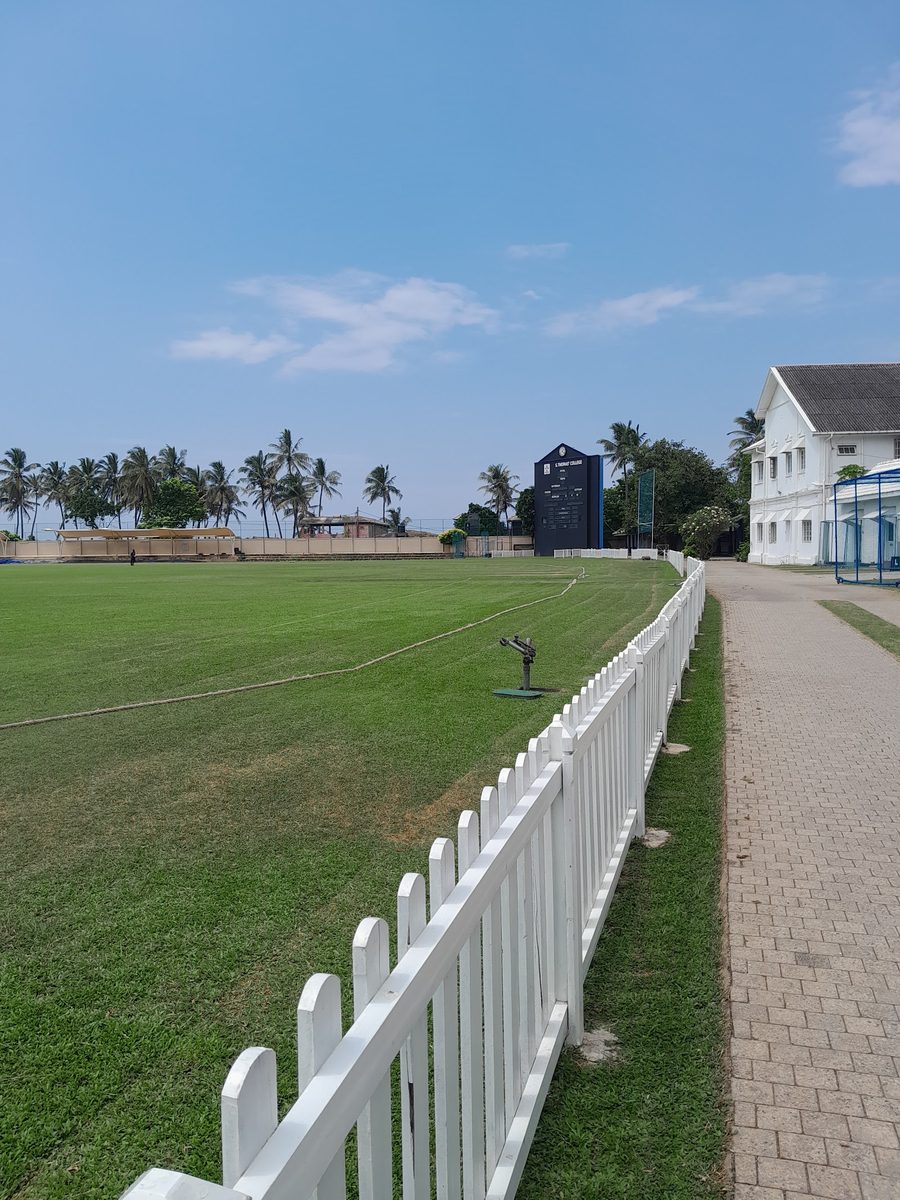
St Thomas' College, Mount Lavinia
Colombo · Sri Lanka
Sri Lanka's 1851 Anglican boys' school in Mount Lavinia, offering day and boarding places on its historic beachside campus.
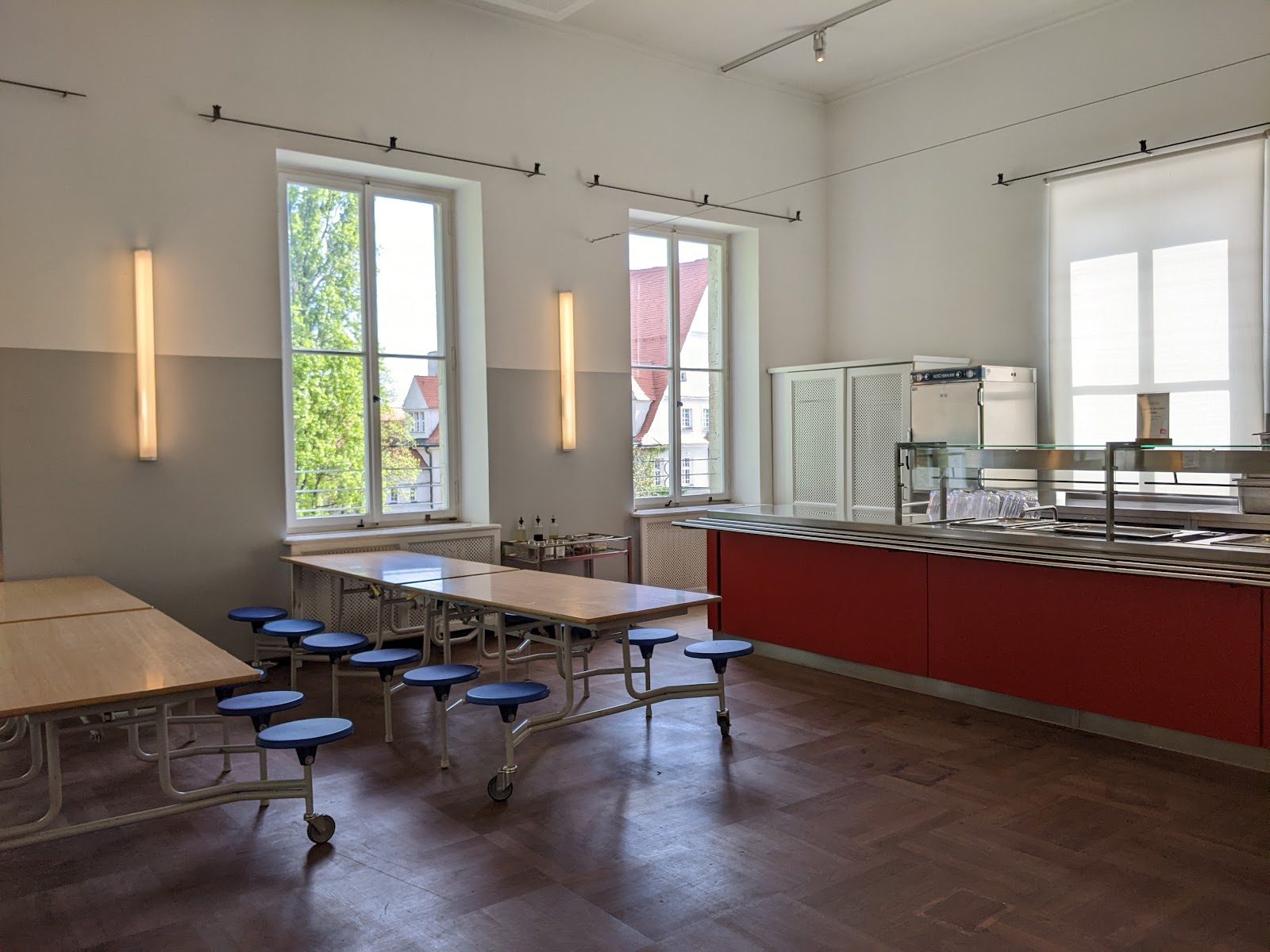
Phorms Campus München
Munich · Germany
In leafy Bogenhausen, the Bavarian Abitur runs alongside the IB Diploma, every class co-taught by native German and English staff.

Regent International School
Dubai · United Arab Emirates
Tucked in The Greens, a British day school where Positive Education sits alongside GCSEs as core curriculum, not an add-on.

Merryland International School
Abu Dhabi · United Arab Emirates
In Mussaffah, this Cambridge pilot school holds Abu Dhabi's top ADEK rating at a fraction of premium British-school fees.
Same country and curriculum — closest matches within ±10 points either way