
Shanghai
A century-old Shanghai institution since 1912, running AP and IB in parallel across two sprawling campuses
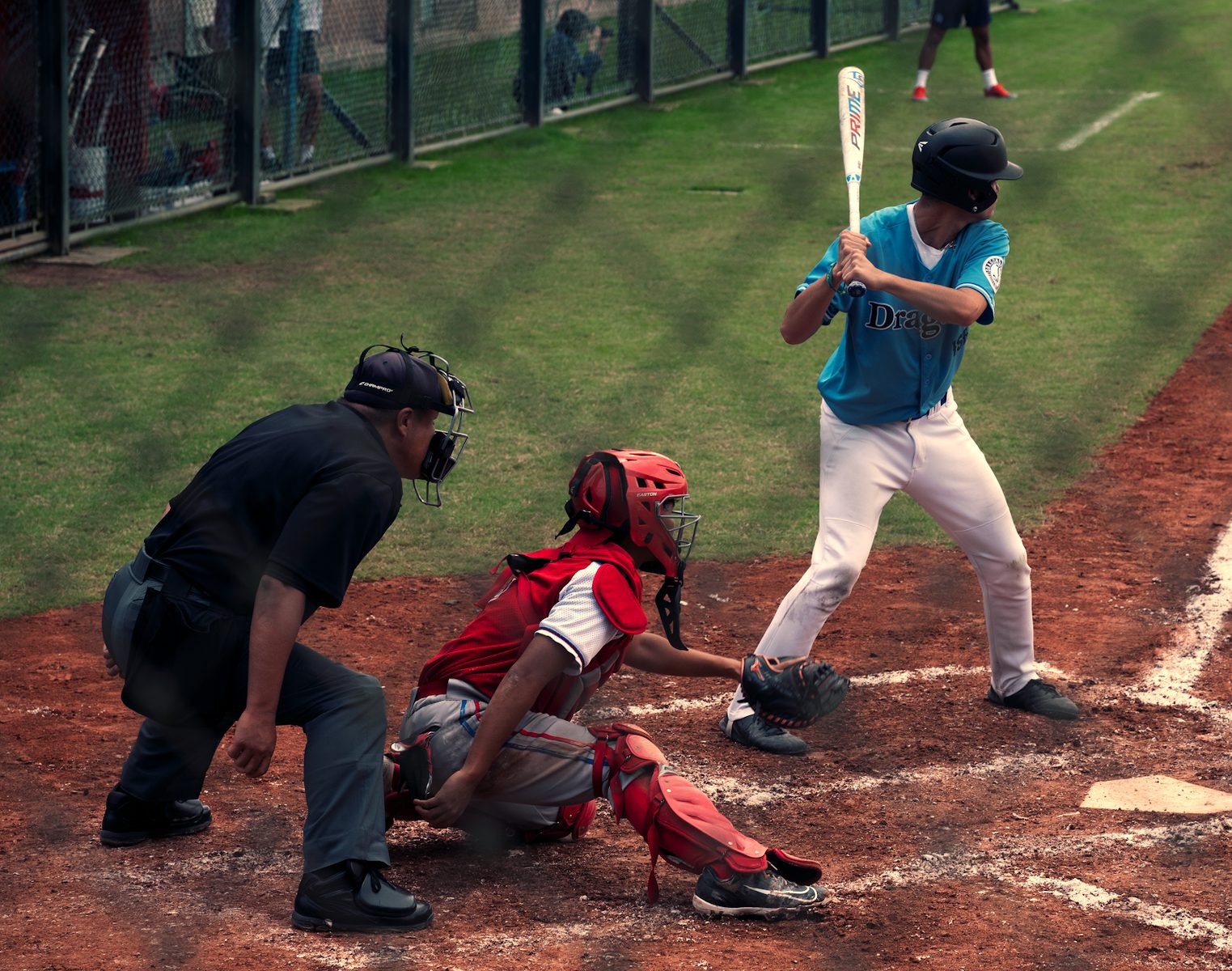
Photo © MagmaFang via Google Maps
Type
Day
Ages
3–18
Curriculum
IB · American
Qualifications
IB PYP · IB MYP · IB Diploma
Ratio
—
The Verdict
Editor's commitment
Right for
Families wanting a non-profit Shanghai institution founded in 1912, with IB and American pathways across two campuses and English-Mandarin schooling.
Wrong for
Parents chasing boarding, a religious ethos, or a cheaper option: this is day-only, non-religious, and averages RMB 286,940 a year.
Watch out for
The scale cuts both ways: two sprawling campuses and parallel IB/AP-style provision can dilute intimacy, and published destinations are thin beyond NTU and CityU Hong Kong.
Ranking breakdown
Shanghai American School · #167 of 1591
Composite score 75.3. 8 weighted criteria.
By criterion
Academic Outcomes
Weight 20%
#334
of 1529 scored
University Placement
Weight 16%
#219
of 1529 scored
Prestige & Heritage
Weight 12%
#296
of 1571 scored
Alumni Network
Weight 12%
#338
of 1530 scored
Facilities
Weight 12%
#11
of 1533 scored
Transparency & Communications
Weight 8%
#16
of 1532 scored
Peer & Industry Review
Weight 10%
#221
of 1548 scored
Admissions Selectivity & Demand
Weight 8%
#1156
of 1529 scored
Score history
Shanghai American School · 2026
Movement across 2024–2026. Peer average overlaid.
Overall — 2024–2026
75.3/ 100
▲ +12.7 vs 2025
year on year
Peer & Industry Review
How Shanghai American School is regarded in the sector
88
Strong · high confidence
Shanghai American School is consistently cited as one of the oldest and largest international schools in China, frequently referenced in expat parent forums (e.g., Reddit r/Shanghai, InterNations, City Weekend expat guides) as a top-tier choice alongside SCIS and Concordia. It holds long-standing WASC and CIS accreditation, is a well-known IB/AP dual-curriculum provider, and its size and reputation make it a frequent benchmark in comparative 'best international schools in Shanghai' listicles from outlets like Sixth Tone, That's Shanghai, and Shanghai Family magazine. Alumni network visibility is moderate-to-strong given its large size and long history since 1912, though it lacks the elite 'Tatler'-style global press coverage of schools like Dulwich or Harrow's China campuses.
Evidence sources
Award
Elite Entrepreneurship, Economics & Finance 60
World's Top School · The Global Ranking
Shanghai American School is featured on our Global Top 60 ranking at #44. This seal is available for the school's marketing team to use on their website, prospectus and social channels.
Editors' overview
The first thing that matters here is age and scale of institutional memory: Shanghai American School dates to 1912, which gives it a depth few international schools in China can match. This is not a start-up in polished branding. It is an old Shanghai institution with two campuses, a non-profit structure and a broad 3–18 offer in English and Mandarin. Academically, the key point is the dual track: SAS runs both IB and an American programme, with AP in the senior years flagged in your editorial brief. That matters for families who want optionality rather than ideological commitment to one system. The school also holds IBO and CIS accreditation, which places it firmly in the top international tier. At an average annual day fee of 286,940 RMB, it sits in the expensive, premium end of the Shanghai market and needs to justify that price through breadth, staffing and long-term outcomes.
What is special is the combination of history, scale and curricular range. Plenty of schools offer an American pathway; plenty offer the IB. Fewer run both in parallel across substantial campuses and do it with the confidence of a school that has been embedded in its city for more than a century. The early years draw on Reggio Emilia, the elementary programme puts heavy weight on literacy and conceptual maths, and the middle school language is explicitly inquiry-led. That gives SAS a through-line from play-based early learning to more formal high-school options, rather than a collection of disconnected phases. The school’s own language about inclusion and belonging is standard-issue in tone, but the structural facts are stronger than the slogans: non-religious, non-profit, bilingual exposure, and a long-established expatriate and internationally mobile profile. University destination data in the context is thin rather than dazzling — City University of Hong Kong, Korea University and Nanyang Technological University are the named recent destinations — so parents looking for a public roll-call of elite admissions triumphs will find the published picture more opaque than the price point invites.
The pupils who thrive here are the ones who want range: range of subjects, range of peers, range of exit routes. This suits internationally minded children who can use a big-school environment well, who benefit from choice, and who do not need a small, hand-held setting. It also suits families moving between systems, especially those weighing IB against an American route and unwilling to close doors early. Children who need intimacy, lower cost or a simpler academic model will find stronger fits elsewhere. For the right family, though, SAS belongs on the shortlist because it offers something hard to replicate in Shanghai: a deep-rooted, dual-pathway international school with genuine historical weight, recognised accreditations, and the institutional confidence that comes from having done this since 1912.
An Elite Entrepreneurship, Economics & Finance 60 school
Shanghai American School, based in Shanghai, China, sits at rank forty-four on the Elite Entrepreneurship, Economics & Finance 60 on the strength of a repeated, externally judged finance credential: SAS teams have reached the semifinal round of the Wharton Global High School Investment Competition in multiple recent cycles, with A.I. Buffett Investments from the Pudong campus named among the Top 55 teams advancing to the 2023 Semifinal Round of the Wharton Global High School Investment Competition, and The Ladi's making the 50 Semifinalists in the 2025 Wharton Global High School Investment Competition two years later.
The finance identity here is real but modest in architecture. Economics runs through the IB Diploma, taught by faculty such as Michael Kwan, IBDP Economics, AP Capstone and Asian History Teacher, and SAS was the first school in Asia to offer the AP Capstone diploma, which builds the independent research and collaborative case-analysis skills that feed directly into competitions like Wharton's. What differentiates SAS is sustained, teacher-advised participation in that global stock-simulation contest across successive years, not a dedicated entrepreneurship department, Bloomberg terminal, or student-run investment fund — none of which turned up in the school's public record, so none are claimed here.
Notable alumni include Erin Lowry, a member of the Class of 2007, who built the bestselling Broke Millennial personal-finance book series and was invited back as an Alumni Speaker Series with Erin Lowry ('07) to address current students on financial literacy.
International openness comes with real caveats families should know upfront. SAS operates as a day school across its Pudong and Puxi campuses with no on-campus boarding, and admission is legally gated: families wishing to apply must meet SHMEC eligibility requirements for schools for children of foreign nationals, dependent on passport, work and residence status, across four defined categories. Nearly all enrolled students already hold foreign passports. English-as-an-Additional-Language support is embedded in mainstream classrooms, and annual tuition for 2024-25 ran from roughly 272,300 RMB for PreK to 277,000 RMB for Grades 9-12. Because seat availability is now extremely limited across many grade levels on both campuses once term begins, families relocating for work should apply the moment the admissions window opens rather than treating SAS as a boarding-style destination for the finance program alone.
Academic Performance
SAS offers the strongest academic proposition when judged by structure rather than by published scoreboards. Running two senior pathways in parallel gives students real choice between breadth and specialisation, and that matters in a school of this scale. The high-school pages point to “individualised pathways”, advanced course choice and dedicated university counselling; that is the profile of a serious university-prep operation, not a narrow teaching shop. The problem is disclosure. The school does not publish aggregate AP results, IB Diploma averages, top subject scores or a full destinations roll-call in the public domain. For a school charging an average of 286,940 RMB a year, that is a clear weakness. Premium schools asking parents to pay at the top of the market need to show hard outcome data.
Relative to Shanghai peers, that leaves SAS in an unusual bracket: institutionally strong, academically broad, and plainly built to support ambitious students, but less transparent on examinable outcomes than the best data-sharing competitors. That does not mean weak results; it means the school asks families to trust its reputation more than its published numbers. Some parents will accept that because of the school’s depth, counselling infrastructure and long-established university pipeline. Others will want cleaner proof. The verdict is straightforward: this is a high-confidence academic environment with opaque public results reporting. In a crowded premium market, that keeps SAS from making the strongest possible academic case.
Facilities
Facilities are one of SAS’s clearest strengths. The school runs across 2 campuses, and that matters because scale translates into specialist space: dedicated early-years ateliers for pre-K, room for substantial athletics, and the capacity to support a broad co-curricular programme without squeezing everything into a single multipurpose block. The public-facing examples are concrete rather than abstract — ballet work with a Paris Opera Ballet dancer, technology projects for the hearing impaired, and enough room in the programme for students to move between classroom, studio and field. Against Shanghai peers, that places SAS in the full-service premium bracket: not merely adequate classrooms and a sports hall, but the kind of campus infrastructure that can sustain a serious all-round education.
The caveat is precision. The school talks fluently about experience and opportunity, but does not publish the sort of granular facilities inventory that top competitors now provide: no hard public breakdown of theatres, pools, labs, maker spaces or performance venues. That leaves parents with a strong impression of breadth and a weaker grip on detail. Even so, the broad picture is clear. This is not a compact urban school making do with limited space. It is a large-footprint operation with the physical capacity to deliver on its promise of choice, and on facilities alone it sits comfortably among Shanghai’s top-tier international schools.
The school also holds IBO and CIS accreditation, which places it firmly in the top international tier
Prestige
Prestige here rests on longevity, scale and name recognition inside the expatriate market. Shanghai has no shortage of ambitious international schools, but only a small handful carry the weight of a legacy institution that generations of mobile families already know before they start their search. SAS benefits from that status. The two-campus footprint reinforces it: this is not a boutique operation or a newcomer renting borrowed facilities. It is a big-league, deeply established school with the confidence and organisational heft that parents associate with the top tier. The average annual fee of 286,940 RMB places it squarely in the bracket where families expect social capital as well as education, and SAS does carry that high-status cachet.
That said, prestige here is stronger as institutional reputation than as publicly evidenced academic glory. The school has the age, the scale, the alumni continuity and the market visibility that confer standing, but it does not publish the kind of hard outcomes data that would turn prestige into an unanswerable case. Recent destinations named in the verified context are respectable rather than headline-grabbing, and the publicly catalogued notable alumni footprint is thin at 2. That does not diminish the school’s standing among international families in Shanghai; it does set a limit on how far that standing travels beyond the city’s established expat circles. My rating is therefore high, but not untouchable: SAS has real prestige, built over decades, with less public proof than the strongest global-brand schools now provide.
The school does not publish aggregate AP results, IB Diploma averages, top subject scores or a full destinations roll-call in the public domain
Communications
Parent communication looks polished at the top line and thin on hard mechanics. The website is easy to navigate, with clear routes into academics, student life, admissions and calendars, and the school does a competent job of translating its educational model into parent-friendly language. It also leans heavily on community storytelling — student, family and alumni profiles, campus “spotlight” pieces and broad statements about inclusion, innovation and belonging. That gives families a warm, confident read on school culture. It does less to answer the practical questions experienced international parents ask first: how information flows day to day, how frequently leaders brief families, where policy updates sit, how crises are handled, and how much operational detail sits behind the glossy front end. For a school charging an average annual fee of 286,940 RMB, that gap matters.
The verdict is competent but controlled. SAS communicates its ethos well and its scale gives it the infrastructure to keep parents informed, but the public face prioritises mood over precision. There is plenty of language about discovery, authenticity and future learning; there is less visible evidence of the disciplined, information-rich parent communications that distinguish the best-run premium schools. That does not make communication weak. It makes it selective: strong on brand, lighter on detail, and less transparent than top-fee families have a right to expect.
Uniqueness
What sets SAS apart is not one flashy feature but a rare combination that few schools can match in one place. It has the staying power of an old institution, the operational breadth of a large one, and the academic flexibility to let older pupils choose between two serious senior routes without forcing an early philosophical commitment. That matters for internationally mobile families. Children can grow up in one school and still keep more than one university-facing path open. For students, the gain is practical: less system lock-in, more room to pivot, and a school structure built for families whose plans change.
There is also a distinctive through-line in how the school frames learning across phases. Early childhood is tied to Reggio Emilia, with dedicated ateliers for pre-K on both campuses, then the programme shifts into a clear emphasis on literacy, conceptual maths, inquiry and student voice before reaching a high school built around choice. The result is a coherent all-through model rather than a stack of disconnected divisions. Add a non-profit structure and a genuinely long alumni continuum, and SAS offers something hard to copy: a school with institutional muscle, established habits and enough scale to give children multiple ways to find their place. The trade-off is clear too: this is a big-system school, not an intimate one, and students who need constant hand-holding will get less from that model than self-directed children do.
Premium schools asking parents to pay at the top of the market need to show hard outcome data
Student Profile
This school suits children who are energised by scale, choice and movement. The pupil body is built around internationally mobile families, so newcomers who have already changed countries, schools or systems will find peers who understand that rhythm. Confident, curious students do well here: children happy to speak up, try things, manage options and build their own path through a large institution. The school’s emphasis on student voice, inquiry and hands-on learning points to a culture that rewards initiative more than passive compliance. At the same time, the fee level — 286,940 RMB on average each year — means the intake sits in a wealthy, globally mobile bracket, with all the confidence and expectation that brings. For some families, that network is a draw. For others, it is a warning.
The best fit is a child who wants a big-stage environment: broad activities, ambitious classmates, and room to test different academic and extracurricular identities before settling on one. Artistically inclined children, sporty pupils and students with strong academic drive all have space here, because the school has the breadth to support all three. The weaker fit is just as clear. Children who need constant adult shepherding, a small-circle social life or a quieter, lower-pressure peer culture will find this harder work. SAS suits self-directed pupils and families comfortable navigating a high-expectation international bubble; it is less convincing for those who want intimacy, modesty or close-grained hand-holding.
It is a big-league, deeply established school with the confidence and organisational heft that parents associate with the top tier
Co-curricular strengths
Arts & sport, on a separate axis
Overall 9.16/10
Scored 0-10 from the school's own published evidence. This axis is editorial-only — it does not feed the main WTS ranking.
Sports
9.2/10
Gyms and aquatics centers on both campuses, competition in the CISSA League and ACAMIS, and SAS as a co-founder of the Asia Pacific Athletic Conference, giving it both dedicated facilities and recurring interschool fixtures.
Drama
9/10
Drama Productions, plus black box theaters and performing arts centers on both campuses plus APAC theater participation, which together evidence dedicated facilities and recurring productions/fixtures.
Dance
9.2/10
A National Honor Society of Dance Arts, which is dimension-specific evidence of an established dance programme.
Music
9.2/10
Jazz Band and String Orchestra, plus Tri-M Music Honor Society plus APAC band and choir participation, showing multiple structured ensembles and recurring interschool activity.
Visual Arts
9.2/10
A National Arts Honor Society and broader arts programmes, which is solid dimension-specific evidence, but the profile does not identify a named gallery, studio complex, or notable exhibition pedigree.
Editor-verified · 7/30/2026
Outcomes & destinations
Where students go next
Top destinations
119 placements
- City University of Hong Kong· 1
- Korea University· 1
- Nanyang Technological University· 1
- Seoul National University· 1
- Sophia University· 1
- The Hong Kong Polytechnic University· 1
- The Hong Kong University of Science and Technology· 1
- The University of Hong Kong· 1
- The University of Utah Asia Campus· 1
- Tsinghua University· 1
- Xi’an Jiaotong-Liverpool University· 1
- Yonsei University· 1
- Cooper Union for the Advancement of Science and Art· 1
- Cornell University· 1
- Duke University· 1
- Emerson College· 1
- Emory University· 1
- Emory University-Oxford College· 1
- Fordham University· 1
- George Washington University· 1
- Georgetown University· 1
- Grand Valley State University· 1
- Grinnell College· 1
- Guilford College· 1
- Hamilton College· 1
- Hampton University· 1
- Harvard University· 1
- Indiana University-Bloomington· 1
- James Madison University· 1
- Johns Hopkins University· 1
- Lehigh University· 1
- Loyola Marymount University· 1
- Macalester College· 1
- Manhattan School of Music· 1
- Marquette University· 1
- Michigan State University· 1
- New York University· 1
- North Carolina Central University· 1
- North Carolina State University at Raleigh· 1
- Northeastern University· 1
- Northwestern University· 1
- Oberlin College | Conservatory of Music· 1
- Oregon State University· 1
- Parsons School of Design· 1
- Pennsylvania State University-Main Campus· 1
- Pomona College· 1
- Pratt Institute-Main· 1
- Princeton University· 1
- Purdue University-Main Campus· 1
- Rensselaer Polytechnic Institute· 1
- Rhode Island School of Design· 1
- San Diego State University· 1
- Santa Clara University· 1
- School of the Art Institute of Chicago· 1
- School of Visual Arts· 1
- Scripps College· 1
- Smith College· 1
- Southern Utah University· 1
- Stanford University· 1
- Stony Brook University· 1
- Swarthmore College· 1
- Syracuse University· 1
- The New School· 1
- The University of Texas at Austin· 1
- Tufts University· 1
- University at Buffalo· 1
- University of California-Berkeley· 1
- University of California-Davis· 1
- University of California-Irvine· 1
- University of California-Los Angeles· 1
- University of California-San Diego· 1
- University of California-Santa Barbara· 1
- University of California-Santa Cruz· 1
- University of Illinois Urbana-Champaign· 1
- University of Miami· 1
- University of Michigan-Ann Arbor· 1
- University of North Carolina at Chapel Hill· 1
- University of Notre Dame· 1
- University of Pennsylvania· 1
- University of Pittsburgh-Pittsburgh Campus· 1
- University of Portland· 1
- University of Rochester· 1
- University of San Francisco· 1
- University of Southern California· 1
- University of Washington-Seattle Campus· 1
- Vassar College· 1
- Washington University in St Louis· 1
- Wellesley College· 1
- Williams College· 1
- Alberta College of Art and Design· 1
- McGill University· 1
- Queen’s University· 1
- The University of British Columbia· 1
- The University of British Columbia - Okanagan· 1
- University of Toronto· 1
- University of Waterloo· 1
- York University· 1
- Arizona State University Campus Immersion· 1
- Babson College· 1
- Boston College· 1
- Boston University· 1
- Brandeis University· 1
- Brigham Young University· 1
- Brigham Young University-Idaho· 1
- Brown University· 1
- Carnegie Mellon University· 1
- Case Western Reserve University· 1
- Claremont McKenna College· 1
- Canterbury Christ Church University· 1
- King’s College London , University of London· 1
- Loughborough University· 1
- University College London· 1
- University of Leeds· 1
- University of Oxford· 1
- University of Warwick· 1
- Sciences Po La Havre Campus· 1
- University College Utrecht· 1
- University of Amsterdam· 1
- University of Navarra· 1
Reported by the school. Confirm with admissions.
WTS 300 badge
2025/26 editionShanghai American School is one of the World's Top 300 Schools for 2025/26. Claim your listing to add it to your site →
Strengths
- +Founded in 1912, SAS is the oldest and largest international school in China, giving it deep institutional experience and alumni continuity across generations of expatriate families.
- +One of the few Shanghai schools to offer both the full IB Diploma and a wide range of AP courses in high school, giving students two recognised university-entry pathways.
- +As a non-profit, SAS retains all tuition revenue for reinvestment in facilities and programs rather than distributing it to shareholders or a parent company.
- +Accredited by WASC since 1988 and holds membership in CIS, NACAC and EARCOS, indicating sustained external quality oversight.
- +Two purpose-built, spacious campuses (Pudong and Puxi) serve students from dozens of nationalities, with a faculty largely recruited internationally including many US-credentialed teachers.
Considerations
- −Enrollment is legally restricted to children of foreign passport holders (or specific waiver categories), so Chinese-passport families cannot generally enrol regardless of prior schooling.
- −The school operates two separate campuses across the city (Pudong and Puxi), meaning families must commit to one side of Shanghai and long-distance transfers between campuses are impractical.
- −Tuition sits in the premium band typical of legacy American-curriculum schools in Shanghai, plus separate one-time entry fees and application charges.
- −Elementary places are frequently wait-listed on both campuses, so families arriving mid-year or seeking younger entry points may face limited availability.
Availability
Primary entry gate & tests
Academic Record (Expat Priority)
Gallery
Photo © 慧云轩 via Google Maps
Photo © SAS China via Google Maps
Photo © SAS China via Google Maps
Photo © SAS China via Google Maps
Photo © SAS China via Google Maps
Photo © SAS China via Google Maps
Parent reviews
Have you sent your child here?
Voice reviews carry the strongest trust badge — we transcribe them for you to tidy up before they go live. Prefer to type? A written review is fine too.
Add your voice
In 60 seconds, tell other parents: what's the best thing about Shanghai American School, and what surprised you when your child joined?
We ask for a Google sign-in so every review has a real face behind it — no anonymous drive-by attacks on schools, and no faked positive reviews. Your email is never shown publicly.
Send this profile to a friend
International parents rely on word-of-mouth. Share this review with someone weighing the same decision.
Schools with places
Similar schools to Shanghai American School with places available now.
Shanghai High School International Division
Shanghai · China
- 2026-27
- CLOSEDStandard route
- 2027-28
- OPENS SOONOpens Late '26 (Spring '27)
Wellington College International Shanghai
Shanghai · China
- 2026-27
- WAITPOOLSpace-dependent
- 2027-28
- PLACES OPENRolling
Availability first, then country, area, curriculum, price, co-curricular
Consider also
Also worth looking at alongside Shanghai American School.
Keystone Academy
Beijing · China
Five houses named for the Chinese elements anchor a bilingual boarding culture on Beijing's Shunyi plain, near the Great Wall.
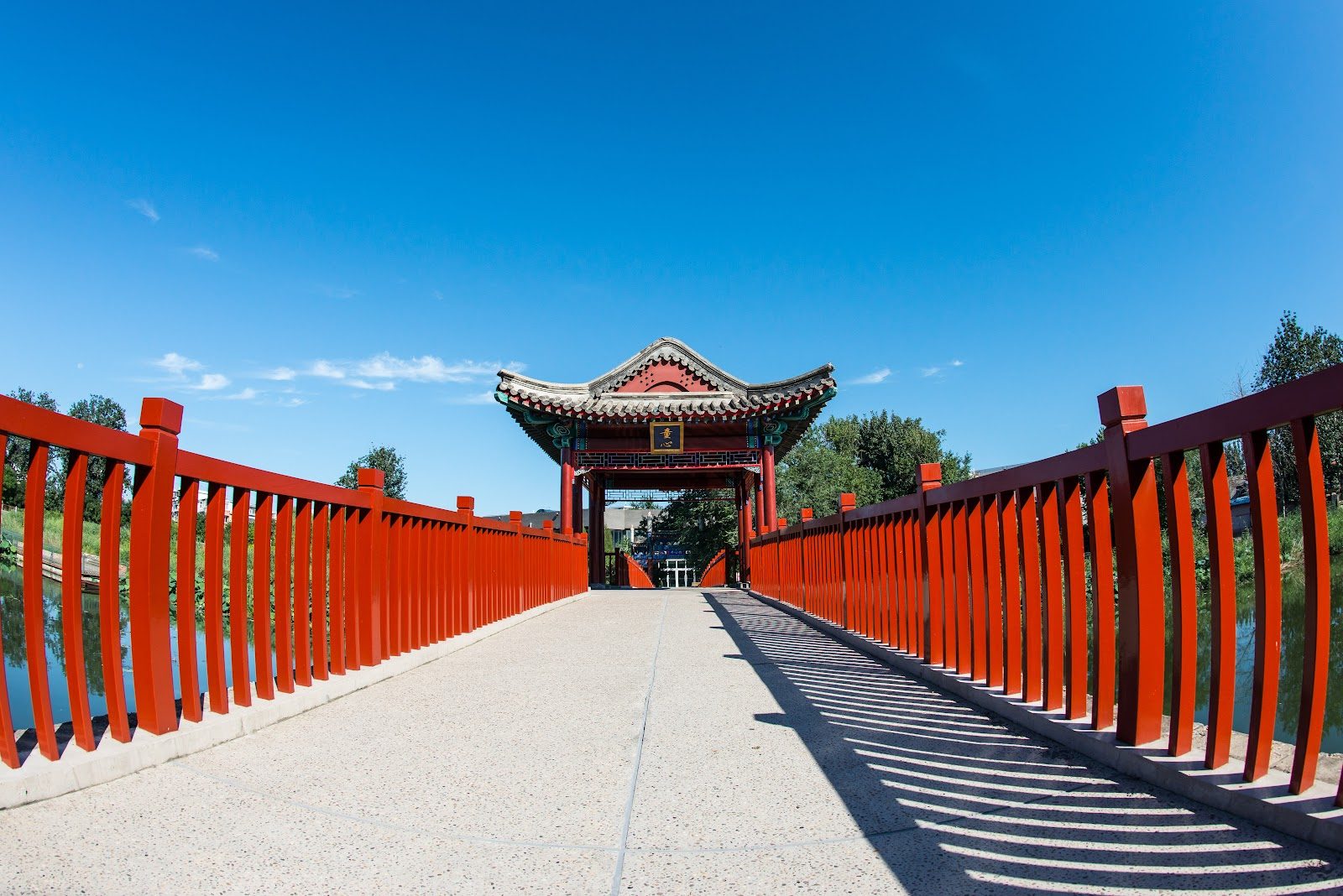
Western Academy of Beijing
Beijing · China
Running the full IB continuum since 1994 from a Chaoyang campus once named a Beijing Olympic model school
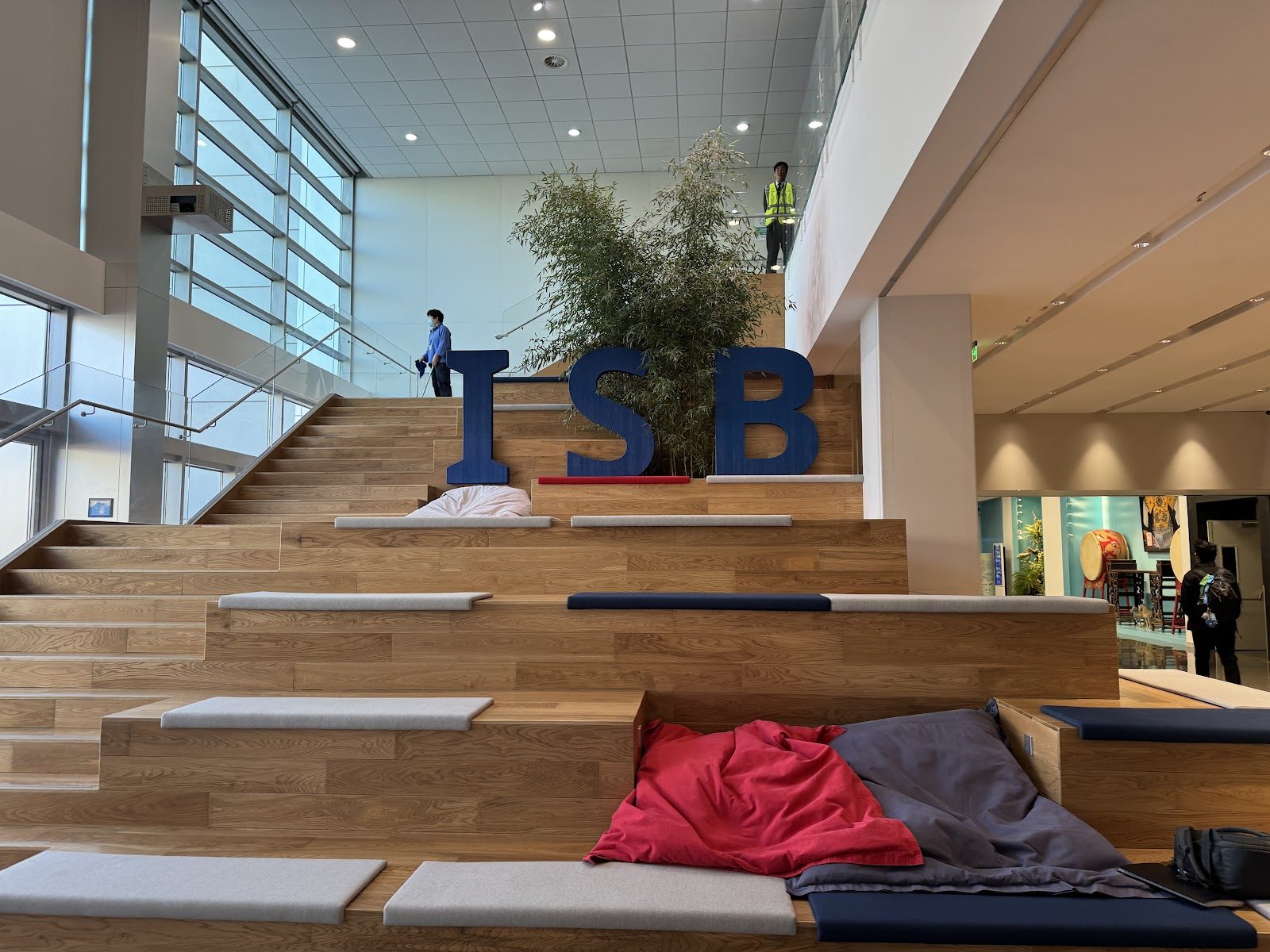
International School of Beijing
Beijing · China
Founded in 1980 by five embassies, this Shunyi day school pairs a US diploma track with IB rigor and dual-language classes from early years.
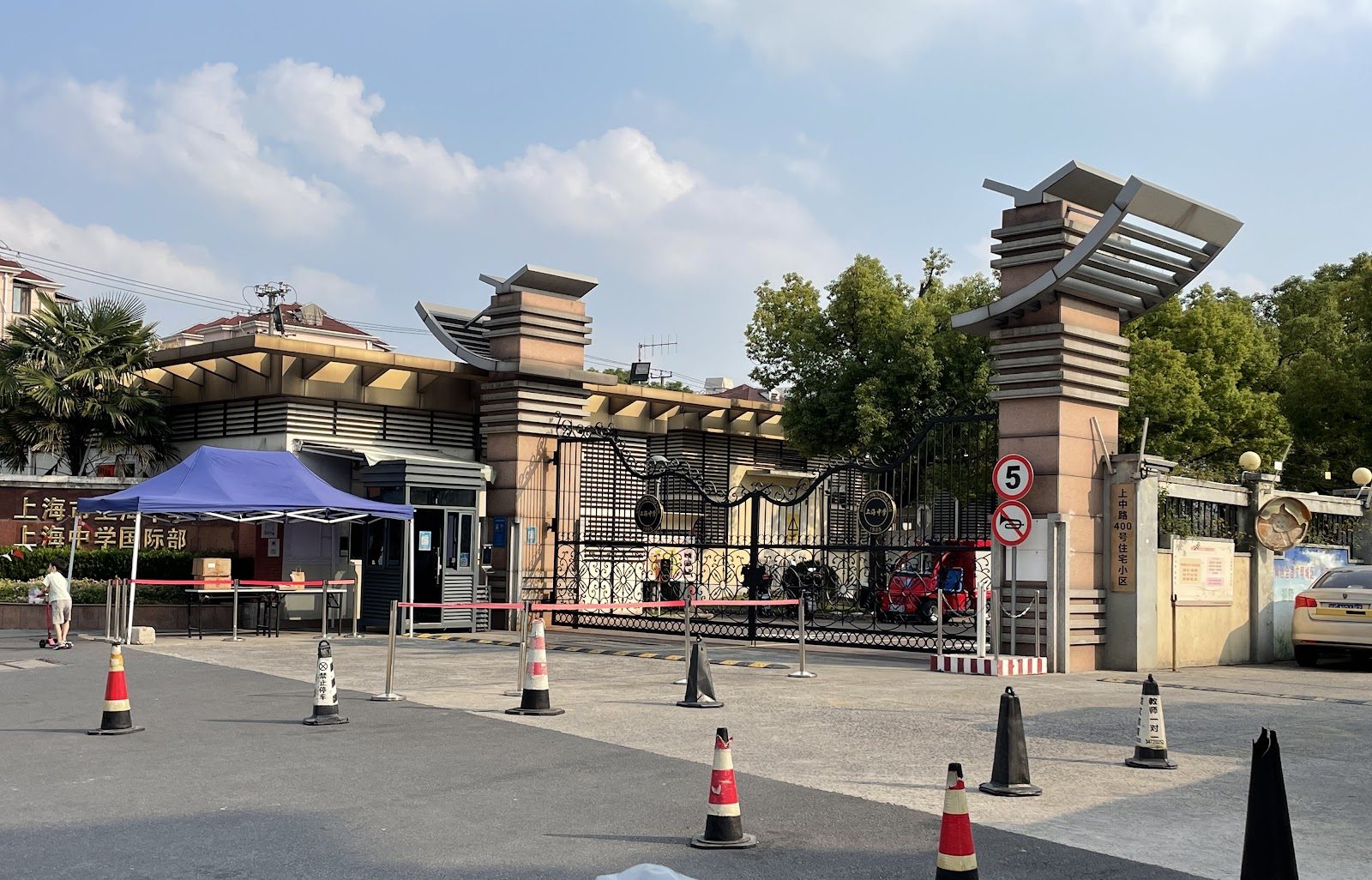
Shanghai High School International Division
Shanghai · China
Grown from a 19th-century public school in Xuhui, its IB cohort has averaged 41 points for fifteen straight years.
Same country and curriculum — closest matches within ±10 points either way