
Beijing
Beijing City International School
medium confidence· 4/6 cats · 3.2 avg sourcesIn Beijing's Central Business District, a full IB continuum pairs with IDEATE, an in-house project-based track alongside the diploma years.
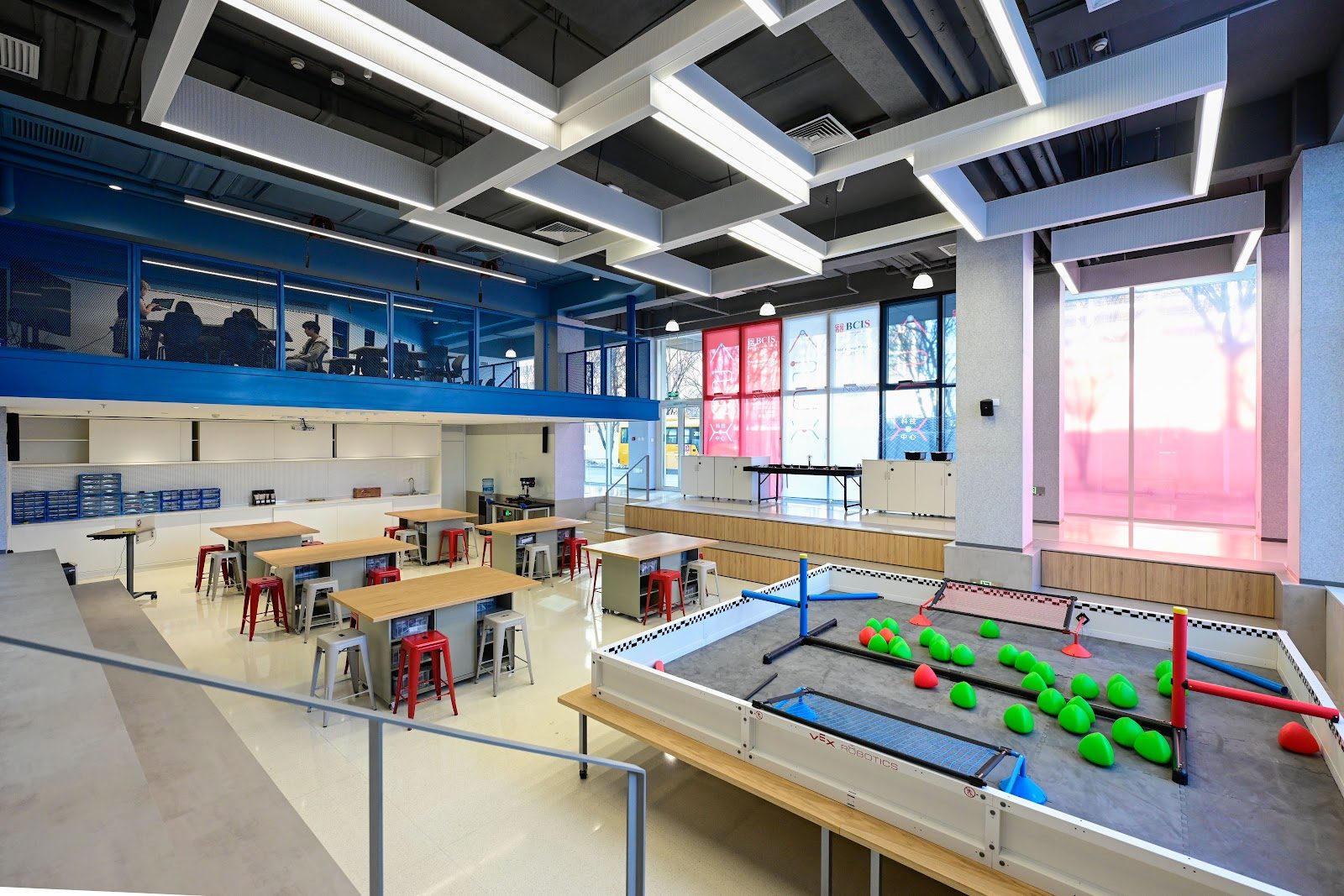
Photo © Gaia Zhao via Google Maps
Type
Day
Ages
3–18
Curriculum
IB
Ratio
—
The Verdict
Editor's commitment
Right for
Families in Beijing wanting a full IB continuum from ages 3–18, with English and Mandarin in a secular day school.
Wrong for
Parents who want boarding, a non-IB route, or a traditional exam-school culture over BCIS’s IDEATE track and project work.
Watch out for
Founded in 1994 and accredited by CIS, IB and WASC, BCIS has credentials; the school does not publish headline exam outcomes here.
Ranking breakdown
Beijing City International School · #684 of 1591
Composite score 66.7. 8 weighted criteria.
By criterion
Academic Outcomes
Weight 20%
#586
of 1529 scored
University Placement
Weight 16%
#584
of 1529 scored
Prestige & Heritage
Weight 12%
#1054
of 1571 scored
Alumni Network
Weight 12%
#900
of 1530 scored
Facilities
Weight 12%
#406
of 1533 scored
Transparency & Communications
Weight 8%
#652
of 1532 scored
Peer & Industry Review
Weight 10%
#645
of 1548 scored
Admissions Selectivity & Demand
Weight 8%
#438
of 1529 scored
Score history
Beijing City International School · 2026
Movement across 2024–2026. Peer average overlaid.
Overall — 2024–2026
66.7/ 100
▲ +22.9 vs 2025
year on year
Peer & Industry Review
How Beijing City International School is regarded in the sector
60
Respected · low confidence
BCIS is a well-established IB continuum school in Beijing frequently mentioned in expat-parent forums (e.g., ExpatExchange, ISC Research, and Beijing expat community boards) as a solid choice among the city's international schools, and it appears in general 'international schools in Beijing' round-ups in outlets like That's Beijing and various relocation guides. However, it is less consistently referenced in top-tier specialist rankings (Tatler Asia, Good Schools Guide International) compared to schools like WAB, ISB, or Dulwich Beijing, suggesting a respected but not top-tier regional reputation.
Evidence sources
Editors' overview
In Beijing’s CBD, Beijing City International School offers a full IB continuum from age 3 to 18, with an extra twist that matters: IDEATE, its in-house project-based pathway running alongside the diploma years. That gives BCIS a sharper academic identity than many all-purpose international schools. This is not just an IB school with decent facilities bolted on. It has built a second track for students who want applied, interdisciplinary work without stepping outside the school. For parents weighing Beijing’s established international options, that dual academic proposition is the key reason BCIS belongs on a shortlist.
The school’s profile is clear. It is a secular day school, founded in 1994, teaching in English and Mandarin, and accredited by CIS, the IB and WASC. Those are concrete markers of an established international operator, not a new entrant still trying to define itself. The campus details the school chooses to foreground also tell their own story: a rooftop garden, swimming pool, week-without-walls trips, and dedicated sections for early childhood, elementary, middle and high school. That points to a school that takes the all-through model seriously and has invested in the physical infrastructure to support it. The head’s message leans hard on family language, but the more useful takeaway is the school’s stress on personalised learning and on recognising Chinese culture inside an international framework. In Beijing, that blend matters.
BCIS suits students who want breadth without losing coherence. The obvious fit is the internationally mobile family that wants the stability of the IB from the early years through graduation. It also suits children who are energised by projects, design thinking and real-world application rather than a diet of exams alone. The presence of IDEATE makes BCIS more attractive to students who are restless in conventional classrooms but still need a rigorous school with recognised accreditation and a clear university-facing structure. It also fits families who want an English-medium education with Mandarin in daily reach, and who value a school that treats Chinese culture as part of the core experience rather than decorative local colour.
The caveat is that BCIS does not publish the hard performance data that would sharpen the picture: no aggregate IB results are in the public domain in the context here, and no fee figure is available to place it precisely on Beijing’s price ladder. That leaves parents to judge it on structure, programme design and institutional maturity. On those measures, BCIS stands out as an established, cosmopolitan and thought-through choice: strongest for students who want the IB’s continuity, but do not want their final years narrowed to a single orthodox route.
Academic Performance
BCIS gives parents an awkward academic picture: the school offers recognised end-point qualifications, but it does not publish the aggregate outcomes that matter. We have not seen cohort-wide IB Diploma results, average point scores, pass rates, subject breakdowns, or university destination lists with enough detail to benchmark the school properly against Beijing’s stronger academic operators. That absence matters. In this market, schools with genuinely strong results tend to put them front and centre. BCIS asks families to trust the model more than the data. For a school with a serious senior-school proposition, that is a weakness.
That does not make the academic case poor; it makes it opaque. The full IB continuum gives students a coherent route, and the separate IDEATE pathway signals a school that has chosen breadth over a single exam-driven identity. That can suit capable students whose strengths sit in interdisciplinary work rather than pure score-chasing. It also places BCIS in a different bracket from Beijing schools built around relentless published metrics and selective academic signalling. Relative to peers, BCIS sits in the harder-to-read middle ground: established, structured and clearly ambitious, but without the public performance evidence needed to rank it with the city’s most academically transparent names. For parents who prioritise measurable outcomes, that is the central issue.
Facilities
BCIS foregrounds the facilities that matter in daily school life rather than chasing spectacle. The rooftop garden stands out because it points to usable outdoor learning space in a dense urban setting, not a token patch of greenery. The swimming pool adds genuine programme breadth, especially in a city where many centrally located schools operate with tighter footprints or rely on shared provision. The school also highlights progressive open learning spaces, which fits its emphasis on personalised and project-based work; if those spaces are well managed, they support collaboration better than the corridor-and-classroom layouts still common in older Beijing campuses. The dedicated areas for early childhood, elementary, and the older years also matter. In an all-through school, age-appropriate separation is a practical strength, not a cosmetic one.
Against Beijing peers, this reads as a strong urban campus offer rather than a vast, field-heavy suburban one. Parents looking for sprawling grounds, multiple specialist sports arenas, or the grand scale some edge-of-city competitors can offer will not get that here. Parents who value central location, indoor provision, and facilities that feed directly into everyday teaching will find BCIS more purposeful than flashy. The weakness is the lack of public detail beyond a few headline features. There is no long published inventory of science labs, theatres, makerspaces or elite athletics infrastructure. That leaves the campus profile clear but incomplete: credible, well thought through, and stronger for learning support than for raw wow factor.
In this market, schools with genuinely strong results tend to put them front and centre
Prestige
BCIS carries solid standing in Beijing’s international-school market, but not the top-tier prestige that attaches to the city’s most selective or most academically explicit names. Its status rests on durability, location, and a clear educational shape rather than on elite scarcity or headline results. The not-for-profit structure helps: for many international families, that still carries a serious institutional signal in a sector crowded with corporate operators. The all-through model also matters. Parents read continuity, established systems and a settled community as marks of substance. Add the central-business-district setting and you get a school with real social visibility among expatriate and internationally minded local families.
The limit on prestige is straightforward. BCIS does not publish the outcome data that turns respect into hard-edged academic clout. In this market, prestige flows from results, university destinations, selectivity and a reputation for producing high-performing graduates. BCIS has the programme breadth and facilities to command attention, and the in-house alternative senior pathway gives it a distinctive intellectual profile. That earns it recognition. It does not confer automatic elite status. My rating, then, sits in the upper middle of the market: a school with credible weight, strong name recognition in its corner of Beijing, and a more individual identity than many generic international schools, but without the published evidence that would place it among the city’s undisputed heavyweights.
The rooftop garden stands out because it points to usable outdoor learning space in a dense urban setting, not a token patch of greenery
Communications
BCIS communicates with parents through a broad, functional school apparatus rather than a polished corporate front end. The public site lays out the mechanics parents actually need: admissions policy, tuition and fees, school calendar, contact routes, PTA, health, food and bus services, safeguarding, complaints, student support, leadership and staff directories. That matters. Schools that communicate well make the operational basics easy to find, and BCIS does that. The navigation also gives a clear picture of school life across the age range, with separate sections for the early years, elementary and the older grades, plus news, events, video and community pages. There are 2 useful signals here: first, BCIS treats parent communication as an all-school system, not an afterthought; second, it gives families multiple entry points depending on whether they need pastoral, logistical or academic information. That is competent, practical communication.
The limitation is depth and proof. The school talks confidently about community, facilities and student experience, but it does not publish the harder performance information that parents of older students want alongside the warm messaging. That weakens credibility. Strong communications do not just project atmosphere; they disclose results, destinations and comparative outcomes. BCIS covers day-to-day touchpoints well and gives the impression of a well-organised, parent-facing institution with serious operational infrastructure. It is less strong when the question shifts from “How does the school run?” to “What does the school deliver at the end?” For younger families, that gap matters less. For parents choosing the upper years, it is a real omission.
Uniqueness
What separates BCIS from the pack is not a glossy mission or a fashionable slogan. It is the fact that the school gives older students 2 credible routes in the final stretch instead of forcing everyone through one academic mould. The in-house IDEATE track is the decisive differentiator. In a market full of schools that talk about innovation while funnelling nearly every able teenager into the same qualification script, BCIS has built a parallel pathway for students whose strengths sit in design, problem-solving and interdisciplinary work. That is genuinely distinctive. It gives the school a clearer intellectual shape than the generic all-through international campus and offers students a more adult form of choice before university.
That structure brings real benefits. Students who thrive on applied work get legitimacy, not a second-tier consolation prize. Students on the more conventional route study in a community where making, experimentation and real-world tasks carry status, which can lift the tone beyond pure score accumulation. The school’s not-for-profit basis also matters here: BCIS reads less like a brand template and more like a school that has made a deliberate institutional choice about how adolescents learn. Add the day-to-day proximity to Chinese culture and an internationally mixed environment, and the result is a cosmopolitan, less standardised education than many direct competitors offer. The trade-off is obvious: a school this individual needs stronger public outcomes data to prove how well that distinctiveness translates into results.
BCIS has the programme breadth and facilities to command attention, and the in-house alternative senior pathway gives it a distinctive intellectual profile
Student Profile
The best fit at BCIS is the student who wants range without chaos. This is a school for children who cope well in an internationally mixed community, move comfortably between different kinds of classmates, and gain from a school culture that asks for both independence and cooperation. The age span from 3–18 matters here: all-through schools work best for families who value continuity and for children who settle into long-term relationships with teachers and peers rather than chasing a sharper reset at each phase. The not-for-profit status also points to a parent body that is less driven by brand theatre and more interested in substance, systems and day-to-day school life. Expect a cohort that is globally mobile, socially adaptable and used to a broad church of nationalities and backgrounds.
Students who fit best are curious, open, and happy working across disciplines rather than living for exam drill alone. The school’s own emphasis on challenge, compassion, personalised learning and real-world application points towards children who respond to human-scale pastoral care and to teaching that gives room for initiative. This is a good match for the student who is restless in rigid settings, wants adults to know them properly, and values a campus culture with visible community life beyond lessons. It is a weaker fit for the child who wants a hard-edged, results-first hothouse with public scoreboards and overt academic sorting. BCIS suits families who want an internationalist, relationship-driven education with enough flexibility to accommodate different strengths.
The trade-off is obvious: a school this individual needs stronger public outcomes data to prove how well that distinctiveness translates into results
Co-curricular strengths
Arts & sport, on a separate axis
Overall 8.22/10
Scored 0-10 from the school's own published evidence. This axis is editorial-only — it does not feed the main WTS ranking.
Sports
8.5/10
Basketball, Football, Volleyball and Swimming, and the facilities section adds an on-site swimming pool, which is dedicated sports facility evidence clearing the 6 floor.
Drama
8.2/10
The extracurriculars explicitly include Drama Productions, and recurring named productions count as notable strength evidence for drama.
Dance
7.8/10
Music
8.3/10
The extracurriculars explicitly list Choir Ensemble, which is a clear named music activity.
Visual Arts
8.3/10
Editor first-pass · editor-reviewable · 7/27/2026
Strengths
- +IB curriculum throughout the school
- +Beijing location suits expatriate families in the capital
- +Rooftop garden supports outdoor, applied learning
- +Swimming pool adds on-site sports provision
Considerations
- −Website gives no published exam results
- −No accreditation details provided in supplied sources
- −Beijing location may mean pollution and congestion
Availability
Primary entry gate & tests
Academic Record
Gallery
Photo © Gaia Zhao via Google Maps
Photo © Gaia Zhao via Google Maps
Photo © Olliullah Shaik via Google Maps
Photo © Olliullah Shaik via Google Maps
Photo © єѕтнєя via Google Maps
Photo © єѕтнєя via Google Maps
Photo © Olliullah Shaik via Google Maps
Parent reviews
Have you sent your child here?
Voice reviews carry the strongest trust badge — we transcribe them for you to tidy up before they go live. Prefer to type? A written review is fine too.
Add your voice
In 60 seconds, tell other parents: what's the best thing about Beijing City International School, and what surprised you when your child joined?
We ask for a Google sign-in so every review has a real face behind it — no anonymous drive-by attacks on schools, and no faked positive reviews. Your email is never shown publicly.
Send this profile to a friend
International parents rely on word-of-mouth. Share this review with someone weighing the same decision.
Schools with places
Similar schools to Beijing City International School with places available now.
Canadian International School of Beijing
Beijing · China
- 2026-27
- WAITPOOLSpace-dependent
- 2027-28
- PLACES OPENRolling
Yew Chung International School of Beijing
Beijing · China
- 2026-27
- WAITPOOLSpace-dependent
- 2027-28
- PLACES OPENRolling
Beanstalk International Bilingual School
Beijing · China
- 2026-27
- WAITPOOLSpace-dependent
- 2027-28
- PLACES OPENRolling
Dulwich College Beijing
Beijing · China
- 2026-27
- WAITPOOLSpace-dependent
- 2027-28
- PLACES OPENRolling
Availability first, then country, area, curriculum, price, co-curricular
Consider also
Also worth looking at alongside Beijing City International School.
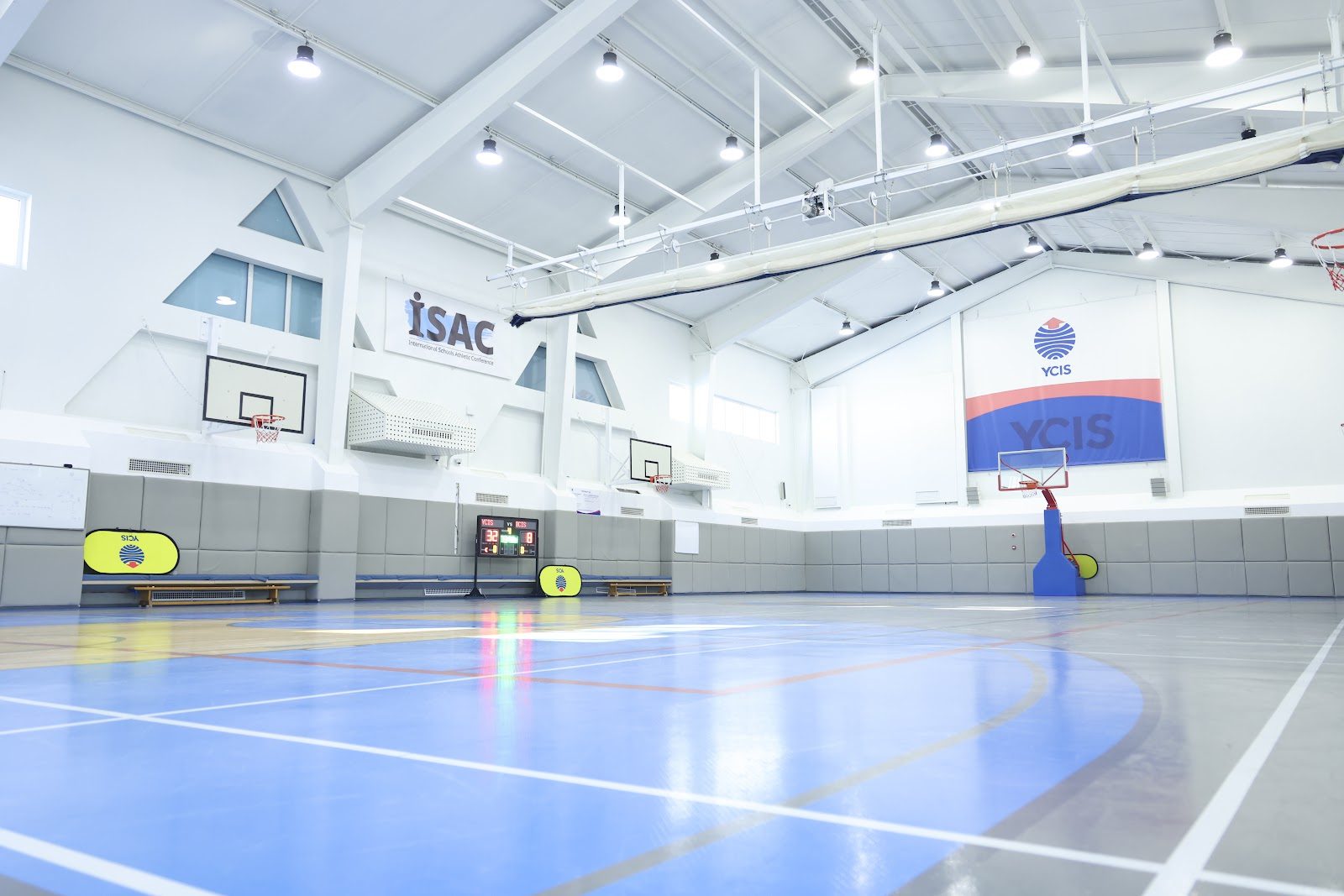
Yew Chung International School of Beijing
Beijing · China
Every classroom pairs a Western and a Chinese teacher, threading bilingual learning through a parkland Chaoyang campus.
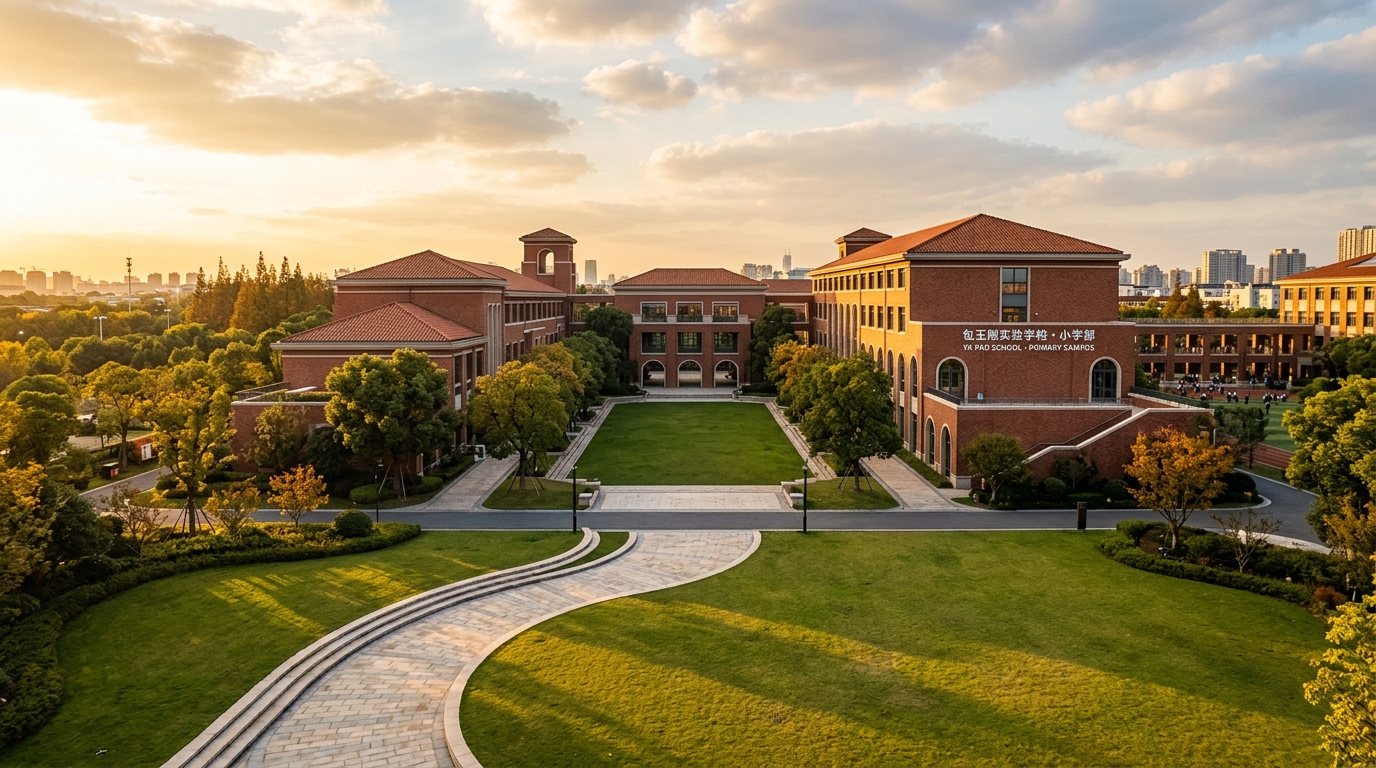
YK Pao School
Shanghai · China
Mandarin-English immersion anchors an IB and IGCSE track, with senior boarders housed in a Tudor-style village in Songjiang.
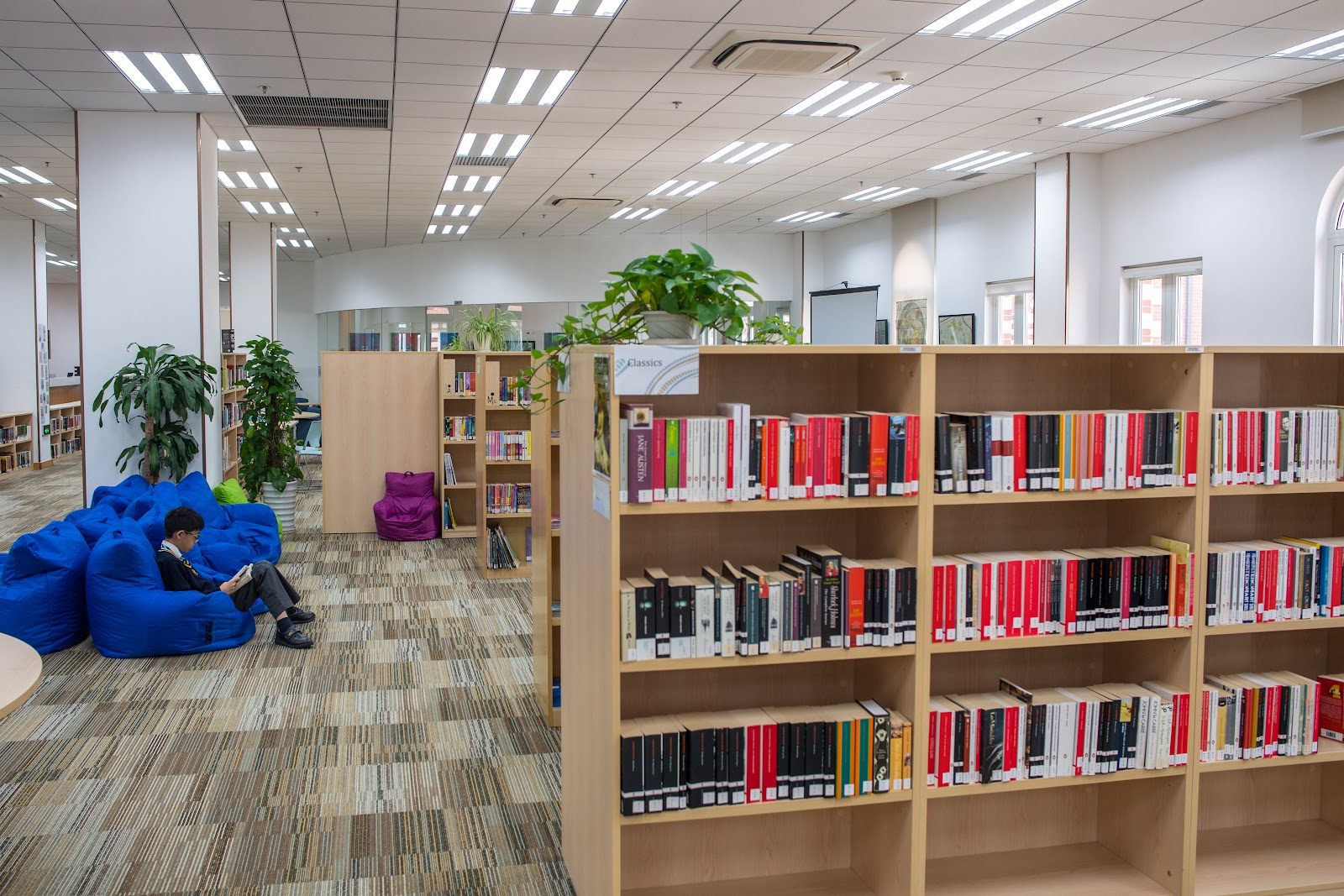
Wellington College International Shanghai
Shanghai · China
Rooted in an 1859 British foundation, this Pudong riverside campus channels house spirit into IB scores averaging 37 points.
UWC Changshu China
Changshu · China
On an island in Kuncheng Lake, mainland China's first UWC pairs the IB diploma with mandatory Mandarin study and a student-run Zhixing service programme.
Same country and curriculum — closest matches within ±10 points either way