
Shanghai
Shanghai Community International School
medium confidence· 4/6 cats · 3.12 avg sourcesPioneering Shanghai's IB continuum since 1996, spanning three campuses and sixty-plus nationalities across Puxi and Pudong.
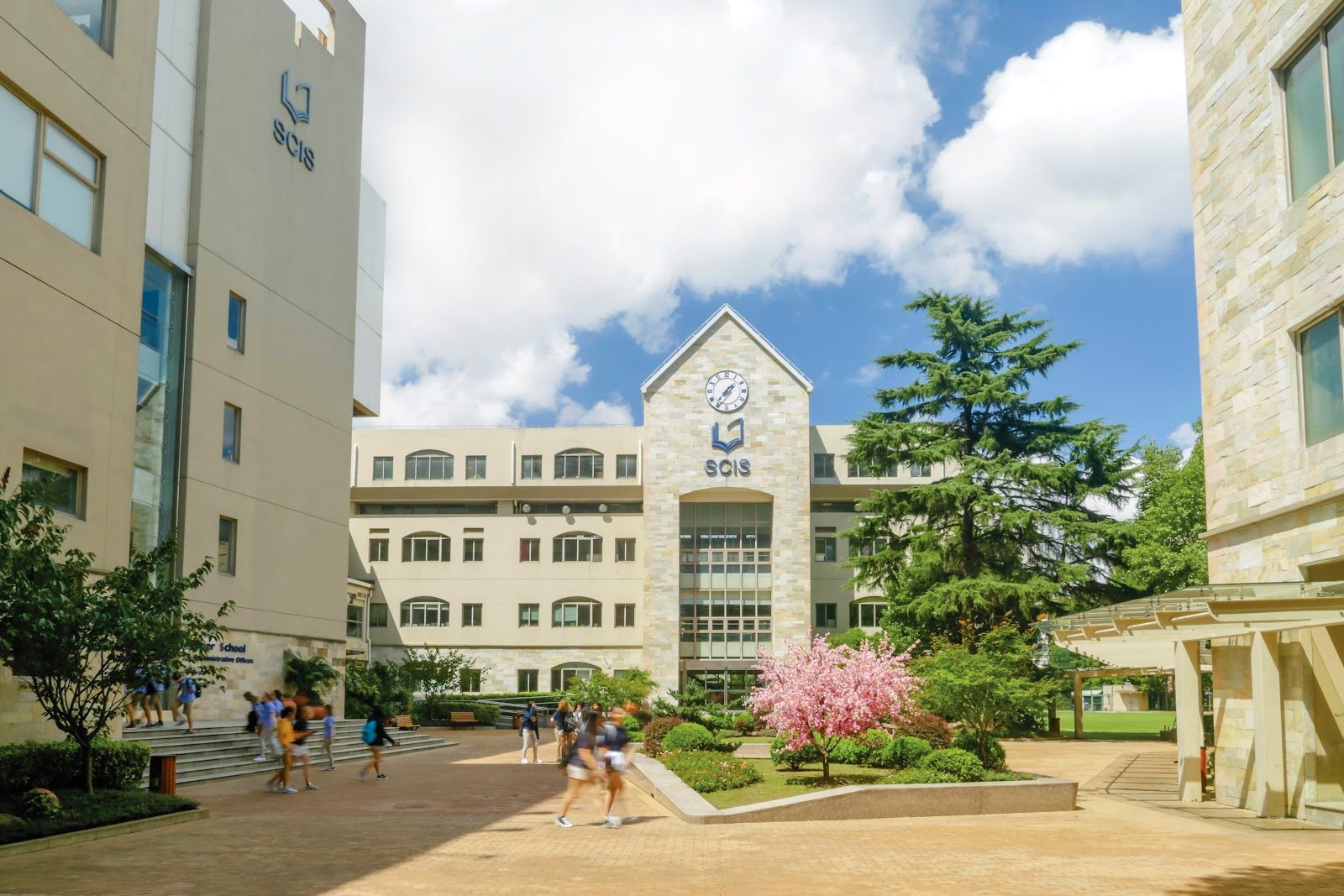
Photo © SCIS-HIS Official Page via Google Maps
Type
Day
Ages
3–18
Curriculum
IB
Ratio
—
The Verdict
Editor's commitment
Right for
International families wanting a full IB run from ages 3–18 across three Shanghai campuses, with English and Mandarin in daily use.
Wrong for
Parents who want a single intimate campus, lower fees than RMB 245,750, or anything other than a secular day school.
Watch out for
SCIS trades on scale: 1,800 students, 60-plus nationalities and WASC/CIS/IB credentials. That breadth can dilute a close-knit feel.
Ranking breakdown
Shanghai Community International School · #575 of 1591
Composite score 68.0. 8 weighted criteria.
By criterion
Academic Outcomes
Weight 20%
#667
of 1529 scored
University Placement
Weight 16%
#649
of 1529 scored
Prestige & Heritage
Weight 12%
#723
of 1571 scored
Alumni Network
Weight 12%
#473
of 1530 scored
Facilities
Weight 12%
#559
of 1534 scored
Transparency & Communications
Weight 8%
#722
of 1532 scored
Peer & Industry Review
Weight 10%
#791
of 1548 scored
Admissions Selectivity & Demand
Weight 8%
#489
of 1529 scored
Score history
Shanghai Community International School · 2026
Movement across 2024–2026. Peer average overlaid.
Overall — 2024–2026
68.0/ 100
▲ +27.0 vs 2025
year on year
Peer & Industry Review
How Shanghai Community International School is regarded in the sector
45
Credible · low confidence
SCIS is a long-established (founded 1996) mid-sized international school in Shanghai known within expat parent circles and listed in general China international school directories, but it receives little coverage in specialist education press like Tatler, Good Schools Guide, or major 'best schools in China' rankings compared to schools like SAS, Concordia, or Dulwich. Forum mentions on expat sites (e.g., Shanghai-focused parent forums) exist but are sparse and largely anecdotal rather than reputational benchmarks.
Evidence sources
Editors' overview
Three campuses across Shanghai and more than 1,800 students give Shanghai Community International School a scale that few international schools in the city can match, yet its real point of difference is structural rather than cosmetic: this is a full IB Continuum school, offering PYP, MYP and DP across the whole age range from 3 to 18. That matters. Parents who want a single academic philosophy from early years to sixth form get exactly that, without the curricular handbrake turns that can unsettle children in transient expatriate families. Founded in 1996, SCIS also has the advantage of age in a market where many schools are much newer. It was there early, and that long presence in Shanghai still counts.
The school’s international character looks substantial rather than tokenistic. SCIS states that its community spans over sixty nationalities and thirty-five languages across six continents, and that breadth is a serious asset for families who want children educated in an environment that feels genuinely international rather than merely English-speaking abroad. English and Mandarin are the languages of instruction, which suits globally mobile families who still want daily contact with China rather than a sealed expatriate bubble. Accreditations from WASC, CIS and the IB add institutional weight. None of that guarantees brilliance in every classroom, but it does place SCIS firmly in the top tier of established, globally legible schools in Shanghai.
The trade-off is price and profile. At an average annual day fee of 245,750 RMB, SCIS sits in the expensive end of the market, and parents are paying for continuity, scale and a mature international ecosystem, not boutique intimacy. Families seeking a tiny school with a highly local feel will find SCIS too large and too dispersed. Families who want a settled, sophisticated international school with clear systems, strong peer diversity and a curriculum that culminates in the IB Diploma will see the appeal at once. The best fit is the student who is academically secure, open to people from everywhere, and comfortable in a community spread across multiple campuses. This is a school for children who thrive in a cosmopolitan, high-expectation setting, and for parents who value institutional depth over educational fashion.
Academic Performance
SCIS does not publish aggregate IB Diploma results, average point scores, pass rates or university destination lists in the public domain. That limits any hard judgement on sixth-form outcomes and leaves a gap where serious international schools now know parents expect numbers. In a market where top Shanghai competitors increasingly trade on transparent exam data, that opacity is a weakness. It does not invalidate the academic offer, but it does prevent SCIS from claiming a place among the city’s results-led heavyweights on evidence that parents can scrutinise. For families who care about measurable attainment, the missing data matters.
What SCIS does offer is the academic architecture associated with schools that aim for consistency rather than last-minute exam cramming: a full IB pathway, a large student body of over 1,800, and an established multinational intake spread across three campuses. That structure tends to suit students who are organised, discussion-ready and comfortable with independent inquiry. It also means peers are drawn from a genuinely international cohort rather than a narrow social slice. The question is not whether SCIS has academic seriousness; it does. The question is how far that seriousness translates into top-end external results against Shanghai’s fiercely competitive international-school set. Until the school publishes consolidated outcomes, SCIS sits in the bracket of credible but unproven performers rather than the group with plainly demonstrated exam strength.
Facilities
The key facility fact is the footprint itself: SCIS operates across three campuses, split between Puxi and Pudong. That gives the school more physical range than the single-site format common in Shanghai, and it matters for daily school life. A multi-campus school can separate age groups properly, reduce the all-through squeeze that weakens specialist provision, and build spaces around phase-specific needs rather than forcing nursery children, teenagers and sixth formers into the same layout. Against peer schools, that is a serious operational advantage. It points to a school built for scale, not one retrofitted into a compact urban plot. Parents should still ask the practical questions multi-site schools always raise: how consistent are resources across campuses, and where are the strongest specialist spaces?
Beyond that, SCIS talks more about community and student development than about bricks-and-mortar specifics, and that leaves a gap. There is no detailed public showcase of laboratories, theatres, sports provision, design technology, libraries or specialist arts spaces. For a school at this fee level, that lack of hard facility detail is a clear weakness. Many direct competitors in Shanghai publish campus plans, venue photography and sharper explanations of what students can actually use. SCIS has the scale and history to justify high expectations; its public disclosure does not yet meet them. The facilities verdict, then, is mixed: the campus spread signals substantial infrastructure, but the school does not publish enough detail to prove that its specialist provision leads the field.
None of that guarantees brilliance in every classroom, but it does place SCIS firmly in the top tier of established, globally legible schools in Shanghai
Prestige
SCIS carries real standing in Shanghai’s international-school market, but its prestige rests on longevity, scale and institutional recognition rather than on public academic bragging rights. It belongs to the city’s established international set: a school that many globally mobile families will recognise, and one that has had time to build a durable parent network, alumni footprint and recruiter confidence. The breadth of its community matters here. A student body of more than 1,800 drawn from over sixty nationalities gives the school social weight as well as educational range; that kind of mix is hard to fake and hard to replicate. The three-campus structure also signals substance rather than startup energy. This is not a niche operator or a new entrant trying to manufacture status through glossy positioning.
That said, SCIS does not sit in the rarefied bracket occupied by schools that publish headline-grabbing results and convert them into an aura of academic inevitability. Its prestige is broad-based rather than hard-edged. Parents buy into a mature, internationally legible institution with a deep expatriate community, not an exam factory with relentless public proof of top-tier outcomes. The average annual fee of 245,750 RMB reinforces that status: SCIS charges at a level that places it among Shanghai’s expensive schools, and families pay for an old-guard, well-networked education with strong name recognition. The verdict is clear: high prestige, though not the city’s most results-driven version of it.
In a market where top Shanghai competitors increasingly trade on transparent exam data, that opacity is a weakness
Communications
SCIS communicates with parents in the manner of a large, established international school: centrally, formally and with a strong emphasis on institutional structure. The public site is organised in a way that gives parents the essentials quickly — leadership messaging, campus navigation, health and safety, mission, faculty directory and practical wayfinding all sit in clear view rather than buried in a maze. That matters. Schools spread across more than one site need disciplined communication or families end up chasing fragmented information. SCIS shows an understanding of that problem. The school also foregrounds community identity with unusual confidence, stressing its reach across sixty-plus nationalities and 1,800-plus students. That is not trivial branding; in a transient expatriate market, parents want proof that a school can hold together a large and mobile population.
The limitation is depth. SCIS communicates its ethos, scale and institutional seriousness well, but it is less convincing when parents want hard operational detail. The same pattern shows up across the school’s public-facing communication: broad messages are polished, practical basics are present, but sharper disclosure on outcomes and provision is thinner than it should be for a school charging an average of 245,750 RMB a year. That does not make communication poor; it makes it selective. Parents will get a clear sense of the school’s culture and systems. They will still need to ask direct, exacting questions about performance, campus-specific resources and how consistent the experience is across the school.
Uniqueness
What marks SCIS out is not novelty but continuity at scale. Plenty of international schools offer one strong phase; far fewer carry children from nursery to graduation inside one coherent system and across a community this international. The mix matters. With students and families drawn from more than sixty nationalities and thirty-five languages, the school offers a daily education in difference that goes beyond festival-day multiculturalism. For children who have already lived in more than one country, that creates a recognisable global normal: classmates who also arrive, leave, adapt and reset. The benefit is social as much as academic. Students learn to read rooms, collaborate across cultures and develop the kind of ease with unfamiliarity that many schools promise and few deliver.
Its multi-campus structure adds another point of difference. SCIS has the size to avoid the cramped all-through compromise that leaves younger children overshadowed by older ones or senior students short of age-appropriate space and identity. That gives pupils a school experience that can feel both more settled and more age-appropriate as they move up. There is also a useful seriousness in the school’s long-established expatriate character: this is not an institution inventing its internationalism for the prospectus. For the right family, SCIS offers something hard to replicate in Shanghai — a mature, deeply mixed community where mobility, diversity and educational continuity are built into the school’s DNA rather than added as decoration.
It also means peers are drawn from a genuinely international cohort rather than a narrow social slice
Student Profile
SCIS suits children who are socially agile, steady in their habits and comfortable sharing classrooms with peers whose lives do not mirror their own. This is a school for students who gain energy from turnover rather than stability of one narrow local circle: children who can make friends fast, join in without fuss and handle the social churn that comes with an internationally mobile parent body. The community spans more than sixty nationalities and thirty-five languages, so the pupil who thrives here is curious about other people, not threatened by difference and not dependent on being the obvious cultural majority. A child who needs a tight-knit, intimate environment or who struggles when institutions feel large-scale and system-driven will find the setting harder work.
The best fit is the student with a degree of self-command. SCIS’s public identity centres on rigour, global citizenship and comprehensive development, which points to a pupil who can cope with expectations beyond simple compliance: discussion, reflection, collaboration and sustained organisation. It will also suit families who want children educated among other internationally minded households rather than in a sheltered expatriate enclave. This is a strong match for outward-looking, adaptable students who like breadth — of people, perspectives and opportunity. It is a weaker match for children who need heavy hand-holding, a strongly parochial peer culture or the cosy predictability of a very small school.
The question is how far that seriousness translates into top-end external results against Shanghai’s fiercely competitive international-school set
Co-curricular strengths
Arts & sport, on a separate axis
Overall 8.18/10
Scored 0-10 from the school's own published evidence. This axis is editorial-only — it does not feed the main WTS ranking.
Sports
8.5/10
The extracurriculars explicitly list Football and Basketball, showing active sports provision.
Drama
8.2/10
The extracurriculars specifically mention Drama Productions, which is stronger than a bare listing of drama because it indicates staged activity.
Dance
7.5/10
Music
8.3/10
Both Choir Ensemble and Jazz Band, indicating multiple named music ensembles and visible participation, though no specialist facilities, staff or awards are described.
Visual Arts
8.4/10
Editor first-pass · editor-reviewable · 7/27/2026
Strengths
- +IB Continuum school: PYP, MYP and Diploma Programme.
- +Three campuses across Puxi and Pudong.
- +Established in 1996; among Shanghai's first internationals.
- +WASC-accredited and IB-authorised.
Considerations
- −Large scale: over 1,800 students overall.
- −Three-campus model may feel less unified.
- −Only IB pathway stated; no alternative curriculum mentioned.
Availability
Primary entry gate & tests
Academic Record
Gallery
Photo © SCIS-HIS Official Page via Google Maps
Photo © SCIS-HIS Official Page via Google Maps
Photo © yuming xie via Google Maps
Photo © Hamza Ravshanov via Google Maps
Photo © Mikael Masson via Google Maps
Parent reviews
Have you sent your child here?
Voice reviews carry the strongest trust badge — we transcribe them for you to tidy up before they go live. Prefer to type? A written review is fine too.
Add your voice
In 60 seconds, tell other parents: what's the best thing about Shanghai Community International School, and what surprised you when your child joined?
We ask for a Google sign-in so every review has a real face behind it — no anonymous drive-by attacks on schools, and no faked positive reviews. Your email is never shown publicly.
Send this profile to a friend
International parents rely on word-of-mouth. Share this review with someone weighing the same decision.
Schools with places
Similar schools to Shanghai Community International School with places available now.
Wellington College International Shanghai
Shanghai · China
- 2026-27
- WAITPOOLSpace-dependent
- 2027-28
- PLACES OPENRolling
Shanghai American School
Shanghai · China
- 2026-27
- WAITPOOLSpace-dependent
- 2027-28
- PLACES OPENRolling
Shanghai High School International Division
Shanghai · China
- 2026-27
- CLOSEDStandard route
- 2027-28
- OPENS SOONOpens Late '26 (Spring '27)
Availability first, then country, area, curriculum, price, co-curricular
Consider also
Also worth looking at alongside Shanghai Community International School.
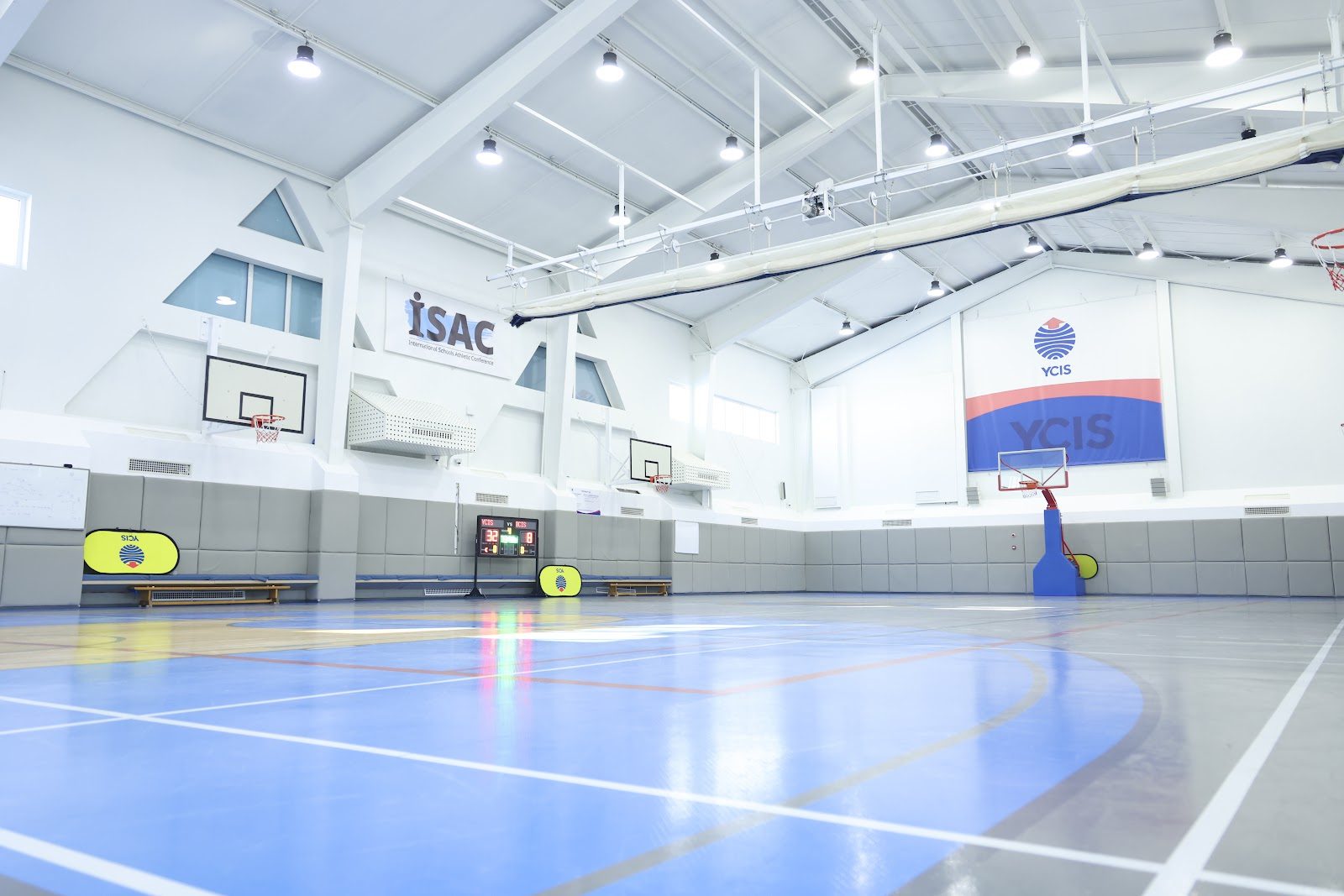
Yew Chung International School of Beijing
Beijing · China
Every classroom pairs a Western and a Chinese teacher, threading bilingual learning through a parkland Chaoyang campus.
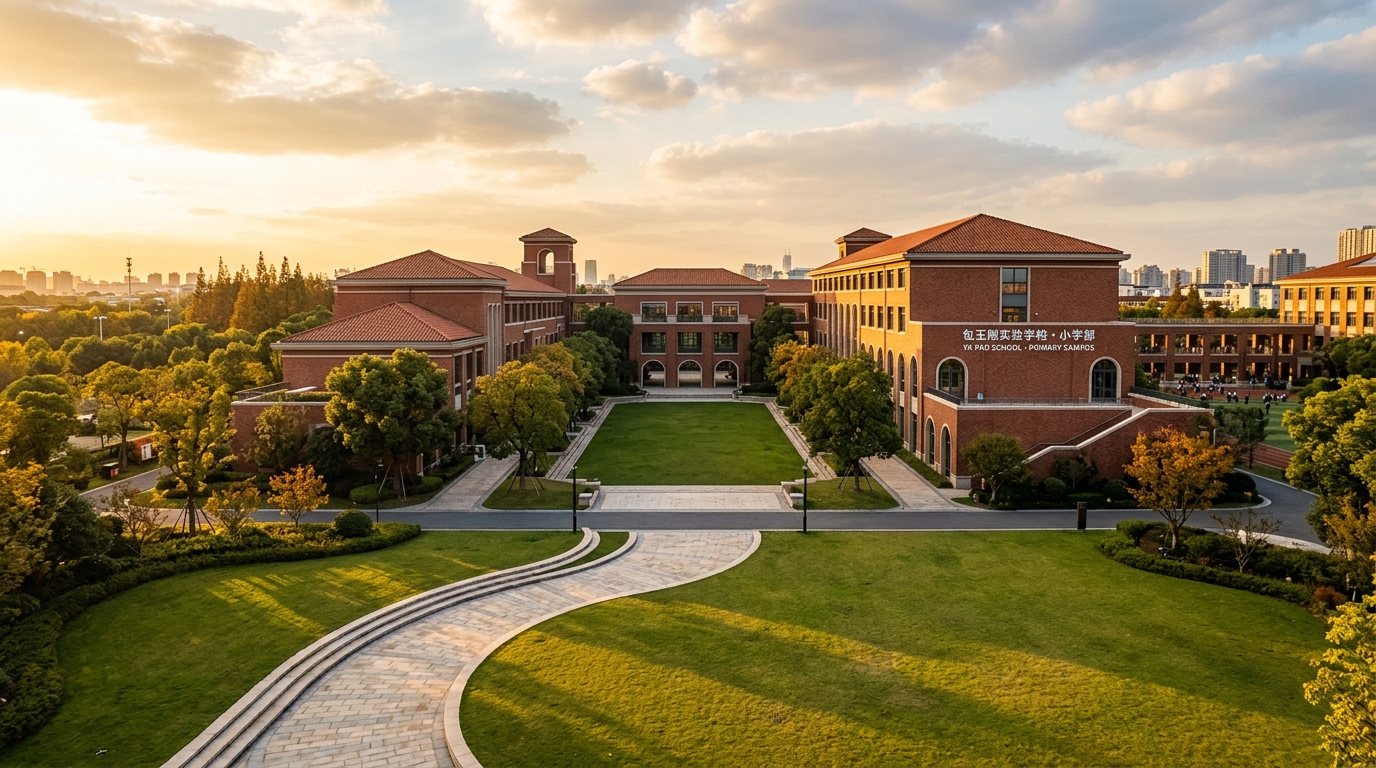
YK Pao School
Shanghai · China
Mandarin-English immersion anchors an IB and IGCSE track, with senior boarders housed in a Tudor-style village in Songjiang.
Wellington College International Shanghai
Shanghai · China
Rooted in an 1859 British foundation, this Pudong riverside campus channels house spirit into IB scores averaging 37 points.
UWC Changshu China
Changshu · China
On an island in Kuncheng Lake, mainland China's first UWC pairs the IB diploma with mandatory Mandarin study and a student-run Zhixing service programme.
Same country and curriculum — closest matches within ±10 points either way