
Panama Province
International School of Panama
low confidence· 3/6 cats · 3 avg sourcesPanama's only nonprofit independent international school, running a college-prep American curriculum since 1982
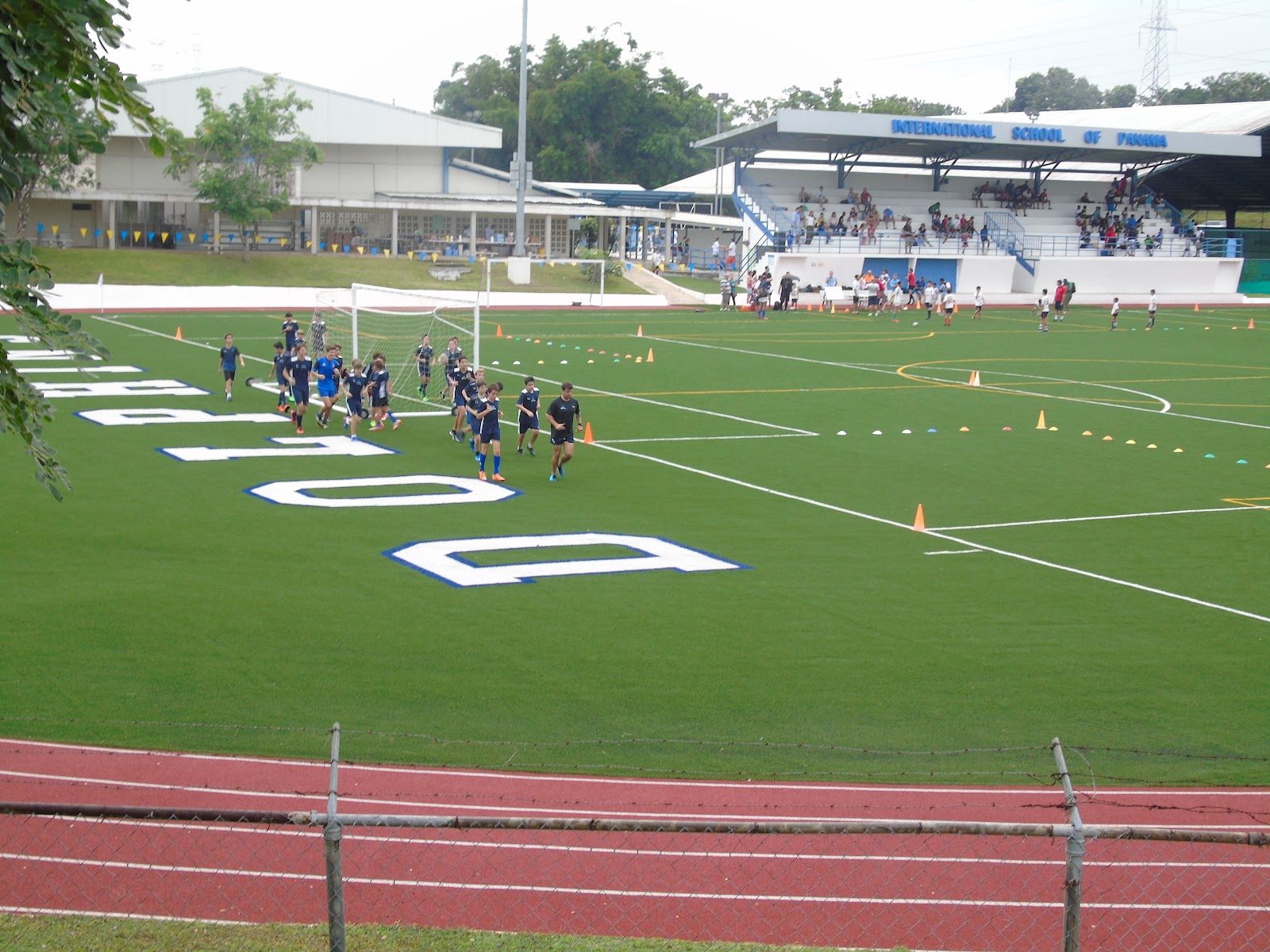
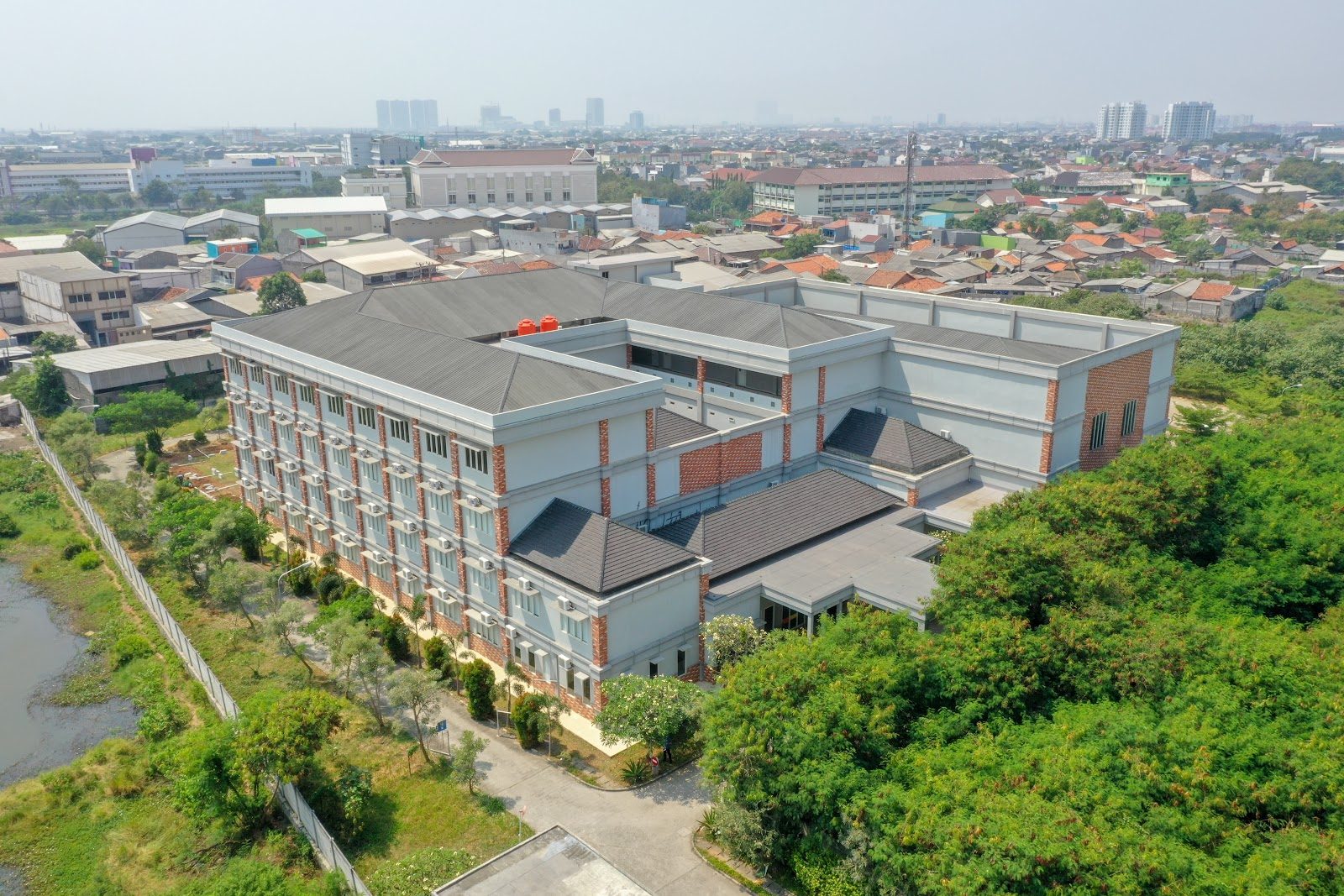
Photo © Damián Solís via Google Maps
Type
Day
Ages
3–18
Curriculum
American
Qualifications
AP · IB Diploma
Ratio
—
The Verdict
Editor's commitment
Right for
Families wanting an English-medium, American college-prep school in Panama City, with IB World School status and MSA accreditation.
Wrong for
Parents seeking boarding, religious formation, or a non-American pathway; ISP is a day school, non-religious, founded in 1982.
Watch out for
The headline strengths are structural, not evidenced by published outcomes: ages 3–18, nonprofit status, IB World School, but no public results here.
Ranking breakdown
International School of Panama · #1502 of 1591
Composite score 48.5. 8 weighted criteria.
By criterion
Academic Outcomes
Weight 20%
#1427
of 1529 scored
University Placement
Weight 16%
#1414
of 1529 scored
Prestige & Heritage
Weight 12%
#1471
of 1571 scored
Alumni Network
Weight 12%
#1161
of 1530 scored
Facilities
Weight 12%
#1408
of 1533 scored
Transparency & Communications
Weight 8%
#1415
of 1532 scored
Peer & Industry Review
Weight 10%
#1472
of 1548 scored
Admissions Selectivity & Demand
Weight 8%
#1394
of 1529 scored
Score history
International School of Panama · 2026
Movement across 2024–2026. Peer average overlaid.
Overall — 2024–2026
48.5/ 100
▲ +5.9 vs 2025
year on year
Peer & Industry Review
How International School of Panama is regarded in the sector
65
Respected · low confidence
International School of Panama (ISP) is consistently listed among the top established international schools in Panama City in expat-parent forums (e.g., InterNations, Expat Exchange discussions) and education directories such as International Schools Database and ISC Research, which note its long history, IB programme, and accreditation by AdvancED/Cognia and Middle States. It lacks coverage in flagship rankings like Tatler or Good Schools Guide, but is frequently cross-referenced against peer schools like Oxford International School and Metropolitan School of Panama in 'best schools in Panama' expat guides, suggesting solid regional standing rather than top-tier distinction.
Evidence sources
Editors' overview
International School of Panama occupies a distinct place in this market: it is Panama’s only nonprofit independent international school, and that matters. In a city where many schools trade on brand language or ownership groups, ISP’s structure gives it a cleaner proposition: educate well, send pupils to university, reinvest in the school. It has run an American curriculum since 1982, teaches in English, and carries IB World School status alongside MSA accreditation. For parents who want a school with a clear academic centre of gravity rather than a hospitality-style sales pitch, that is a serious advantage.
The draw is straightforward. ISP covers the full 3–18 age range, which gives families continuity from early years to graduation, and it does so in a non-religious setting that suits internationally mobile households. The American curriculum will appeal to families targeting US, Canadian and international university routes, while the IB authorisation adds breadth and external credibility at the senior end. This is not the obvious choice for parents who want a British pathway, a faith-based ethos or boarding. It is the school for families who value institutional stability, academic direction and a clear international peer group over ornate branding.
Why shortlist it? Because in Panama, nonprofit status plus an established college-prep American model is a rare combination. ISP has the age range, the recognisable curriculum, the English-medium delivery and the accreditations that international parents scan for first. It also has the quiet confidence of a school that does not need to invent a personality. The strongest fit is the student who wants a structured, university-facing education in English, is comfortable in a diverse expatriate and internationally minded community, and benefits from a school with a grown-up sense of purpose. Ambitious, mobile families who want consistency rather than drama will find that ISP earns close inspection.
Academic Performance
Academic performance is the point where ISP needs more public rigour. The school holds IB World School status, which matters because it places senior students in a globally recognised external framework, but the school does not publish the figures parents use to judge execution: no aggregate Diploma points, no pass rate, no subject breakdown, no trend line across cohorts, and no university-matriculation data with enough granularity to test outcomes properly. In a market where schools trade hard on selective disclosure, that absence is a real weakness. It leaves parents with the structure of an academic offer, but not the proof. For an institution with a serious college-prep claim, that is an avoidable gap.
Relative to peers, ISP sits in the group of established international schools whose credibility rests on continuity, recognised pathways and institutional seriousness rather than on splashy score-marketing. That can be perfectly respectable if results hold up. The problem is that ISP does not put those results into the public domain in a form that invites scrutiny. Without published headline indicators, it is impossible to place the school confidently among the strongest academic performers in the region or to separate quiet substance from plain opacity. Parents who care about sixth-form outcomes should ask for 5-year IB results, university destinations by cohort, and the share of graduates entering selective institutions.
Facilities
ISP’s facilities profile is hard to judge because the school does not publish enough detail. We have not seen a clear public inventory of specialist spaces, sports provision, performing arts venues, laboratories, design or technology workshops, libraries, or age-specific early years environments. That matters. For a full-range international school, facilities are not decorative; they shape timetable breadth, team sport, science practical work, music ensembles and the daily experience of younger children. When a school leaves those basics vague, parents cannot test whether the campus supports a serious all-through education or just covers the minimum. Against strong regional peers, that is a clear disclosure weakness. Better schools make the campus legible: they show the labs, name the arts spaces, map the sports offer and explain what pupils actually use.
That does not mean the campus is weak. It means the public case for it is thin. The school’s established standing and full age range point to a campus built for continuity rather than showroom effect, but that is not enough for a demanding parent. In this tier of the market, families should expect evidence of specialist infrastructure, not generic reassurance. Ask directly for the number of science labs, indoor and outdoor sports facilities, performance and rehearsal spaces, library scale, maker or design spaces, and safeguarding arrangements for the youngest pupils. Until ISP publishes that with precision, its facilities sit in the category of opaque rather than proven — a disadvantage beside peers that document their physical offer properly.
International School of Panama occupies a distinct place in this market: it is Panama’s only nonprofit independent international school, and that matters
Prestige
ISP’s prestige rests on institutional standing, not glamour. In Panama, the school’s nonprofit independent structure gives it a stronger civic and educational signal than a for-profit operator chasing growth. That matters to internationally mobile families and to employers placing staff, because it frames the school as a long-term academic institution rather than a sales-led business. Add a full-age-range offer from 3–18 and the result is a school that carries solid market authority inside its niche: established, legible, and serious enough to anchor a family’s entire school journey. The prestige here is earned through structure, continuity and trust, not through old-world cachet, elite selectivity or famous-name aura.
That places ISP in the upper tier of local recognition, but not in the category of schools with automatic global lustre. Its name will travel well with families who know the region, with universities accustomed to international applicants, and with recruiters who understand what an established international school delivers. It does not carry the instant social charge of a Swiss boarding school, a British great-name export or an ultra-selective East Asian powerhouse. The missing ingredient is public proof of academic dominance. Without published senior-outcome data, prestige stops short of unquestioned academic clout. Our rating is therefore strong but measured: ISP has real institutional credibility and a distinctive place in its market, but not the rarefied status that eliminates hard questions.
Without published senior-outcome data, prestige stops short of unquestioned academic clout
Communications
ISP’s parent communications are hard to rate highly because the school leaves too many basics unstated in public. We have not seen the clear, operational detail that lets families judge how a school handles day-to-day contact: named channels for urgent notices, response-time expectations, parent portal functionality, calendar discipline, reporting cadence, or a transparent map of who handles academic, pastoral and administrative queries. For an all-through school, that matters more than glossy storytelling. Parents need clean lines of communication, not mood-setting prose. When a school does not publish those mechanics, the burden shifts to the family to discover them after enrolment. That is not a strong standard.
There is still a case for functional competence. An established school serving children from the early years to graduation cannot run without routine parent contact, scheduled reporting and regular operational messaging. The question is not whether communication exists; it does. The question is whether it is well structured, prompt and accountable. Publicly, ISP does not make that case with enough precision. Strong schools show parents exactly how information moves, who answers what, and how concerns escalate. ISP’s communication profile is therefore serviceable but opaque: it gives the impression of institutional steadiness, but not of exceptional transparency. Before committing, parents should ask for examples from the past 12 months: newsletters, emergency notices, reporting templates, parent-meeting schedules and complaint routes.
Uniqueness
What makes ISP unusual is not a themed pedagogy or a prestige gimmick. It is governance. In this market, nonprofit independent status changes the school’s incentives in ways parents feel over time: less pressure for sales theatre, more pressure to protect standards, staff continuity and the long-term health of the institution. That gives students something more valuable than branding — a school with a cleaner educational logic. It also creates a community dynamic that tends to be less transactional and more anchored in shared purpose. For families who move often, that matters. A child benefits from a school that treats education as the main business, not the by-product of an ownership strategy.
The other distinguishing feature is breadth with continuity. ISP serves children from the earliest years to graduation, and that all-through structure brings real practical advantages: smoother transitions, better knowledge of students over time, and a stronger chance of coherent pastoral and academic planning across stages. Students do not need to re-enter a new institutional culture at each key point. They grow inside one system, with one set of expectations and one community that can track strengths, gaps and ambitions across 3–18. That does not guarantee excellence; schools still need to prove outcomes. But it does give ISP a rarely duplicated institutional shape in Panama: stable, serious, and built for the long haul rather than for short-term impression management.
ISP’s communication profile is therefore serviceable but opaque: it gives the impression of institutional steadiness, but not of exceptional transparency
Student Profile
The best fit at ISP is the internationally mobile family that wants continuity without fuss. This is a school for children who settle well in a mixed, globally minded peer group and do not need a highly local social scene, a faith framework or a niche pedagogical identity to feel anchored. Students who thrive here tend to be organised, university-focused and comfortable with clear expectations. The all-through age span — 3–18 — also suits siblings and long-stay expatriate families who value one institutional culture over repeated school changes. For parents, the attraction lies in a serious, adult environment rather than a high-gloss one.
The student who fits less well is easy to identify. If your child needs a visibly high-energy campus culture, public celebration of elite outcomes or a strongly branded arts or sports identity, ISP does not make that case clearly enough. Nor is this the obvious choice for families who want heavy hand-holding through every administrative and academic step; the school’s public face leaves too much unsaid for that. The stronger match is the child who can get on with the business of school inside a stable, internationally oriented community, with parents confident enough to ask hard questions where the school stays opaque. For self-directed students, that can be a very sound fit.
It has run an American curriculum since 1982, teaches in English, and carries IB World School status alongside MSA accreditation
Co-curricular strengths
Arts & sport, on a separate axis
Overall 8.36/10
Scored 0-10 from the school's own published evidence. This axis is editorial-only — it does not feed the main WTS ranking.
Sports
9/10
Soccer, Basketball, Volleyball, and Swimming as extracurricular offerings, showing a solid multi-sport programme but with no named facilities, staff, or competitive results.
Drama
8.5/10
'Drama productions', and recurring named productions clear the 6 floor even though no theatre, department, or further detail is given.
Dance
6.5/10
Music
8.8/10
Visual Arts
9/10
Editor first-pass · editor-reviewable · 7/27/2026
Strengths
- +Founded 1982; established option in Panama City.
- +Serves ages 3–18 on one school pathway.
- +English-medium instruction suits anglophone expatriate families.
- +IB World School with MSA accreditation.
Considerations
- −Day school only; no boarding for overseas families.
- −American curriculum may not suit British-curriculum families.
- −Non-religious setting won't suit faith-based preferences.
Availability
Primary entry gate & tests
Academic Record
Gallery
Photo © Jose .A. Campines via Google Maps
Photo © Jose .A. Campines via Google Maps
Photo © MR Towing via Google Maps
Photo © Mario Martinez via Google Maps
Photo © Mario Martinez via Google Maps
Parent reviews
Have you sent your child here?
Voice reviews carry the strongest trust badge — we transcribe them for you to tidy up before they go live. Prefer to type? A written review is fine too.
Add your voice
In 60 seconds, tell other parents: what's the best thing about International School of Panama, and what surprised you when your child joined?
We ask for a Google sign-in so every review has a real face behind it — no anonymous drive-by attacks on schools, and no faked positive reviews. Your email is never shown publicly.
Send this profile to a friend
International parents rely on word-of-mouth. Share this review with someone weighing the same decision.
Schools with places
Similar schools to International School of Panama with places available now.
Al Hekma International School
Manama · Bahrain
- 2026-27
- PLACES OPENApps open / space-dependent
- 2027-28
- WAITPOOL2027/28 timetable TBC
Marymount International School Rome
Rome · Italy
- 2026-27
- WAITPOOLSpace-dependent
- 2027-28
- PLACES OPENRolling
Germantown Friends School
Philadelphia · United States
- 2026-27
- CLOSEDRegular cycle closed
- 2027-28
- OPENS SOONOpens Sept '26
Poly Prep Country Day School
Brooklyn · United States
- 2026-27
- CLOSEDRegular cycle closed
- 2027-28
- OPENS SOONOpens Sept '26
Availability first, then country, area, curriculum, price, co-curricular
Consider also
Also worth looking at alongside International School of Panama.
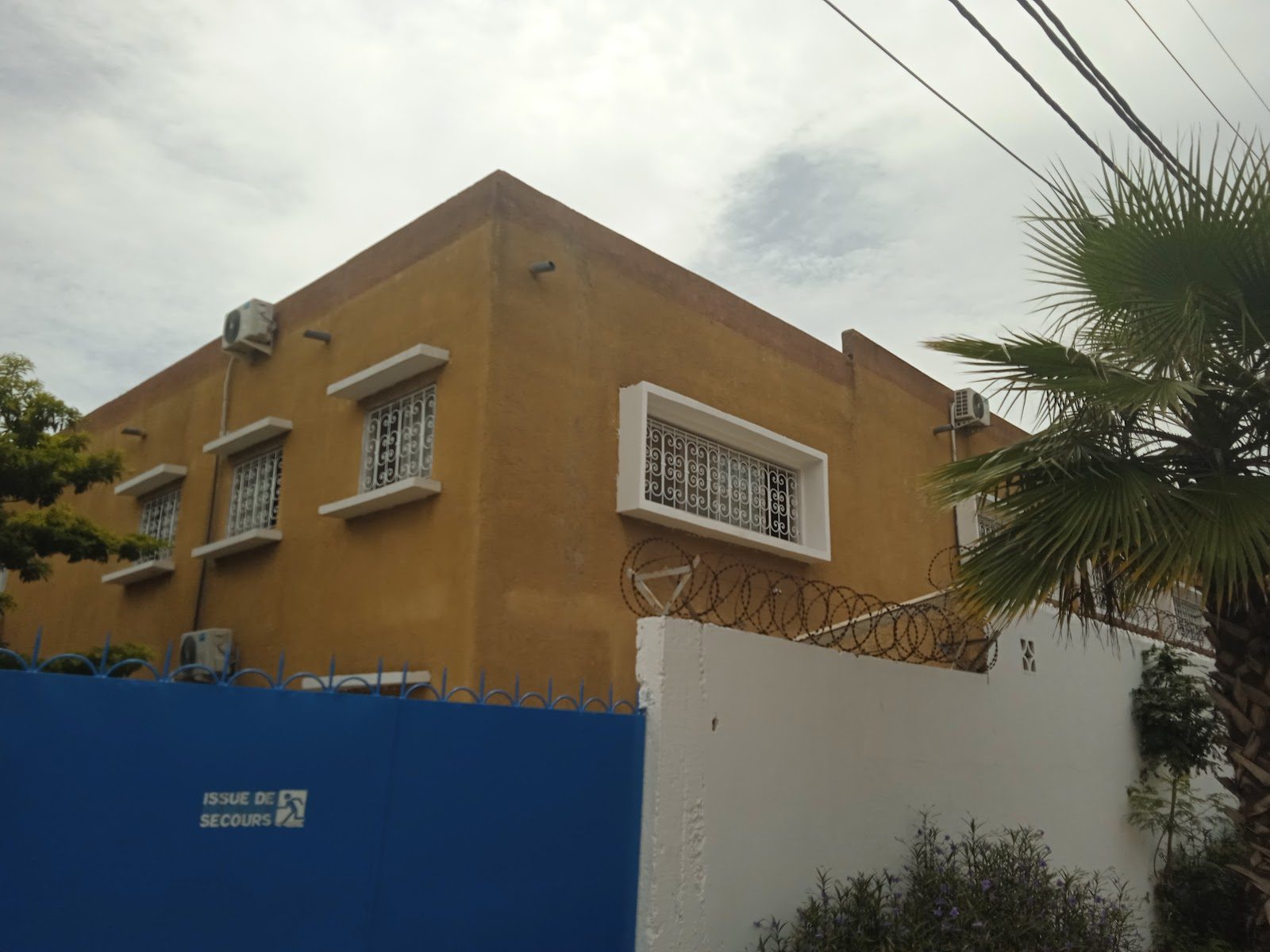
École Actuelle Bilingue Dakar
Dakar · Senegal
An accessible alternative to Dakar's premium international schools, teaching English and French side by side with two teachers per class.
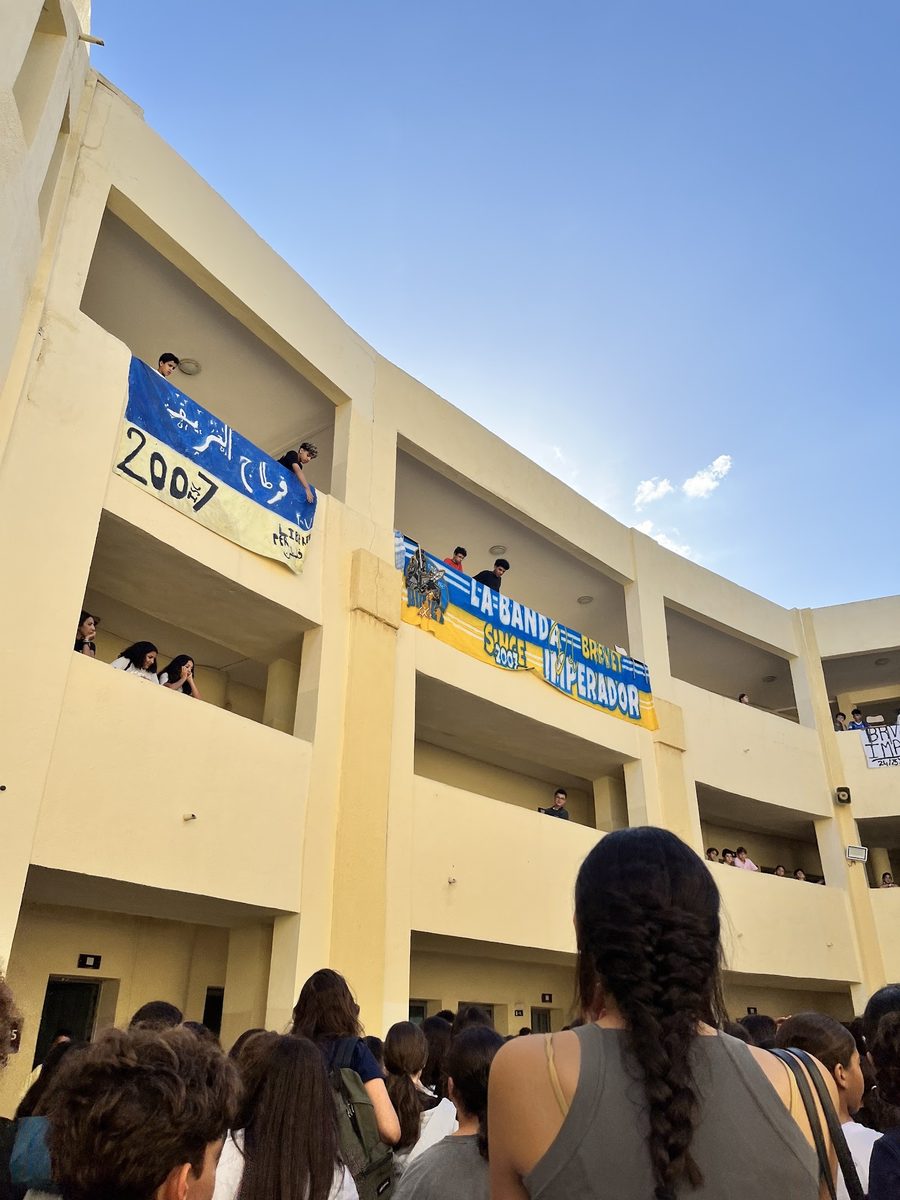
International School of Carthage
Carthage · Tunisia
In the shadow of Carthage's ruins, an American-IB day school built its own tradition of blue-and-yellow school pride from scratch.
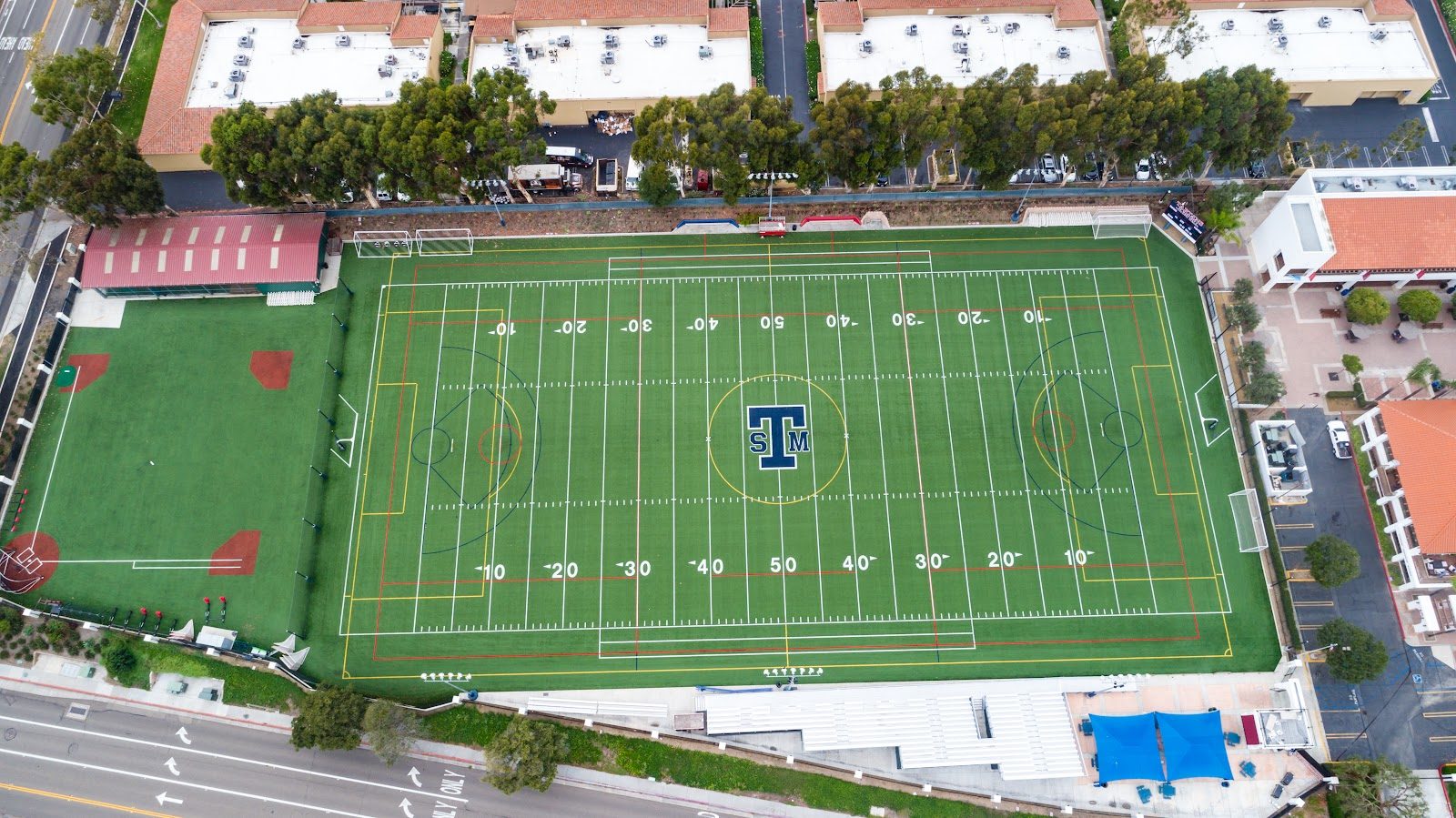
St. Margaret's Episcopal School
San Juan Capistrano · United States
Named for Scotland's patron saint of education, this mission-town day school builds Tartan identity into STEAM and service.
Mentari Intercultural School Jakarta
Jakarta · Indonesia
Born from a 1994 mothers' initiative, this Kebayoran Baru school runs full IB programmes, PYP to DP, alongside Indonesia's national curriculum.
Same country and curriculum — closest matches within ±10 points either way