
Gyeonggi
Gyeonggi Arts High School
Gyeonggi's only publicly funded arts high school, housing music, fine art, theatre-film and animation studios under one dormitory roof.
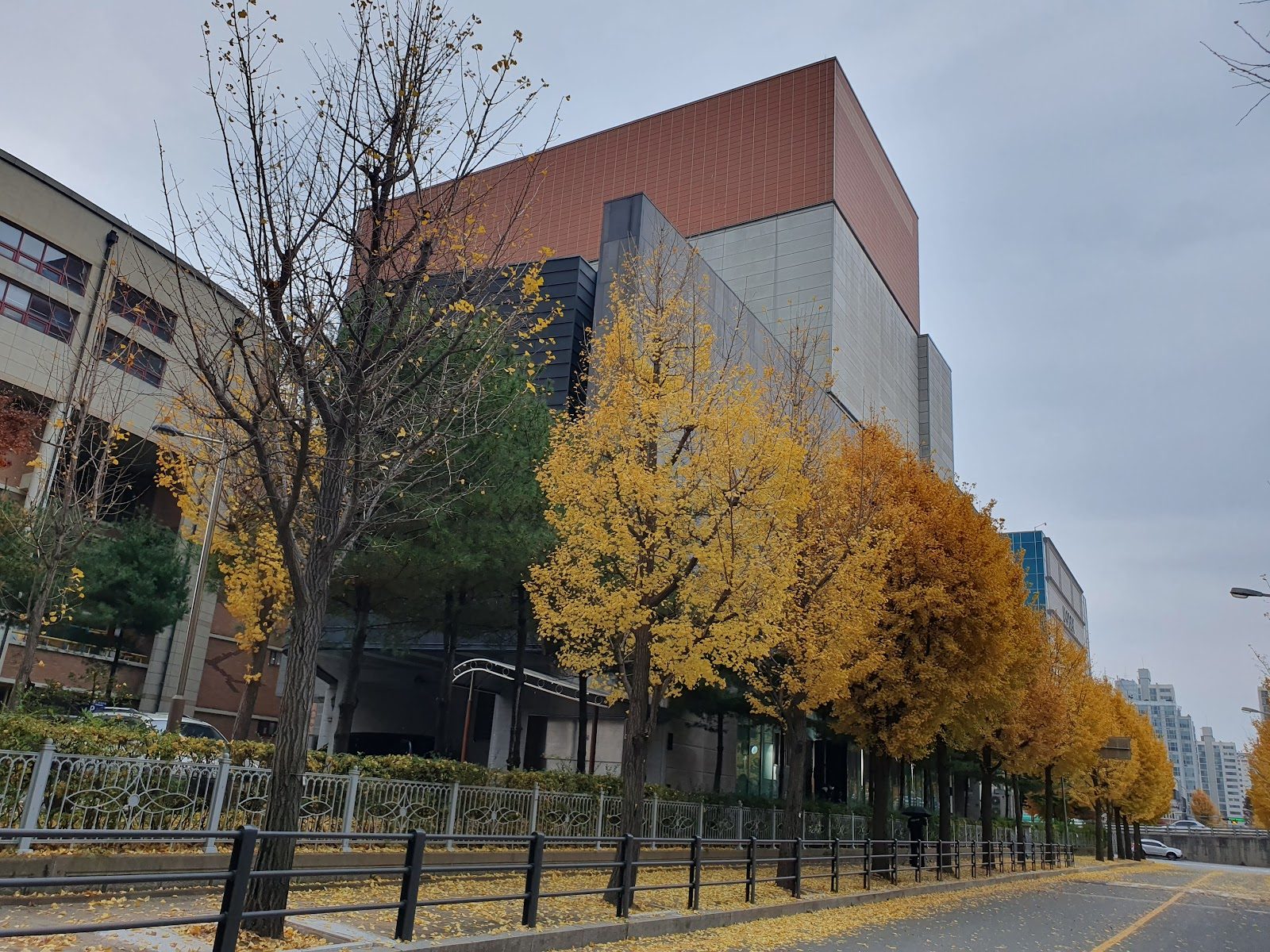
Photo © jeong mok Park via Google Maps
Type
Day
Ages
16–18
Curriculum
Korean National Curriculum
Ratio
—
The Verdict
Editor's commitment
Right for
Young artists aged 16–18 who want South Korea’s publicly funded arts route, with Korean teaching and a 3,000,000 KRW annual day fee.
Wrong for
Families wanting an academic curriculum beyond the Korean National Curriculum, English-medium teaching, or a non-arts sixth form in Uijeongbu, Gyeonggi.
Watch out for
The school is listed as day, yet public sources place it in Bucheon and cite a dormitory for 200+; basic facts need checking.
Ranking breakdown
Gyeonggi Arts High School · #1503 of 1591
Composite score 48.5. 8 weighted criteria.
By criterion
Academic Outcomes
Weight 20%
#1135
of 1529 scored
University Placement
Weight 16%
#135
of 1529 scored
Prestige & Heritage
Weight 12%
#1557
of 1571 scored
Alumni Network
Weight 12%
#1013
of 1530 scored
Facilities
Weight 12%
#1521
of 1533 scored
Transparency & Communications
Weight 8%
#1531
of 1532 scored
Peer & Industry Review
Weight 10%
#1548
of 1548 scored
Admissions Selectivity & Demand
Weight 8%
#988
of 1529 scored
Peer & Industry Review
How Gyeonggi Arts High School is regarded in the sector
48
Credible · medium confidence
Regarded within Korea as a credible feeder for film/theatre studies at second-tier and mid-tier university programs, but it lacks the sustained industry-insider reputation of Seoul's top arts schools.
Award
Elite Film 50
World's Top School · The Global Ranking
Gyeonggi Arts High School is featured on our Global Top 50 ranking at #31. This seal is available for the school's marketing team to use on their website, prospectus and social channels.
Award
Elite Drama 50
World's Top School · The Global Ranking
Gyeonggi Arts High School is featured on our Global Top 50 ranking at #40. This seal is available for the school's marketing team to use on their website, prospectus and social channels.
Award
Elite Visual & Fine Arts 76
World's Top School · The Global Ranking
Gyeonggi Arts High School is featured on our Global Top 76 ranking at #56. This seal is available for the school's marketing team to use on their website, prospectus and social channels.
Editors' overview
Gyeonggi Arts High School occupies a distinct niche in South Korea’s specialist arts sector: it is Gyeonggi-do’s only publicly funded arts high school, and that matters. At ₩3,000,000 a year, it sits far below the fee level parents associate with specialist creative education. The proposition is clear: serious pre-professional arts training inside the Korean National Curriculum, delivered in Korean, for students aged 16–18. The school’s draw is not polish or international branding. It is access, specialisation and concentration. Families looking for serious arts training without private-school pricing should pay attention.
What puts it on a shortlist is the combination of public funding and dedicated arts infrastructure. The school groups multiple disciplines under one roof — music, fine art, theatre-film and animation — and pairs that with a dormitory that houses 200+ students. That creates a work-focused atmosphere and a campus culture built around rehearsal, studio time and peer comparison. For the right student, that intensity is the point. Teenagers who want a broad, low-pressure secondary experience should look elsewhere. This is a school for young artists who want their daily environment shaped by performance deadlines, portfolio development and technical practice. It offers conservatoire-style focus at school level.
Its market position is therefore strong but narrow. This is not a general academic school with good arts electives; it is an arts high school with public backing. That makes it compelling for families in Gyeonggi who want a clear vocational direction early, and who value a specialist peer group over the wider extracurricular spread of a conventional school. The ideal student is disciplined, resilient and already committed to an art form — or ready to commit fast. Students who thrive here will value critique, repetition and competition. Students who need constant flexibility or who remain undecided about their artistic path will find the model restrictive. For the driven young performer, the obsessive draughtsman, or the student who wants immersion rather than dabbling, Gyeonggi Arts High School earns its place on the list.
Academic Performance
Public exam performance is hard to assess because the school does not publish aggregate results for the standard academic indicators parents use to compare Korean high schools. We have not seen school-wide university placement data, CSAT outcomes, subject averages or acceptance lists broken down in a way that permits a clean comparison with other specialist arts schools. That opacity matters. In a sector where students split time between intensive studio practice and academic study, transparent outcomes tell parents whether artistic specialisation comes at an academic cost. Here, the record in the public domain is thin.
That does not leave the school without a clear academic position. Its peer group is not the country’s top general academic high schools; it sits with selective arts specialists where success is measured as much by conservatoire entry, portfolio strength, auditions and performance progression as by conventional exam tables. Within that group, public funding gives it a distinct advantage on access, but access is not the same as published attainment. Parents comparing it with private arts rivals will need to ask hard questions: how many students progress to leading music, fine art, theatre-film or animation courses; what share secure places on the first attempt; and how academic teaching supports students whose ambitions change. Until the school discloses that data, its external performance profile remains opaque rather than proven.
Facilities
The key facility advantage is concentration. Specialist arts schools live or die by whether students can rehearse, make, edit and practise without fighting for space with a general secondary timetable. Here, the school’s discipline-specific rooms and studios matter more than any polished campus narrative. Music students need practice rooms and ensemble space that sustain long hours. Fine art students need working studios, storage and display capacity. Theatre-film and animation students need production rooms, technical equipment and places where unfinished work can stay in progress. The school’s structure points to that kind of purpose-built intensity rather than a token arts wing. Against peer schools, that puts it in the serious category. The public funding model raises one question, though: whether equipment refresh cycles match private rivals. We have not seen enough published detail on specialist kit to give it top marks on that front.
The other major asset is residential capacity. A dormitory for more than 200 students changes the school day into a full-immersion regime. That is a material advantage over day-only arts schools where travel time erodes practice time and peer exchange ends at dismissal. It supports disciplined routine, late rehearsals and a cohort culture built around shared deadlines. For families outside commuting distance, it also widens access to a school that would otherwise function as a local option only. Benchmarking this against peers, the provision is strong and practical, not lavish. Parents hunting for premium sports complexes or broad all-round amenities miss the point. The facilities here serve artistic production first. That is exactly what serious young artists need.
Gyeonggi Arts High School carries real domestic prestige within a narrow field
Prestige
Gyeonggi Arts High School carries real domestic prestige within a narrow field. The source of that prestige is not elite pricing, international cachet or glossy branding. It rests on selectivity of purpose and on status inside Gyeonggi-do’s arts-school landscape: this is the province’s only publicly funded arts high school, and that makes admission meaningful. In South Korea, specialist arts education at secondary level attracts students who have already chosen a discipline and accepted a demanding routine of practice, critique and competition. A school that concentrates those students under one institutional roof gains serious peer credibility. The dormitory capacity of 200+ strengthens that identity. This is not a casual arts track bolted onto a general school; it is a committed specialist environment.
That said, prestige here is sector prestige, not universal prestige. Among young musicians, artists, performers and animators in the region, the name has weight. Outside that world, its reputation does not carry the automatic social capital of Korea’s top academic high schools. The school also weakens its standing by publishing too little hard outcome data. Prestige holds best when institutions can point to consistent destinations and measurable results. Here, families must infer status from mission, public role and specialist focus rather than from disclosed performance records. That still leaves Gyeonggi Arts High School as an important name for serious arts students, but not an unquestioned leader on publicly available evidence.
That still leaves Gyeonggi Arts High School as an important name for serious arts students, but not an unquestioned leader on publicly available evidence
Communications
Parent communication looks functional rather than polished. The school has a public website and enough basic identity to orient families, but we have not seen the level of published parent-facing detail that marks out the best-run schools: no clear bank of performance data, no rich explanation of student outcomes, and no obvious culture of radical transparency. That matters more here than at a conventional academic school, because specialist arts education generates practical questions parents need answered in plain terms: timetable balance, rehearsal load, assessment structure, progression routes, welfare arrangements and the realities of living in a high-pressure specialist environment. When a school asks teenagers for that degree of commitment, thin public communication is a weakness, not a quirk.
The school’s public status and accessible fee level raise the stakes further. At ₩3,000,000 a year, many families will judge it against both state and private alternatives, and that comparison depends on hard information, not atmosphere. On public evidence, communication does the essentials but does not excel. Families can identify the school’s mission quickly. They cannot test its claims with enough rigour. That leaves parents reliant on direct enquiry and admissions-stage contact to fill in gaps that the website should already cover. For a school with a clear and demanding proposition, communications remain serviceable, opaque and behind the curve.
Uniqueness
What makes Gyeonggi Arts High School unusual is not simply that it teaches the arts, but that it does so inside the public system with a level of specialisation that private schools usually monopolise. That changes the social mix. Students gain entry to a serious training ground without the financial filtering that shapes much of specialist arts education. The result is a cohort selected more by talent, stamina and commitment than by parental spending power. That matters in practice: peer standards rise, competition feels earned rather than bought, and artistic identity forms early in an environment where everyone is there for a reason. The school’s all-arts concentration also sharpens daily life. A young animator, violinist or theatre student works among other teenagers whose routines already revolve around rehearsal, critique and production.
The other distinctive feature is the way the school compresses multiple art forms and residential life into one institutional culture. A dormitory for over 200 students does more than solve travel. It extends the school into evenings, informal collaboration and relentless peer comparison. For motivated students, that creates high-pressure momentum and faster artistic maturation. Cross-disciplinary proximity also has value: performers absorb visual culture, fine art students live near moving-image work, and students learn that contemporary creative practice rarely sits in one silo. The trade-off is clear. This is a narrow, demanding model with little room for drift. Students who want immersion get it. Students who want distance from their discipline will find the atmosphere intense to the point of exhaustion.
We have not seen enough published detail on specialist kit to give it top marks on that front
Student Profile
The student who fits here has already moved past casual interest. This school suits teenagers with an art form that structures their day: instrumental practice before breakfast, sketchbooks filled without prompting, scripts annotated line by line, edits reworked until they hold. They do not need hand-holding to practise, repeat or absorb criticism. They need peers who work at the same pitch. The public fee level — ₩3,000,000 a year — opens the door to families who want specialist training without private-school spending, but affordability does not make the culture gentle. The right student is self-propelled, critique-hardened and stubborn about craft. A child who enjoys the idea of being “creative” but resists routine, technical correction or comparison with stronger peers will struggle.
Personality matters as much as talent. Students who thrive here can live inside a high-pressure, all-arts bubble without losing focus or nerve. They draw energy from being surrounded by other teenagers who are equally serious, and they tolerate the social intensity that follows when work and peer group overlap. The dormitory capacity of 200+ reinforces that pressure-cooker effect even for families using the school as a day option, because the institutional culture does not switch off after lessons. This is a strong fit for disciplined young performers, artists and makers with early vocational clarity. It is a weak fit for the undecided, the thin-skinned or anyone who wants a broad secondary experience with the arts kept in proportion.
Outside that world, its reputation does not carry the automatic social capital of Korea’s top academic high schools
Co-curricular strengths
Arts & sport, on a separate axis
Overall 7.42/10
Scored 0-10 from the school's own published evidence. This axis is editorial-only — it does not feed the main WTS ranking.
Sports
4.5/10
Drama
9/10
Dance
4.5/10
Music
9.5/10
Visual Arts
9.6/10
Strengths
- +Operates as a public specialized (special-purpose) high school, keeping fees far below private or international arts academies.
- +Offers distinct departments including drama and film, fine arts, music and dance, allowing early specialization within the national system.
- +Located in Uijeongbu, Gyeonggi province, within commuting range of Seoul's film, broadcasting and performing arts industry hubs.
- +Follows the Korean National Curriculum, giving graduates a recognized domestic secondary qualification alongside arts training.
Considerations
- −All instruction is conducted in Korean, making the school largely inaccessible to non-Korean-speaking expatriate students.
- −As a day school with no boarding provision, non-local families must arrange independent housing or a daily commute.
- −Entry is audition- and portfolio-based, favoring applicants who already have several years of prior arts training over late starters.
- −Being a public specialized school, facilities and class sizes are shaped by Gyeonggi provincial education budgets rather than private endowment.
Gallery
Photo © jeong mok Park via Google Maps
Photo © jeong mok Park via Google Maps
Photo © 조미애 via Google Maps
Photo © 조미애 via Google Maps
Photo © 조미애 via Google Maps
Photo © Daewon YOON via Google Maps
Photo © Daewon YOON via Google Maps
Parent reviews
Have you sent your child here?
Voice reviews carry the strongest trust badge — we transcribe them for you to tidy up before they go live. Prefer to type? A written review is fine too.
Add your voice
In 60 seconds, tell other parents: what's the best thing about Gyeonggi Arts High School, and what surprised you when your child joined?
We ask for a Google sign-in so every review has a real face behind it — no anonymous drive-by attacks on schools, and no faked positive reviews. Your email is never shown publicly.
Send this profile to a friend
International parents rely on word-of-mouth. Share this review with someone weighing the same decision.
Schools with places
Similar schools to Gyeonggi Arts High School with places available now.
Chadwick International
Incheon · South Korea
- 2026-27
- CLOSEDStandard route closed
- 2027-28
- OPENS SOONInfo mid-Oct '26 / dates TBC
Korea International School
Seongnam · South Korea
- 2026-27
- WAITPOOLSpace-dependent
- 2027-28
- PLACES OPENRolling
Seoul Foreign School
Seoul · South Korea
- 2026-27
- WAITPOOLSpace-dependent
- 2027-28
- PLACES OPENRolling
North London Collegiate School Jeju
Jeju · South Korea
- 2026-27
- WAITPOOLVacancy-dependent
- 2027-28
- PLACES OPEN
Availability first, then country, area, curriculum, price, co-curricular
Consider also
Also worth looking at alongside Gyeonggi Arts High School.
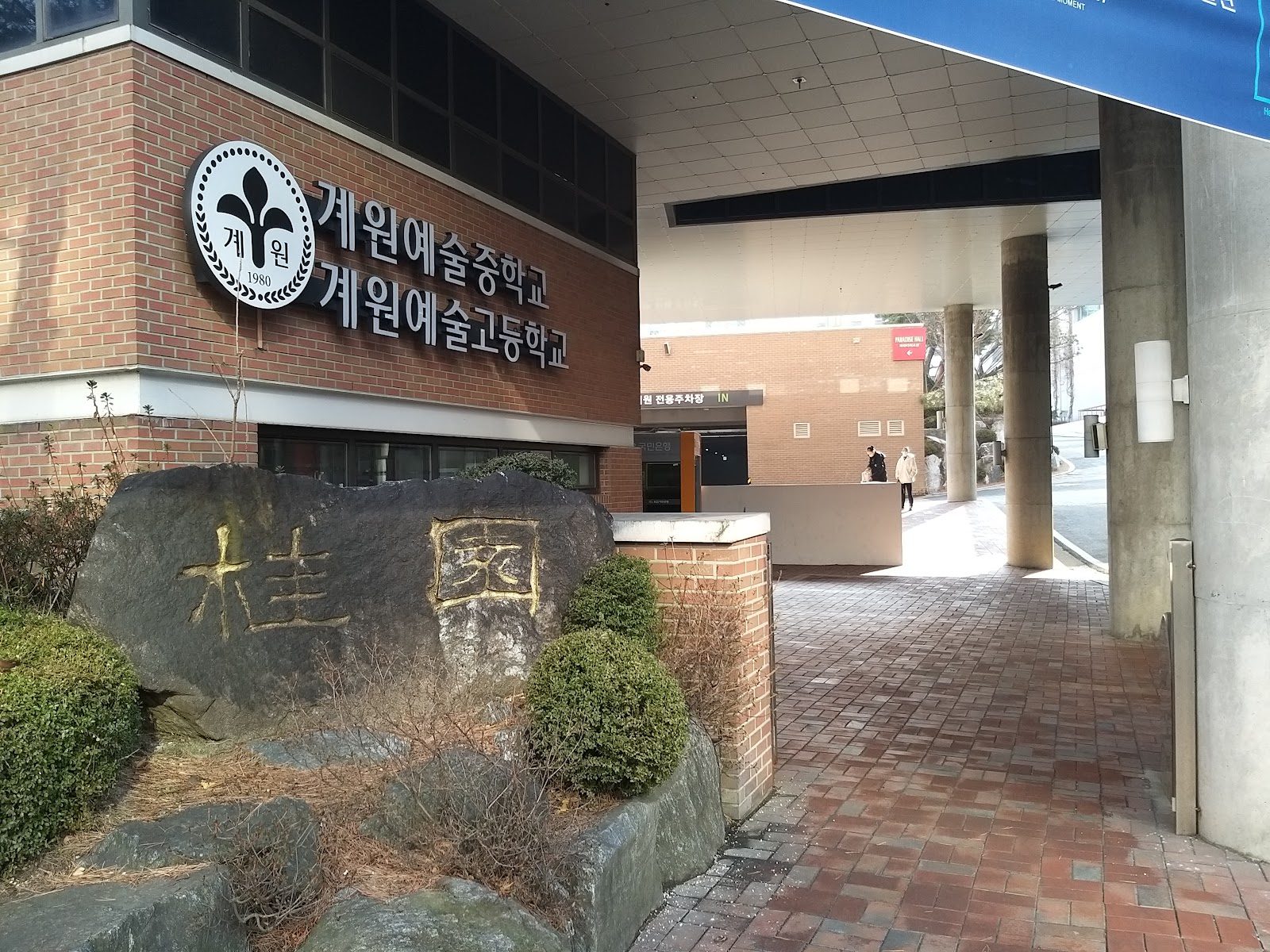
Kaywon High School of Arts
Uiwang, Gyeonggi · South Korea
Since 1980, a Gyeonggi campus splits fine art, music, dance and theatre into four dedicated conservatory tracks under one roof.
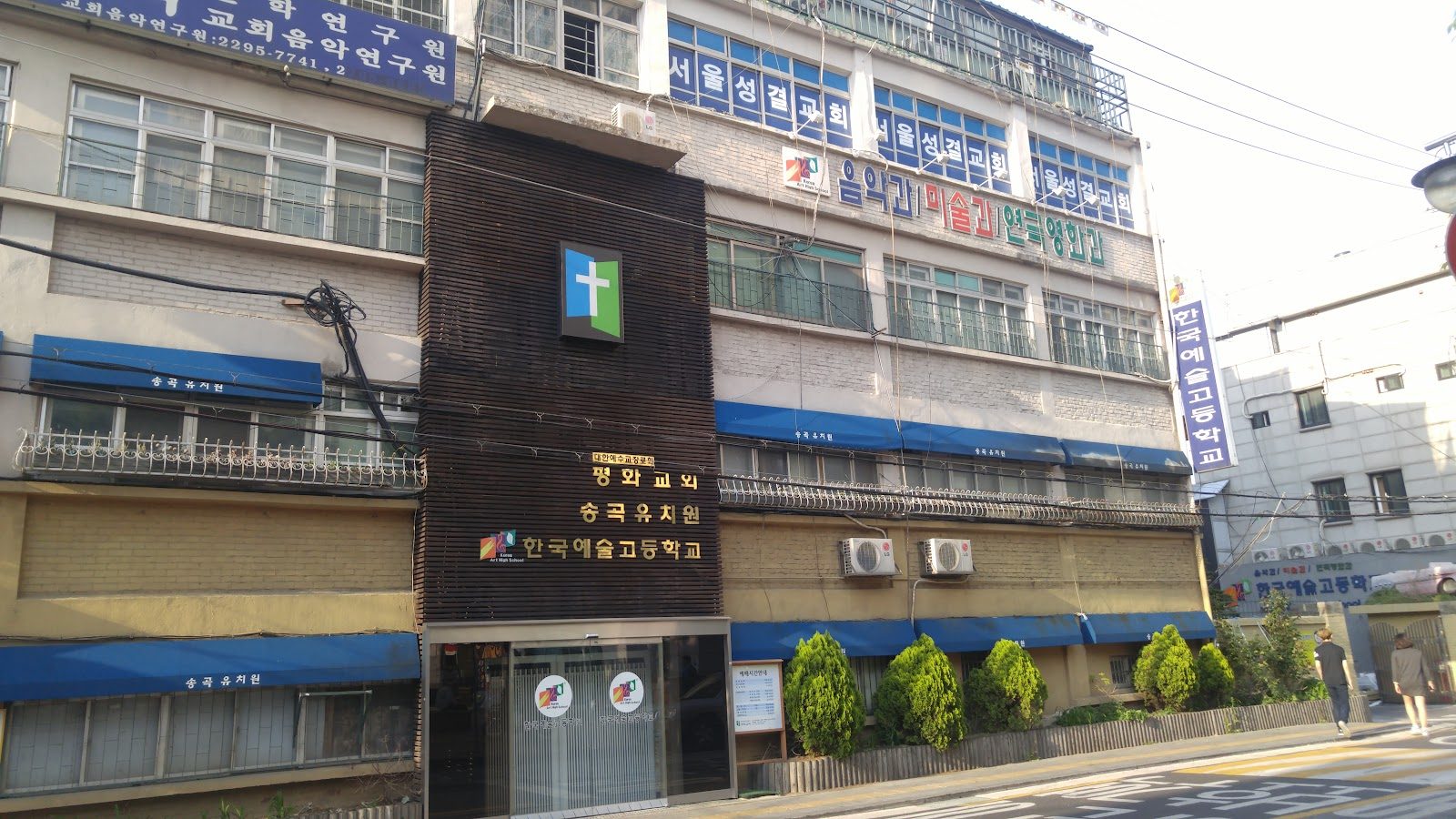
Korean Arts High School
Jongno-gu, Seoul · South Korea
An audition-only conservatory since 1953, pairing academics with classical music, ballet and visual art in Jongno-gu's arts quarter.

School of Performing Arts Seoul
Guro, Seoul · South Korea
Once a night school for Guro's factory workers, now a state-designated arts academy shaping Korea's stage, screen and dance talent.
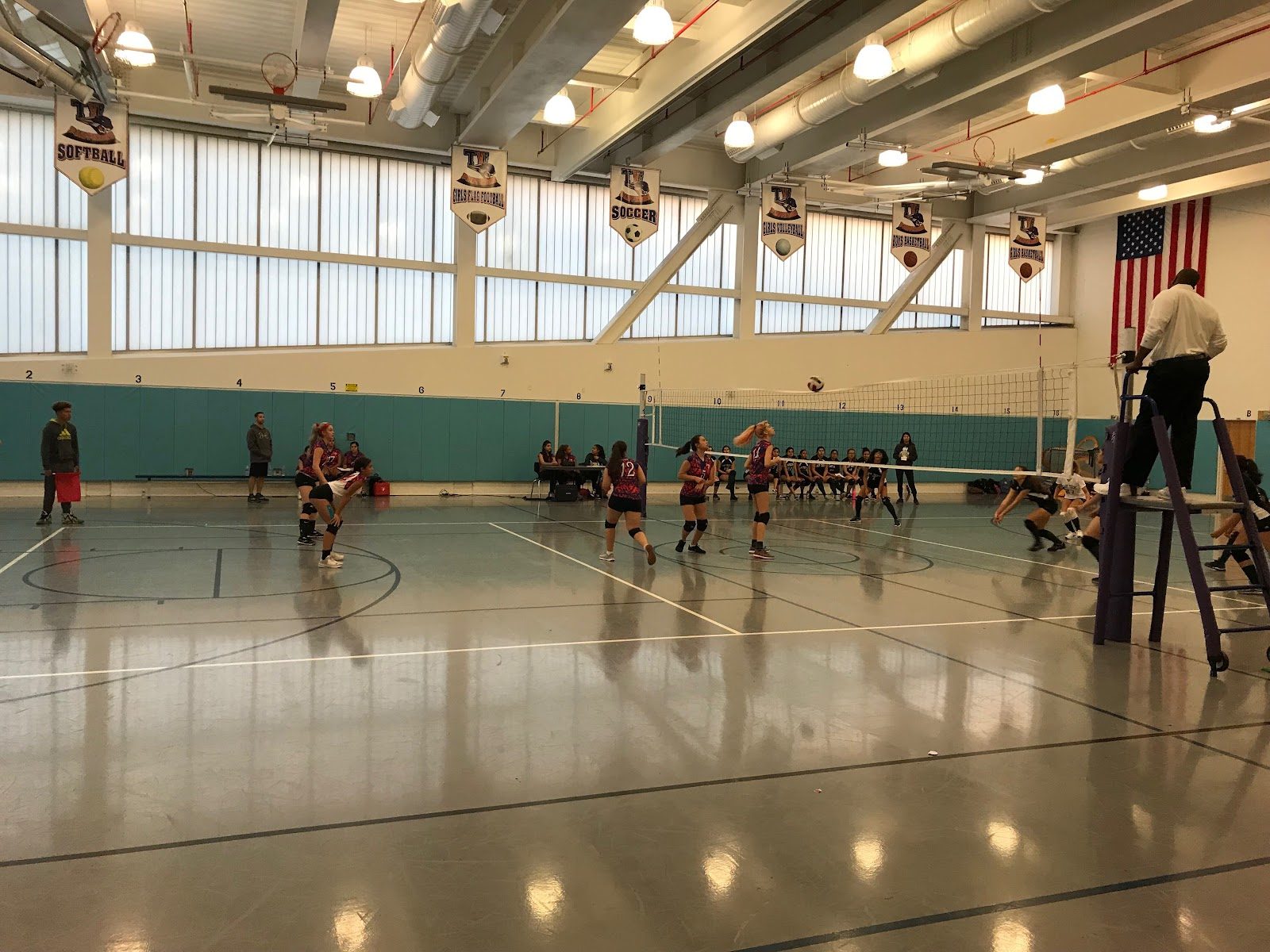
Academy for Careers in Television & Film
Long Island City, New York · United States
A waterfront Queens campus where students edit and shoot films against the Manhattan skyline, backed by a million-dollar production arsenal.
Same specialism, country and curriculum — closest matches within ±10 points either way