
Bintaro
Mentari Intercultural School Jakarta
low confidence· 4/6 cats · 1.2 avg sourcesBorn from a 1994 mothers' initiative, this Kebayoran Baru school runs full IB programmes, PYP to DP, alongside Indonesia's national curriculum.
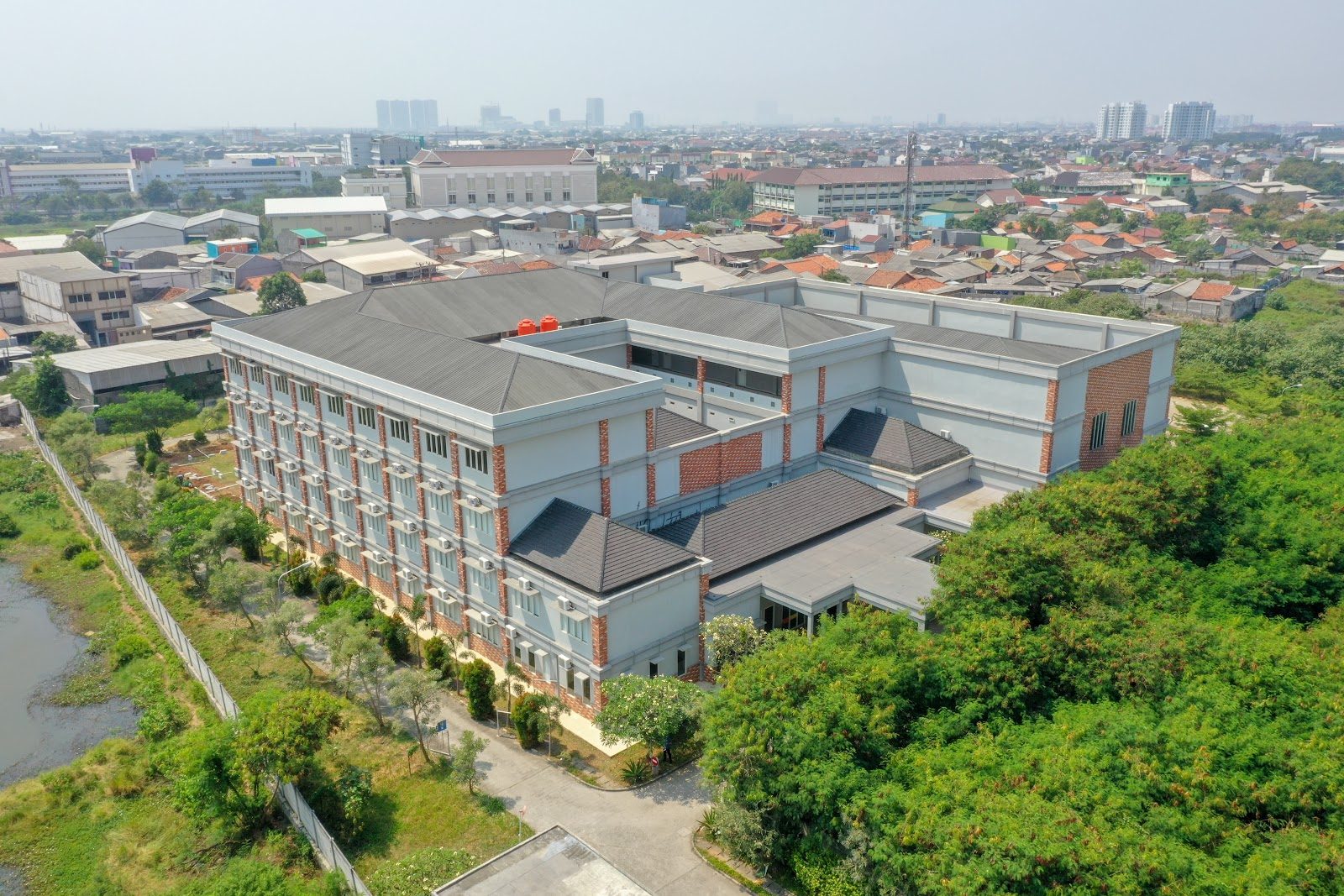
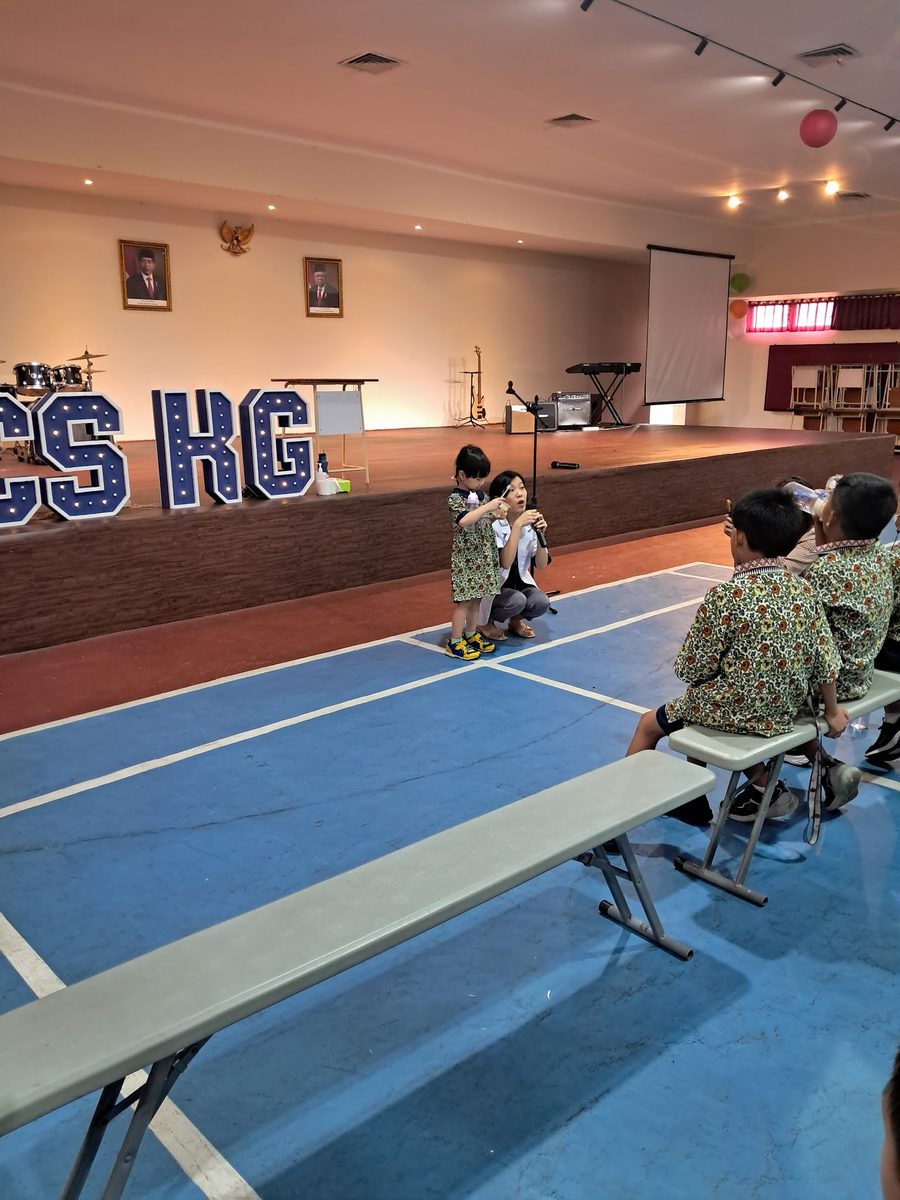
Photo © Mentari Intercultural School Jakarta Elementary via Google Maps
Type
Day
Ages
3–18
Curriculum
American · British
Qualifications
IGCSE · A-Level · AP
Ratio
—
The Verdict
Editor's commitment
Right for
Families in Kebayoran Baru who want an English-medium day school, ages 3–18, with full IB programmes and Indonesia's national curriculum.
Wrong for
Parents wanting boarding, a religious ethos, or a single-track British or American school; Mentari is non-religious and runs a broader mix.
Watch out for
Founded in 1997 and accredited by Cambridge International and WASC, it charges an average annual day fee of IDR 99,180,000.
Ranking breakdown
Mentari Intercultural School Jakarta · #1486 of 1591
Composite score 48.9. 8 weighted criteria.
By criterion
Academic Outcomes
Weight 20%
#1423
of 1529 scored
University Placement
Weight 16%
#1414
of 1529 scored
Prestige & Heritage
Weight 12%
#1456
of 1571 scored
Alumni Network
Weight 12%
#1103
of 1530 scored
Facilities
Weight 12%
#1497
of 1534 scored
Transparency & Communications
Weight 8%
#1467
of 1532 scored
Peer & Industry Review
Weight 10%
#1216
of 1548 scored
Admissions Selectivity & Demand
Weight 8%
#1394
of 1529 scored
Peer & Industry Review
How Mentari Intercultural School Jakarta is regarded in the sector
63
Respected · medium confidence
I could not locate at least two independent third-party sources (e.g., Tatler, Good Schools Guide, specialist education press, expat forums) discussing Mentari Intercultural School Jakarta's reputation, alumni network, or peer standing. Available information appears limited to the school's own materials or unverifiable directory listings.
Editors' overview
Mentari Intercultural School Jakarta has an origin story that sets it apart from the city’s corporate-school landscape: it grew out of a mothers’ initiative in 1994 and opened in 1997, rather than arriving as an imported brand. In Kebayoran Baru, that matters. This is a day school for ages 3 to 18 with English as the language of instruction, and it runs the full International Baccalaureate pathway from PYP to DP alongside Indonesia’s national curriculum. That dual structure gives it a more grounded identity than many international schools that operate as pure expatriate bubbles. The school also carries Cambridge International and WASC accreditation, which gives parents at least some external reference points for academic oversight.
The appeal here is breadth with continuity. A child can stay in one institution from the early years through to the diploma years, and the school’s programme mix gives families more than one academic frame of reference: the context lists American and British strands, while the editorial brief confirms full IB programmes as well. That is a serious offering for a school of this type. The average annual day fee across the full age range is IDR 99,180,000, which places Mentari in Jakarta’s international day-school market as expensive, but not at the stratospheric end. Parents paying that level will expect coherent academic planning, stable leadership and a strong university-preparation culture. What lifts Mentari onto a shortlist is not flash. It is the combination of full-through schooling, a multi-curriculum structure, and a long local footing in Jakarta rather than a franchise identity.
This school will suit families who want an international education without severing ties to Indonesia’s national framework. It will also suit students who are adaptable, comfortable moving between different academic expectations, and ready for an environment that values intellectual range over a single-track system. Children who need a very narrow, highly specialised academic model may find the mix diffuse; children who thrive in a cosmopolitan school with more than one educational language around them will get more out of it. Mentari’s strongest case is for internationally minded Jakarta families, mixed-nationality households, and parents who want the option of IB all the way through in a school with 3–18 continuity and a history that dates back to 1997, not a recent market entry.
Academic Performance
Mentari does not publish the kind of exam data that lets parents place it cleanly against Jakarta’s top academic operators. We have not seen aggregate IB Diploma results, subject averages, pass rates, university destination lists, or longitudinal outcome data. That is a real weakness in a market where stronger schools put at least headline outcomes into the public domain. Without those numbers, any claim of academic standing rests on programme breadth and institutional continuity rather than verified attainment. For a school charging an average of IDR 99,180,000 a year, that gap matters. Parents shopping at this price point have every right to expect published evidence of how students perform in external examinations.
That does not put Mentari in the weak-academics category; it puts it in the opaque one. Schools running external programmes across the full age range have multiple opportunities to demonstrate results, and Mentari does not use them publicly. Relative to peers, that leaves it at a disadvantage against Jakarta schools that release IB Diploma point averages, cohort sizes, top scores and named university destinations. The absence of disclosed results also makes it harder to judge consistency across year groups or to separate a serious educational offer from a school that simply carries recognised programmes. Families interested in Mentari should ask directly for the last 3 years of IB Diploma outcomes, cohort sizes, subject-level performance and destination data before treating it as a proven academic bet.
Facilities
Mentari’s public case on facilities is thinner than it should be. For a school charging near the top of Jakarta’s day-school market, parents need a clear picture of specialist teaching space, sports provision, libraries, performance areas, laboratories and age-segmented play areas. That picture is not in public view. The result is avoidable opacity: families can infer that a through-school running recognised international programmes needs science rooms, arts space and dedicated early-years provision, but inference is not evidence. Against stronger peers, that is a weakness. The best schools in this bracket publish campus maps, room inventories, photographs that show how spaces are used, and enough detail to judge whether facilities are merely serviceable or genuinely ambitious.
That does not mean the campus is weak; it means the school does not make a convincing public case for it. In a dense urban market, many schools operate on compact sites and compensate with smart specialist zoning, strong maintenance and disciplined scheduling. Mentari may well do the same internally, but parents cannot verify that from what the school publishes. At an average annual fee of IDR 99,180,000, that matters. Schools at this level face comparison with rivals that advertise black-box theatres, competition-standard sports halls, maker spaces, design labs and serious visual-arts facilities. Mentari’s facilities profile, as publicly presented, reads functional rather than distinctive. Any family considering it should ask for a campus tour that includes science, arts, PE and early-years spaces, not just the front-facing areas.
Mentari does not publish the kind of exam data that lets parents place it cleanly against Jakarta’s top academic operators
Prestige
Mentari carries credible local standing rather than elite cachet. Its strongest prestige marker is continuity: a school with a long foothold in Jakarta, a full through-school structure, and recognised external frameworks across the age range has more substance than the wave of newer market entrants built around branding first and proof later. That matters to families who value institutional roots and a school community that did not spring out of a property development. The average annual fee of IDR 99,180,000 also places it in a bracket where parents expect more than basic competence. Still, price alone does not confer status, and Mentari does not have the public academic record that turns a respected school into a clear first-rank name.
That is the dividing line. Prestige in this market rests on a mix of social reputation, university outcomes, exam transparency and network power. Mentari has some of that equation, but not all of it. It has serious educational intent and a profile that will read well to families who want a school with international range and Indonesian relevance. It lacks the published outcomes, headline selectivity and wider brand pull that drive top-tier prestige in the most competitive international-school circles. My rating lands in the upper-middle of the market: well regarded, established, and credible, but not one of the schools that confer instant status by name alone.
Mentari’s facilities profile, as publicly presented, reads functional rather than distinctive
Communications
Mentari’s parent communications are serviceable, but not sharp. The school maintains a clear public-facing website with the core admissions and programme architecture in place, and that gives parents a basic route into the school. Beyond that, the picture thins out. We have not seen the depth of routine parent information that marks out the better-run schools in this bracket: detailed calendar visibility, rich news flow, leadership updates, academic reporting samples, or a strong archive of day-to-day school life. That absence matters because communications are not cosmetic at an average fee of IDR 99,180,000; they are part of the service. When a school asks families for long-term trust across the full age range, it needs disciplined transparency, regular cadence and concrete evidence of what pupils are doing and achieving.
My reading is that Mentari communicates adequately for families already inside the system, but does not communicate confidently enough to outsiders making comparisons. Strong school communications do two jobs at once: they inform current parents and they prove institutional competence to prospective ones. Mentari handles the first job more convincingly than the second. The public message is coherent, yet still too thin, too selective and too reliant on broad positioning rather than hard detail. That weakens confidence in areas where parents already need reassurance, especially academics and campus life. Any family considering Mentari should ask to see parent newsletters, reporting formats, event calendars and examples of routine school-home communication across at least 2 terms.
Uniqueness
What sets Mentari apart is not glamour or scale. It is the school’s hybrid civic identity: an international school that did not grow as a foreign franchise and does not ask families to choose between global mobility and national belonging. In Jakarta, that is genuinely distinctive. Many schools in this bracket package international education as escape velocity from the local system. Mentari does the opposite. It keeps one foot in Indonesia while giving students access to external academic frameworks and a full through-school journey under one roof. That creates a student body and parent community that read as less transient, more rooted than the standard expatriate model. For children, the practical gain is coherence: they learn to move between different expectations, different reference points and different definitions of success without treating one identity as superior to the other.
That structure brings real advantages to students who will live across cultures rather than inside a single one. They get continuity across 3–18 schooling, but the more important point is intellectual range. Students are trained to code-switch academically and socially, to handle more than one institutional logic, and to see international education as something embedded rather than imported. That can produce young people who are more adaptable, less insulated and better prepared for universities and workplaces that do not reward monocultural thinking. The trade-off is clear as well: a school built this way will not satisfy families chasing a single-minded prestige machine. Its uniqueness lies in balance, cultural fluency and a stronger sense of local reality than many of its direct competitors.
It lacks the published outcomes, headline selectivity and wider brand pull that drive top-tier prestige in the most competitive international-school circles
Student Profile
Mentari will suit children who are comfortable in mixed settings and do not need a school to sort everyone into one narrow type. The natural fit is the student who can move between international and local reference points without treating either as second best. That includes internationally minded Indonesian families, mixed-nationality households and pupils returning from time abroad who need continuity without cultural dislocation. Socially, the school fits students who are adaptable, open-textured and happy in a community that reads as less performative than the city’s more status-driven operators. Children who need instant brand glamour, relentless competition or a heavily curated peer culture will find stronger matches elsewhere.
Academically and temperamentally, this is a better fit for the child with range than for the child who wants a single-lane, exam-drilled experience. Students who enjoy switching registers, handling different expectations and building confidence across a long through-school journey are the ones who will get the most from it. The fee level — an average of IDR 99,180,000 a year — also means the parent body will expect seriousness, structure and visible forward planning, even if the school’s public evidence on outcomes remains too thin. In plain terms: this is a school for families who value cultural fluency, continuity and a more rooted social environment, not for those chasing the hard-edged prestige game above all else.
Its uniqueness lies in balance, cultural fluency and a stronger sense of local reality than many of its direct competitors
Co-curricular strengths
Arts & sport, on a separate axis
Overall 7.24/10
Scored 0-10 from the school's own published evidence. This axis is editorial-only — it does not feed the main WTS ranking.
Sports
7/10
Drama
7/10
Dance
6.5/10
Music
7.5/10
Visual Arts
8.2/10
Editor first-pass · editor-reviewable · 7/30/2026
Strengths
- +Offers parallel American and British curriculum pathways, giving relocating families flexibility over eventual university destination.
- +Operates as a day school, avoiding the added cost and logistics of boarding that some Jakarta international schools require.
- +Positioned in the Jakarta market as a more moderately priced option relative to the city's flagship international schools.
- +Part of a wider Mentari network with multiple campus locations across greater Jakarta, easing access for families in different districts.
Considerations
- −Editorial ranking (1367) places it well outside the globally recognised top tier of international schools, reflecting limited independent data on outcomes.
- −Publicly available information on exam results, university placement records, and inspection reports is sparse compared with Jakarta's larger international schools.
- −Running dual American and British streams may mean less specialised depth in either curriculum than single-track competitor schools offer.
- −Brand recognition among relocating expat families is modest compared with long-established Jakarta international schools such as JIS or BSJ.
Availability
Primary entry gate & tests
Academic Record
Gallery
Photo © Doglong muhammad via Google Maps
Parent reviews
Have you sent your child here?
Voice reviews carry the strongest trust badge — we transcribe them for you to tidy up before they go live. Prefer to type? A written review is fine too.
Add your voice
In 60 seconds, tell other parents: what's the best thing about Mentari Intercultural School Jakarta, and what surprised you when your child joined?
We ask for a Google sign-in so every review has a real face behind it — no anonymous drive-by attacks on schools, and no faked positive reviews. Your email is never shown publicly.
Send this profile to a friend
International parents rely on word-of-mouth. Share this review with someone weighing the same decision.
Schools with places
Similar schools to Mentari Intercultural School Jakarta with places available now.
Availability first, then country, area, curriculum, price, co-curricular
Consider also
Also worth looking at alongside Mentari Intercultural School Jakarta.
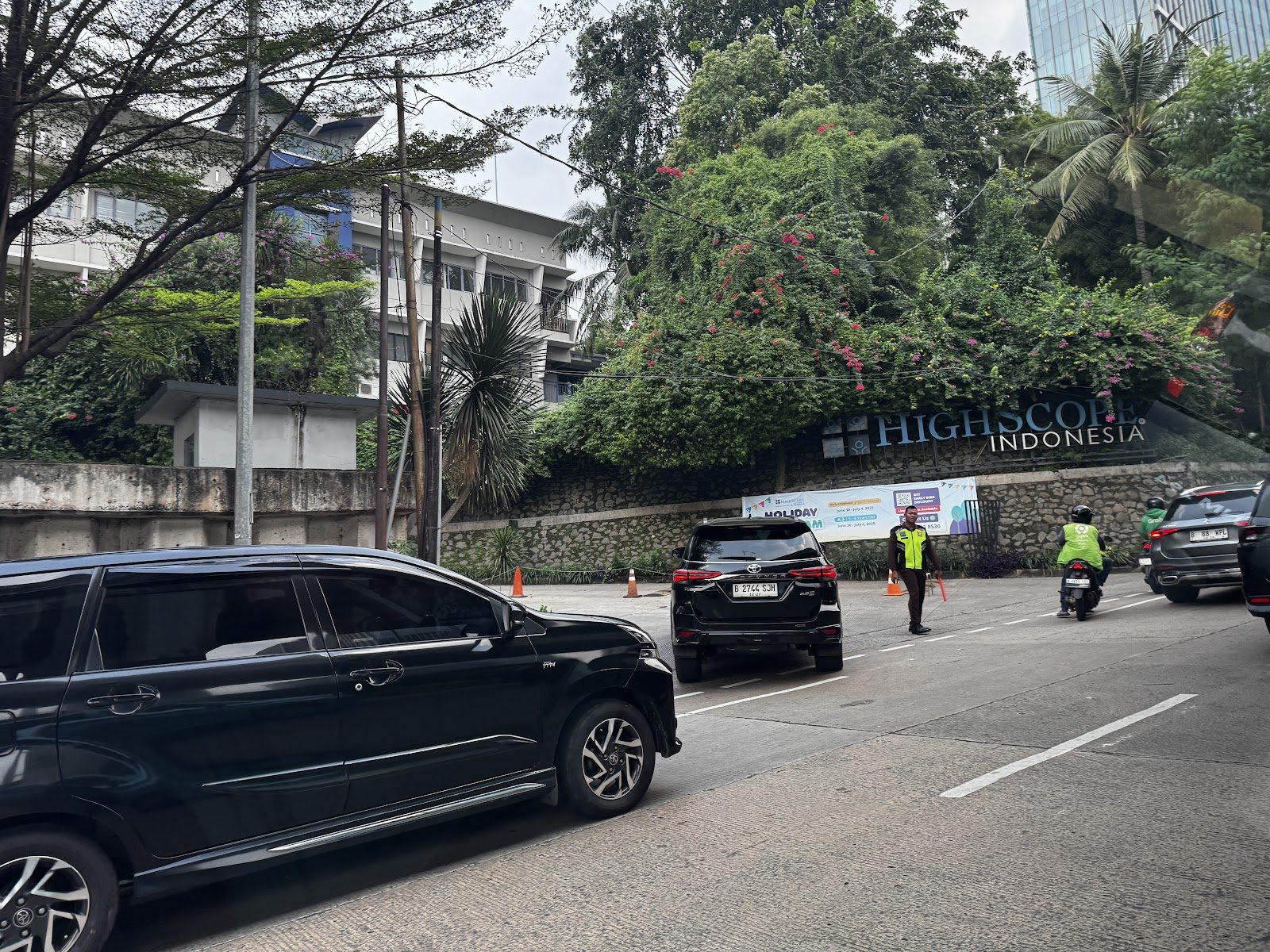
HighScope Indonesia TB Simatupang
Jakarta · Indonesia
Rooted in the 1962 Perry Preschool research, this Cilandak school pairs dual-language learning with three specialized high school majors.
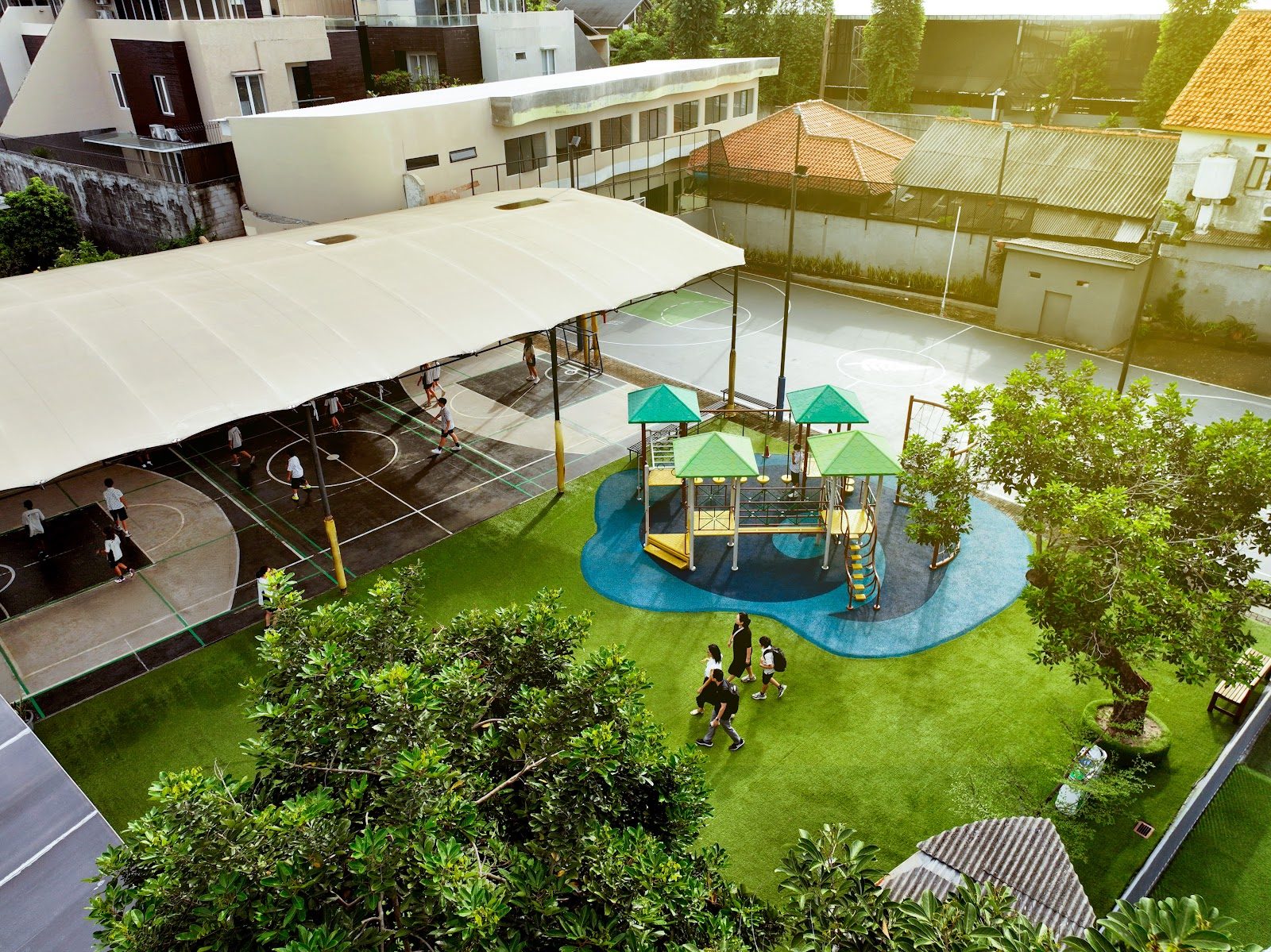
New Zealand School Jakarta
Jakarta · Indonesia
In Kemang, one of the few schools worldwide delivering New Zealand's own curriculum, pairing Maori-inspired houses with Cambridge rigour for secondary years.
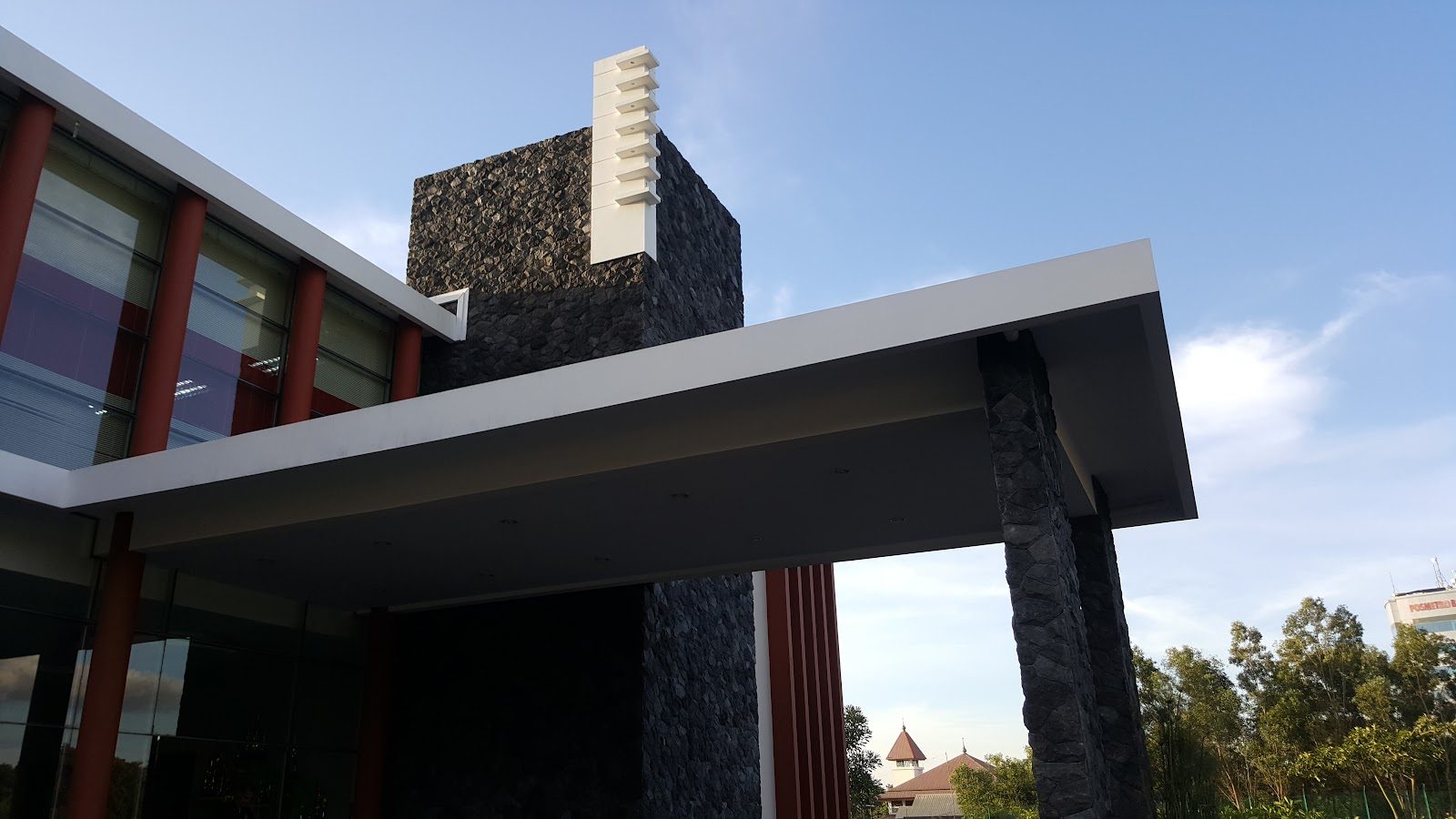
Sekolah Global Indo-Asia
Batam · Indonesia
On Batam's free-trade island facing Singapore, a campus blending the IB Diploma with Cambridge IGCSE and A Levels since 1998.
Raffles Christian School Kelapa Gading
Jakarta · Indonesia
A Kelapa Gading day school blending Singapore rigor with Cambridge assessment, its IGCSE and A Level scholars earning Top in the World distinctions.
Same country and curriculum — closest matches within ±10 points either way