
Point E
École Actuelle Bilingue Dakar
low confidence· 4/6 cats · 1 avg sourcesAn accessible alternative to Dakar's premium international schools, teaching English and French side by side with two teachers per class.
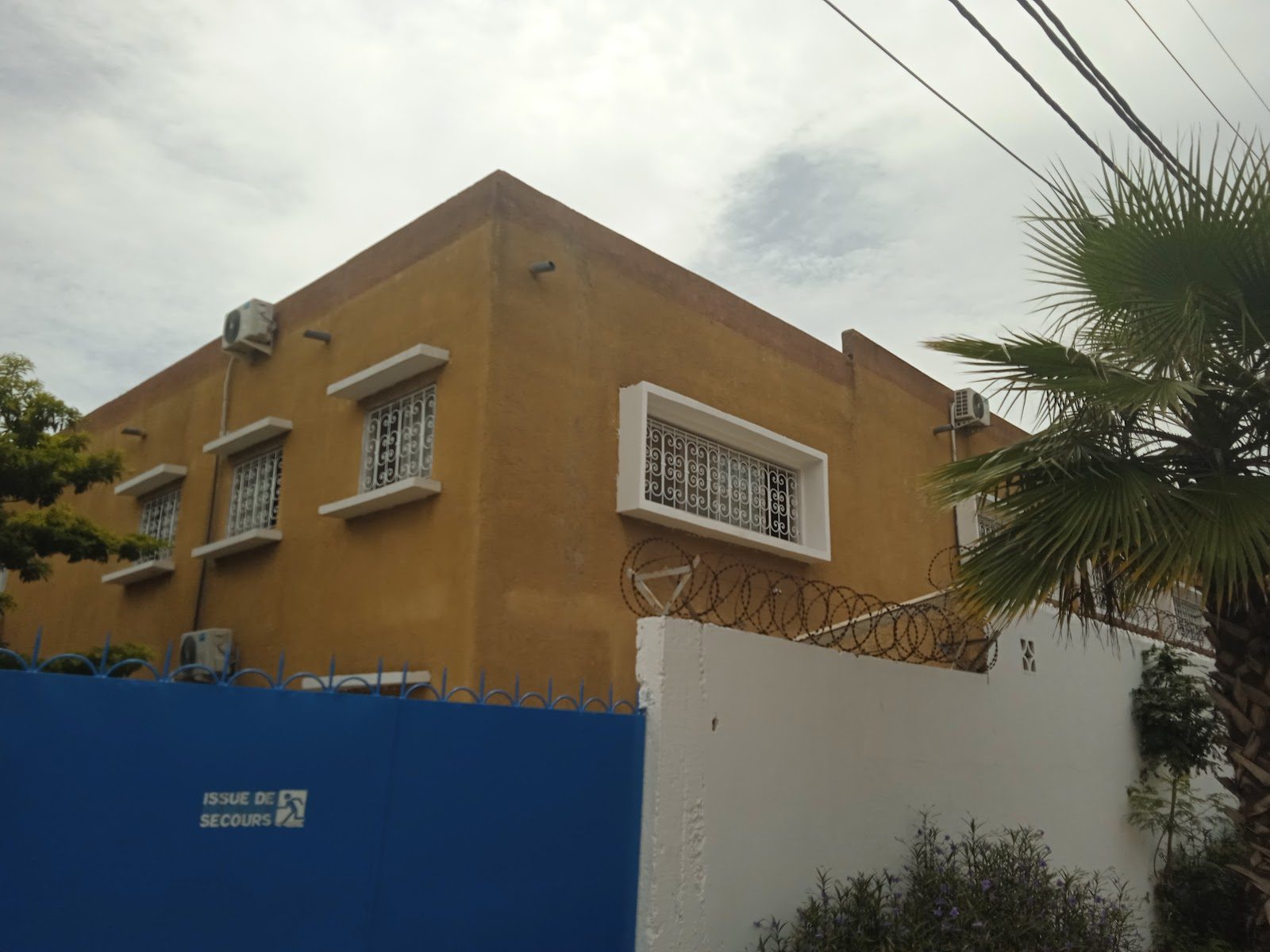
Photo © Aliou N'diaye via Google Maps
Type
Day
Ages
3–18
Curriculum
French Baccalaureate · American
Qualifications
US High School Diploma
Ratio
—
The Verdict
Editor's commitment
Right for
Families wanting French Baccalaureate and American pathways in Dakar, with French and English taught side by side from ages 3 to 18.
Wrong for
Parents chasing Dakar’s premium tier, boarding, or a single-language education; this is a day school, non-religious, and firmly bilingual.
Watch out for
The average annual fee is 1,946,600 XOF; AEFE partenariat and Middle States add credibility, not the cachet of elite-brand schools.
Ranking breakdown
École Actuelle Bilingue Dakar · #1468 of 1591
Composite score 48.7. 8 weighted criteria.
By criterion
Academic Outcomes
Weight 20%
#1432
of 1529 scored
University Placement
Weight 16%
#1414
of 1529 scored
Prestige & Heritage
Weight 12%
#1456
of 1529 scored
Alumni Network
Weight 12%
#1398
of 1529 scored
Facilities
Weight 12%
#1510
of 1529 scored
Transparency & Communications
Weight 8%
#1488
of 1529 scored
Peer & Industry Review
Weight 10%
#1203
of 1529 scored
Admissions Selectivity & Demand
Weight 8%
#1394
of 1529 scored
Peer & Industry Review
How École Actuelle Bilingue Dakar is regarded in the sector
63
Respected · medium confidence
No independent third-party sources (specialist education press, Good Schools Guide, Tatler, expat forums with substantive discussion, or inspectorate reports) could be identified that assess École Actuelle Bilingue Dakar's reputation. Without at least two credible independent references, no reliable score can be assigned.
Editors' overview
The defining feature at École Actuelle Bilingue Dakar is plain: children are taught in French and English side by side, not through a token bilingual add-on. In Dakar, where the market splits between French schools and expensive Anglo-American internationals, that gives EAB a distinctive place. It is a day school for ages 3 to 18, founded in 1990, non-religious, and it runs both the French Baccalaureate and an American programme. That combination matters. Parents do not have to choose between a French academic base and sustained English fluency; EAB builds both into the structure of the school. Its accreditations — AEFE partnership status and Middle States — give it credibility in both systems without pushing it into the premium-priced bracket of the city’s top-fee international names. The average annual day fee across the full age range is 1,946,600 XOF, which places it in the accessible tier for an international bilingual school in Dakar.
Why shortlist it? Because this is a practical answer to a common Dakar problem: families want serious French and serious English, but not every child fits a fully French route and not every budget stretches to the city’s elite international campuses. EAB addresses that gap directly. Teaching in both French and English from the start gives it a useful strategic advantage for internationally mobile families, mixed-nationality households, and local families who want access to both francophone and anglophone higher-education pathways. The school’s age range, 3 to 18, also offers continuity that matters in a city where transitions between systems can become disruptive.
The right student for EAB is adaptable, linguistically confident or ready to become so, and comfortable moving between two academic cultures. A child who thrives on one dominant language and wants a single-system education may find the dual track demanding. A child from a bilingual home, or one headed for a life across borders, gets more from it. Parents who want polish, prestige signalling and the fullest suite of premium international-school extras will look elsewhere. Parents who want a school with a clear educational proposition — French and English, one campus, one through-school, fees at 1,946,600 XOF on average rather than top-of-market levels — will keep École Actuelle Bilingue Dakar on the shortlist.
Academic Performance
Academic transparency is the weak point. EAB does not publish aggregate French Baccalaureate or AP results, university destination lists, cohort averages, top scores, or year-on-year attainment data. That matters. In a school offering two examined routes, parents need more than a general claim of bilingual ambition; they need hard numbers showing how pupils perform at the end of each pathway. Without them, EAB sits in the opaque middle ground: not a school with poor results on record, but not one that earns confidence through public disclosure either. Relative to Dakar’s strongest academic operators, that leaves it at a disadvantage. The best-regarded schools in this bracket give families a clean read on pass rates, score distributions, and destinations. EAB does not.
That does not make it weak academically. It does mean families must test the substance themselves. Ask for the latest French Baccalaureate pass rate, mention rates, distinctions, AP subject list, average AP scores, number of candidates, and university offers over the past 3 years. Ask how results break down across the French and American tracks, and whether pupils can move between them without academic slippage. For parents who value hard proof over institutional goodwill, this is a school that needs more scrutiny than its marketing category might imply. Until EAB publishes consistent outcome data, its academic standing remains credible but unproven against direct competitors.
Facilities
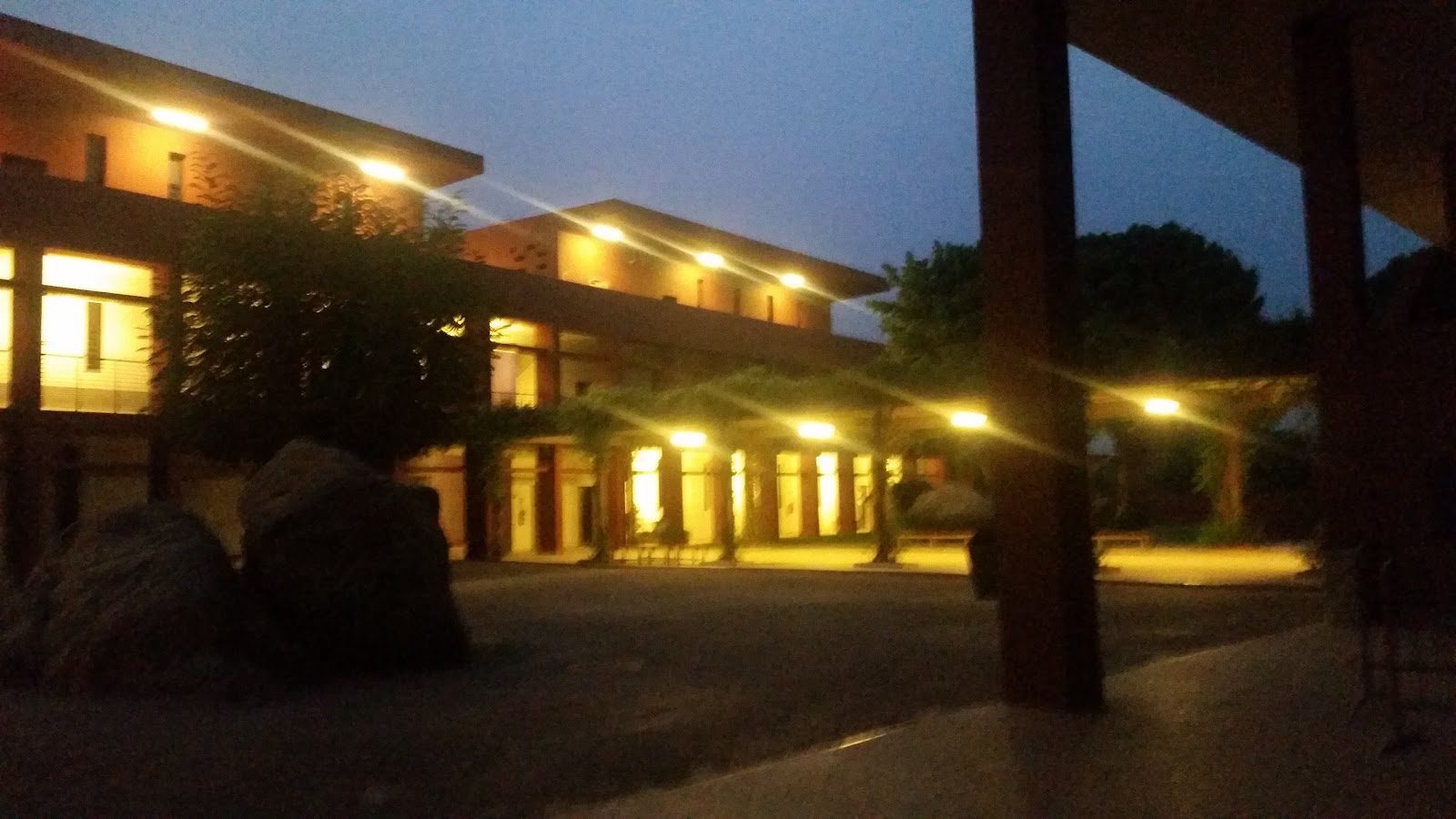
Facilities are functional rather than showpiece. The school’s strongest physical asset is not a landmark campus or specialist complex; it is the way classroom organisation supports the bilingual model, with 2 teachers in class. For parents, that has more day-to-day consequence than a glossy atrium. Younger children, in particular, benefit when language switching and pastoral oversight happen inside the room rather than through withdrawal or patchwork support. Against Dakar’s premium international campuses, that is a practical strength but not a facilities advantage in the luxury sense. Families looking for theatres, elite sports provision or a broad spread of high-spec specialist spaces need to inspect carefully and ask direct questions.
That is the key benchmark point. EAB competes on educational structure and affordability, not on campus theatre. The absence of published detail on laboratories, performing arts spaces, sports grounds, libraries, design workshops or dedicated sixth-form areas leaves the estate under-explained. In this market, stronger competitors spell out their science rooms, arts provision and athletic infrastructure because those facilities help sell the school. EAB does not do that with any force. Parents considering it should visit with a checklist: science labs by phase, indoor and outdoor sport, music practice space, art rooms, computing provision, security and circulation at drop-off, and whether shared spaces feel constrained at busy times. If the campus works, it will win families through usefulness, not spectacle.
The defining feature at École Actuelle Bilingue Dakar is plain: children are taught in French and English side by side, not through a token bilingual add-on
Prestige
École Actuelle Bilingue Dakar has modest prestige rather than cachet. In Dakar’s school hierarchy, it does not carry the automatic social signalling of the city’s top-fee international names, nor the institutional weight of the most established French-network options. Its standing rests on utility: families choose it for a bilingual education that is more attainable than the premium tier, not for a badge that turns heads. That matters in the admissions market. Some schools sell exclusivity; EAB sells access. An average annual fee of 1,946,600 XOF reinforces that position. It buys a serious schooling proposition, but not the elite aura that parents pay for at the top end.
Why rate it there? Because prestige comes from a mix of selectivity, published outcomes, alumni visibility, and market perception. EAB is light on several of those markers. The school does not put hard attainment data into the public domain, and that limits its academic clout. Nor does it project the old-guard authority of legacy institutions or the glossy internationalism of Dakar’s most expensive campuses. What it does have is a clear niche and a credible cross-system identity, which gives it practical respectability among families who value bilingual fluency over status display. That is a solid position, but it is not the top rung.
If the campus works, it will win families through usefulness, not spectacle. École Actuelle Bilingue Dakar has modest prestige rather than cachet
Communications
Parent communication is serviceable, but the school does not make a strong public case for itself. The website sets out the core proposition clearly enough, and the practical essentials are easy to locate: age range, fee level, contact routes and the school’s bilingual structure. That gives parents a usable first read. Beyond that, communication thins out. There is little published depth on outcomes, facilities or the day-to-day academic experience across the full school. For a through-school covering 3–18, that is a real weakness. Families making a long-term decision need more than a front-door summary; they need a steady flow of concrete information that answers obvious questions before a visit.
That shortfall matters because communication is not decoration in a school with a complex educational model. Parents need clarity on how classes run, how progress is tracked, how pupils move through different phases, what support exists for children stronger in one language than the other, and how the school handles transitions into external examinations. EAB does not publish enough of that detail. The result is a communication style that is functional but thin: good enough to open a conversation, not good enough to close one. Any parent considering the school should expect to do more of the work themselves — ask direct questions, request concrete examples, and test how quickly and precisely the admissions team responds. In this market, opaque communication costs trust.
Uniqueness
What sets EAB apart is not the existence of bilingual teaching but the mechanics of it. Many schools promise bilingualism and deliver a dominant language with support on the side. EAB builds both languages into the ordinary school day, with 2 teachers in class, and that changes the experience for pupils. Children are not waiting for a separate language period to switch register or vocabulary; they are learning to think, respond and operate across both. In a market that forces many families into a blunt choice between French schooling and an anglophone international route, EAB offers a rarer hybrid: one school, two linguistic worlds, handled in parallel rather than in sequence.
For students, that brings more than fluency. It builds academic flexibility, sharper code-switching, and a practical ease in moving between different classroom expectations. That matters for mixed-nationality families, returnees, and pupils whose futures sit across francophone and anglophone systems. It also gives children daily exposure to different habits of expression and reasoning, which can make them more agile learners than peers educated in a single-language silo. The trade-off is real: this is not an easy ride for a child who wants one settled academic culture and minimal switching. For the right student, though, EAB offers something genuinely harder to find than glossy facilities or status value: a bilingual education woven into the structure of the school, not added as decoration.
In Dakar, where the market splits between French schools and expensive Anglo-American internationals, that gives EAB a distinctive place
Student Profile
The best fit is a child who can handle intellectual switching without losing confidence. This school suits pupils from mixed-language homes, internationally mobile families, and local families who want both francophone and anglophone options kept open without paying Dakar’s top international fees. It also suits children who benefit from close adult presence in the room: the 2-teacher classroom model gives more immediate correction, more chances to participate, and less room for a quieter pupil to drift. For strong self-starters, that can sharpen habits early. For children who need constant linguistic reassurance, it gives a more structured safety net than a school that simply teaches one language and adds support around the edges.
The weaker fit is just as clear. A child who wants one settled academic culture, one dominant language, and a low-friction school day may find the environment mentally demanding. Pupils who resist correction, tire quickly from code-switching, or need a highly polished premium-campus experience for motivation will get less from it. This is also not the obvious choice for families who treat schooling as a status purchase first and an educational decision second. The students who do well here are adaptable, unshowy and resilient: they can move between expectations, accept that the school’s strengths are structural rather than glamorous, and value substance over polish across a long age span of 3–18.
EAB does not publish aggregate French Baccalaureate or AP results, university destination lists, cohort averages, top scores, or year-on-year attainment data
Co-curricular strengths
Arts & sport, on a separate axis
Overall 5.3/10
Scored 0-10 from the school's own published evidence. This axis is editorial-only — it does not feed the main WTS ranking.
Sports
5.5/10
Drama
5/10
Dance
5/10
Music
5.2/10
Visual Arts
5.8/10
Editor first-pass · editor-reviewable · 7/30/2026
Strengths
- +Provides a dual-curriculum structure, preparing students for both the French Baccalaureate and an American-style diploma track, widening university options.
- +Bilingual French-English instruction from an early stage supports internationally mobile families relocating to Dakar.
- +Day-school format keeps students embedded in Dakar's local and expatriate community rather than on an isolated campus.
- +Based in Dakar, giving access to the city's wider network of international schools, embassies and expat support services.
Considerations
- −Little independently published data on exam results, inspection outcomes or university placement is publicly available to verify academic performance.
- −As a lower-profile, non-flagship institution in Dakar's international school market, it has a shorter track record than the city's more established schools.
- −Running two parallel curricula (French Bac and American) in a single day school may spread teaching resources and specialist staff more thinly than a single-system school.
- −No boarding option, so families based outside Dakar must independently arrange housing and daily transport.
Availability
Primary entry gate & tests
Academic Record
Gallery
Photo © Aliou N'diaye via Google Maps
Photo © Tiak-Tiak via Google Maps
Parent reviews
Have you sent your child here?
Voice reviews carry the strongest trust badge — we transcribe them for you to tidy up before they go live. Prefer to type? A written review is fine too.
Add your voice
In 60 seconds, tell other parents: what's the best thing about École Actuelle Bilingue Dakar, and what surprised you when your child joined?
We ask for a Google sign-in so every review has a real face behind it — no anonymous drive-by attacks on schools, and no faked positive reviews. Your email is never shown publicly.
Send this profile to a friend
International parents rely on word-of-mouth. Share this review with someone weighing the same decision.
Schools with places
Similar schools to École Actuelle Bilingue Dakar with places available now.
Mentari Intercultural School Jakarta
Jakarta · Indonesia
- 2026-27
- WAITPOOLSpace-dependent
- 2027-28
- FUTURE CYCLEDates TBC
International School of Panama
Panama City · Panama
- 2026-27
- WAITPOOLSpace-dependent
- 2027-28
- FUTURE CYCLEDates TBC
Livingston American School Shanghai
Shanghai · China
- 2026-27
- WAITPOOLSpace-dependent
- 2027-28
- FUTURE CYCLEDates TBC
Country Day School
Escazú · Costa Rica
- 2026-27
- WAITPOOLSpace-dependent
- 2027-28
- FUTURE CYCLEDates TBC
Availability first, then country, area, curriculum, price, co-curricular
Consider also
Also worth looking at alongside École Actuelle Bilingue Dakar.
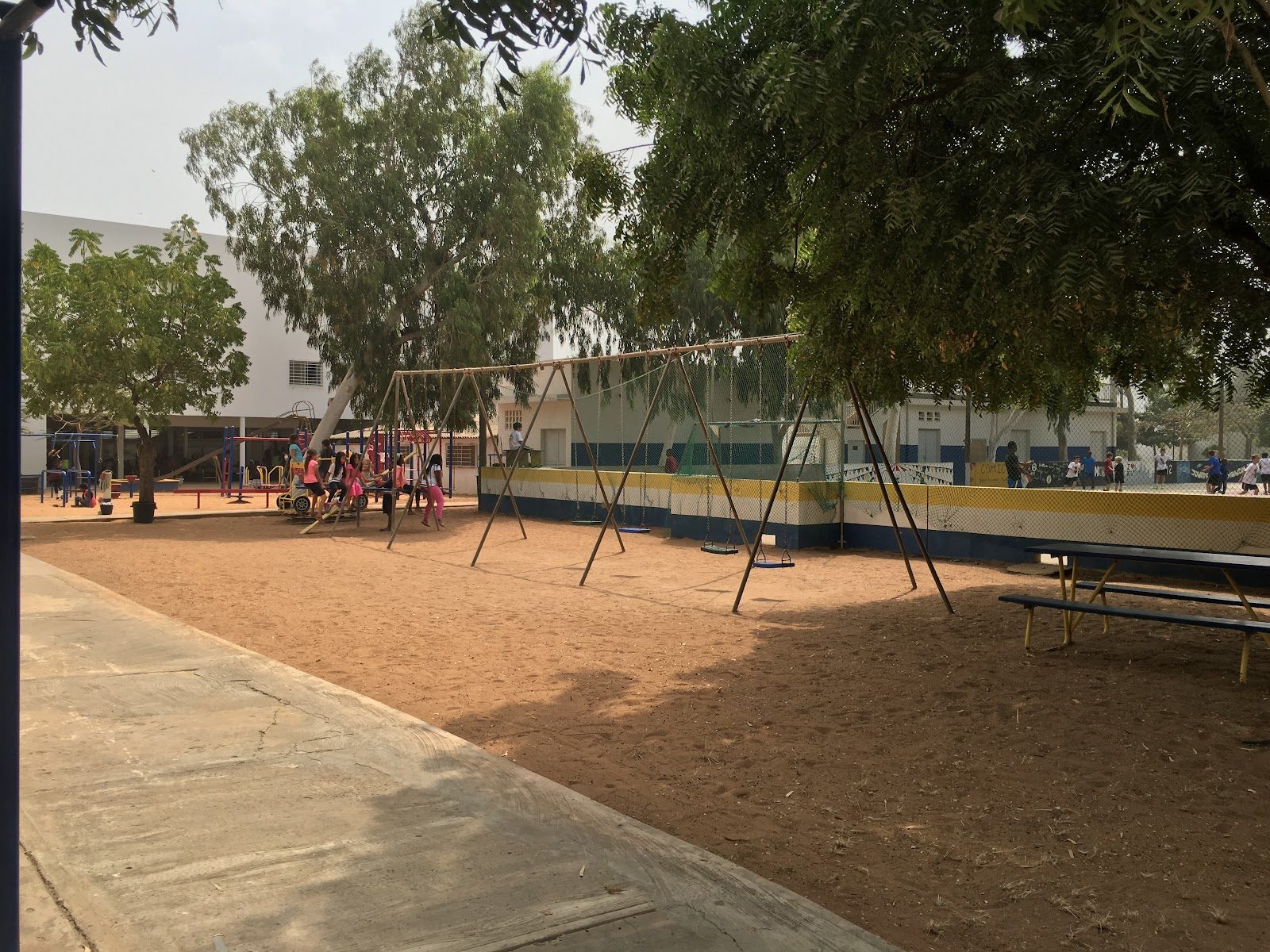
Dakar Academy
Dakar · Senegal
Founded in 1961 as West Africa's first international school, still blending an American curriculum with family-style boarding for pupils from 50-plus nations.
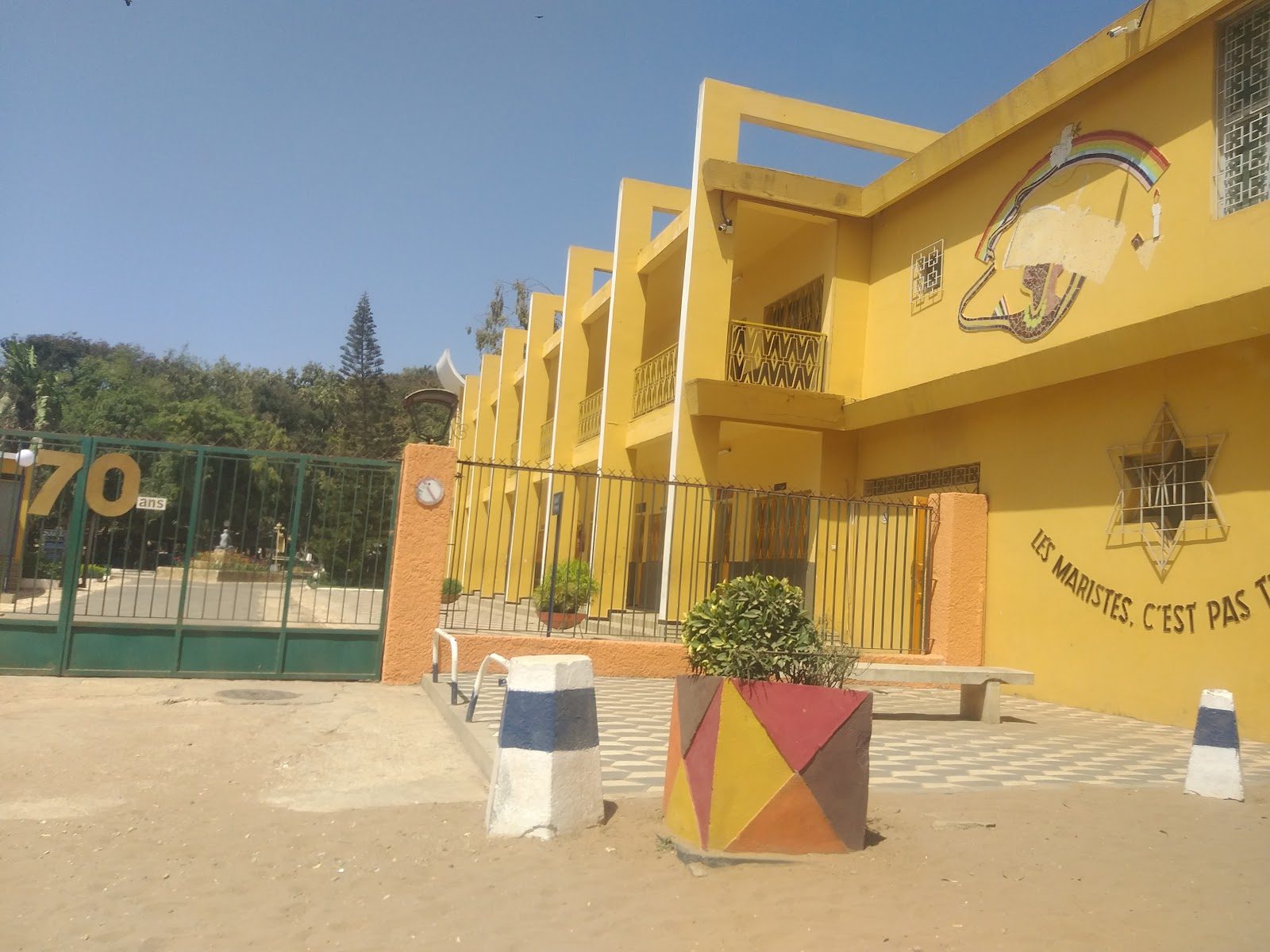
Cours Sainte-Marie de Hann
Dakar · Senegal
A Marist compound in Hann where a Muslim-majority student body earned Senegal's first UNESCO Prize for Peace Education
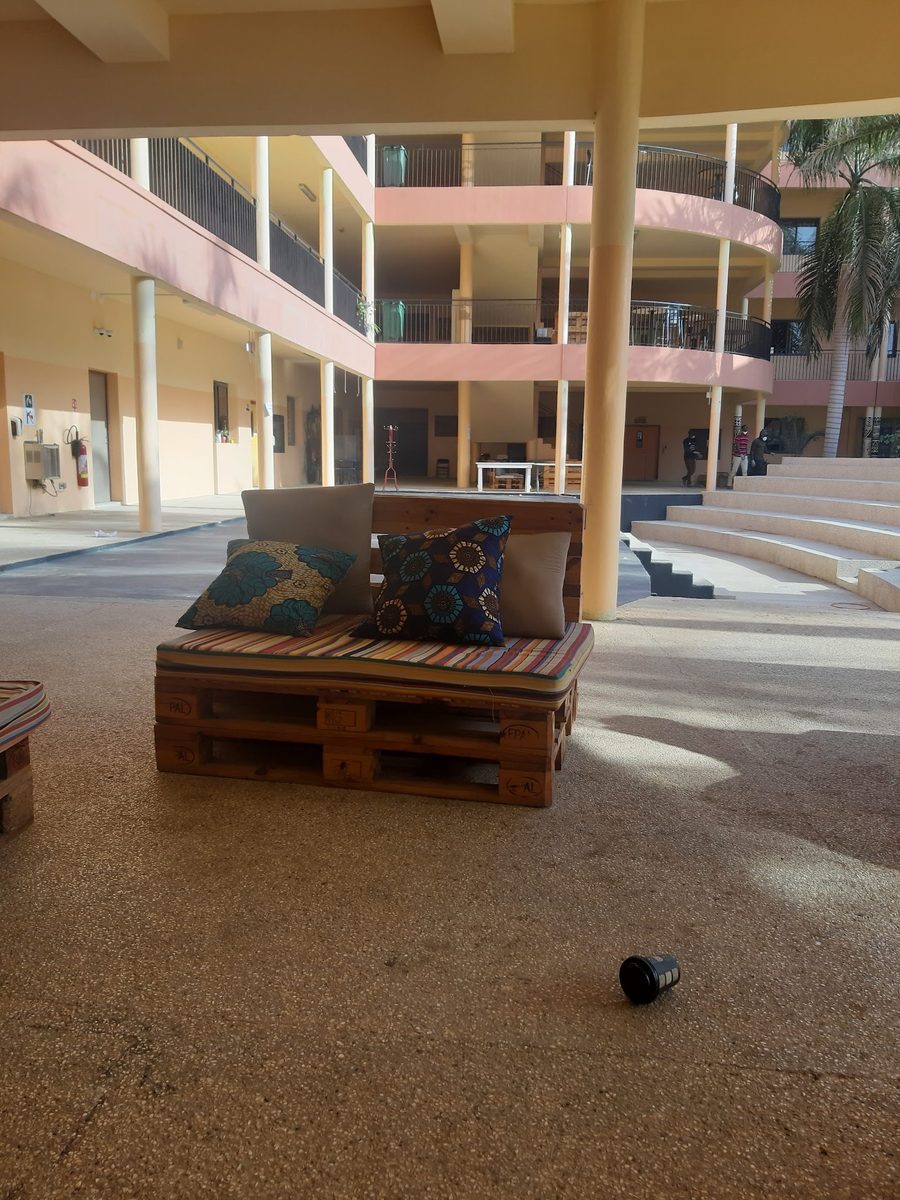
International School of Dakar
Dakar · Senegal
An Atlantic-facing campus in Dakar's Mermoz district blends an American core with the full IB continuum, PYP through Diploma.
Lycée Jean Mermoz
Dakar · Senegal
Named for the aviator who vanished off these shores, this AEFE flagship pairs the French Bac with an American strand and a basketball academy in Ouakam.
Same country and curriculum — closest matches within ±10 points either way