
Sidi Bou Said
International School of Carthage
low confidence· 4/6 cats · 1 avg sourcesIn the shadow of Carthage's ruins, an American-IB day school built its own tradition of blue-and-yellow school pride from scratch.
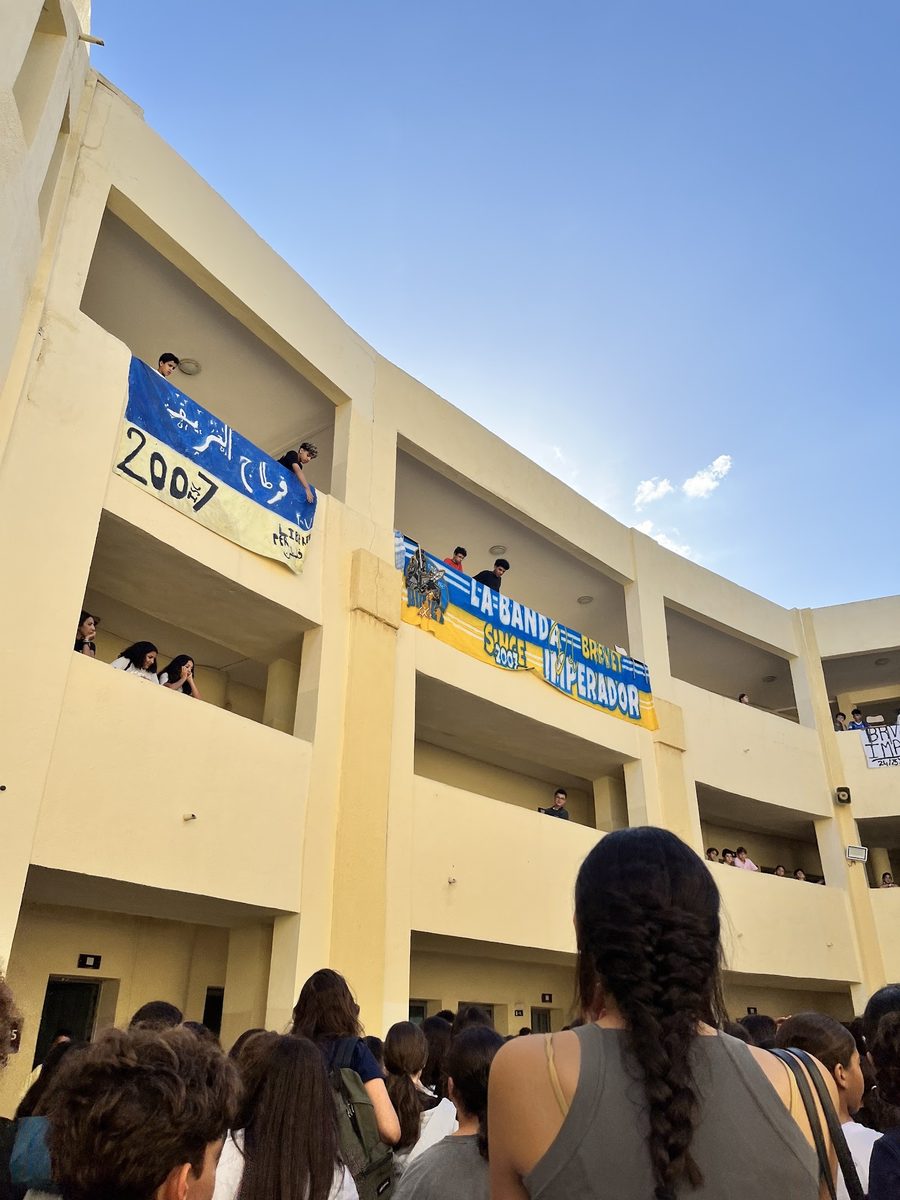
Photo © Manyl Elammouchi via Google Maps
Type
Day
Ages
3–18
Curriculum
IB · American
Qualifications
IB Diploma · US High School Diploma
Ratio
—
The Verdict
Editor's commitment
Right for
Families in Carthage wanting an English-medium day school from ages 3–18 with American and IB pathways under Middle States accreditation.
Wrong for
Parents wanting boarding, a religious ethos, or a single-curriculum school; this is non-religious, day-only, and runs American plus IB.
Watch out for
Founded in 1994 and IB World authorised, it has built its own identity; the school does not publish headline outcomes here.
Ranking breakdown
International School of Carthage · #1504 of 1591
Composite score 48.3. 8 weighted criteria.
By criterion
Academic Outcomes
Weight 20%
#1450
of 1529 scored
University Placement
Weight 16%
#1445
of 1529 scored
Prestige & Heritage
Weight 12%
#1471
of 1571 scored
Alumni Network
Weight 12%
#1161
of 1530 scored
Facilities
Weight 12%
#1498
of 1533 scored
Transparency & Communications
Weight 8%
#1489
of 1532 scored
Peer & Industry Review
Weight 10%
#1216
of 1548 scored
Admissions Selectivity & Demand
Weight 8%
#1419
of 1529 scored
Peer & Industry Review
How International School of Carthage is regarded in the sector
63
Respected · medium confidence
I could not locate at least two independent third-party sources (e.g., Tatler, Good Schools Guide, specialist education press, alumni network coverage, or expat forums) that substantively assess the reputation of International School of Carthage. Without independent corroboration beyond the school's own materials, a reliable score cannot be assigned.
Editors' overview
International School of Carthage occupies a useful niche in Tunis: an English-medium day school for ages 3–18 that combines an American framework with the IB and carries Middle States accreditation. Founded in 1994, it is not an old diplomatic outpost trading on colonial-era prestige; it is a younger school that has had to build its reputation through continuity, community confidence and practical delivery. That matters in Tunisia, where the market for international education is narrower than in Dubai or Geneva and where parents need clarity on pathway, language and day-to-day stability. ISC’s draw is straightforward: a full-school English-language route, an internationally portable curriculum, and a setting in Carthage that gives it local status without insulating it from Tunis itself.
What puts it on a shortlist is not mystique but fit. For families who want boarding, a vast corporate-school campus or a long menu of curricular permutations, this is the wrong school. For families who want a non-religious, all-through day school with one operating language and a coherent international track, it is a serious option. The combination of American and IB matters because it gives the school a broader academic identity than a single-system school, while the day format keeps it anchored in family life rather than residential provision. In market terms, ISC sits in the space between embassy-school transience and purely local private schooling: international in academic direction, grounded in Tunisian life, and built for parents who want mobility without cultural dislocation.
The students who thrive here are those who value clear structure, visible school spirit and a community that runs from early years to sixth form under one roof. This suits internationally minded Tunisian families, expatriates staying for a full posting rather than a single short assignment, and students who need an English-medium education from the start rather than a bilingual compromise. It also suits children who benefit from continuity across the whole age range, instead of a school change at 11 or 16. The blue-and-yellow identity matters more than it sounds on paper: in a school founded from scratch, shared culture is not inherited, it is built. Parents choosing ISC are buying into that home-grown tradition as much as the curriculum.
Academic Performance
Academic performance is hard to judge with confidence because the school does not publish a usable body of outcomes data. We have not seen aggregate IB Diploma results, average point scores, subject distributions, pass rates, university destinations, AP results or any year-on-year attainment trend. That leaves a clear gap in the school’s public case. In a market where serious international schools use external results to prove academic quality, this level of opacity is a weakness. Parents comparing ISC with stronger-reporting peers in North Africa, southern Europe or the Gulf will get far less to work with here. The school may deliver solid outcomes; it does not document them in a way that allows proper scrutiny.
That does not place ISC in a weak academic bracket by default, but it does place it in the less transparent one. Schools with published diploma averages, top-score counts and destination lists earn the benefit of evidence; schools without them do not. The consequence is practical: families must test academic depth through direct questioning on cohort performance, sixth-form subject breadth, intervention for weaker students and where graduates actually go after leaving. For parents who value hard proof over reassurance, ISC’s exam-results profile is underpowered. Relative to peers, the issue is not poor published performance; it is the absence of published performance at all.
Facilities
Facility assessment is constrained by a basic problem: ISC does not publish a clear, detailed campus inventory. We know the school operates in Les Jardins de Carthage and that the campus was built in the late 1980s, but there is no robust public breakdown of specialist provision — no proper theatre specification, no serious sports inventory, no science-lab count, no library detail, no performing-arts suite description, no design or technology overview. That matters because facilities are one of the simplest ways a school can demonstrate substance. At ISC, parents must ask direct questions and insist on specifics. A school serving the full age range needs more than classrooms and a playground; it needs credible specialist space, age-appropriate sports provision and rooms that support older students’ independent study rather than just routine teaching.
Against peer schools, that leaves ISC at a disadvantage in published evidence. Better-documented competitors in North Africa and the Mediterranean spell out pitches, pools, labs, black-box spaces, makerspaces and exam-year study areas. ISC does not. That does not prove weak facilities; it proves thin disclosure. The ownership structure points to financial backing, which is useful, but backing is not the same as visible campus quality. Parents visiting should test whether the site feels *purpose-built for a whole-school experience* or simply serviceable: inspect science rooms, outdoor play, indoor sport, music practice space, safeguarding at drop-off, and whether older pupils have spaces that feel serious rather than improvised.
Schools with published diploma averages, top-score counts and destination lists earn the benefit of evidence; schools without them do not
Prestige
ISC’s prestige is local rather than global. In Tunis, it carries weight as an established international school with a full age-range and a recognisable identity, and ownership by the Poulina Group adds corporate solidity. That gives it standing with families who want continuity, a known operator and a school that has moved beyond start-up fragility. The Carthage address helps too: this is a part of greater Tunis with social cachet, and schools there benefit from association with a more affluent, internationally minded parent body. Prestige, then, rests on *stability, location and community confidence* more than on elite selectivity or world-famous brand power.
What it does not have is the kind of prestige that travels on name alone. Outside Tunisia, ISC lacks the instant recognition of the big Anglo-American names or the old European schools whose reputations are reinforced by published results, famous alumni and deep institutional history. That matters. Prestige in international education is built either through historic status, exceptional outcomes or a heavyweight network; ISC does not publish the outcomes data that would strengthen its case, and it does not trade on inherited institutional mythology. The result is a school with credible domestic standing and limited international lustre. For families rooted in Tunis, that is enough. For families shopping on prestige first, it is not.
For students, that can be genuinely formative: belonging is created through participation, not borrowed from history
Communications
ISC’s parent communication is functional rather than polished. The school website covers the essentials — admissions route, contact points, calendars, basic school identity — but it does not do the heavier editorial work that strong international schools now treat as standard. There is no rich public archive of leadership updates, no serious publication of academic reporting data, and no detailed flow of school-life information that lets an outside parent judge rhythm, responsiveness or institutional candour. That matters because communication is not just about answering enquiries; it is about showing how a school thinks. ISC gives parents enough to navigate, not enough to scrutinise. The result is a communications profile that feels serviceable, thinly evidenced and more operational than strategic.
For current families, the picture is harder to verify in public because the school does not expose much of its parent-facing machinery. We have not seen a substantial news stream, a transparent governance voice, or the kind of regular principal messaging that signals disciplined institutional communication. Nor does the school publish the outcome data that would strengthen trust when schools talk about standards. That weakens credibility. Parents considering ISC should test communication directly: response times to admissions queries, clarity on reporting cycles, access to senior staff, notice around events, and how complaints are handled. In other words, judge the school on reply speed, clarity under pressure and whether answers stay specific after the first conversation.
Uniqueness
ISC’s real distinction lies in combination and context, not rarity for its own sake. It is one of the few schools in greater Tunis that gives families a single-track international education from nursery to school leaving without switching institutions midway. That continuity matters more than glossy schools admit. Children do not need to re-learn a culture, social code and academic rhythm at each transition point; they grow up inside one set of expectations, one community and one identity. In a market that is smaller and less saturated than the Gulf, that makes ISC a practical anchor for families who want mobility without turning childhood into a sequence of handovers. The other point of difference is ownership: backing from a major Tunisian group ties the school to local economic life rather than to a transient embassy ecosystem or a distant global chain.
That produces a student experience with a clear local-international balance. Pupils study in an international framework, but they do so in a school rooted in Tunisian reality rather than expatriate insulation. That changes the social mix and the tone: less floating-population impermanence, more continuity, more chance of durable friendships and stronger parent networks. The blue-and-yellow identity carries weight here because the school built its culture from scratch instead of inheriting old prestige. For students, that can be genuinely formative: belonging is created through participation, not borrowed from history. The result is a school with self-made character — less myth, more lived community.
International School of Carthage occupies a useful niche in Tunis: an English-medium day school for ages 3–18 that combines an American framework with the IB and carries Middle States accreditation
Student Profile
The pupils who fit best here are children who do well in a close-knit, all-through community where identity matters and everyone knows the school’s codes early. This is not the right environment for families chasing elite-brand cachet, hyper-competitive admissions culture or a giant campus with endless niche pathways. It suits internationally minded Tunisian families and expatriates who want continuity, routine and a student body rooted in local life rather than a transient diplomatic bubble. That tends to work well for pupils who value stable friendships, visible belonging and the reassurance of a school that keeps the same peer culture from the early years to the end of secondary.
Socially, ISC will suit students who are comfortable in a school with self-made traditions rather than inherited grandeur. The blue-and-yellow spirit matters because it gives coherence to a school without old-world mythology behind it. Children who enjoy representing their school, joining in and building community from the inside will fit more easily than those who want anonymity. Academically, the strongest match is a student who benefits from structure and straightforward expectations, but whose parents are prepared to interrogate challenge level and post-school outcomes for themselves. In other words, ISC fits the child who wants an anchored, internationally oriented education without boarding, institutional sprawl or social theatre.
For families who want boarding, a vast corporate-school campus or a long menu of curricular permutations, this is the wrong school
Co-curricular strengths
Arts & sport, on a separate axis
Overall 6.2/10
Scored 0-10 from the school's own published evidence. This axis is editorial-only — it does not feed the main WTS ranking.
Sports
7.5/10
Drama
5/10
Dance
6.5/10
Music
5/10
Visual Arts
7/10
Editor first-pass · editor-reviewable · 7/30/2026
Strengths
- +Offers a dual-curriculum pathway (IB and American), giving families flexibility if they relocate again to a different education system.
- +Located in Carthage, a low-density suburb of Tunis with a long-established international and diplomatic community.
- +As a small day school, it likely offers a lower student-teacher ratio than large national schools, though this is not independently verified.
- +Positioned to serve the expatriate and returning-Tunisian professional community around the capital, easing cultural transition for newcomers.
Considerations
- −Very limited public data on exam results, IB pass rates, or university placement outcomes for external verification.
- −Low editorial visibility and ranking (1370) suggest a short operating history or small enrolment compared to established regional international schools.
- −Tunisia's broader economic and political environment periodically affects infrastructure, currency stability, and expatriate confidence.
- −Being a single day-school campus, it lacks boarding options and the scale of extracurricular or facility resources found at larger IB schools in North Africa.
Availability
Primary entry gate & tests
Academic Record
Gallery
Photo © Rafik MK via Google Maps
Photo © Rafik MK via Google Maps
Photo © Rafik MK via Google Maps
Photo © Dardouri Brahim via Google Maps
Photo © Dardouri Brahim via Google Maps
Parent reviews
Have you sent your child here?
Voice reviews carry the strongest trust badge — we transcribe them for you to tidy up before they go live. Prefer to type? A written review is fine too.
Add your voice
In 60 seconds, tell other parents: what's the best thing about International School of Carthage, and what surprised you when your child joined?
We ask for a Google sign-in so every review has a real face behind it — no anonymous drive-by attacks on schools, and no faked positive reviews. Your email is never shown publicly.
Send this profile to a friend
International parents rely on word-of-mouth. Share this review with someone weighing the same decision.
Schools with places
Similar schools to International School of Carthage with places available now.
Collège du Léman
Versoix · Switzerland
- 2026-27
- WAITPOOLSpace-dependent
- 2027-28
- PLACES OPENRolling
Al Hekma International School
Manama · Bahrain
- 2026-27
- PLACES OPENApps open / space-dependent
- 2027-28
- WAITPOOL2027/28 timetable TBC
Yew Chung International School of Chongqing
Chongqing · China
- 2026-27
- WAITPOOLSpace-dependent
- 2027-28
- WAITPOOLRolling / space-dependent
Bishop Cotton School
Shimla · India
- 2026-27
- WAITPOOLSpace-dependent
- 2027-28
- PLACES OPENRolling
Availability first, then country, area, curriculum, price, co-curricular
Consider also
Also worth looking at alongside International School of Carthage.
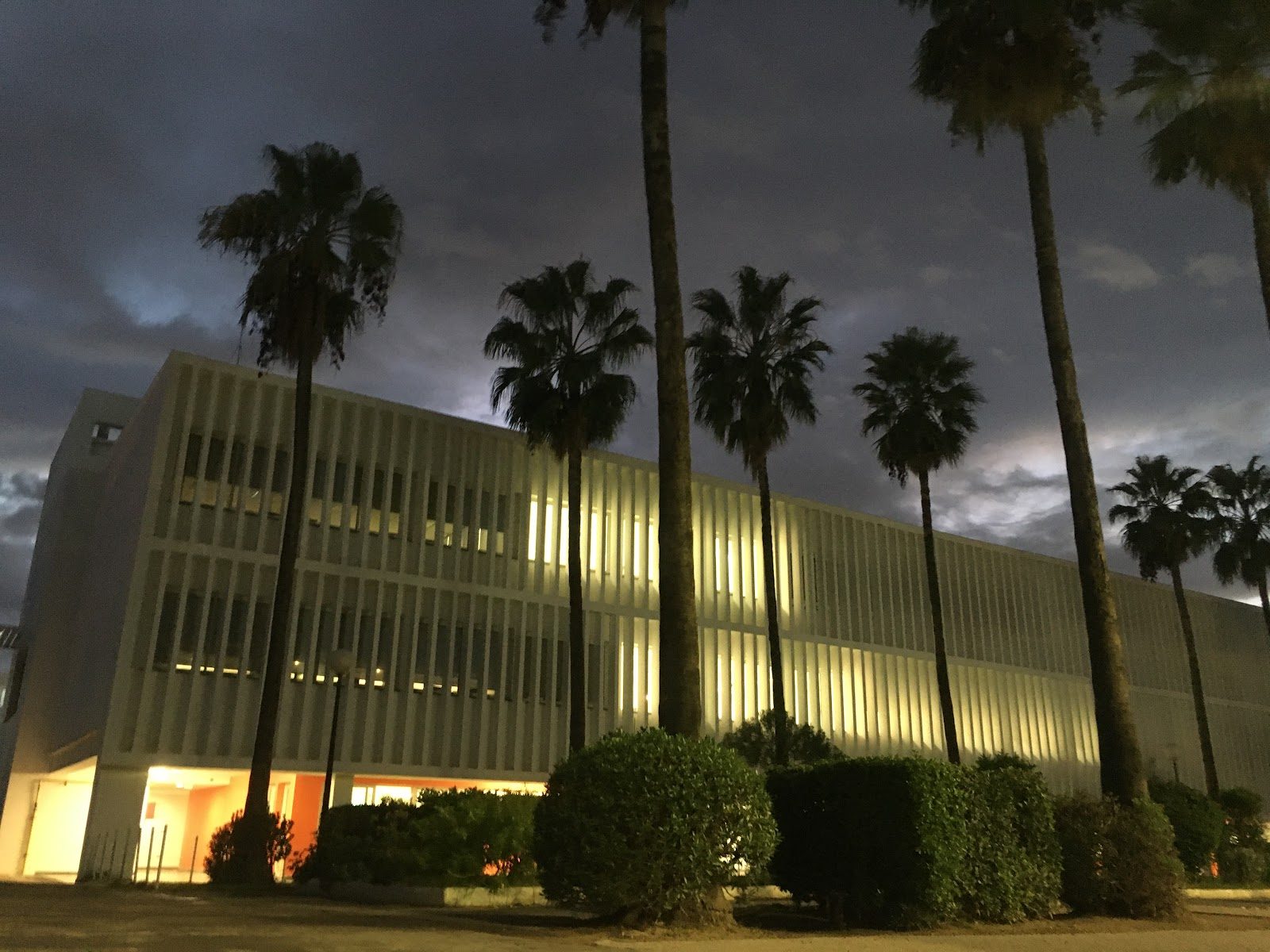
Lycée Gustave Flaubert
La Marsa · Tunisia
A five-hectare Mediterranean garden campus near Tunis, where AEFE's French Baccalaureate meets a genuinely mixed Franco-Tunisian student body.
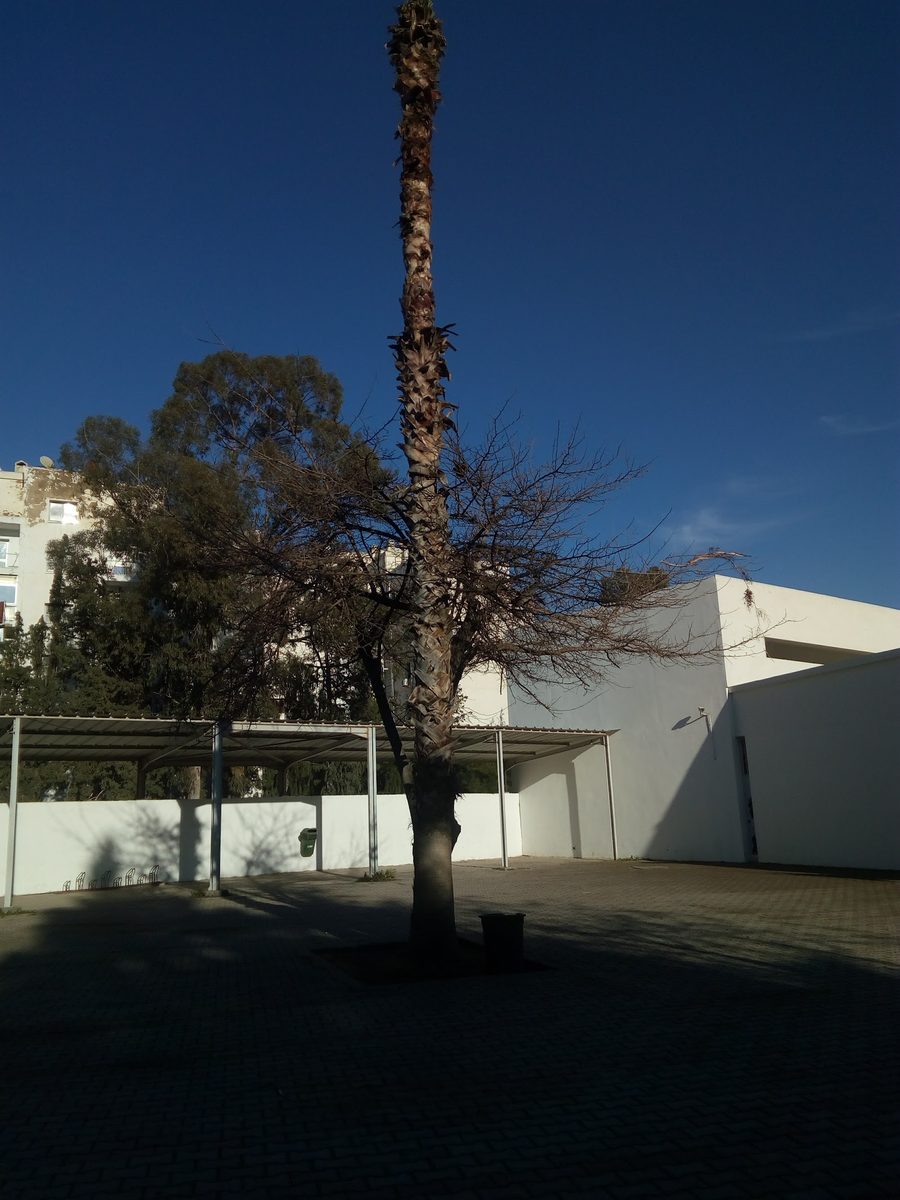
Lycée Pierre Mendès France
Tunis · Tunisia
Since 1956 in Mutuelleville, this AEFE lycee pairs the French Baccalaureate with an Arabic international OIB track.
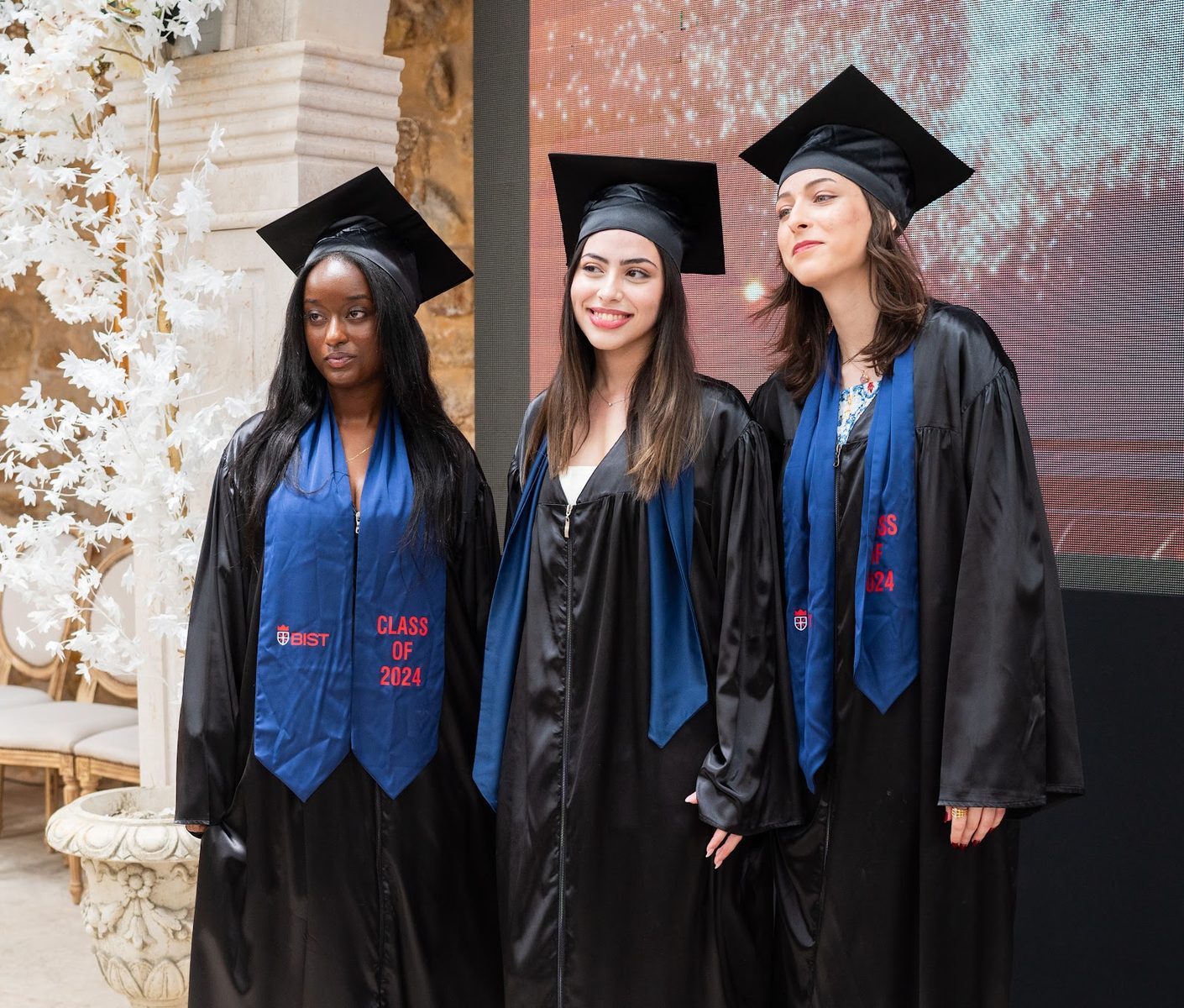
British International School of Tunis
Tunis · Tunisia
House names spanning Boudicca to Hannibal frame a British curriculum steps from ancient Carthage's ruins.
International School of Flanders
Waterloo · Belgium
South of Brussels, classes capped at eighteen students back one of the only schools locally holding CIS, BSO and COBIS accreditation together.
Same country and curriculum — closest matches within ±10 points either way