
Cairo Governorate
The British International School, Cairo
high confidence· 5/6 cats · 3 avg sourcesA Gezira institution since 1976, pairing rigorous IGCSE grounding with the IB Diploma and one of Egypt's rare COBIS accreditations.

Photo © The British International School, Cairo via Google Maps
Type
Day
Ages
3–18
Curriculum
British
Qualifications
A-Level · IGCSE
Ratio
—
The Verdict
Editor's commitment
Right for
Families wanting a British school founded in 1976, with IGCSE grounding, the IB Diploma, and the credibility of COBIS accreditation.
Wrong for
Parents seeking boarding, religious ethos, or Arabic-medium teaching will find a non-religious day school in Cairo teaching in English only.
Watch out for
Destinations are respectable, not dazzling: UC Berkeley 1, UBC 2, AUC 2. For a 3–18 school, publish fuller leavers' data.
Ranking breakdown
The British International School, Cairo · #813 of 1591
Composite score 66.2. 8 weighted criteria.
By criterion
Academic Outcomes
Weight 20%
#791
of 1529 scored
University Placement
Weight 16%
#793
of 1529 scored
Prestige & Heritage
Weight 12%
#835
of 1529 scored
Alumni Network
Weight 12%
#702
of 1529 scored
Facilities
Weight 12%
#818
of 1529 scored
Transparency & Communications
Weight 8%
#861
of 1529 scored
Peer & Industry Review
Weight 10%
#784
of 1529 scored
Admissions Selectivity & Demand
Weight 8%
#607
of 1529 scored
Score history
The British International School, Cairo · 2026
Movement across 2024–2026. Peer average overlaid.
Overall — 2024–2026
66.2/ 100
▲ +22.9 vs 2025
year on year
Peer & Industry Review
How The British International School, Cairo is regarded in the sector
55
Credible · low confidence
The British International School Cairo (part of the Nord Anglia Education global network) is frequently mentioned in expat parent forums (e.g., Expat Arrivals, InterNations Cairo threads) as one of the established British-curriculum options in New Cairo, but it does not appear in Tatler, Good Schools Guide, or Sunday Times School of the Year coverage, which focus on UK/international flagship schools. Its affiliation with Nord Anglia lends some peer credibility, but independent specialist press verification specific to this campus is limited.
Evidence sources
Editors' overview
The British International School, Cairo has one decisive advantage in its market: longevity with clarity of academic route. Founded in 1976, it is one of the older international schools in Cairo, and that matters. Older schools carry institutional memory, steadier governance and a deeper parent network than newer entrants still defining themselves. BIS Cairo offers an English-medium British education from age 3–18, with rigorous IGCSE preparation followed by the IB Diploma. That combination gives families a disciplined subject foundation before the broader, more demanding pre-university stretch of the IB. In a city crowded with schools using “British” as a label, BIS Cairo has the substance to back it up. COBIS accreditation also sets it apart; in Egypt, that remains a serious mark of external scrutiny.
What is special here is not novelty. It is consistency, reputation and an academic structure that has held its value across generations of expatriate and internationally minded Egyptian families. The school’s location in Gezira adds to that pull: central, established and woven into Cairo’s older cosmopolitan geography. Recent destinations — including Berkeley, UBC and AUC — point to a school that keeps multiple university pathways open rather than funnelling every pupil towards one country or system. This is an adult, unsentimental school for families who want a recognised British base without sacrificing the global reach of the IB at the end. It belongs on a shortlist because it offers earned credibility, not educational fashion.
The pupil who will thrive here is academically purposeful, comfortable with structure and ready to be stretched over time rather than dazzled at admission. BIS Cairo suits children whose families value continuity, clear standards and an internationally portable education in English. It fits well for students targeting competitive universities and willing to handle the transition from IGCSE specialisation to the breadth and pressure of the IB Diploma. It suits families who want a school with backbone and a community with history. It is less compelling for parents chasing experimental pedagogy, a boutique atmosphere or a flashy new campus story. BIS Cairo’s appeal rests elsewhere: depth over display, discipline over gimmickry, and a record built over 48 years.
Academic Performance
BIS Cairo publishes useful headline outcomes, and the picture is strong. In the Diploma Programme, the school records a recent average of 34.6 points, against a global average of 30.3. That is a material gap, and it places the school in the upper tier of non-selective international schools rather than the rarefied group of global exam factories pushing into the high thirties and beyond. The stronger point is consistency of floor as much as ceiling: a full pass rate signals secure academic management, not a cohort riding on a handful of outliers. For families weighing British-route schools in Egypt, that matters more than inflated rhetoric about excellence. It marks BIS Cairo as serious, results-conscious and properly accountable.
The IGCSE profile is solid too. The school reports 41% of grades at A or A and 72% at A to B. Those figures do not put it at the absolute top end of the most fiercely selective schools in the region, where A*/A rates run much higher, but they do confirm a dependable standard across the cohort. Read together with the IB outcome, the pattern is clear: BIS Cairo delivers good examination performance with enough breadth to keep strong university options open, without pretending to be an ultra-elite pressure cooker. That is a credible, hard-working academic profile, and for many families it is the more durable one.
Facilities
BIS Cairo’s facilities matter less for spectacle than for fit. The school sits on a mature Gezira site, and that brings the usual trade-off against the outer-ring mega-campuses: less room for grand architectural theatre, more urban convenience and a campus woven into daily city life. For parents comparing it with newer compounds on Cairo’s fringes, that is the central distinction. You do not choose this school for resort-style sprawl or show-home grandeur. You choose it for a site that supports a full school day without asking children to study in a place built to impress visitors first. In that segment, BIS Cairo reads as functional, established and serious rather than lavish.
Against direct peers, that places it in a respectable middle ground. It lacks the land-hungry scale, vast sports footprint and glossy specialist blocks that some newer premium schools use as a selling point. Equally, it avoids the cramped improvisation that weakens older city schools operating in adapted buildings with too little room for growth. The key question for families is not whether the campus is the most dramatic in Cairo; it is whether the facilities match the school’s academic ambition and age range. Here, they do. What BIS Cairo offers is credible working infrastructure, not a fantasy campus, and many parents will rate that as the more adult proposition.
The British International School, Cairo has one decisive advantage in its market: longevity with clarity of academic route
Prestige
Prestige here rests on age, selectivity of reputation and the company the school keeps. In Cairo’s international market, BIS Cairo sits in the established upper bracket: not a finishing-school fantasy, not a glossy newcomer, but a school families already know, trust and compare against the city’s other long-running names. Its COBIS status matters because external British scrutiny is still rare in Egypt; that gives the school a harder-edged credibility than institutions trading on branding alone. University destinations reinforce that standing. Places at Berkeley, UBC and AUC do not create glamour by themselves, but they do show that the school sends pupils into respected systems in North America and Egypt rather than confining ambition to a narrow local track. The published IB average of 34.6 also supports a prestige claim grounded in performance, not social cachet.
This is not the prestige of rarefied global elite schools with automatic pull in London, Geneva or Hong Kong. It is the prestige of a serious Cairo institution with durable local recognition, a strong expatriate and internationally minded Egyptian parent base, and enough academic weight to carry credibility abroad. That distinction matters. BIS Cairo has earned status in its own market, and for many families that counts for more than imported sheen. I rate its prestige as high within Egypt’s British-international segment, but not in the tiny category of globally magnetic schools whose name alone opens doors.
That said, the communication standard stops short of full institutional transparency
Communications
BIS Cairo communicates like an established school that expects parents to keep pace. The public face is orderly and serviceable, not especially rich. Core information is easy enough to find, and the school does publish headline academic outcomes and named university destinations, which counts in its favour: many schools in this market hide behind atmosphere and vague promises. Here, parents get at least a basic line of sight into results. That said, the communication standard stops short of full institutional transparency. We have not seen deeper public reporting on cohort breakdowns, destination patterns over time, or the sort of routine explanatory detail that helps families judge consistency rather than isolated wins. The tone is measured and grown-up, but not especially expansive.
For current parents, that style will suit families who want a school to communicate clearly and get on with the work. It will frustrate those who expect constant hand-holding, glossy storytelling or a stream of dashboard-style data. The school’s long-established character works both ways: it gives communications a steady, no-nonsense feel, but it can also leave them short on warmth and granularity. My view is that BIS Cairo communicates competently rather than exceptionally. It clears the professional bar, and the publication of figures such as the 34.6 diploma average and 41% top IGCSE grades shows useful accountability. The missing piece is depth. Parents who prize plain dealing over performance theatre will be comfortable here; parents who want relentless detail will ask harder questions.
Uniqueness
What sets BIS Cairo apart is its combination of old-city rootedness and a clear academic spine. Many international schools in Egypt trade on novelty: larger plots, newer buildings, louder branding. BIS Cairo does the opposite. Its identity is tied to Gezira and to a parent community that values continuity over spectacle. That gives students something more durable than a polished admissions story: a school culture with memory, established expectations and fewer swings in direction. In a market where “international” can mean socially ambitious but educationally diffuse, BIS Cairo offers a more settled proposition. The British route into the diploma years also gives pupils a disciplined build-up before the final stretch, which helps students who work best with structure rather than constant reinvention.
Its distinctiveness also lies in balance. The exam profile is strong without tipping into the grind-school mentality that narrows a child to test output alone. Recent destinations show a school that keeps options open across different higher-education systems, with no single national script dominating the outcome. For students, that means two practical advantages: credible preparation for selective universities, and an education that does not force premature specialisation of identity or ambition. BIS Cairo is not a fashion school and does not sell a fantasy of educational disruption. It offers something rarer in this segment: institutional steadiness, a recognisable standard, and the quiet confidence of a school that has outlasted trends.
My view is that BIS Cairo communicates competently rather than exceptionally
Student Profile
The pupil who fits best here is steady, self-possessed and able to work within a school culture that does not revolve around performance theatrics. BIS Cairo suits children who do not need endless novelty, emotional packaging or soft discipline to stay engaged. The atmosphere favours students who can handle routine, respond to clear expectations and build momentum over years rather than weeks. This is a good home for the quietly ambitious: students who want strong university options, value intellectual seriousness and can live without the social flash that defines parts of Cairo’s premium-school scene. The recent destination pattern also tells you something useful. A school sending pupils to institutions such as Berkeley and UBC, while also feeding respected local routes, serves families with outward-facing ambitions but not a single narrow script. That mix suits internationally minded Egyptian families and expatriates who want portable outcomes without a hothouse culture.
Children who need a highly personalised, boutique atmosphere may find the school too institutional. So may students who thrive only when teaching is highly experimental or visibly pastoral in style. BIS Cairo reads better for pupils who are resilient, organised and comfortable being judged against real academic standards. It will also suit families who prize adult behaviour from schools: less hand-holding, more expectation of independence. For the right child, that creates a serious, stabilising environment. For the wrong one, it can feel demanding and emotionally spare.
It clears the professional bar, and the publication of figures such as the 34.6 diploma average and 41% top IGCSE grades shows useful accountability
Co-curricular strengths
Arts & sport, on a separate axis
Overall 7.84/10
Scored 0-10 from the school's own published evidence. This axis is editorial-only — it does not feed the main WTS ranking.
Sports
8.5/10
The extracurriculars explicitly list multiple sports—Football, Basketball, Swimming, Athletics, and Tennis—showing a solid multi-sport offering.
Drama
8.2/10
Drama appears explicitly in the extracurriculars list.
Dance
6/10
Music
8.2/10
Choir is offered, which is clear evidence of music provision, but there is no further detail on ensembles, staff, facilities, or performances.
Visual Arts
8.3/10
Art Club is offered.
Editor first-pass · editor-reviewable · 7/27/2026
Outcomes & destinations
Where students go next
Class of 2023
Top destinations
32 placements
- University of California, Berkeley· 1
- University of British Columbia· 2
- The American University in Cairo· 2
- Kingston University· 1
- City, University of London· 2
- Boston University· 2
- University of Manchester· 1
- Goldsmiths, University of London· 1
- University of Toronto· 1
- Brock University· 1
- Heidelberg University· 1
- George Washington University· 1
- Queen Mary University of London· 1
- University of East Anglia· 1
- University of California, Los Angeles· 1
- University of Surrey· 2
- King's College London· 1
- University of New Haven· 1
- Northeastern University· 1
- Middlesex University Dubai· 1
- University of Edinburgh· 1
- University College London· 1
- Oxford· 1
- University of Bath· 1
- New York University· 1
- City University of Hong Kong· 1
- University of Amsterdam· 1
Reported by the school. Confirm with admissions.
Strengths
- +British curriculum from ages 3 to 18
- +English-medium teaching suits many expatriate families
- +Non-religious setting may appeal to secular families
- +COBIS accreditation offers external British-school benchmarking
Considerations
- −Day school only; no boarding option
- −Located in 6th of October City, not central Cairo
- −School does not publish other accreditations here
Availability
Primary entry gate & tests
Academic Record
Gallery
Photo © The British International School, Cairo via Google Maps
Photo © The British International School, Cairo via Google Maps
Photo © The British International School, Cairo via Google Maps
Photo © Ahmed El Hakim via Google Maps
Photo © Ayman Badr via Google Maps
Parent reviews
Have you sent your child here?
Voice reviews carry the strongest trust badge — we transcribe them for you to tidy up before they go live. Prefer to type? A written review is fine too.
Add your voice
In 60 seconds, tell other parents: what's the best thing about The British International School, Cairo, and what surprised you when your child joined?
We ask for a Google sign-in so every review has a real face behind it — no anonymous drive-by attacks on schools, and no faked positive reviews. Your email is never shown publicly.
Send this profile to a friend
International parents rely on word-of-mouth. Share this review with someone weighing the same decision.
Schools with places
Similar schools to The British International School, Cairo with places available now.
New Cairo British International School
New Cairo · Egypt
- 2026-27
- WAITPOOLSpace-dependent
- 2027-28
- PLACES OPENRolling
Malvern College Egypt
New Cairo · Egypt
- 2026-27
- WAITPOOLSpace-dependent
- 2027-28
- FUTURE CYCLEDates TBC
Availability first, then country, area, curriculum, price, co-curricular
Consider also
Also worth looking at alongside The British International School, Cairo.
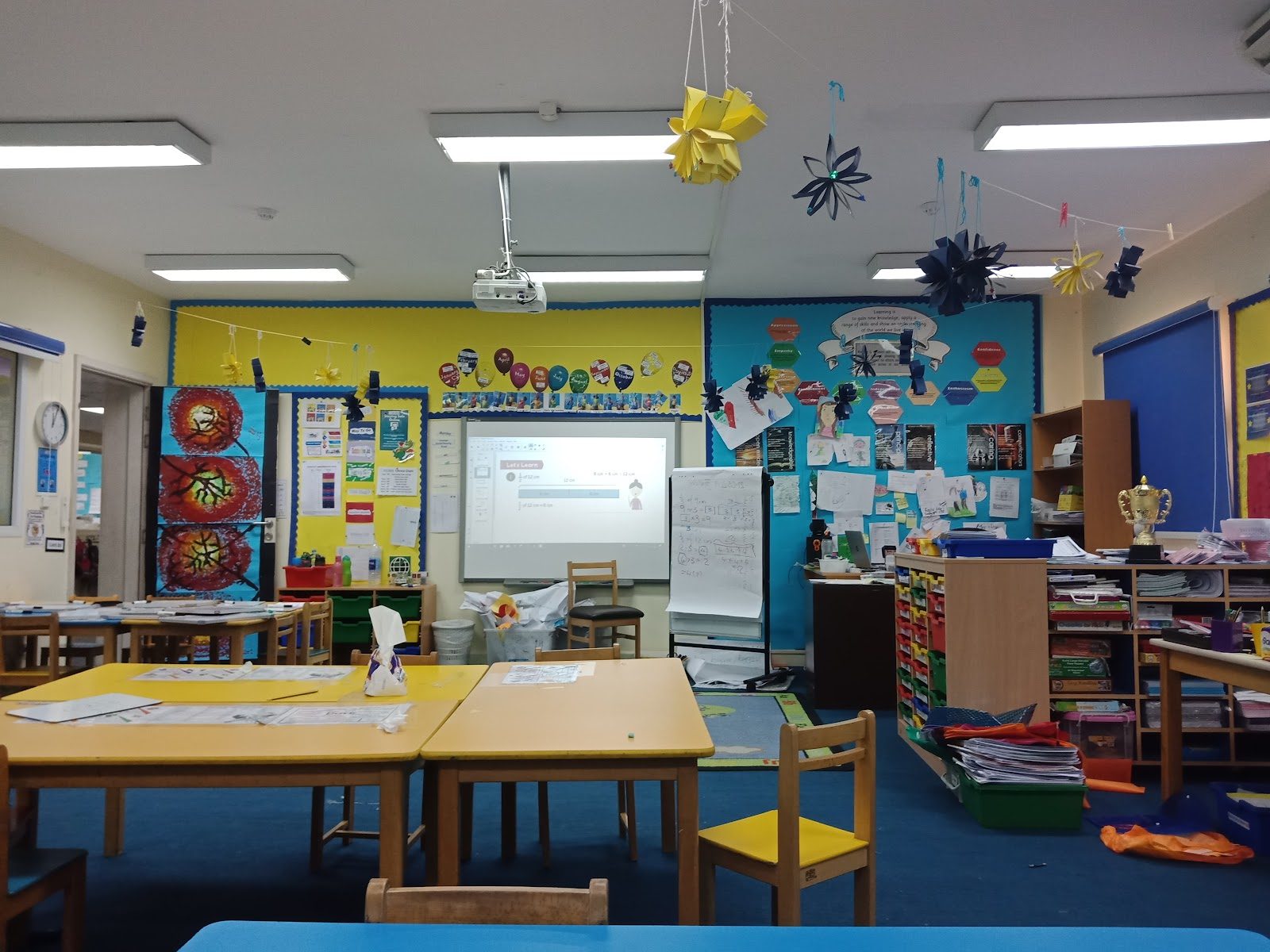
New Cairo British International School
New Cairo · Egypt
Founded in 1978 by WHO-linked parents, this New Cairo campus runs parallel British and Dutch primary streams into a shared IB sixth form.
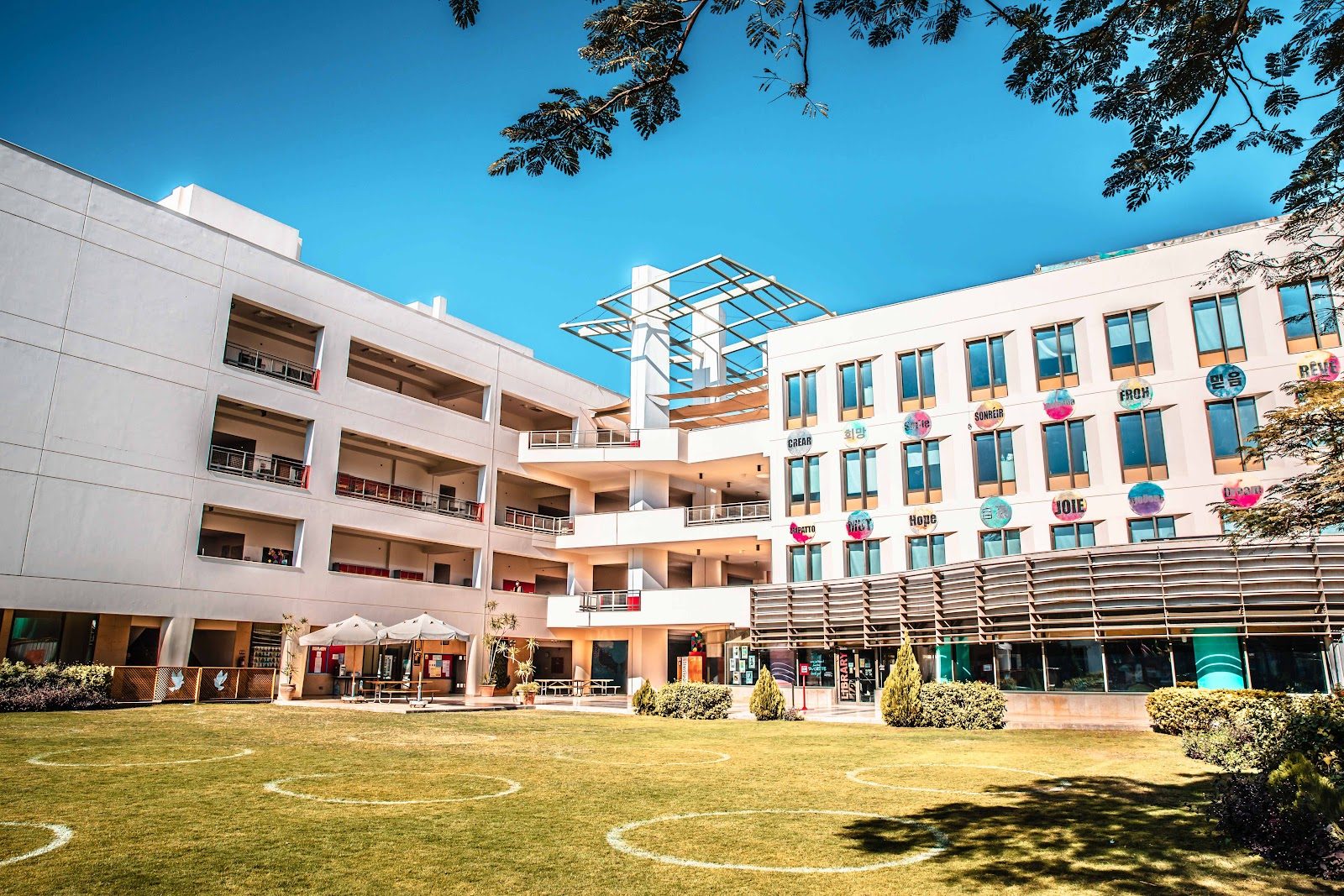
Cairo American College
Cairo · Egypt
Founded in 1945 as Egypt's only US State Department-sponsored school, pairing an American diploma with an IB pathway dating to 1993.
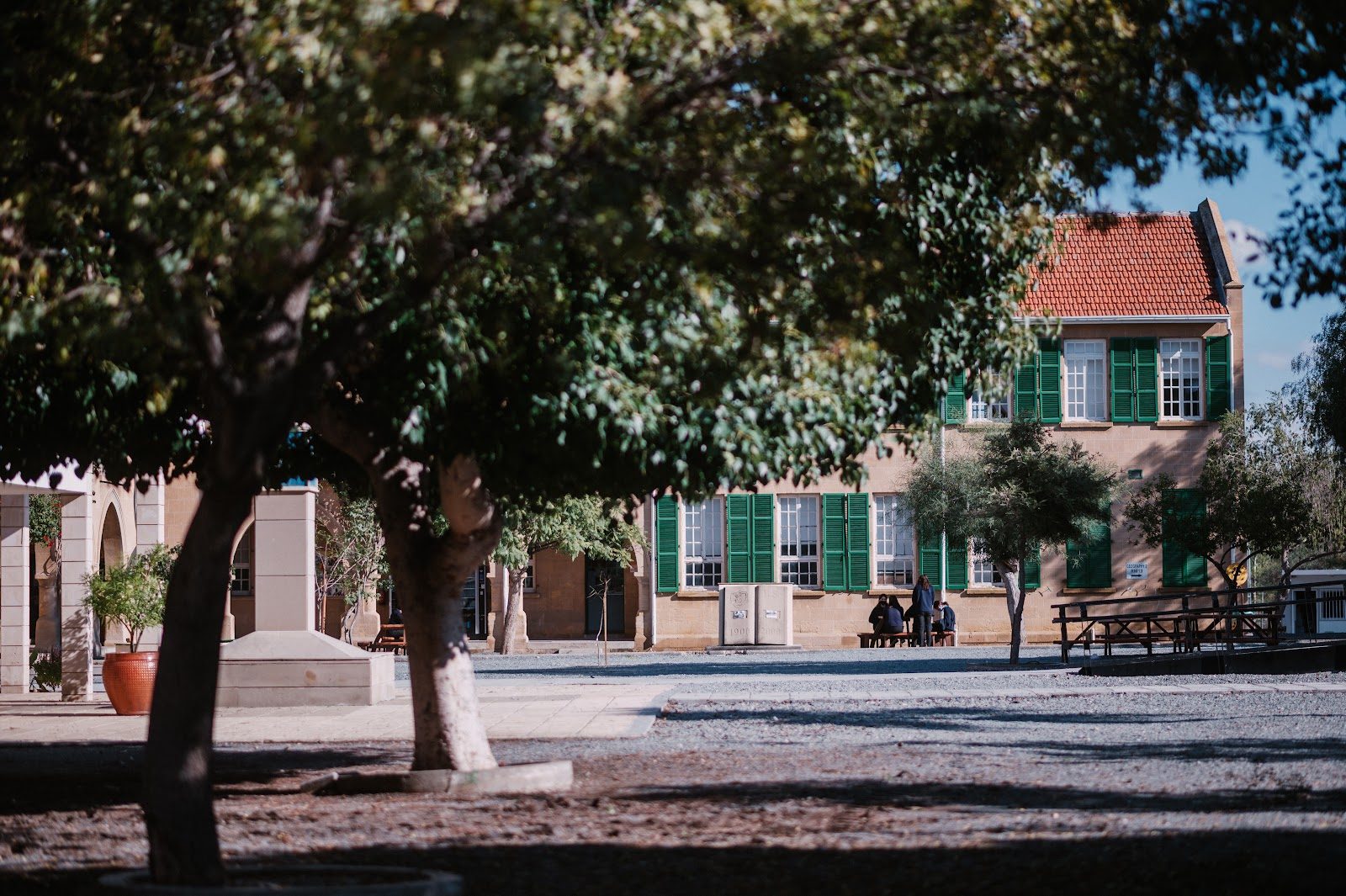
The English School, Nicosia
Nicosia · Cyprus
A 1900 foundation opposite the Presidential Palace, uniting Greek and Turkish Cypriot pupils under a rigorously British curriculum.
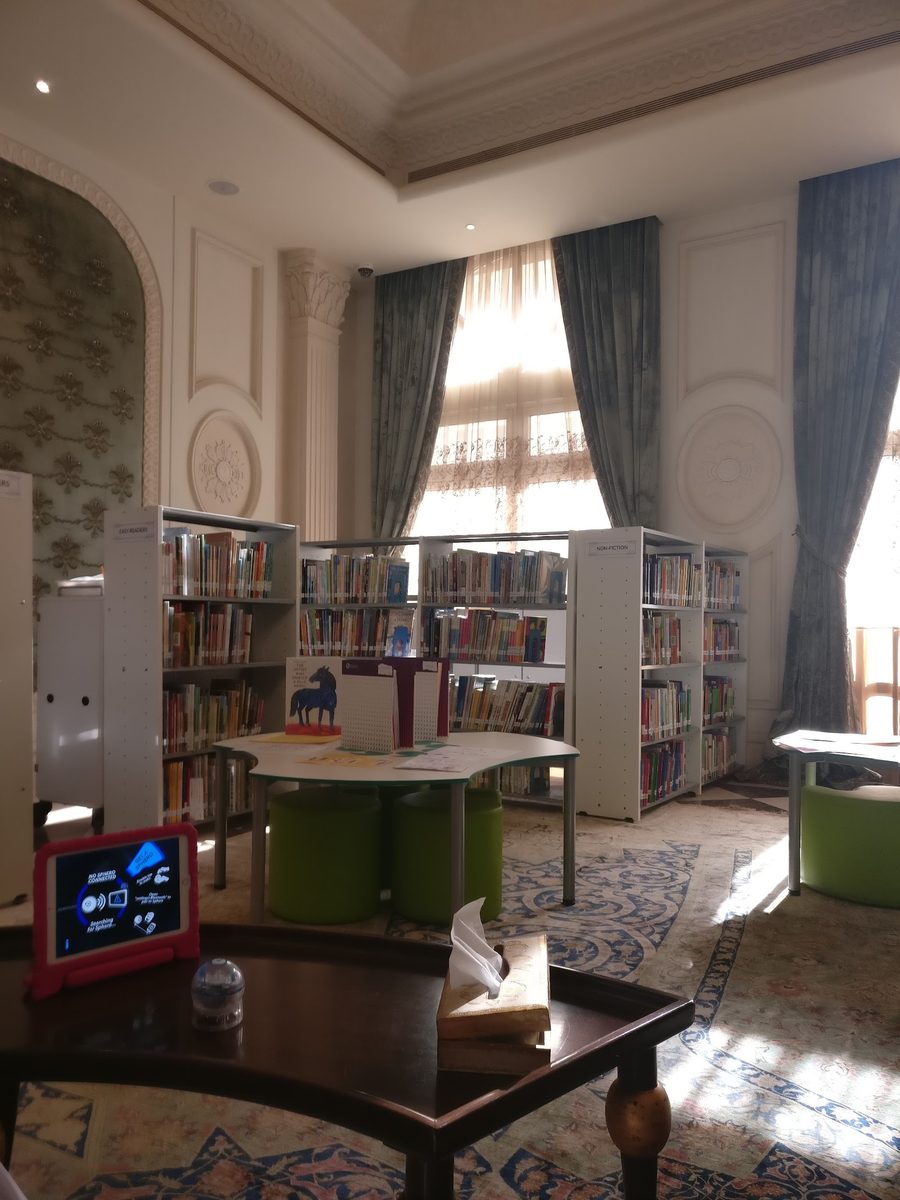
Misk Schools
Riyadh · Saudi Arabia
Nine single-sex academies share one royally founded Riyadh campus, built to engineer Vision 2030's next leaders.
Same country and curriculum — closest matches within ±10 points either way