
Chiba Prefecture
Shibuya Makuhari School
Founded to help Japanese returnee students readjust, this reclaimed-land Makuhari campus now funnels graduates into Waseda and Keio by the hundreds.
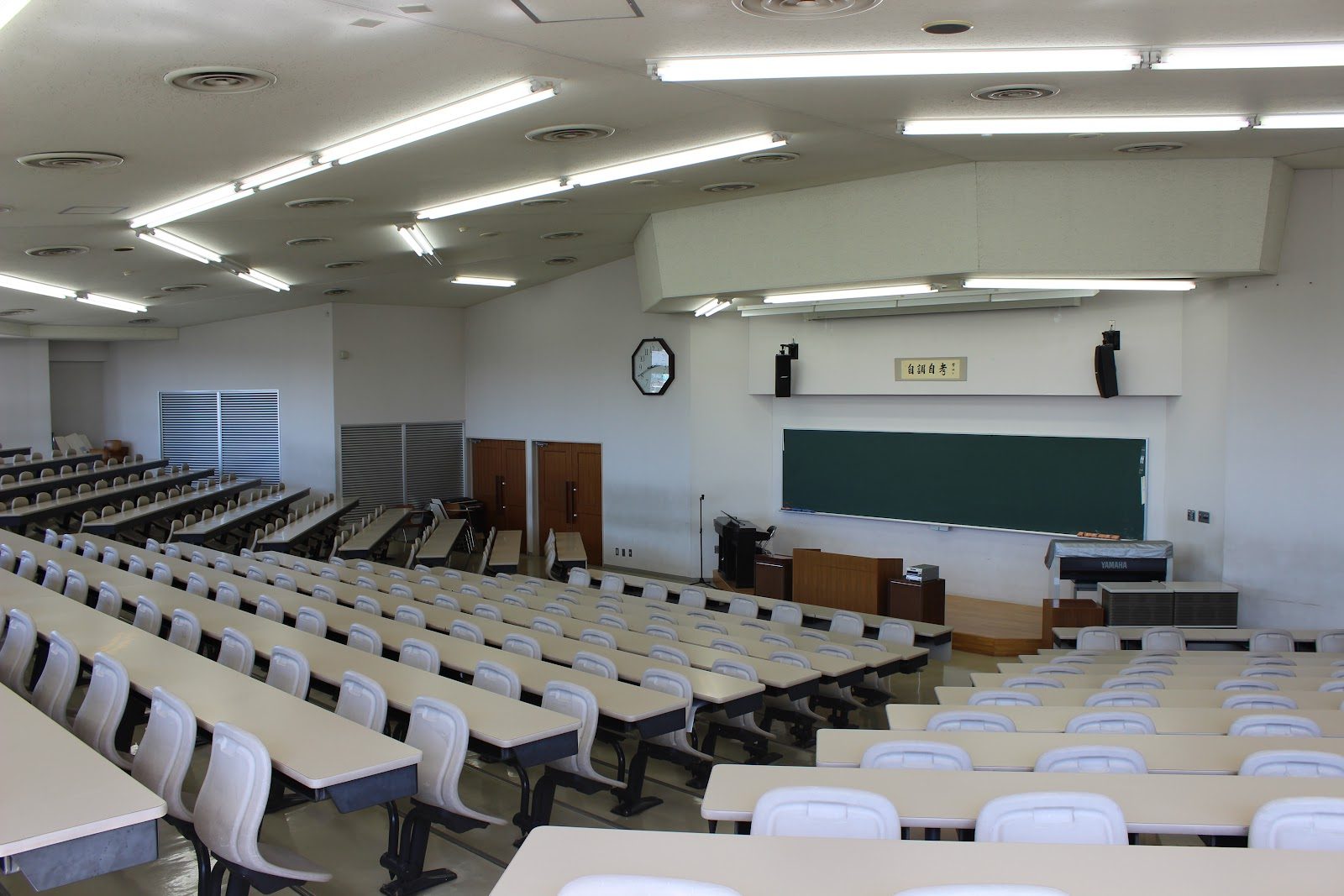
Photo © Datadisk via Google Maps
Type
Day
Ages
15–18
Curriculum
Japanese National
Qualifications
Japanese Senior HS Diploma
Ratio
—
The Verdict
Editor's commitment
Right for
Academically driven 15–18s who want a Japanese National curriculum in Japanese, with a clear pull towards Waseda and Keio.
Wrong for
Families needing boarding, English-medium teaching, or a broader post-16 choice than a day school founded in 1983 for Japanese returnees.
Watch out for
This Chiba school sells freedom and internationalism, but it remains a Japanese Ministry of Education-accredited Japanese school, not an international one.
Ranking breakdown
Shibuya Makuhari School · #166 of 1591
Composite score 75.3. 8 weighted criteria.
By criterion
Academic Outcomes
Weight 20%
#43
of 1529 scored
University Placement
Weight 16%
#2
of 1529 scored
Prestige & Heritage
Weight 12%
#212
of 1571 scored
Alumni Network
Weight 12%
#785
of 1530 scored
Facilities
Weight 12%
#1054
of 1533 scored
Transparency & Communications
Weight 8%
#725
of 1532 scored
Peer & Industry Review
Weight 10%
#335
of 1548 scored
Admissions Selectivity & Demand
Weight 8%
#22
of 1529 scored
Peer & Industry Review
How Shibuya Makuhari School is regarded in the sector
74
Respected · medium confidence
Within Japan, Shibuya Kyoiku Gakuen Makuhari is grouped with Kaisei, Nada and Azabu as one of the 'shinko meimon' (new elite) schools that rival heads and admissions consultants treat as a benchmark for the Tokyo-Chiba corridor; Toyo Keizai and Asahi Shimbun's annual University of Tokyo entrance-rate tables consistently place it in the national top tier, a fact frequently referenced in Diamond Weekly's education rankings coverage. University admissions officers, particularly at Todai's science and medical faculties, cite its cohort as academically self-directed, reflecting the school's own 'jiritsu' (independence) philosophy rather than cram-school drilling. It has also drawn Nikkei and Japan Times commentary for an unusually high number of graduates admitted to Harvard, Yale and other Ivy League institutions relative to peer Japanese schools, making it a recurring reference point at international education conferences on Japanese secondary reform. Independent guides like WhichSchoolAdvisor rarely cover Japanese domestic schools directly, so most external validation comes from national league tables and university feeder statistics rather than Western-style inspection reports.
Editors' overview
Shibuya Makuhari School is a Japanese day school in Chiba for ages 15–18, founded in 1983 with a clear original purpose: helping returnee Japanese students re-enter domestic education without losing an international outlook. That origin still matters. The school’s language of instruction is Japanese and the curriculum is the Japanese National curriculum, but the institutional idea is wider than a standard academic high school. Its own framing rests on “self-directed inquiry and self-reflection” (“自調自考”), international mindedness, strong ethics and an internal culture of freedom. In practice, that makes Shibuya Makuhari attractive to families who want elite domestic preparation without the narrowness that can afflict exam factories. It sits in Makuhari, on an expansive planned-city campus setting, and carries the confidence of a school that knows exactly what it is.
What puts it on a shortlist is the combination of academic seriousness and a less rigid social atmosphere than many top Japanese schools. The school talks openly about exchange with overseas schools, study abroad, returnee and international students, and the presence of native-speaker teachers. That does not turn it into an international school; it remains firmly Japanese in curriculum, language and structure. But it does give students a broader field of vision than the domestic norm. The phrase “Shibumaku-style freedom” is part of the school’s own language, and parents should read that as meaningful: this is a high-performing environment that still values personal judgement, autonomy and school life as something more than test preparation. That balance is rare.
Its market position is clear. This is for ambitious families who want access to Japan’s top university pipeline while keeping a door open to overseas study and a more outward-facing peer group. The school itself publicises overseas university application briefings, active international exchange and a culture built around judgement and conscience rather than obedience alone. That gives it real distinction in a crowded upper-tier market. It is also a day school, not a boarding school, and that matters: the model suits families rooted in Greater Tokyo who want high academic expectations without handing adolescence over to an all-consuming residential institution.
The student who will thrive here is bright, self-propelled and comfortable in a competitive Japanese academic setting, but not content with pure conformity. Shibuya Makuhari suits returnee students, internationally minded Japanese students, and teenagers who want intellectual stretch with room to think for themselves. It does not suit families seeking an English-medium education, an overseas curriculum, or a soft landing for weak self-management. The school’s own values point the other way: independence, ethical judgement, freedom with responsibility, and engagement with the world. For the right child, that is a serious proposition and an unusually compelling mix.
Academic Performance
Academic performance is the school’s strongest claim on parental attention. Shibuya Makuhari sits in the top flight of academically selective Japanese senior schools, with university progression that places it in serious company nationally. Publicly cited destination patterns are dominated by Japan’s elite private universities, above all Waseda and Keio, with combined admissions running into the hundreds in strong years. That does not make it a narrow conveyor belt; it marks the school as a high-output operation that converts strong intake into hard results. For families benchmarking against leading metropolitan peers, this is not a school scraping for prestige through rhetoric. It produces outcomes that carry weight in Japan’s university hierarchy.
What remains less clear is the full exam picture. The school does not publish a clean, consolidated set of external examination statistics in the style many international families expect: no easily accessible table of cohort-wide pass rates, score distributions or year-on-year subject outcomes sits at the centre of its public communication. That opacity is common in Japan’s top domestic sector, where university destinations matter more than polished data dashboards, but it still leaves parents to infer performance from placement power and selectivity. On that measure, Shibuya Makuhari is unequivocally strong: a results-driven school with serious academic muscle, and one that stands comfortably alongside the better-known exam heavyweights without collapsing into a grim cram-school culture.
Facilities
The school’s public-facing emphasis falls less on headline architecture than on how space supports a demanding student culture. Parents can confirm at least one major all-school venue: the campus hosts large assemblies and send-off events for national competitions, which points to a substantial hall or auditorium at the centre of school life rather than a token multipurpose room. The annual cultural festival also opens to the public for a full day, another marker of a campus built to absorb crowds and student production at scale. Add the school visits programme running across 16 days in one autumn booking window, and the picture is of an established, high-throughput site with the circulation, reception and event capacity to manage serious interest. That is solid by Japanese urban standards, where many academically elite schools operate on tighter, more constrained footprints.
The more distinctive facilities case lies in international provision. The school highlights study abroad, returnee and international students, active exchange with overseas partner schools, and the presence of many native-speaker teachers. That points to language rooms, briefing spaces and administrative infrastructure that do real work, not a decorative international corner bolted onto a domestic exam school. There is also a dedicated overseas university application briefing for upper-school families, which matters: peer schools with strong domestic outcomes do not always build visible support for outbound applications. What the school does not publish is a clean facilities inventory — no prominent public list of labs, arts spaces or sports assets. Against top Japanese peers, the campus reads as functionally strong, busy, and *better equipped for international engagement than the sector norm, but less transparent than it should be* on the physical specifics.
What puts it on a shortlist is the combination of academic seriousness and a less rigid social atmosphere than many top Japanese schools
Prestige
Shibuya Makuhari carries serious domestic prestige in the Japanese university-prep market. The reasons are concrete. It attracts ambitious families who want a route into the country’s most competitive higher-education institutions without the deadening social rigidity that marks parts of the elite exam-school sector. Its standing rests on two pillars: selective academic culture and a reputation for producing students who can operate beyond a narrow domestic script. The school’s own language around “self-directed inquiry and self-reflection”, ethical judgement, international exchange and the presence of native-speaker teachers gives it a profile that is *more expansive than the standard super-school formula*. That matters in Japan, where many high-status schools still trade on discipline and rank alone.
Prestige here also comes from recognition within a very specific audience: educated Japanese families, returnee households and parents who want top-tier local status with some genuine outward reach. The university pipeline into Waseda and Keio, running into the hundreds, gives the school hard currency. So does the fact that it has generated its own internal brand language — “Shibumaku-style freedom” — that people in the sector recognise immediately. That phrase risks sounding self-mythologising, but in this case it captures something real: high expectations with space for judgement and personality. The result is a school with elite but not archaic prestige — powerful inside Japan, respected by internationally minded families, and more distinctive than many institutions with grander surfaces.
For the right child, that is a serious proposition and an unusually compelling mix
Communications
Parent communication is active, structured and more transparent than many elite Japanese schools. The public site is updated constantly, with rolling notices on admissions, school visits, events, alumni news and internal commentary. That matters because many academically selective schools still treat communication as a gatekeeping exercise. Shibuya Makuhari does not. Prospective families get a visible admissions timetable, a published school guide, bookable campus visits across a defined window, and advance notice of the next booking release date. Current families and alumni also have clearly signposted routes from the homepage, which points to a school that understands different audiences rather than dumping everyone into one stream. The volume alone is striking: the school’s running “thinking about self-directed inquiry” series has reached 383 instalments, which tells you this is a place with a disciplined habit of communication, not occasional bursts of news.
The limitation is audience fit. The school communicates in a confidently domestic way, and families who do not read Japanese fluently will hit friction fast. The site gives a strong sense of rhythm and institutional life, but less of the crisp parent-facing synthesis international families often want: no central dashboard of practical essentials, no clean public facilities inventory, and no especially forgiving hand-holding for outsiders. For Japanese parents, especially those already comfortable with the sector, the communication is serious, frequent and effective. For internationally mobile families, it is informative but not accommodating.
Uniqueness
What marks Shibuya Makuhari out is not “internationalism” in the diluted, brochure sense, but an elite Japanese school built with returnee students in its institutional DNA. That starting point still shapes the place. The school talks about overseas study, returnee and international students, native-speaker teachers, and active exchange with schools abroad; it also runs an overseas university application briefing for upper-school families. This matters because many top Japanese schools add global language as ornament. Shibuya Makuhari built it into the working culture. Its watchword, “self-directed inquiry and self-reflection”, gives that culture an intellectual frame, while “Shibumaku-style freedom” gives it a social one. The result is a school that asks pupils to exercise judgement, not just obedience. For the right student, that is liberating, demanding and distinctly adult.
The benefit to students is concrete. They get a high-pressure academic environment without being forced into the narrow social script that governs much of the domestic top tier. Teenagers with international exposure, or those who want it, find peers and adults who treat the outside world as normal rather than exotic. The school’s public life reinforces that breadth: its running series on “thinking about self-directed inquiry” has reached 383 instalments, and its cultural festival still opens the campus to the public. That combination — exam ambition, institutional self-confidence, and a credible idea of freedom — is rare in Japan’s upper ranks. It produces students who are not only well drilled, but more self-possessed and *better equipped to navigate more than one world*.
For families benchmarking against leading metropolitan peers, this is not a school scraping for prestige through rhetoric
Student Profile
The pupil who fits here is bright, fast, self-managing and comfortable with pressure. This is not the right school for a child who needs heavy adult prompting, emotional cushioning or a low-stakes pace. The school’s own core language points in the opposite direction: self-examination, judgement, conscience and freedom. In practice, that means students need the maturity to use autonomy well. They must cope with high expectations without constant supervision, and they must hold their own among peers who are academically ambitious, verbally confident and used to competing. For returnee families, the attraction is obvious: there is an established place here for students who have lived abroad and do not fit a narrowly domestic mould. For locally educated students, the draw is different but equally clear: a hard-driving academic culture with more intellectual air and less social stiffness than many elite peers.
The social fit matters as much as the academic one. Students thrive here if they are curious about the world beyond Japan, willing to engage seriously with exchange, and open to teachers and classmates with different backgrounds. They also need enough confidence to navigate a school culture that prizes freedom with consequences. That freedom is not softness; it is a demand for self-command. The annual “thinking about self-directed inquiry” series has reached 383 instalments, which tells you how deeply that ideal runs through the institution. In short, this suits the self-propelled, the internationally alert and the mentally resilient. It does not suit the passive, the fragile, or teenagers who want excellence delivered without effort.
The more distinctive facilities case lies in international provision
Co-curricular strengths
Arts & sport, on a separate axis
Overall 7.2/10
Scored 0-10 from the school's own published evidence. This axis is editorial-only — it does not feed the main WTS ranking.
Sports
8/10
Drama
6.5/10
Dance
7/10
Music
7.5/10
Visual Arts
7/10
WTS 300 badge
Shibuya Makuhari School is one of the World's Top 300 Schools. Claim your listing to add it to your site →
Strengths
- +The school was established by Tetsuo Tamura to serve Japanese students who have lived abroad, returned to Japan, and have had difficulties adjusting to the Japanese educational system, giving it a genuine, decades-long track record with repatriating families.
- +It operates as a sister institution to Shibuya Junior and Senior High School, a private co-ed secondary school in Shibuya Ward, Tokyo, part of the same Shibuya Kyoiku Gakuen network and shared educational philosophy.
- +University outcomes are exceptional by national benchmarks: 2026 data show 82 students admitted to the University of Tokyo from a graduating cohort of 352, alongside sustained placements at Harvard and other overseas universities.
- +Designated a UNESCO Associated School in 2009 and a Super Global High School by Japan's Ministry of Education (MEXT) in 2014, one of only 56 schools nationwide selected for that global-education programme.
- +The school runs a dedicated returnee (kikokushijo) admissions track in which, according to specialist sources, the selection is conducted in English only, with no Japanese-language or mathematics test, easing entry for internationally raised applicants.
Considerations
- −Regular entry is extremely competitive: reported deviation-score (hensachi) benchmarks of 70-72 in the first round and 69-71 in the second round (2024 data) place it among Japan's toughest junior-high entrance exams, ruling it out as a realistic option for average-ability applicants.
- −The campus sits in the Makuhari waterfront district of Chiba Chiba-shi Mihama-ku Wakaba, well outside central Tokyo, so families based in the capital's core wards face a non-trivial daily commute.
- −Teaching follows the Japanese National curriculum and is delivered predominantly in Japanese day-to-day, so it is not an English-medium or IB alternative for families whose children lack strong Japanese literacy outside the small returnee intake.
- −Beyond headline tuition, families are billed for a range of additional recurring charges - a parent-association entrance fee, monthly reserve-fund payments, and materials fees (including PC leasing at senior high level) - which add to the effective cost of attendance.
Availability
Primary entry gate & tests
High-Stakes Winter Exam
Gallery
Photo © HIDE T via Google Maps
Photo © 佐々木淳 via Google Maps
Photo © K N via Google Maps
Photo © K N via Google Maps
Photo © K N via Google Maps
Photo © K N via Google Maps
Photo © K N via Google Maps
Parent reviews
Have you sent your child here?
Voice reviews carry the strongest trust badge — we transcribe them for you to tidy up before they go live. Prefer to type? A written review is fine too.
Add your voice
In 60 seconds, tell other parents: what's the best thing about Shibuya Makuhari School, and what surprised you when your child joined?
We ask for a Google sign-in so every review has a real face behind it — no anonymous drive-by attacks on schools, and no faked positive reviews. Your email is never shown publicly.
Send this profile to a friend
International parents rely on word-of-mouth. Share this review with someone weighing the same decision.
Schools with places
Similar schools to Shibuya Makuhari School with places available now.
The American School in Japan
Tokyo · Japan
- 2026-27
- WAITPOOLSpace-dependent
- 2027-28
- PLACES OPENRolling
Nada High School
Kobe · Japan
- 2026-27
- CLOSEDStandard route
- 2027-28
- OPENS SOONOpens Late '26
Kaisei Academy
Tokyo · Japan
- 2026-27
- CLOSEDStandard route
- 2027-28
- OPENS SOONOpens Late '26
K. International School Tokyo
Tokyo · Japan
- 2026-27
- WAITPOOLSpace-dependent
- 2027-28
- PLACES OPENRolling
Availability first, then country, area, curriculum, price, co-curricular
Consider also
Also worth looking at alongside Shibuya Makuhari School.
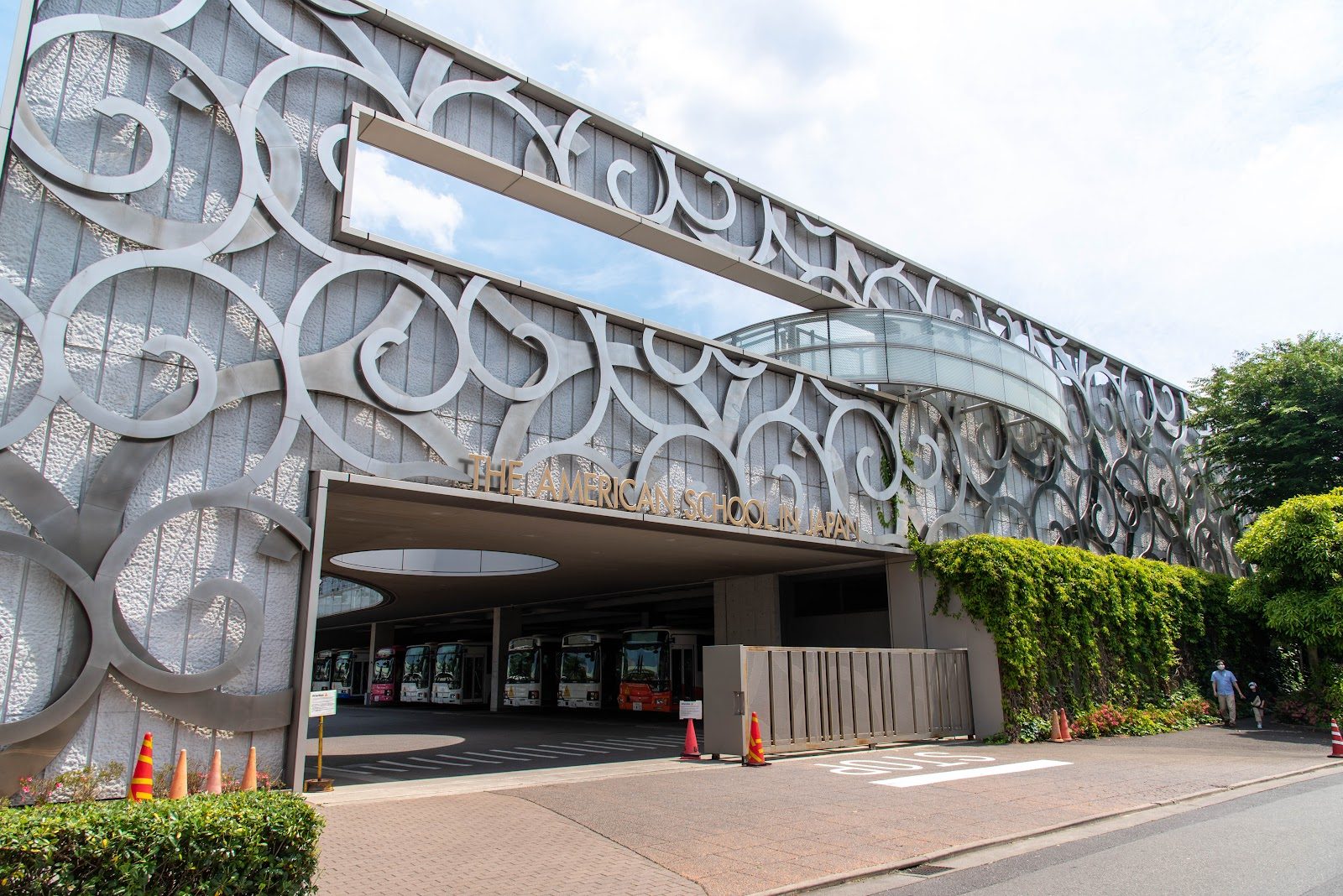
The American School in Japan
Tokyo · Japan
Rooted in Chofu since 1902, its early campus plans once drew sketches from Frank Lloyd Wright himself.
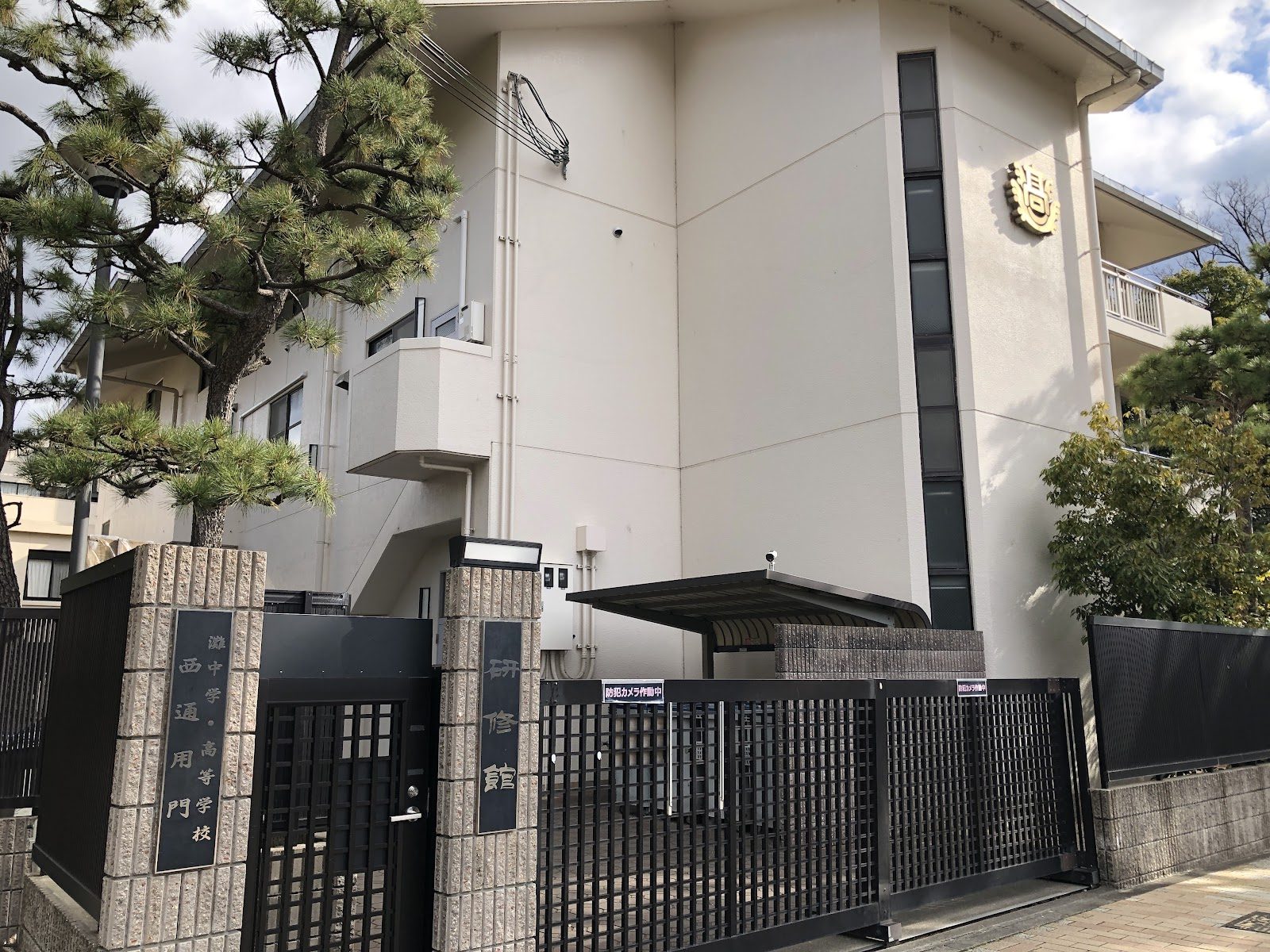
Nada High School
Kobe · Japan
Founded by Kobe sake brewers with judo's creator as an advisor, this uniform-free campus channels students straight into Tokyo and Kyoto University.
Kaisei Academy
Tokyo · Japan
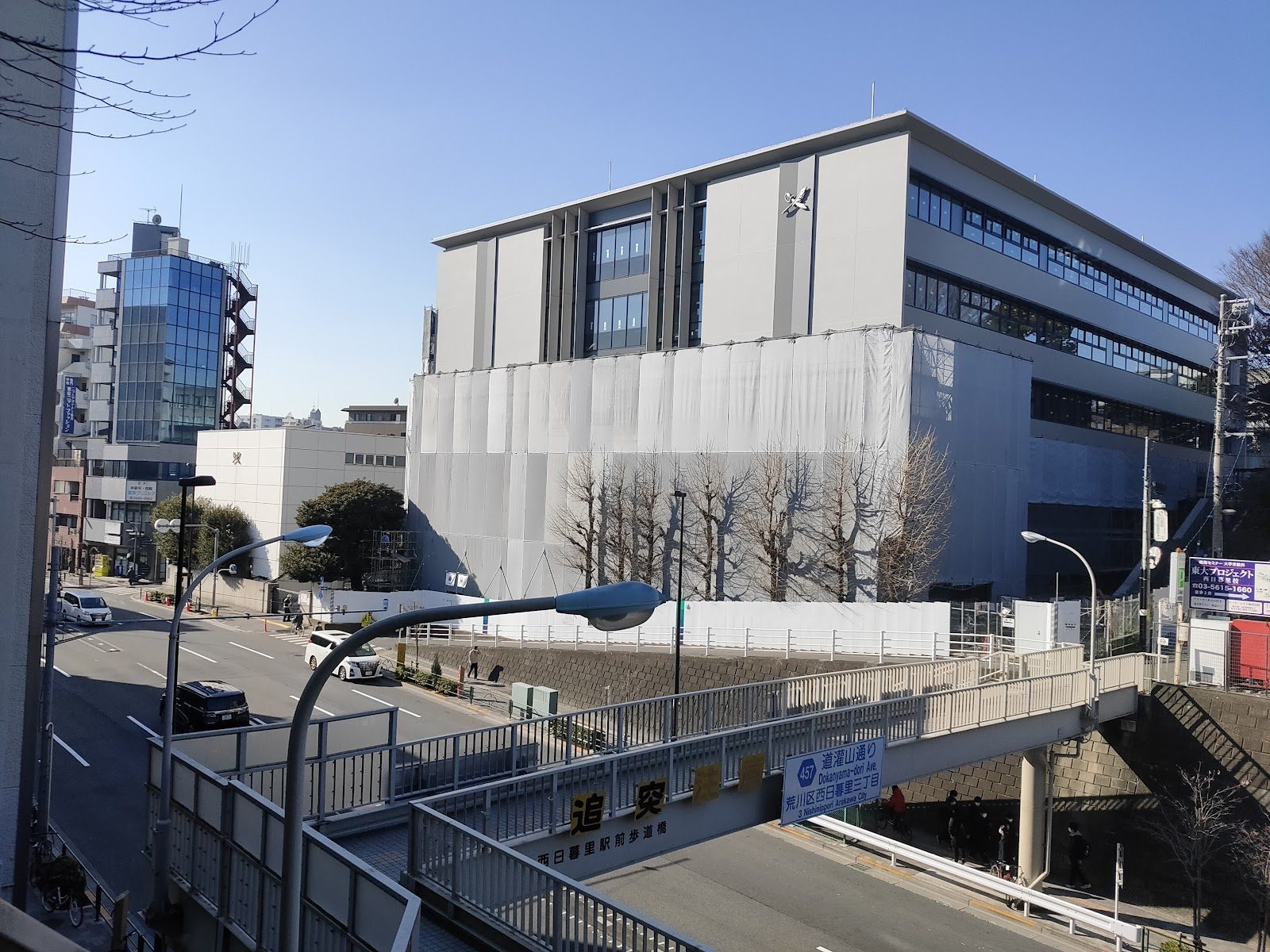
An 1871 all-boys day school in one of Tokyo's densest wards, a perennial University of Tokyo feeder now adding IB and AP tracks abroad.
K. International School Tokyo
Tokyo · Japan
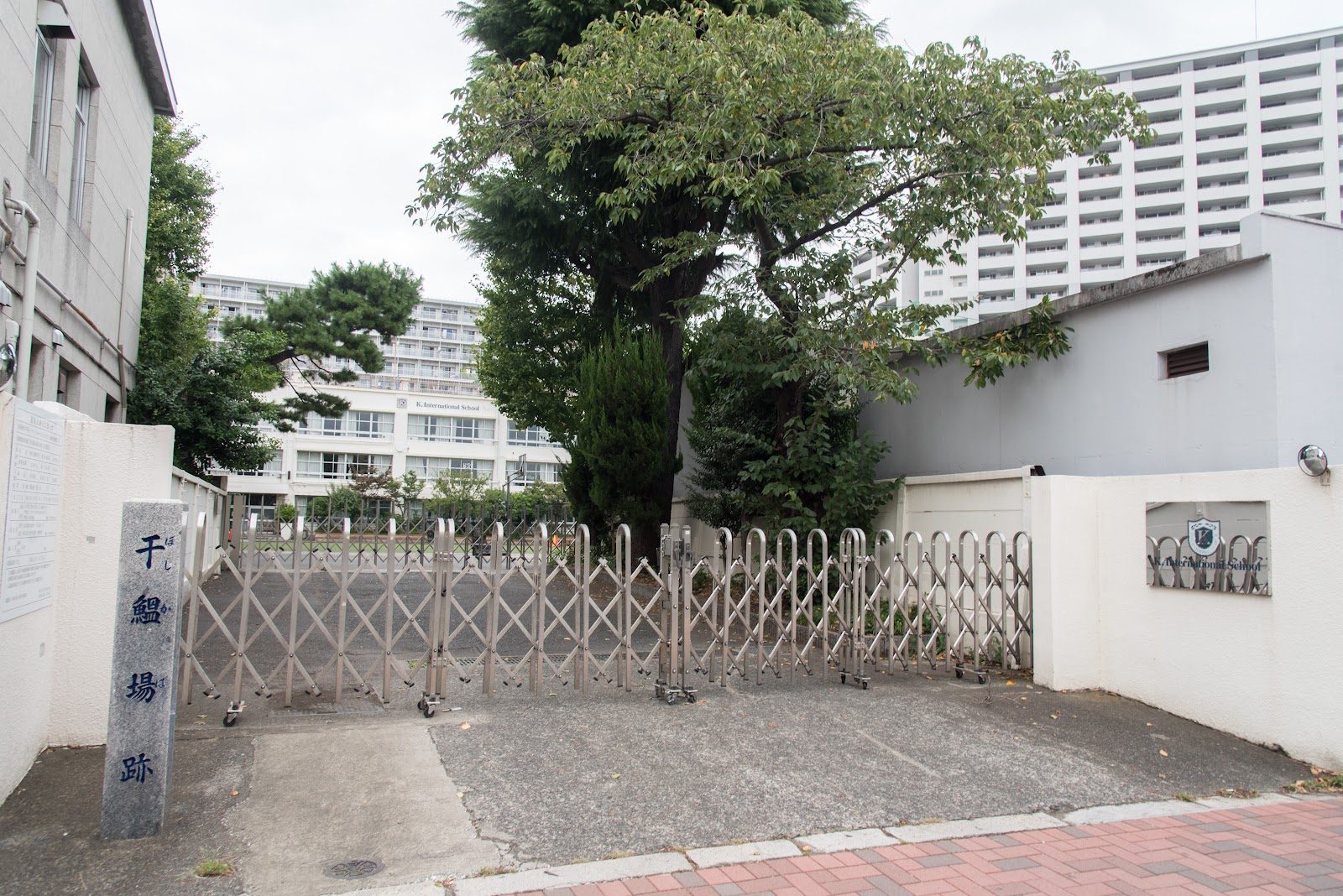
Tucked in Koto-ku's Kiyosumi-Shirakawa district, a full IB continuum school whose diploma scores have topped Japan's rankings since 2015.
Same country and curriculum — closest matches within ±10 points either way