
North Dublin
A Jesuit day school for boys inside a Robert West-designed Georgian mansion on Dublin's north inner city streets
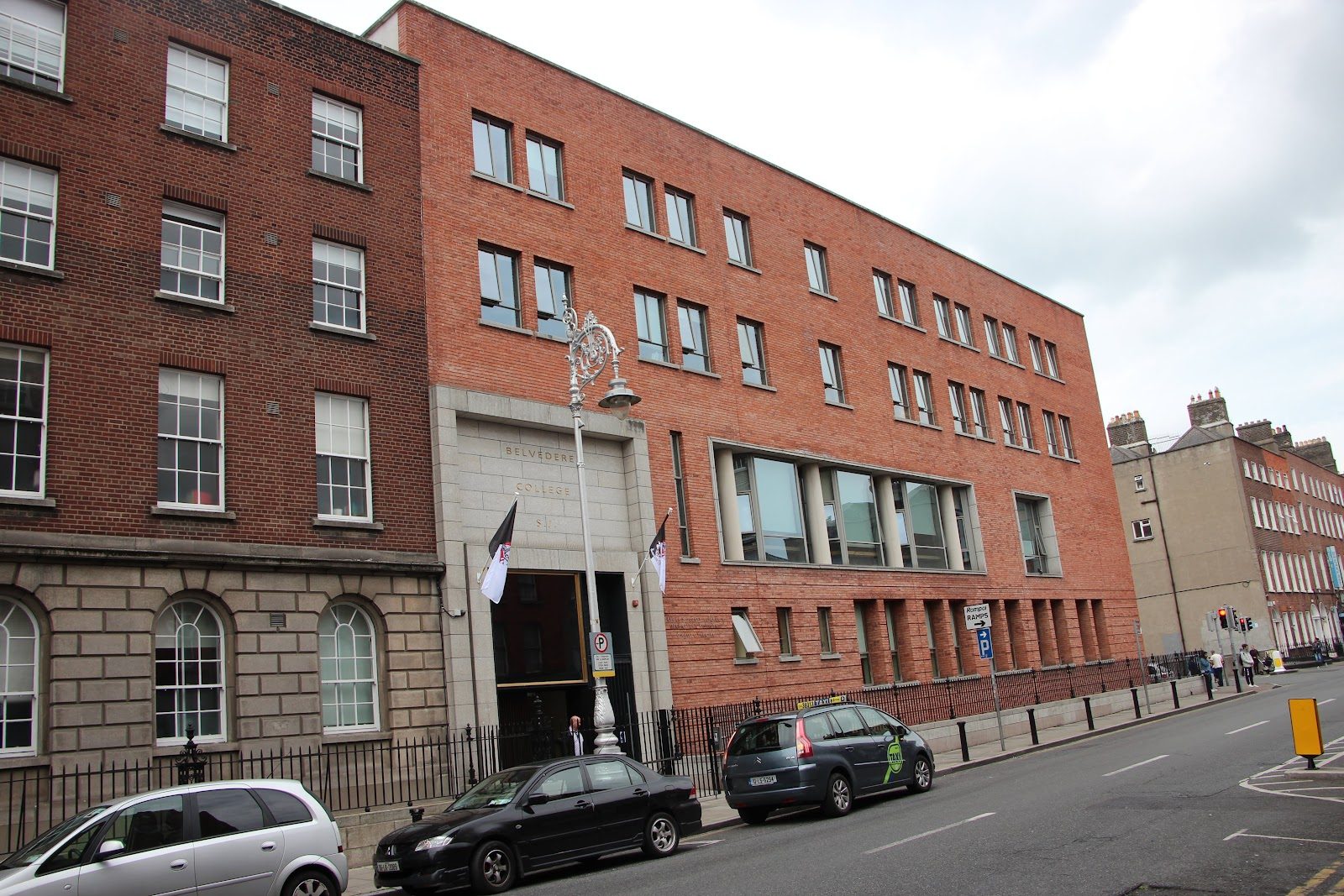
Photo © Michael Walsh via Google Maps
Type
Day
Ages
10–18
Curriculum
Irish Leaving Certificate · Junior Cycle
Ratio
—
The Verdict
Editor's commitment
Right for
Boys aged 10–18 who want a Jesuit Catholic day school in Dublin, following Junior Cycle and the Irish Leaving Certificate.
Wrong for
Girls, boarders, and families wanting IB, A-Levels or a co-ed model: Belvedere is a boys' day school founded in 1832.
Watch out for
This is a fee-paying voluntary secondary school in Dublin with English instruction and a Catholic Jesuit frame; that identity shapes the whole place.
Ranking breakdown
Belvedere College SJ · #166 of 1591
Composite score 75.4. 8 weighted criteria.
By criterion
Academic Outcomes
Weight 20%
#293
of 1529 scored
University Placement
Weight 16%
#398
of 1529 scored
Prestige & Heritage
Weight 12%
#35
of 1571 scored
Alumni Network
Weight 12%
#25
of 1530 scored
Facilities
Weight 12%
#392
of 1534 scored
Transparency & Communications
Weight 8%
#123
of 1532 scored
Peer & Industry Review
Weight 10%
#31
of 1548 scored
Admissions Selectivity & Demand
Weight 8%
#1232
of 1529 scored
Peer & Industry Review
How Belvedere College SJ is regarded in the sector
78
Strong · medium confidence
Belvedere College SJ is a well-known Jesuit day school in Dublin with a strong and widely recognized alumni network including prominent figures in Irish politics, literature, and business (e.g., James Joyce attended, referenced in literary criticism and biographies independent of school marketing). It regularly appears in Irish media coverage of prominent secondary schools and feeder-school rankings for university admissions published by outlets like The Irish Times, and is frequently discussed in Dublin school-choice parent forums as a top-tier boys' school alongside Gonzaga and Clongowes. However, it receives less international specialist press coverage (e.g., Tatler, Good Schools Guide) compared to boarding schools, since it is a day school with a primarily domestic rather than expat-focused reputation.
Evidence sources
Editors' overview
Belvedere College SJ occupies a distinctive niche in Dublin: a Jesuit boys’ day school founded in 1832, rooted in the Irish Leaving Certificate and Junior Cycle, and set not on an out-of-town campus but in the city itself. That matters. This is not a cloistered, parkland version of Irish private schooling. It is an urban school with a long Catholic intellectual tradition and a clear sense of discipline, duty and public engagement. For families who want *serious schooling with moral architecture, city-grounded education* and a school identity that reaches beyond facilities and branding, Belvedere earns a place on the shortlist.
What sets it apart is the combination of Jesuit formation and north inner-city location. The Jesuit stamp carries weight: academic seriousness, structure, reflection, service, and a habit of asking pupils to connect achievement with responsibility. In a market full of schools that sell polish, Belvedere offers conviction rather than gloss. The fact that it is a boys’ school for ages 10–18 also sharpens the proposition. Parents choosing Belvedere are not buying co-educational breadth or boarding immersion; they are choosing a single-sex day school with a defined ethos, a long institutional memory, and a culture that prizes commitment. The trade-off is clear too: families wanting a sprawling campus, a softer secular tone, or an overtly international curriculum need to look elsewhere.
The boys who thrive here are those who respond to structure, expectation and purpose. Belvedere suits students who can handle a traditional academic framework, who benefit from clear boundaries, and who will engage with a Catholic Jesuit ethos rather than merely tolerate it. It fits boys who want an education with spine, high expectations without theatricality and a school day tied to the rhythms of Dublin rather than insulated from them. For some students, that urban, values-led model is invigorating; for others, it will feel too defined. That is the real market position: not a school trying to be all things to all families, but a school with institutional character and a strong internal compass.
In practical market terms, Belvedere appeals to families who value heritage, identity and intellectual seriousness over the broader lifestyle proposition sold by more expansive fee-paying schools. As a fee-paying voluntary secondary school for boys, it stands in a competitive Dublin market, yet its identity is unusually coherent. If you want a school that wraps adolescent education in a Jesuit framework and does so in the heart of the capital, Belvedere is a compelling option. If you want maximum choice of curriculum, co-education, or a looser cultural frame, it is the wrong fit. That clarity is part of its strength.
Academic Performance
Belvedere’s academic reputation in Ireland is strong, but the school does not publish the kind of granular, year-by-year aggregate exam data that would let parents test that reputation properly. We have not seen a full public breakdown of Leaving Certificate grade distributions, top-point counts, subject-by-subject outcomes or trend lines across multiple cohorts. That matters. In a market where some schools trade hard on published results, this leaves Belvedere in the category of schools with real academic standing but opaque public metrics. Parents therefore need to ask direct questions: how many pupils reach the top points bands, how results are distributed across the year group, and how stable those outcomes are over time.
Relative to peers, Belvedere sits in the established band of academically serious Dublin fee-paying schools where strong examination performance is expected, not exceptional. The Jesuit tradition carries a reputation for intellectual discipline and high-pressure seriousness, and Belvedere benefits from that inheritance. But reputation is not the same thing as disclosed evidence. Without published aggregate figures, it is hard to place the school precisely against the city’s most exam-driven competitors. The sensible conclusion is clear: this is not a school with a weak academic profile, but neither is it one that makes public results transparency a defining strength. For data-minded families, that is a meaningful limitation.
Facilities
Belvedere’s facilities start with the obvious distinction: the school operates from a Georgian house rather than a purpose-built suburban campus. That gives it architectural character and a sense of place that many peers cannot match, but it also sets hard limits. Parents should not expect the sprawling sports grounds, broad traffic-free circulation or lavish specialist blocks that define the top end of Dublin’s larger fee-paying market. In facility terms, Belvedere trades on urban intensity rather than breadth. The building itself carries prestige and atmosphere; the compromise is space. For some families that feels cultivated and serious; for others it feels constrained.
Against peer schools, that puts Belvedere at a disadvantage on pure physical plant and at an advantage on identity. Schools with bigger sites can offer more visible sports infrastructure, looser campus life and a stronger sense of physical ease. Belvedere offers the opposite: a compact setting that keeps pupils in close quarters and ties the school day tightly to the surrounding city. That can produce a disciplined, grown-up rhythm that suits boys who do not need acres to thrive. What we have not seen is a clear public case for standout science, arts or sports facilities that would shift Belvedere into the top bracket on infrastructure alone. On facilities, then, this is a school of presence over scale, heritage over abundance.
As a fee-paying voluntary secondary school for boys, it stands in a competitive Dublin market, yet its identity is unusually coherent
Prestige
Belvedere carries real social and educational prestige in Ireland, but it is a specific kind of prestige. This is not the prestige of acreage, architectural spectacle or glossy international branding. It rests on history, Jesuit identity, selectivity by reputation, and a place in the country’s long-established fee-paying sector for boys. That combination still matters. Among families who know the Dublin market, Belvedere signals serious intent, institutional confidence and a school culture that values discipline and intellectual application over lifestyle theatre. The school’s name has reach beyond its own parent body, and that matters because prestige in education depends as much on recognition and cultural weight as on raw exam numbers.
I rate it highly, but not at the absolute summit of prestige because part of the school’s authority is inward-facing rather than performative. It does not trade on the polished, expansive image that some competitors use to project status, and its public academic data are not strong enough to turn reputation into an unanswerable case. That said, the Jesuit association gives Belvedere moral seriousness and old institutional capital that many schools cannot manufacture. For parents who value tradition, male academic culture and a Catholic frame with backbone, Belvedere has genuine cachet. For families chasing a more overt luxury signal, it has less pull. That distinction is important.
This is not a cloistered, parkland version of Irish private schooling
Communications
Belvedere’s parent communications fit the school’s broader character: formal, institution-led and more concerned with clarity than charm. Families do not choose a school like this for lifestyle gloss, and the communication style follows suit. The public-facing information is functional rather than expansive. That has virtues. A school with a strong internal culture does not need to oversell itself, and Belvedere avoids the inflated tone that weak schools use to compensate for thin substance. But restraint is only useful up to a point. For parents trying to judge daily school life, pastoral responsiveness or the practical mechanics of how concerns are handled, the public picture stays too spare. We have not seen the kind of rich, parent-oriented explanation that answers the questions families actually ask once a child is enrolled.
That leaves the communications profile in the middle tier: competent, serious-minded and credible, but not a standout strength. Schools serving busy urban families need communication that is timely, explicit and easy to navigate across calendars, notices, expectations and pastoral matters. Belvedere gives the impression of a school that expects parents to adapt to its systems rather than the other way round. Some families welcome that no-nonsense stance; others will read it as institutional distance. The difference matters. Strong schools can get away with a cooler tone, but they still need disciplined execution. Belvedere’s communications do enough to support confidence; they do not add much warmth, transparency or competitive edge.
Uniqueness
What makes Belvedere distinctive is not one feature in isolation but the collision of several: a Jesuit boys’ school, a fee-paying voluntary secondary, and a city-centre setting inside a Robert West-designed Georgian house. Many schools offer heritage. Many offer Catholic identity. Many offer strong academics. Belvedere fuses those elements into something sharper and more self-defining: a school that educates boys in daily contact with the pressures, textures and inequalities of ordinary urban life rather than buffering them behind a large private estate. That gives the place a harder civic edge. The Jesuit tradition of reflection and service lands differently in that context; it has more bite, less abstraction. For students, that can produce a serious moral vocabulary alongside academic ambition.
There is also a distinctive intensity to the model. A compact urban school in a historic building creates fewer distractions and less of the resort-style sprawl that softens school life elsewhere. Boys get a more compressed, supervised, adult rhythm: moving through a school with institutional memory, clear expectations and little room for drift. That suits students who respond to structure with purpose and who gain from a culture that prizes contribution as much as attainment. It does not offer the broad, frictionless comfort some families buy elsewhere. It offers formation rather than packaging — and for the right boy, that is the point.
It is an urban school with a long Catholic intellectual tradition and a clear sense of discipline, duty and public engagement
Student Profile
The boys who fit Belvedere best are those who can live comfortably inside a strong institutional culture. This is a school for pupils who accept authority, respond to clear rules and can handle a day shaped by expectation rather than negotiation. A boy who needs endless personal tailoring, constant affirmation or a loose, low-friction environment will find the culture hard going. A boy who likes standards, routine and being pushed by peers will do better. The single-sex setting from 10–18 also matters: families need to want a boys’ school in substance, not just in name, with all the intensity, camaraderie and occasional narrowness that entails. This is a good fit for self-disciplined, thick-skinned boys who do not need a school to soften every edge.
The Jesuit Catholic identity sharpens the profile further. Belvedere suits students who will engage seriously with questions of conduct, service and responsibility, not treat ethos as background wallpaper. It will reward boys with intellectual seriousness, social awareness and enough maturity to manage a compact urban school day without needing the cushioning effect of a large campus. It also suits families who value moral structure, adult expectations and a school culture with real internal gravity. It is less suited to boys who want a more relaxed pastoral atmosphere, a highly individualised learning culture or a broader lifestyle proposition. In blunt terms, this is a school for boys ready to join something demanding and defined.
What sets it apart is the combination of Jesuit formation and north inner-city location
Co-curricular strengths
Arts & sport, on a separate axis
Overall 8.18/10
Scored 0-10 from the school's own published evidence. This axis is editorial-only — it does not feed the main WTS ranking.
Sports
9.2/10
Drama
9.2/10
Dance
5.5/10
Music
9/10
Visual Arts
8/10
Editor first-pass · editor-reviewable · 7/30/2026

WTS 300 badge
Belvedere College SJ is one of the World's Top 300 Schools. Claim your listing to add it to your site →
Strengths
- +Long-established Jesuit day school for boys, formally founded in 1832 and based in the same Great Denmark Street building since 1841.
- +Runs a needs-based Access Programme (BCAP) offering bursaries that cover the annual tuition fee for boys from families facing financial barriers.
- +Notable list of past pupils spanning literature, politics and sport, including James Joyce, Kevin Barry, Garret FitzGerald, Terry Wogan and Tony O'Reilly.
- +Transition Year is compulsory for all students, giving a structured year of broader, non-exam-focused development before senior cycle.
- +City-centre Dublin 1 location gives easy access to public transport, museums, universities and the wider cultural life of the capital.
Considerations
- −Single-sex boys' school only, which will not suit families seeking co-education for their child.
- −It is a fee-paying voluntary secondary school, so attendance carries an ongoing tuition cost rather than being free of charge.
- −Inner-city footprint on Great Denmark Street means the campus is more compact than suburban or rural competitor schools with larger grounds.
- −Admission is not automatic once the school is oversubscribed, so places for boys without a family or feeder-school connection can be competitive.
Availability
Primary entry gate & tests
Waitlist / Lottery (Boys)
Gallery
Photo © Arturas Mecionis via Google Maps
Photo © Arturas Mecionis via Google Maps
Photo © Arturas Mecionis via Google Maps
Photo © Francesco Della Valle via Google Maps
Photo © Francesco Della Valle via Google Maps
Parent reviews
Have you sent your child here?
Voice reviews carry the strongest trust badge — we transcribe them for you to tidy up before they go live. Prefer to type? A written review is fine too.
Add your voice
In 60 seconds, tell other parents: what's the best thing about Belvedere College SJ, and what surprised you when your child joined?
We ask for a Google sign-in so every review has a real face behind it — no anonymous drive-by attacks on schools, and no faked positive reviews. Your email is never shown publicly.
Send this profile to a friend
International parents rely on word-of-mouth. Share this review with someone weighing the same decision.
Schools with places
Similar schools to Belvedere College SJ with places available now.
St. Kilian's Deutsche Schule Dublin
Dublin · Ireland
- 2026-27
- WAITPOOLVacancy-dependent
- 2027-28
- OPENS SOONExpected Oct '26
St. Andrew's College Dublin
Dublin · Ireland
- 2026-27
- WAITPOOLVacancy-dependent
- 2027-28
- PLACES OPEN
Availability first, then country, area, curriculum, price, co-curricular
Consider also
Also worth looking at alongside Belvedere College SJ.
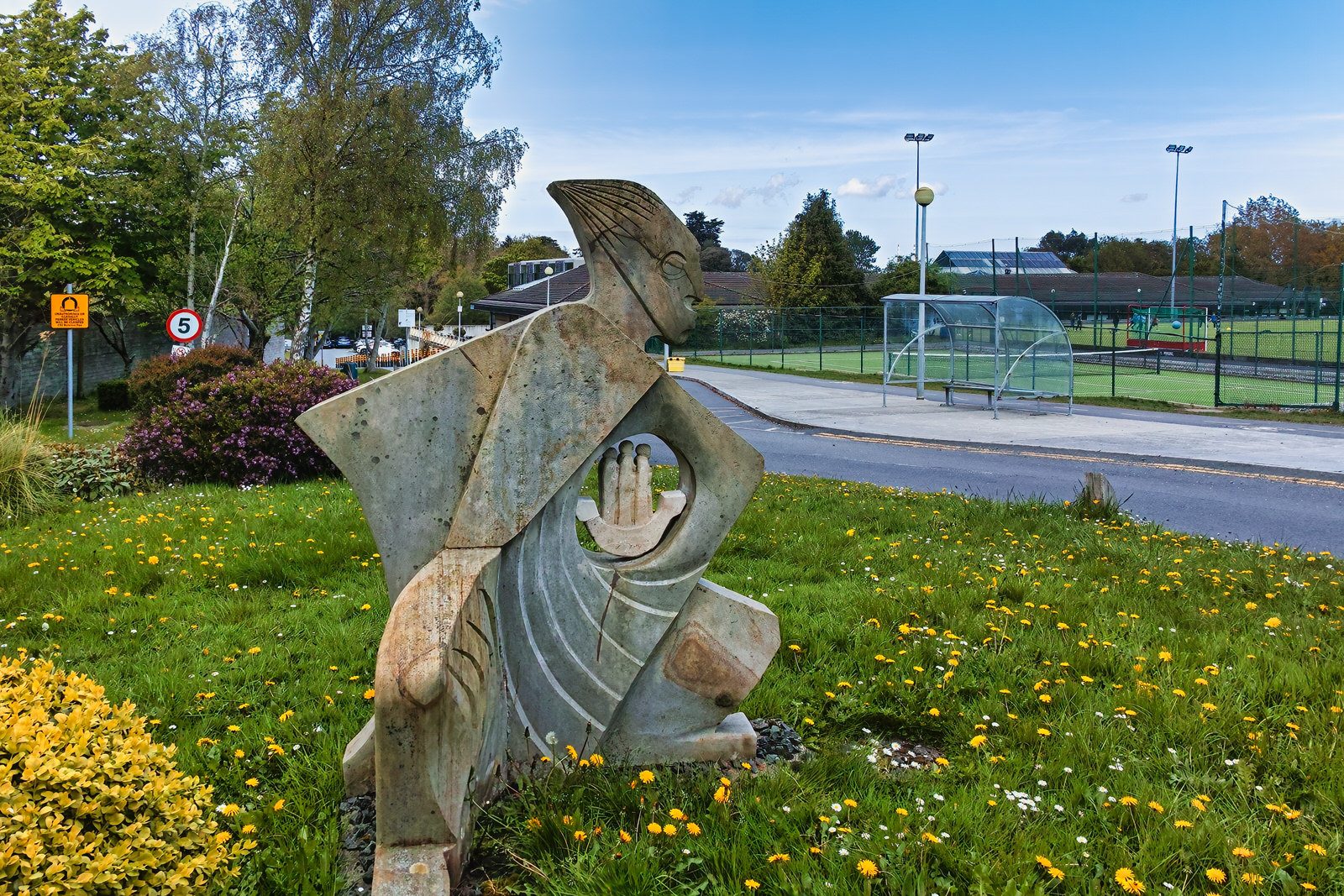
St. Kilian's Deutsche Schule Dublin
Dublin · Ireland
A 1950s refugee-aid charity's legacy now runs a dual-track Abitur and Leaving Cert campus shared with a French lycee in Clonskeagh.
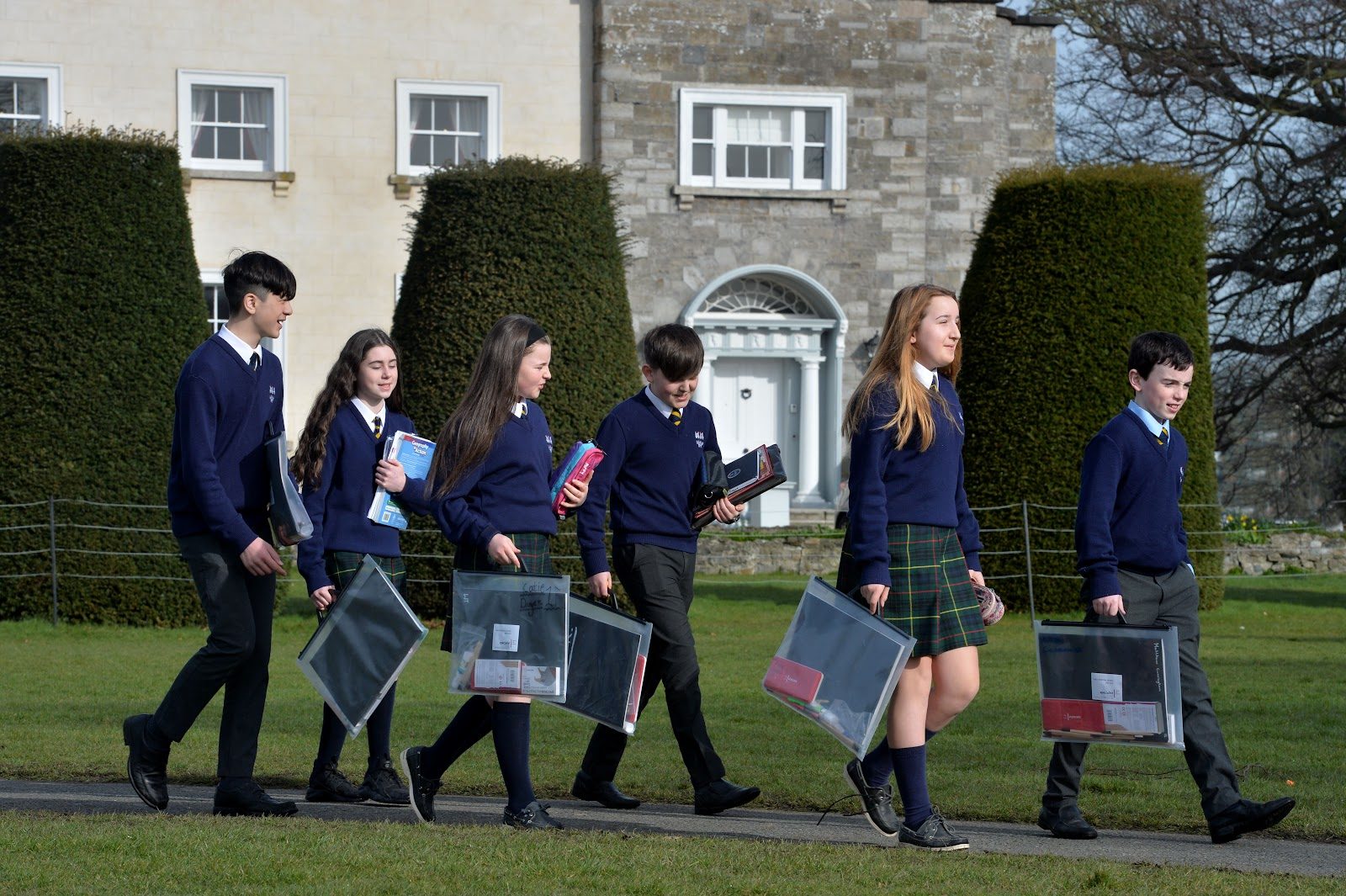
King's Hospital
Dublin · Ireland
Chartered by Charles II in 1669, this Liffey-side campus still channels its Blue Coat School past into modern boarding life.
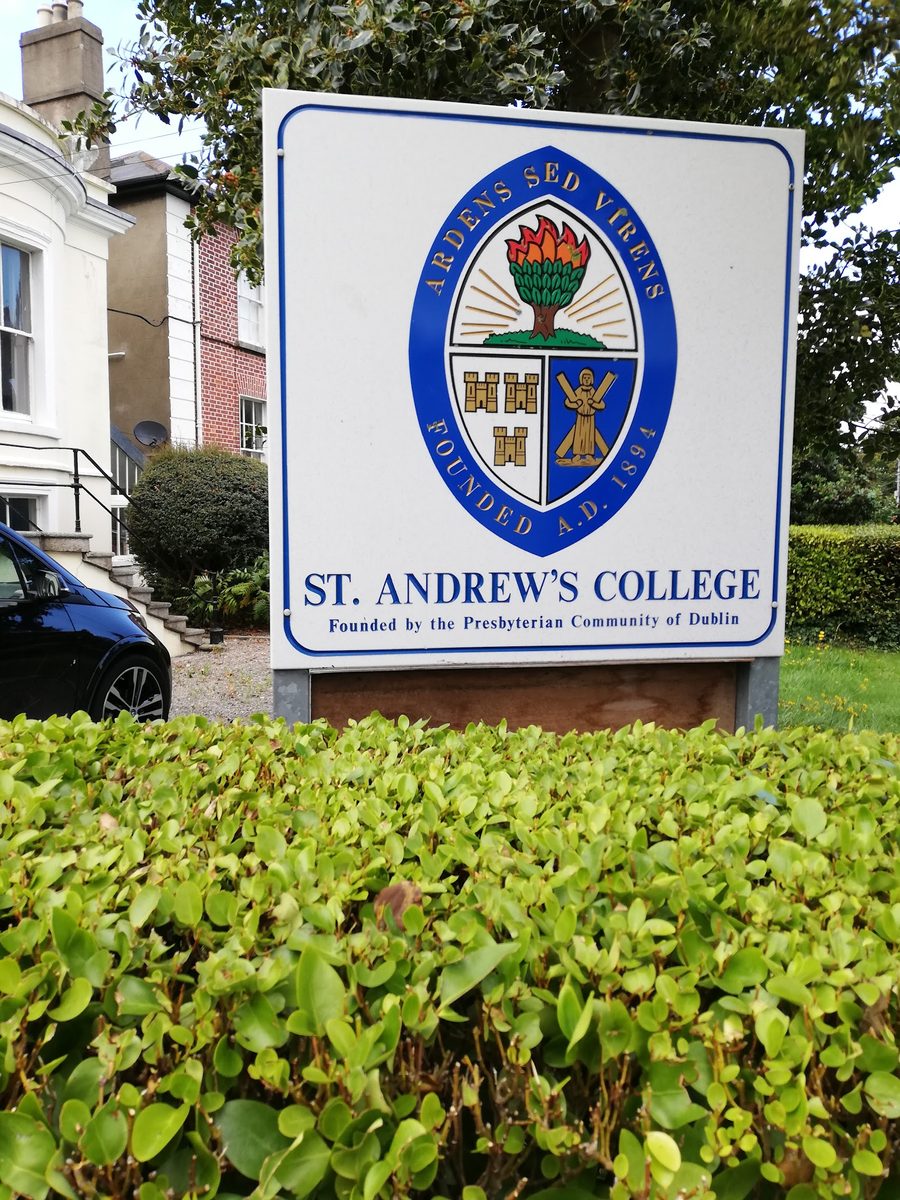
St. Andrew's College Dublin
Dublin · Ireland
First in Ireland to gain IB Diploma authorisation, this interdenominational Booterstown day school still hosts its own Model UN each Easter.
James Allen's Girls' School
London · United Kingdom
Founded in 1741 in Dulwich, this all-through day school built one of Britain's first school science labs and still leads in STEM.
Same country and curriculum — closest matches within ±10 points either way