
Beijing
Five houses named for the Chinese elements anchor a bilingual boarding culture on Beijing's Shunyi plain, near the Great Wall.
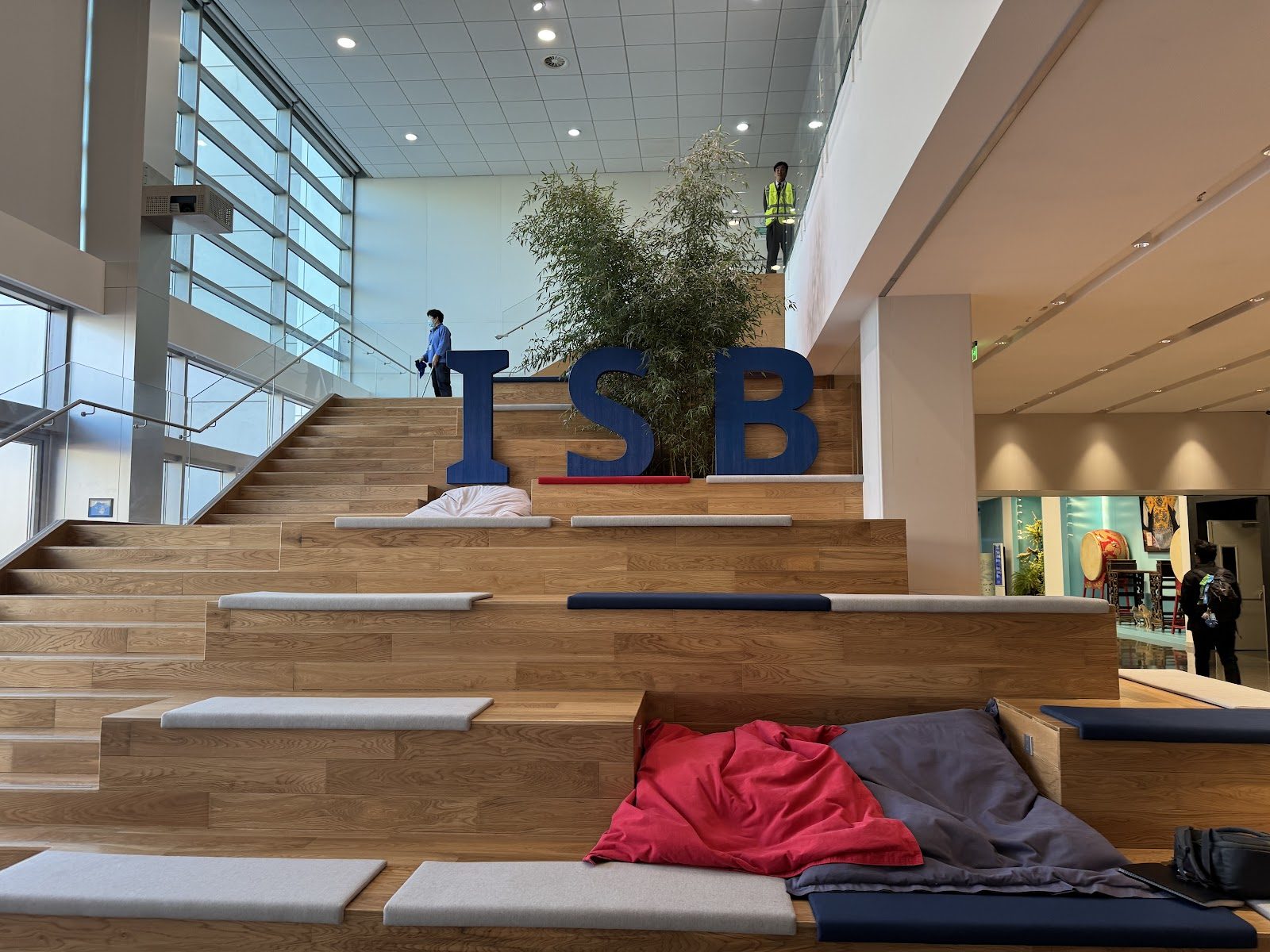
Photo © Kong Tik via Google Maps
Type
Both
Ages
3–18
Curriculum
IB
Ratio
3.3:1
The Verdict
Editor's commitment
Right for
Families who want IB, English-Mandarin bilingual teaching and boarding from age 3 to 18, with CIS backing and a 3.3:1 ratio.
Wrong for
Parents seeking a cheap Beijing option, a monolingual English school, or a non-boarding culture; average fees hit $45,091 day, $60,727 boarding.
Watch out for
Founded in 2014, Keystone is young by elite-school standards; 1,670 students and 500 faculty do not erase a still-maturing institutional track record.
Ranking breakdown
Keystone Academy · #206 of 1591
Composite score 75.3. 8 weighted criteria.
By criterion
Academic Outcomes
Weight 20%
#208
of 1529 scored
University Placement
Weight 16%
#219
of 1529 scored
Prestige & Heritage
Weight 12%
#307
of 1529 scored
Alumni Network
Weight 12%
#306
of 1529 scored
Facilities
Weight 12%
#207
of 1529 scored
Transparency & Communications
Weight 8%
#289
of 1529 scored
Peer & Industry Review
Weight 10%
#387
of 1529 scored
Admissions Selectivity & Demand
Weight 8%
#198
of 1529 scored
Score history
Keystone Academy · 2026
Movement across 2024–2026. Peer average overlaid.
Overall — 2024–2026
75.3/ 100
▲ +32.0 vs 2025
year on year
Peer & Industry Review
How Keystone Academy is regarded in the sector
75
Strong · medium confidence
Keystone Academy is frequently referenced in expat and international education press as one of Beijing's leading bilingual boarding schools, co-founded with support from Vassar, Columbia Teachers College, and Peking University, which lends it strong institutional credibility. It appears in rankings and discussions of top China international schools (e.g., Forbes, various 'best international schools in China' listicles and expat forums) and has a growing reputation for university placement, though it lacks the multi-decade legacy or unanimous top-tier consensus of schools like WAB or ISB Beijing.
Evidence sources
Editors' overview
Five houses named for the Chinese elements tell you a good deal about Keystone before you reach the timetable. This is a bilingual boarding school built with intent, not an expat add-on with Mandarin bolted to the side. Founded in 2014 in Beijing’s Shunyi district, it runs from age 3 to 18, teaches in English and Mandarin, and stakes its identity on a three-way blend of Chinese, American and global traditions. The school calls that “a new world school”; stripped of slogan, the substance is clear enough: IB framing, bilingual immersion, and a residential model that treats community life as part of the education rather than a logistical extra. With 1,670+ pupils, 500 faculty and a striking 3.3:1 student-teacher ratio, Keystone has scale, but not the anonymity that often comes with it.
What sets Keystone apart in the Beijing market is the seriousness of its cultural proposition. Many international schools in China promise global education with local relevance; Keystone goes further and makes Chinese culture and identity central to the design of the school. That matters for families who want children fluent across more than one educational code, not just conversational in two languages. The boarding offer reinforces that ambition. This is not a token weekly boarding wing attached to a day school. Residential life sits inside the school’s stated mission, and that gives Keystone a more self-contained, high-commitment character than many day-led competitors in the capital. Accreditation from the IBO and CIS gives it the external markers parents expect, but the more important point is that the school has a coherent thesis and sticks to it.
Fees place Keystone firmly in the premium bracket: an average annual day fee of US$45,091 across the full age range, and US$60,727 for boarding. Parents paying that level need clarity on outcomes, and this is where the picture is less complete than it should be. The school publishes its scale, mission and institutional architecture clearly; it does not publish the kind of hard aggregate academic outcome data that would sharpen comparison with Beijing’s most academically transparent rivals. That does not erase the school’s appeal, but it does matter. Keystone belongs on a shortlist for families who want a deliberate bicultural education, a genuine boarding environment, and a child who will thrive in a school with a strong internal culture rather than a loose, cosmopolitan day-school feel. It suits intellectually confident students, internationally minded Chinese families, and boarders who want structure and belonging. It is not the obvious choice for parents who want a conventional British or American template, or for children who prefer a lighter-touch school culture.
Academic Performance
Keystone does not publish the aggregate examination data that serious comparison requires. We have not seen cohort-wide IB Diploma averages, pass rates, subject distributions, top-score counts or university destination breakdowns in a form that lets parents judge academic strength against Beijing’s more transparent competitors. That gap matters. In a market where leading schools increasingly put hard outcomes into the public domain, opacity leaves Keystone in a harder-to-rank position than its fee level and ambition justify. The school’s public case for itself rests on educational design, bilingualism, residential culture and scale of provision; it does not rest on disclosed headline results.
What can be said with confidence is structural rather than statistical. Keystone offers the IB Diploma in the upper school and the IB Middle Years Programme below that, which places it in a globally legible academic framework. Its staffing depth and institutional resources point to serious capacity, and the school has had enough graduating cohorts by now for mature results reporting. The absence of published aggregates therefore reads as a deliberate omission, not an early-stage blind spot. Relative to Beijing peers, Keystone sits in the category of schools with a strong academic proposition but opaque outcomes. For families who prioritise published exam performance, that pushes it behind the city’s data-forward front runners. For families buying into a wider educational model, the calculation is different, but the lack of disclosed results still needs pressing in admissions meetings.
Facilities
Keystone’s facilities read like those of a school built to support a high-control, all-day educational model, not a day school with a boarding block added later. The most important assets are the residential provision, the library and the co-curricular infrastructure. The library stock stands at 80,340+ volumes, which is a serious collection by any Beijing standard and stronger than the token “learning commons” approach common in newer international schools. The school also runs 600+ weekly co-curricular activities, a scale that points to extensive specialist spaces and timetabling capacity across sport, arts and clubs. Add the one-to-one Apple device programme and you get a campus set up for constant use, from the formal school day into evenings and weekends. For boarders, that matters more than glossy architecture.
Against peer schools, the picture is strong but not fully evidenced. Keystone publishes enough to show substantial institutional infrastructure and a campus designed for immersion, supervision and breadth. It does not publish the kind of detailed facilities inventory that top schools with nothing to hide now give parents as standard: theatre specifications, lab counts, boarding-house layouts, pool details, studio provision or performance venues. That leaves an odd gap between Keystone’s confidence of mission and the granularity of its operational disclosure. Even so, the broad verdict is clear. For families who want a self-contained boarding environment with deep extracurricular provision and serious study support, Keystone stands in the top tier of Beijing’s premium market.
The school projects authority through scale, resources and a tightly argued mission, but prestige at the top end also rests on proof
Prestige
Keystone carries real status in Beijing’s international-school market, but it is a selective kind of prestige. This is not cachet built on imperial legacy, old-boy mythology or decades of exam-table dominance. Its standing comes from something harder to imitate: a coherent institutional idea, serious capital behind it, and execution at scale. The school has more than 25 nationalities on roll, over 600 weekly co-curricular activities, and a library collection above 80,340 volumes. Those details matter because they signal substance, not ornament. Families drawn to Keystone are buying into a school with a clear intellectual identity and a high-control culture, not a generic international brand. In China, that carries weight. Among parents who want their children educated across Chinese and global frames without sacrificing ambition, Keystone has become a genuine reference point.
Its prestige stops short of the untouchable tier occupied by schools that pair institutional confidence with fully disclosed academic outcomes and long-established university-placement reputations. That is the limit on Keystone’s status, and it is a material one. The school projects authority through scale, resources and a tightly argued mission, but prestige at the top end also rests on proof. Without public cohort-wide results, Keystone’s reputation depends more heavily on narrative, parent confidence and lived experience than on cold comparative data. That still puts it in the city’s premium conversation. It does not put it beyond scrutiny.
Keystone is distinctive, demanding and coherent; that coherence is its edge
Communications
Keystone communicates with unusual institutional confidence. The website is extensive, well structured and easy to navigate, with clear routes into admissions, academics, residential life, employment and community pages. Parents get more than a glossy front door: there is a published strategic plan, a head of school’s letter, defined values, FAQs, school publications, photo galleries, news archives and a dedicated “Head of School’s Corner”. That breadth matters. It signals a school that treats communication as part of governance, not an afterthought. The scale of the operation also helps: a community of 1,670+ pupils and 500 faculty requires systems, and Keystone gives the impression of tight institutional control rather than chaotic sprawl.
The weakness is not volume but selectivity. Keystone explains its mission, ethos and internal architecture in meticulous detail, yet withholds some of the comparative information parents most want when fees are this high. The gap on aggregate academic outcomes affects communications as much as performance: a school cannot claim full transparency while leaving core results unpublished. That makes the parent message strong on narrative, weaker on proof. Still, within its chosen frame, communication is effective. Families interested in culture, pastoral structure, boarding life and the school’s wider educational thesis will find a disciplined, coherent account of what Keystone is for. Families who want hard benchmarking data will need to push beyond the polished public story.
Uniqueness
Keystone’s real distinction is that it does not treat “international” and “Chinese” as parallel tracks. The school is built around a fused proposition: Chinese culture and identity sit inside the academic and residential core, not at the margins as festival décor or a language add-on. That gives the place a strong internal logic that many competitors lack. The five-house structure, named for the Chinese elements, reinforces that point in daily life. So does the stated emphasis on character, community and public purpose. For students, the gain is more than bilingual competence. They learn to move between intellectual traditions, social codes and expectations of selfhood without the split-screen identity that weaker bicultural schools can produce.
The second point of difference is scale married to density. A student body above 1,670, faculty numbering 500, more than 600 weekly activities and a library stock past 80,340 create unusual range inside a single institution. That matters because Keystone’s model asks students to live in a high-commitment environment: academic study, house life, activities and moral formation all pull in the same direction. Students who relish structure, immersion and collective culture get a lot from that setup — friendship networks, adult attention and a campus life with real breadth. Students who want looseness, anonymity or a light-touch social atmosphere get less. Keystone is distinctive, demanding and coherent; that coherence is its edge.
Five houses named for the Chinese elements tell you a good deal about Keystone before you reach the timetable
Student Profile
Keystone suits students who want more than a timetable and a set of grades. The strongest fit is a child who likes structure, responds to adults who set clear expectations, and has the stamina for a school culture that reaches well beyond lessons. House identity, shared virtues and residential life give the place a high-commitment social code. Pupils who enjoy belonging to something larger than themselves do well here; pupils who guard their independence fiercely, resist communal routines or want a loose social atmosphere will chafe. This is also a good match for families who want children educated across Chinese and global frames without treating those worlds as separate compartments. With 25 nationalities represented and more than 1,670 pupils, the peer group has breadth, but the ethos is deliberately shaped, not laissez-faire.
The academic fit is for students who are intellectually curious, organised and comfortable switching registers: classroom discussion, bilingual study, co-curricular commitment and, for boarders, life in close community. The school’s scale helps children with many interests; the sheer volume of activities gives genuine room for range rather than token choice. It is not a natural home for children who need a casual, low-pressure environment to flourish. Nor does it suit families who want a familiar British or American template with local touches. Keystone works best for self-possessed, internationally minded students who value challenge, routine and cultural fluency, and who will use the school’s 600+ weekly activities rather than hide from them.
This is a bilingual boarding school built with intent, not an expat add-on with Mandarin bolted to the side
Co-curricular strengths
Arts & sport, on a separate axis
Overall 8.4/10
Scored 0-10 from the school's own published evidence. This axis is editorial-only — it does not feed the main WTS ranking.
Sports
8.5/10
Basketball and Swimming, describes substantial sports infrastructure, and the external evidence says Keystone belongs to the International Schools Athletic Conference.
Drama
8/10
The extracurriculars explicitly include Drama Productions and a theatre/auditorium, which is dedicated drama-relevant facility evidence clearing the 6 band.
Dance
8/10
Music
8.5/10
The school lists Orchestra and Choir and specialist music spaces, providing explicit ensembles plus dedicated music facilities sufficient for a 6.
Visual Arts
9/10
Visual Arts is explicitly listed in extracurriculars and specialist arts spaces, which constitutes dedicated facility support for this dimension.
Editor first-pass · editor-reviewable · 7/27/2026
WTS 300 badge
2025/26 editionKeystone Academy is one of the World's Top 300 Schools for 2025/26. Claim your listing to add it to your site →
Strengths
- +Fully authorised IB World School offering both the Middle Years Programme (Grades 6-10) and the Diploma Programme (Grades 11-12).
- +A reported fourth-cohort Diploma class achieved an average score of 37.6 out of 45 with a 98.6% pass rate, among the strongest results recorded by the school.
- +Maintains a low student-teacher ratio of roughly 1:5, with around 60% of faculty drawn from outside China.
- +Distinctive bilingual model that runs Chinese-English immersion through the primary years before shifting to predominantly English instruction, paired with a dedicated "China Thread" curriculum strand.
- +Accredited by WASC and a member of the Round Square network, giving access to a wider community of international partner schools.
Considerations
- −Boarding becomes compulsory for every student from Grade 9 onward, which is a significant lifestyle commitment for day-school families with older children.
- −Annual fees run into several hundred thousand RMB depending on grade and boarding status, placing it among Beijing's costlier international options.
- −Campus is located in Shunyi District's Houshayu Town on the northeastern edge of Beijing, a commute-heavy location for families based elsewhere in the city.
- −The bilingual, China-focused curriculum design means families seeking a purely English-medium or purely Western-style programme may find the model less conventional than other international schools.
Availability
Primary entry gate & tests
MAP Testing + Interview
Gallery
Photo © goodmiumiu via Google Maps
Photo © goodmiumiu via Google Maps
Photo © goodmiumiu via Google Maps
Photo © goodmiumiu via Google Maps
Photo © Saito Walker via Google Maps
Photo © Saito Walker via Google Maps
Photo © Alex Wong via Google Maps
Photo © Alex Wong via Google Maps
Photo © Manor Zemer via Google Maps
Parent reviews
Have you sent your child here?
Voice reviews carry the strongest trust badge — we transcribe them for you to tidy up before they go live. Prefer to type? A written review is fine too.
Add your voice
In 60 seconds, tell other parents: what's the best thing about Keystone Academy, and what surprised you when your child joined?
We ask for a Google sign-in so every review has a real face behind it — no anonymous drive-by attacks on schools, and no faked positive reviews. Your email is never shown publicly.
Send this profile to a friend
International parents rely on word-of-mouth. Share this review with someone weighing the same decision.
Schools with places
Similar schools to Keystone Academy with places available now.
Western Academy of Beijing
Beijing · China
- 2026-27
- WAITPOOLSpace-dependent
- 2027-28
- PLACES OPENRolling
International School of Beijing
Beijing · China
- 2026-27
- WAITPOOLSpace-dependent
- 2027-28
- PLACES OPENRolling
Dulwich College Beijing
Beijing · China
- 2026-27
- WAITPOOLSpace-dependent
- 2027-28
- PLACES OPENRolling
Yew Chung International School of Beijing
Beijing · China
- 2026-27
- WAITPOOLSpace-dependent
- 2027-28
- PLACES OPENRolling
Availability first, then country, area, curriculum, price, co-curricular
Consider also
Also worth looking at alongside Keystone Academy.
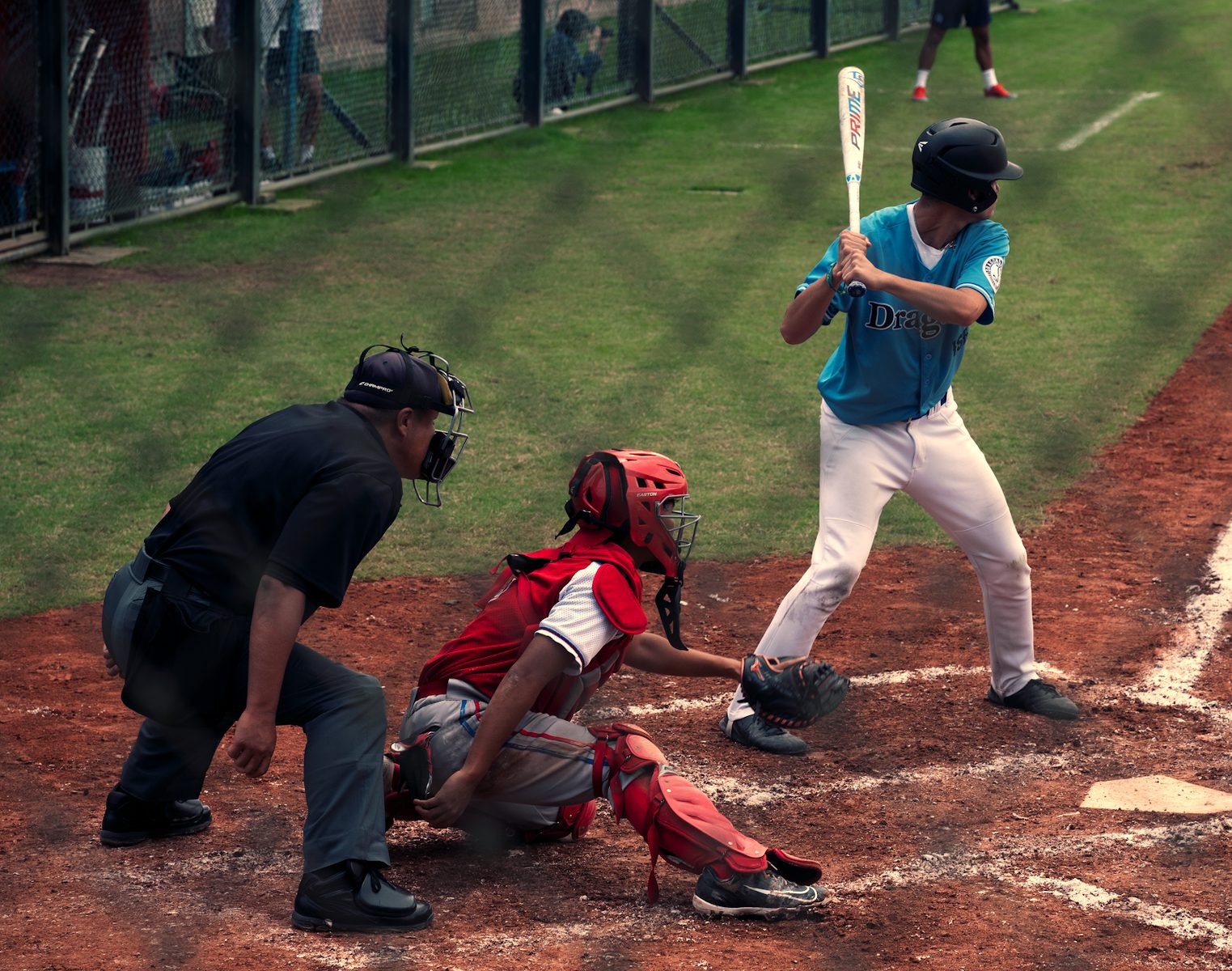
Shanghai American School
Shanghai · China
A century-old Shanghai institution since 1912, running AP and IB in parallel across two sprawling campuses
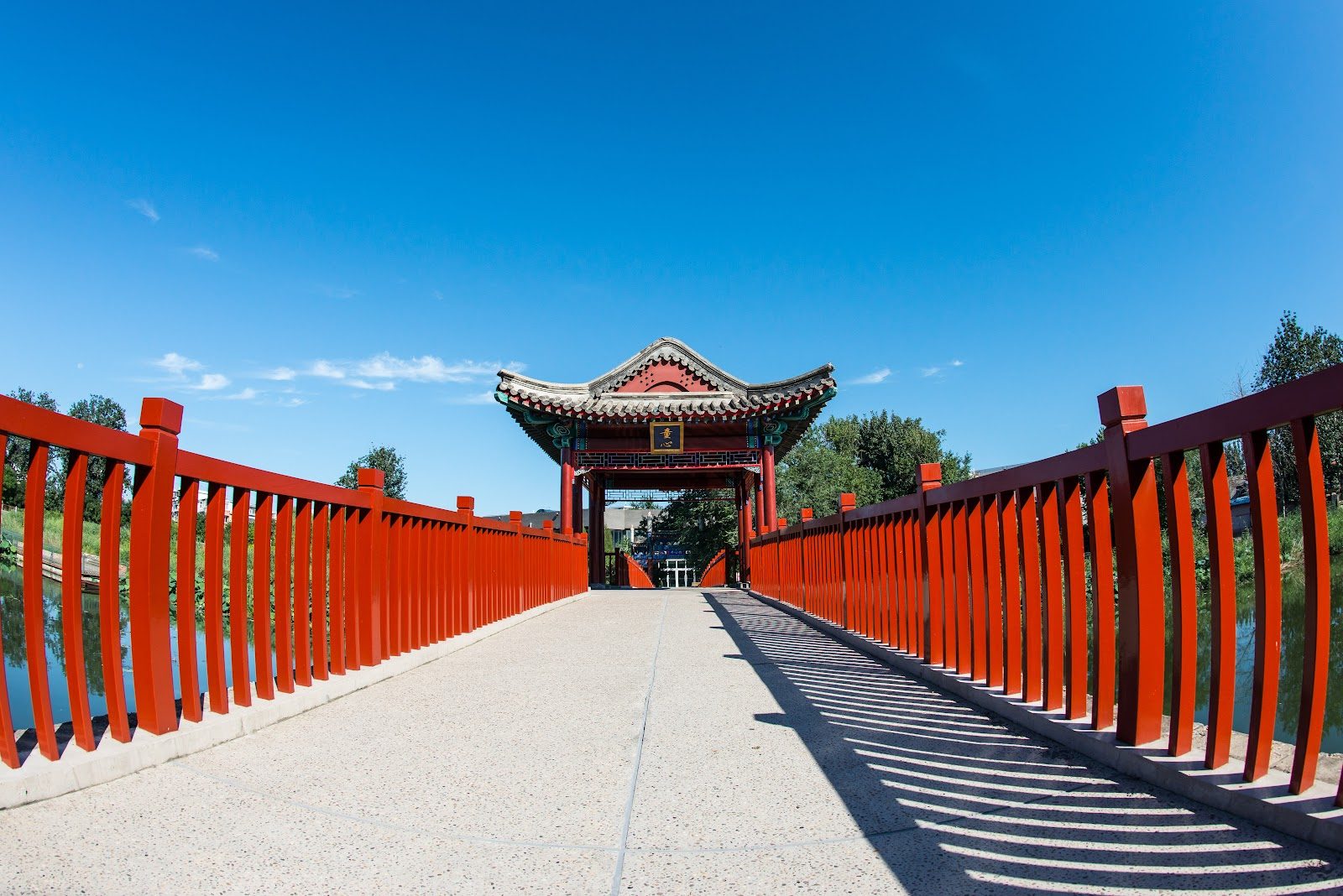
Western Academy of Beijing
Beijing · China
Running the full IB continuum since 1994 from a Chaoyang campus once named a Beijing Olympic model school
International School of Beijing
Beijing · China
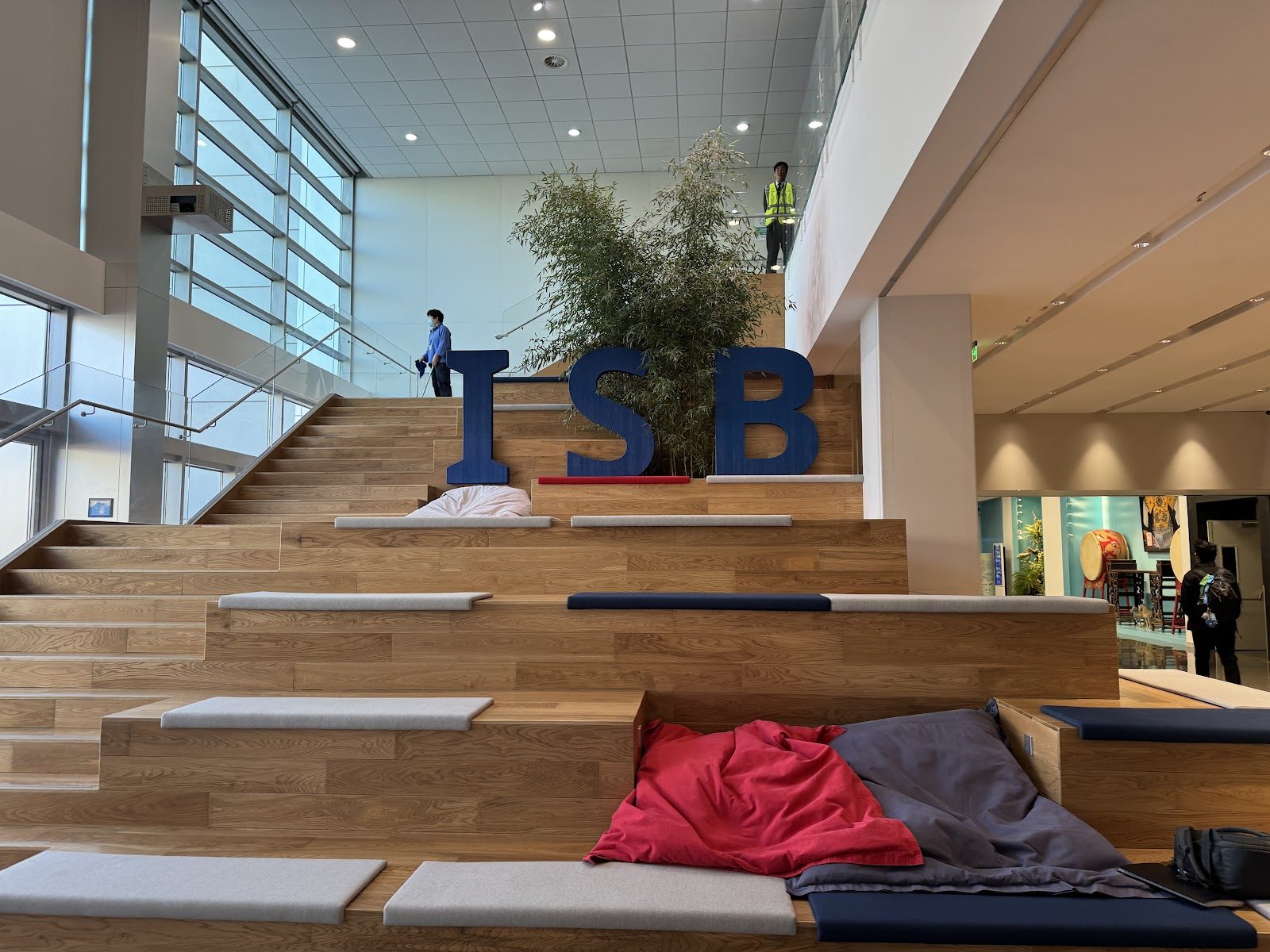
Founded in 1980 by five embassies, this Shunyi day school pairs a US diploma track with IB rigor and dual-language classes from early years.
Shanghai High School International Division
Shanghai · China
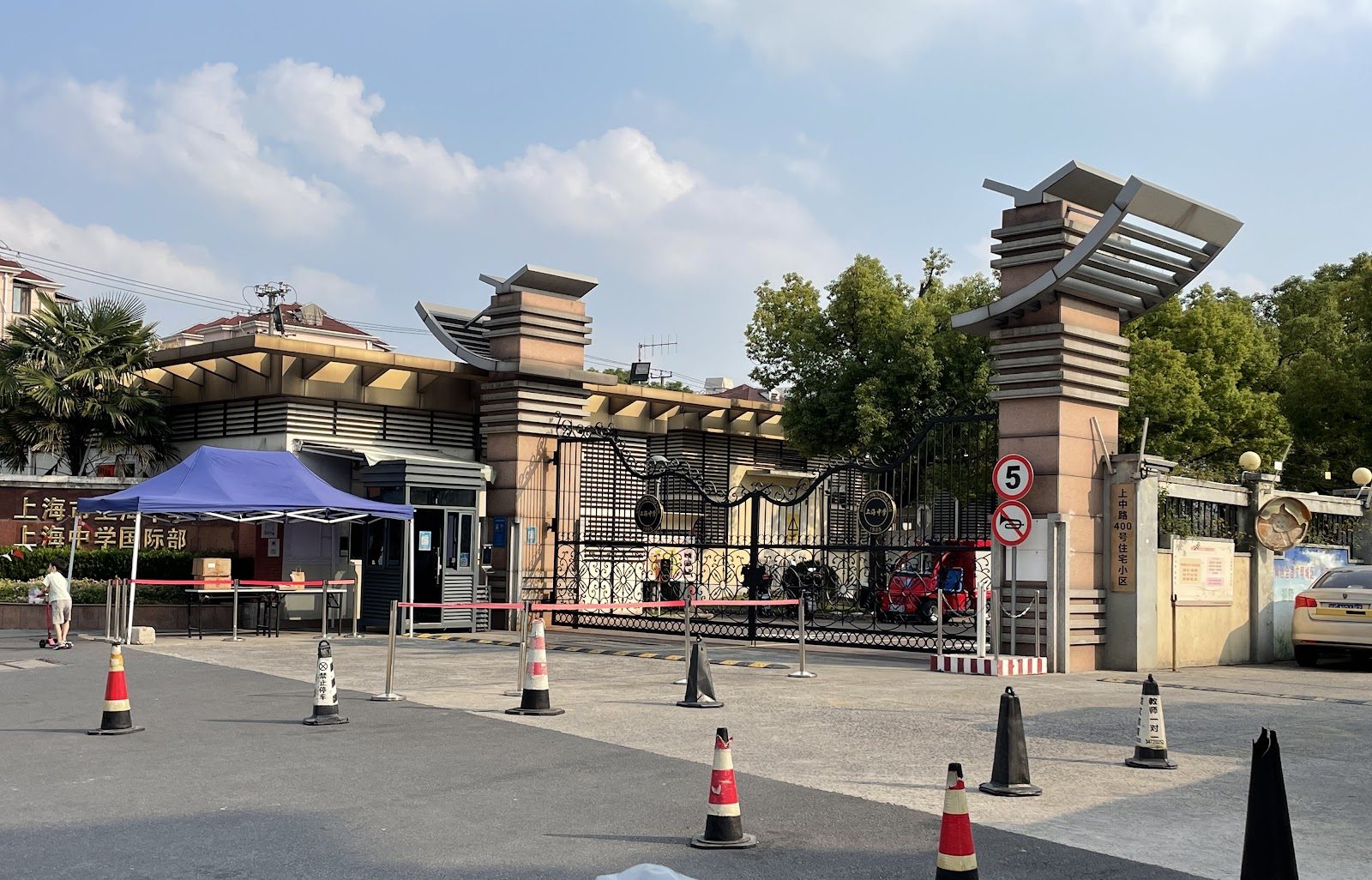
Grown from a 19th-century public school in Xuhui, its IB cohort has averaged 41 points for fifteen straight years.
Same country and curriculum — closest matches within ±10 points either way