
New York
On a quiet Carnegie Hill block, a century-old liberal-arts curriculum sends ninth graders to London to fuse literature, history, science and art into one capstone journey.
Type
Day
Ages
5–18
Curriculum
American
Qualifications
AP
Ratio
6:1
The Verdict
Editor's commitment
Right for
Girls who want a serious American day school, a 6:1 ratio and a full 5–18 run under one roof.
Wrong for
Families wanting co-education, boarding or a cheaper Manhattan option: the average annual fee is $71,665.
Watch out for
Founded in 1920 and accredited by NEASC and NAIS, Nightingale trades on pedigree; published academic outcomes are thin.
Ranking breakdown
Nightingale-Bamford School · #169 of 1591
Composite score 75.3. 8 weighted criteria.
By criterion
Academic Outcomes
Weight 20%
#209
of 1529 scored
University Placement
Weight 16%
#219
of 1529 scored
Prestige & Heritage
Weight 12%
#262
of 1571 scored
Alumni Network
Weight 12%
#158
of 1530 scored
Facilities
Weight 12%
#406
of 1533 scored
Transparency & Communications
Weight 8%
#254
of 1532 scored
Peer & Industry Review
Weight 10%
#335
of 1548 scored
Admissions Selectivity & Demand
Weight 8%
#229
of 1529 scored
Score history
Nightingale-Bamford School · 2026
Movement across 2024–2026. Peer average overlaid.
Overall — 2024–2026
75.3/ 100
▲ +19.8 vs 2025
year on year
Peer & Industry Review
How Nightingale-Bamford School is regarded in the sector
85
Strong · medium confidence
Nightingale-Bamford is consistently ranked among Manhattan's top all-girls independent schools alongside Brearley, Chapin, and Spence, frequently covered in NYC private school guides and publications like Niche, Private School Review, and New York Magazine's school rankings. Its alumni network includes notable figures covered in press (e.g., Jennifer Grey, various prominent professionals), and it is a regular reference point in expat parent forums (e.g., Mumsnet, StreetEasy forums) discussing NYC private school admissions. It lacks the global brand recognition of a Dalton or Horace Mann internationally, but within the specialized NYC independent school peer group it holds a strong, well-established reputation.
Evidence sources
Editors' overview
On a quiet Upper East Side block, Nightingale-Bamford offers a version of New York girls’ schooling that still feels deliberately old-school in the best sense: one roof, one community, and an unapologetically academic liberal-arts core. It is a non-religious day school for ages 5 to 18, founded in 1920, with a striking 6:1 student-teacher ratio and an all-female university-preparatory model that keeps its focus squarely on intellectual formation. The school’s own language leans hard on belonging and voice; the more useful point for parents is that Nightingale has the structure to make that credible. A school this small in ratio terms can know its pupils well, push them hard, and leave little room for coasting.
What marks Nightingale out is the combination of serious academic intent and a coherent cultural identity. The curriculum is American, taught in English, but the school’s long-standing reputation rests less on standard US private-school polish than on depth in reading, writing and discussion. The editorial tagline captures that well: ninth graders go to London for a capstone trip that fuses literature, history, science and art. That interdisciplinary instinct matters. It tells you this is a school that values synthesis over box-ticking. The physical plant also carries more weight than many Manhattan town-school campuses manage: laboratories, a makerspace, photography darkrooms, performance spaces and terraces all sit inside the East 92nd Street schoolhouse, and a new athletics centre is under construction, due to open in 2027. The athletics expansion also corrects a classic New York constraint: strong academics with cramped sport. Nightingale has identified the gap and is fixing it.
The market position is plain. At an average annual day fee of $71,665, Nightingale sits at the expensive end of the New York independent-school market, and parents are paying for density of attention, not sprawl or spectacle. Its accreditations, NEASC and NAIS, are standard markers of institutional seriousness, but they are not the reason to choose it. The sharper reason is fit. This is for girls who like ideas, who can thrive in a close, high-expectation environment, and who want a school where writing, argument and intellectual confidence carry status. It will suit self-possessed pupils and quieter ones with academic steel underneath. It will not suit families hunting for a loose, anonymous, socially dominant campus experience. Nightingale is compact, exacting and intensely personal — the kind of school that belongs on a shortlist when a parent wants an all-girls education with real academic bite and a clear sense of itself.
Academic Performance
Nightingale does not publish aggregate SAT, ACT, AP or IB results, and that matters. In a market where many independent schools use headline scores to signal academic firepower, this school asks parents to judge academic quality through curriculum, teaching culture and university-preparatory intent rather than public scoreboards. That does not read as weakness so much as institutional confidence, but it leaves outside comparison less transparent than at peer schools that release hard data. For a family that wants ranked metrics and clean benchmarking, this is a real limitation. For a family that trusts old-guard Manhattan discretion, it is not disqualifying.
What sits in place of public exam statistics is a profile consistent with high-ceiling academic work: a very low 6:1 staffing ratio, an overt commitment to independent thinking and discussion, and an interdisciplinary upper-school culture that values synthesis over test drilling. The school also belongs to the New York Interschool consortium, which places it in a serious academic peer set rather than on the margins of the city’s independent-school world. Relative to competitors, Nightingale fits the selective, intellectually ambitious bracket of girls’ schools, but with less published outcomes data than analytically minded parents may want. The verdict is straightforward: academic standards are a central part of the school’s identity, but public proof in the form of aggregate external-exam results is thin.
Facilities
For an Upper East Side school under one roof, Nightingale’s plant is stronger than the town-school stereotype allows. The important point is not scale; it is range and fit. Laboratories, a makerspace, photography darkrooms, performance spaces, lounges and terraces give the academic core proper backing, and that matters in a compact urban building where specialist subjects can otherwise end up cramped or improvised. The darkrooms are a useful tell: this is not a campus built only for core academics, but one that still makes room for serious arts practice. Peer schools in Manhattan often have polished classroom space and limited specialist provision; Nightingale’s schoolhouse reads as better resolved than that, with facilities that support daily teaching rather than just admissions tours.
The weak spot has been sport. That is common in New York independents, but it still counts against a school charging at the top of the market. Nightingale has addressed it directly with a dedicated athletics project a few minutes from the main building, scheduled to open in 2027. Until that opens, the facilities balance sits on the academics-first side of the ledger, with indoor learning spaces outpacing athletic provision. Against peer girls’ schools with larger grounds or longer-established sports infrastructure, Nightingale still loses on breadth of physical campus. Against most urban academic rivals, it wins on thoughtful specialist space and on making a single schoolhouse work harder than parents might expect.
That is common in New York independents, but it still counts against a school charging at the top of the market
Prestige
Nightingale carries genuine Manhattan prestige, but not the flashy kind. Its status rests on scarcity, selectivity and long-standing place in the city’s independent-school establishment. Membership of the New York Interschool consortium matters here: that is a serious peer group, and inclusion signals institutional standing, not aspirational branding. The all-girls format also sharpens its identity. This is not a school trading on broad-market appeal; it serves a narrow brief and does so with clear social and academic confidence. The alumnae footprint reinforces that assessment. Wikidata records 12 notable alumni, including 7 writers and journalists, which fits the school’s reputation for producing articulate, intellectually trained graduates rather than celebrity by volume.
I rate its prestige highly because the school combines old-guard credibility with a strong internal culture. The appeal is insider appeal: families who know the New York market know the name, and they know what it stands for. The schoolhouse model, the emphasis on voice and scholarship, and the refusal to plaster public pages with trophy metrics all feed a prestige profile built on cultural capital as much as outcomes. That said, this is a prestige rooted in elite urban education, not in sprawling facilities, mass athletic dominance or global brand reach. For some parents, that makes it more exacting and more desirable; for others, it makes the offer feel narrow.
The school also has an unusually defined idea of female intellectual formation
Communications
Nightingale communicates with parents in a controlled, polished way that matches the culture of selective Manhattan independents. The public face is clean and orderly: clear top-level navigation, distinct sections for academics, admissions, athletics, news and alumnae, and a steady flow of dated school stories that shows the site is alive rather than abandoned after admissions season. The messaging is heavy on values — voice, belonging, equity, celebration — but it is backed by enough concrete institutional detail to stay useful. Parents can see the schoolhouse, understand that all ages share one building, and track major capital projects such as the new athletics centre. The school does not flood the public domain with hard performance data, so its communications model relies less on dashboards and more on institutional narrative.
That works if a family wants tone, culture and priorities made legible; it works less well if a family wants exhaustive public disclosure. In that respect, Nightingale is deliberately selective about what it shares. The website gives a strong sense of ethos and day-to-day life, and the regular news cadence helps: items posted through 2026 signal active stewardship rather than static brochure copy. The weak point is precision around outcomes. Parents who judge schools by published score aggregates, destination grids or comparative metrics will find the external communications too discreet. Parents who care more about culture, community and educational direction will find them assured, coherent and effective.
Uniqueness
What sets Nightingale apart is not a gimmick or a branded programme. It is the coherence of the place. Many urban independents talk about community while operating in fragments — separate divisions, borrowed sports sites, a social life split by neighbourhood logistics. Nightingale keeps girls of very different ages inside one academic culture and one schoolhouse, and that creates a rare continuity of tone. Younger pupils grow up watching what the older ones read, make, argue and perform; older pupils inherit a clear model of seriousness rather than having to invent one. The result for students is a strong internal compass: confidence rooted in habits of thought, not in institutional theatre.
The school also has an unusually defined idea of female intellectual formation. The all-girls setting matters here, but the sharper distinction lies in how scholarship carries status. Writing, discussion, interdisciplinary work and the expectation that a girl should find and use her voice sit at the centre of the experience, not at the edge. The London trip in the middle years captures that neatly: it treats literature, history, science and art as connected fields, not separate timetable boxes. Add the New York Interschool connection and the school’s documented trail of 12 notable alumnae, including 7 in writing and journalism, and the pattern is clear. Nightingale produces students shaped by a distinctive intellectual culture — articulate, exacting and self-possessed, with the gains and pressures that kind of environment brings.
The school’s own language leans hard on belonging and voice; the more useful point for parents is that Nightingale has the structure to make that credible
Student Profile
The girl who thrives here is intellectually switched on, verbally confident or ready to become so, and comfortable in a school where ideas carry social weight. Nightingale suits pupils who read closely, write with care and do not need hand-holding to engage in discussion. It also suits girls who value strong adult attention: that 6:1 ratio means teachers have room to know who is coasting, who is stretching and who needs a push. The all-girls environment sharpens that dynamic. For many students, that brings real freedom of voice and a classroom culture with less posturing than co-ed settings. For others, it can feel intense, exposing and inescapable. This is a school for girls who can live with being known well.
Socially, the best fit is a pupil who wants a close, high-expectation community rather than a sprawling adolescent marketplace. She does not need to be extrovert, but she does need inner ballast. Quiet girls can do very well here if they have academic steel and are willing to participate; loud confidence without substance will wear thin fast. Families drawn to a broad church with many subcultures may find the atmosphere narrow. Families who want an articulate, serious-minded peer group, strong female role models and a school that rewards thought over display will find Nightingale compelling. At an average annual fee of $71,665, it also presumes households that can absorb a very expensive education without blinking.
A school this small in ratio terms can know its pupils well, push them hard, and leave little room for coasting
Co-curricular strengths
Arts & sport, on a separate axis
Overall 8.86/10
Scored 0-10 from the school's own published evidence. This axis is editorial-only — it does not feed the main WTS ranking.
Sports
8.5/10
The extracurriculars explicitly list soccer and basketball, which confirms sports provision.
Drama
9/10
Theater productions, and external evidence adds multiple notable acting alumnae including Sophie von Haselberg, Sakina Jaffrey, Sally Kirkland and Sarah Thompson, which supports a strong drama pedigree.
Dance
8.8/10
Although dance is not listed in the extracurriculars, alumna Beatriz Stix-Brunell, a ballet dancer of major professional standing, which overrides profile silence and anchors the dimension at at least 7.
Music
9/10
Chorus and orchestra, indicating a solid structured music offering with named ensembles but no cited specialist facility, department, staff or high-level distinctions.
Visual Arts
9/10
The extracurriculars explicitly name visual arts.
Editor first-pass · editor-reviewable · 7/28/2026
Notable alumni · Wikidata
12notable alumni
2 historic (born pre-1930) · 7 modern (born post-1970)wikidata:2026-07-28 How we source this
WTS 300 badge
2025/26 editionNightingale-Bamford School is one of the World's Top 300 Schools for 2025/26. Claim your listing to add it to your site →
Strengths
- +Small classes (average 12 students) and a student-faculty ratio of roughly 6:1 to 7:1 allow close academic attention.
- +One of Manhattan's oldest single-sex schools, founded in 1920 and graduating nearly 3,000 alumnae to date.
- +Single, purpose-built schoolhouse on the Upper East Side houses academic, arts and athletic facilities together, a few blocks from Central Park.
- +Participates in the Prep for Prep leadership-development program, widening access beyond the immediate Upper East Side catchment.
- +Graduates have matriculated to selective universities including Princeton, Harvard, Columbia, the University of Chicago and Williams.
Considerations
- −Tuition is among the highest in New York private education, listed at $68,350 for 2025-2026, a significant recurring cost for relocating families.
- −Admission is highly selective, with a reported acceptance rate around 18 percent, well below the national private-school average.
- −As an all-girls school through grade 12, it does not suit families seeking a coeducational environment for their daughters.
- −The entire school operates from a single Manhattan building, meaning less on-site outdoor and playing-field space than suburban or campus-style schools.
Availability
Primary entry gate & tests
Assessment varies by grade + Interview
Parent reviews
Have you sent your child here?
Voice reviews carry the strongest trust badge — we transcribe them for you to tidy up before they go live. Prefer to type? A written review is fine too.
Add your voice
In 60 seconds, tell other parents: what's the best thing about Nightingale-Bamford School, and what surprised you when your child joined?
We ask for a Google sign-in so every review has a real face behind it — no anonymous drive-by attacks on schools, and no faked positive reviews. Your email is never shown publicly.
Send this profile to a friend
International parents rely on word-of-mouth. Share this review with someone weighing the same decision.
Schools with places
Similar schools to Nightingale-Bamford School with places available now.
Convent of the Sacred Heart (NYC)
New York City · United States
- 2026-27
- CLOSEDConfirmed full
- 2027-28
- OPENS SOONOpens post-Labor Day '26
Riverdale Country School
New York City · United States
- 2026-27
- WAITPOOLLate application possible
- 2027-28
- OPENS SOONOpens 8 Sept '26 (Noon ET)
Packer Collegiate Institute
Brooklyn · United States
- 2026-27
- CLOSEDRegular cycle
- 2027-28
- OPENS SOONOpens post-Labor Day '26
The Dalton School
New York City · United States
- 2026-27
- CLOSEDConfirmed full
- 2027-28
- OPENS SOONOpens post-Labor Day (Gr 6 Closed)
Availability first, then country, area, curriculum, price, co-curricular
Consider also
Also worth looking at alongside Nightingale-Bamford School.
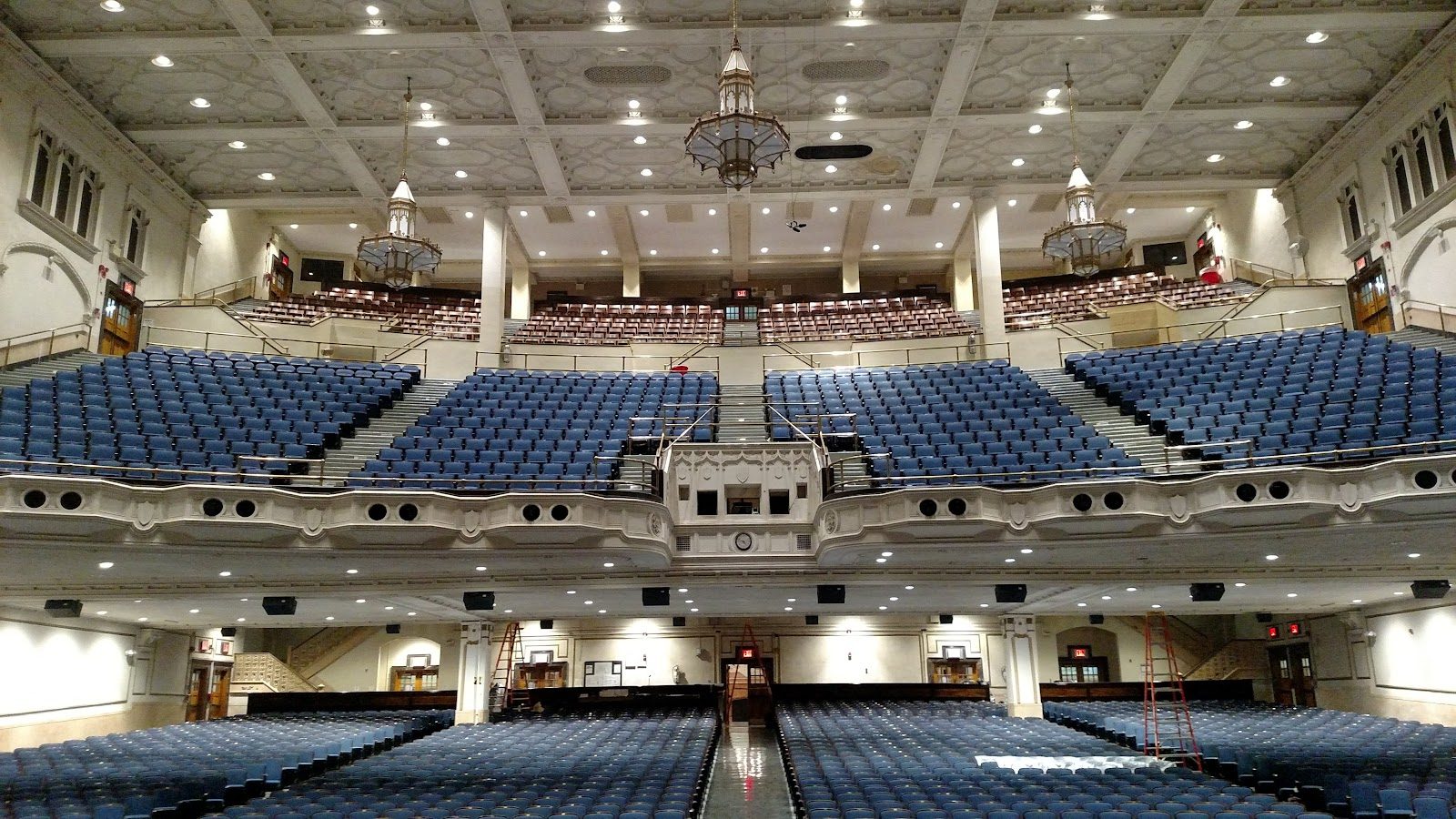
Brooklyn Technical High School
Brooklyn · United States
In Fort Greene, sophomores choose among 18 STEM majors inside the nation's largest single-campus high school.
Convent of the Sacred Heart (NYC)
New York City · United States
Since 1881, New York's oldest girls' school has taught inside two landmarked Fifth Avenue mansions.
School for the Talented and Gifted
Dallas · United States
A Dallas ISD magnet in Oak Cliff pairs a 12-course AP mandate with interim electives like glass blowing and ballroom dance.
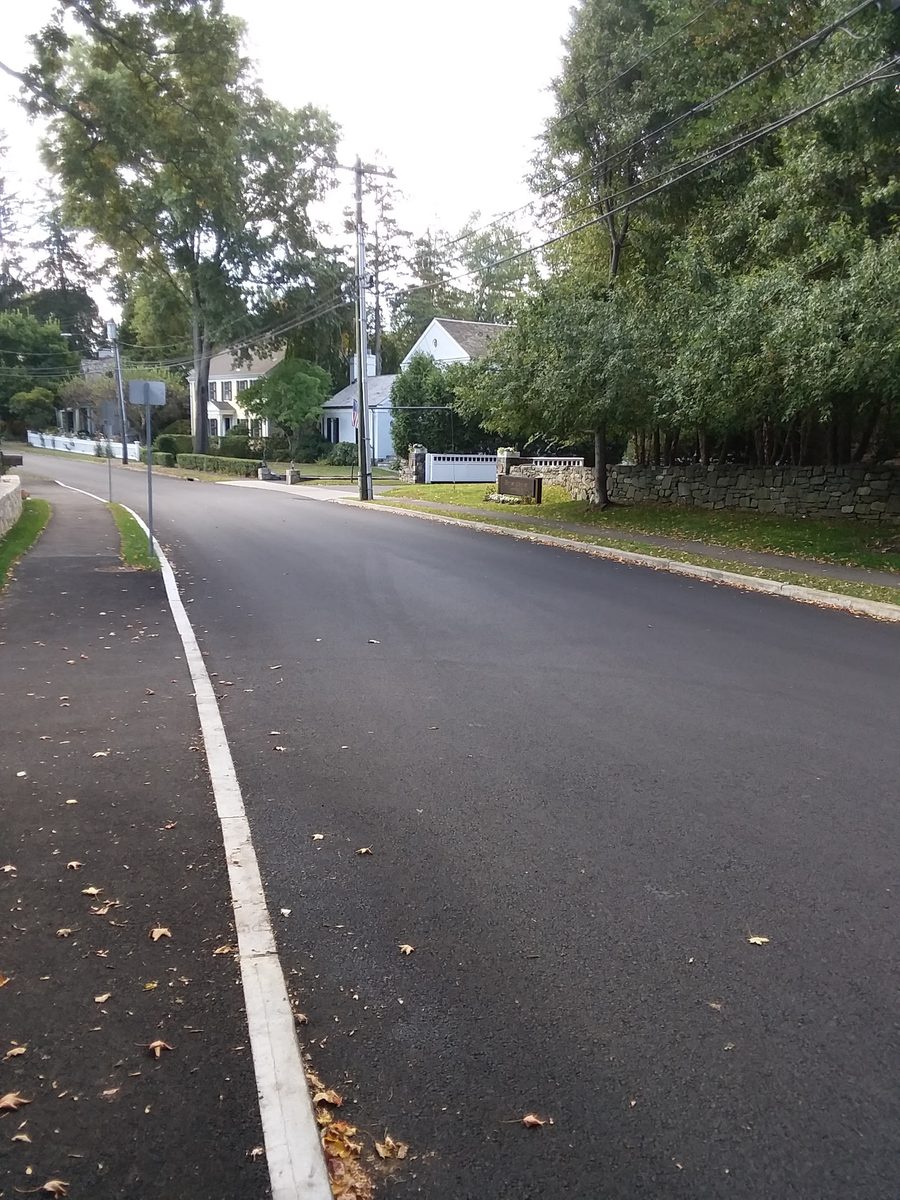
Brunswick School
Greenwich · United States
An all-boys Greenwich day school since 1902, building character alongside a coeducational bond with Greenwich Academy.
Same country and curriculum — closest matches within ±10 points either way