
Beijing
Founded in 1980 by five embassies, this Shunyi day school pairs a US diploma track with IB rigor and dual-language classes from early years.
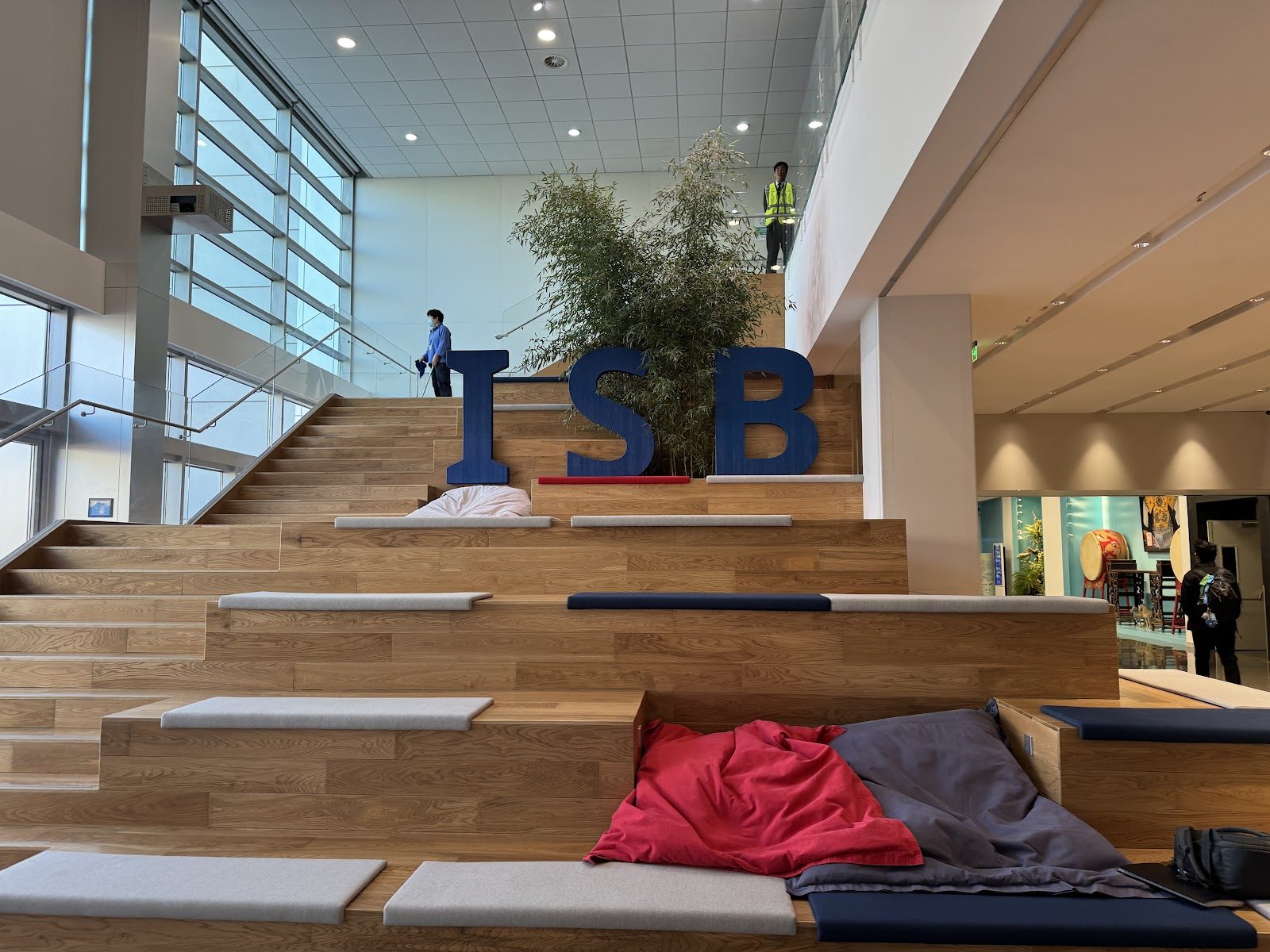
Photo © Kong Tik via Google Maps
Type
Day
Ages
3–18
Curriculum
IB · American
Ratio
—
The Verdict
Editor's commitment
Right for
Families who want a Beijing day school founded in 1980, with American and IB pathways, dual-language teaching, and CIS and IBO accreditation.
Wrong for
Parents chasing old-world prestige, boarding, or published university depth beyond Babson College (2), American University (1) and Appalachian State University (1).
Watch out for
At an average annual day fee of $46,154, ISB charges top-tier rates; test the substance behind the rhetoric about relationships and support.
Ranking breakdown
International School of Beijing · #227 of 1591
Composite score 73.7. 8 weighted criteria.
By criterion
Academic Outcomes
Weight 20%
#450
of 1529 scored
University Placement
Weight 16%
#305
of 1529 scored
Prestige & Heritage
Weight 12%
#446
of 1571 scored
Alumni Network
Weight 12%
#394
of 1530 scored
Facilities
Weight 12%
#12
of 1533 scored
Transparency & Communications
Weight 8%
#16
of 1532 scored
Peer & Industry Review
Weight 10%
#300
of 1548 scored
Admissions Selectivity & Demand
Weight 8%
#1232
of 1529 scored
Score history
International School of Beijing · 2026
Movement across 2024–2026. Peer average overlaid.
Overall — 2024–2026
73.7/ 100
▲ +23.4 vs 2025
year on year
Peer & Industry Review
How International School of Beijing is regarded in the sector
92
Top-tier · high confidence
ISB is consistently ranked among the top international schools in China and Asia by outlets like Niche and various 'best international schools in Beijing/China' rankings, and is one of the oldest and largest IB/AP schools in China with a long-established reputation among expat communities. It is frequently referenced in expat parent forums (e.g., ExpatBriefing, InterNations, City Weekend forums) as a benchmark school alongside WAB and Dulwich Beijing, and its alumni network includes children of diplomats and multinational executives, giving it strong peer and alumni visibility. It holds full accreditation from WASC and is a member of prestigious international school associations like NEASC and EARCOS, further cementing its standing as a top-tier institution in the region.
Evidence sources
Editors' overview
Set in Shunyi and founded in 1980 by five embassies, the International School of Beijing has the pedigree of an old-guard expatriate school and the programme mix to keep ambitious families interested. This is a day school for ages 3 to 18, with English and Mandarin as languages of instruction, an American and IB curriculum, and CIS and IBO accreditation. That combination matters. Parents get the breadth and transcript culture of a US-style school without giving up the discipline and external benchmark of the IB Diploma. In a market crowded with schools that sell “global” identity in vague terms, ISB has a clearer proposition: a long-established non-profit with serious academic infrastructure and a dual-language offer from the early years. The average annual day fee across the full age range is $46,154, which places it firmly in Beijing’s premium tier.
What sets ISB apart is not novelty but institutional depth. The school has been in Beijing long enough to build durable community ties and alumni roots, yet it still sells itself on “high expectations, high support” rather than on brute academic theatre. That line is more than slogan if the school delivers the balance it promises: ambition without overload, strong pastoral knowledge of students, and enough scale to offer classrooms, studios, theatres and sports fields at a high level. The non-profit status also matters. Reinvestment into staff and programme quality is a stronger signal than ownership rhetoric, and it gives ISB an edge with families who want substance rather than glossy expansion. The published recent destinations are modest in this snapshot — American University, Appalachian State University and Babson College — so parents chasing headline university bragging rights will not get much public ammunition here. The school does not disclose broader destination patterns in the information provided, and that opacity is a weak point for a school at this price.
The child who thrives here is academically capable, internationally minded and comfortable in a big, cosmopolitan system rather than a small, intimate niche school. ISB suits students who want both range and structure: the student who values arts, sport and leadership alongside academics; the bilingual or internationally mobile family that wants English-medium schooling without dropping Mandarin; the sixth-former who wants IB rigour inside a US-style framework. It is less compelling for families who want a narrowly exam-driven culture, a distinctly British school identity, or a bargain. Put plainly, ISB belongs on a shortlist because it pairs 1980 foundations, accredited IB credibility and a dual-language environment with the kind of mature, high-investment school model that expatriate parents still struggle to find done well.
Academic Performance
Academic performance is the area where ISB is hardest to judge cleanly from public data. The school runs a US diploma model with the IB Diploma at the top end, which gives families a serious academic route, but it does not publish the aggregate exam figures that would let parents place it precisely against Beijing’s strongest competitors. No average IB score is in the public domain here, no pass-rate data is disclosed, and no AP profile is published either. For a school in this fee bracket, that is a real weakness. The message from the school is one of high expectations joined to strong support; the missing piece is the external scorecard.
That does not put ISB in a weak academic category. It puts it in an opaque one. The school’s age, scale, non-profit structure and long-established expatriate base give it the profile of a serious all-rounder rather than a narrow exam factory, and the dual-language programme through the primary years adds academic substance beyond simple international-school polish. The published university destinations snapshot is too thin to function as proof of elite outcomes. Against peers that release full IB averages, top-score counts and broader matriculation lists, ISB is less legible. Against peers that rely on vague claims and little infrastructure, it stands on firmer ground. The school fits the upper tier of Beijing international education on institutional strength; on exam transparency, it trails the best-run operators.
Facilities
ISB trades on a full-spectrum campus rather than a single flagship building, and that matters. The school itself points parents to classrooms, studios, theatres, sports fields and gathering spaces; that mix places it in the serious big-school bracket rather than the compact urban model many Beijing schools still occupy. For families with children who need more than a classroom-and-gym offer, that breadth carries weight. Arts provision reads as a real strand of school life, not decorative marketing, and the mention of multiple performance and specialist spaces indicates a campus built for regular use at scale. In the top tier of Beijing’s international schools, that is the minimum standard. ISB clears it and, on range alone, sits with the stronger operators.
The more important point is how those facilities fit the school’s academic and pastoral pitch. A campus with this kind of spread supports high-functioning all-rounders: students balancing demanding classes with rehearsals, training, exhibitions and community life. It also suits a large, mobile expatriate intake that expects choice, not a narrow timetable squeezed into limited real estate. What ISB does not publish is the kind of hard facilities inventory that would sharpen comparison — no standout theatre capacity, aquatics detail, maker-space profile or boarding-style residential provision, because there is none. That leaves the verdict clear enough: this is a well-resourced, premium day-school campus with broad specialist space, but not one using public detail to prove it has the city’s most exceptional hardware.
Against peers that release full IB averages, top-score counts and broader matriculation lists, ISB is less legible
Prestige
ISB carries serious standing in Beijing’s international-school market because of three things that are hard to fake: longevity, non-profit governance and institutional scale. This is not a newcomer trading on imported branding or a boutique school with thin sixth-form depth. It is one of the city’s established expatriate schools, with roots in the diplomatic community and the confidence that brings. That matters for parents. Schools with this sort of history attract experienced international teachers, build durable parent networks and develop internal systems that survive leadership changes. The dual-language programme in the younger years also gives ISB a more substantial offer than schools that bolt Mandarin on as an enrichment extra. At an average annual fee of $46,154, families are paying for a top-end school, and ISB has the profile to justify inclusion in that bracket.
That said, prestige here rests more on reputation and infrastructure than on public academic proof. The school talks convincingly about challenge, support and belonging, and the broad physical provision points to a campus built for a full-spectrum education rather than a narrow exam treadmill. Yet prestige at the highest level also requires clean public outcomes data and a stronger published record of university destinations. ISB does not give parents enough of either. So the verdict is clear: this is a high-status school with deep roots and real credibility, but not one that dominates the conversation through transparent results. Its prestige is earned institutionally, not theatrically.
ISB trades on a full-spectrum campus rather than a single flagship building, and that matters
Communications
ISB’s parent communication starts from a strong structural advantage: this is a large, long-settled international community with enough moving parts that weak systems would show fast. The school’s public voice is polished, coherent and disciplined. It repeats a consistent message about students being known, challenged and supported, and that consistency matters because parents judge schools not only on warmth but on whether leadership can hold a line. The non-profit model also helps: schools that reinvest in staff and programme tend to build more stable channels and clearer routines than operators chasing enrolment churn. What counts against ISB is a degree of corporate smoothness. The tone is confident and values-led, but also carefully managed. Parents get a strong sense of ethos and community language; they get less hard operational texture than the best schools provide when they publish concrete detail on outcomes, policies and school life.
That makes ISB’s communications effective in tone and only partly effective in disclosure. Families looking for reassurance, belonging and a clear educational philosophy will find a high-functioning institutional voice. Families looking for blunt data will hit limits. The same pattern shows up elsewhere: there is no broad public release of headline academic results, and the recent university destinations snapshot is thin, with only 3 named institutions and a top count of 2 at one destination. For a school charging an average of $46,154 a year, that restraint is not a minor quibble. Good communication is not only polished storytelling; it is also full, usable information. ISB gets the first half right and leaves the second half frustratingly incomplete.
Uniqueness
What makes ISB distinct is the combination of diplomatic origins, non-profit governance and scale in a market where many schools have one of those assets and not the others. It grew out of embassy demand, not a franchise rollout or a local property play, and that origin still shapes the school’s character: internationally mobile families, a constituency used to turnover without chaos, and a culture built for children who enter mid-journey and need to be absorbed fast. The dual-language programme through the elementary years is another point of difference. Plenty of schools offer Mandarin lessons; fewer build Chinese into the daily academic experience for younger children in a way that gives the language real status. For students, that means more than extra vocabulary. It means early comfort moving between linguistic and cultural frames, which is genuinely useful in Beijing and beyond.
The other distinctive feature is institutional heft without the for-profit gloss. With ages 3–18 on one campus and a fee point of $46,154 a year on average, ISB operates in the big-league expatriate bracket, but its sales pitch is less about exclusivity than about breadth, support and staying power. That brings practical advantages: deeper activity choice, more specialist teaching, stronger peer range and a community that does not vanish when one corporate contract ends. The trade-off is clear too. Students who want a tight, intimate school with a single defining ethos may find ISB too expansive. Students who thrive in a large, mature, internationally mixed environment get one of Beijing’s most complete versions of it.
In the top tier of Beijing’s international schools, that is the minimum standard
Student Profile
The pupil who fits here is the one who wants range, pace and a peer group that does not stop at one nationality, one professional class or one narrow definition of success. This is a school for children who can navigate a big, international ecosystem without needing constant hand-holding, and for families who value a settled expatriate community over a boutique environment. Younger pupils benefit most if they are open to moving between English and Chinese in daily school life; older students fit best when they can handle academic stretch without wanting a grim exam factory. The school’s own language about high expectations and high support points to a culture built for students who are ambitious but not purely transactional.
Socially, ISB suits children who like people, choice and movement. A student who wants sport, arts, leadership and a broad circle of friends has more room to build a full identity here than at a smaller specialist school. It also works well for internationally mobile families who need a campus used to arrivals, departures and different cultural reference points. The fee level — $46,154 on average each year — places the intake in a decidedly affluent bracket, and that shapes the social mix. Families looking for a tight-knit, idiosyncratic school with strong local rootedness or a strongly traditional national character will find this a weaker fit. Families who want cosmopolitan scale, structure and polish will not.
At an average annual fee of $46,154, families are paying for a top-end school, and ISB has the profile to justify inclusion in that bracket
Co-curricular strengths
Arts & sport, on a separate axis
Overall 9.44/10
Scored 0-10 from the school's own published evidence. This axis is editorial-only — it does not feed the main WTS ranking.
Sports
9.5/10
A detached sports facility with two purpose-built pressurized sports domes over 8,500 square meters, four gymnasiums, baseball and softball diamonds, two full-sized turf soccer fields, a rugby pitch, running track, 665-seat stadium, aquatics center, and a 25-meter pool, which is purpose-built provision at an 8 level.
Drama
9.5/10
A performing arts wing with a 600-seat theater, Black Box theater, rehearsal space, studio stage, and later-added elementary arts and theater plus a middle and high school performing arts center, evidencing major dedicated drama facilities consistent with an 8.
Dance
9.2/10
Music
9.5/10
Jazz Band and Orchestra, and arts and music spaces, which supports a notable music programme but without dimension-specific evidence of specialist music staff, named music facilities, or higher-level recognition.
Visual Arts
9.5/10
A visual arts wing in middle and high school, elementary art studios, and a middle and high school art and design center, giving multiple dedicated named facilities for visual arts and supporting a 7.
Editor first-pass · editor-reviewable · 7/28/2026
Outcomes & destinations
Where students go next
Class of 2024
Top destinations
303 placements
- American University· 1
- Appalachian State University· 1
- Babson College· 2
- Bates College· 2
- Berklee College of Music· 1
- Boston College· 4
- Boston University· 4
- Brandeis University· 1
- Brigham Young University· 3
- Carleton College· 1
- Carnegie Mellon University· 3
- Case Western Reserve University· 1
- Christopher Newport University· 1
- Columbia University in the City of New York· 1
- Concordia University· 1
- Cooper Union for the Advancement of Science and Art· 1
- Cornell University· 1
- Davidson College· 1
- Dean College· 1
- DePaul University· 1
- Dickinson College· 1
- Duke University· 1
- Emerson College· 2
- Fordham University· 3
- Franklin and Marshall College· 1
- Full Sail University· 1
- George Mason University· 2
- Harvey Mudd College· 1
- James Madison University· 2
- Kent State University· 1
- Lafayette College· 1
- Loyola Marymount University· 2
- Michigan State University· 1
- New York University· 5
- Northeastern University· 5
- Northwestern University· 1
- Ohio State University-Main Campus· 2
- Pennsylvania State University-Main Campus· 3
- Pepperdine University· 1
- Purdue University-Main Campus· 4
- Rhode Island School of Design· 3
- Rochester Institute of Technology· 1
- Rutgers University-New Brunswick· 3
- Rutgers University-Newark· 1
- Santa Clara University· 1
- Savannah College of Art and Design· 1
- Seattle University· 1
- Suffolk University· 1
- Texas A & M University-College Station· 2
- Texas State University· 1
- The College of Wooster· 1
- The New School· 1
- Tufts University· 2
- Union College· 1
- University at Buffalo· 1
- University of California-Berkeley· 1
- University of California-Davis· 5
- University of California-Irvine· 6
- University of California-Los Angeles· 1
- University of California-Merced· 1
- University of California-Riverside· 3
- University of California-San Diego· 7
- University of California-Santa Barbara· 1
- University of California-Santa Cruz· 4
- University of Chicago· 1
- University of Connecticut· 3
- University of Delaware· 1
- University of Denver· 1
- University of Florida· 1
- University of Illinois Urbana-Champaign· 6
- University of La Verne· 2
- University of Maryland-College Park· 2
- University of Minnesota-Twin Cities· 1
- University of Oregon· 1
- University of Portland· 1
- University of Rochester· 7
- University of San Francisco· 1
- University of Southern California· 1
- University of Virginia-Main Campus· 1
- University of Washington-Bothell Campus· 1
- University of Washington-Seattle Campus· 2
- University of Wisconsin-Madison· 1
- University of the Pacific· 2
- Utah State University· 2
- Utah Valley University· 2
- Vassar College· 1
- Virginia Polytechnic Institute and State University· 1
- Washington State University· 1
- Washington University in St Louis· 1
- West Virginia University· 1
- Western Washington University· 1
- Wheaton College· 1
- Whitman College· 1
- William & Mary University· 1
- Birmingham City University· 1
- Bournemouth University· 1
- Brunel University London· 1
- Durham University· 1
- Imperial College London· 1
- King’s College London, University of London· 2
- Lancaster University· 1
- London Metropolitan University· 1
- Loughborough University· 1
- Manchester Metropolitan University· 1
- Queen Mary University of London· 1
- Queen’s University Belfast· 1
- Solent University (Southampton)· 1
- University College London· 1
- University of Bristol· 1
- University of Derby· 1
- University of Exeter· 1
- University of Glasgow· 1
- University of Liverpool· 1
- University of Manchester· 3
- University of Southampton· 1
- University of St Andrews· 2
- University of Surrey· 1
- University of Sussex· 1
- Brock University· 1
- Conestoga College· 1
- McGill University· 1
- McMaster University· 3
- OCAD University· 1
- Queen’s University· 5
- Simon Fraser University· 4
- Toronto Metropolitan University· 1
- Trent University· 1
- University of Alberta· 1
- University of British Columbia· 12
- University of Calgary· 2
- University of Guelph· 1
- University of Ottawa· 3
- University of Toronto· 15
- University of Waterloo· 2
- Western University· 5
- Wilfrid Laurier University· 1
- City University of Hong Kong· 1
- The Chinese University of Hong Kong· 2
- The Hong Kong Polytechnic University· 1
- The Hong Kong University of Science and Technology· 6
- The University of Hong Kong· 11
- Erasmus University Rotterdam· 1
- Leiden University· 1
- Maastricht University· 1
- Radboud University· 1
- University of Amsterdam· 1
- University of Groningen· 1
- Monash University· 2
- University of Melbourne· 2
- The University of Queensland· 1
- The University of Sydney· 1
- Korea University· 1
- Sungkyunkwan University· 1
- Yonsei University· 3
- Trinity College of Dublin· 1
- University College Dublin· 1
- LASALLE College of the Arts· 1
- Nanyang Technological University· 3
Reported by the school. Confirm with admissions.
WTS 300 badge
2025/26 editionInternational School of Beijing is one of the World's Top 300 Schools for 2025/26. Claim your listing to add it to your site →
Strengths
- +Consistently strong IB Diploma results, with average scores around 35-36 points versus the roughly 30-31 global average, and near-100% pass rates in recent years.
- +Long-established and non-profit, founded in 1980, giving it institutional stability and a 40-plus year track record as one of Beijing's oldest international schools.
- +Dual-accredited by the Council of International Schools (CIS) and the New England Association of Schools and Colleges (NEASC), alongside IB authorisation.
- +Extensive purpose-built facilities on its Shunyi campus, including 12 science labs, multiple theatres, library-media centres holding over 82,000 volumes, and a one-to-one laptop/iPad program.
- +Broad international mix, drawing students from roughly 50 countries, with a well-regarded Chinese and dual-language diploma track.
Considerations
- −High fees, with tuition reaching RMB 356,000 (roughly USD 50,000) for Grades 11-12, before bus, application and one-time entry charges.
- −Registered as a school for foreign nationals only, so it cannot admit Chinese passport-holding families permanently resident in mainland China, narrowing eligibility for mixed-nationality households.
- −Located in the Shunyi district on Beijing's north-eastern outskirts, meaning a significant daily commute for families based in Chaoyang, Haidian or other central areas.
- −A large school of around 1,800 students, which some families may find less intimate than smaller Beijing international schools.
Availability
Primary entry gate & tests
Academic Record
Gallery
Photo © goodmiumiu via Google Maps
Photo © goodmiumiu via Google Maps
Photo © goodmiumiu via Google Maps
Photo © goodmiumiu via Google Maps
Photo © Saito Walker via Google Maps
Photo © Saito Walker via Google Maps
Photo © Alex Wong via Google Maps
Photo © Alex Wong via Google Maps
Photo © Manor Zemer via Google Maps
Parent reviews
Have you sent your child here?
Voice reviews carry the strongest trust badge — we transcribe them for you to tidy up before they go live. Prefer to type? A written review is fine too.
Add your voice
In 60 seconds, tell other parents: what's the best thing about International School of Beijing, and what surprised you when your child joined?
We ask for a Google sign-in so every review has a real face behind it — no anonymous drive-by attacks on schools, and no faked positive reviews. Your email is never shown publicly.
Send this profile to a friend
International parents rely on word-of-mouth. Share this review with someone weighing the same decision.
Schools with places
Similar schools to International School of Beijing with places available now.
Western Academy of Beijing
Beijing · China
- 2026-27
- WAITPOOLSpace-dependent
- 2027-28
- PLACES OPENRolling
Dulwich College Beijing
Beijing · China
- 2026-27
- WAITPOOLSpace-dependent
- 2027-28
- PLACES OPENRolling
Yew Chung International School of Beijing
Beijing · China
- 2026-27
- WAITPOOLSpace-dependent
- 2027-28
- PLACES OPENRolling
Beanstalk International Bilingual School
Beijing · China
- 2026-27
- WAITPOOLSpace-dependent
- 2027-28
- PLACES OPENRolling
Availability first, then country, area, curriculum, price, co-curricular
Consider also
Also worth looking at alongside International School of Beijing.
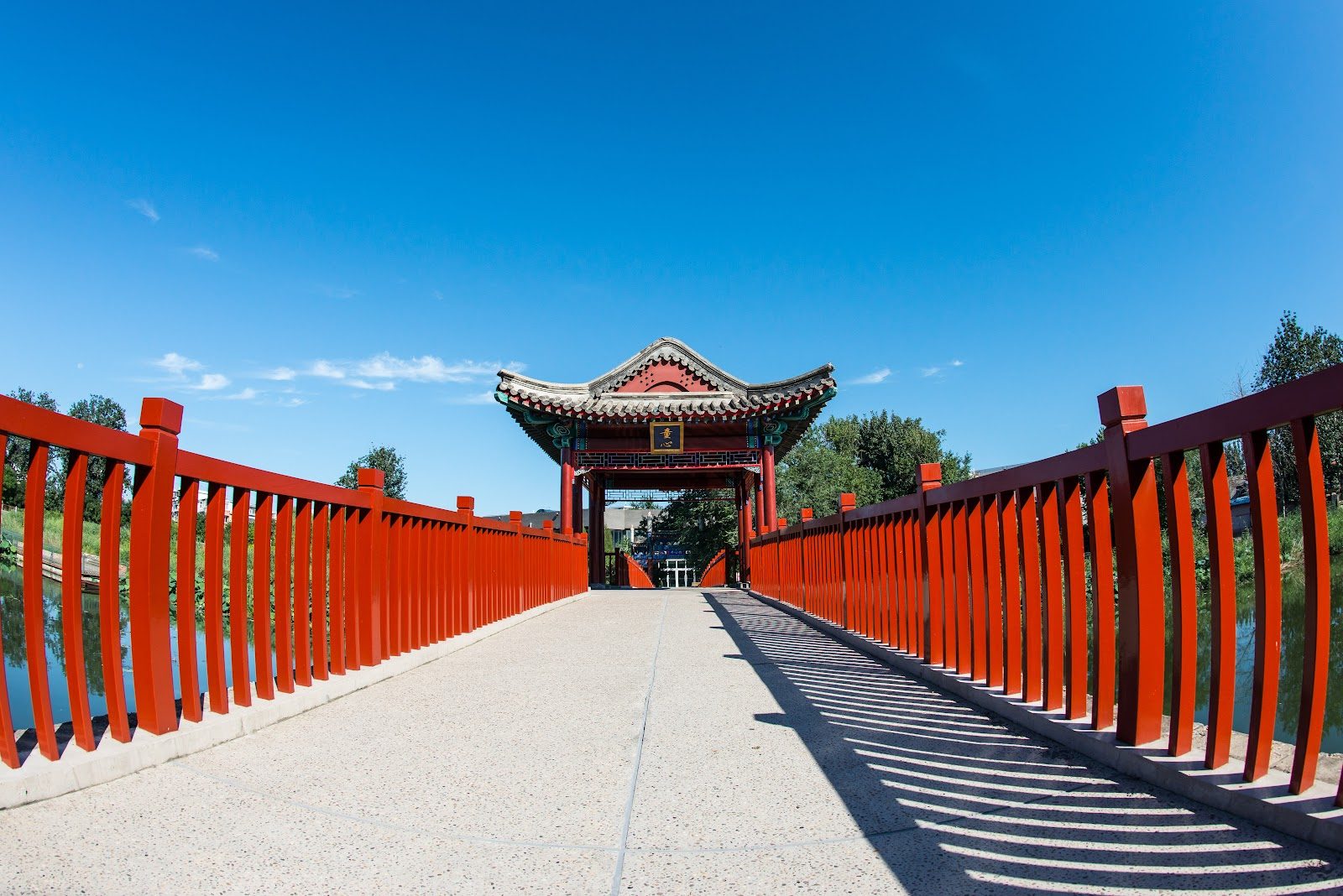
Western Academy of Beijing
Beijing · China
Running the full IB continuum since 1994 from a Chaoyang campus once named a Beijing Olympic model school
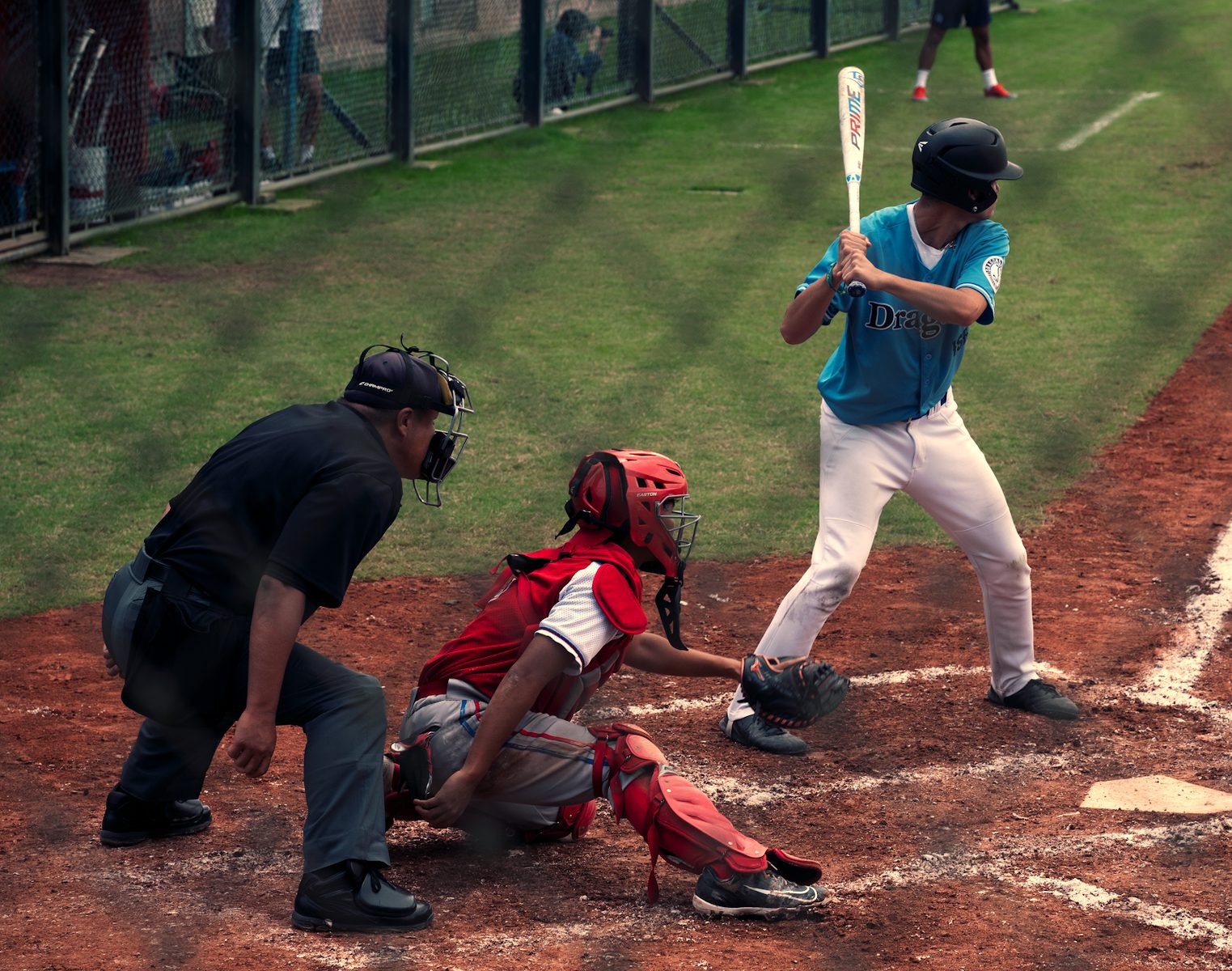
Shanghai American School
Shanghai · China
A century-old Shanghai institution since 1912, running AP and IB in parallel across two sprawling campuses
Keystone Academy
Beijing · China
Five houses named for the Chinese elements anchor a bilingual boarding culture on Beijing's Shunyi plain, near the Great Wall.
UWC Changshu China
Changshu · China
On an island in Kuncheng Lake, mainland China's first UWC pairs the IB diploma with mandatory Mandarin study and a student-run Zhixing service programme.
Same country and curriculum — closest matches within ±10 points either way