
Sacré-Cœur
Lycée Jean Mermoz
low confidence· 4/6 cats · 1 avg sourcesNamed for the aviator who vanished off these shores, this AEFE flagship pairs the French Bac with an American strand and a basketball academy in Ouakam.
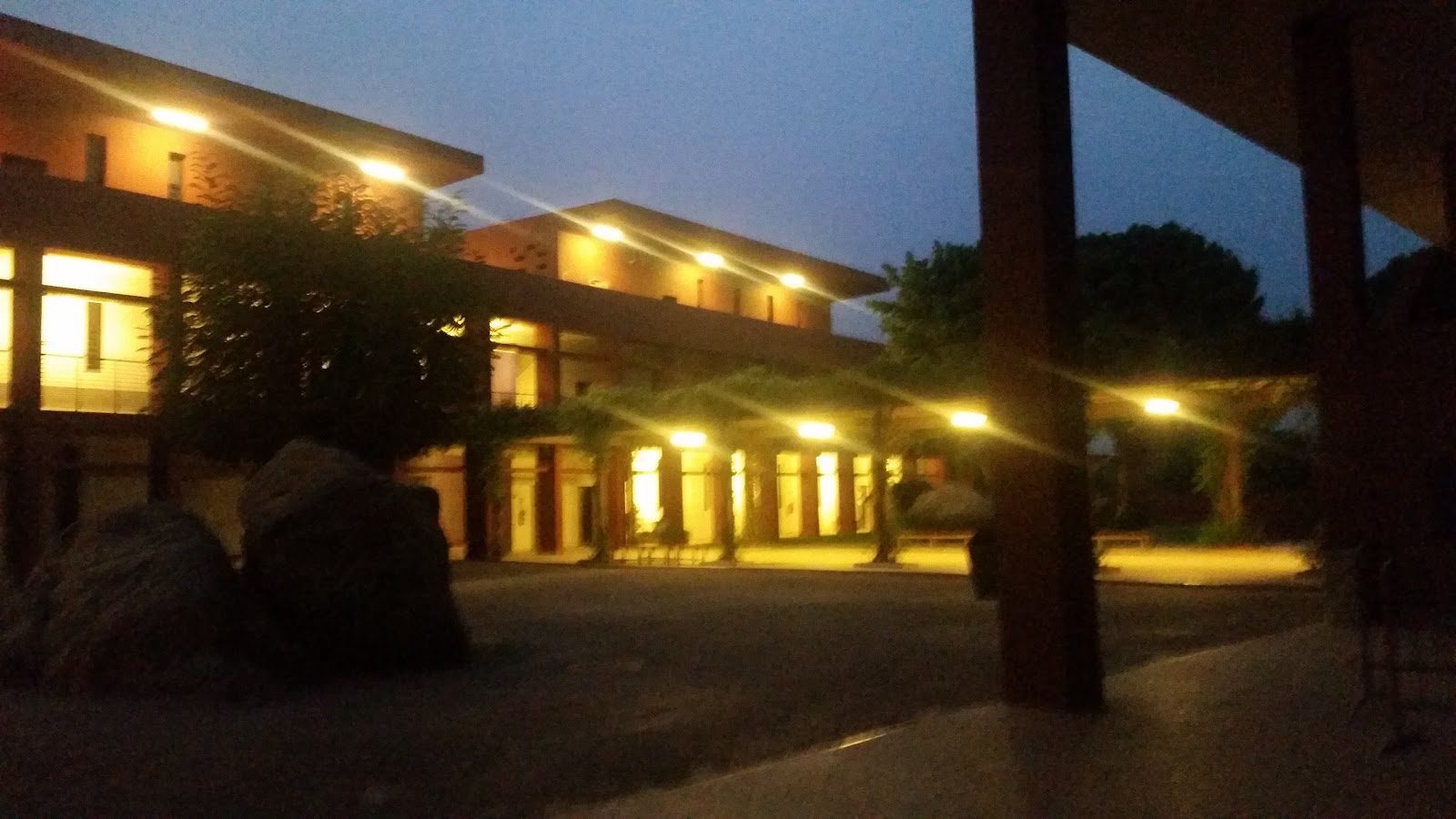
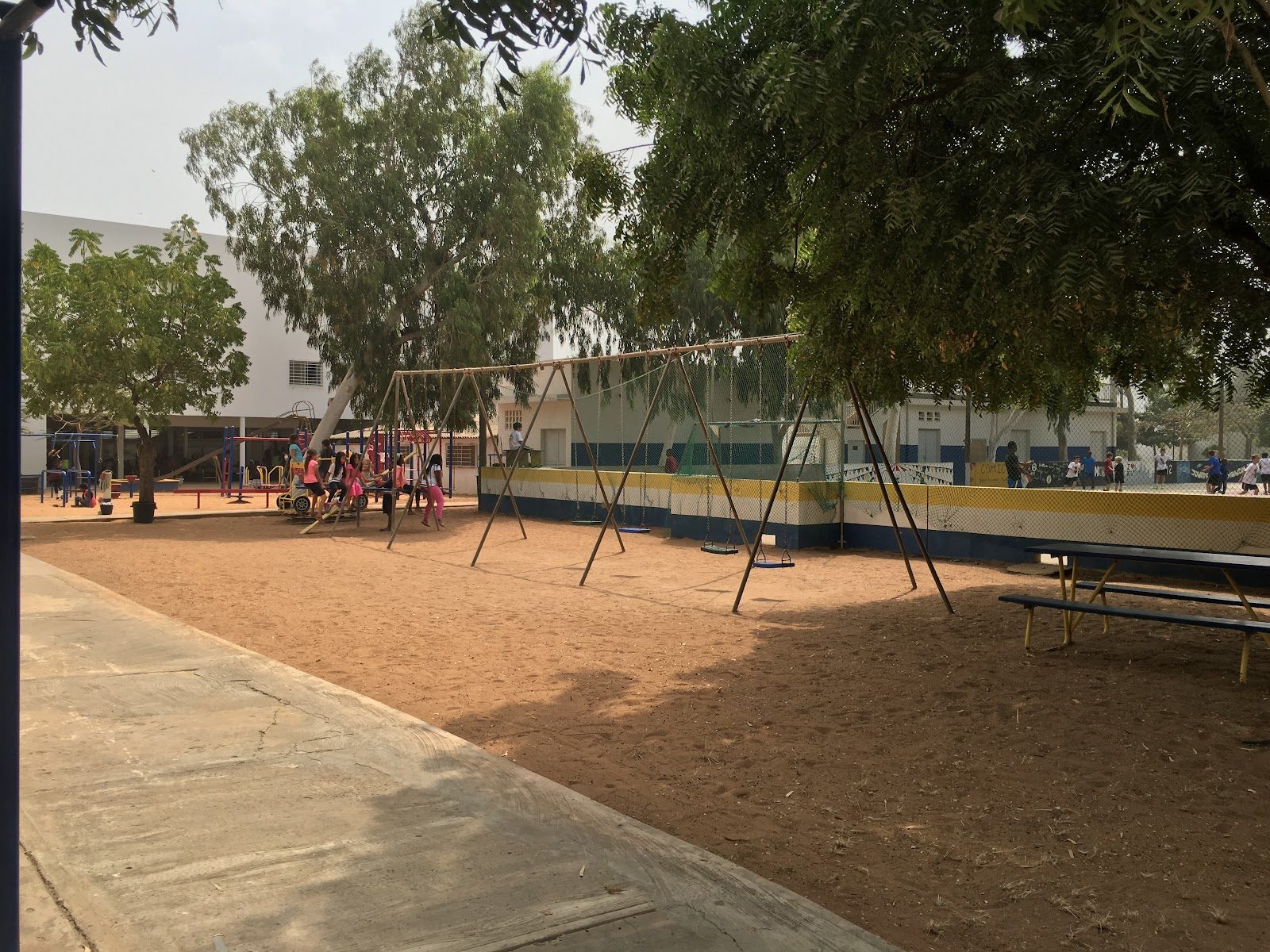
Photo © Valisoa RANDRIANOELINA via Google Maps
Type
Day
Ages
3–18
Curriculum
French Baccalaureate
Qualifications
Brevet
Ratio
—
The Verdict
Editor's commitment
Right for
Families in Dakar who want AEFE-backed schooling from age 3 to 18, with the French Baccalaureate and an American international section.
Wrong for
Parents who want English-medium teaching, boarding, or a non-French curriculum; this is a 1953-founded, non-religious day school in Dakar.
Watch out for
Scale cuts both ways: 2,500 pupils from CP to Terminale brings breadth, but intimacy is harder to secure on Avenue Cheikh Anta Diop.
Ranking breakdown
Lycée Jean Mermoz · #1198 of 1591
Composite score 57.5. 8 weighted criteria.
By criterion
Academic Outcomes
Weight 20%
#1191
of 1529 scored
University Placement
Weight 16%
#1201
of 1529 scored
Prestige & Heritage
Weight 12%
#1200
of 1571 scored
Alumni Network
Weight 12%
#791
of 1530 scored
Facilities
Weight 12%
#1218
of 1534 scored
Transparency & Communications
Weight 8%
#1194
of 1532 scored
Peer & Industry Review
Weight 10%
#1108
of 1548 scored
Admissions Selectivity & Demand
Weight 8%
#991
of 1529 scored
Peer & Industry Review
How Lycée Jean Mermoz is regarded in the sector
55
Credible · low confidence
Lycée Jean Mermoz is a well-established AEFE (Agence pour l'enseignement français à l'étranger) network school in Dakar, recognized in French government/AEFE network materials as one of the largest French lycées in West Africa, and it is commonly referenced in expat parent forums (e.g., expat.com, InterNations discussions on schooling in Dakar) as the default choice for French-curriculum families. However, it does not appear in specialist international-school rankings (Tatler, Good Schools Guide) or receive coverage in dedicated education press comparable to internationally benchmarked schools, limiting broader peer-reputation signals beyond the AEFE/francophone expat sphere.
Editors' overview
Lycée Jean Mermoz sits near the top of Dakar’s international school market because it offers something few schools in the city can match: a full French state-aligned education inside the AEFE system, from age 3 to 18, with scale, continuity and a clear route to the French Baccalaureate. This is not a boutique school. It is a large, established day school in Ouakam, with around 2,500 pupils on roll, and that matters. Size brings breadth of staffing, subject coverage and peer group. For families who move between francophone postings, or who want a recognised French pathway without improvisation, Mermoz provides institutional solidity, a clear academic spine and the reassurance of an AEFE, homologué school.
What marks it out in Dakar is the mix of a French core with an international edge. The school runs the official French programme and also offers an American international section across the whole school, which gives it a broader profile than a standard French lycée. Add instruction in French, English and Wolof, and the proposition becomes more locally intelligent than many expatriate compounds that function in a linguistic bubble. The result is a school for families who want academic structure without cultural isolation: French rigour with wider range, serious continuity, and a campus anchored in Senegal rather than sealed off from it.
Parents should shortlist Mermoz if they value a system more than a lifestyle brand. The attraction here is not progressive pedagogy, glossy language or invented claims of uniqueness. It is depth, continuity and recognisable standards. Founded in 1953 according to the school’s editorial context, and long established in Dakar, it has the heft of a flagship rather than a start-up. That scale will not suit every child. Some pupils thrive in big, busy institutions; others get lost in them. Mermoz suits students who are comfortable with structure, who can handle the demands of the French curriculum, and who benefit from a large peer set and a clearly defined academic ladder. It fits internationally mobile francophone families, binational households, and ambitious local families who want a demanding mainstream, a cosmopolitan pupil body and a route that keeps France firmly in play.
Academic Performance
Jean Mermoz publishes signs of exam culture, not the hard aggregate data that let parents benchmark a school properly. The site foregrounds the French national examination route, references its baccalauréat ceremony, and treats external exams as part of the school’s public identity. That matters: schools that bury examinations usually have weaker stories to tell. Here, exams sit in plain view. The catch is obvious. The school does not publish aggregate Baccalauréat pass rates, mention rates, DNB outcomes, subject-level distributions, or multi-year trends in the public domain. Without those figures, any claim of academic superiority over Dakar peers turns into marketing fog. For a school of this scale and status, that opacity is a serious omission.
Where does that leave it relative to competitors? In market terms, Jean Mermoz still sits in the city’s top tier for families who want a French examination pathway with institutional weight behind it. Its direct management within the AEFE system gives the academic model more consistency than many private independents can offer, and the American international section adds a second strand that few local rivals match. But prestige and infrastructure are not results. Parents comparing French-route schools should ask for three years of Baccalauréat and DNB outcomes, including mention profiles and post-results destinations. Until the school publishes them, Jean Mermoz remains credible but under-evidenced on academic performance.
Facilities
Publicly, Jean Mermoz tells parents less about facilities than a school of its stature should. The site gives the essentials — a large campus in Ouakam, a main entrance on the route de Ouakam, administrative opening hours, and the practical reality of an identity check at the gate — but it does not publish the sort of granular campus map or specialist-facility inventory that top competitors now treat as standard. There is no clear public rundown of science labs, performing arts spaces, libraries, pools, makerspaces or sixth-form study areas. That silence matters. In Dakar’s upper tier, families expect more than reassurance by implication; they expect hard detail. What the school does state points to scale and full-school breadth, including provision from the early years through to the end of secondary and an American international section across the whole school. With around 2,500 pupils, this is plainly a big institutional plant, not a boutique setup.
Against peers, that scale gives Mermoz an advantage in breadth and everyday functionality, but not in published transparency. Large AEFE flagships tend to deliver the core academic infrastructure competently: classrooms, exam spaces, sports provision and specialist rooms sufficient for a full age range. Jean Mermoz fits that pattern. The stronger claim here is not architectural glamour or resort-style amenity; it is capacity. The weaker point is disclosure. Some rival international schools market theatres, pools and innovation labs with forensic specificity. Mermoz does not. Parents who care about facilities beyond the academic minimum need a visit, not just the website.
The attraction here is not progressive pedagogy, glossy language or invented claims of uniqueness
Prestige
Jean Mermoz carries real prestige in Dakar because it operates at flagship scale inside the French state school world rather than at the edges of it. This is an établissement en gestion directe, not a licensed imitation, and that distinction matters to families who care about transferability, administrative continuity and the weight of the French system behind the school. In a market full of schools selling atmosphere, Mermoz trades on structure, official standing and reach. Its roll of 2,500 pupils gives it the social and institutional mass that confers status in its own right: a deep peer group, visible alumni volume, and the sense of a school woven into the city’s professional and diplomatic circuits. The American international section strengthens that profile. It widens the school’s appeal beyond a narrow francophone niche and makes the offer more internationally credible, more ambitious and harder to dismiss as a single-track lycée.
That prestige has limits, and they matter. The school’s name carries weight; its public academic disclosure does not. High-status schools publish outcomes that justify their reputation. Jean Mermoz does not publish the aggregate examination data that would turn prestige into proof. So the rating here is strong, but not unqualified: institutionally prestigious, socially well-placed, yet too opaque where elite schools need hard evidence. Parents buy a recognised badge, a serious network and a school with local standing. They do not get published results strong enough to confirm that the badge still matches the performance.
Founded in 1953 according to the school’s editorial context, and long established in Dakar, it has the heft of a flagship rather than a start-up
Communications
Jean Mermoz uses the communication stack many French-system parents know well: the public website for whole-school news and logistics, direct contact through a dedicated contact page, and parent-facing platforms such as Pronote and Eduka for day-to-day follow-through. That gives it a workmanlike, institutional rhythm rather than a concierge style. The website is active enough to signal a school that updates its audience: news items, admissions prompts, recruitment links, exam references, calendar notices and practical opening hours all sit in plain view. The school also publishes concrete access information, including the Ouakam entrance point and the fact that ID is checked at the gate. For parents, that reads as operational clarity, not lifestyle theatre. Public office hours run from 7h45–17h on most weekdays, with a shorter Wednesday window, which is useful and specific.
How effective is it? Solid on essentials, weaker on depth. Parents can find the basics without hunting, and the use of established platforms points to serious day-to-day administration. But the public-facing communication is also narrowly functional. It does not give much granular insight into who leads which phase, how pastoral concerns are escalated, how quickly queries are answered, or what parents should expect from reporting cycles beyond the platform ecosystem. Nor does it publish the kind of rich parent handbook material that reduces friction in a large school. The result is competent but impersonal: efficient for routines, less strong at conveying openness, warmth or transparency beyond the administrative minimum.
Uniqueness
What sets Jean Mermoz apart in Dakar is not novelty for its own sake. It is the combination of French state-system heft with an American international section running across the school, plus a trilingual operating culture that includes Wolof rather than treating the host country as background scenery. Plenty of international schools claim openness; far fewer build local language into the educational fabric while also keeping a major foreign national pathway intact. Add the school’s status as an établissement en gestion directe and its scale — 2,500 pupils — and the result is a school with institutional muscle, cross-cultural range and a level of continuity that smaller rivals cannot match.
For students, that mix brings concrete advantages. They move through a school large enough to sustain varied peer groups, established routines and multiple linguistic reference points, which matters in internationally mobile families and binational households. The American section widens the academic and cultural field inside a French framework, so pupils do not study in a single-track national silo. The presence of Wolof also gives the school a more grounded relationship with its setting than expatriate campuses that float above local life. This does not make Mermoz intimate or experimental. It makes it *serious, broad-gauge and unusually anchored*: a school where internationalism has structure, and where students gain both portability and local fluency rather than one at the expense of the other.
In market terms, Jean Mermoz still sits in the city’s top tier for families who want a French examination pathway with institutional weight behind it
Student Profile
Jean Mermoz suits children who do well in big-system schools: pupils who like clear routines, can cope with formal expectations, and do not need constant hand-holding to find their place. The social environment is broad, busy and mixed, with a student body of around 2,500 and children from multiple national backgrounds. That scale helps confident, adaptable students who enjoy having a large peer group and more than one social lane to move in. It also suits families who value continuity and structure over educational fashion. Pupils with a strong work ethic, good organisational habits and tolerance for institutional rules will fit more easily than children who need a highly personalised, low-stimulation setting. This is not a soft-edged school and not an intimate one.
The best fit is the internationally mobile family, the binational household, and the academically serious local family that wants a recognised route through to national examinations without losing contact with the host country. The presence of an American international section across the whole school, alongside French, English and Wolof, gives the student mix a more layered identity than the standard expatriate enclave. Children who are linguistically agile, culturally comfortable across groups, and happy navigating a large campus community will do well here. Pupils who need a small, nurturing micro-school or parents who want high-touch pastoral intimacy should look carefully before committing. Mermoz works best for students who are self-steering, socially resilient and ready for a school with real institutional weight.
Jean Mermoz carries real prestige in Dakar because it operates at flagship scale inside the French state school world rather than at the edges of it
Co-curricular strengths
Arts & sport, on a separate axis
Overall 7.4/10
Scored 0-10 from the school's own published evidence. This axis is editorial-only — it does not feed the main WTS ranking.
Sports
7.7/10
Drama
8.4/10
Dance
6.5/10
Music
7.4/10
Visual Arts
7/10
Editor first-pass · editor-reviewable · 7/30/2026
Strengths
- +Homologated by the French Ministry of National Education and part of the AEFE global network, ensuring the curriculum mirrors schools in France.
- +One of the largest French international schools in West Africa, offering continuity from maternelle through terminale on a single system.
- +Graduates sit the French Baccalaureate, a qualification recognised for direct entry to French and many European universities.
- +Long-established presence in Dakar gives it a settled institutional history and familiarity within the local and expatriate French community.
- +Day-school format keeps students embedded in family life and the local Dakar expatriate community rather than in a boarding environment.
Considerations
- −Instruction is conducted almost entirely in French, which is a significant barrier for families whose children have no French-language grounding.
- −As a large, system-wide French national curriculum school, it offers limited flexibility for families wanting IB, British, or American-curriculum continuity.
- −High demand among Dakar's French and Francophone expatriate community can mean waiting lists or restricted places at popular entry points.
- −No boarding option, so it only suits families able to establish a stable, long-term home base in Dakar.
Availability
Primary entry gate & tests
Academic Record
Gallery
Photo © Innocent Atchez Gamli via Google Maps
Photo © Dominique Semega via Google Maps
Photo © Dominique Semega via Google Maps
Photo © DEGUEL SERRES Anis via Google Maps
Photo © Elvis tiendrebeogo via Google Maps
Parent reviews
Have you sent your child here?
Voice reviews carry the strongest trust badge — we transcribe them for you to tidy up before they go live. Prefer to type? A written review is fine too.
Add your voice
In 60 seconds, tell other parents: what's the best thing about Lycée Jean Mermoz, and what surprised you when your child joined?
We ask for a Google sign-in so every review has a real face behind it — no anonymous drive-by attacks on schools, and no faked positive reviews. Your email is never shown publicly.
Send this profile to a friend
International parents rely on word-of-mouth. Share this review with someone weighing the same decision.
Schools with places
Similar schools to Lycée Jean Mermoz with places available now.
Lycée Libanais Francophone Privé
Dubai · United Arab Emirates
- 2026-27
- PLACES OPENApps open / space-dependent
- 2027-28
- WAITPOOL2027/28 timetable TBC
Bilingual French International School Dubai
Dubai · United Arab Emirates
- 2026-27
- PLACES OPENApps open / space-dependent
- 2027-28
- WAITPOOL2027/28 timetable TBC
École Alsacienne
Paris · France
- 2026-27
- CLOSEDStandard route
- 2027-28
- OPENS SOONOpens Sept/Oct '26
The British School of Paris
Paris · France
- 2026-27
- WAITPOOLSpace-dependent
- 2027-28
- PLACES OPENRolling
Availability first, then country, area, curriculum, price, co-curricular
Consider also
Also worth looking at alongside Lycée Jean Mermoz.
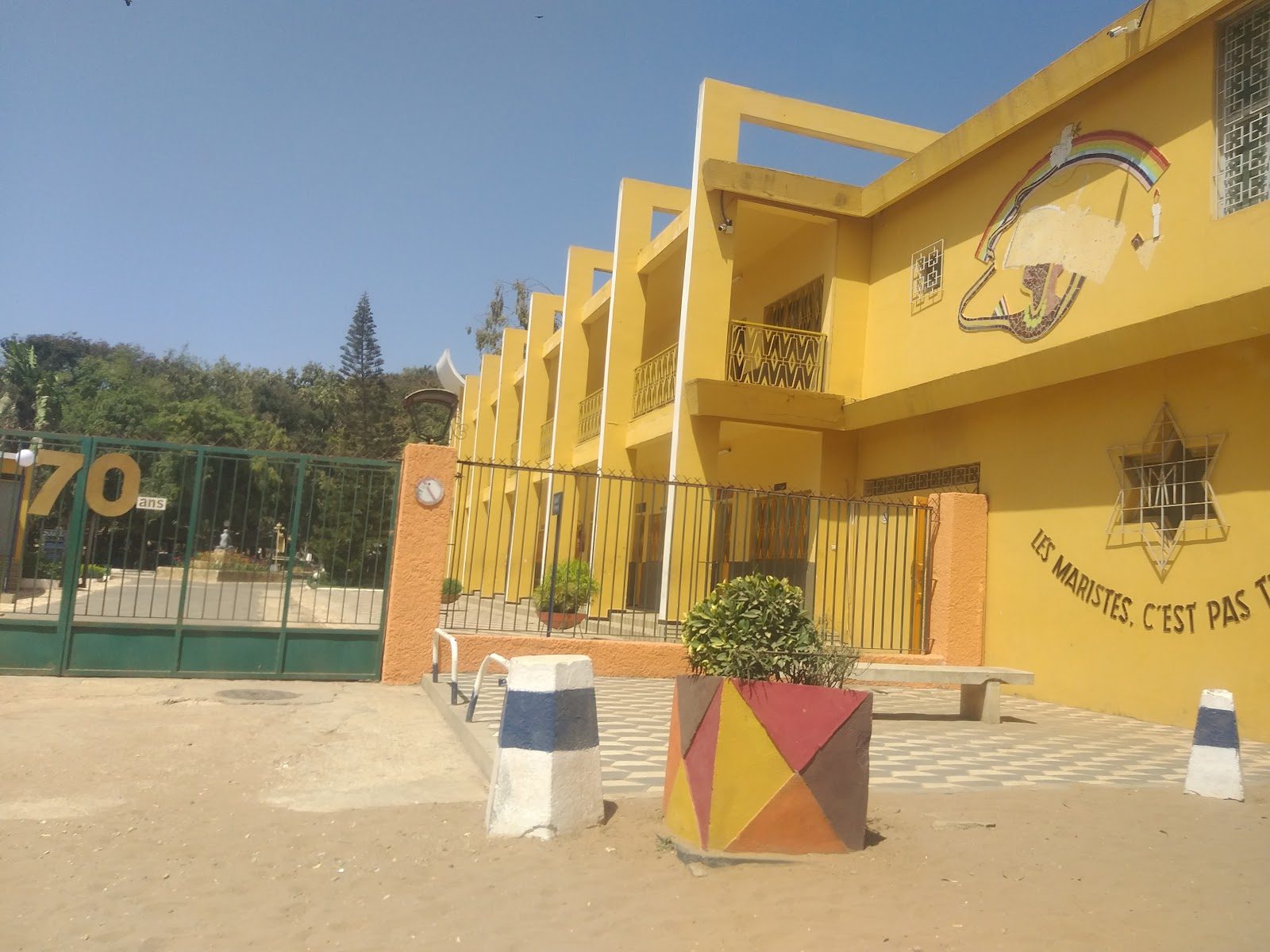
Cours Sainte-Marie de Hann
Dakar · Senegal
A Marist compound in Hann where a Muslim-majority student body earned Senegal's first UNESCO Prize for Peace Education
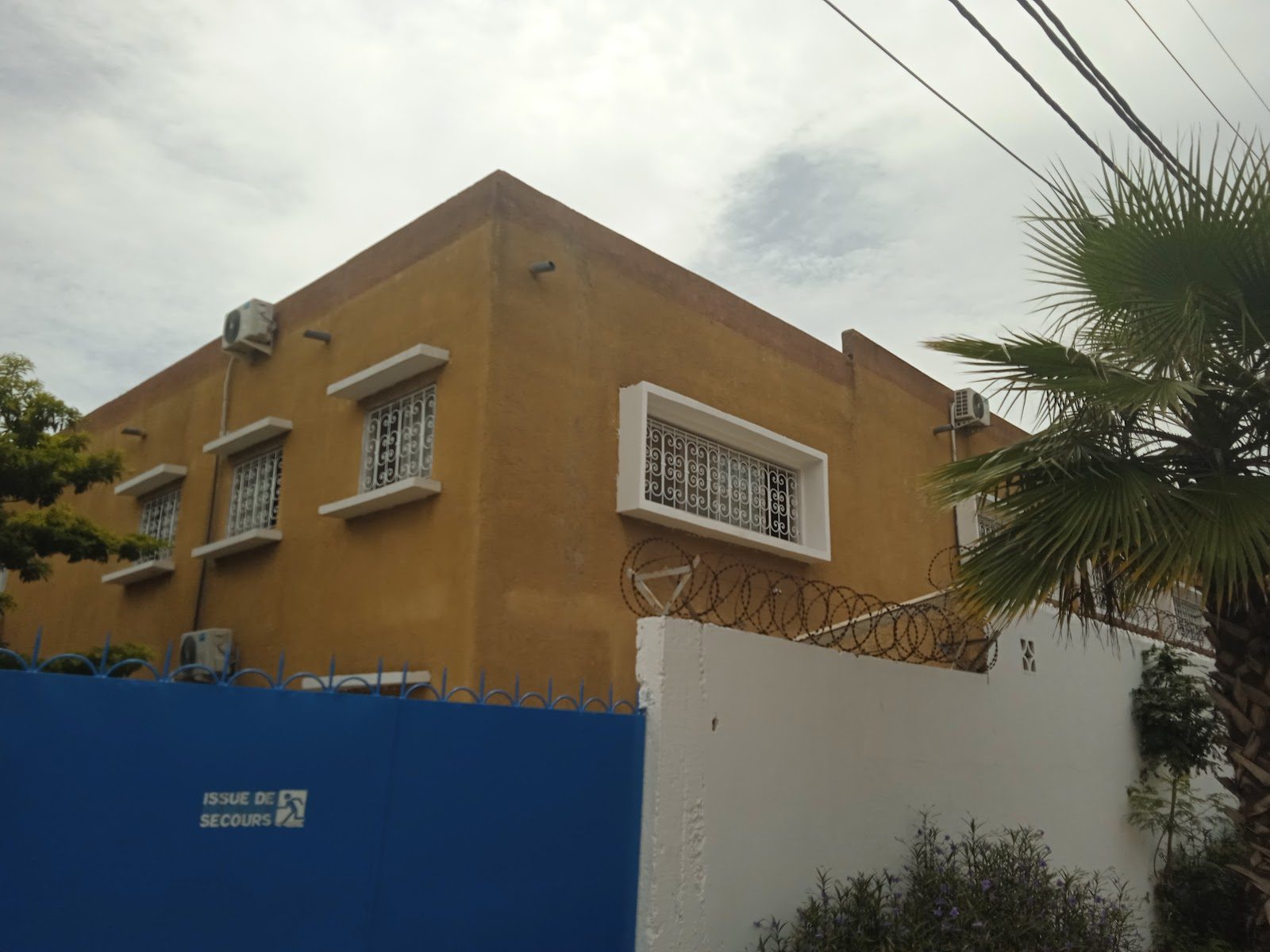
École Actuelle Bilingue Dakar
Dakar · Senegal
An accessible alternative to Dakar's premium international schools, teaching English and French side by side with two teachers per class.
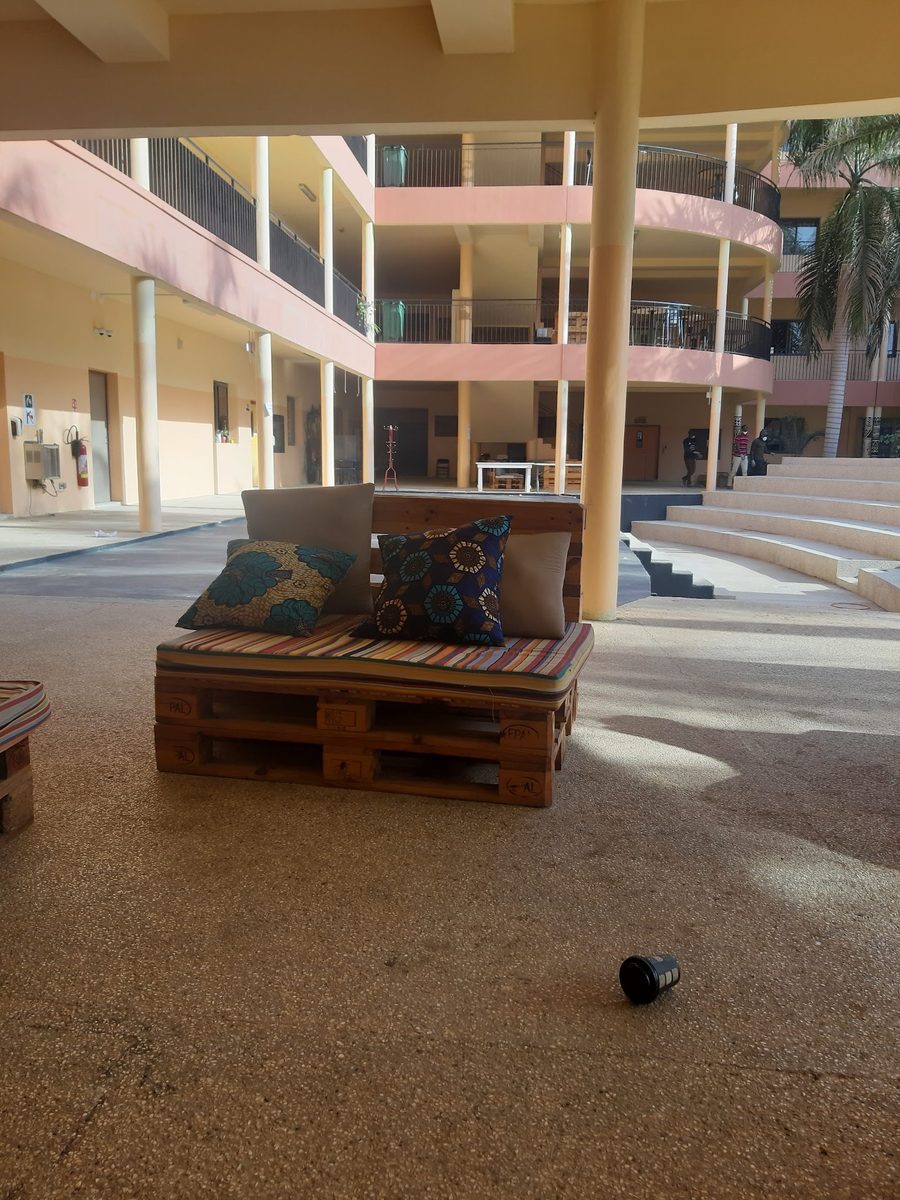
International School of Dakar
Dakar · Senegal
An Atlantic-facing campus in Dakar's Mermoz district blends an American core with the full IB continuum, PYP through Diploma.
Dakar Academy
Dakar · Senegal
Founded in 1961 as West Africa's first international school, still blending an American curriculum with family-style boarding for pupils from 50-plus nations.
Same country and curriculum — closest matches within ±10 points either way