
Almadies
International School of Dakar
low confidence· 4/6 cats · 1 avg sourcesAn Atlantic-facing campus in Dakar's Mermoz district blends an American core with the full IB continuum, PYP through Diploma.
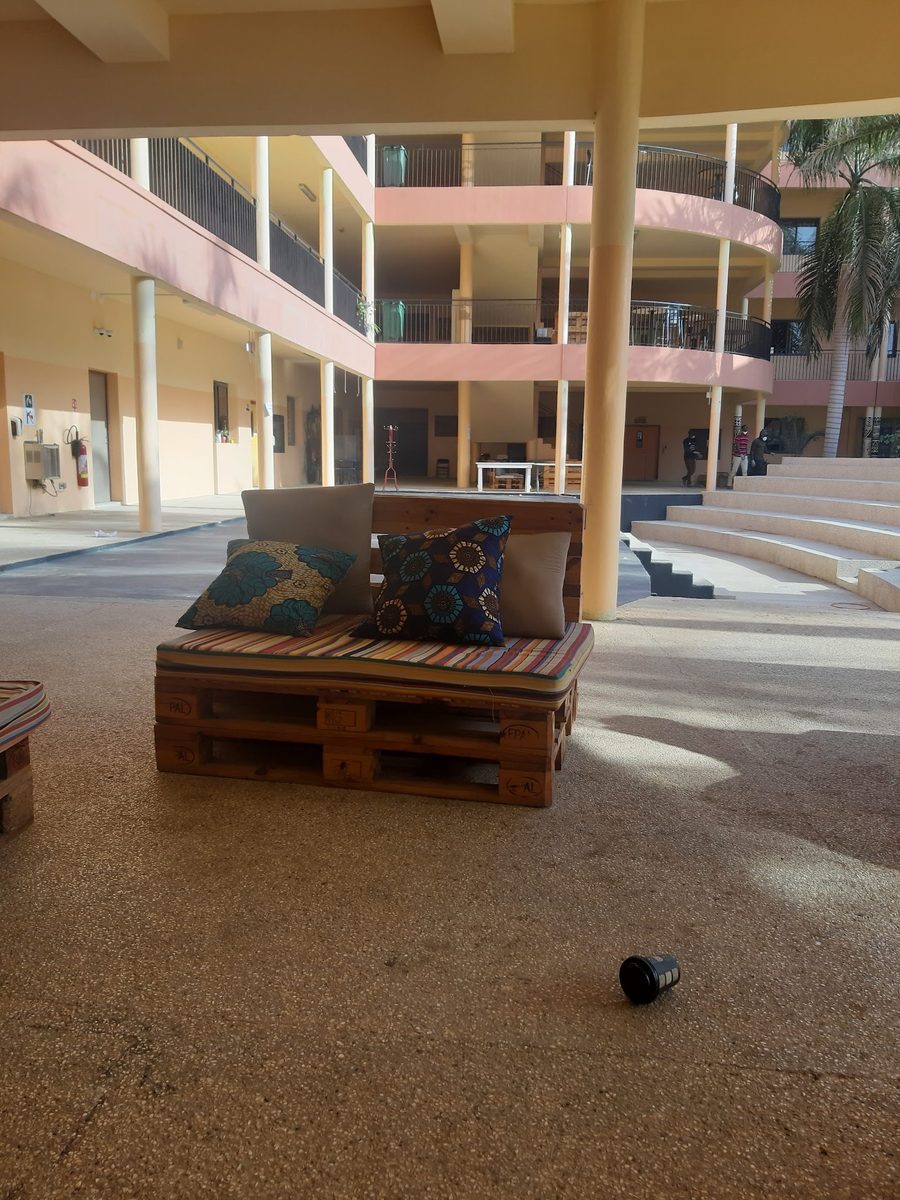
Photo © Pap_Ysma'iil NDAO via Google Maps
Type
Day
Ages
3–18
Curriculum
American · IB
Qualifications
AP · IB Diploma · US High School Diploma
Ratio
—
The Verdict
Editor's commitment
Right for
Families in Dakar who want English-medium schooling from age 3 to 18 with an American core and the full IB continuum.
Wrong for
Parents after boarding, religious formation or a British curriculum: ISD is a non-religious day school, founded in 1983.
Watch out for
At an average US$22,050 a year, this Mermoz campus buys Middle States and IB credentials, not published exam outcomes.
Ranking breakdown
International School of Dakar · #1221 of 1591
Composite score 57.1. 8 weighted criteria.
By criterion
Academic Outcomes
Weight 20%
#1219
of 1529 scored
University Placement
Weight 16%
#1227
of 1529 scored
Prestige & Heritage
Weight 12%
#1242
of 1571 scored
Alumni Network
Weight 12%
#816
of 1530 scored
Facilities
Weight 12%
#1153
of 1534 scored
Transparency & Communications
Weight 8%
#1194
of 1532 scored
Peer & Industry Review
Weight 10%
#1108
of 1548 scored
Admissions Selectivity & Demand
Weight 8%
#1077
of 1529 scored
Peer & Industry Review
How International School of Dakar is regarded in the sector
52
Credible · low confidence
The International School of Dakar appears in the U.S. State Department's Office of Overseas Schools directory and is listed as a member of the Association of International Schools in Africa (AISA), indicating recognized peer standing among regional international schools. However, there is minimal coverage in specialist education press (no Tatler, Good Schools Guide, or similar rankings), and independent alumni or expat-forum discussion is sparse beyond general expat relocation guides.
Evidence sources
Editors' overview
Set close to the Atlantic in Dakar’s Mermoz district, the International School of Dakar has a geography that matters: this is not a sealed compound on a remote edge of town, but a long-established city school with a direct relationship to Dakar itself. Founded in 1983, ISD covers ages 3 to 18 and teaches in English, with an American core and the full IB continuum from PYP through Diploma. That combination gives it a clear market position. It serves internationally mobile families who want US-style schooling without giving up the global portability of the IB, and it does so in a country where that blend is still distinctive. The school is non-religious, day-only, and accredited by Middle States, the IB, AISA and the US State Department’s Office of Overseas Schools: a serious set of affiliations, and one that places it firmly in the established international-school tier.
What is special here is less grandiosity than coherence. ISD does not sell a patchwork of programmes; it offers a continuous route from the early years to Grade 12 under one roof, or rather across three buildings for elementary, middle and high school. That matters for families staying the course. The school’s public language is heavy on character and service, but the harder fact is the curricular architecture: American plus IB, in English, across the full age range. For parents who move between postings, that is practically useful in a way glossy slogans are not. The average annual day fee is $22,050, which places ISD in the premium end of the Dakar market without pushing into the fee bracket seen at the most inflated capitals. For an accredited 3–18 international school with the full IB ladder, that price is defensible.
The right child for ISD is one who thrives in an international peer group, can handle academic challenge without hand-holding, and benefits from a school that ties personal responsibility to classroom expectations. The school’s own language leans on challenge, creativity and change; stripped of branding, that points to students who are engaged, adaptable and prepared to participate rather than drift. Families looking for a narrow national system, a religious framework, boarding, or a highly traditional exam factory should look elsewhere. ISD belongs on a shortlist for parents who want an anchored yet mobile education: Dakar-rooted, internationally legible, and structured for children whose lives do not fit neatly within one country’s system.
Academic Performance
ISD does not publish aggregate external-results data in the public domain. We have not seen whole-cohort IB Diploma averages, pass rates, score distributions, SAT/ACT summaries, or AP results. That absence matters. In the top tier of international schools, strong outcomes are usually accompanied by hard numbers; here, parents must assess academic quality through programme structure, university guidance, classroom culture and inspection or accreditation confidence rather than a clean results dashboard. That does not make the school weak. It makes it opaque. For a school charging premium fees, that is a real limitation in any academic-performance judgement.
Relative to peers, ISD sits in a credible but unproven bracket on published attainment. The school offers a continuous academic route through to the IB Diploma, which gives it the framework for serious university preparation, but framework is not the same thing as disclosed outcomes. In West Africa, that still places ISD in a strong market position, because the field is thinner than in London, Singapore or Dubai; against those more competitive international-school markets, the lack of published results leaves it short on evidence. Parents who need measurable reassurance should ask for the latest IB Diploma cohort statistics, university destinations by year, and subject-level score patterns before treating ISD as an academically top-performing school rather than simply an established one.
Facilities
The campus layout is the key practical asset. ISD operates across 3 separate buildings for elementary, middle and high school, which gives each phase room to function without the crowding and compromise common in smaller African capital-city schools. That matters more than glossy architecture. Age separation improves pastoral order, movement through the day and the tone of learning spaces. The Atlantic-side setting is another real advantage: not a gimmick, but part of the school’s sense of openness and place. Against peer schools in West Africa, this reads as a serious, well-established physical setup rather than an improvised one. Against top international campuses in the Gulf, Europe or East Asia, the public picture is less lavish and less fully documented. We have not seen a detailed published account of specialist labs, theatre provision, sports inventory or design facilities.
That gap in published detail sets a limit on any stronger facilities verdict. Parents can say with confidence that ISD has a proper through-school campus structure and dedicated division spaces; they cannot, from the public domain, map the campus with the precision now standard at the most operationally transparent international schools. There is no grand catalogue of maker spaces, black-box theatres, aquatic centres or elite-performance sports infrastructure. That does not make the campus weak. It makes it harder to verify in depth. In Dakar terms, the facilities profile is credible and functional; in global premium-school terms, it lacks the published breadth that marks out the best-resourced competitors.
Against top international campuses in the Gulf, Europe or East Asia, the public picture is less lavish and less fully documented
Prestige
ISD carries solid prestige in the way that matters to internationally mobile families: not as a trophy school with global name recognition, but as an established, trusted institution in its own market. The full through-school structure, the university-facing senior years, and the fact that it sits within the small pool of internationally legible schools in Senegal give it real standing. In Dakar, that counts for a great deal. Parents choosing ISD are buying into continuity, a recognisable academic framework, and a peer group shaped by diplomatic, NGO, business and expatriate movement. The average annual fee of $22,050 reinforces that status. This is a premium school, and families will read it as such.
The limit to ISD’s prestige is visibility beyond its region. It does not carry the old-brand cachet of the grandees in Geneva, London or Singapore, and it does not publish the kind of results data that turns local respect into hard international clout. That distinction matters. ISD has serious local prestige and credible professional respect among families who know the West African international-school circuit; it does not have the broader aura of a school whose outcomes and selectivity drive reputation on their own. In plain terms: in Dakar, this is a school people know; globally, it is a strong regional name, not a magnetic one.
In a market where some schools offer international branding without much local depth, ISD’s distinctiveness lies in being anchored rather than adrift
Communications
ISD’s parent communication looks orderly, direct and school-led rather than glossy. The public-facing site does the basics well: key navigation is clear, admissions prompts are easy to find, and the calendar is not buried. That matters because schools with muddled parent communication usually reveal it first in the structure of their website. Here, parents can see the rhythm of school life, with named events and timings published in plain view, including a PTO meeting at 8:30 AM–9:30 AM, a secondary back-to-school night at 4:15 PM–7:30 PM, and a PTO mixer at 5:00 PM–8:00 PM. That points to a school that expects parents to turn up, not just pay fees and stay at the gate. The tone is warm without being sloppy, and the school gives senior leadership a visible voice through the director’s welcome.
The limit is depth. We have not seen a rich public archive of board updates, policy explainers, strategic documents, or detailed academic reporting that would mark out first-rate institutional transparency. Parents get access points and community signals, but not much hard evidence of how the school handles difficult issues, reports on progress, or communicates change over time. That leaves the impression of a competent, serviceable communications culture rather than a rigorously open one. For many families, that will be enough. For parents who want the full documentary trail, it is *a thinner public record than the best schools provide*.
Uniqueness
What marks ISD out is not novelty for its own sake but a rarely tidy fit between place and purpose. Many international schools in smaller capitals operate as enclaves first and schools second: detached from their city, overdependent on transient demand, and thin in identity once the marketing language is stripped away. ISD has a stronger centre of gravity. Its Atlantic-side setting, division-by-division layout across 3 buildings, and long tenure in Dakar give students something more valuable than spectacle: a school that is properly embedded in its environment while still organised for international movement. That combination matters. Children grow up in a setting that feels connected to a real city rather than insulated from one, and they do so in a community built for families who may not stay forever.
The benefit for students is practical and cultural at once. They get continuity across the age range, but without the one-building compression that flattens older and younger pupils into the same institutional mood. Elementary children are not living in a secondary timetable; teenagers are not trapped in a primary-school atmosphere. At the same time, the school’s public emphasis on challenge, creativity and change points to an education that expects participation, not passive compliance. For the right student, that produces a usefully adult mix of independence, cross-cultural fluency and resilience. In a market where some schools offer international branding without much local depth, ISD’s distinctiveness lies in being anchored rather than adrift.
This is a school for families who value an unusually international peer group and do not need heavy cultural hand-holding
Student Profile
The best fit at ISD is the child who is comfortable in motion: new classmates, shifting postings, a social circle shaped by embassies, NGOs, aid work and international business. This is a school for families who value an unusually international peer group and do not need heavy cultural hand-holding. Students who do well here tend to be open, self-managing and willing to speak up in class rather than wait to be carried by the system. The school starts at age 3 and runs through to 18, so it also suits parents who want one community across the whole school journey rather than a sequence of separate institutions. Children who need a narrow local identity, a highly deferential classroom culture or constant adult prompting are a weaker fit.
Socially, ISD suits students who can handle difference without drama. In a school with this kind of expatriate turnover, friendships matter, but resilience matters more. New joiners need enough confidence to enter an established community and enough flexibility to cope when peers leave. The public ethos of challenge, creativity and change points to a student body that is expected to participate, not just comply. That will appeal to engaged, outward-facing children with good internal drive. It will not suit every temperament. The quieter child can thrive here, but only with enough steadiness to avoid being overshadowed by more socially fluent and globally mobile peers.
Founded in 1983, ISD covers ages 3 to 18 and teaches in English, with an American core and the full IB continuum from PYP through Diploma
Co-curricular strengths
Arts & sport, on a separate axis
Overall 8.3/10
Scored 0-10 from the school's own published evidence. This axis is editorial-only — it does not feed the main WTS ranking.
Sports
8.5/10
Drama
8.3/10
Dance
8/10
Music
8.2/10
Visual Arts
8.5/10
Editor first-pass · editor-reviewable · 7/30/2026
Strengths
- +Offers both an American curriculum and the IB Diploma Programme, giving families flexibility for university pathways in the US and elsewhere.
- +Accredited by the Council of International Schools (CIS) and the New England Association of Schools and Colleges (NEASC), providing external quality assurance.
- +Serves a genuinely international student body drawn from the diplomatic, NGO and business expatriate community in Dakar.
- +Single day-school campus simplifies logistics for families settling into Dakar's expatriate residential areas.
- +Long-established presence in Dakar gives it institutional continuity compared with newer international schools in the region.
Considerations
- −Dakar has few other accredited international schools, so families have limited ability to comparison-shop or switch schools if it is not a good fit.
- −As a small expatriate-oriented school, cohort sizes per grade are likely limited, narrowing elective and extracurricular breadth compared with larger international hubs.
- −Senegal's broader infrastructure (power, internet, healthcare access) is less developed than in major international-school hubs, an indirect but real constraint on daily life.
- −Editorial rank (1217) suggests it sits well outside the small group of globally best-known international schools, reflecting its niche, market-specific role.
Availability
Primary entry gate & tests
Academic Record
Gallery
Photo © Pap_Ysma'iil NDAO via Google Maps
Photo © neomorpheus221 via Google Maps
Photo © Yam’s86 Bathily via Google Maps
Photo © Abdoulaye Gueye via Google Maps
Photo © Yam’s86 Bathily via Google Maps
Parent reviews
Have you sent your child here?
Voice reviews carry the strongest trust badge — we transcribe them for you to tidy up before they go live. Prefer to type? A written review is fine too.
Add your voice
In 60 seconds, tell other parents: what's the best thing about International School of Dakar, and what surprised you when your child joined?
We ask for a Google sign-in so every review has a real face behind it — no anonymous drive-by attacks on schools, and no faked positive reviews. Your email is never shown publicly.
Send this profile to a friend
International parents rely on word-of-mouth. Share this review with someone weighing the same decision.
Schools with places
Similar schools to International School of Dakar with places available now.
Al Hekma International School
Manama · Bahrain
- 2026-27
- PLACES OPENApps open / space-dependent
- 2027-28
- WAITPOOL2027/28 timetable TBC
Yew Chung International School of Chongqing
Chongqing · China
- 2026-27
- WAITPOOLSpace-dependent
- 2027-28
- WAITPOOLRolling / space-dependent
Bishop Cotton School
Shimla · India
- 2026-27
- WAITPOOLSpace-dependent
- 2027-28
- PLACES OPENRolling
Collège du Léman
Versoix · Switzerland
- 2026-27
- WAITPOOLSpace-dependent
- 2027-28
- PLACES OPENRolling
Availability first, then country, area, curriculum, price, co-curricular
Consider also
Also worth looking at alongside International School of Dakar.
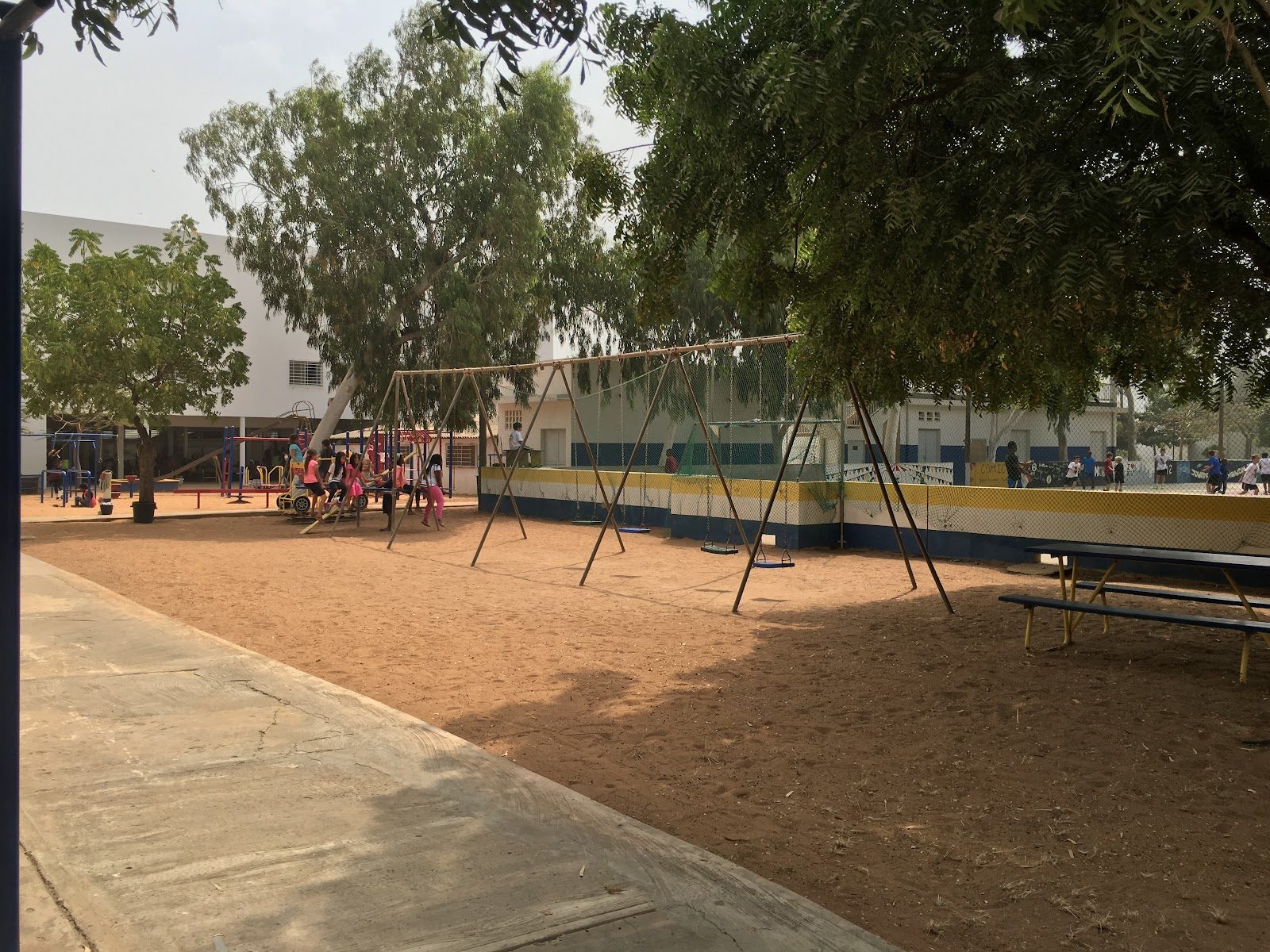
Dakar Academy
Dakar · Senegal
Founded in 1961 as West Africa's first international school, still blending an American curriculum with family-style boarding for pupils from 50-plus nations.
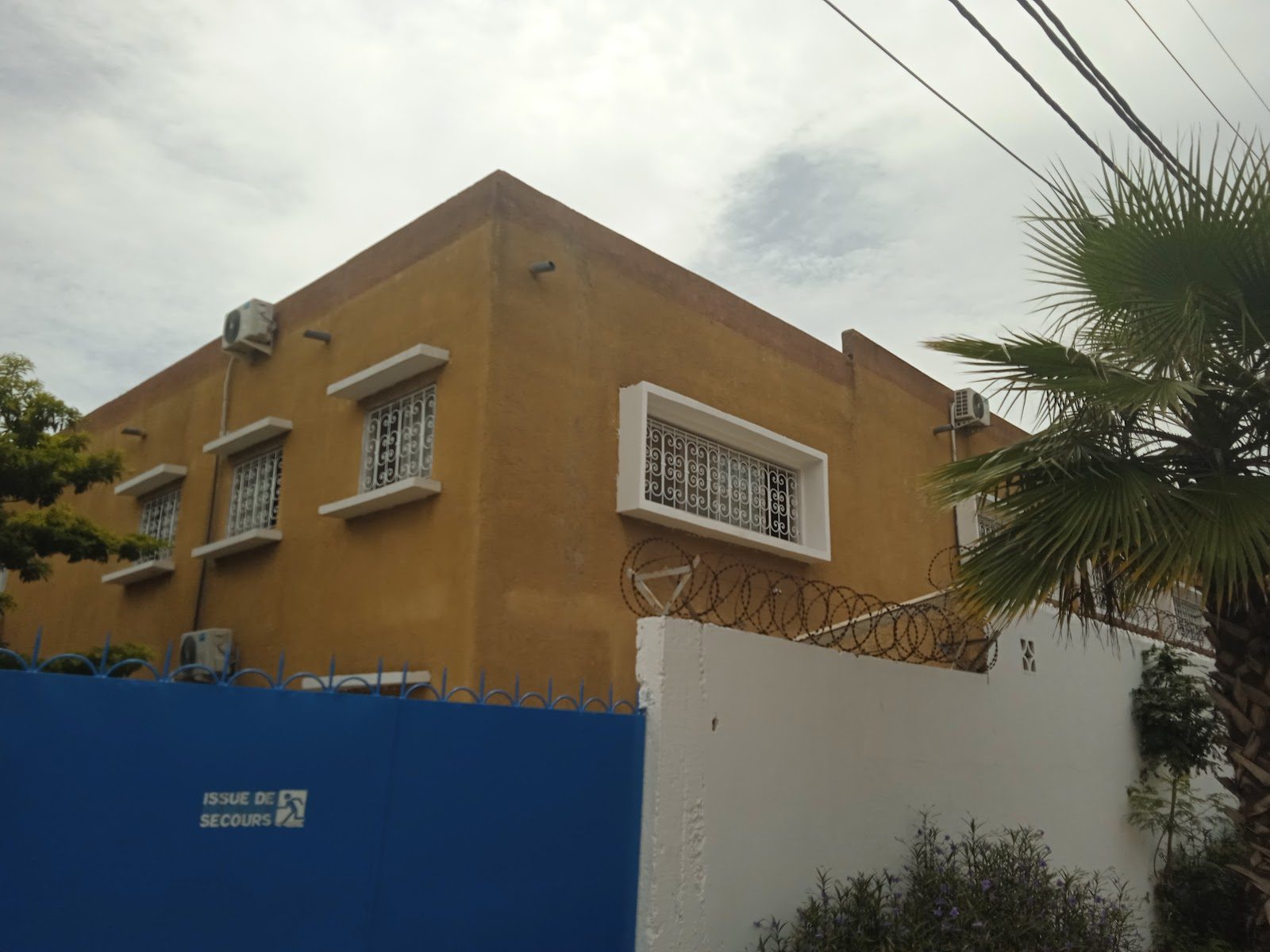
École Actuelle Bilingue Dakar
Dakar · Senegal
An accessible alternative to Dakar's premium international schools, teaching English and French side by side with two teachers per class.
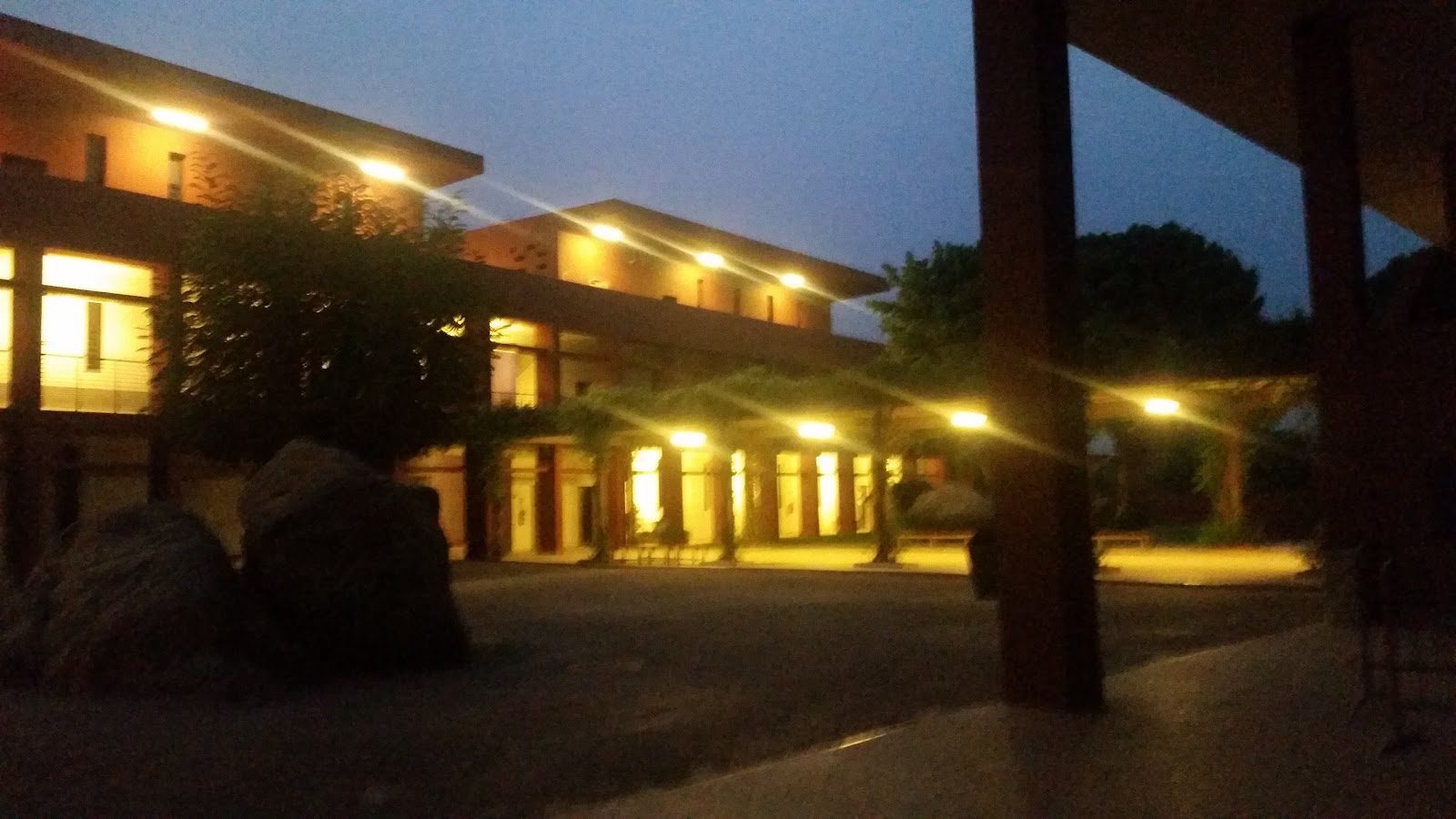
Lycée Jean Mermoz
Dakar · Senegal
Named for the aviator who vanished off these shores, this AEFE flagship pairs the French Bac with an American strand and a basketball academy in Ouakam.
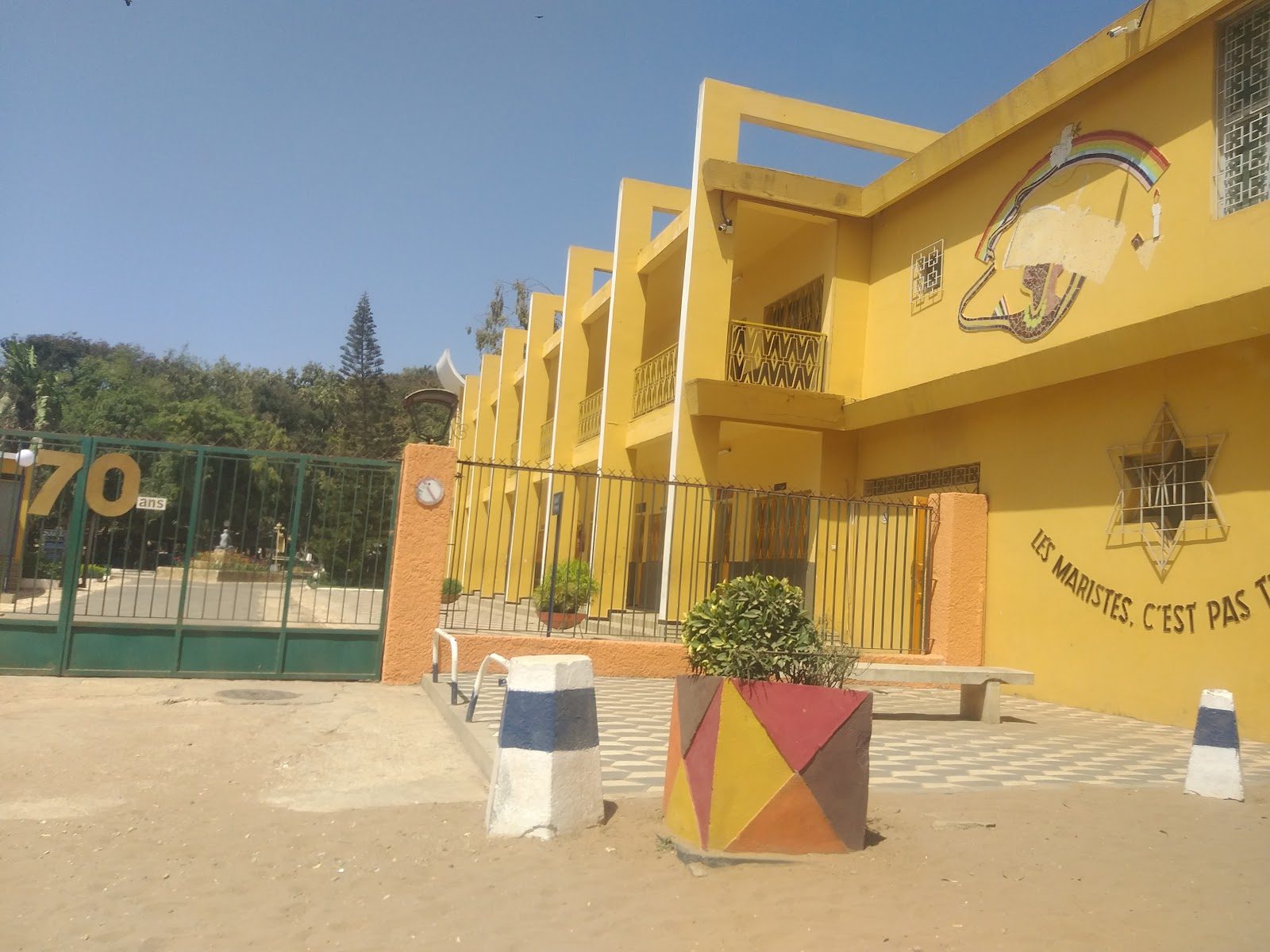
Cours Sainte-Marie de Hann
Dakar · Senegal
A Marist compound in Hann where a Muslim-majority student body earned Senegal's first UNESCO Prize for Peace Education
Same country and curriculum — closest matches within ±10 points either way