
Lima
Casuarinas International College
First school certified in all four IB programmes, blending Spanish-English immersion from a Surco campus in southern Lima.
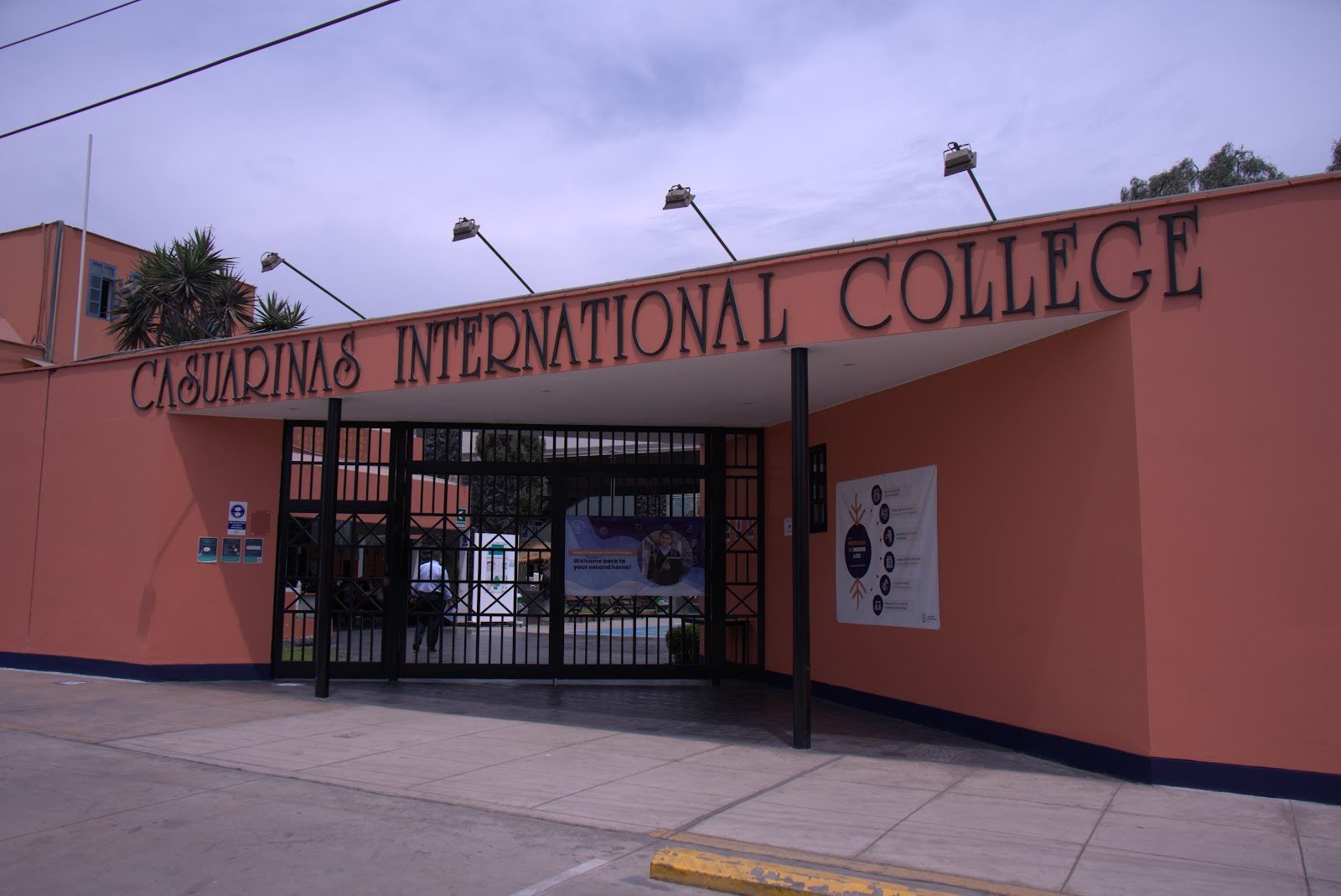
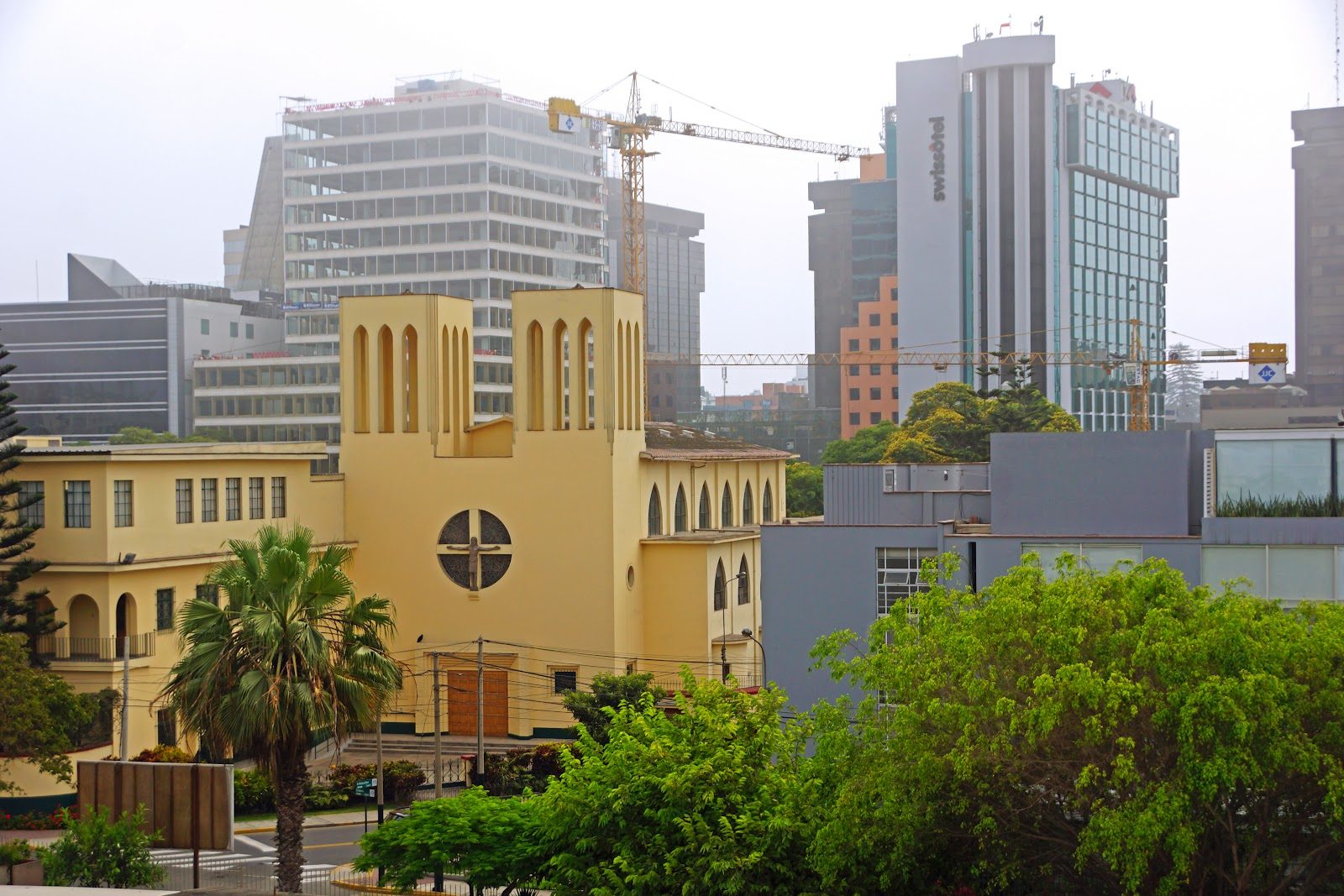
Photo © Casuarinas International College via Google Maps
Type
Day
Ages
3–18
Curriculum
Peruvian · IB
Qualifications
Peruvian national curriculum · IB Diploma
Ratio
—
The Verdict
Editor's commitment
Right for
Families in Lima who want a day school from age 3 to 18 with Spanish-English teaching and all four IB programmes.
Wrong for
Parents who want a single-curriculum school, boarding, or a school that publishes hard academic outcomes beyond its IB accreditation.
Watch out for
Founded in 1985 and based in Surco, Casuarinas sells internationalism hard; aggregate exam results and university placements stay unpublished.
Ranking breakdown
Casuarinas International College · #1499 of 1591
Composite score 48.7. 8 weighted criteria.
By criterion
Academic Outcomes
Weight 20%
#1313
of 1529 scored
University Placement
Weight 16%
#1371
of 1529 scored
Prestige & Heritage
Weight 12%
#1508
of 1571 scored
Alumni Network
Weight 12%
#1247
of 1530 scored
Facilities
Weight 12%
#1247
of 1533 scored
Transparency & Communications
Weight 8%
#1326
of 1532 scored
Peer & Industry Review
Weight 10%
#1521
of 1548 scored
Admissions Selectivity & Demand
Weight 8%
#1232
of 1529 scored
Peer & Industry Review
How Casuarinas International College is regarded in the sector
45
Credible · medium confidence
Casuarinas International College is respected within Lima's competitive private-school sector as one of the established bilingual, university-track institutions in the Surco/La Molina corridor, alongside peers such as Newton, Markham, and Roosevelt, but it has not yet built the international footprint of those schools. It is not currently profiled by WhichSchoolAdvisor, the Good Schools Guide, or Tatler's schools coverage, and it does not appear in searchable IB or Cambridge global top-performer lists, limiting independent, citable third-party commentary. Its reputation is largely domestic: recognition through Peruvian parent-association and admissions-fair circuits (e.g., ADECOPA-affiliated events) and word-of-mouth standing among Lima families evaluating bilingual options for entry into local universities (PUCP, Universidad de Lima) and, for a smaller cohort, US/European institutions. No verifiable university admissions-officer statements, rival head endorsements, or national newspaper league-table placements could be sourced. Overall, the school's peer and press standing is that of a solid, locally trusted mid-tier international option rather than a regionally benchmarked or globally reviewed institution.
Editors' overview
Casuarinas International College occupies a distinct niche in Lima: a bilingual Spanish-English day school that offers the full IB continuum from age 3 to 18 and, by its own account, was the first school in Peru authorised for all four IB programmes. That matters. Many schools advertise “international” ambitions; fewer deliver a coherent IB pathway across the entire age range, including both the Diploma Programme and the Career-related route in the final years. For families who want continuity rather than a patchwork of approaches, Casuarinas has a concrete advantage. Its Surco base places it firmly in the southern Lima market, and its proposition is clear: Peruvian schooling with an international structure, dual-language immersion, and a strong emphasis on overseas-facing opportunities. *This is a school with a defined academic architecture, not a vague international gloss.*
What stands out is the blend of immersion and breadth. English starts at age 3 through a dual-immersion model, with a high proportion of classes in English from primary onward, while Spanish remains central; from Grade 6, pupils add French or Mandarin, with DELF and HSK certification routes. The school also states that more than 25% of graduates study abroad, that it runs 20+ international programmes and partnerships, and that its community includes 30+ nationalities. Those figures give the school a stronger global claim than many Lima competitors. Class sizes also merit attention: around 20 pupils in EY3, 22 in pre-kinder, 24 in kinder, and about 25 per class from primary onward. That is not boutique, but it is controlled enough to support individual attention if teaching quality is strong. The appeal here is structured ambition, international mobility, and a school culture that pushes beyond exam preparation into languages, exchanges, debate, arts and competitive sport.
Parents should still read the offer with a cool head. Casuarinas talks a great deal about wellbeing, personalised attention and student-centred learning; those are now standard claims across the premium private market. What gives the school substance is not the rhetoric but the specific machinery underneath it: all four IB programmes, a bilingual model from the early years, third-language options, after-school breadth, and participation in ADECOPA sport. The school does not publish aggregate exam outcomes in the source text, so parents who care about university placement by destination, IB Diploma point averages, or selective admissions rates need to ask direct questions. *The fundamentals are compelling; the performance data is less transparent.*
The best fit is a student who thrives in a bilingual environment, can handle an academically demanding framework over many years, and wants options at 16–17 rather than a single narrow sixth-form track. This is a strong shortlist school for internationally minded Peruvian and expatriate families who want their children to move comfortably between local and global contexts. It suits children who enjoy languages, discussion, projects, and a broad co-curricular life rather than a purely traditional, exam-drilled education. *For the right family, the attraction is obvious: continuity, range, and a genuine international pathway rooted in Lima rather than imported as window dressing*.
Academic Performance
Casuarinas does not publish the numbers that matter most in any serious assessment of academic performance. There is no aggregate IB Diploma score, no pass-rate series, no subject breakdown, no destination list by university, and no comparative data for the Career-related route. That leaves parents without the standard benchmarks used to place an IB school against peers in Lima or against stronger international schools elsewhere in the region. The school does advertise outward-facing indicators — 25% of graduates studying abroad, 20+ international programmes and agreements, and international language certifications — but those are not substitutes for hard exam evidence. On academic transparency, this is a clear weak point.
What can be said with confidence is narrower. A school running the full IB pathway has built an academic structure that is more demanding and more coherent than the patchwork offer common in the market, and smaller class groupings give teachers better odds of tracking progress closely. That supports strong outcomes; it does not prove them. Relative to peers, Casuarinas sits in the category of schools with a serious academic framework but opaque published results. Families comparing it with other premium schools need to ask direct questions: recent Diploma averages, highest scores, pass rates over several cohorts, university destinations by country, and how students divide between the two senior pathways. Until those figures are disclosed, the school’s academic standing remains credible but unverified.
Facilities
Casuarinas sells breadth of experience, and the facilities profile tracks that ambition more than outright architectural spectacle. The clearest strengths lie in the spaces implied by the school’s co-curricular and language offer: dedicated areas for visual and performing arts, courts and pitches that support a serious school sports programme, and rooms equipped for robotics, chess, debate and after-school clubs. That matters because many Lima schools promise a rounded education while funnelling most activity through a narrow academic core. Here, the range points to a campus built for daily use beyond lessons. The school also ties its language provision to formal external certification, including French and Mandarin, which signals specialist teaching spaces and a more purpose-built approach than the market norm. Parents looking for showpiece luxury or a famous athletics complex should keep expectations in check; this reads as a campus designed for functionality, not display.
Where Casuarinas edges ahead of many peers is in the integration of facilities with programme structure: sport, arts, languages, international activities and wellbeing are not bolted on as weekend extras. The mention of Advisory, exchanges, Model United Nations and a substantial after-school menu points to a school day that uses its campus hard. The weak point is transparency. The school does not publish the kind of detailed campus information that allows proper comparison on laboratories, theatres, libraries, maker spaces or specialist senior facilities. In a premium bracket, that omission matters. Against direct competitors, Casuarinas looks broadly well-equipped, genuinely multi-use and strong on student life, but not yet a school with the published estate detail to claim the top facilities tier outright.
For families who want continuity rather than a patchwork of approaches, Casuarinas has a concrete advantage
Prestige
Casuarinas carries real local distinction, but not the kind of prestige that travels automatically across borders. Its strongest status marker is structural: it offers the full IB pathway, including both senior routes, which places it in a more selective bracket than schools with a single international badge bolted onto a national core. That matters in Lima’s private-school market. So does the school’s outward-facing profile: it advertises 30+ nationalities on campus, 20+ international programmes and agreements, and formal language certification beyond English. Those are credible prestige signals because they point to access, networks and institutional ambition rather than empty branding. The school also benefits from being part of ADECOPA and from its Google Reference School label, both of which add useful cachet with parents who value recognition and modernity.
The limit is plain: Casuarinas does not publish the academic evidence that would lift it from respected to indisputably elite. Prestige in serious schools rests on outcomes, selectivity and destination power, not on Open Day slogans or broad claims about student-centred learning. Here, the school’s reputation rests more on programme breadth, international orientation and market positioning than on disclosed performance. That still gives it genuine standing in southern Lima, especially for families who want an internationally framed education without sacrificing a Peruvian base. But prestige at the top end demands proof. Until Casuarinas publishes harder results data, its status remains strong but not untouchable.
This is a school with a defined academic architecture, not a vague international gloss
Communications
Casuarinas communicates like a school that expects parents to engage digitally and in person. The public-facing site is clean, current and organised around admissions, core educational claims, FAQs and event prompts, with direct contact details placed high on the page and an explicit push towards guided visits and open-day attendance. That works well for first contact. The FAQ section does more than many school websites manage: it gives concrete answers on class grouping, languages, wellbeing, after-school provision, sport, exchanges and university links, rather than hiding behind slogans. The presence of an intranet link also points to a more formal parent-information system once families are enrolled. Communication style is confident, high-control and sales-aware, but not chaotic.
The weakness is depth. Casuarinas gives parents a good sense of ethos and day-to-day opportunities, yet withholds the harder operational and academic detail that serious comparison requires. There is no published run of exam data, no granular university destination reporting, and little visible detail on governance, staffing or specialist facilities. That creates a clear asymmetry: the school communicates the experience energetically, but the evidence more selectively. The strongest line on the site is the claim to the full IB continuum; the most memorable outward-facing figures are 25% studying abroad, 20+ international programmes and 30+ nationalities. Those numbers support the international pitch, but they do not answer the questions exacting parents ask. Communication is slicker than it is transparent.
Uniqueness
What sets Casuarinas apart is not a vague claim to internationalism but a rare piece of institutional design: one school carrying children from nursery through the final years inside a single IB spine, while preserving a clear Peruvian base. In practice, that gives families continuity where many competitors offer fragmentation. Children do not jump between unrelated pedagogies as they move up the school. They grow inside one academic language, one set of expectations and one coherent view of inquiry, reflection and independent work. The added distinction is choice at the top end: students do not face a single prestige route dressed up as universal success, but a dual senior structure that acknowledges different strengths and ambitions. That is uncommonly pragmatic, and it serves students better than the status-driven one-track model common in ambitious private schools.
The other point of difference is the school’s treatment of multilingualism as an operating principle rather than an enrichment extra. English starts from the earliest years through dual immersion, then expands into a broader language offer with external certification beyond the core pair. Add exchanges, international programmes and a community spanning 30+ nationalities, and the result is a student experience shaped by movement across cultures, not just classroom rhetoric. That brings concrete benefits: linguistic confidence, easier transition to overseas universities, and a social environment that trains children to navigate difference without fuss. For the right student, that mix is hard to replicate: globally minded, structurally coherent, and stronger in real educational architecture than many schools with flashier branding.
Those figures give the school a stronger global claim than many Lima competitors
Student Profile
Casuarinas suits children who are comfortable operating in more than one register at once: academic, linguistic, social and extracurricular. The school’s strongest fit is a student who enjoys moving between classrooms, activities and cultures without needing a narrow, single-track routine. The intake reads as internationally exposed rather than narrowly local, with 30+ nationalities on campus and a school culture built around exchanges, Model United Nations, languages and outward-facing opportunities. That points to pupils who are curious, verbal and adaptable. It also suits families who want their children in a community where overseas study is part of the conversation, not an eccentric aspiration. Children who need heavy spoon-feeding or who resist discussion-based, inquiry-led learning will find the pace and expectations hard-edged.
Socially, this is not a school for passengers. Casuarinas talks insistently about agency, choice and purpose, and its programme breadth backs that up. The students who thrive here are the ones who sign up, speak up and make use of the menu in front of them, whether that means sport, debate, languages, arts or international projects. Class groups stay controlled rather than tiny, so pupils need enough self-possession to be noticed for the right reasons. The best fit is globally minded, self-directed and energetically involved. The weaker fit is a child who wants a quieter, more sheltered, more traditionally local school experience.
Class sizes also merit attention: around 20 pupils in EY3, 22 in pre-kinder, 24 in kinder, and about 25 per class from primary onward
Co-curricular strengths
Arts & sport, on a separate axis
Overall 8.3/10
Scored 0-10 from the school's own published evidence. This axis is editorial-only — it does not feed the main WTS ranking.
Sports
8.5/10
Drama
8/10
Dance
8/10
Music
8.5/10
Visual Arts
8.5/10
Strengths
- +Offers both the Peruvian national curriculum and the International Baccalaureate, giving families a dual academic pathway within one school.
- +Operates as a day school in Lima, allowing local and relocating expat families to avoid boarding costs and logistics.
- +Bilingual Spanish-English instruction model is consistent with other established international-curriculum day schools in the city.
- +Single, established campus provides continuity of community and staff rather than a newly launched or multi-site operation.
Considerations
- −Editorial ranking (1132, candidate tier) places it well outside the top bracket of internationally benchmarked schools in this review set.
- −Limited independently verifiable data on IB examination results, university placement outcomes or third-party inspection reports.
- −As a single-campus day school, options are geographically restricted to families based in or near Lima.
- −Fee structure and scholarship policy are not transparently published online, complicating budget planning for relocating families.
Availability
Primary entry gate & tests
Academic Record
Gallery
Photo © Casuarinas International College via Google Maps
Photo © Casuarinas International College via Google Maps
Photo © Casuarinas International College via Google Maps
Photo © Casuarinas International College via Google Maps
Photo © Casuarinas International College via Google Maps
Photo © Casuarinas International College via Google Maps
Photo © Armando Zamudio via Google Maps
Parent reviews
Have you sent your child here?
Voice reviews carry the strongest trust badge — we transcribe them for you to tidy up before they go live. Prefer to type? A written review is fine too.
Add your voice
In 60 seconds, tell other parents: what's the best thing about Casuarinas International College, and what surprised you when your child joined?
We ask for a Google sign-in so every review has a real face behind it — no anonymous drive-by attacks on schools, and no faked positive reviews. Your email is never shown publicly.
Send this profile to a friend
International parents rely on word-of-mouth. Share this review with someone weighing the same decision.
Schools with places
Similar schools to Casuarinas International College with places available now.
Availability first, then country, area, curriculum, price, co-curricular
Consider also
Also worth looking at alongside Casuarinas International College.
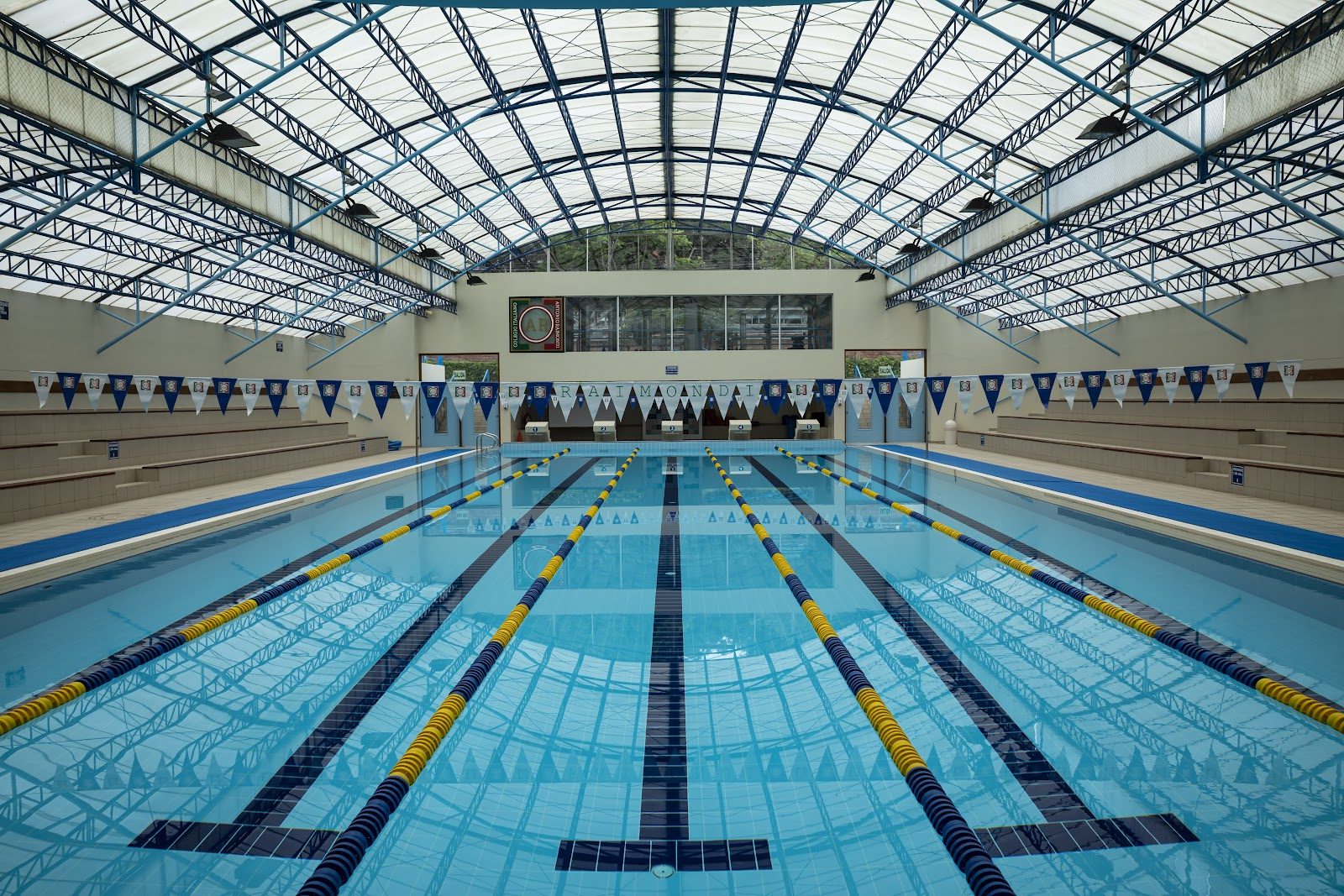
Colegio Antonio Raimondi
Lima · Peru
Since 1872, a La Molina institution weaving Italian and Peruvian schooling toward the state Diploma di Maturita.
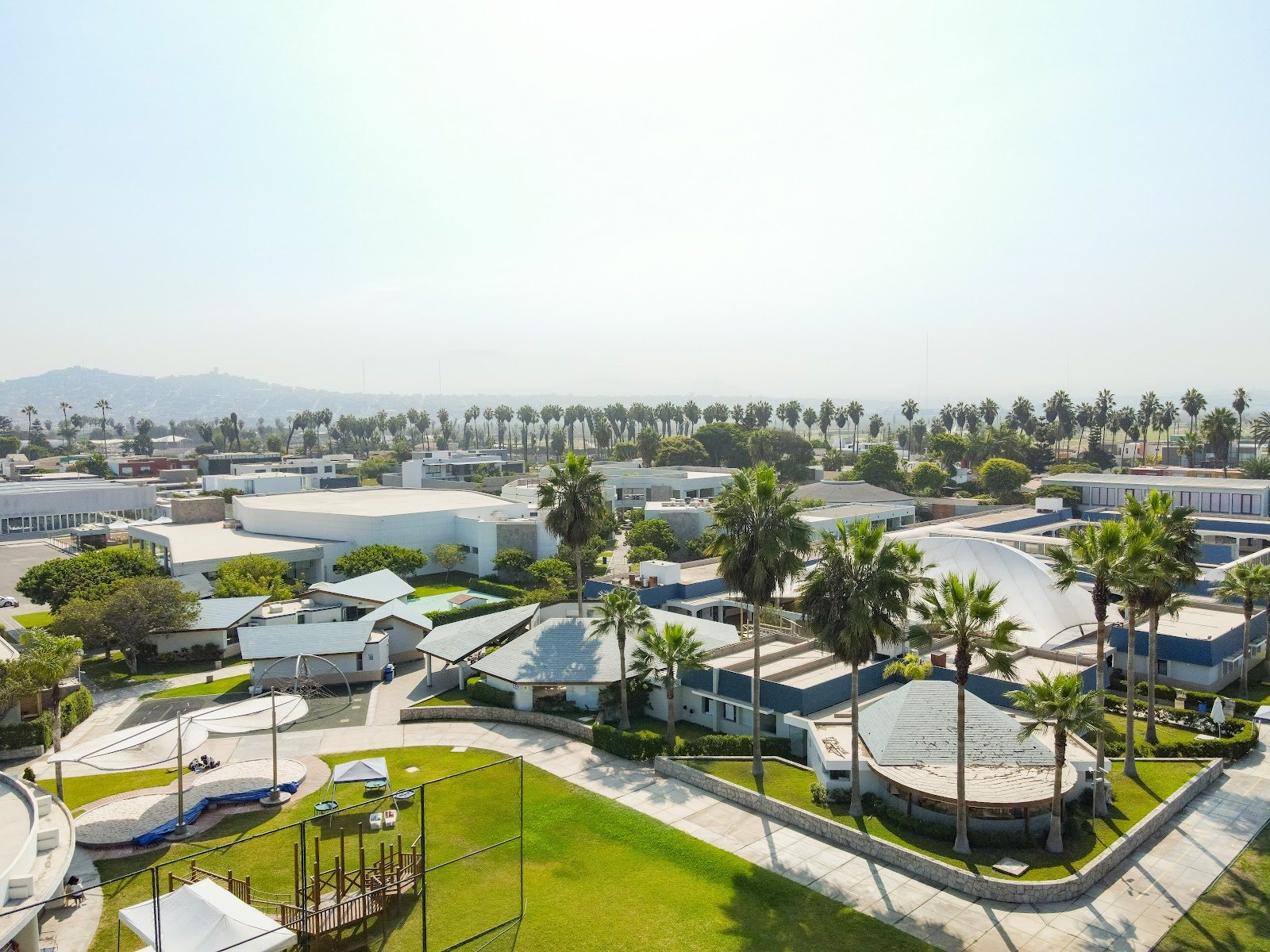
Cambridge College Lima
Lima · Peru
In quiet Chorrillos, Peruvian heritage meets Cambridge IGCSE and IB, with French fluency and London Music credentials woven in.
Colegio León Pinelo
Lima · Peru
In San Isidro, Peru's only Jewish day school threads Hebrew language and tradition through a trilingual, full IB continuum.
Colegio Santa Úrsula
Lima · Peru
In San Isidro, German Ursuline nuns opened a girls' school in 1936 that still pairs Montessori roots with IB rigor in two languages.
Same country and curriculum — closest matches within ±10 points either way