
Beijing
Running the full IB continuum since 1994 from a Chaoyang campus once named a Beijing Olympic model school
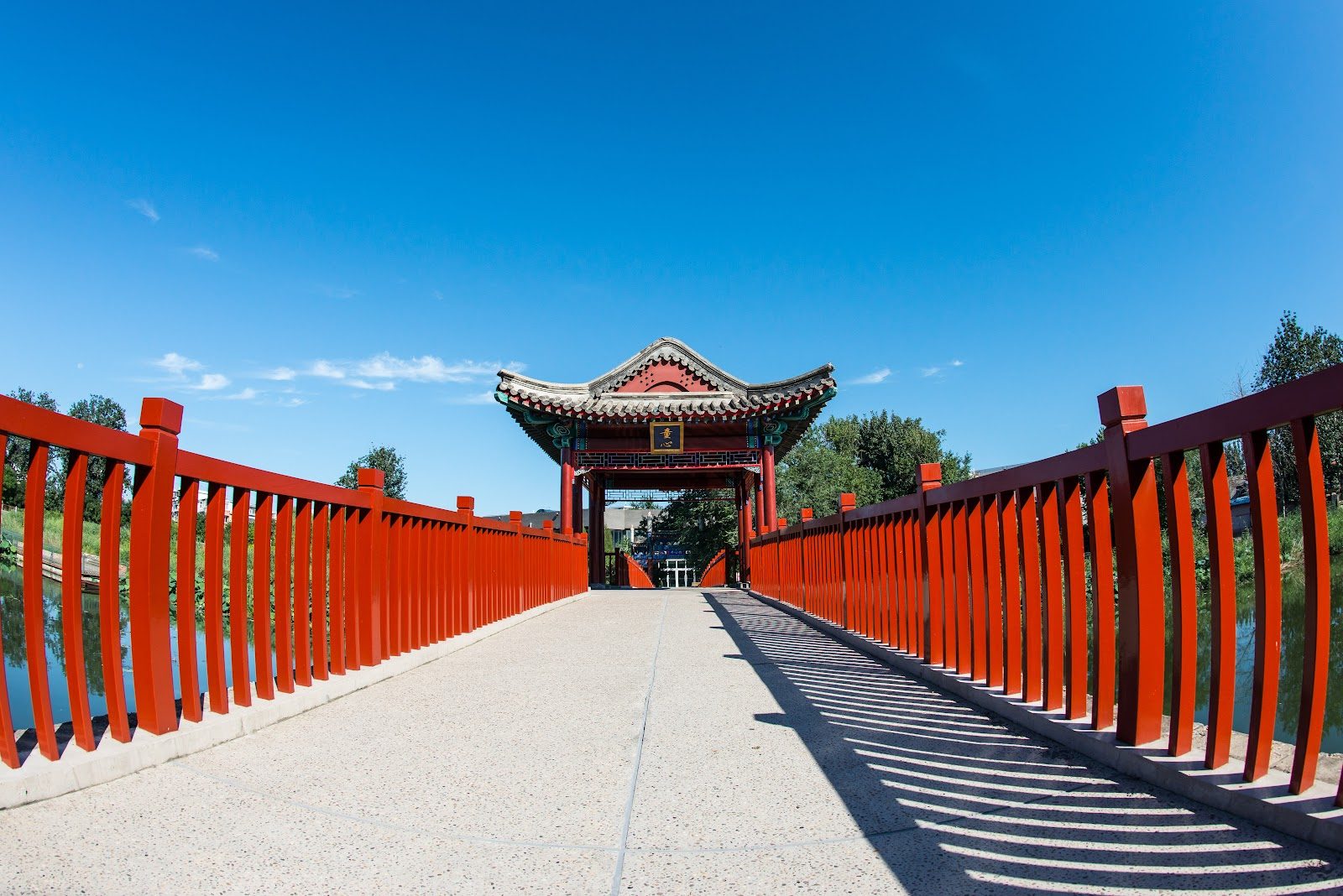
Photo © Western Academy of Beijing (WAB) via Google Maps
Type
Both
Ages
3–18
Curriculum
IB
Ratio
8:1
The Verdict
Editor's commitment
Right for
Families wanting the full IB continuum from age 3 to 18 at a 1,400-student Beijing school with an 8:1 ratio.
Wrong for
Parents who want a single, exam-drilled route; WAB runs multiple high-school graduation pathways, not just the IBDP, in English and Mandarin.
Watch out for
The average annual day fee is $48,252, and the scale is large: 58 nationalities, 400+ activities and a Chaoyang campus.
Ranking breakdown
Western Academy of Beijing · #218 of 1591
Composite score 74.0. 8 weighted criteria.
By criterion
Academic Outcomes
Weight 20%
#294
of 1529 scored
University Placement
Weight 16%
#305
of 1529 scored
Prestige & Heritage
Weight 12%
#377
of 1571 scored
Alumni Network
Weight 12%
#293
of 1530 scored
Facilities
Weight 12%
#193
of 1533 scored
Transparency & Communications
Weight 8%
#354
of 1532 scored
Peer & Industry Review
Weight 10%
#424
of 1548 scored
Admissions Selectivity & Demand
Weight 8%
#247
of 1529 scored
Score history
Western Academy of Beijing · 2026
Movement across 2024–2026. Peer average overlaid.
Overall — 2024–2026
74.0/ 100
▲ +26.7 vs 2025
year on year
Peer & Industry Review
How Western Academy of Beijing is regarded in the sector
78
Strong · medium confidence
Western Academy of Beijing is consistently listed among the top international schools in Beijing/China in expat parent forums and specialist education directories, holds long-standing IB World School and CIS/WASC accreditation, and is frequently referenced alongside ISB and Dulwich Beijing as one of the established 'big three' Beijing international schools. It has a strong regional reputation among peer schools and expat communities, though it lacks the global brand recognition of top UK/US-linked institutions.
Evidence sources
Editors' overview
Western Academy of Beijing has been running the full IB continuum since 1994, and that matters. Plenty of international schools bolt the IB on to an older national model; WAB is built around it. The result is a school with a clear educational identity and a campus culture that prizes inquiry, student agency and service over rote performance. The numbers back up the scale and ambition: around 1,400 students, 1:8 student-teacher ratio, 58 nationalities, and more than 400+ extracurricular options. It also carries two pieces of external validation that parents should take seriously: IBO and CIS accreditation. This is an established, serious international school, not a newcomer trading on branding.
What marks WAB out in Beijing is the combination of depth, breadth and maturity. The school cites 65% of teachers with more than 10 years’ experience, 1,300 hours of annual staff professional development, and 63 ongoing student-led service projects. That points to a faculty with institutional memory and a programme that extends well beyond lessons. The school also offers multiple graduation pathways in high school, including the full IB Diploma Programme and its Capstone programme, which gives it more flexibility than a school that forces every older student down a single academic track. The Chaoyang campus has its own history too, once named a Beijing Olympic model school, and WAB’s facilities are plainly central to its offer. At an average annual day fee of $48,252, this sits in Beijing’s premium bracket, and parents should expect a high-touch, fully resourced international education rather than a stripped-back IB delivery.
Why shortlist it? Because WAB combines scale with coherence. Large international schools can feel diffuse; WAB has enough size to offer range, but enough clarity of mission to avoid looking like a shopping list of programmes. Its strongest pull is for families who want an English-medium, non-religious, globally minded education with strong Mandarin in the mix and a genuinely international student body. It suits students who like discussion, projects, the arts, sport, service and room to shape their own school life. It is less compelling for families who want a narrow exam factory, a highly traditional discipline model, or a national curriculum route aimed at one university system. For the right child — curious, independent, socially confident, and comfortable in a busy, international environment — WAB earns its place on a Beijing shortlist.
Academic Performance
WAB does not publish aggregate IB Diploma results in the public domain: no average score, no pass rate, no subject breakdown, no trend line across recent cohorts. That is a real weakness in an expensive international school. In a market where leading IB schools increasingly put hard outcomes on the table, this leaves parents without the cleanest way to judge sixth-form academic yield against direct competitors. The school does point to graduates matriculating to competitive institutions, and it offers more than one route to graduation rather than channelling every older student into a single diploma track. That matters when reading outcomes: a school with multiple pathways needs to show clearly how each pathway performs. WAB does not do that publicly.
Where does that leave it relative to peers? On academic performance, WAB sits in the opaque upper tier: plainly established, plainly ambitious, but not transparent enough on examinable outcomes. The case for the school rests more on programme breadth, teaching depth and the quality of student experience than on published score-chasing. For some families, that is a perfectly serious proposition. For others, especially parents comparing IB schools line by line on results, the absence of disclosed data is a material handicap. If WAB’s outcomes are strong, the school should publish them. Until then, it asks parents to buy into the wider educational model without the reassurance of school-wide exam data.
Facilities
Facilities are central to WAB’s case. The school itself leans hard on world-class facilities, and the breadth of provision backs that up: dedicated elementary, middle and high school sections, substantial space for athletics and the arts, and enough room to sustain 400+ extracurricular options without the whole enterprise feeling improvised. That matters in Beijing, where many international schools promise breadth but deliver a tighter, more constrained version once timetables and space pressures bite. WAB reads as a campus built to carry a large, busy all-through school properly. The children’s quotes on playgrounds, creative subjects and a welcoming, judgment-free environment also point to facilities that are used, not just photographed.
Against direct peers, the edge is not architectural theatre or old-campus grandeur; it is functional depth. The campus supports student-led service, performances, sport, workshops, real-world projects and multiple graduation routes in a way that fits the school’s expansive, high-engagement model. Parents looking for cloistered elegance or heritage atmosphere will find stronger contenders elsewhere in the market. Parents looking for a hard-working, high-capacity campus that can absorb a big international community and keep children active across the school day will rate WAB highly. The weakness is that the public-facing detail stops short of a full facilities inventory, so specialist parents — in sport, music, design or science — still need sharper answers on exactly what sits behind the broad claims.
Western Academy of Beijing has been running the full IB continuum since 1994, and that matters
Prestige
WAB has real prestige in the international-schools market, but it is a modern form of prestige rather than an old-world one. The status comes from scale, longevity, and institutional competence: a large expatriate-facing school with a full educational arc, a broad co-curricular machine, and a community that spans 58 nationalities. The school also benefits from unusual standing inside the IB world, with its own claim to being 1 of 7 preferred IB training schools worldwide. That matters more than glossy branding. It signals that WAB is not just delivering the programme; it has influence within the professional ecosystem around it. Add the low staffing ratio and the depth of activity on offer, and the picture is of a high-status, well-established, globally connected school that carries weight with mobile international families.
That said, prestige here rests more on reputation, community and educational breadth than on public academic proof. WAB commands an average annual fee of $48,252, so it sits in the part of the market where parents expect both cachet and hard outcomes. It clearly has the cachet. The weak point is transparency: the school does not publish aggregate diploma results, which stops it short of the unimpeachable academic prestige enjoyed by the strongest data-sharing IB competitors. So the rating lands in the serious top tier, not the untouchable one. For families who value international mix, institutional maturity and a broad definition of success, that prestige is substantial. For families who equate prestige with published exam dominance, it is incomplete.
What makes WAB distinctive is not a single flagship feature but the way the whole school is built for student participation at scale
Communications
Parent communication looks active, multi-channel and community-heavy. The school runs a news feed with a steady cadence of updates, publishes a podcast, promotes panel events, showcases student work and keeps alumni visible rather than treating them as an afterthought. That mix matters. It tells parents what children are doing, how leaders frame the school’s direction, and where older students go next. The volume is high too: 30+ parent workshops a year and frequent public storytelling around service, arts, technology and student-led projects. This is not a school that goes quiet between term dates. It keeps a running conversation with families and gives them repeated entry points into school life.
The strength of that approach is warmth and texture. Parents get a lively, human-scale sense of daily life rather than a sterile stream of notices. The weakness is precision. The public messaging leans hard into culture, belonging and big-picture educational language; it gives less space to the hard-edged information some fee-paying parents want most, such as aggregate senior outcomes and sharper programme performance data. That limits trust at the top end of decision-making. A school can be deeply engaged and still leave important questions unanswered. WAB communicates its ethos with real fluency. It communicates measurable outcomes with far less discipline. For families who value community visibility, that works well. For families who want clean, comparable evidence, it is a clear gap.
Uniqueness
What makes WAB distinctive is not a single flagship feature but the way the whole school is built for student participation at scale. Plenty of international schools talk about agency; far fewer run a campus where pupils are expected to make, perform, organise, debate, design and serve across the week without the offer collapsing into token enrichment. WAB’s standout trait is that this machinery is already in place: 63 student-led service projects, 400+ extracurricular options, regular parent workshops, student-built initiatives such as its own ideas platform, and a visible appetite for real-world projects rather than sealed classroom exercises. That gives students more than a timetable. It gives them a busy, outward-facing school life in which initiative carries weight.
The second point of difference is WAB’s place inside the IB ecosystem itself. Being named 1 of 7 preferred IB training schools worldwide gives it a rare institutional authority that most competitors do not have. For students, that translates into a school where the programme is not treated as imported packaging but as the operating system. Add a faculty with deep experience and a community drawn from 58 nationalities, and the result is a cosmopolitan, high-functioning environment that trains children to navigate complexity early. The trade-off is clear too: this is not a quiet, narrow, exam-drill school. It suits self-starting pupils who want range, responsibility and a school culture with real momentum.
So the rating lands in the serious top tier, not the untouchable one
Student Profile
The children who thrive at WAB are the ones who want to join in, not sit back. This is a school for students who can handle a busy, high-participation week: lessons, clubs, performances, sport, service, discussion and project work all pulling at once. The social mix is a draw in its own right. With 58 nationalities on campus, pupils need ease with difference, curiosity about other people and enough confidence to move through an international peer group without clinging to a single circle. The tone also suits children who value inclusion and who do their best work in a community that is open, socially fluent and visibly collaborative rather than rigid or hierarchic.
It is less suited to the child who wants a narrow, exam-first education with little distraction from assessed work, or who prefers highly formal structures and adult-led routines at every turn. WAB gives students room, and room always cuts both ways: independent, self-directed pupils use it well; passive ones can drift. The school’s sheer range — more than 400 extracurricular options and dozens of student-led service projects — rewards initiative and appetite. Creative students, joiners, organisers, speakers, performers and those willing to take responsibility for their own school life will fit best. Quieter children can still do well here, but they need enough inner steadiness to avoid getting lost in a large, fast-moving community.
Plenty of international schools bolt the IB on to an older national model; WAB is built around it
Co-curricular strengths
Arts & sport, on a separate axis
Overall 9.12/10
Scored 0-10 from the school's own published evidence. This axis is editorial-only — it does not feed the main WTS ranking.
Sports
9.2/10
An indoor swimming pool, three full-size gyms, an outdoor football field, indoor basketball and tennis courts, plus membership in ISAC, ACAMIS and APAC, which together evidence major dedicated sports infrastructure and organised competitive sport.
Drama
9/10
Drama Productions plus professional-level drama studios, giving both recurring productions and a dedicated specialist facility.
Dance
9/10
The campus includes professional-level dance studios, which is clear evidence of a dedicated specialist facility.
Music
9.2/10
Jazz Band plus professional-level music studios, so the school shows both named ensemble provision and dedicated specialist facilities.
Visual Arts
9.2/10
Visual Arts and also mentions arts rooms, which supports a solid named offering but without clearer evidence of a dedicated visual-arts centre, specialist staff or notable recognition.
Editor first-pass · editor-reviewable · 7/28/2026
WTS 300 badge
2025/26 editionWestern Academy of Beijing is one of the World's Top 300 Schools for 2025/26. Claim your listing to add it to your site →
Strengths
- +Western Academy of Beijing (WAB) is an independent, non-profit international school offering IB programmes from Early Years through Grade 12; the school was founded in 1994.
- +WAB is internationally accredited by the Council of International Schools (CIS), New England Association of Schools and Colleges (NEASC), and authorized by the International Baccalaureate Organization (IBO).
- +Around 1,400 students from more than fifty nationalities attend, and WAB's diversity is reflected with no one nationality exceeding 20% of the student body.
- +Campus facilities include an indoor pool, three full-size gyms, a FIFA-approved football field and the 'Tiger L'Air' sports dome, plus three libraries and multiple arts and technology studios.
- +WAB runs the WABX co-curricular programme with several hundred club, language, service and sporting options and includes student-led activities such as Model UN, a student magazine (Inkblot), and robotics teams.
Considerations
- −WAB is registered as a School for Children of Foreign Nationals in Beijing, and therefore is unable to consider admissions of Chinese nationals that are permanently residing in mainland China in accordance to current authorities' rules and regulations, which narrows eligibility to expatriate families with the right visa status.
- −Annual tuition sits in a premium band: published figures show annual fees ranging from RMB 146,500 to RMB 376,700, making WAB one of the costlier options among Beijing international schools.
- −WAB's public website does not advertise a general, school-wide tuition scholarship or needs-based financial-aid program for families.
- −With enrolment around 1,400 and a settled expatriate community, popular year groups can carry waiting lists, so apply early and ask the admissions team.
Availability
Primary entry gate & tests
Academic Record
Gallery
Photo © Usman Haider Malik via Google Maps
Photo © Usman Haider Malik via Google Maps
Photo © goodmiumiu via Google Maps
Photo © Usman Haider Malik via Google Maps
Photo © Usman Haider Malik via Google Maps
Photo © Usman Haider Malik via Google Maps
Photo © Usman Haider Malik via Google Maps
Photo © Erwan via Google Maps
Photo © Erwan via Google Maps
Parent reviews
Have you sent your child here?
Voice reviews carry the strongest trust badge — we transcribe them for you to tidy up before they go live. Prefer to type? A written review is fine too.
Add your voice
In 60 seconds, tell other parents: what's the best thing about Western Academy of Beijing, and what surprised you when your child joined?
We ask for a Google sign-in so every review has a real face behind it — no anonymous drive-by attacks on schools, and no faked positive reviews. Your email is never shown publicly.
Send this profile to a friend
International parents rely on word-of-mouth. Share this review with someone weighing the same decision.
Schools with places
Similar schools to Western Academy of Beijing with places available now.
International School of Beijing
Beijing · China
- 2026-27
- WAITPOOLSpace-dependent
- 2027-28
- PLACES OPENRolling
Dulwich College Beijing
Beijing · China
- 2026-27
- WAITPOOLSpace-dependent
- 2027-28
- PLACES OPENRolling
Yew Chung International School of Beijing
Beijing · China
- 2026-27
- WAITPOOLSpace-dependent
- 2027-28
- PLACES OPENRolling
Beanstalk International Bilingual School
Beijing · China
- 2026-27
- WAITPOOLSpace-dependent
- 2027-28
- PLACES OPENRolling
Availability first, then country, area, curriculum, price, co-curricular
Consider also
Also worth looking at alongside Western Academy of Beijing.
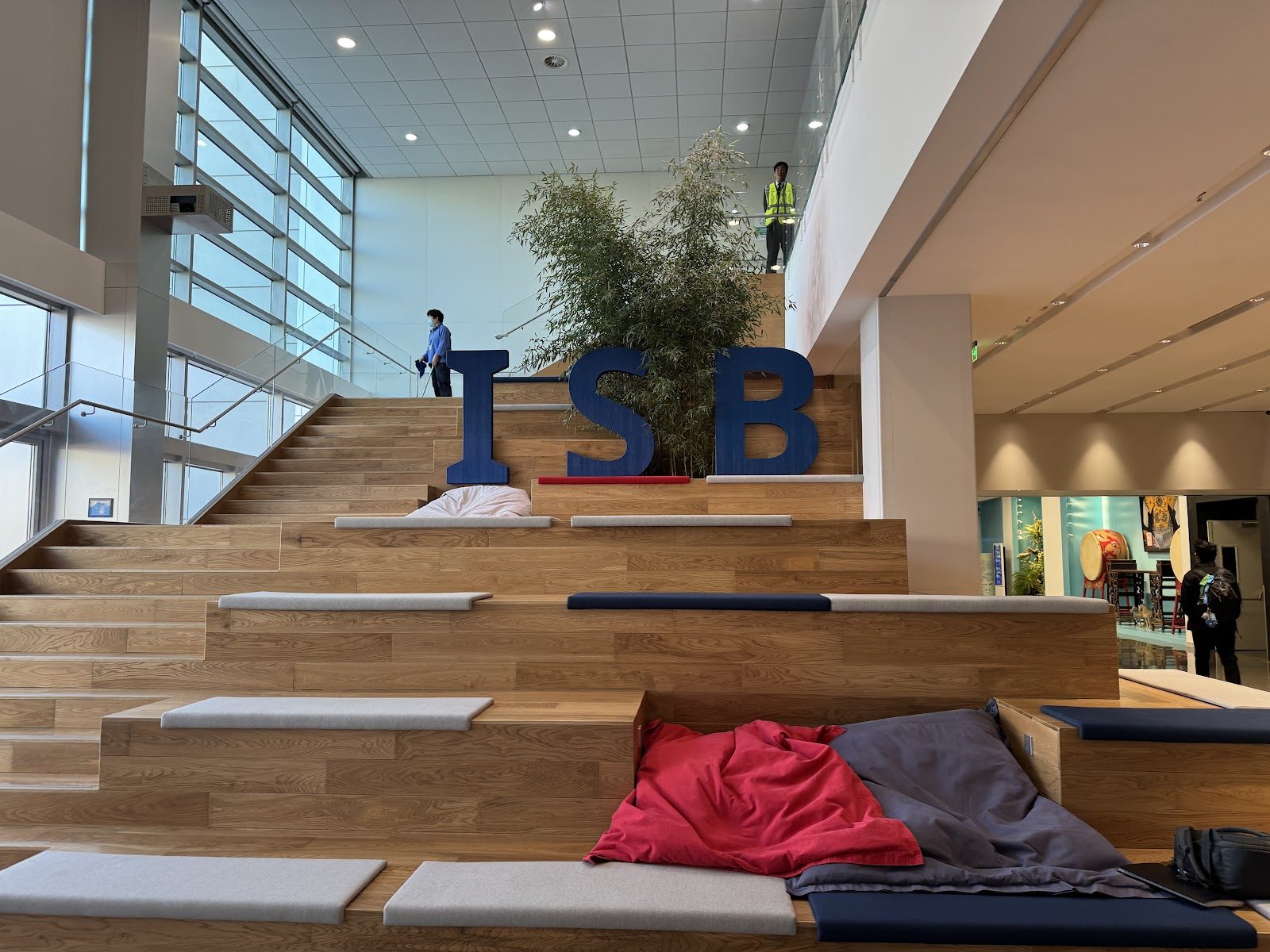
International School of Beijing
Beijing · China
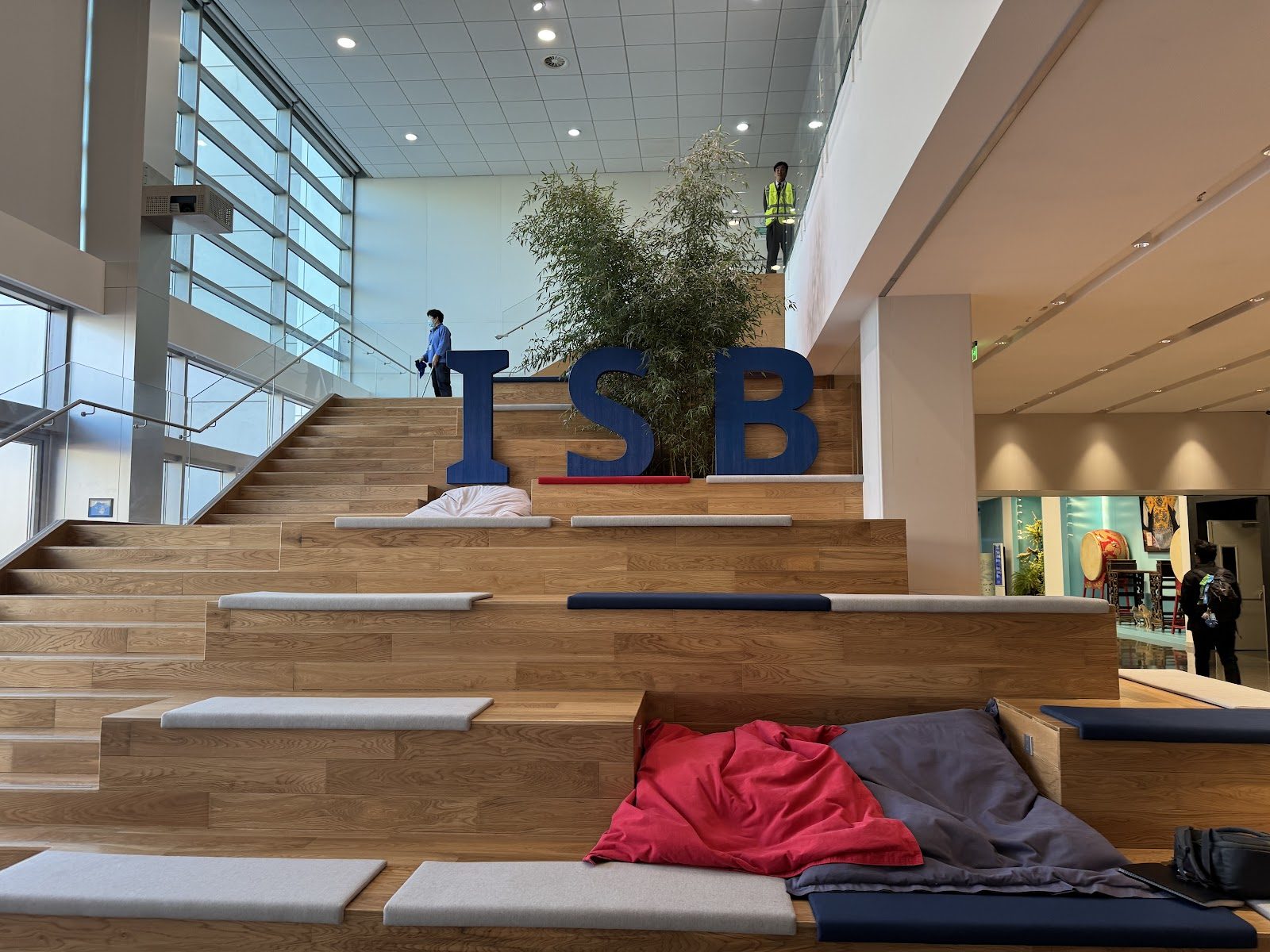
Founded in 1980 by five embassies, this Shunyi day school pairs a US diploma track with IB rigor and dual-language classes from early years.
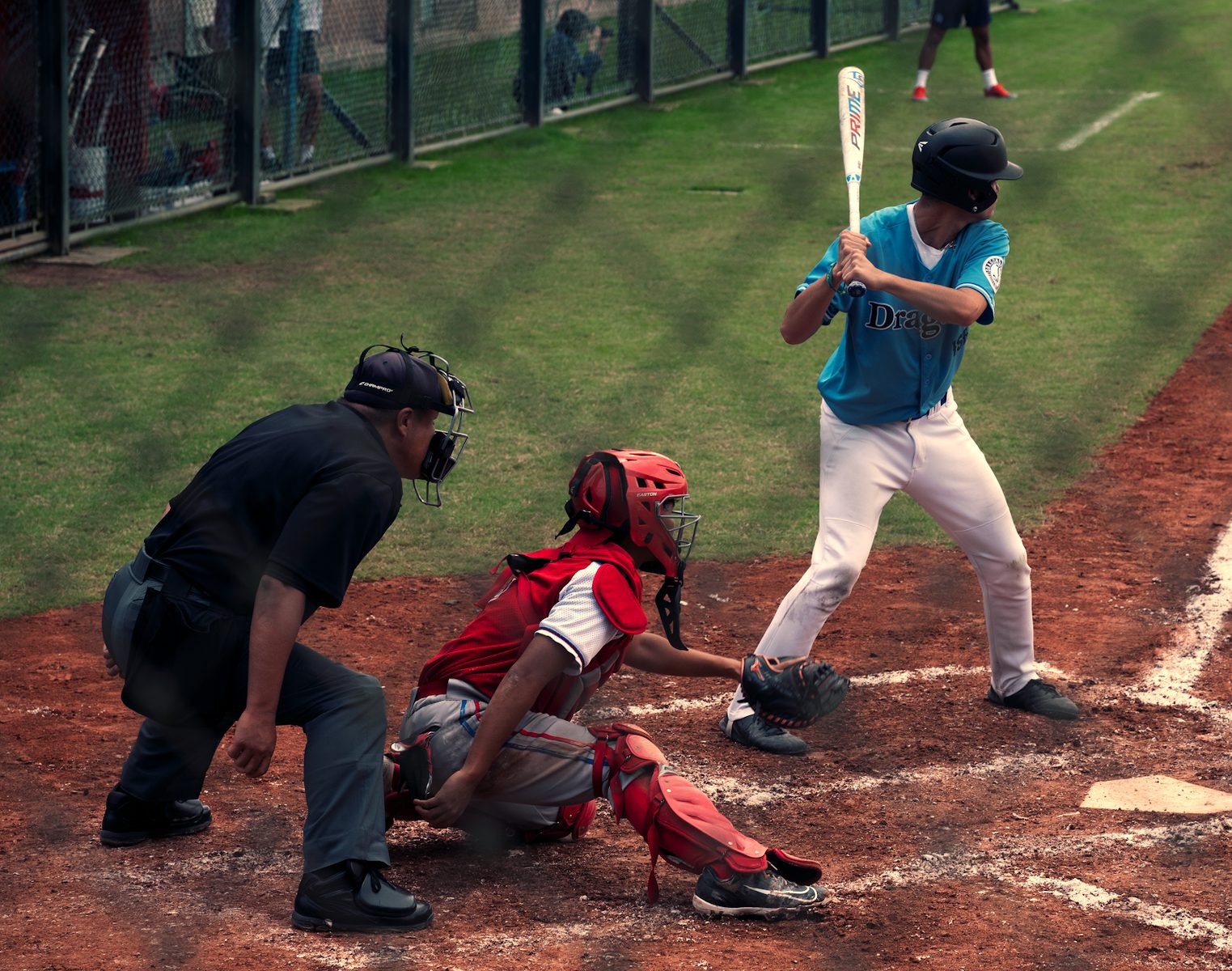
Shanghai American School
Shanghai · China
A century-old Shanghai institution since 1912, running AP and IB in parallel across two sprawling campuses
Keystone Academy
Beijing · China
Five houses named for the Chinese elements anchor a bilingual boarding culture on Beijing's Shunyi plain, near the Great Wall.
UWC Changshu China
Changshu · China
On an island in Kuncheng Lake, mainland China's first UWC pairs the IB diploma with mandatory Mandarin study and a student-run Zhixing service programme.
Same country and curriculum — closest matches within ±10 points either way