
Minnesota
Breck School
low confidence· 2/6 cats · 2.33 avg sourcesAn Episcopal-rooted campus outside Minneapolis unites preschool through senior year on one site, anchored by hands-on research science
Type
Day
Ages
3–18
Curriculum
American
Qualifications
AP
Ratio
1:8
The Verdict
Editor's commitment
Right for
Families wanting one 52-acre Golden Valley campus from age 3 to 18, with American college-prep and research-informed teaching.
Wrong for
Parents who want boarding, a secular ethos, or a cheaper option than Breck’s average annual day fee of $39,258.
Watch out for
Breck touts a 30 median ACT and 20,000 service hours; it does not publish aggregate AP or IB results because it offers neither.
Ranking breakdown
Breck School · #331 of 1591
Composite score 72.8. 8 weighted criteria.
By criterion
Academic Outcomes
Weight 20%
#333
of 1529 scored
University Placement
Weight 16%
#354
of 1529 scored
Prestige & Heritage
Weight 12%
#462
of 1529 scored
Alumni Network
Weight 12%
#306
of 1529 scored
Facilities
Weight 12%
#352
of 1529 scored
Transparency & Communications
Weight 8%
#354
of 1529 scored
Peer & Industry Review
Weight 10%
#387
of 1529 scored
Admissions Selectivity & Demand
Weight 8%
#438
of 1529 scored
Peer & Industry Review
How Breck School is regarded in the sector
73
Respected · medium confidence
Breck School is widely respected within Minnesota's independent-school landscape, consistently named alongside Blake and St. Paul Academy as one of the Twin Cities' premier Pre-K-12 institutions, with heads of peer schools frequently referencing its Episcopal-affiliated values-based model and arts/athletics balance. College counselors and admissions officers at selective universities regard Breck as a strong feeder, reflected in its Cum Laude Society chapter and consistent matriculation to institutions like the Ivies, University of Chicago, and top liberal arts colleges, cited in Naviance-based outcome data shared with families. National outlets like Niche.com rank it among Minnesota's top private K-12 schools, and it holds NAIS and ISACS accreditation, signaling peer-vetted institutional quality. Independent education press coverage is more regional than national, with local business and parenting publications (Minnesota Monthly, Twin Cities Business) highlighting its facilities and STEAM initiatives. It lacks the international profile of WhichSchoolAdvisor-reviewed boarding schools, but within U.S. Midwest independent school circles and NAIS conference participation, Breck is regarded as a benchmark institution for college-preparatory rigor combined with character education.
- Winona Ryder — Actress, Film
- Ann Bancroft — Polar Explorer, Exploration
- Erin Hamlin — Olympic Luge Athlete, Sports
Editors' overview
Breck’s strength sits in plain view: a single 52-acre campus in Golden Valley that carries children from age 3 to 18, with preschool, lower, middle and upper school all on one site. That matters. Schools that keep the whole age range together can drift into sprawl or sentimentality; Breck has a sharper proposition. It uses the scale of a 1,200-student school to give children continuity, older role models and access to facilities that smaller prep schools cannot match, while keeping a clear college-preparatory spine. The Episcopal foundation also looks substantive rather than decorative. The school states its commitment to welcoming families of all faiths or none, and pairs that religious inheritance with a stated emphasis on reason, inquiry and reflection. For parents who want a school with values but not doctrinal pressure, that is a useful distinction.
The more interesting differentiator is Breck’s insistence on research-informed teaching. Plenty of American independents talk about innovation; fewer anchor that claim in Mind, Brain, and Education Science and make it part of the school’s academic identity. Add the school’s own emphasis on intellectual inquiry, a published median ACT of 30, and a visible commitment to service through 20,000 hours, and the picture is clear: this is a school for able, busy students expected to think hard, join in and carry some weight beyond their own timetable. The average annual day fee of $39,258 places Breck in the upper tier of the Minneapolis-area independent market, but not at the level where fees alone become the story. The bigger question is fit.
The right student for Breck is academically motivated, comfortable in a high-expectation environment and willing to move between disciplines rather than hide inside one strength. A child who wants serious science, strong arts, competitive sport and a coherent community will find a lot to work with here. A child who needs anonymity, a looser academic culture or a school defined by social cachet rather than substance will not. Breck’s appeal is earned rather than flashy: one campus, long institutional memory, an Episcopal moral frame, and a school culture that pushes students towards achievement without pretending achievement is the whole point.
Academic Performance
Breck publishes one hard academic marker on its homepage: a median ACT of 30. That is a serious score in any independent-school context and places the academic centre of gravity well above the US norm. It signals a student body that performs strongly in standardised testing, not just a handful of top-end outliers. The school also frames itself as college preparatory and links that ambition to intellectual inquiry and research-informed teaching rather than exam drill. That matters. Schools with strong scores and a clear account of how teaching works carry more credibility than schools that trade on outcomes alone. For parents comparing Minneapolis-area independents, Breck sits in the upper academic tier.
There are limits to the public picture. The school does not publish a fuller set of external results here: no SAT profile, no AP participation or score breakdown, no subject-by-subject outcomes, and no college admissions list in the source extracts. That leaves a real gap in transparency for families who want to test the depth of performance across the cohort and across disciplines. The available evidence still points in a clear direction: Breck is academically strong, with a testing benchmark that many peers would be pleased to claim. But the school asks parents to trust a narrow headline measure. In a market where ambitious schools publish richer data, that restraint reads as needlessly opaque.
Facilities
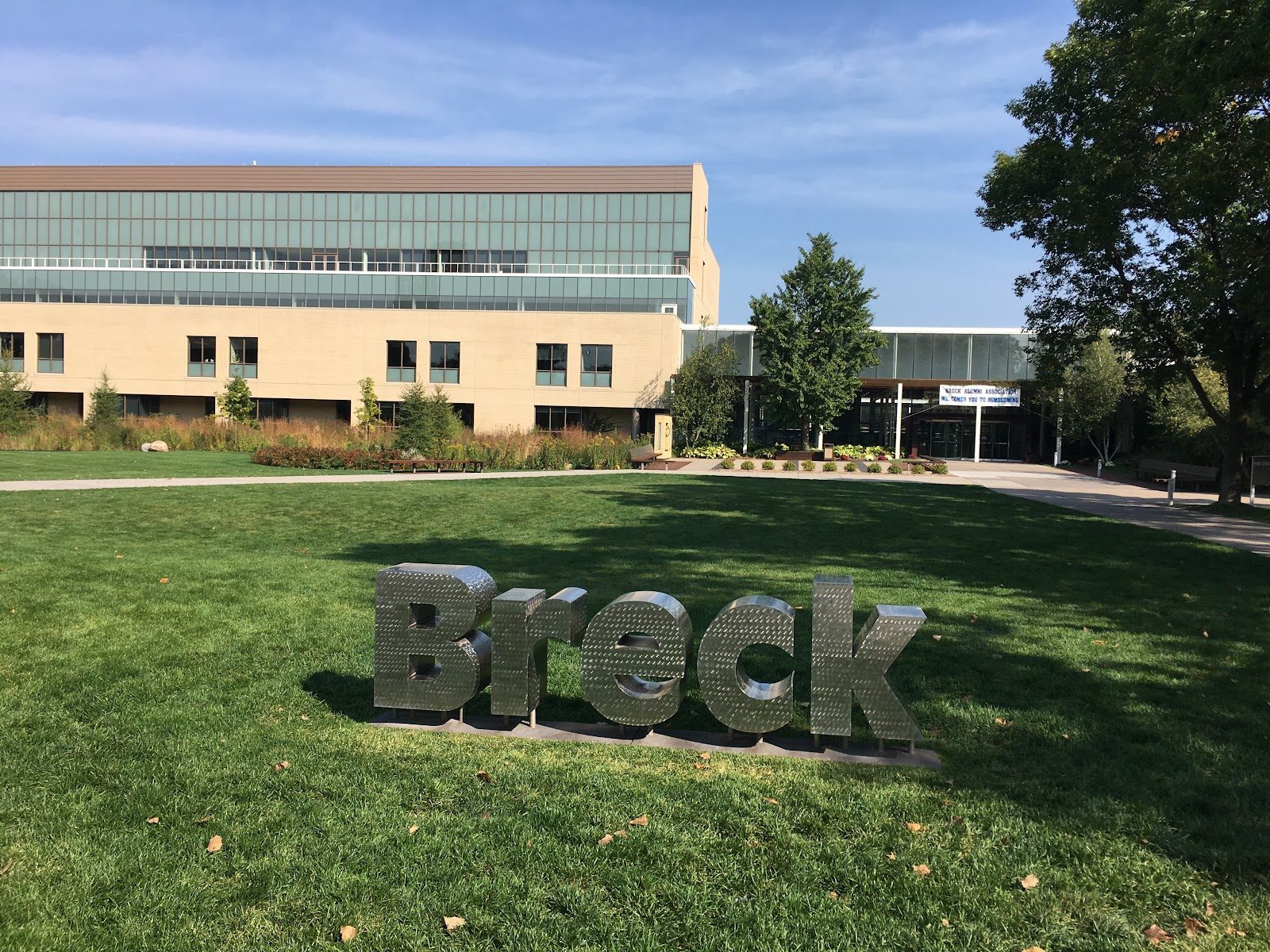
The physical advantage is the single-site all-through campus. On 52 acres, Breck has room to do more than stack classrooms and playing fields side by side. The school makes explicit use of that scale in two areas that matter: research science and cross-age community life. The science offer carries more weight than the usual independent-school promise of “good labs”, because Breck ties facilities to its research-informed teaching identity. For parents, that points to proper practical spaces, not science taught as a paper subject with occasional demonstrations. The one-campus model also gives younger pupils access to the atmosphere and infrastructure of an older school without the fragmented feel of split campuses. Against peer day schools, that is a real operational strength: many rivals have less land, less continuity, or both.
The benchmark question is depth. Breck states excellence across academics, athletics and the arts, and a school of 1,200 students on one campus should sustain serious specialist spaces in each. What is missing is a sharper public account of the facilities themselves. There is no detailed published inventory here of theatres, studios, performance venues, maker spaces, athletics provision or standout sporting infrastructure. That does not weaken the campus; it does limit scrutiny. In peer terms, Breck reads as well equipped and broadly resourced, with a stronger science story than many comparably priced day schools, but less precise public disclosure than the best-run independents provide when they want facilities to carry part of the case.
It signals a student body that performs strongly in standardised testing, not just a handful of top-end outliers
Prestige
Breck carries real local weight in the Twin Cities independent-school market. Long-established schools that educate children right through to the end of secondary school build prestige in durable ways: family networks, university counselling track record, strong co-curricular expectations and a recognisable social footprint across generations. Breck has that profile. The all-through structure on one campus strengthens it further. Parents are not buying a standalone prep or a narrow high school; they are buying entry into a full institutional ecosystem with 1,200 students, visible traditions and enough scale to sustain serious programmes across academics, arts, sport and service. The published median ACT score adds hard evidence that the school’s reputation is not decorative.
That said, Breck’s prestige is substantive rather than glamorous. This is not a school whose status rests on global brand recognition, celebrity alumni or headline-grabbing university placement data. Outside its home region, the name carries less instant cachet than the best-known East Coast boarding and day schools, and the public results picture remains thinner than top-tier peers should allow. That matters, because prestige at the highest level depends not just on reputation but on proof. Even so, for families in Minneapolis seeking an academically serious independent school with an Episcopal foundation, a broad age range and a culture of high participation, Breck sits in the top bracket. The average annual fee of $39,258 reinforces that status: expensive, but not absurdly priced for the market tier it occupies.
Schools that keep the whole age range together can drift into sprawl or sentimentality; Breck has a sharper proposition
Communications
Breck communicates with parents through a clear institutional narrative rather than a scatter of disconnected messages. The public-facing site does the core work well: it tells families what the school values, how it organises the age range, where it places its academic emphasis, and what sort of communal life it expects. Parents do not need to decode jargon to grasp the essentials. The school also puts a few memorable markers in plain sight — 1,200 students, 30 median ACT, 20,000 service hours — which gives its messaging more substance than the usual private-school mood board. The prominence given to chapel, community partnership and college counselling also tells parents something useful about internal priorities. This is a school that wants families to buy into a shared culture, not just a timetable.
The weakness is depth. Breck communicates ethos more effectively than evidence. It is good at stating what it stands for and weaker at supplying the granular proof that hard-headed parents want once initial interest turns into scrutiny. There is little public detail here on academic breakdowns, facilities inventory, or the mechanics of day-to-day parent communication. That leaves an avoidable information gap. Families who value a strong sense of mission and coherent voice will find the messaging disciplined and confident. Families who want data, operational detail and fuller disclosure before making contact will find it too controlled by half.
Uniqueness
What sets Breck apart is not the standard independent-school triad of academics, sport and arts. Plenty of schools claim that. Breck’s distinctive feature is the way it joins an Episcopal frame, a full age-range community and a declared commitment to Mind, Brain, and Education Science into one operating model. That combination gives the school a more coherent intellectual identity than many peers. Children are not moving through disconnected divisions with separate cultures; they grow up inside one institution that prizes inquiry, reflection and contribution to the common good. The weekly importance attached to chapel also matters. In many church-founded schools, religious life sits at the decorative edge. Here it functions as a shared civic space, with room for different traditions and no requirement for doctrinal conformity. For families who want values without dogma, that is a genuine differentiator.
The practical gain for students is breadth with continuity. A school of 1,200 on one campus can support serious opportunities across age groups, while keeping younger pupils in sight of older ones who set the tone. Add the school’s published 20,000 service hours and its stress on community partnership, and the message is plain: Breck expects students to do more than compile credentials. It asks them to participate, reflect and carry responsibility. That makes the school more demanding than polished marketing language lets on. For the right child, the result is a rarely well-integrated education: academically ambitious, morally framed and structured to produce engagement rather than passive consumption.
The Episcopal foundation also looks substantive rather than decorative
Student Profile
Breck suits the child who wants to be known, challenged and kept busy. In a school of 1,200, anonymity is scarce; participation carries social weight, and students who thrive here tend to accept that bargain. The school’s own language points to a cohort that is motivated, intellectually engaged and comfortable with adults who expect effort rather than excuses. The emphasis on inquiry, service and shared community life also gives the student body a distinct shape. This is not a place built for detached strivers who want strong grades with minimal obligation to anyone else. It asks for buy-in: in classrooms, in activities, and in the wider life of the school. Chapel and the Episcopal inheritance reinforce that culture, but the stated welcome to families of all faiths or none matters. The fit is best for pupils who can handle a values-led environment without needing it to be dogmatic.
The strongest fit is a student with high internal drive and enough range to move between academics, arts, sport and service without resenting the demand. Breck’s public markers — a median ACT of 30 and 20,000 service hours — point to a cohort where achievement and contribution sit side by side. That brings advantages for confident, energetic children who like structure, visibility and shared standards. It brings pressure too. A pupil who wants a more anonymous adolescence, a looser social climate or a school culture with less collective expectation will find Breck constraining. For the right family, though, the student experience is serious-minded, communal and deliberately stretching.
For parents who want a school with values but not doctrinal pressure, that is a useful distinction
Co-curricular strengths
Arts & sport, on a separate axis
Overall 9.04/10
Scored 0-10 from the school's own published evidence. This axis is editorial-only — it does not feed the main WTS ranking.
Sports
9.2/10
Powerful independent day athletic pipeline, fielding dominant varsity teams in ice hockey, soccer, and tennis across expansive grounds.
Drama
9/10
The modern performing arts center anchors an ambitious dramatic tracking program, mounting complex classical and modern plays.
Dance
9/10
Dedicated dance studios offering strong composition paths that serve as a headline asset for school arts showcases.
Music
9/10
High-end orchestral setups supporting advanced symphonies and traditional choral tracking that perform in major civic halls.
Visual Arts
9/10
Exceptional art school infrastructure running top-tier advanced studios for architecture, fine oil painting, and digital media.
Strengths
- +Founded in 1886 and rooted in Episcopal values, Breck is a preschool through grade twelve, college-preparatory day school with about 1,200 students on a single Golden Valley campus.
- +The school maintains a low student-teacher ratio of roughly 9:1, with an average class size of 16 pupils, supporting close academic attention.
- +Middle 50% standardized test scores run 1290-1430 on the SAT and 25-32 on the ACT, indicating a academically strong graduating cohort.
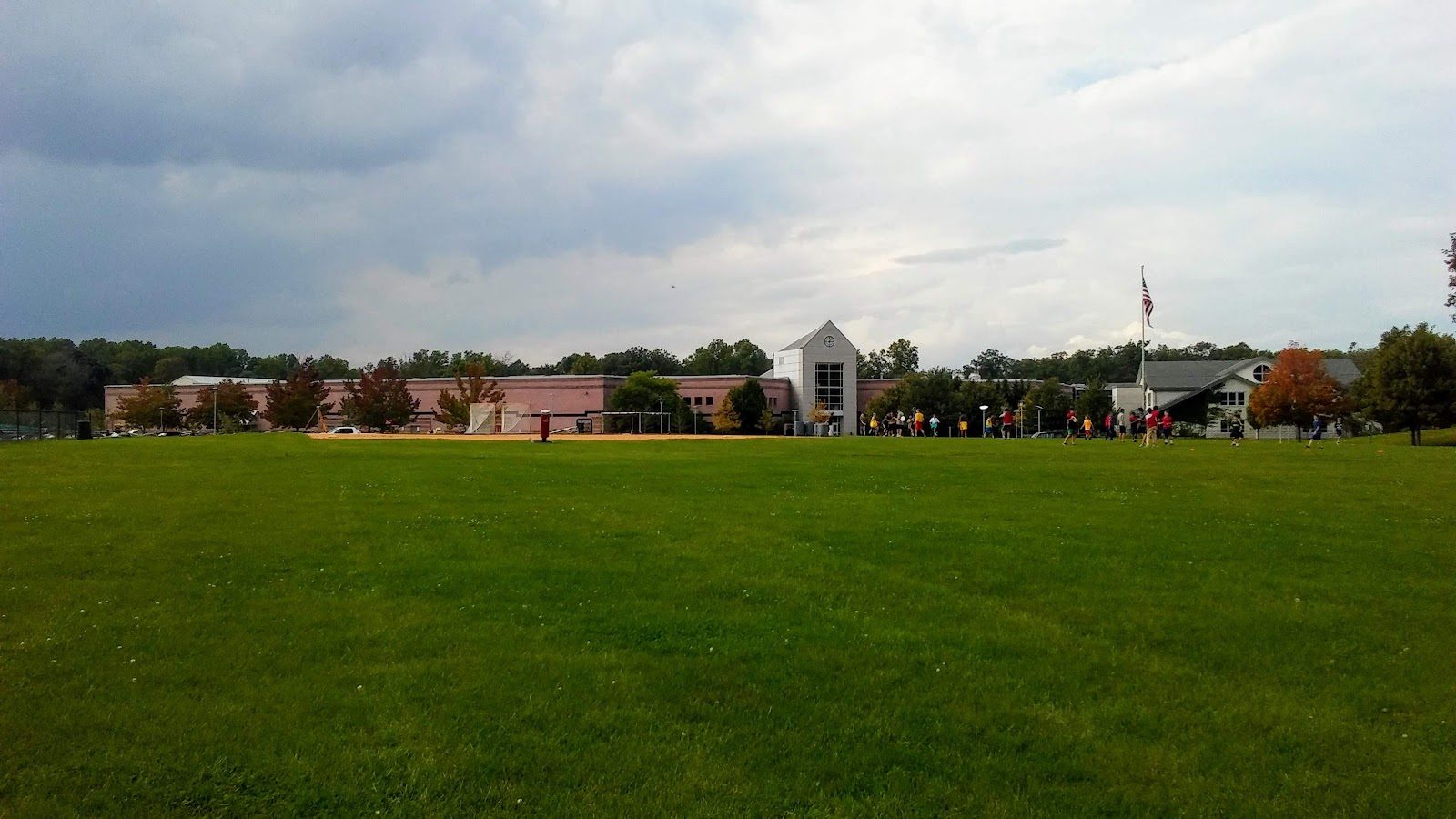
- +The 52-acre campus includes baseball, football and soccer fields, six tennis courts, track and field lanes, and a nearby dedicated ice arena for hockey.
- +An Advanced Science Research Program lets students join a university research laboratory or pursue a supported independent project full-time.
Considerations
- −Tuition for grades 9-12 stands at $38,580 a year, placing the school well above typical regional private-school fees and requiring a significant multi-year budget commitment.
- −High-school applicants must sit the SSAT or ISEE as part of admission, and all families must visit the campus as part of the application process, adding logistical steps for relocating families.
- −As a single-campus school in a Minneapolis suburb, families relocating from outside the Twin Cities metro have no boarding option and must commit to local housing near Golden Valley.
- −Breck retains an Episcopal religious affiliation, a structural quirk that secular-minded expat families should weigh even though the school states it welcomes all faiths.
Availability
Primary entry gate & tests
ISEE/SSAT + Interview
Gallery
Photo © A.A (OYaJi) via Google Maps
Photo © Jack Dreas via Google Maps
Photo © Jan Kulda via Google Maps
Parent reviews
Have you sent your child here?
Voice reviews carry the strongest trust badge — we transcribe them for you to tidy up before they go live. Prefer to type? A written review is fine too.
Add your voice
In 60 seconds, tell other parents: what's the best thing about Breck School, and what surprised you when your child joined?
We ask for a Google sign-in so every review has a real face behind it — no anonymous drive-by attacks on schools, and no faked positive reviews. Your email is never shown publicly.
Send this profile to a friend
International parents rely on word-of-mouth. Share this review with someone weighing the same decision.
Schools with places
Similar schools to Breck School with places available now.
Friends Seminary
New York City · United States
- 2026-27
- WAITPOOLLate/held pending openings
- 2027-28
- OPENS SOONExpected Sept '26
Saint Ann's School
Brooklyn · United States
- 2026-27
- WAITPOOLLate / attrition-dependent
- 2027-28
- OPENS SOONOpens 8 Sept '26
Ethical Culture Fieldston School
New York City · United States
- 2026-27
- WAITPOOLLimited late availability
- 2027-28
- OPENS SOONOpens post-Labor Day '26
Riverdale Country School
New York City · United States
- 2026-27
- WAITPOOLLate application possible
- 2027-28
- OPENS SOONOpens 8 Sept '26 (Noon ET)
Availability first, then country, area, curriculum, price, co-curricular
Consider also
Also worth looking at alongside Breck School.
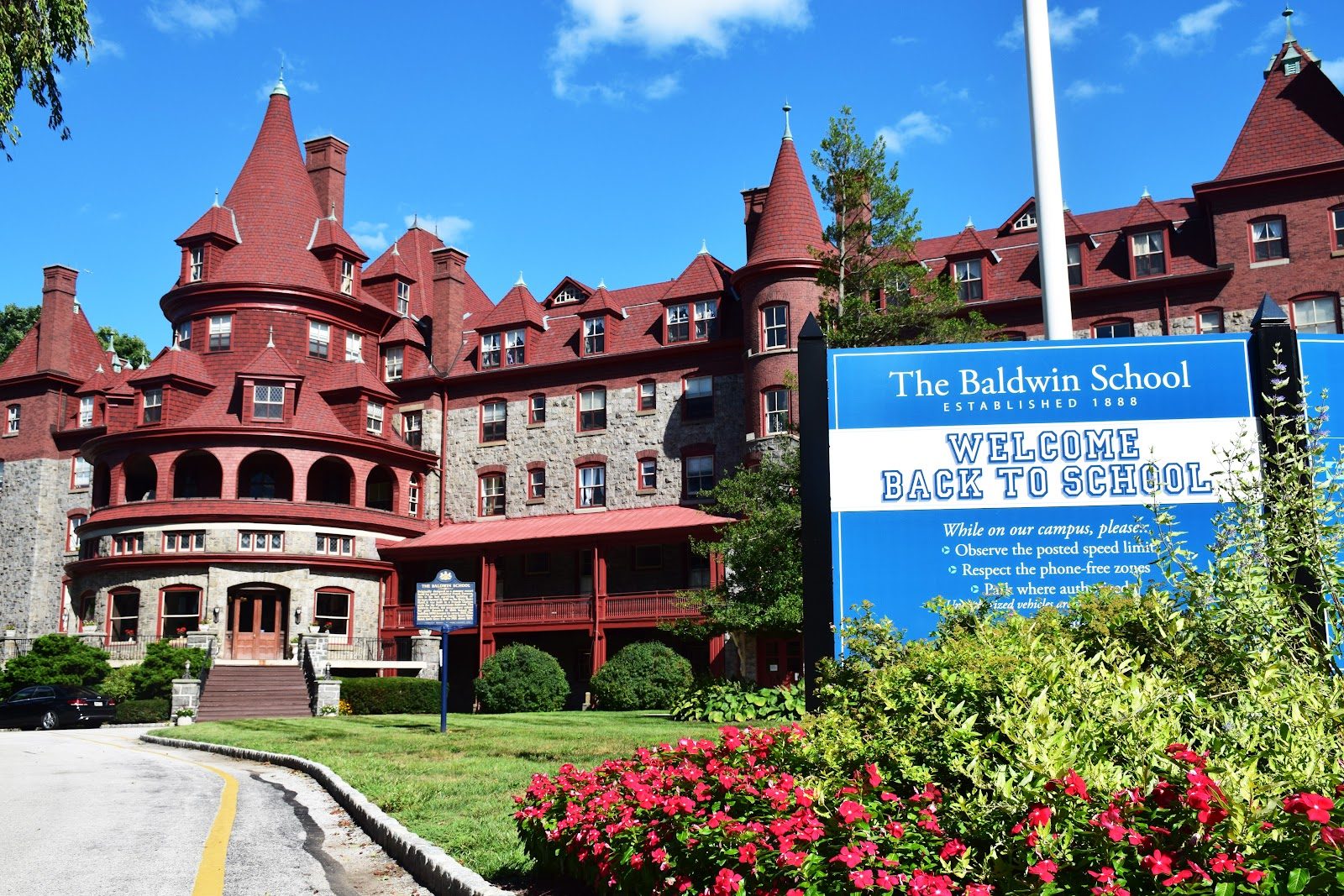
The Baldwin School
Bryn Mawr · United States
Since 1888, a single-sex college-prep tradition on Philadelphia's Main Line, housed in Frank Furness's landmark former Bryn Mawr Hotel.
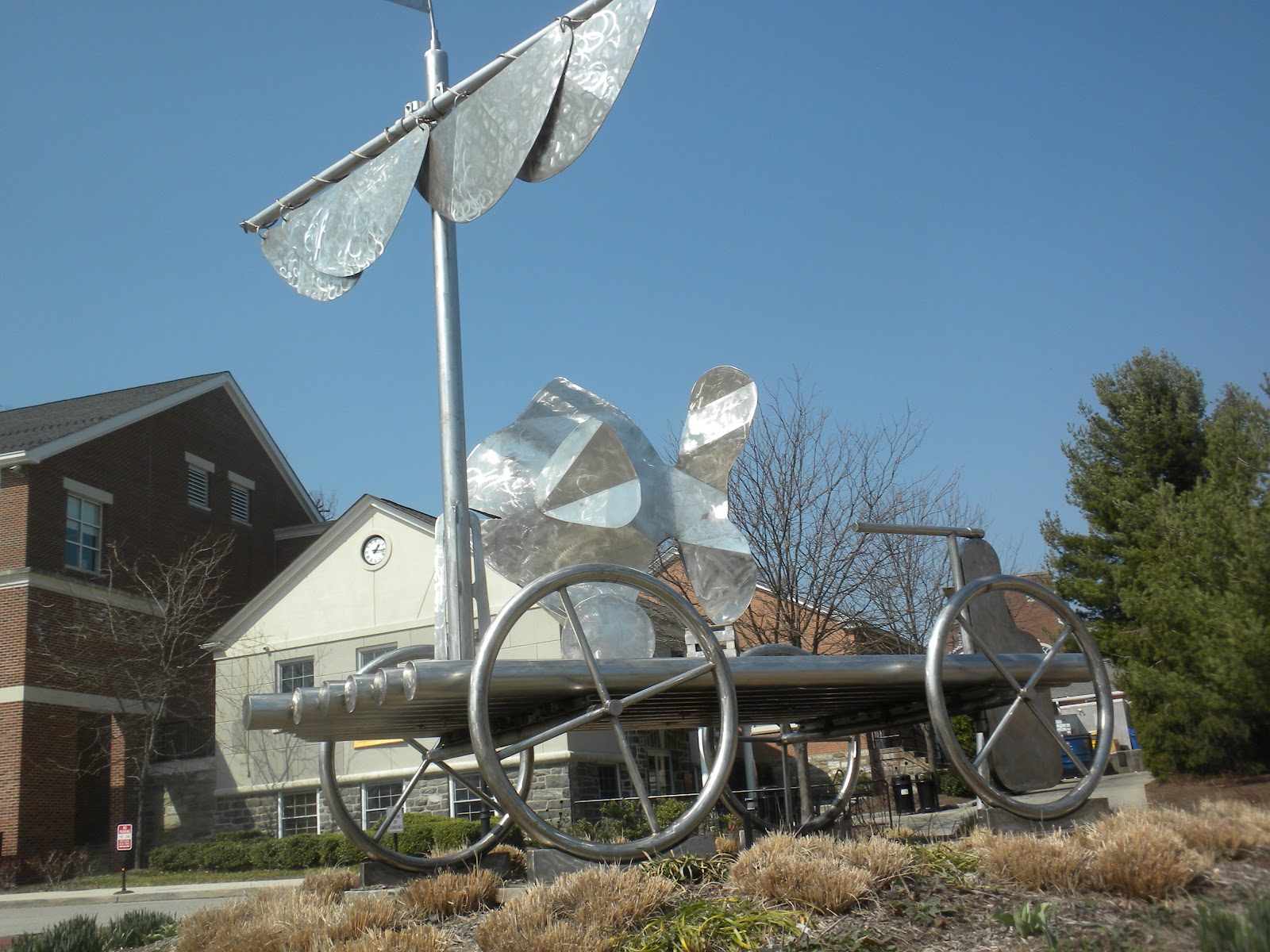
The Haverford School
Haverford · United States
Since 1884 on Philadelphia's storied Main Line, an all-boys campus balances rigorous academics with athletics and the arts.
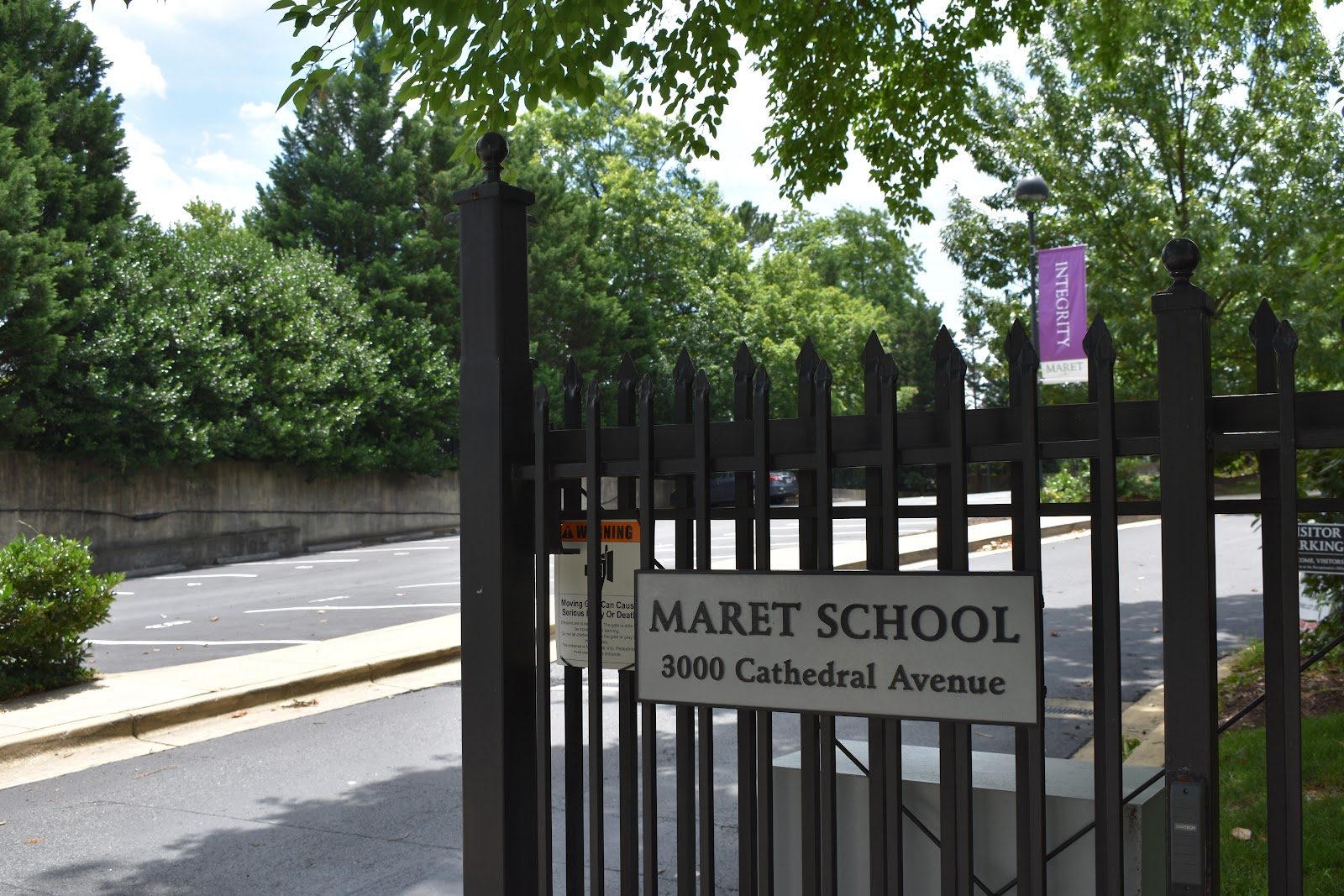
Maret School
Washington, D.C. · United States
A Federal-era Woodley Park estate carries forward the French-language roots planted by three immigrant sisters in 1911.
The Pingry School
Basking Ridge · United States
A 1861-founded New Jersey day school whose soccer pitches were deemed fit to host Morocco's 2026 World Cup training camp.
Same country and curriculum — closest matches within ±10 points either way