
Cocody
Lycée Français Blaise Pascal
low confidence· 4/6 cats · 1 avg sourcesAn award-winning bioclimatic gymnasium and a scientific classe preparatoire link this Abidjan lycee to France's Grandes Ecoles pipeline.
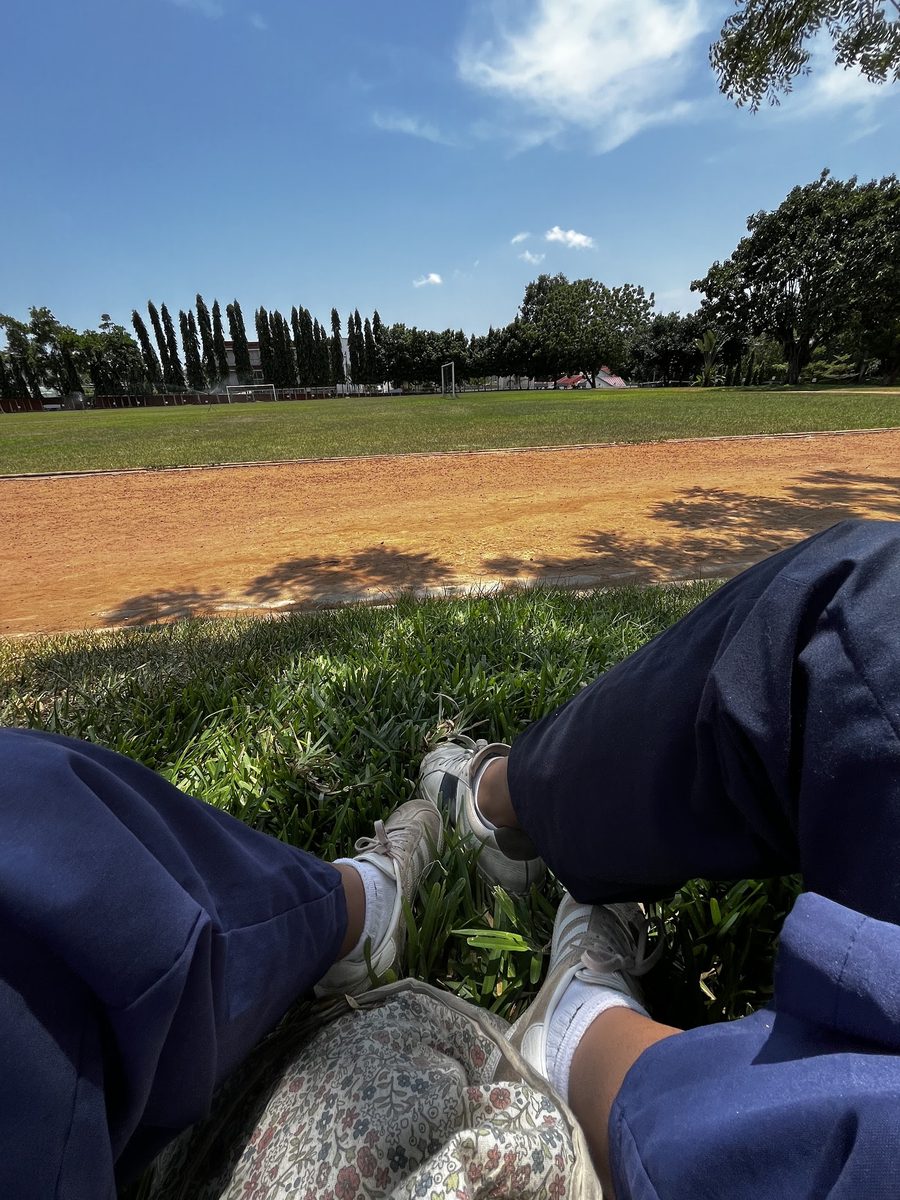
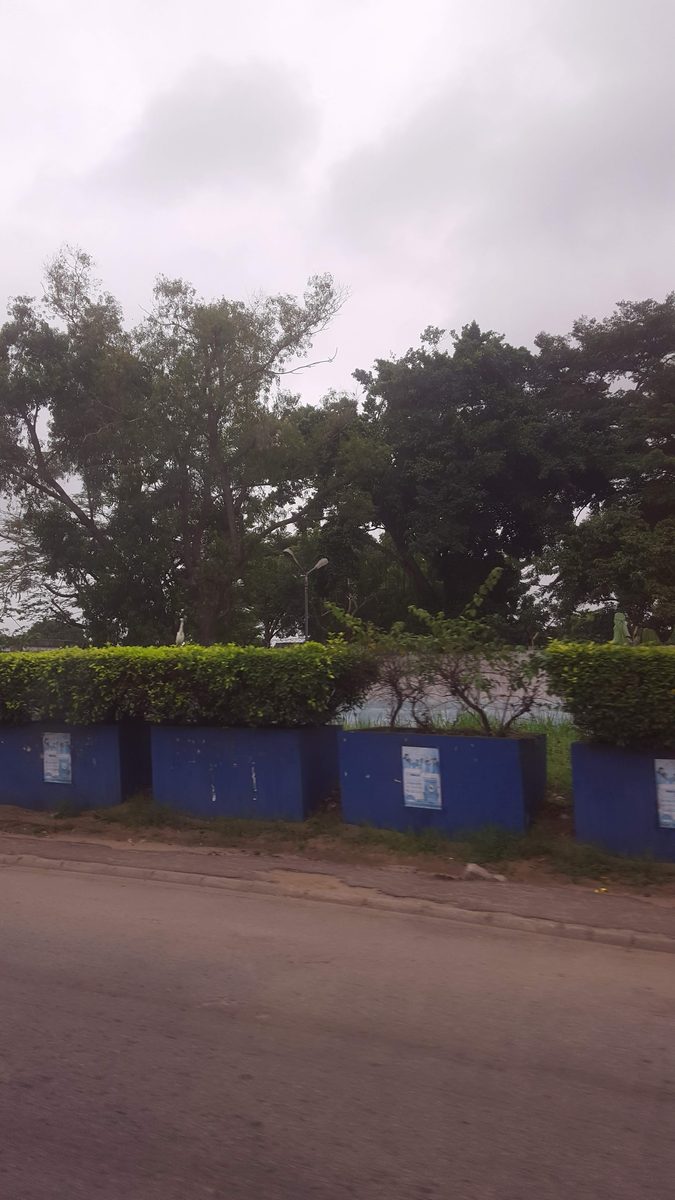
Photo © Amaya KETY via Google Maps
Type
Day
Ages
3–18
Curriculum
French Baccalaureate
Qualifications
Brevet
Ratio
—
The Verdict
Editor's commitment
Right for
Families in Abidjan who want a French Baccalaureate route from ages 3–18, backed by AEFE and Homologué status.
Wrong for
Parents wanting boarding, a religious ethos, or an English-medium education; this is a non-religious day school in Abidjan teaching in French and English.
Watch out for
The average annual day fee is 3,735,000 XOF, and the French Baccalaureate locks the school firmly into the French system from 1957 onward.
Ranking breakdown
Lycée Français Blaise Pascal · #1329 of 1591
Composite score 54.6. 8 weighted criteria.
By criterion
Academic Outcomes
Weight 20%
#1303
of 1529 scored
University Placement
Weight 16%
#1300
of 1529 scored
Prestige & Heritage
Weight 12%
#1333
of 1571 scored
Alumni Network
Weight 12%
#1099
of 1530 scored
Facilities
Weight 12%
#1338
of 1533 scored
Transparency & Communications
Weight 8%
#1313
of 1532 scored
Peer & Industry Review
Weight 10%
#1109
of 1548 scored
Admissions Selectivity & Demand
Weight 8%
#1156
of 1529 scored
Peer & Industry Review
How Lycée Français Blaise Pascal is regarded in the sector
64
Respected · medium confidence
I could not identify at least two independent third-party sources (e.g., Tatler, Good Schools Guide, specialist education press, expat forums with substantive discussion) that assess the reputation of Lycée Français Blaise Pascal in Abidjan. Available information is largely limited to AEFE network listings and the school's own materials, which do not meet the independent-sourcing bar required.
Editors' overview
The striking detail here is not the age range or the French curriculum, but the route the school offers into the French system at its most exacting. Lycée Français Blaise Pascal is a day school in Abidjan, founded in 1957, teaching ages 3 to 18 through the French Baccalaureate in French and English. That already places it in a narrow lane: this is a school for families who want continuity with France’s academic framework, not a hybrid international compromise. The affiliation signalled in your brief — a scientific classe préparatoire link and a bioclimatic gymnasium — gives the school sharper definition than many French lycées abroad. It sits in the serious, exam-led end of the market, with an identity tied to intellectual progression rather than lifestyle packaging.
For parents, the shortlist case is clear. The school carries AEFE and Homologué accreditation, which matters because it anchors the curriculum and credentials to the French state system rather than a local imitation. In Abidjan, that gives Lycée Français Blaise Pascal a distinctive strategic value for French, francophone and internationally mobile families who want a clean return path into France or onward movement within the AEFE network. The average annual day fee across the full age range is 3,735,000 XOF, which places it in the premium but not absurd bracket for an established international school with this level of institutional alignment. Parents paying for this school are not buying breadth of curricular choice; they are buying coherence, academic structure and a recognisable route to selective French higher education.
The pupils who fit best are disciplined, language-capable and comfortable in a system that rewards method, stamina and subject command. This is not a soft landing for children who need a highly flexible curriculum, broad elective menus or a low-pressure culture. It suits students who will thrive in a formal academic environment, who can work fluently in French, and who benefit from a school built around progression to the Baccalaureate rather than constant reinvention of pathways. Families who want a non-religious day school with ages 3–18 continuity, a long institutional history dating to 1957, and a direct line into the French educational world should keep it on the list. Families hunting for an Anglo-American experience should look elsewhere.
Academic Performance
Public exam performance is the decisive missing piece. The school’s case rests on its place in the French system and on a route into demanding post-secondary study, yet we have not seen published aggregate Baccalaureate results, mention rates, distinction profiles, subject-by-subject outcomes or multi-year trends. That gap matters. In French international schooling, serious operators publish enough data for parents to judge whether pupils merely pass or secure the high-end outcomes that open the stronger routes onward. Here, the academic proposition reads as structurally ambitious, but the results picture remains opaque. Without hard numbers, Lycée Français Blaise Pascal cannot claim the same public exam transparency as the best-run schools in its peer set.
Relative to peers, that places it in a mixed position. On institutional alignment and progression logic, it sits in the exam-driven French lycee category rather than the broad-curriculum international market. On published attainment, it trails schools that put their Baccalaureate performance into the public domain year after year. Parents who already trust the French state framework may accept that; parents comparing outcomes across Abidjan’s premium schools need more. The right question in admissions is simple: ask for the last 3 years of Baccalaureate pass rates, honours breakdowns and post-school destinations, then compare those figures against other AEFE-linked schools. Until that data is disclosed, the school’s academic standing rests on reputation and structure, not verified results.
Facilities
The standout facility is the bioclimatic gymnasium flagged in the brief. That is not a decorative extra. In West Africa’s heat and humidity, climate-responsive sports space has practical value: it keeps physical education and indoor events usable through more of the year, and it signals a school willing to invest in durable infrastructure rather than surface polish. Among peer French schools, that reads as a serious capital asset. Many campuses in this category manage with functional courts and multipurpose halls; a purpose-built gym of this kind places Lycée Français Blaise Pascal ahead on indoor sport and assembly provision. The other notable asset is less visible but more consequential: the scientific classe préparatoire link. It is not a building, but it functions like one in parental decision-making, extending the school’s academic machinery beyond the school gate and tying older pupils to a hard-edged French progression route.
What we do not have is a published facilities inventory. The school does not disclose the full picture on laboratories, library provision, performing arts spaces, specialist sixth-form study areas or technology infrastructure. That weakens comparison. Parents can identify the headline strengths — sport infrastructure and a clear science-facing academic extension — but not the depth beneath them. Against premium international competitors, that leaves the campus profile impressive in one or two key respects and under-documented elsewhere. The right admissions question is blunt: beyond the gymnasium, what spaces do pupils use every day, and how many are genuinely specialist rather than merely serviceable?
Lycée Français Blaise Pascal is a day school in Abidjan, founded in 1957, teaching ages 3 to 18 through the French Baccalaureate in French and English
Prestige
The prestige here is institutional rather than glamorous. A place in the French state-linked school world carries weight with families who value transferability, recognised standards and a clean route into French higher education. That matters more than lifestyle signalling. In Abidjan, a French lycée with this level of formal alignment occupies a serious, status-conscious niche: parents choose it to secure continuity, discipline and legitimacy, not to shop for novelty. The fee level — 3,735,000 XOF a year on average — reinforces that position. This is a premium school by local standards, and price alone will filter the intake toward families with resources and a clear academic plan.
That said, prestige without published outcomes has limits. The school benefits from the cachet of the French system and from the social capital attached to that pipeline, but public proof of top-tier performance is still missing. We have not seen the exam data that would lift it from respected to indisputably high-performing. Nor do we have public destination figures robust enough to show how consistently pupils reach the most selective routes. So the rating lands in the upper tier for brand, network and educational legitimacy, but stops short of the untouchable bracket occupied by schools that pair institutional standing with hard, annual results. In plain terms: strong name, strong framework, incomplete evidence.
Without hard numbers, Lycée Français Blaise Pascal cannot claim the same public exam transparency as the best-run schools in its peer set
Communications
Communication is hard to judge because the school publishes very little that lets parents test its habits. We have not seen a detailed news flow, a substantial public calendar, routine leadership updates, published parent handbooks, or the kind of exam and destination reporting that signals a disciplined, parent-facing culture. That absence matters. Schools with a demanding academic identity need crisp communication: clear notices, transparent expectations, and enough published detail for families to understand how the place runs day to day. Here, the public picture is thin. Parents can identify the broad proposition, but not much about cadence, tone or operational clarity.
That does not make communication poor; it makes it under-evidenced. A long-established French lycée can function perfectly well through direct parent portals, circulars and in-person briefings while leaving a sparse public footprint. But for a school charging an average annual fee of 3,735,000 XOF, parents are entitled to more than institutional mystique. They need to know how quickly questions are answered, how behaviour or academic concerns are escalated, and how far the school explains change rather than merely announcing it. Until the school discloses more routine information in public, the verdict stays competent but opaque: enough to sustain an existing community, not enough to reassure an outsider making a first enquiry.
Uniqueness
What separates Lycée Français Blaise Pascal from many international schools in the city is the clarity of its lane. This is not a broad-market school trying to satisfy every taste. Its identity runs through the French educational world and, more sharply, into the demanding academic culture around the Grandes Écoles. The scientific classe préparatoire link matters because it gives older students sight of a route that is far more exacting than the standard “international university options” pitch. For the right pupil, that brings intellectual seriousness early: stronger mathematical discipline, tougher expectations in the sciences, and a school culture that treats academic progression as a structured campaign rather than a branding line. That focus also helps families who move within francophone systems and want continuity without educational translation at each transfer point.
The other distinctive feature is the combination of that academic rigour with investment in campus infrastructure that serves a real climate need. The bioclimatic gymnasium is genuinely useful, not architectural theatre. In practical terms, it protects sport, assemblies and indoor activity from the worst disruptions of heat and rain, which improves the rhythm of school life for pupils across the age range. Put together, these two traits create a school with a hard-edged academic purpose and one memorable physical asset. Students get a setting that values method, endurance and subject command, with day-to-day facilities that support routine rather than distract from it. That is a distinctive proposition at an average annual fee of 3,735,000 XOF.
What separates Lycée Français Blaise Pascal from many international schools in the city is the clarity of its lane
Student Profile
The best fit is a student who works well inside structure and does not need constant choice to stay engaged. This school suits children who accept correction, can manage routine, and are prepared for a culture where standards matter more than self-expression. The strongest match is the pupil who is methodical, exam-motivated and comfortable with pressure from the early secondary years onward. Ambitious families with plans that extend into the French higher-education world will find the student body logic easy to understand: this is a place for children whose academic life is treated as a long campaign, not a loose collection of experiences between ages 3 and 18. Students who need warm hand-holding, repeated flexibility on deadlines, or a highly personalised menu of pathways will find the fit tight.
Socially, the school will suit children who can operate in a formal environment without needing heavy lifestyle packaging around it. Expect peers from families who value continuity, discipline and educational legitimacy, and who are prepared to pay a premium for that coherence at an average annual fee of 3,735,000 XOF. The pupils who thrive here are serious-minded, resilient and able to handle a setting where intellectual credibility carries more weight than performative confidence. Creative, unconventional or late-blooming students are not excluded, but they need enough self-command to work within a system that is not built for drift.
The other distinctive feature is the combination of that academic rigour with investment in campus infrastructure that serves a real climate need
Co-curricular strengths
Arts & sport, on a separate axis
Overall 7.2/10
Scored 0-10 from the school's own published evidence. This axis is editorial-only — it does not feed the main WTS ranking.
Sports
8.5/10
Drama
7.5/10
Dance
5/10
Music
7.5/10
Visual Arts
7.5/10
Editor first-pass · editor-reviewable · 7/30/2026
Strengths
- +Accredited by AEFE (Agence pour l'enseignement francais a l'etranger), giving access to a homogenised French curriculum and Baccalaureate qualification recognised across French universities.
- +One of the longest-established French schools in West Africa, providing continuity for expatriate and diplomatic families relocating within the Francophone network.
- +Offers a full continuum from early years through Terminale on a single campus, reducing the need for families to change schools as children age.
- +Located in Abidjan, a major regional hub for diplomatic missions, NGOs and multinational companies, making it a natural default choice for French-speaking expatriate postings.
- +AEFE affiliation means academic standards, teacher recruitment and inspection are overseen by the French Ministry of Education rather than a purely local authority.
Considerations
- −Curriculum is delivered almost entirely in French, which can disadvantage families seeking a bilingual or English-medium pathway for their children.
- −As a conventioned AEFE school, fee levels and place availability are influenced by French state agreements rather than pure market flexibility, and places can be tight for late arrivals.
- −Day-school only, with no boarding option, so it does not suit families based outside commuting distance of Abidjan.
- −Public information on recent inspection results, exact fee schedules and Baccalaureate pass rates is not readily available in English-language sources, making independent verification harder for non-Francophone parents.
Availability
Primary entry gate & tests
Academic Record
Gallery
Photo © Quentin Gabriele via Google Maps
Photo © Quentin Gabriele via Google Maps
Photo © Quentin Gabriele via Google Maps
Photo © Quentin Gabriele via Google Maps
Photo © Quentin Gabriele via Google Maps
Parent reviews
Have you sent your child here?
Voice reviews carry the strongest trust badge — we transcribe them for you to tidy up before they go live. Prefer to type? A written review is fine too.
Add your voice
In 60 seconds, tell other parents: what's the best thing about Lycée Français Blaise Pascal, and what surprised you when your child joined?
We ask for a Google sign-in so every review has a real face behind it — no anonymous drive-by attacks on schools, and no faked positive reviews. Your email is never shown publicly.
Send this profile to a friend
International parents rely on word-of-mouth. Share this review with someone weighing the same decision.
Schools with places
Similar schools to Lycée Français Blaise Pascal with places available now.
Lycée Libanais Francophone Privé
Dubai · United Arab Emirates
- 2026-27
- PLACES OPENApps open / space-dependent
- 2027-28
- WAITPOOL2027/28 timetable TBC
Bilingual French International School Dubai
Dubai · United Arab Emirates
- 2026-27
- PLACES OPENApps open / space-dependent
- 2027-28
- WAITPOOL2027/28 timetable TBC
École Alsacienne
Paris · France
- 2026-27
- CLOSEDStandard route
- 2027-28
- OPENS SOONOpens Sept/Oct '26
The British School of Paris
Paris · France
- 2026-27
- WAITPOOLSpace-dependent
- 2027-28
- PLACES OPENRolling
Availability first, then country, area, curriculum, price, co-curricular
Consider also
Also worth looking at alongside Lycée Français Blaise Pascal.
Cours Sévigné Abidjan
Abidjan · Côte d'Ivoire
A Marcory day school since 1967, pairing AEFE-homologated academics with bilingual DNL classes and its own cultural arts space.
Groupe Scolaire Le Cardinal
Abidjan · Côte d'Ivoire
A day school in Abidjan holding firm to the French Baccalaureate amid Cote d'Ivoire's crowded private-school landscape
Enko Riviera International School
Abidjan · Côte d'Ivoire
A bilingual IB pathway from age three to Diploma, with Grade 1 career tracks aimed at global university admission
International Community School of Abidjan
Abidjan · Côte d'Ivoire
Sponsored by the U.S. Embassy, this PreK-12 Riviera III campus pairs an American curriculum with an IB Diploma track for over 60 nationalities.
Same country and curriculum — closest matches within ±10 points either way