
Cuajimalpa + Lomas
Colegio Peterson
low confidence· 4/6 cats · 1 avg sourcesMontessori roots since 1965, four Mexico City campuses now converging on a single IB diploma track
Type
Day
Ages
2–18
Curriculum
IB
Qualifications
IB Diploma · IB MYP · IB PYP
Ratio
—
The Verdict
Editor's commitment
Right for
Mexico City families wanting a day school for ages 2–18 with English-Spanish teaching and a single IB track to the Diploma Programme.
Wrong for
Parents who want boarding, a religious ethos, or published academic hard data beyond IB World School, CIS and SEP accreditation.
Watch out for
Founded in 1985, Peterson talks fluently about values and technology; it does not publish aggregate IB results, destination lists or cohort data.
Ranking breakdown
Colegio Peterson · #1331 of 1591
Composite score 54.6. 8 weighted criteria.
By criterion
Academic Outcomes
Weight 20%
#1299
of 1529 scored
University Placement
Weight 16%
#1300
of 1529 scored
Prestige & Heritage
Weight 12%
#1357
of 1571 scored
Alumni Network
Weight 12%
#995
of 1530 scored
Facilities
Weight 12%
#1314
of 1533 scored
Transparency & Communications
Weight 8%
#1293
of 1532 scored
Peer & Industry Review
Weight 10%
#1108
of 1548 scored
Admissions Selectivity & Demand
Weight 8%
#1156
of 1529 scored
Peer & Industry Review
How Colegio Peterson is regarded in the sector
64
Respected · medium confidence
I could not identify at least two independent, credible third-party sources (e.g., Tatler, Good Schools Guide, specialist education press, or established expat forums) that substantively assess Colegio Peterson's reputation. Available information appears limited to school-affiliated marketing or unverified directory listings, which do not meet the evidentiary threshold required.
Editors' overview
Colegio Peterson occupies a distinct niche in Mexico City: a long-established bilingual day school with Montessori roots, a non-religious outlook and a clear international lane through the IB. The key point for parents is continuity. Children can enter at age 2 and stay through to 18, in English and Spanish, without a forced switch into a different educational culture at sixth form. The school has offered the IB Diploma Programme since 2004, and its current direction is plain: four campuses feeding into a single IB diploma track. That matters in a crowded market where many schools claim an international ethos but run a more fragmented academic model.
What sets Peterson apart is not mystique but structure. The school’s own language centres on self-direction, curiosity, technology and holistic development. That combination gives it a recognisable profile: bilingual fluency, self-directed learning and an explicit interest in digital competence, all inside a secular framework. Parents who want old-fashioned academic severity, public exam data on every page, or a narrowly traditional school culture will find Peterson less compelling. The school talks more about educational environment, values and student development than about headline results. That is a real limitation for hard-nosed families comparing outcomes across the city: the school does not publish aggregate IB scores in the public domain.
Why keep it on a shortlist? Because Peterson offers something many Mexico City schools do not package as coherently: international ambition without religious framing, a broad age range, and a bilingual pathway that does not treat English as a decorative extra. For internationally mobile families, mixed-nationality households and Mexican parents who want a secular, outward-facing education, that has weight. Its accreditations — IB World School, CIS and SEP — give the school external anchors, and the multi-campus footprint points to institutional scale rather than a boutique operation.
The right student for Peterson is curious, adaptable and comfortable in two languages. This suits children who thrive in a warm and caring environment but still need intellectual stretch, and older students who want the IB rather than a local-only leaving qualification. It also fits families who value multicultural ease and personal growth as much as raw score-chasing. Students who need relentless competition, a highly formal atmosphere or published performance metrics at every turn will fit better elsewhere.
Academic Performance
Peterson’s public record on academic performance is thin where it matters most. The school states that it has offered the IB Diploma Programme since 2004, but it does not publish aggregate IB outcomes: no average point score, no pass rate, no subject breakdown, no share of students earning bilingual diplomas, and no year-on-year trend line. That leaves parents without the basic comparative data that strong IB schools now treat as standard disclosure. In a market where serious competitors publish headline results, university destinations or both, Peterson asks families to accept too much on trust. The school’s own language leans towards values, environment, technology and personal development; it does not build a public case for exam sharpness.
That does not mean weak results. It means opaque results. The existence of a long-running IB diploma track gives the school a clear external benchmark, and continuity across the age range can support steady academic preparation before the final two years. But relative to peers, Peterson sits in the category of schools with recognised international credentials and *insufficient published performance evidence*. For families who judge schools by hard outcomes, that is a material weakness. For families who prioritise culture and pastoral fit ahead of league-table scrutiny, the absence of disclosed data will matter less. Still, on academic performance, Peterson has not earned public distinction because it has not published the figures that prove it.
Facilities
Peterson’s public case on facilities is striking for what it emphasises and what it leaves vague. The school points to infrastructure improvement, digital technologies and information technology as central supports for learning, which tells parents that classrooms and teaching spaces are built around screen-based work rather than around heritage architecture, specialist spectacle or grand sporting statements. That puts Peterson in the camp of schools where facilities serve the programme rather than advertise the brand. For many families, that is sensible. For parents hunting for the kind of campus shorthand that rivals use to sell themselves — theatres, competition pools, vast playing fields, high-spec science centres or headline arts venues — Peterson gives too little public detail. Across 4 campuses, one would expect variation in age, scale and finish, yet the school does not publish the kind of campus-by-campus breakdown that serious comparisons need.
Against Mexico City peers, that leaves Peterson in a middle rank on facility transparency. Schools at the top end of the market now show parents exactly where science, sport, performance, early years and sixth form live, often with floor-by-floor clarity. Peterson does not. What it does communicate is a warm and caring environment and a sustained investment in educational technology, both relevant and useful, especially for younger children and families who care more about day-to-day usability than architectural theatre. Still, the absence of concrete public detail makes the estate harder to rate than it should be, and that is a real weakness in a competitive market.
Peterson does not publish aggregate IB outcomes, and that weakens its claim to top-rank distinction
Prestige
Peterson carries solid local standing and modest wider prestige. In Mexico City it has the advantages that matter to many internationally minded families: a long-running presence, a recognisable name, multiple campuses and a settled pathway into the IB Diploma. That gives it credibility and practical appeal. It does not, however, occupy the top prestige tier occupied by schools that pair institutional history with relentless public proof of academic outcomes, high-visibility university destinations or a more rarefied social cachet. Peterson’s reputation rests more on continuity, bilingual international education and a values-led culture than on elite academic theatre. For some families that is a strength. For others, it lowers the school’s status in a hard-nosed comparison set.
The school’s own public language reinforces that positioning. It talks at length about curiosity, self-direction, holistic development, technology and community. Those are serious educational commitments, but they do not create automatic prestige on their own. Prestige in this market also depends on selectivity, published results and the strength of the school’s public academic narrative. Peterson does not publish aggregate IB outcomes, and that weakens its claim to top-rank distinction. The result is a school with respectable institutional weight rather than glamour: established, credible and attractive to families who want substance without social performance, but not a badge school that carries instant shorthand status across every international-parent circle.
Families looking for high-pressure academic theatre or constant public proof of results will not find Peterson distinctive in the way they want
Communications
Peterson’s parent-facing communication is clear on ethos and thin on hard operating detail. The website gives families a coherent picture of the school’s values, educational philosophy and institutional priorities, and it does so in plain language rather than inflated sloganising. That helps parents understand what daily school life is meant to feel like: self-directed, warm and caring, digitally minded, secular. The publication of an annual report also matters. Plenty of schools talk about growth and improvement; fewer point parents towards a formal account of achievements, challenges and infrastructure work. With 4 campuses feeding one senior pathway, that kind of structured communication is not optional. It is basic institutional hygiene.
The weakness sits in depth and specificity. Peterson communicates culture better than performance, and aspiration better than evidence. Parents can grasp the school’s educational mood quickly, but they get less public clarity on the things that test communication quality under pressure: campus-by-campus practicalities, comparative outcomes, and the kind of sharply organised information that helps a family judge one site against another. That leaves communication competent but incomplete. For families choosing on pastoral fit and philosophical alignment, Peterson does enough. For parents who want hard-edged transparency and decision-grade detail, it falls short. The school does not hide what it values; it does leave too much unsaid about how those values translate into measurable results and everyday delivery.
Uniqueness
Peterson’s distinctiveness lies in the way it joins Montessori inheritance to a through-school structure that now channels students towards one shared senior academic route. Many schools borrow bits of child-centred language in the early years, then tighten into something more conventional later on. Peterson keeps self-direction, curiosity and personal responsibility at the centre of its public educational model across 4 campuses. That gives students a clearer internal logic to their schooling: independence is not treated as a nursery slogan and then dropped when exams matter. The school also puts unusual weight on information technology as part of its core academic identity, not as an add-on. For students, that means daily learning shaped by digital fluency, initiative and comfort working across disciplines rather than by rote alone.
The payoff is strongest for children who learn best when trusted to organise themselves, speak up and navigate more than one cultural frame at once. Peterson offers a less rigid experience than schools built around overt hierarchy or relentless score-display, and that can produce students who are more self-possessed, more adaptable and better able to function in international settings. There is a trade-off. A model built on warmth, values and student agency demands a child who will use that freedom well. Families looking for high-pressure academic theatre or constant public proof of results will not find Peterson distinctive in the way they want. Families who want grown-up independence inside a secular school culture will.
Colegio Peterson occupies a distinct niche in Mexico City: a long-established bilingual day school with Montessori roots, a non-religious outlook and a clear international lane through the IB
Student Profile
The Peterson student is not a striver in search of a school built around rank, pressure and public score-display. The better fit is a child who responds to autonomy, absorbs guidance without needing constant external control, and can work productively in a setting that prizes curiosity, responsibility and self-esteem. This suits confident independents, thoughtful late bloomers and internationally minded children who move comfortably between different social worlds. It also suits families who want a school that is secular without being cold, values-led without sanctimony, and attentive to the whole child rather than only the transcript. Children who need tight discipline, heavy competition or a more hard-charging atmosphere will find Peterson too gentle in tone.
Across 4 campuses and a full age range, the social mix is broad enough to accommodate different personalities, but the common thread is clear: students need to engage. Passive children who wait to be pushed at every turn will not get the best from this environment. The school’s emphasis on technology and self-direction favours pupils who are organised, verbally confident and ready to take some ownership of their learning. In the senior years, that matters even more. Peterson fits students who can handle freedom without drifting, and who value multicultural ease, personal agency and a school culture that rewards maturity over swagger.
Children can enter at age 2 and stay through to 18, in English and Spanish, without a forced switch into a different educational culture at sixth form
Co-curricular strengths
Arts & sport, on a separate axis
Overall 7.12/10
Scored 0-10 from the school's own published evidence. This axis is editorial-only — it does not feed the main WTS ranking.
Sports
7.5/10
Drama
6.7/10
Dance
6.8/10
Music
7.1/10
Visual Arts
7.5/10
Editor first-pass · editor-reviewable · 7/30/2026
Strengths
- +Offers the full IB continuum (PYP, MYP and DP), giving families a single coherent curriculum pathway from early years through to university entrance.
- +Bilingual English-Spanish instructional model suits both expatriate families and local Mexican families seeking international credentials.
- +Day-school structure keeps students embedded in family life and the local Mexico City community rather than a boarding environment.
- +Located in Mexico City, giving access to the city's broader expatriate and diplomatic community networks common to IB day schools in the capital.
Considerations
- −Low editorial rank (1276) indicates limited international visibility and fewer independently verifiable outcome or university-placement statistics compared with higher-profile IB schools.
- −As a day school, it offers no boarding option, which limits its suitability for relocating families without a settled Mexico City base.
- −Public information on fees, class sizes and specific graduating results is sparse, making it harder for prospective families to benchmark against peer schools.
- −Being one of several IB day schools in the Mexico City area, it competes directly with better-known institutions for teaching talent and reputation.
Availability
Primary entry gate & tests
Academic Record
Parent reviews
Have you sent your child here?
Voice reviews carry the strongest trust badge — we transcribe them for you to tidy up before they go live. Prefer to type? A written review is fine too.
Add your voice
In 60 seconds, tell other parents: what's the best thing about Colegio Peterson, and what surprised you when your child joined?
We ask for a Google sign-in so every review has a real face behind it — no anonymous drive-by attacks on schools, and no faked positive reviews. Your email is never shown publicly.
Send this profile to a friend
International parents rely on word-of-mouth. Share this review with someone weighing the same decision.
Schools with places
Similar schools to Colegio Peterson with places available now.
Availability first, then country, area, curriculum, price, co-curricular
Consider also
Also worth looking at alongside Colegio Peterson.
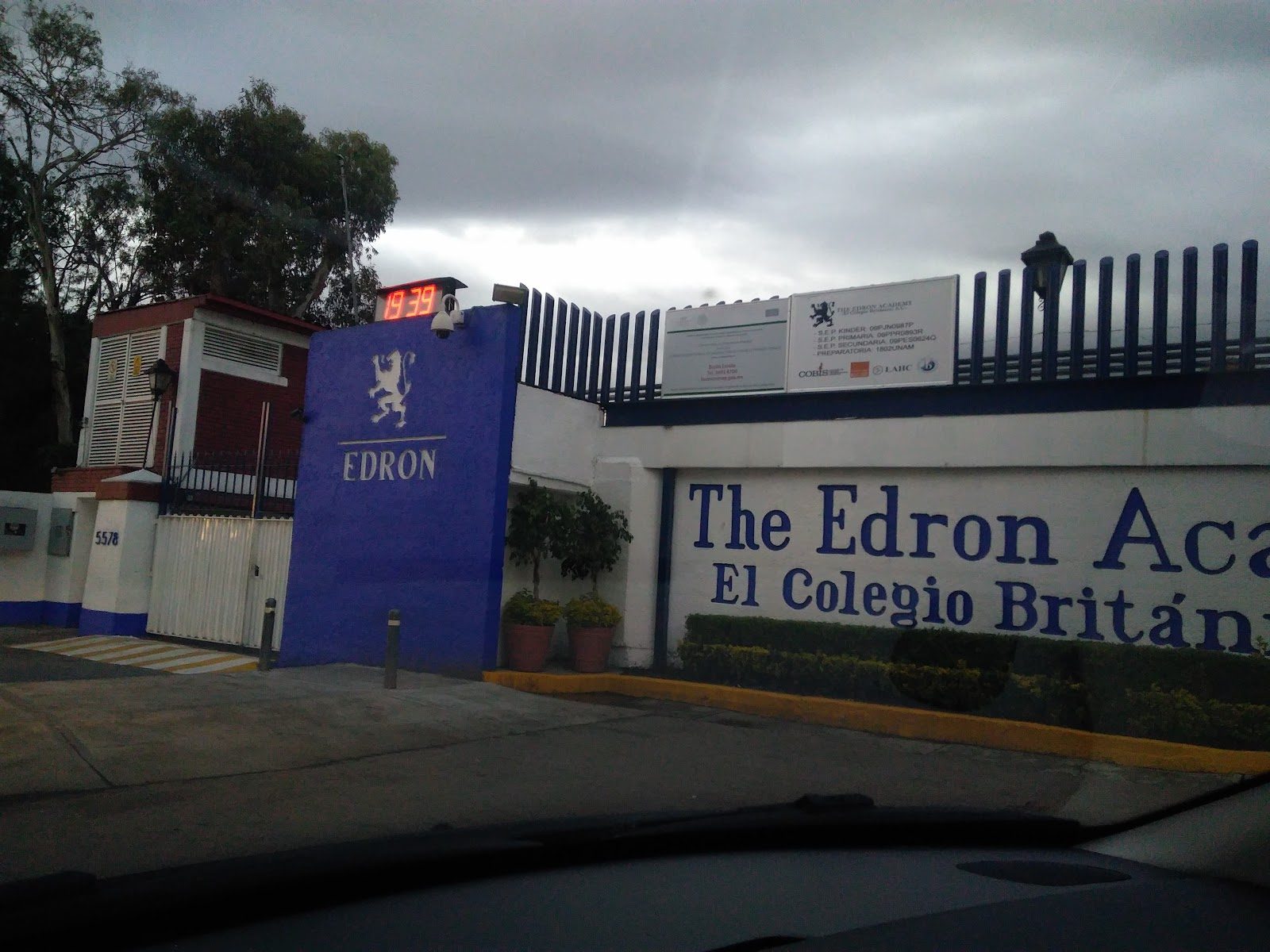
The Edron Academy
Mexico City · Mexico
Mexico City's oldest British school since 1963, blending SEP and IB study into a genuinely bicultural sixth form

Instituto Cumbres México
Mexico City · Mexico
The founding campus of a Legion of Christ network born in 1954, pairing Catholic formation with IB rigor in the hills of Cuajimalpa.
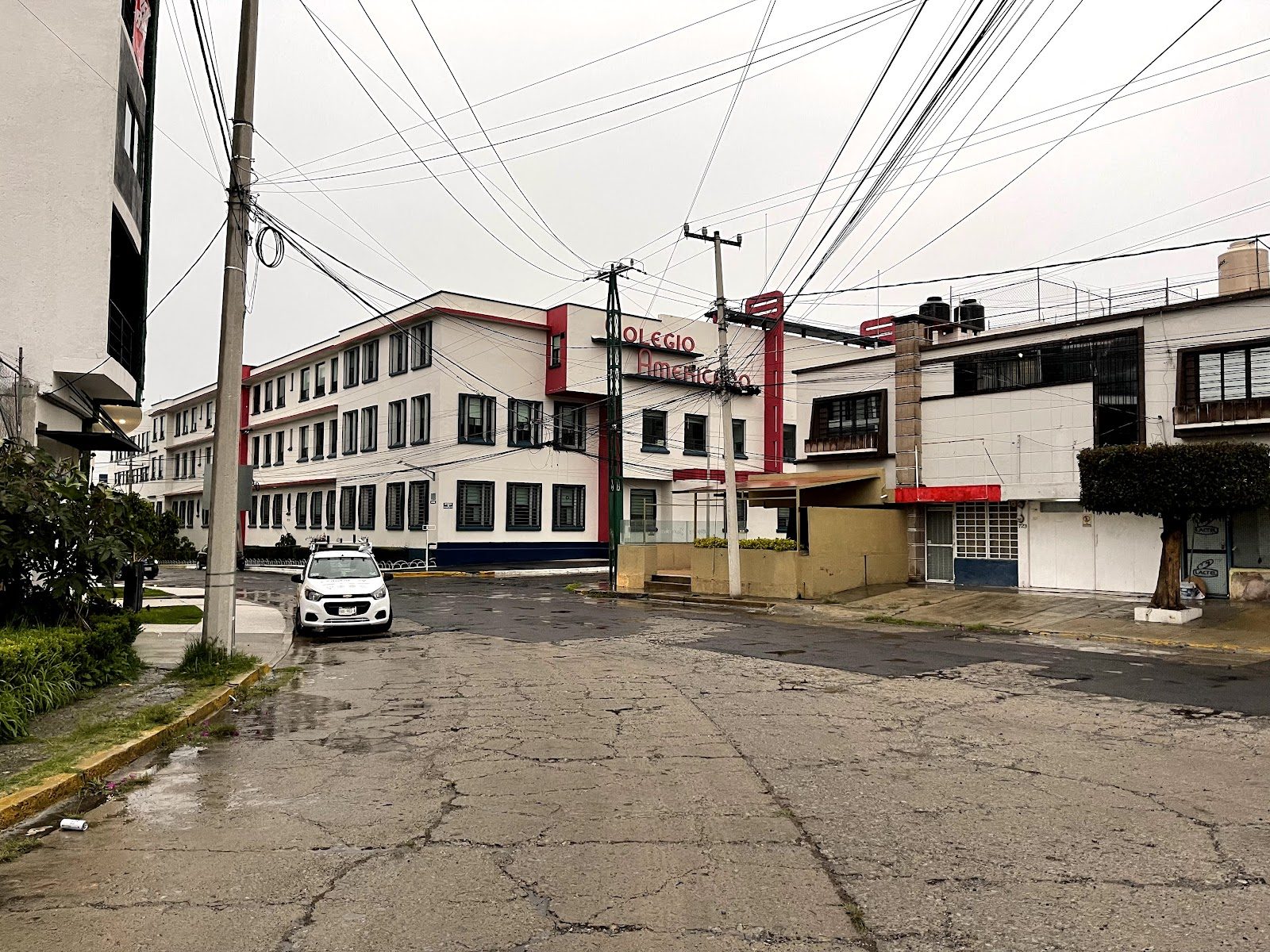
Puebla American School Foundation
Puebla · Mexico
Since 1942, this bilingual Puebla day school became the city's first to run the full IB continuum, from PYP to Diploma.
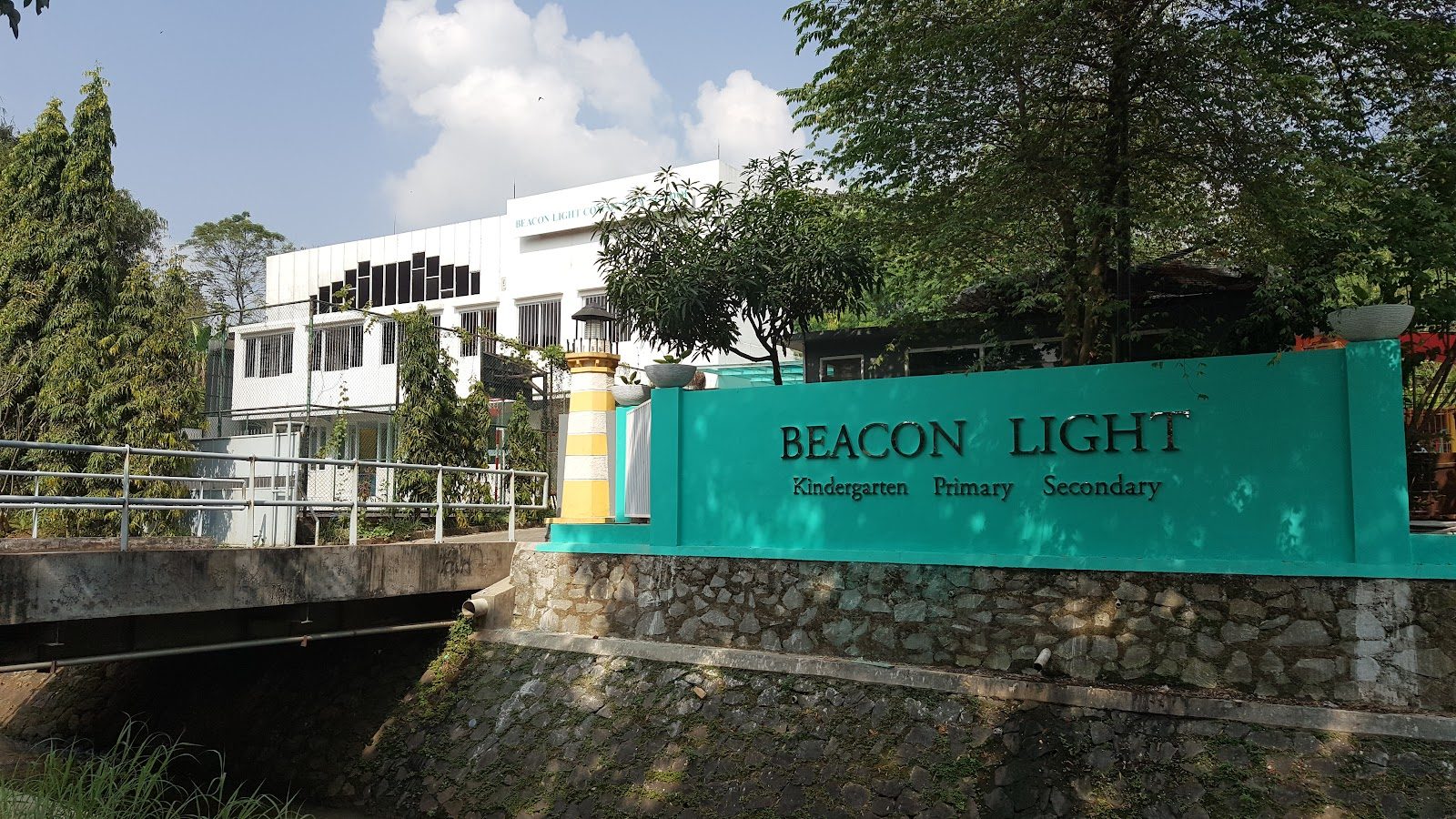
Beacon Academy
South Tangerang · Indonesia
A South Tangerang IB day school built on inquiry-driven learning and a service-first take on student leadership.
Same country and curriculum — closest matches within ±10 points either way